
How to Evaluate Smart Mine Operations Vendors for Automation and Data Integration





Choosing among smart mine operations vendors now reaches far beyond software sourcing or equipment comparison. It shapes how automation performs underground, how data moves across fleets and sites, and how safely capital assets operate under harsh geological and regulatory pressure.
That shift matters across modern mining and underground infrastructure. As electrification, autonomy, and remote operations accelerate, vendor quality increasingly determines whether digital programs produce operational clarity or another layer of disconnected systems.
Why vendor evaluation has become a strategic issue
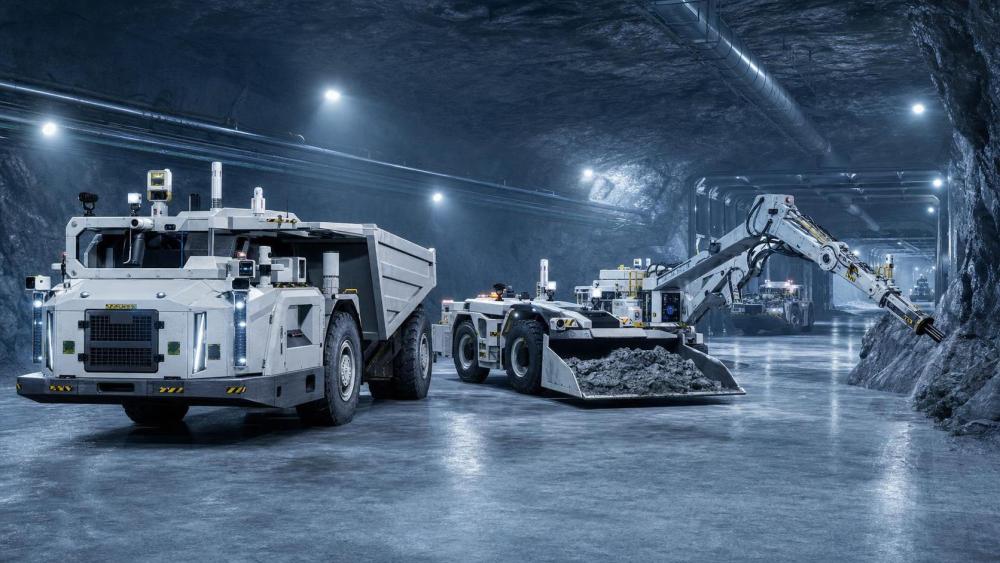
Smart mine programs now sit at the intersection of production, safety, energy transition, and enterprise reporting. A vendor may offer fleet autonomy, condition monitoring, dispatch, analytics, or integration middleware, yet the real test is operational fit.
In underground settings, fit is especially demanding. Systems must function through dust, vibration, rock stress, intermittent communications, narrow headings, ventilation limits, and mixed fleets that were never designed to share clean data.
This is why smart mine operations vendors deserve structured scrutiny. Claims around artificial intelligence, real-time visibility, and autonomous coordination sound attractive, but value only appears when those capabilities survive the realities of drilling, hauling, blasting, and maintenance.
For organizations following underground engineering trends, that logic extends beyond mines alone. Tunnel boring machines, pipe jacking systems, drilling jumbos, mining dump trucks, and underground LHD loaders increasingly depend on integrated controls, sensor fusion, and remote decision support.
What smart mine operations vendors actually provide
The market is broad, and not every vendor solves the same problem. Some deliver autonomous haulage or loader teleoperation. Others focus on data orchestration, asset health, fleet management, or underground positioning.
A practical evaluation starts by separating capability layers. That prevents a common error: comparing a software platform with an OEM control stack as if both carried the same responsibility.
Seen this way, the phrase smart mine operations vendors covers a layered ecosystem. Evaluation improves when each layer is mapped to a clear business objective rather than treated as a generic digital package.
Where data integration usually succeeds or fails
Automation often gets the attention, but data integration decides whether the site can scale. A loader, truck, jumbo, or conveyor may each generate high volumes of operational data, yet value remains trapped when tags, timestamps, and event models do not align.
The strongest smart mine operations vendors usually demonstrate three things early. They show how machine data is normalized, how site applications consume it, and how enterprise teams trust it for planning, compliance, and capital decisions.
This is especially relevant in environments tracked by UTMD. Whether the asset is a TBM under hard-rock loading, an underground LHD using remote control, or an EV mining truck recovering energy downhill, each system carries different signal structures and operating logic.
A weak vendor treats integration as a connector library. A capable one understands physics, operating context, and failure modes. That distinction affects everything from sensor reliability to the credibility of productivity dashboards.
Key integration questions
- Can the platform ingest data from legacy and new equipment without custom redevelopment every quarter?
- Does it support open APIs, event streaming, and historian export in standard formats?
- How are missing signals, delayed packets, and network dropouts handled underground?
- Can operations teams trace a KPI back to source equipment and raw events?
- Who owns the integrated data model after commissioning?
Operational proof matters more than polished demonstrations
Many smart mine operations vendors present convincing control-room visuals. The harder question is how their systems behave across shifts, ore zones, maintenance interruptions, and variable communications quality.
Operational proof should come from environments close to the target site. An autonomous solution proven in open, dry haul roads does not automatically translate to deep underground ramps or narrow drawpoints.
The same applies to tunnelling and trenchless systems. A vendor supporting automated segment assembly or machine guidance must prove that sensing and control remain stable under pressure, vibration, slurry, and schedule-critical conditions.
Evidence worth requesting
- Reference sites with comparable geology, depth, fleet mix, and production cadence
- Measured outcomes linked to throughput, unplanned downtime, ventilation efficiency, or energy use
- Incident logs, fallback modes, and recovery procedures during system degradation
- Commissioning timelines versus original project assumptions
- Evidence of multi-year support after deployment, not just installation success
How to compare vendors across business risk
Evaluation becomes sharper when technology criteria are tied to business risk. This reframes procurement from feature counting to resilience planning.
For example, a site prioritizing electrification may care most about battery state visibility, charging or swapping coordination, and ventilation savings. Another operation may place greater value on autonomous traffic control or predictive maintenance.
This approach makes it easier to compare smart mine operations vendors that look similar on paper but differ sharply in execution discipline and lifecycle economics.
Signals from the underground equipment landscape
The broader underground sector offers useful signals for vendor assessment. UTMD’s coverage of TBMs, jumbos, pipe jacking equipment, EV mining trucks, and underground loaders highlights one pattern: automation value rises when machine intelligence is linked to site coordination.
A machine may be advanced on its own. Still, if maintenance records sit in one system, localization in another, and production analytics in a third, decisions remain slower than they should be.
More worth noting is the ESG and electrification angle. Zero-emission requirements in confined spaces, battery-swapping strategies, and regenerative braking analytics all increase the need for trustworthy integrated data. That creates separation between vendors with mining-specific depth and those repackaging generic industrial platforms.
A practical evaluation path
A disciplined process usually starts with internal clarity, not vendor brochures. Define which operational constraints are most expensive today and which future capabilities the site cannot postpone.
Then build a shortlist around those priorities. For most comparisons of smart mine operations vendors, the useful sequence looks like this:
- Map current assets, control systems, and data sources
- Define target workflows, not just target software functions
- Score interoperability, site proof, and support depth separately
- Run a scenario-based proof of value with real site constraints
- Review contract terms for data rights, upgrades, and exit flexibility
That final step is often underweighted. A strong technical result can still become a poor business decision if upgrade paths are unclear or data ownership remains restricted.
What to do next
The best evaluation of smart mine operations vendors rarely begins with a request for the broadest platform. It begins with a clear view of where automation friction, data fragmentation, and operating risk actually sit.
From there, compare vendors against field evidence, integration architecture, and lifecycle accountability. In underground and mining environments, those three dimensions usually predict value better than presentation quality or feature volume.
A useful next move is to turn current operating pain points into an evaluation matrix, then test whether each vendor can connect machines, data, and decisions under real site conditions. That is where confident selection starts.
Related News
How to Evaluate European Drill-and-Blast Tunnelling Contractors for Complex Projects
Drill and blast tunnelling contractors Europe: learn how to assess geology expertise, blast control, equipment reliability, safety, and programme resilience for complex projects.
Which Trenchless Construction Technique Fits Your Utility Crossing Conditions?
Trenchless construction techniques compared for utility crossings: choose HDD, microtunnelling, pipe jacking, or auger boring based on ground, accuracy, access, and risk.
What Is Driving Metro Tunnelling Demand Across Southeast Asia’s Major Cities?
Metro tunnelling Southeast Asia is accelerating as major cities tackle congestion, flooding, and connectivity. Explore the market forces, technical risks, and opportunities shaping demand.
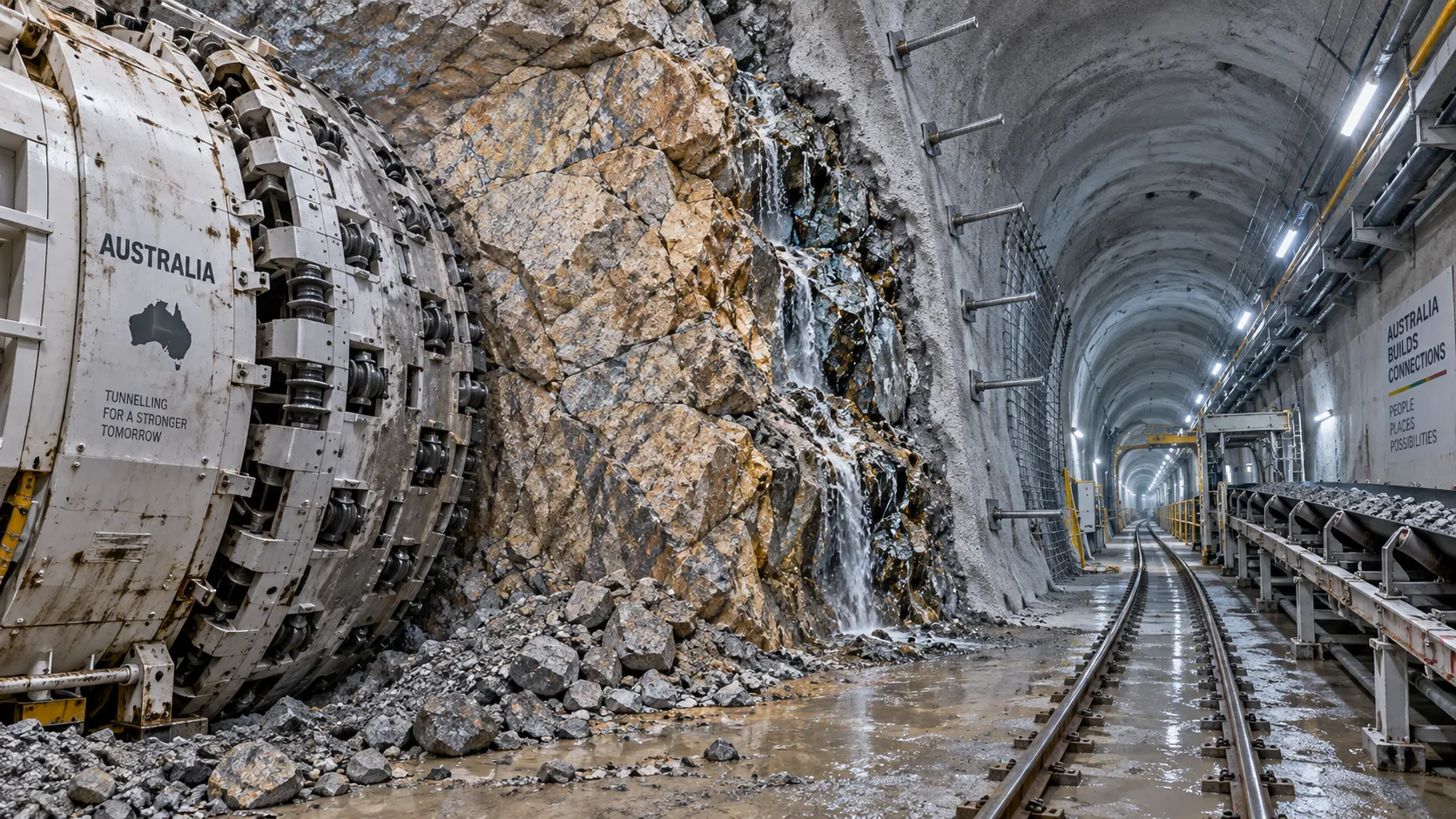
Hard Rock Tunnelling in Australia: Selecting Methods for Variable Ground Conditions
Hard rock tunnelling in Australia: compare TBM, drill-and-blast and hybrid methods to manage variable ground, reduce risk and protect project costs.
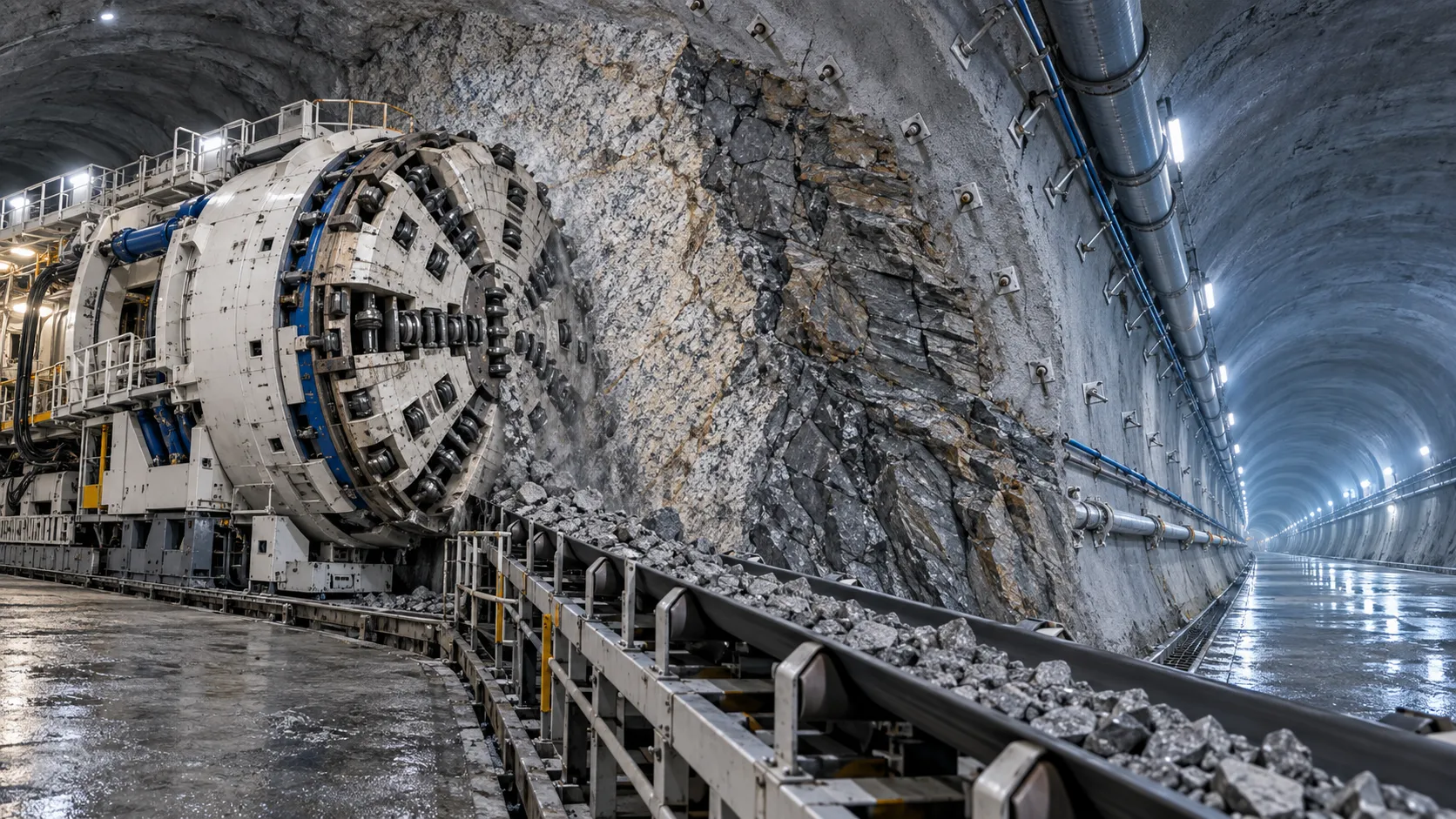
Hydropower Tunnel Excavation: Selecting Methods for Variable Rock Conditions
Hydropower tunnel excavation methods for variable rock conditions: compare TBM, drill-and-blast, and hybrid strategies to improve safety, progress, and project control.
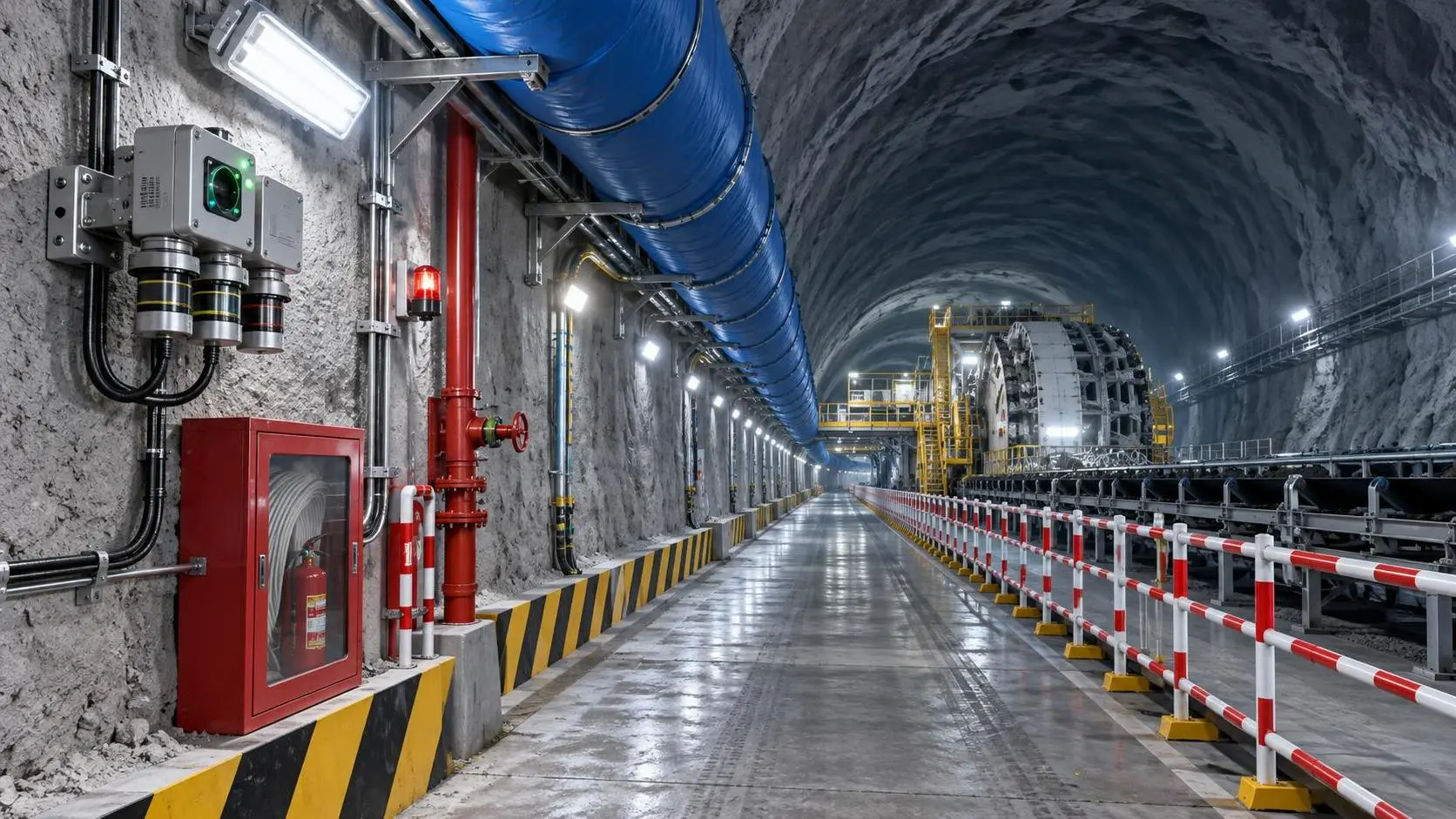
How to Select Underground Safety Equipment for Tunnelling by Hazard and Work Zone
Underground Safety Equipment for tunnelling: match protection to hazards, work zones, compliance, and emergency needs with this practical selection guide.
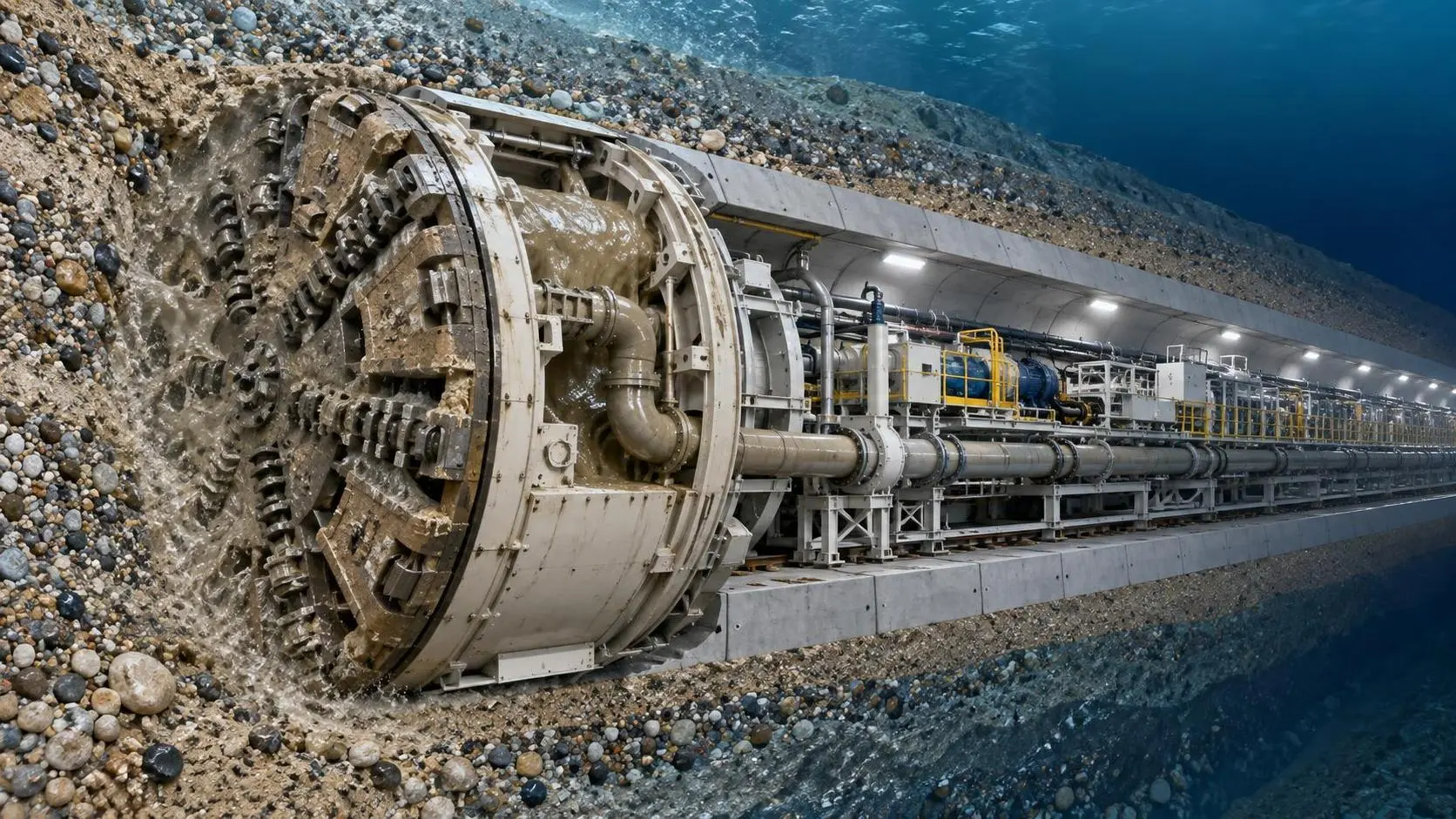
EPB or Slurry Shield? Selecting Soft-Ground Tunnelling Equipment by Soil Conditions
Tunnel Excavation Equipment for soft ground: compare EPB and slurry shields by soil, groundwater, settlement risk, and project logistics to choose confidently.
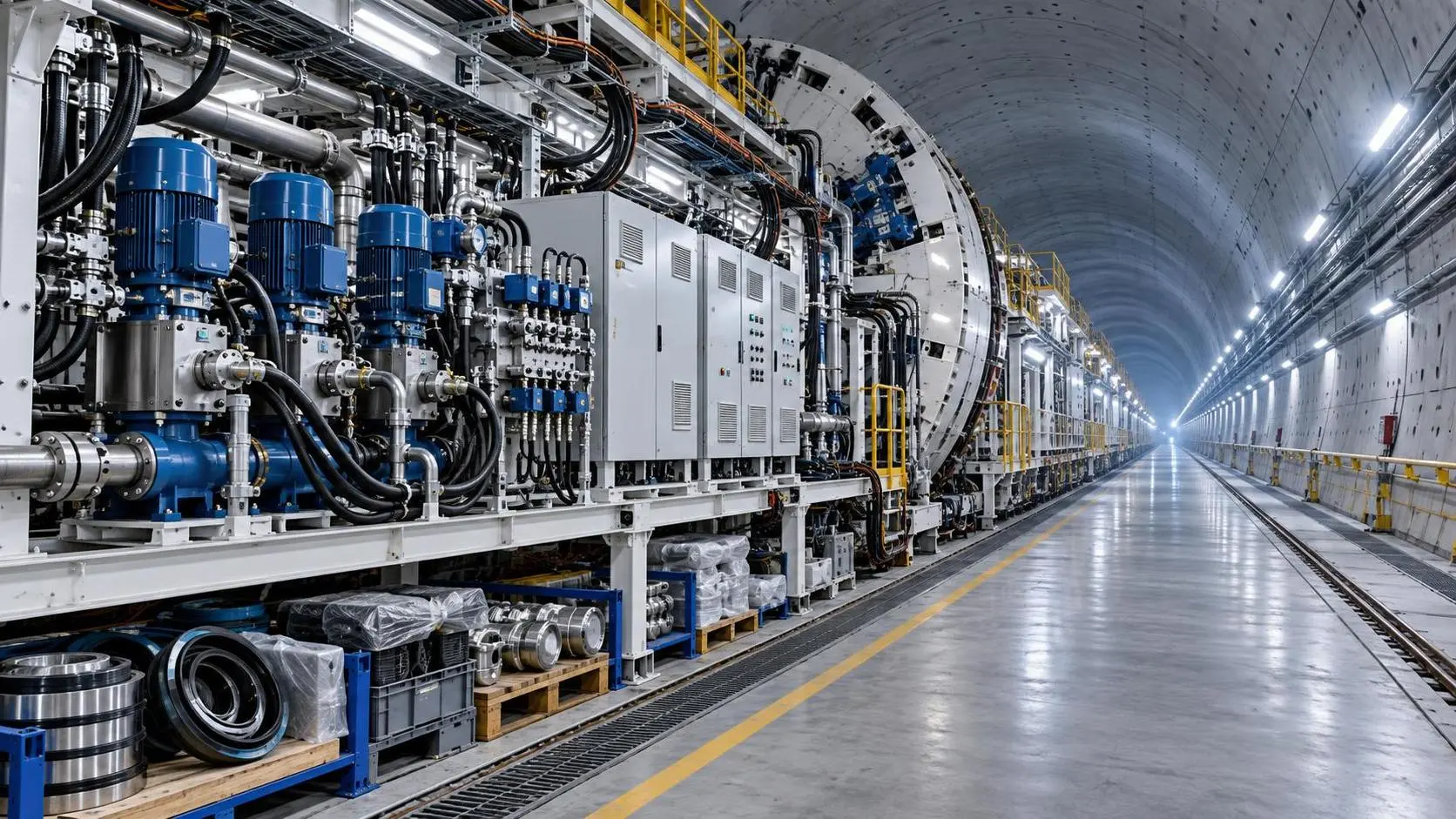
How to Specify TBM Backup System Parts for Reliable Long-Distance Tunnelling
TBM backup system parts: learn how to specify reliable spares for long-distance tunnelling, reduce downtime, ensure compatibility, and speed underground recovery.
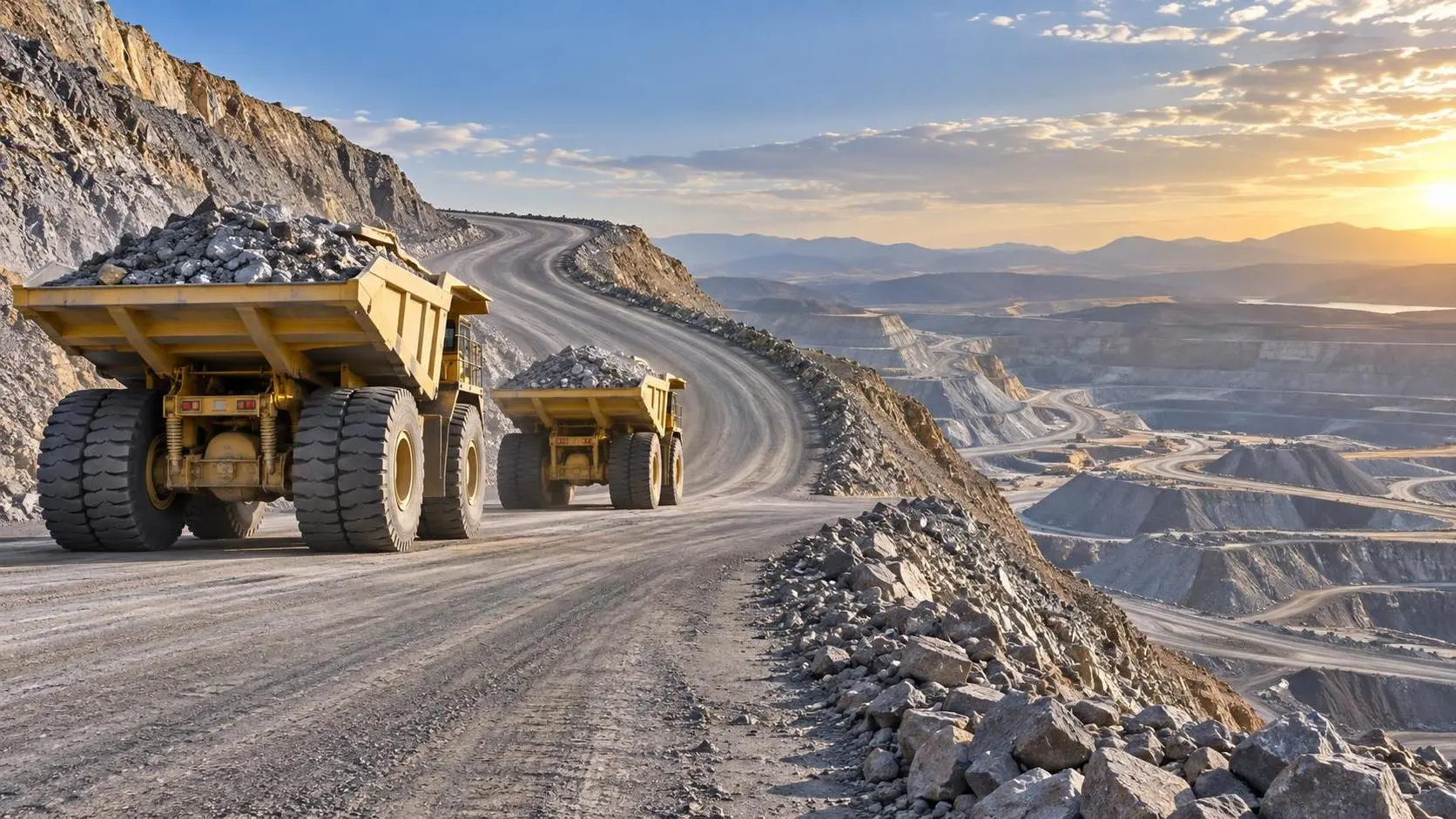
How to Size Open Pit Mining Trucks for Haul Distance, Grade, and Payload?
Open Pit Mining Trucks: learn how to match payload, haul distance, grade, road resistance, and loading capacity for safer, lower-cost mine operations.
Related News
- 00
0000-00
How to Evaluate European Drill-and-Blast Tunnelling Contractors for Complex Projects - 00
0000-00
Which Trenchless Construction Technique Fits Your Utility Crossing Conditions? - 00
0000-00
What Is Driving Metro Tunnelling Demand Across Southeast Asia’s Major Cities? - 00
0000-00
Hard Rock Tunnelling in Australia: Selecting Methods for Variable Ground Conditions - 00
0000-00
Hydropower Tunnel Excavation: Selecting Methods for Variable Rock Conditions
Weekly Insights
Stay ahead with our curated technology reports delivered every Monday.