
Codelco Tender Signals Clearer Entry Rules for Autonomous LHDs





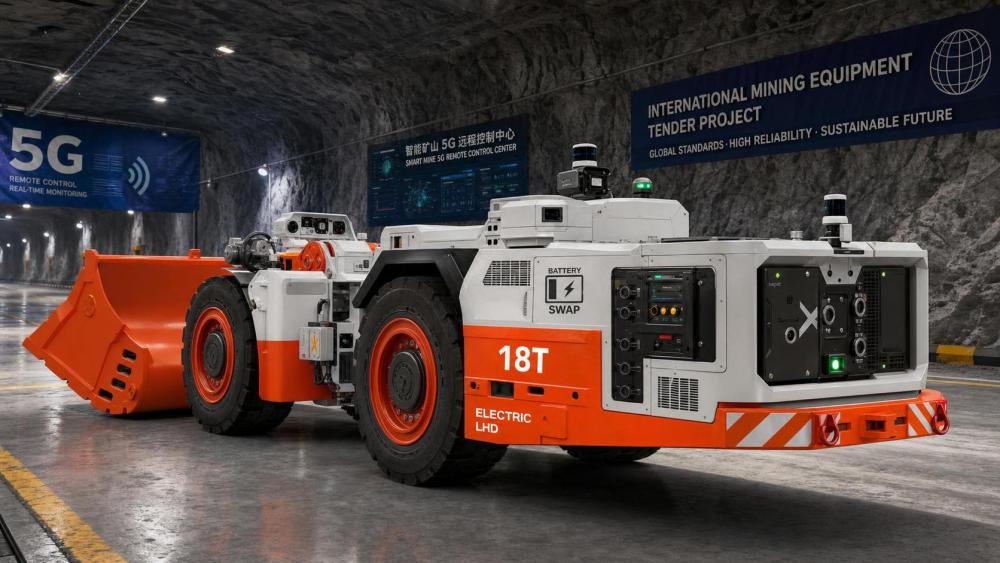
On July 14, 2026, Codelco disclosed an additional international tender for 18 Autonomous LHDs for the Andina and El Teniente mining areas, with a 2026 Q3 start signal and a specification set that goes beyond equipment supply alone. The tender language matters because it ties procurement access to 5G remote control capability, redundant underground SLAM navigation certification, battery swap interface compatibility, and explicit acceptance of CE+IECEx dual-certified equipment. For equipment exporters, certification providers, procurement teams, and delivery partners, this is worth watching as a practical rule-setting signal for how electrified underground mining equipment may be screened in upcoming cross-border purchases.
What the Tender Explicitly Requires
According to the provided event summary, Codelco announced on July 14, 2026 a new round of international tendering for Autonomous LHDs covering the Andina and El Teniente mines. The total stated demand is 18 units. The tender requires 5G remote control functions, redundant certification for underground SLAM navigation, and compatibility with battery fast-swap interfaces. The summary also states that the tender explicitly accepts equipment holding both CE and IECEx certification, and presents this as a high-certainty export window for Chinese manufacturers.
Where the Procurement Signal Lands in the Supply Chain
Export equipment suppliers face a more document-driven entry threshold
From an industry perspective, the direct impact on exporters is not only technical but procedural. When a buyer explicitly names certification acceptability and interface requirements, suppliers are more likely to be assessed on readiness of compliance files, technical bid alignment, and the ability to show that core functions match the tender wording. What deserves closer attention is whether manufacturers can present CE and IECEx materials in a way that supports faster review during international procurement.
Component and systems partners may be pulled into earlier specification alignment
For companies supporting remote control systems, navigation architecture, and battery interface integration, the tender points to a procurement environment where compatibility may need to be demonstrated earlier in the bid cycle. Analysis shows that these partners may need to support equipment makers with certification evidence, interface documentation, and technical descriptions that match buyer-side evaluation language rather than relying only on product claims.
Certification and testing service providers may see demand shift toward bid-timing support
The explicit reference to CE+IECEx and redundant underground SLAM navigation certification suggests that certification-related firms and testing bodies may become involved closer to tender preparation and export packaging. The operational impact is likely to appear in document review, conformity evidence preparation, and clarification support around whether existing certificates and reports are sufficient for procurement submission.
Delivery and after-sales teams should watch the compliance burden attached to execution
For supply chain service providers and after-sales organizations, the tender signal is relevant because complex underground equipment projects often depend on whether technical documentation, interface consistency, and traceable compliance records can travel with the shipment and installation process. It is more appropriate to understand this as an early warning that delivery readiness may be judged not only by lead time, but also by the completeness of supporting technical and certification materials.
What Companies Should Review Before Acting
Check whether certification coverage matches the tender language
Analysis shows that companies should first compare their current CE and IECEx status against the exact way the tender frames admissibility. The practical issue is not simply holding certificates, but being able to show that the submitted equipment configuration corresponds to the certified scope and the procurement requirement described in the tender materials.
Prepare technical files around 5G, SLAM redundancy, and interface compatibility
What deserves closer attention is the quality of technical documentation linked to the required functions. Suppliers may need clearer files on 5G remote control capability, the basis for redundant underground SLAM navigation certification, and the equipment-side compatibility of battery fast-swap interfaces. If these points are not documented cleanly, the commercial opportunity can narrow at the review stage even when the equipment is otherwise competitive.
Track whether the acceptance wording stays stable through bid documents
Observably, the summary provides a positive market signal, but companies should still monitor whether later tender documents, clarifications, or execution-stage materials refine the certification wording or technical interpretation. This matters for bid/no-bid decisions, document planning, and coordination with local delivery or service arrangements.
Align export, service, and traceability planning early
From an industry perspective, firms pursuing this window should also review how export documentation, quality traceability records, and after-sales support plans connect to the equipment package being offered. The event summary does not provide execution details, so this should be treated as a preparation priority rather than as a confirmed downstream requirement set.
Why This Looks More Like an Execution Signal Than a Broad Policy Shift
Analysis shows that this development is best read as a procurement-level rule signal with immediate commercial relevance, rather than as a fully defined regulatory change across the wider market. The importance lies in the buyer making technical and certification admissibility more explicit in a live purchasing context. At the same time, it would be premature to treat one tender as proof of a settled market-wide standard. Continued attention is still needed on how such requirements are repeated, interpreted, or tightened in later documents and market feedback.
How the Market May Need to Read This Moment
The industry significance of this event is not limited to the order volume. More appropriately, it shows that access to underground electrified and autonomous mining equipment opportunities may increasingly depend on how clearly a supplier can connect certification status, control architecture, navigation assurance, and interface compatibility to procurement language. For now, this is better understood as a concrete execution signal with trade and compliance implications, while broader rule consolidation still requires observation.
Basis of This Article and What Still Needs Verification
This article is generated on the basis of the user-provided news title, event date, and event summary. For this type of event, commonly relevant source categories may include official company announcements, regulator publications, customs or trade authority information, industry association updates, standards organization documents, and reporting by authoritative industry media. A specific official source link was not provided in the input, so the underlying announcement text and any later tender documentation still need ongoing verification. Items that remain worth tracking include detailed tender wording, certification interpretation in execution, any changes to bid documents, industry feedback, and how participating companies respond in practice.
Related News
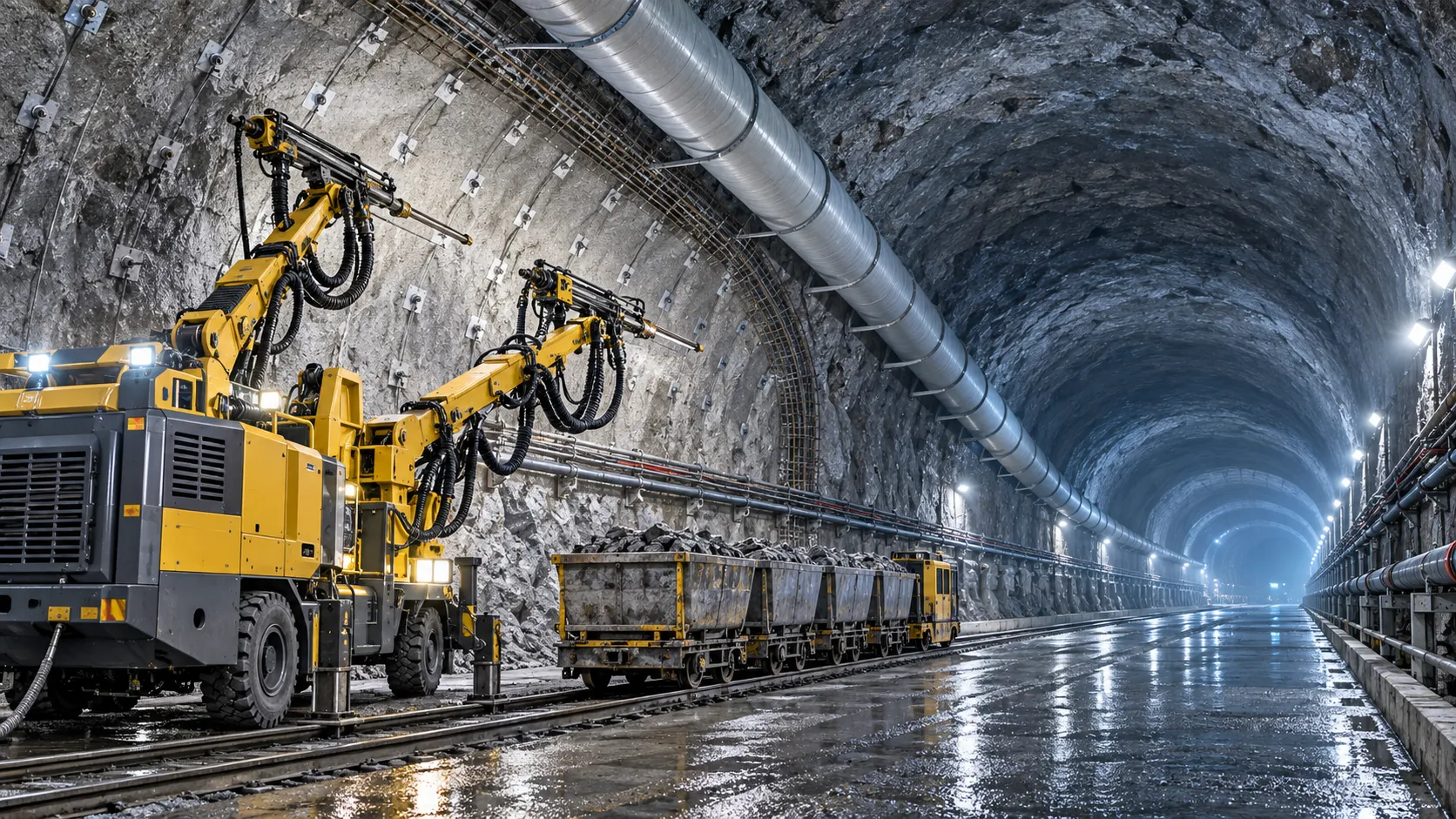
How to Evaluate European Drill-and-Blast Tunnelling Contractors for Complex Projects
Drill and blast tunnelling contractors Europe: learn how to assess geology expertise, blast control, equipment reliability, safety, and programme resilience for complex projects.
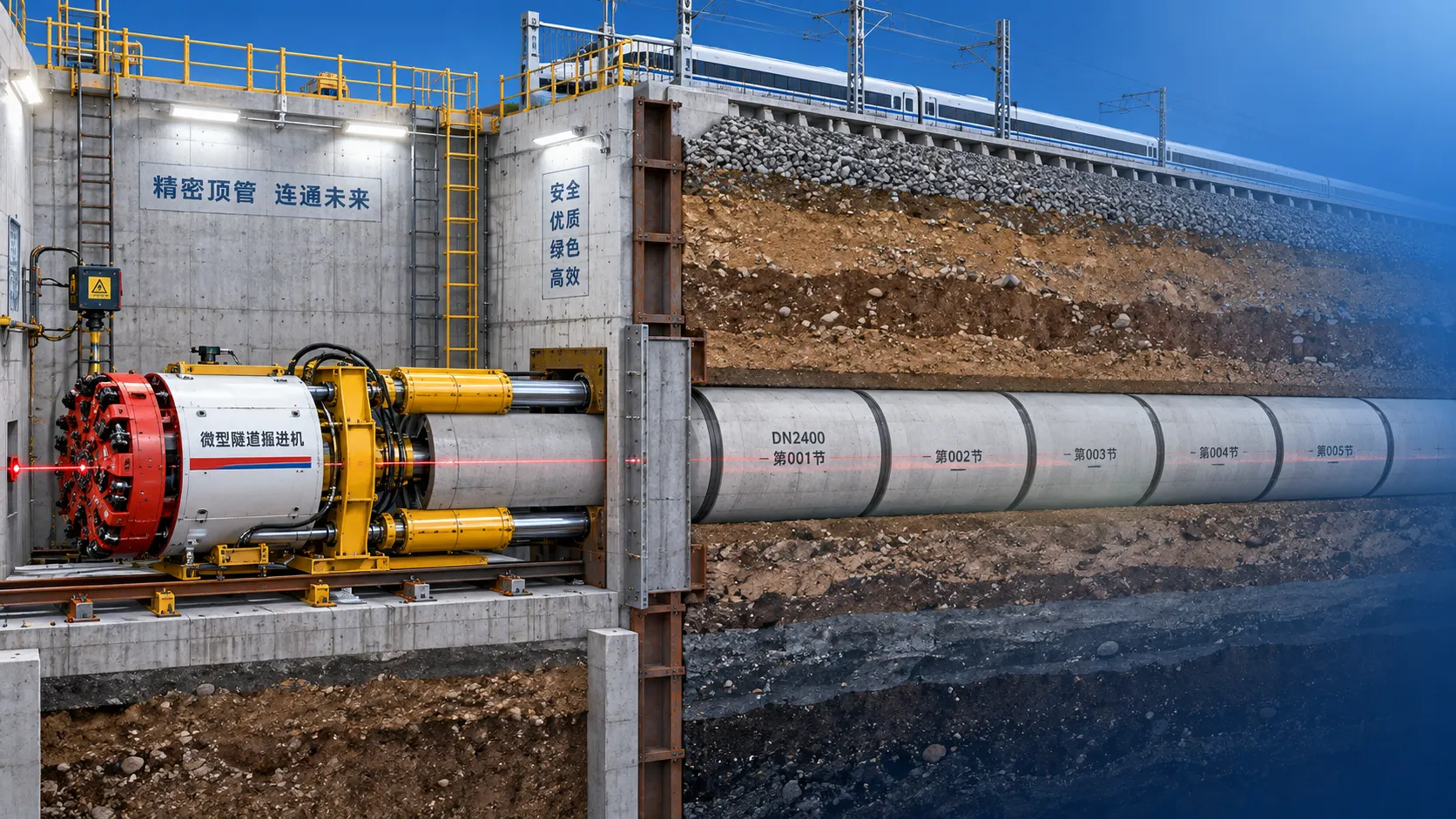
Which Trenchless Construction Technique Fits Your Utility Crossing Conditions?
Trenchless construction techniques compared for utility crossings: choose HDD, microtunnelling, pipe jacking, or auger boring based on ground, accuracy, access, and risk.
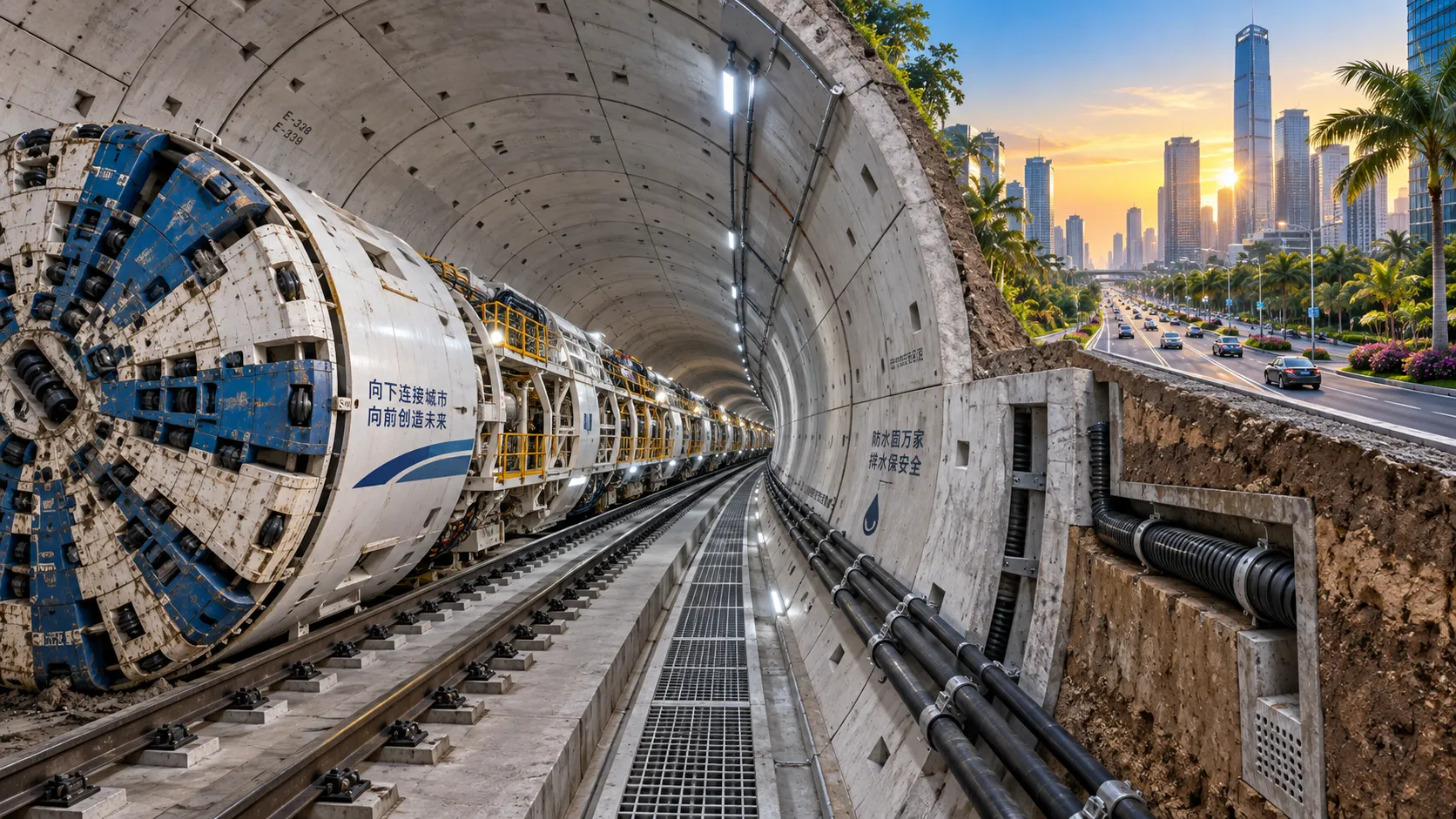
What Is Driving Metro Tunnelling Demand Across Southeast Asia’s Major Cities?
Metro tunnelling Southeast Asia is accelerating as major cities tackle congestion, flooding, and connectivity. Explore the market forces, technical risks, and opportunities shaping demand.
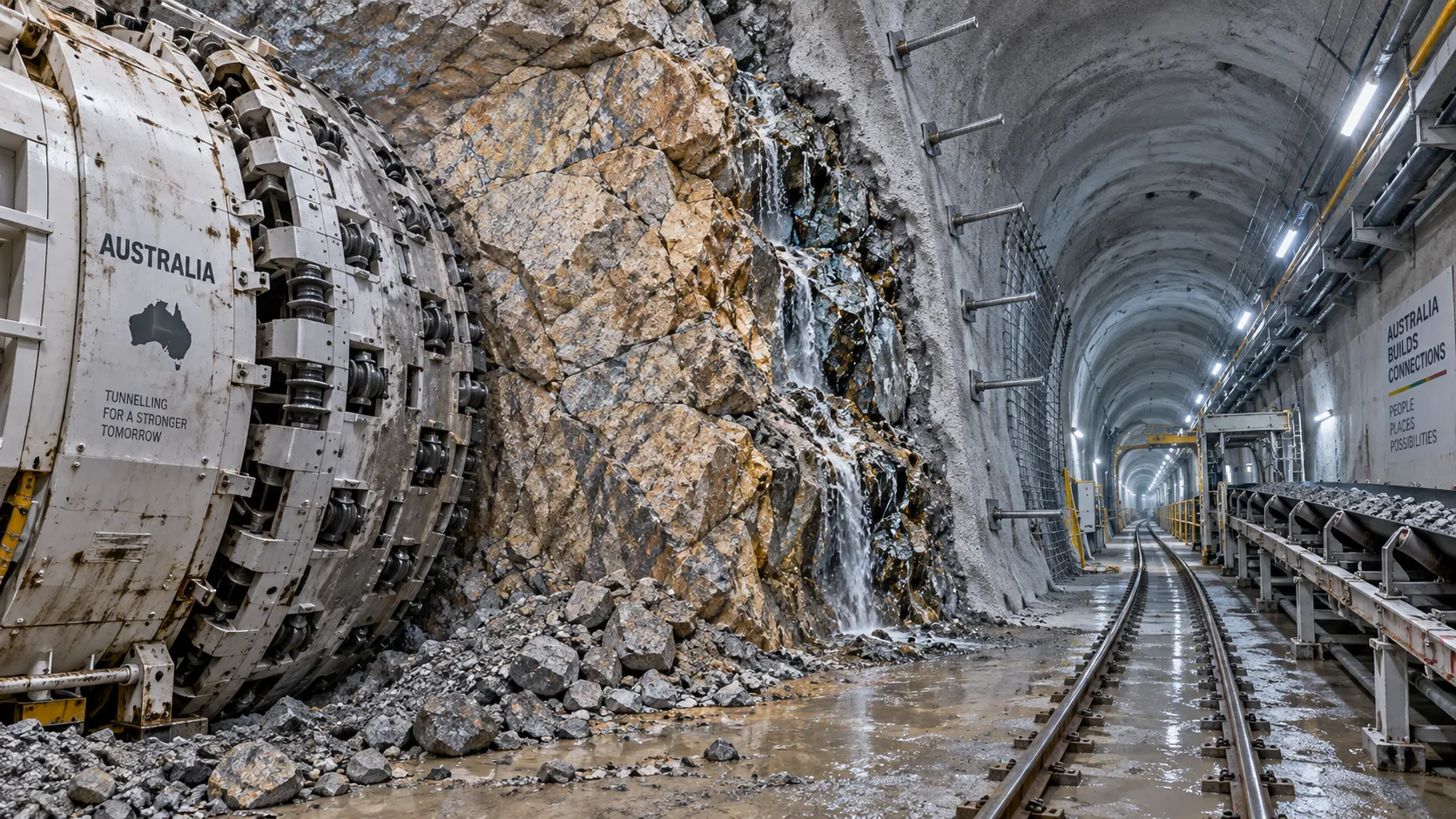
Hard Rock Tunnelling in Australia: Selecting Methods for Variable Ground Conditions
Hard rock tunnelling in Australia: compare TBM, drill-and-blast and hybrid methods to manage variable ground, reduce risk and protect project costs.
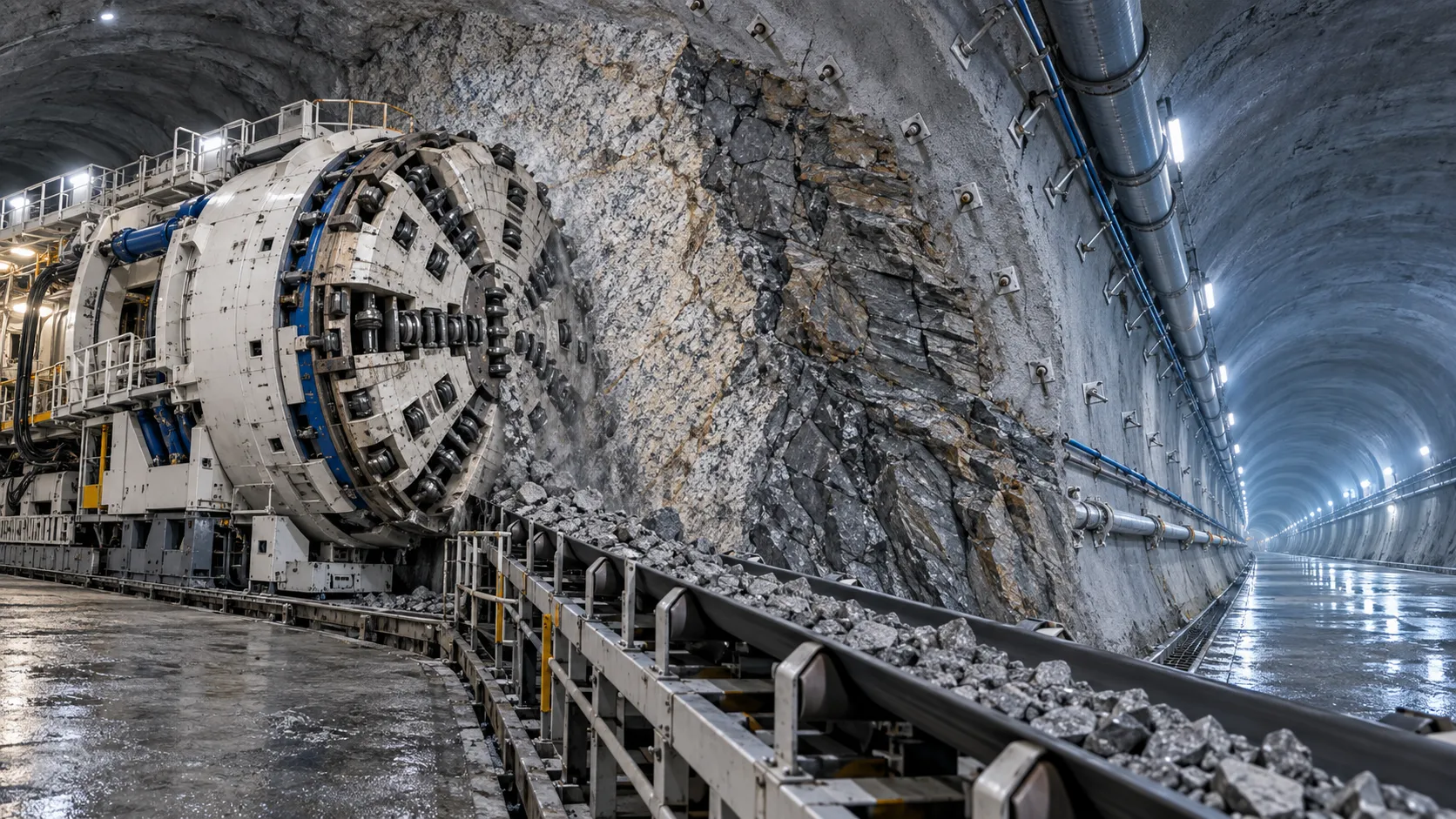
Hydropower Tunnel Excavation: Selecting Methods for Variable Rock Conditions
Hydropower tunnel excavation methods for variable rock conditions: compare TBM, drill-and-blast, and hybrid strategies to improve safety, progress, and project control.
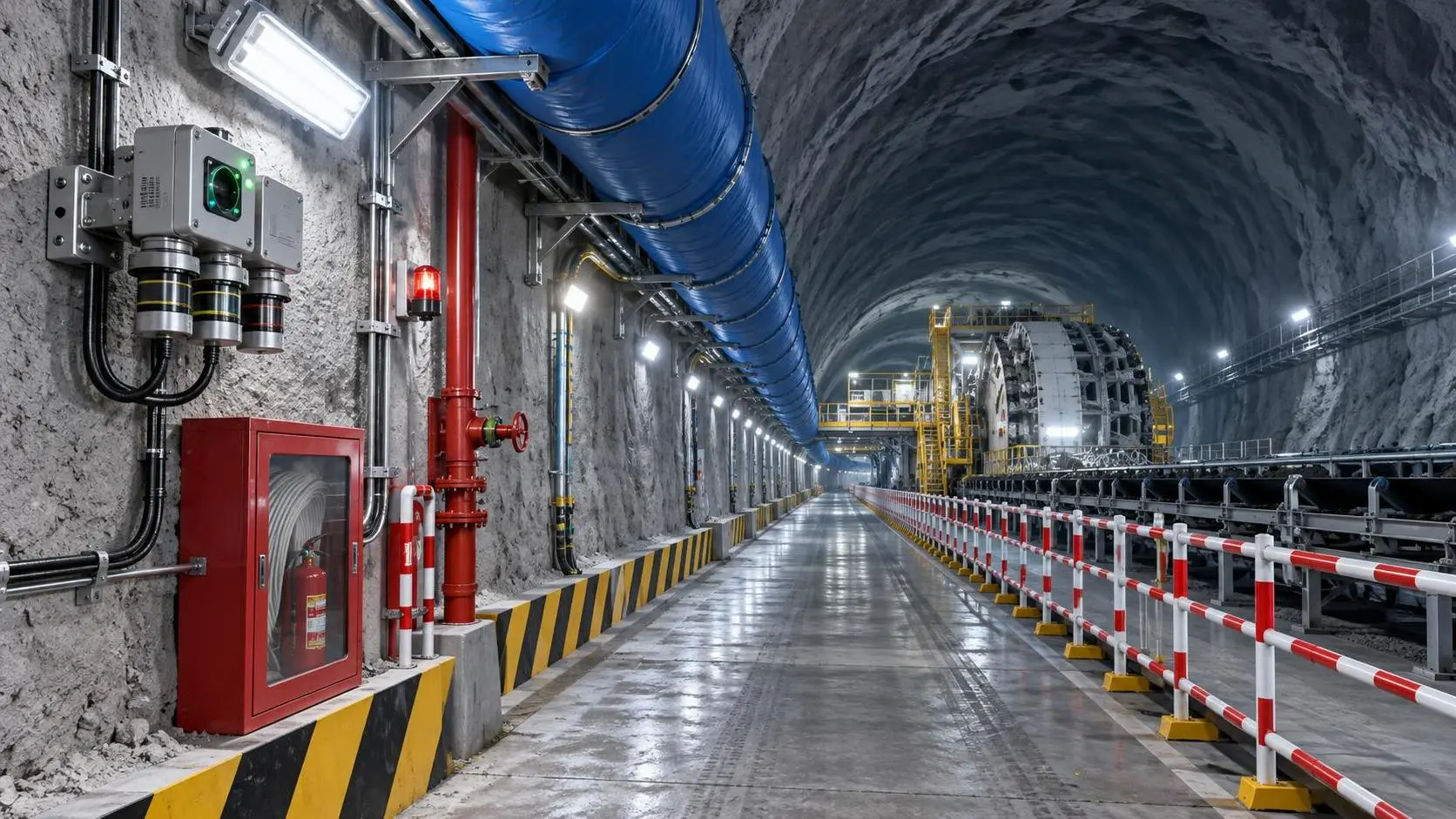
How to Select Underground Safety Equipment for Tunnelling by Hazard and Work Zone
Underground Safety Equipment for tunnelling: match protection to hazards, work zones, compliance, and emergency needs with this practical selection guide.
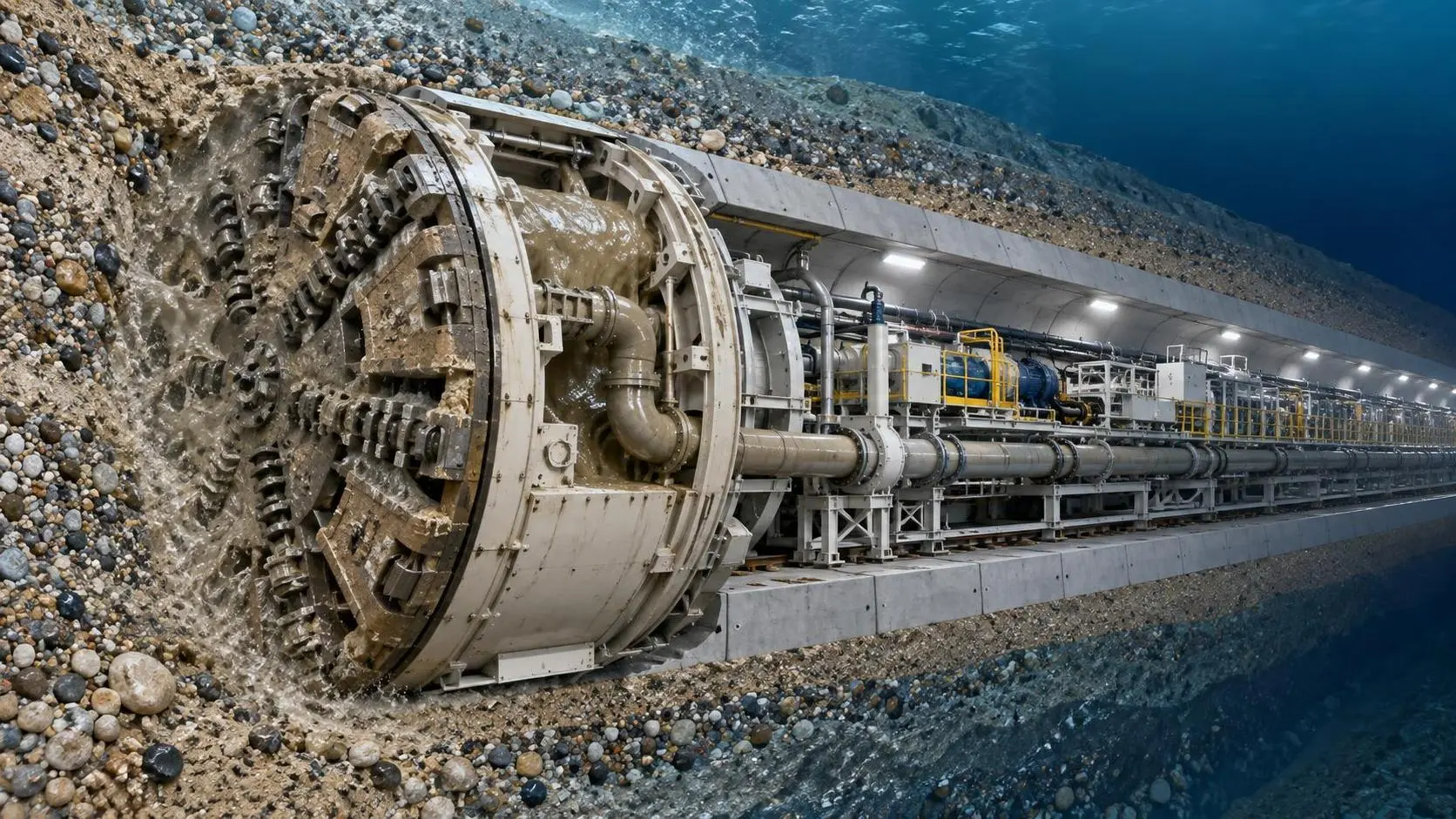
EPB or Slurry Shield? Selecting Soft-Ground Tunnelling Equipment by Soil Conditions
Tunnel Excavation Equipment for soft ground: compare EPB and slurry shields by soil, groundwater, settlement risk, and project logistics to choose confidently.
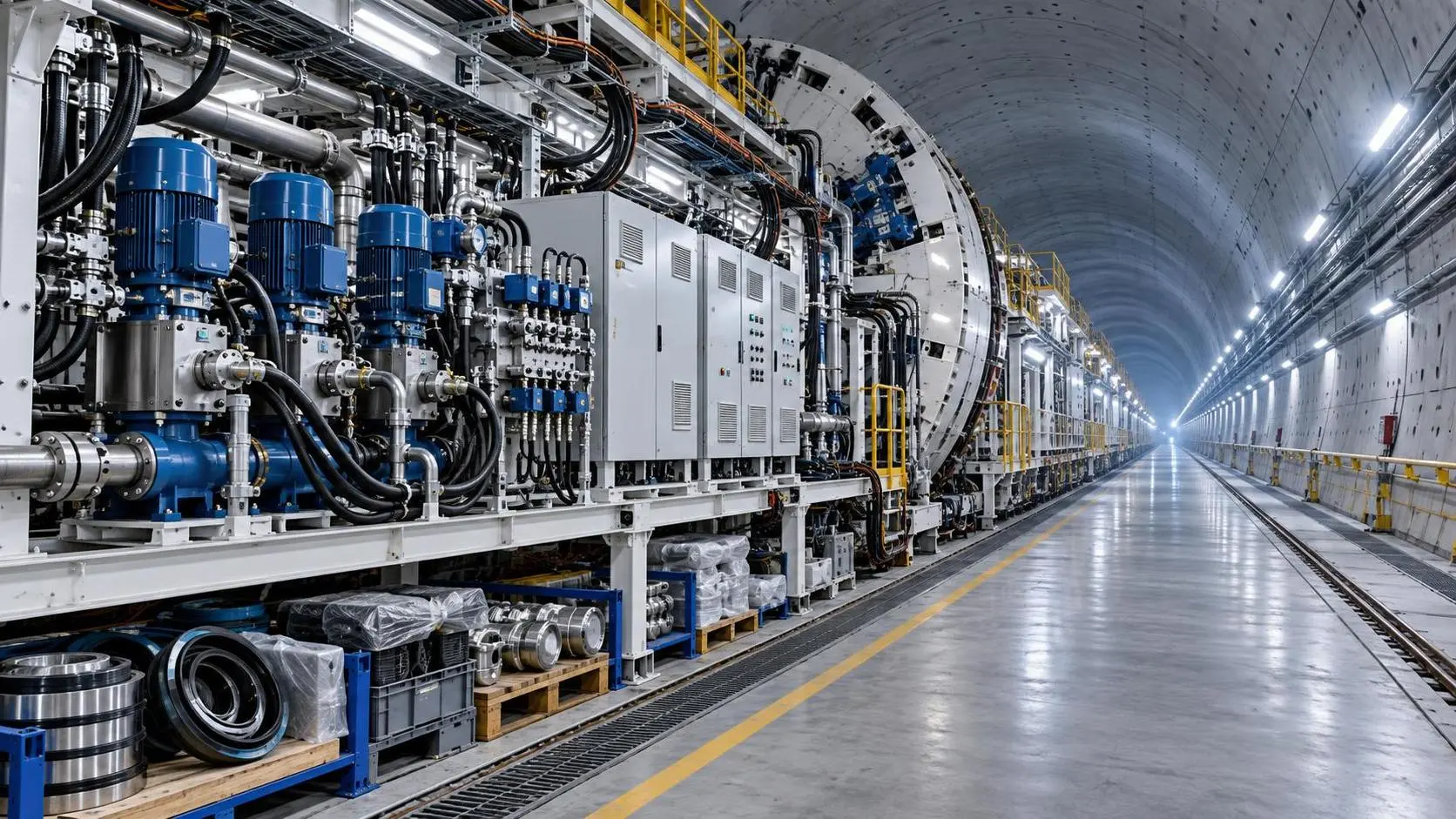
How to Specify TBM Backup System Parts for Reliable Long-Distance Tunnelling
TBM backup system parts: learn how to specify reliable spares for long-distance tunnelling, reduce downtime, ensure compatibility, and speed underground recovery.

How to Size Open Pit Mining Trucks for Haul Distance, Grade, and Payload?
Open Pit Mining Trucks: learn how to match payload, haul distance, grade, road resistance, and loading capacity for safer, lower-cost mine operations.
Related News
- 00
0000-00
How to Evaluate European Drill-and-Blast Tunnelling Contractors for Complex Projects - 00
0000-00
Which Trenchless Construction Technique Fits Your Utility Crossing Conditions? - 00
0000-00
What Is Driving Metro Tunnelling Demand Across Southeast Asia’s Major Cities? - 00
0000-00
Hard Rock Tunnelling in Australia: Selecting Methods for Variable Ground Conditions - 00
0000-00
Hydropower Tunnel Excavation: Selecting Methods for Variable Rock Conditions
Weekly Insights
Stay ahead with our curated technology reports delivered every Monday.