
Battery LHD Orders Jump as Lithium Mine Expansions Lift Q2 Prices





On July 14, 2026, the latest IMARC Group update pointed to a sharp rise in global Battery LHD demand tied to lithium mine expansion in Australia, Africa, and South America. For industry participants, this matters beyond a single quarter of stronger orders: it connects mining capacity growth, export pricing, battery supply availability, certification timelines, and equipment delivery planning in one chain of pressure points that manufacturers, buyers, and supply-side service providers need to watch closely.
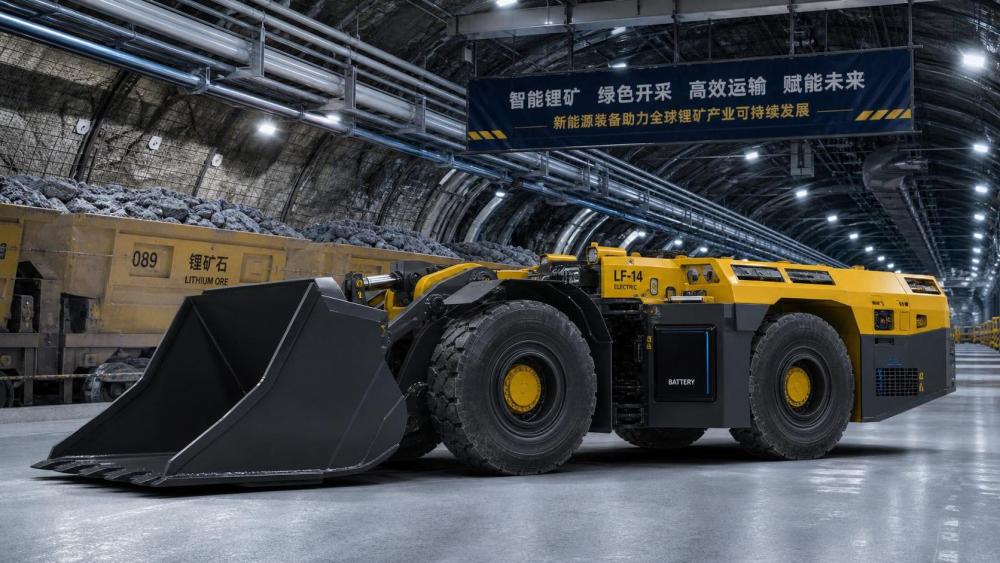
What the latest Q2 data confirms
According to the information provided, global Battery LHD export orders in Q2 2026 increased 37% year on year. The demand increase was linked to lithium mine expansion activity in Australia, Africa, and South America. In the same period, the average FOB export price from Chinese manufacturers rose 12% quarter on quarter to USD 1.82 million per unit.
The stated reasons for the price increase were tight supply in the high-nickel lithium iron phosphate battery chain and a longer testing queue for UL 2594 certification, which had extended to 14 weeks.
Where the pressure is likely to be felt first
Export-facing equipment suppliers are dealing with both demand and timing pressure
From an industry perspective, manufacturers and direct export businesses are likely to feel the effect in quotation management, production scheduling, and contract execution. A rise in orders alongside higher average FOB pricing suggests that sales activity and delivery planning may become harder to separate from component availability and certification timing.
Procurement teams will need to look beyond unit price
For procurement-side market participants, the impact is not limited to the reported 12% price increase. What deserves closer attention is whether battery-related supply tightness and longer UL 2594 testing queues begin to affect ordering windows, internal approvals, and expected lead times for project deployment.
Supply chain service providers may face greater coordination risk
Observably, service providers supporting documentation, shipping coordination, and delivery scheduling may need to track a more compressed execution cycle. When order growth, battery supply constraints, and certification delays appear together, the operational risk often shifts to timing alignment across suppliers, testing, and export readiness.
Mining project buyers may need to reassess project sequencing
For buyers tied to lithium mine expansion, the key issue may be sequencing rather than demand alone. If equipment pricing and certification timelines move at the same time, project teams may need to pay closer attention to when procurement decisions are made and how delivery assumptions are communicated internally and externally.
What companies should monitor now
Battery supply availability versus committed delivery dates
Analysis shows that the reported supply tightness in the high-nickel lithium iron phosphate battery chain should be watched not only as a cost issue but also as a delivery issue. Companies involved in orders, procurement, or project execution should compare supply commitments with promised shipment schedules and avoid treating price movement as the only signal.
UL 2594 testing queues as a practical business variable
The extension of UL 2594 certification testing lead times to 14 weeks is a concrete operational factor. Businesses should pay attention to whether testing schedules affect shipment planning, documentation readiness, customer acceptance timing, or internal production release decisions.
Market communication around FOB price changes
With the average FOB export price from Chinese manufacturers reaching USD 1.82 million per unit, market participants should watch how pricing is explained in customer communication and contract discussions. The distinction between list price movement, supply-driven adjustment, and certification-related scheduling impact may matter in ongoing negotiations.
Exposure to expansion-driven demand in key mining regions
Because the demand increase was tied to lithium mine expansion in Australia, Africa, and South America, companies with exposure to these markets should monitor whether inquiry volume, order conversion, and delivery expectations remain aligned. The immediate issue is not to assume a uniform trend everywhere, but to track whether regional project activity continues translating into equipment orders.
Why this looks more like a signal than a settled trend
As an editorial observation, this update is more appropriate to understand as a strong market signal rather than a fully settled long-term outcome. The combination of a 37% year-on-year increase in Q2 export orders and a 12% quarter-on-quarter rise in average FOB pricing indicates real demand momentum, but the stated causes of price pressure are also tied to bottlenecks: battery supply tightness and a longer certification queue.
Analysis shows that this makes the development important for near-term planning, while still requiring further verification in later quarters. The market is not only reacting to mining expansion demand; it is also responding to constraints that can affect fulfillment speed and transaction structure.
How the market may be best read at this stage
The clearest industry meaning of this development is that Battery LHD demand tied to lithium mine expansion is now intersecting with supply-chain and certification limits in a visible way. That does not by itself confirm a lasting pricing pattern or a fixed long-term supply condition. At this stage, it is more appropriate to understand the news as a meaningful short-term and medium-term operating signal that deserves continued monitoring across orders, pricing, certification lead times, and actual delivery performance.
Basis of this article and what still needs verification
This article is based on the user-provided news title, event date, and summary. The information used here is limited to the stated IMARC Group data, the reported Q2 2026 order and price changes, and the cited reasons related to battery supply tightness and UL 2594 certification scheduling.
For this type of industry update, relevant source categories typically include official announcements, company disclosures, industry association releases, authoritative media reports, and standard-setting organization documents. A specific official source link was not provided in the input, so the underlying figures and later market developments still require ongoing verification. Follow-up attention should remain on later official statements, certification timing changes, and whether the reported order growth and price movement continue beyond Q2 2026.
Related News
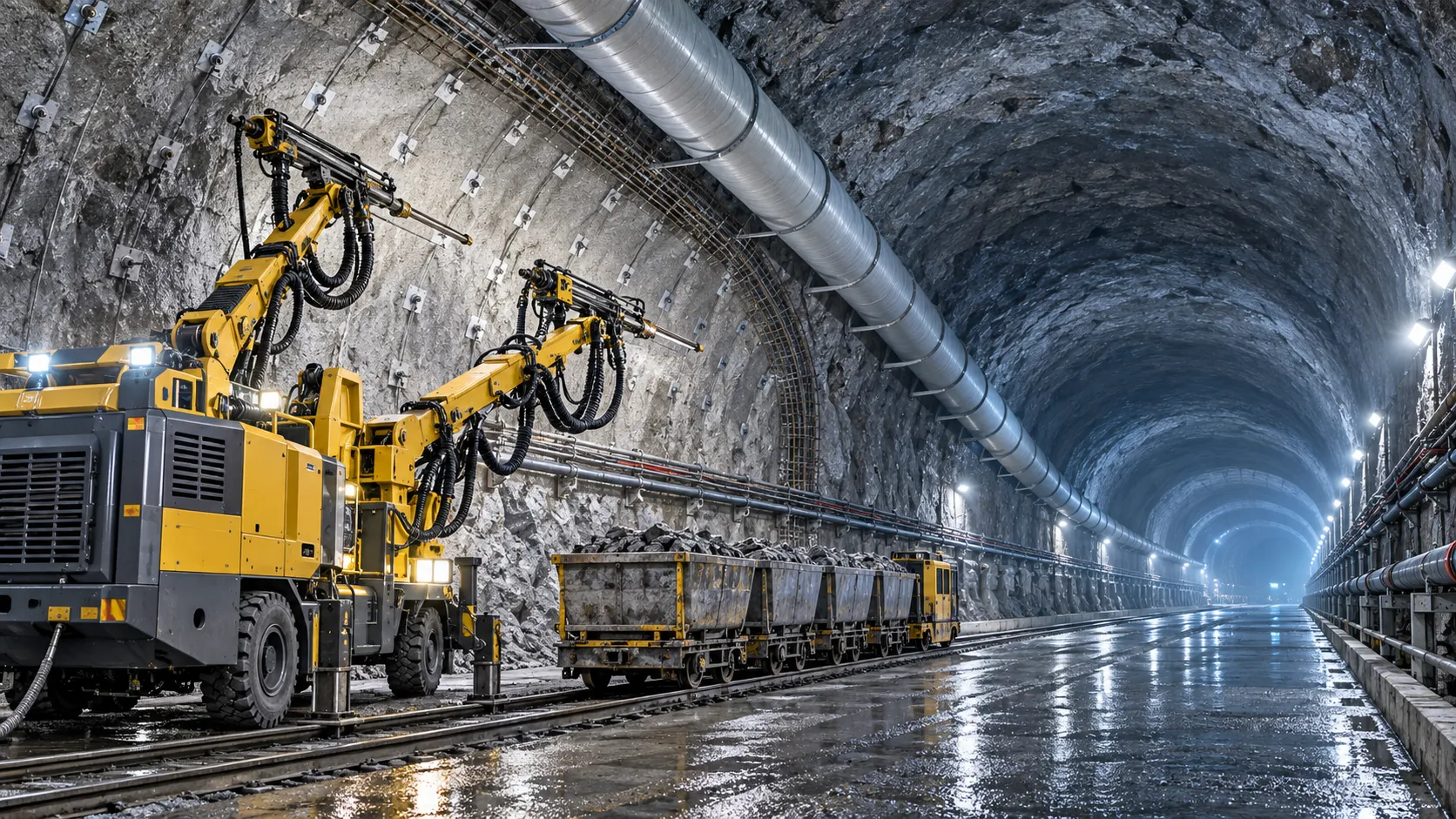
How to Evaluate European Drill-and-Blast Tunnelling Contractors for Complex Projects
Drill and blast tunnelling contractors Europe: learn how to assess geology expertise, blast control, equipment reliability, safety, and programme resilience for complex projects.
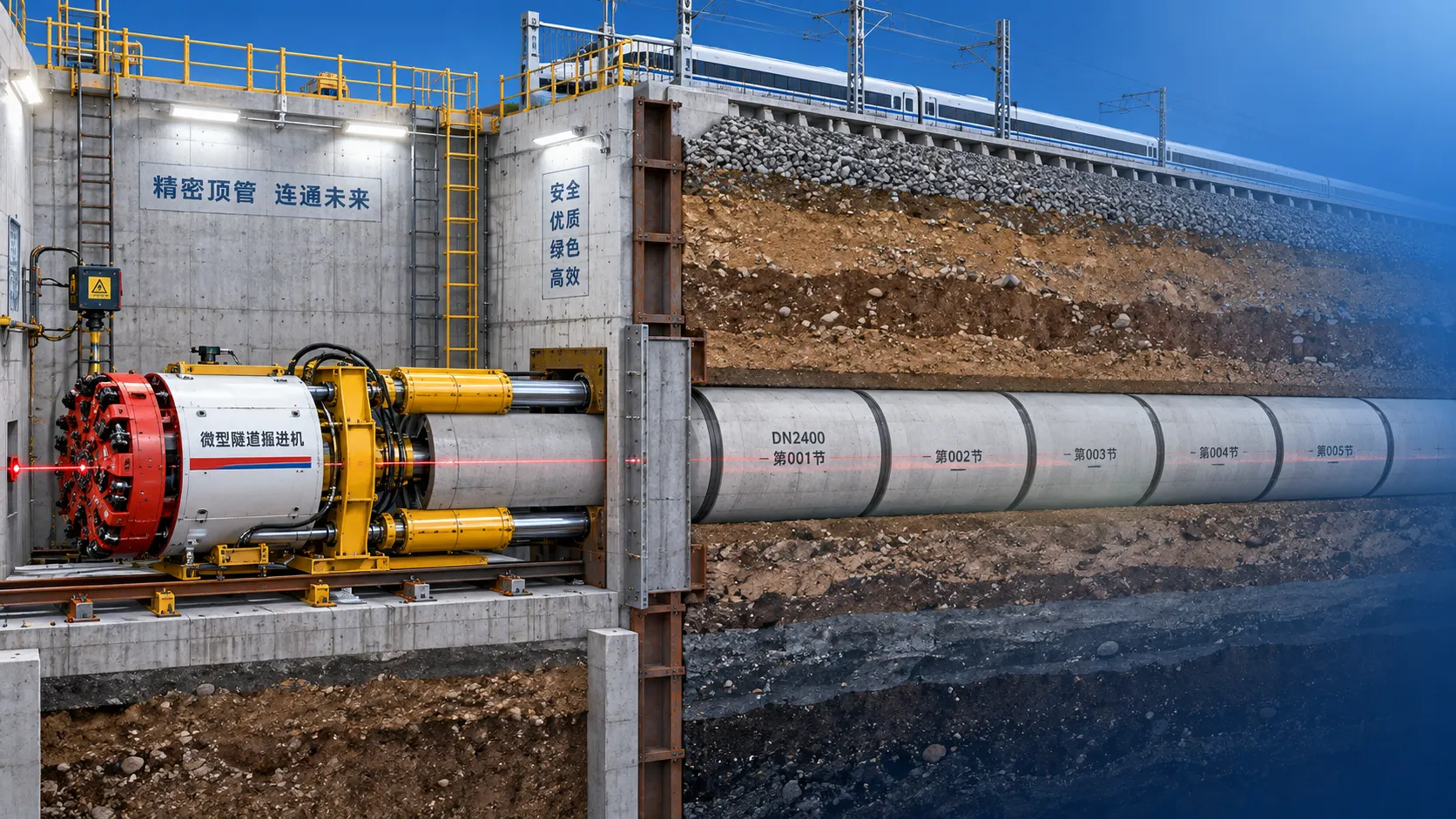
Which Trenchless Construction Technique Fits Your Utility Crossing Conditions?
Trenchless construction techniques compared for utility crossings: choose HDD, microtunnelling, pipe jacking, or auger boring based on ground, accuracy, access, and risk.
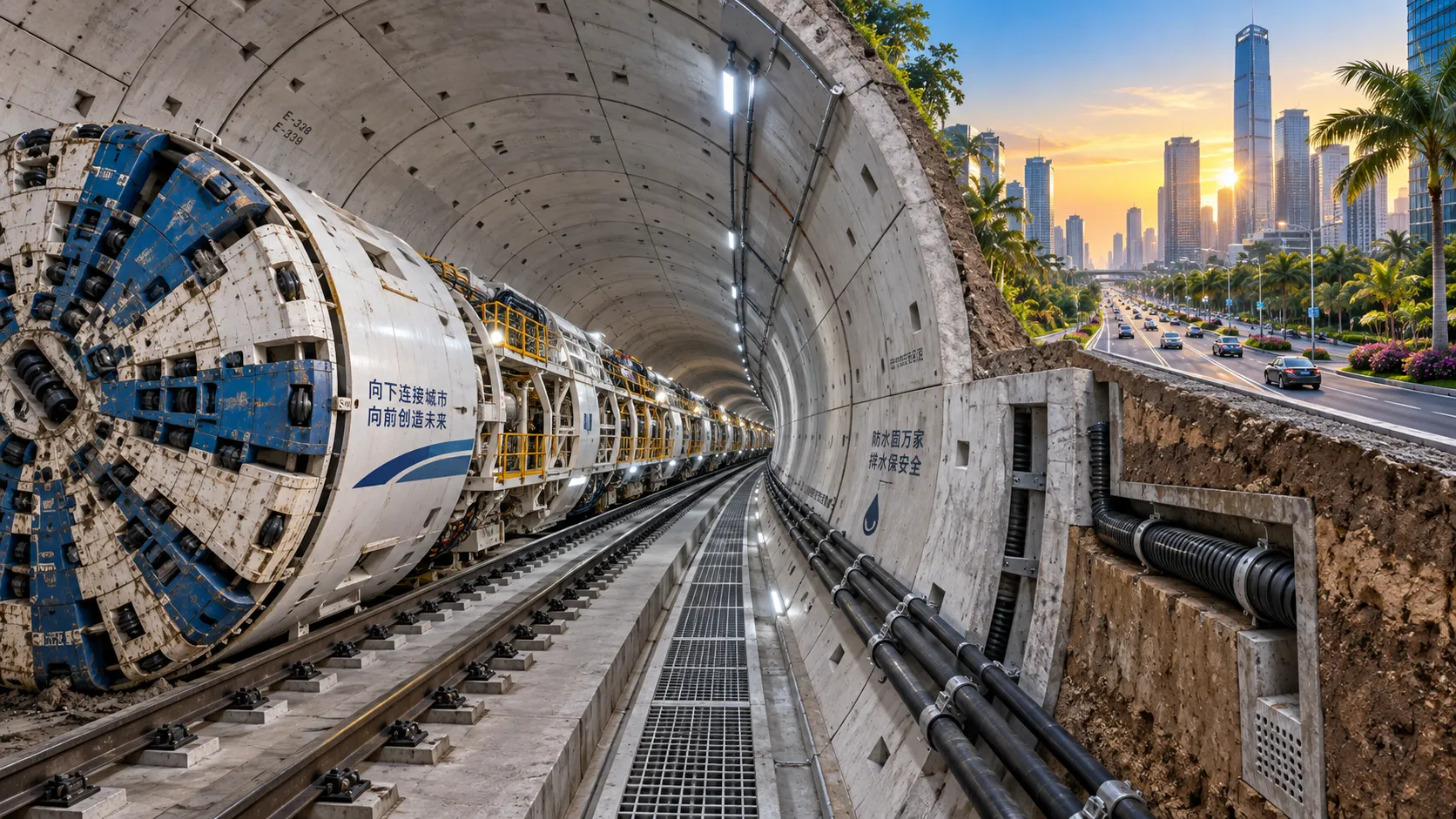
What Is Driving Metro Tunnelling Demand Across Southeast Asia’s Major Cities?
Metro tunnelling Southeast Asia is accelerating as major cities tackle congestion, flooding, and connectivity. Explore the market forces, technical risks, and opportunities shaping demand.
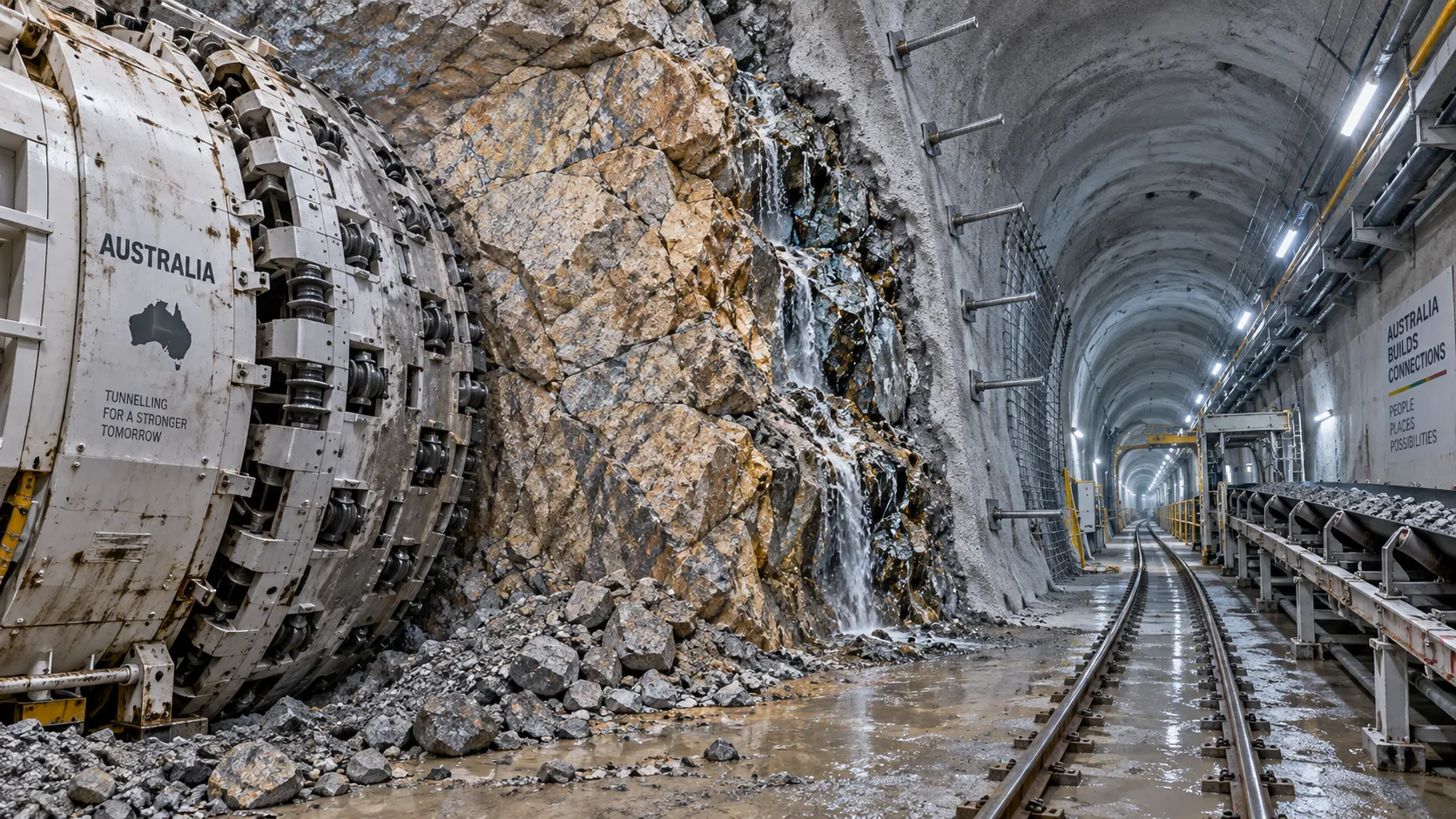
Hard Rock Tunnelling in Australia: Selecting Methods for Variable Ground Conditions
Hard rock tunnelling in Australia: compare TBM, drill-and-blast and hybrid methods to manage variable ground, reduce risk and protect project costs.
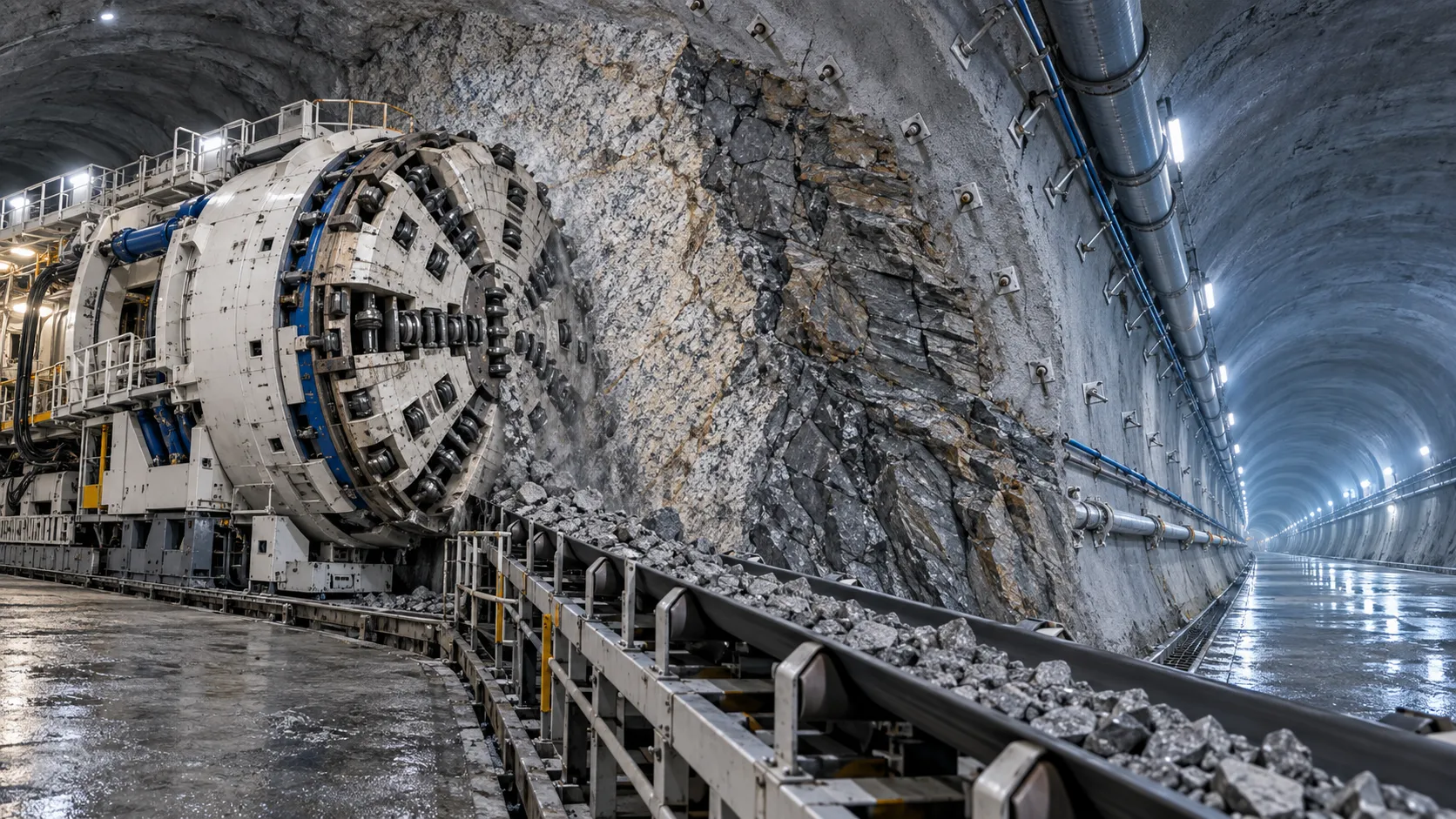
Hydropower Tunnel Excavation: Selecting Methods for Variable Rock Conditions
Hydropower tunnel excavation methods for variable rock conditions: compare TBM, drill-and-blast, and hybrid strategies to improve safety, progress, and project control.
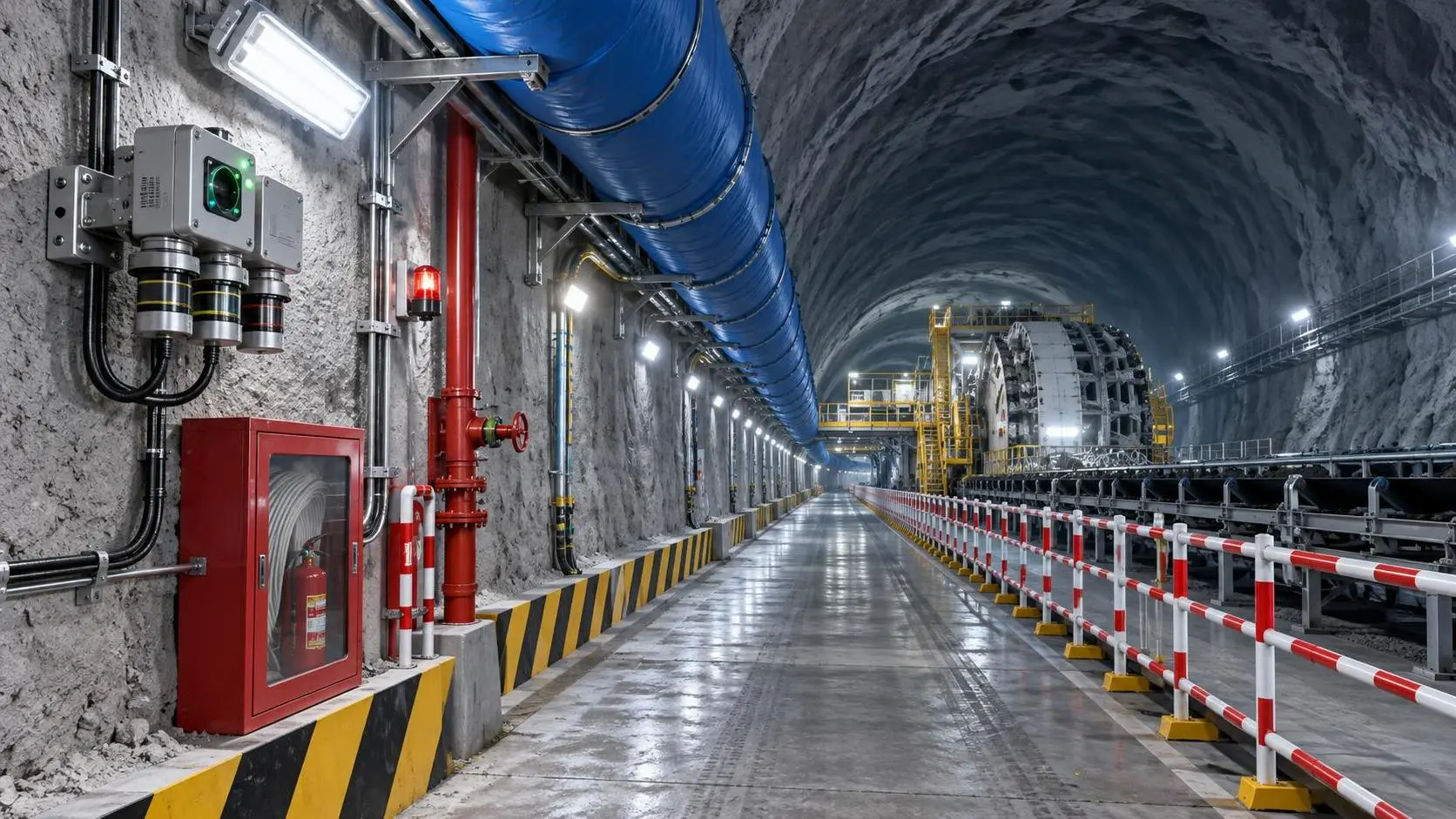
How to Select Underground Safety Equipment for Tunnelling by Hazard and Work Zone
Underground Safety Equipment for tunnelling: match protection to hazards, work zones, compliance, and emergency needs with this practical selection guide.
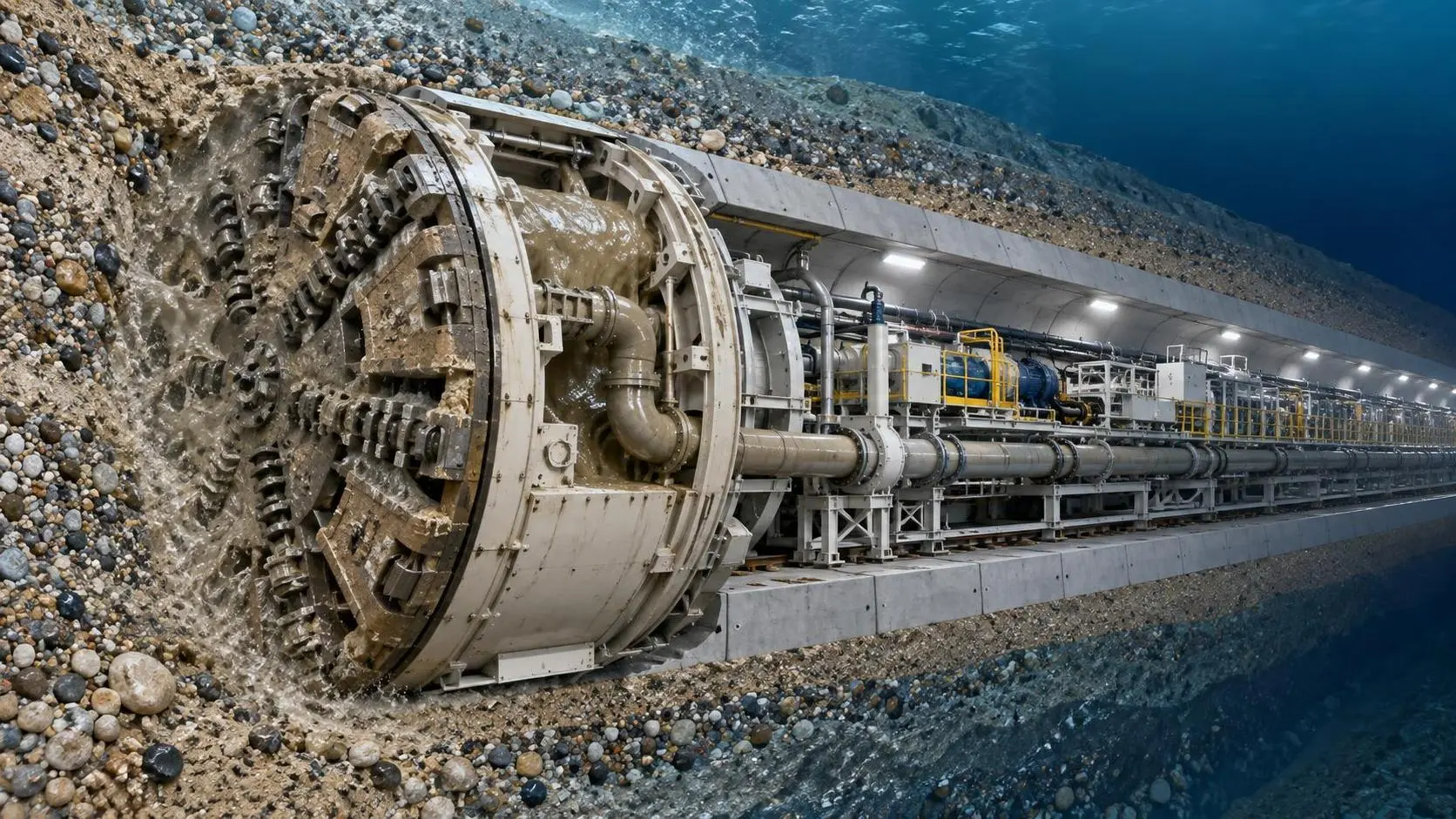
EPB or Slurry Shield? Selecting Soft-Ground Tunnelling Equipment by Soil Conditions
Tunnel Excavation Equipment for soft ground: compare EPB and slurry shields by soil, groundwater, settlement risk, and project logistics to choose confidently.
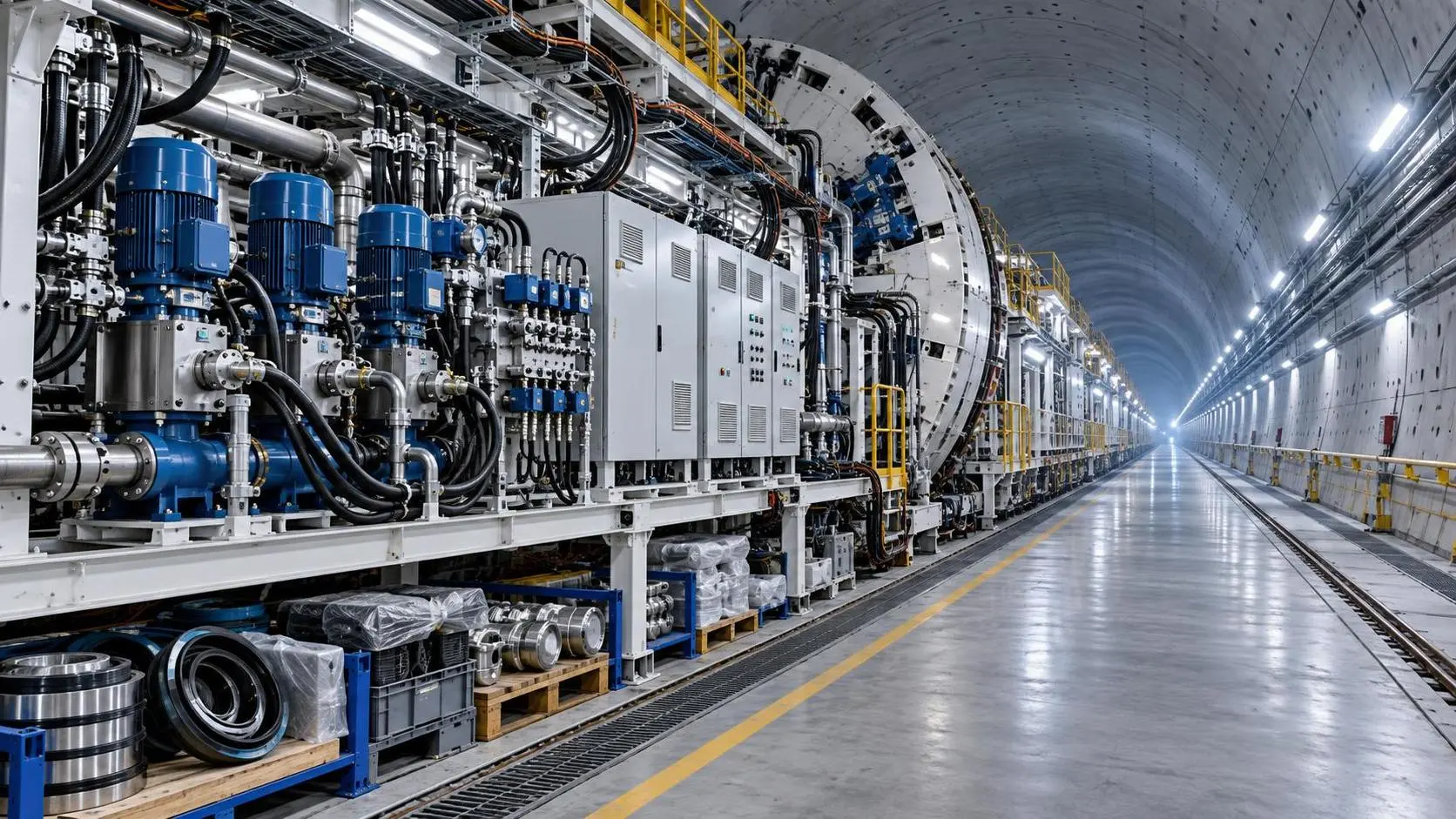
How to Specify TBM Backup System Parts for Reliable Long-Distance Tunnelling
TBM backup system parts: learn how to specify reliable spares for long-distance tunnelling, reduce downtime, ensure compatibility, and speed underground recovery.
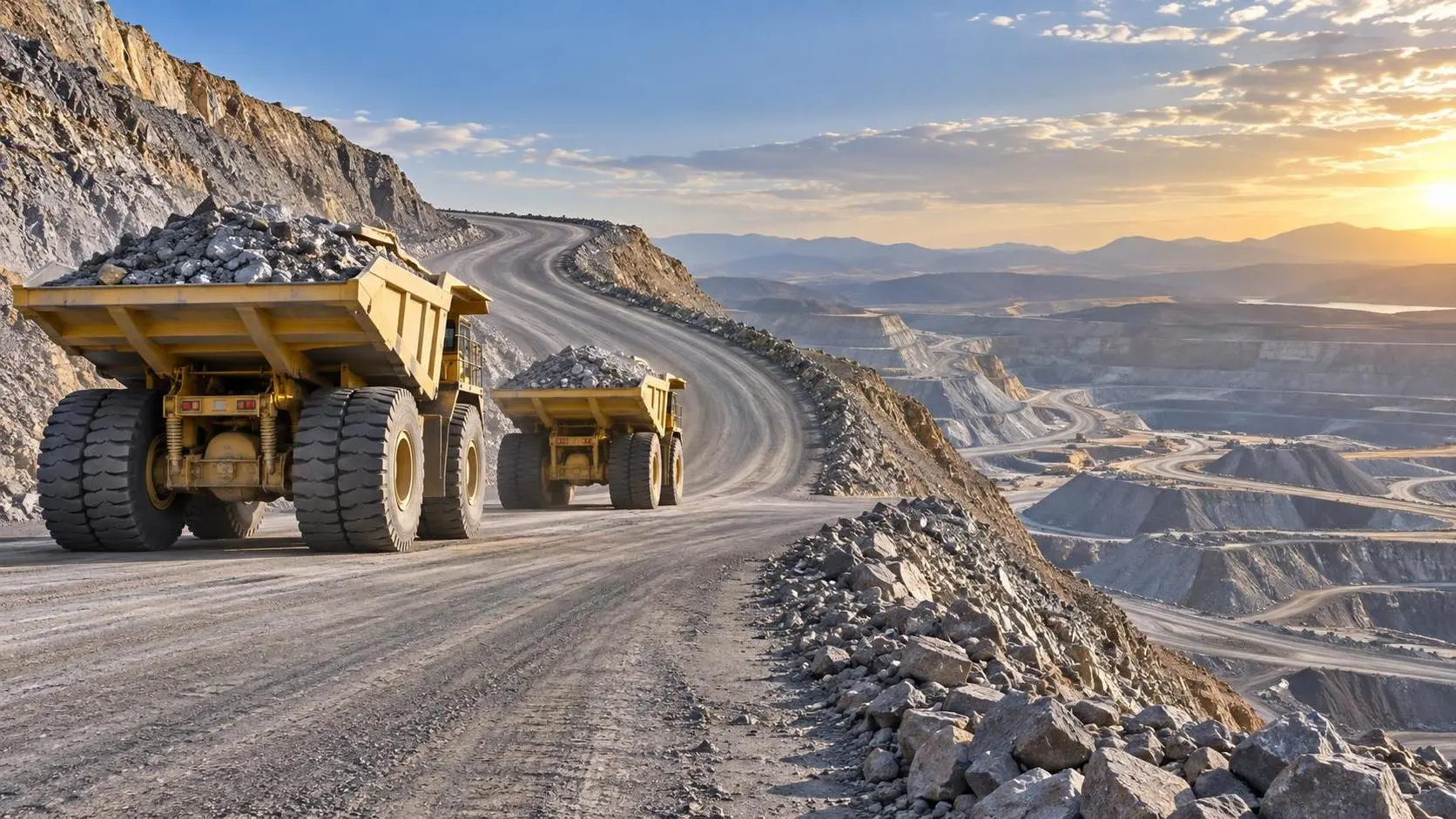
How to Size Open Pit Mining Trucks for Haul Distance, Grade, and Payload?
Open Pit Mining Trucks: learn how to match payload, haul distance, grade, road resistance, and loading capacity for safer, lower-cost mine operations.
Related News
- 00
0000-00
How to Evaluate European Drill-and-Blast Tunnelling Contractors for Complex Projects - 00
0000-00
Which Trenchless Construction Technique Fits Your Utility Crossing Conditions? - 00
0000-00
What Is Driving Metro Tunnelling Demand Across Southeast Asia’s Major Cities? - 00
0000-00
Hard Rock Tunnelling in Australia: Selecting Methods for Variable Ground Conditions - 00
0000-00
Hydropower Tunnel Excavation: Selecting Methods for Variable Rock Conditions
Weekly Insights
Stay ahead with our curated technology reports delivered every Monday.