
Mining Decarbonization ESG: Which Metrics Matter Most for Investment Review?





Mining Decarbonization ESG: Which Metrics Matter Most for Investment Review?
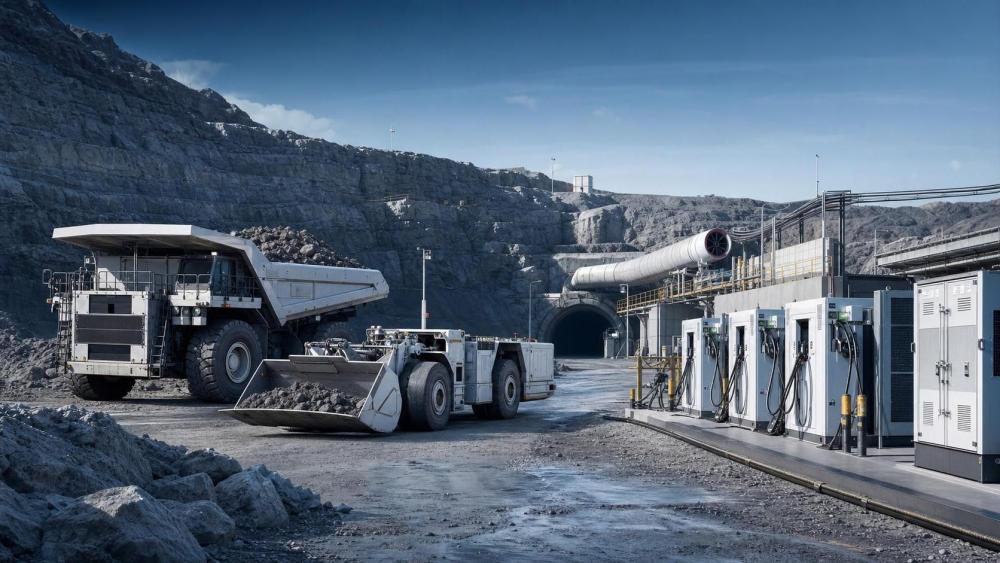
In mining investment review, mining decarbonization ESG has moved from brand language to hard capital discipline.
A low-emission claim is easy to make. A measurable performance case is much harder.
That difference shapes approval speed, financing terms, replacement timing, and asset risk.
For mining decarbonization ESG, the central issue is simple: which indicators actually predict durable returns?
The best answer usually sits at the intersection of emissions, operating reliability, and regulatory readiness.
This matters even more in underground mining, tunnelling, and heavy haulage.
Confined spaces, ventilation loads, diesel exposure, and equipment uptime all turn ESG into a cash-flow issue.
From a procurement and cost view, useful metrics must answer three questions.
Will this investment reduce future cost pressure?
Will it lower transition risk?
Will it keep production stable while decarbonization targets tighten?
Why Mining Decarbonization ESG Metrics Need Operational Context
A standalone emissions number can look impressive and still hide a weak project.
For example, fleet electrification may cut direct emissions, but charging delays can damage throughput.
In practical review, mining decarbonization ESG should be tested against mine design, power availability, haul profiles, and ventilation economics.
That is where asset quality becomes visible.
A battery LHD in a deep mine has a different value case than an electric dump truck in open-pit haulage.
The metric set should reflect that difference instead of forcing one reporting template everywhere.
What Strong Review Frameworks Usually Include
- Absolute emissions and emissions intensity
- Energy source quality and grid dependency
- Ventilation, fuel, and maintenance savings
- Equipment uptime during transition
- Compliance exposure under future carbon rules
- Safety and labor-productivity effects
- Data transparency and audit readiness
The Core Metrics That Matter Most
Not every ESG indicator deserves equal weight in investment review.
The most useful mining decarbonization ESG metrics are the ones tied to operating cash generation.
1. Scope 1 and Scope 2 Emissions per Ton
This is the baseline screen.
Absolute emissions show total exposure. Emissions intensity shows operating efficiency.
Review both, because a growing mine can lower intensity while still raising total carbon liability.
2. Diesel Displacement Rate
This metric is especially important in underground operations.
It measures how much diesel use is removed by battery-electric or trolley-assisted systems.
Higher displacement often signals lower ventilation cost, lower heat load, and lower exposure to diesel particulate rules.
3. Energy Consumption per Operating Hour or Ton-Kilometer
This is where mining decarbonization ESG becomes a procurement decision rather than a reporting exercise.
Energy efficiency affects lifetime operating cost more directly than headline carbon promises.
For haul trucks, look at loaded gradient performance and regenerative braking recovery.
For underground loaders, review duty-cycle efficiency and swap or charge turnaround time.
4. Ventilation Reduction per Electrified Unit
This metric is often undervalued and frequently decisive.
In deep mines, ventilation is one of the largest hidden energy costs.
If mining decarbonization ESG data shows real airflow reductions, the project may unlock structural cost savings beyond fuel replacement.
5. Uptime During Transition
A low-carbon fleet that misses production targets is still a weak investment.
Track availability, mean time between failures, and maintenance labor hours.
Any mining decarbonization ESG case should prove that transition does not erode output stability.
How to Read the Numbers Behind the Numbers
Reported metrics are only as strong as the assumptions under them.
That is why mining decarbonization ESG review should always test data quality.
More specifically, several questions separate reliable analysis from marketing language.
Check the Boundary Conditions
- Are emissions measured at asset, site, or corporate level?
- Is the electricity mix current, contracted, or projected?
- Do savings depend on full fleet conversion or partial deployment?
- Are productivity assumptions based on pilot conditions or commercial operation?
- Are maintenance intervals validated in similar geology and duty cycles?
These checks matter because carbon improvements can disappear when conditions change.
An electric truck charged by a carbon-heavy grid may improve local air quality but deliver weaker overall decarbonization.
Watch the Transition Bottlenecks
In real operations, mining decarbonization ESG performance often fails at infrastructure interfaces.
Power distribution, charger placement, battery logistics, ventilation redesign, and operator retraining all shape outcomes.
If those items are underdeveloped, the financial model deserves a discount.
A Practical Scorecard for Procurement and Cost Review
A useful mining decarbonization ESG scorecard should be simple enough to compare vendors and projects quickly.
It should also be detailed enough to expose hidden lifetime costs.
In cost-focused review, this scorecard works best when each metric is tied to a target range and a downside case.
Where Equipment Strategy Changes ESG Value
Equipment choice can sharply improve or weaken mining decarbonization ESG outcomes.
That is especially true across trucks, LHDs, drilling jumbos, and underground transport systems.
For instance, an electric mining dump truck may create strong long-haul savings where grades support energy recovery.
A battery-swapping underground loader may deliver stronger value where continuous shift turnover matters more than charger simplicity.
Smart automation also changes the ESG equation.
Remote operation, route optimization, and idle-time reduction can lower energy use without major production disruption.
That means mining decarbonization ESG should include digital operating metrics, not only powertrain metrics.
Useful Supporting Indicators
- Idle time per shift
- Regenerative braking recovery rate
- Battery swap or charge cycle duration
- Autonomous route consistency
- Maintenance hours per operating 100 hours
Final Review Priorities Before Approval
The strongest mining decarbonization ESG proposals usually share the same traits.
They show measurable emissions reduction, credible infrastructure planning, and stable production economics.
They also avoid vague future benefits that depend on perfect execution.
Before approval, focus on five final checks.
- Confirm that carbon metrics are tied to real site operating conditions.
- Test whether savings survive lower utilization or slower ramp-up.
- Verify that power, ventilation, and maintenance systems are included in project cost.
- Check that uptime assumptions match proven field performance.
- Require transparent reporting methods that can withstand audit and lender scrutiny.
In the current market, mining decarbonization ESG is not only an environmental filter.
It is a direct test of asset durability, replacement timing, and capital efficiency.
When the right metrics are used, review becomes clearer and procurement decisions become more defensible.
That is the practical value of mining decarbonization ESG: turning transition pressure into a better investment screen.
Related News

How to Evaluate European Drill-and-Blast Tunnelling Contractors for Complex Projects
Drill and blast tunnelling contractors Europe: learn how to assess geology expertise, blast control, equipment reliability, safety, and programme resilience for complex projects.

Which Trenchless Construction Technique Fits Your Utility Crossing Conditions?
Trenchless construction techniques compared for utility crossings: choose HDD, microtunnelling, pipe jacking, or auger boring based on ground, accuracy, access, and risk.

What Is Driving Metro Tunnelling Demand Across Southeast Asia’s Major Cities?
Metro tunnelling Southeast Asia is accelerating as major cities tackle congestion, flooding, and connectivity. Explore the market forces, technical risks, and opportunities shaping demand.

Hard Rock Tunnelling in Australia: Selecting Methods for Variable Ground Conditions
Hard rock tunnelling in Australia: compare TBM, drill-and-blast and hybrid methods to manage variable ground, reduce risk and protect project costs.

Hydropower Tunnel Excavation: Selecting Methods for Variable Rock Conditions
Hydropower tunnel excavation methods for variable rock conditions: compare TBM, drill-and-blast, and hybrid strategies to improve safety, progress, and project control.

How to Select Underground Safety Equipment for Tunnelling by Hazard and Work Zone
Underground Safety Equipment for tunnelling: match protection to hazards, work zones, compliance, and emergency needs with this practical selection guide.
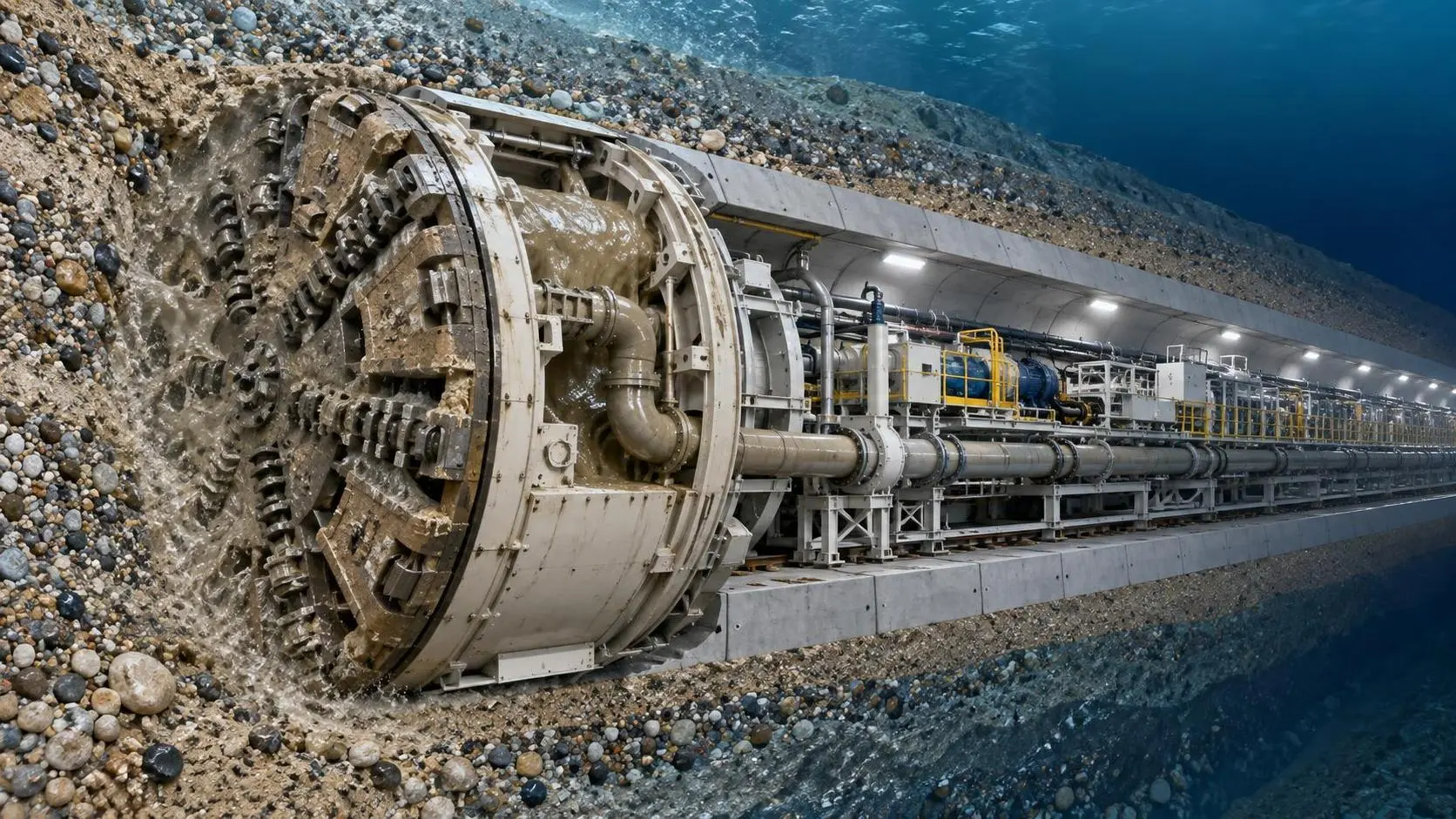
EPB or Slurry Shield? Selecting Soft-Ground Tunnelling Equipment by Soil Conditions
Tunnel Excavation Equipment for soft ground: compare EPB and slurry shields by soil, groundwater, settlement risk, and project logistics to choose confidently.
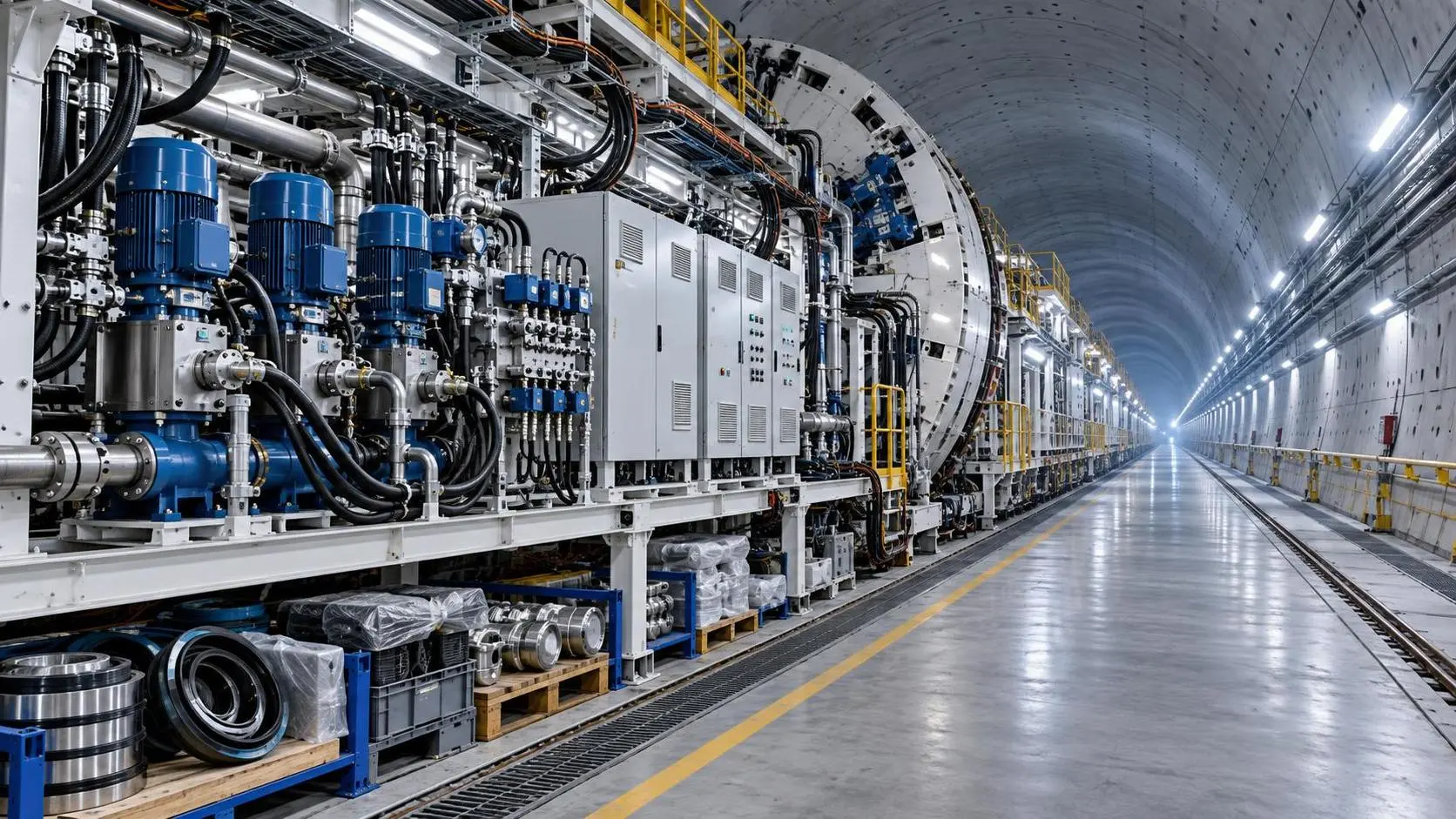
How to Specify TBM Backup System Parts for Reliable Long-Distance Tunnelling
TBM backup system parts: learn how to specify reliable spares for long-distance tunnelling, reduce downtime, ensure compatibility, and speed underground recovery.
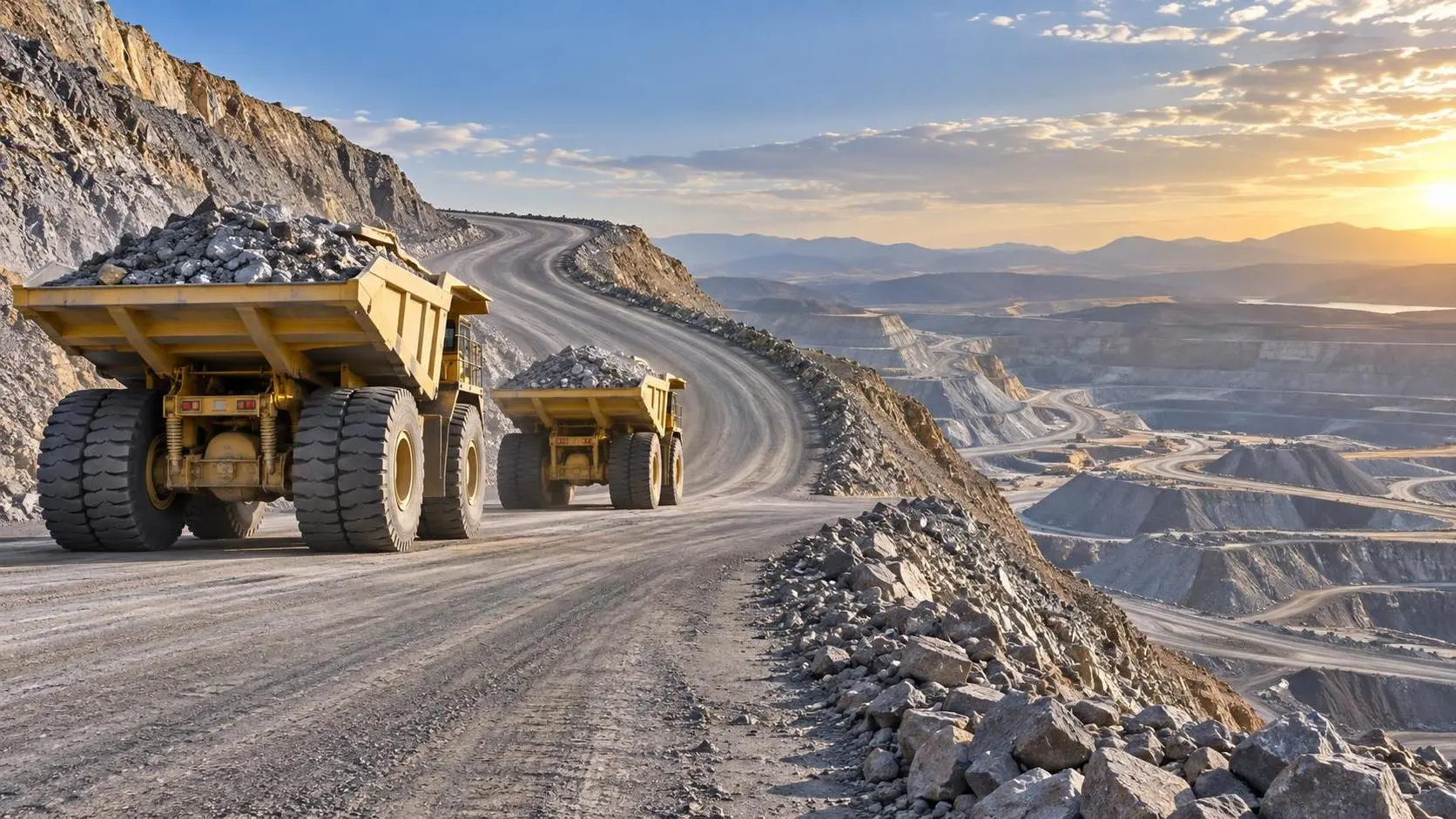
How to Size Open Pit Mining Trucks for Haul Distance, Grade, and Payload?
Open Pit Mining Trucks: learn how to match payload, haul distance, grade, road resistance, and loading capacity for safer, lower-cost mine operations.
Related News
- 00
0000-00
How to Evaluate European Drill-and-Blast Tunnelling Contractors for Complex Projects - 00
0000-00
Which Trenchless Construction Technique Fits Your Utility Crossing Conditions? - 00
0000-00
What Is Driving Metro Tunnelling Demand Across Southeast Asia’s Major Cities? - 00
0000-00
Hard Rock Tunnelling in Australia: Selecting Methods for Variable Ground Conditions - 00
0000-00
Hydropower Tunnel Excavation: Selecting Methods for Variable Rock Conditions
Weekly Insights
Stay ahead with our curated technology reports delivered every Monday.