
What Is Underground Infrastructure Engineering and Which Projects Need It?





Why does underground infrastructure engineering matter more than most people realize?
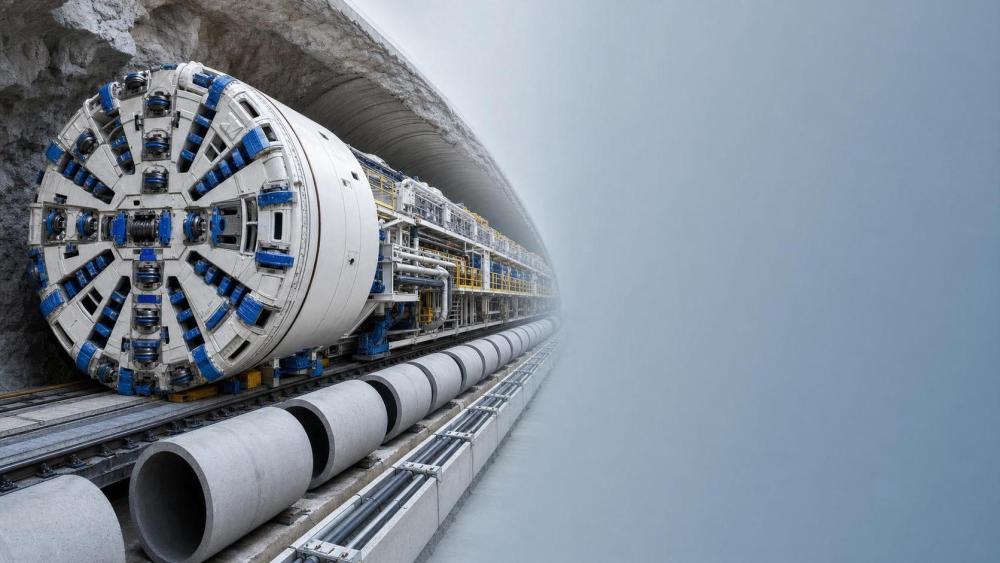
Underground infrastructure engineering is the discipline behind tunnels, buried utilities, subsurface transport corridors, and mining access systems that keep surface life moving.
It matters because cities are denser, land is costlier, and surface disruption is harder to accept.
In practical terms, this field solves a simple problem: how to build critical assets where open excavation is risky, noisy, slow, or impossible.
That includes metro tunnels, sewer upgrades, water transfer lines, utility ducts, mine access drifts, and underground logistics routes.
The engineering side is broader than digging a hole.
It combines geology, excavation methods, ground support, ventilation, dewatering, digital monitoring, equipment reliability, and long-term safety.
That is why underground infrastructure engineering now sits at the center of resilient urban development, energy security, and resource supply.
Industry intelligence platforms such as UTMD follow this space closely because project success depends on both civil design and machine performance.
A tunnel boring machine, a pipe jacking system, or an underground LHD loader is never just equipment.
It is part of a larger operational system shaped by rock behavior, emissions limits, automation goals, and asset utilization targets.
So what exactly counts as underground infrastructure engineering?
A common misunderstanding is that it only refers to large transit tunnels.
In reality, underground infrastructure engineering covers any planned subsurface structure built to move people, water, energy, materials, or information.
Some projects are public and highly visible.
Others stay out of sight for decades, even though daily operations depend on them.
The field usually includes these categories:
- Transport tunnels for metro, rail, road, and pedestrian links.
- Water, sewer, drainage, and stormwater conveyance systems.
- Utility corridors for power, telecom, district heating, and gas.
- Industrial and energy tunnels, including hydropower and storage works.
- Mining access, haulage, ventilation, and ore movement infrastructure.
The methods vary with depth, ground conditions, alignment limits, and allowable surface disturbance.
Soft ground may favor slurry or EPB TBMs.
Hard rock often calls for TBMs, drilling jumbos, and carefully sequenced support installation.
In constrained urban corridors, pipe jacking and trenchless methods are often the better answer.
That breadth explains why underground infrastructure engineering is not a niche topic.
It connects public works, heavy industry, sustainability targets, and digital construction practices in one technical framework.
Which projects usually need underground infrastructure engineering?
The short answer is any project that must pass through complex ground while protecting the surface above.
More commonly, the decision is driven by a mix of space pressure, environmental limits, and operational continuity.
Here is a practical way to read the landscape:
What stands out is that underground infrastructure engineering serves both public infrastructure and extraction industries.
That overlap is becoming more important as energy transition projects demand more copper, lithium, and underground logistics capacity.
UTMD tracks this convergence because equipment choices now shape schedule certainty, emissions performance, and project economics at the same time.
When is underground construction the better option than surface work?
Not every corridor belongs underground.
The better choice usually appears when surface access creates unacceptable social, technical, or environmental costs.
A few signals are especially reliable:
- The route passes below dense roads, railways, ports, or airports.
- Open excavation would disrupt hospitals, utilities, or business districts.
- The alignment must cross rivers, mountains, or contaminated land.
- Safety requires separated transport, ventilation, or emergency access.
- Long-term resilience matters more than the lowest visible upfront cost.
In real projects, the argument is rarely just about engineering feasibility.
Decision-makers also compare permitting risk, community resistance, life-cycle maintenance, and future capacity expansion.
That is why underground infrastructure engineering often wins in mature urban areas.
It may cost more at the construction stage, yet it can reduce compensation claims, utility relocations, traffic losses, and redesign cycles.
In mining, the logic is slightly different.
The underground route is chosen when ore geometry, geotechnical stability, ventilation control, and haulage efficiency demand a subsurface layout.
What technologies define modern underground infrastructure engineering?
The field has moved far beyond conventional excavation.
Modern underground infrastructure engineering is increasingly machine-led, sensor-rich, and data-dependent.
TBMs remain central for long, consistent tunnel drives.
Their cutterhead design, thrust control, segment installation, and wear performance can define project speed and stoppage risk.
Pipe jacking systems have become essential where cities need buried assets without tearing open streets.
For hard rock development, drilling jumbos still matter because precise blast-hole placement affects overbreak, support demand, and cycle time.
Mining adds another layer.
Battery-powered underground LHD loaders, autonomous haulage, and remote control systems respond to ventilation limits and zero-exhaust goals.
This is one reason UTMD frames underground engineering as a system of linked technologies rather than isolated machines.
A disc cutter wear model, a SLAM navigation algorithm, or regenerative braking data from an EV mining truck can change project outcomes in measurable ways.
In other words, underground infrastructure engineering now depends on intelligence as much as excavation force.
What are the biggest mistakes when evaluating underground infrastructure engineering?
The most common mistake is treating underground work as a hidden version of surface construction.
It is not.
Ground uncertainty changes everything, from schedule confidence to equipment selection.
Several issues deserve extra attention:
- Underestimating geology and groundwater variability.
- Choosing methods before confirming alignment constraints.
- Ignoring spoil handling, ventilation, and shaft logistics.
- Comparing costs without life-cycle maintenance impacts.
- Overlooking emissions and electrification requirements in confined spaces.
Another weak point is assuming bigger equipment always means better productivity.
A high-capacity system can still perform poorly if geology, segment supply, power access, or muck removal are mismatched.
A more reliable approach is to test decisions against five questions.
How should you assess the next step if a project may need underground infrastructure engineering?
Start by defining the constraint, not the machine.
Is the real issue land access, settlement control, emissions, ore haulage, water conveyance, or traffic continuity?
That answer narrows the engineering pathway much faster than browsing equipment names.
Then organize the evaluation around four practical checks.
- Review ground data quality, not just headline geology.
- Map construction access, spoil removal, and utility conflicts early.
- Compare life-cycle value, including maintenance and energy performance.
- Track technology signals from active sectors such as tunnelling and smart mining.
That last point is increasingly useful.
Insights from TBM performance, trenchless urban works, and electrified underground haulage often reveal where the market is moving next.
Underground infrastructure engineering is no longer only about getting below the surface.
It is about building durable systems in places where reliability, safety, and limited disruption matter most.
If a project sits in that category, the next sensible step is to define scope, compare methods, and test assumptions before cost estimates harden.
That is usually where better underground decisions begin.
Related News
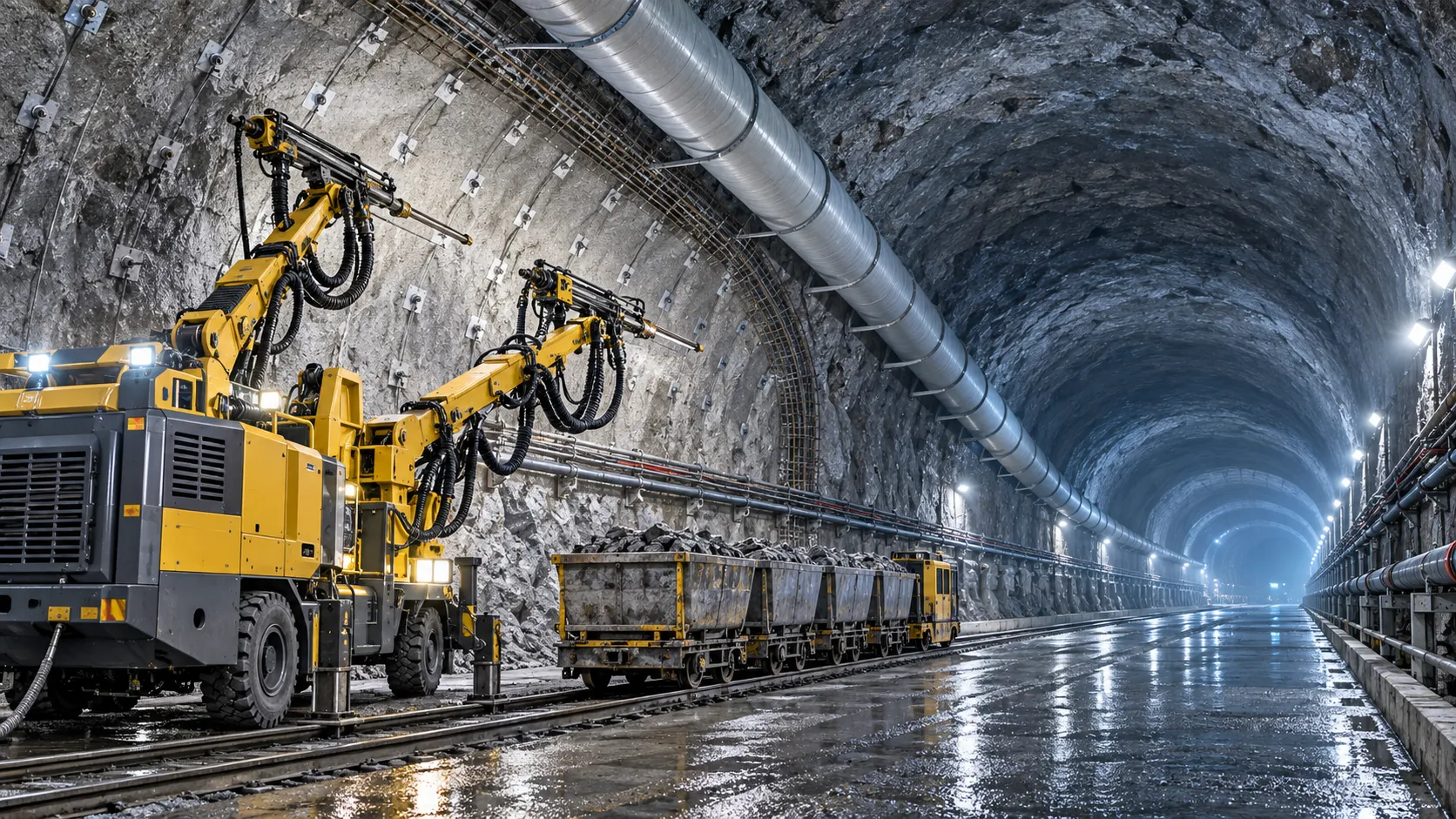
How to Evaluate European Drill-and-Blast Tunnelling Contractors for Complex Projects
Drill and blast tunnelling contractors Europe: learn how to assess geology expertise, blast control, equipment reliability, safety, and programme resilience for complex projects.
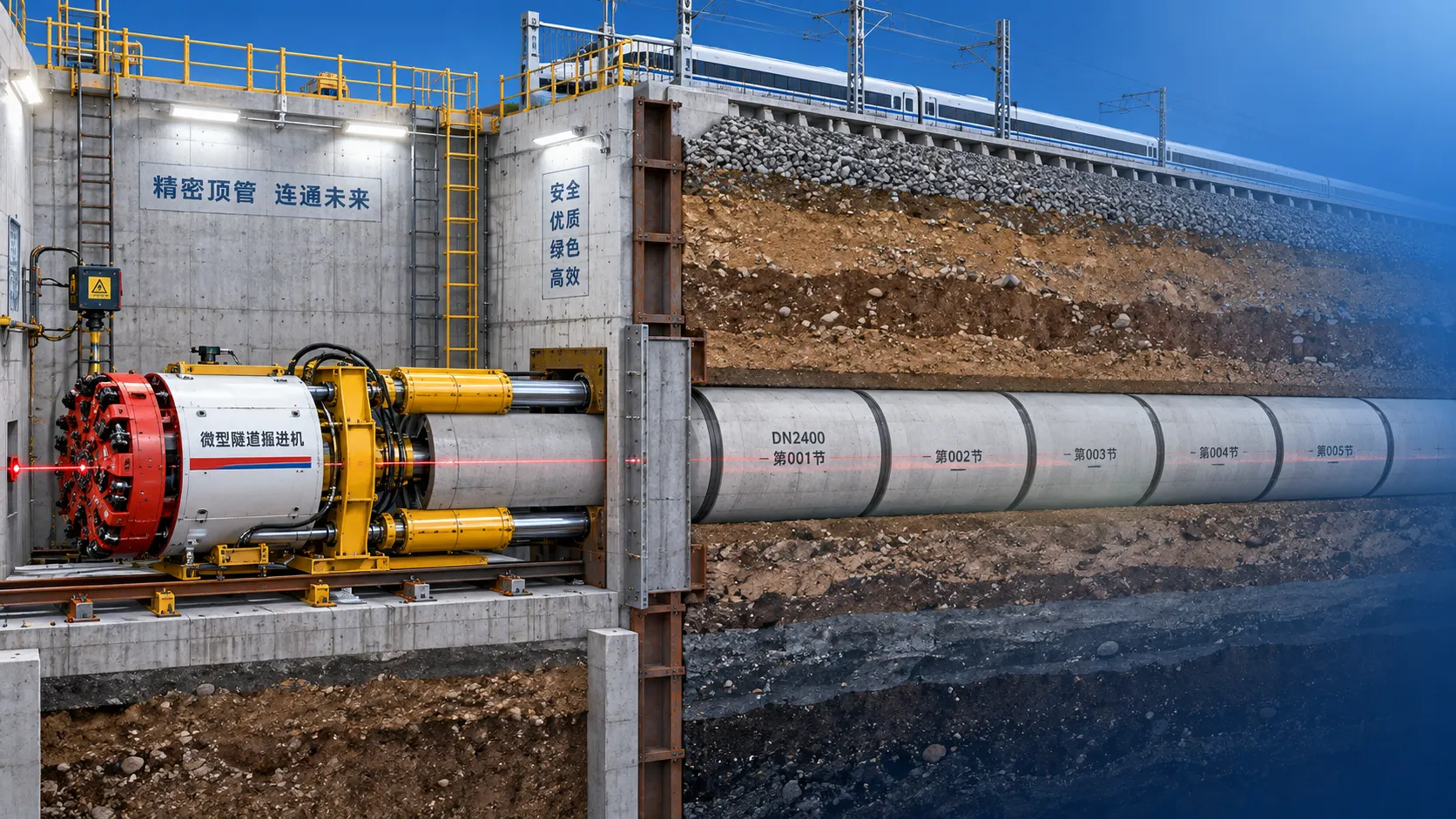
Which Trenchless Construction Technique Fits Your Utility Crossing Conditions?
Trenchless construction techniques compared for utility crossings: choose HDD, microtunnelling, pipe jacking, or auger boring based on ground, accuracy, access, and risk.
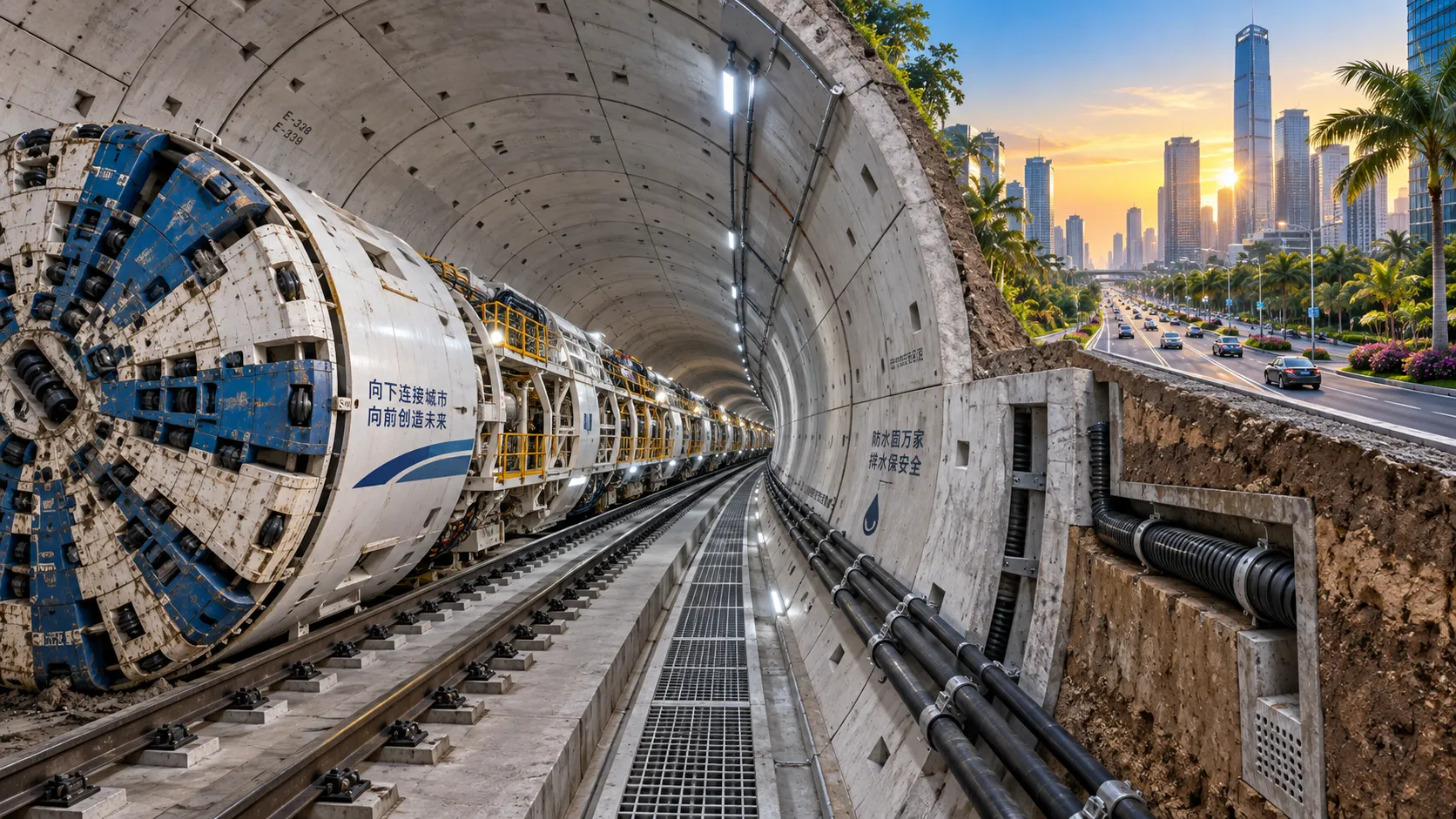
What Is Driving Metro Tunnelling Demand Across Southeast Asia’s Major Cities?
Metro tunnelling Southeast Asia is accelerating as major cities tackle congestion, flooding, and connectivity. Explore the market forces, technical risks, and opportunities shaping demand.
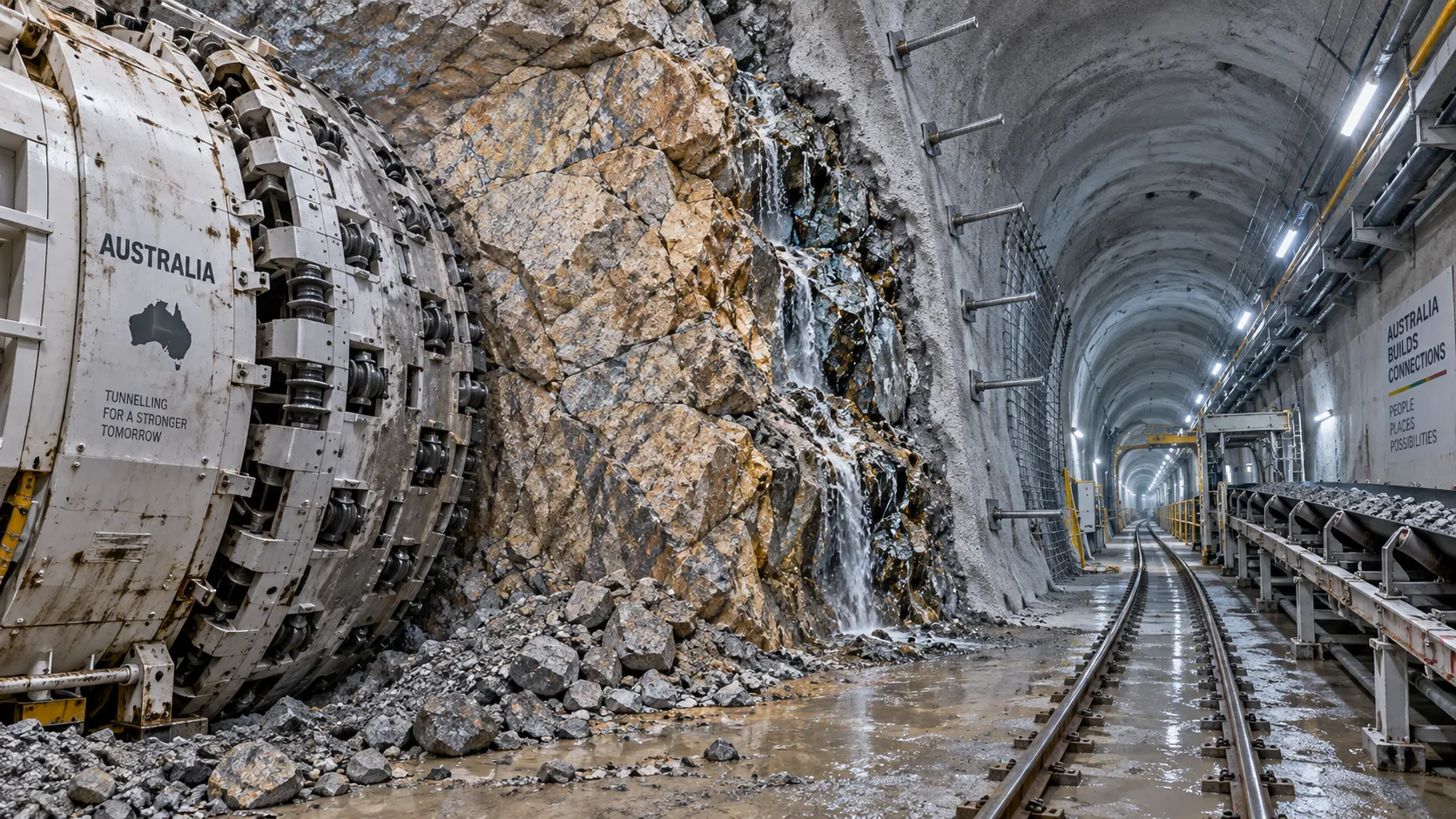
Hard Rock Tunnelling in Australia: Selecting Methods for Variable Ground Conditions
Hard rock tunnelling in Australia: compare TBM, drill-and-blast and hybrid methods to manage variable ground, reduce risk and protect project costs.
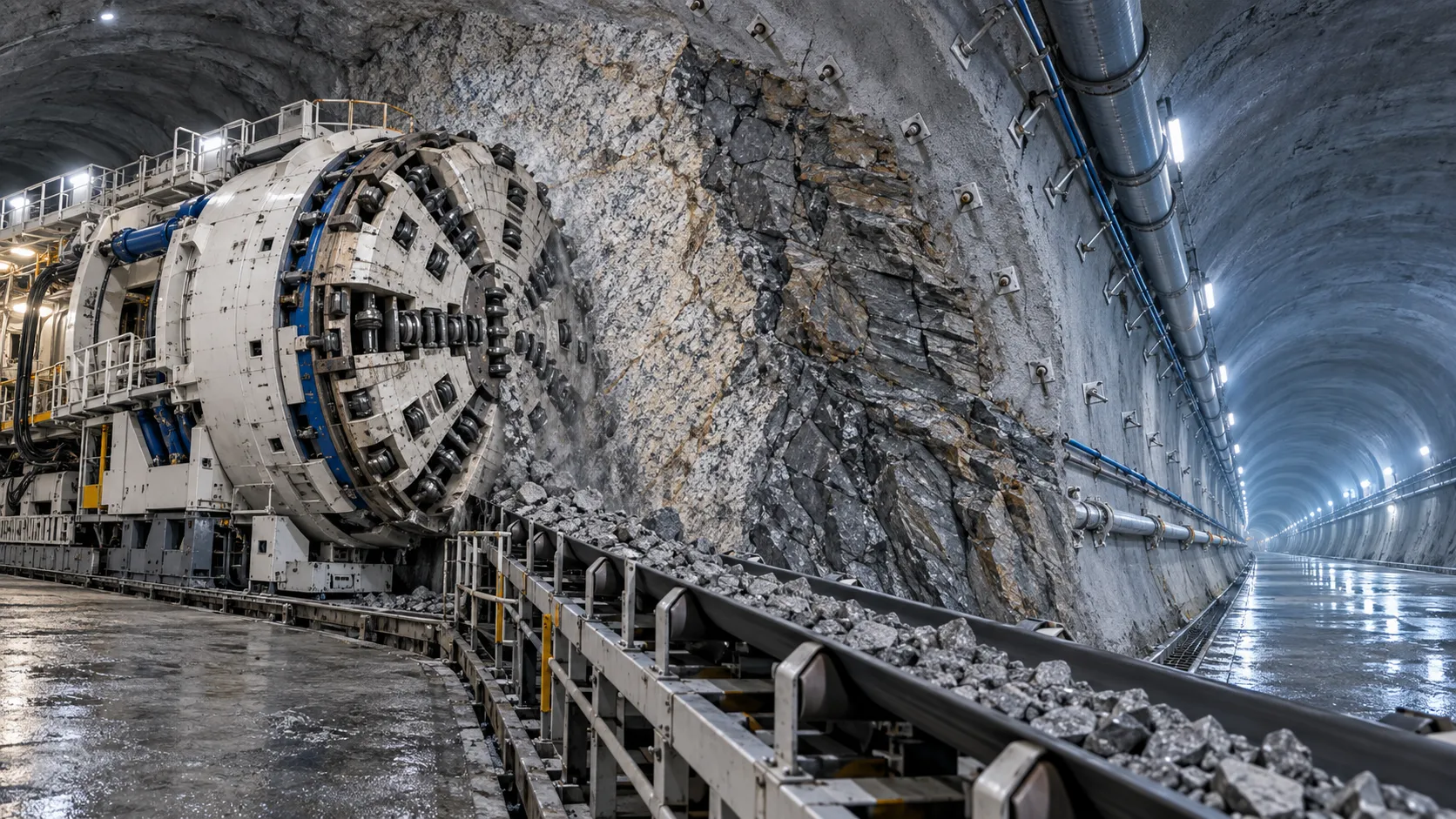
Hydropower Tunnel Excavation: Selecting Methods for Variable Rock Conditions
Hydropower tunnel excavation methods for variable rock conditions: compare TBM, drill-and-blast, and hybrid strategies to improve safety, progress, and project control.
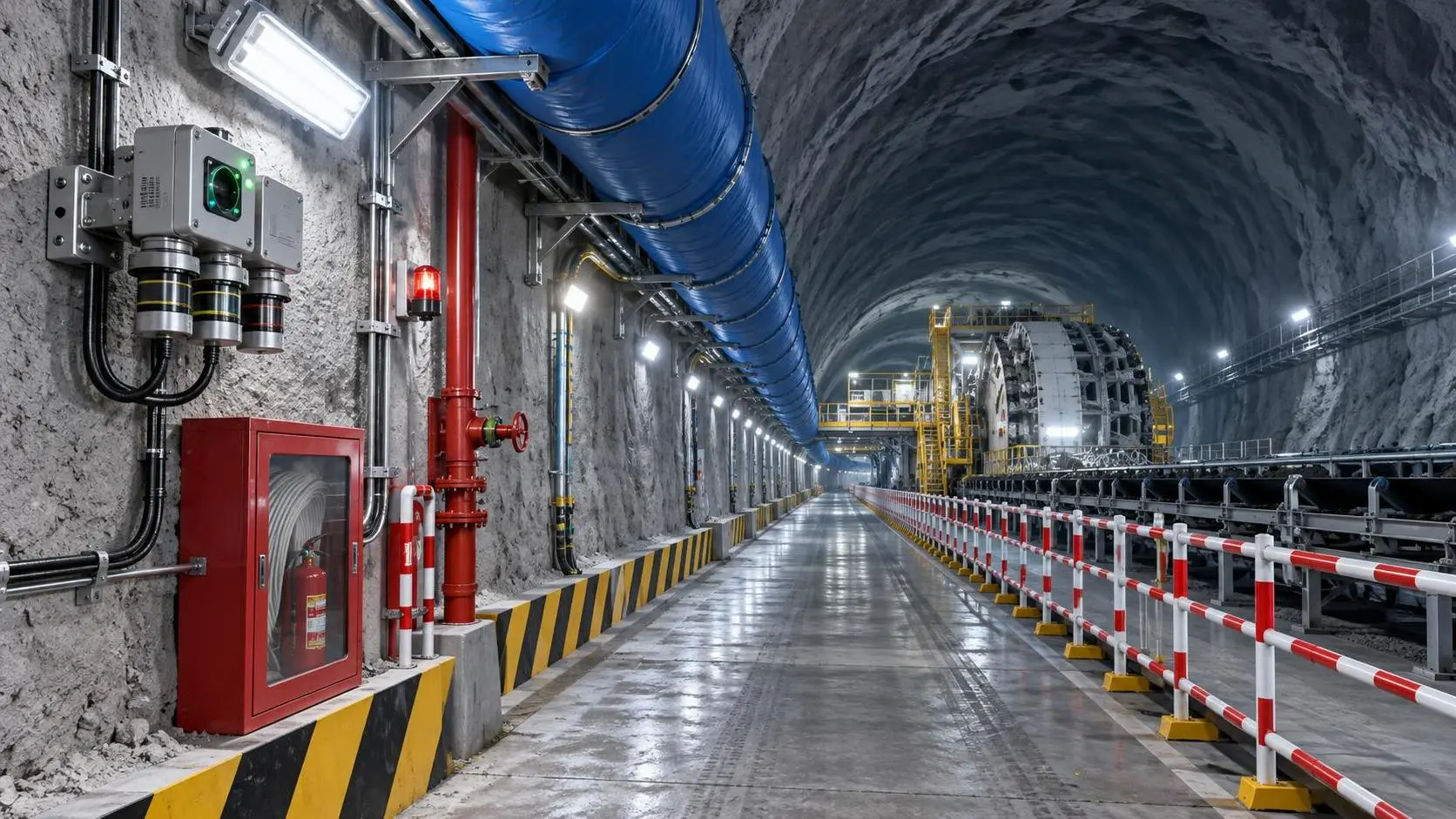
How to Select Underground Safety Equipment for Tunnelling by Hazard and Work Zone
Underground Safety Equipment for tunnelling: match protection to hazards, work zones, compliance, and emergency needs with this practical selection guide.
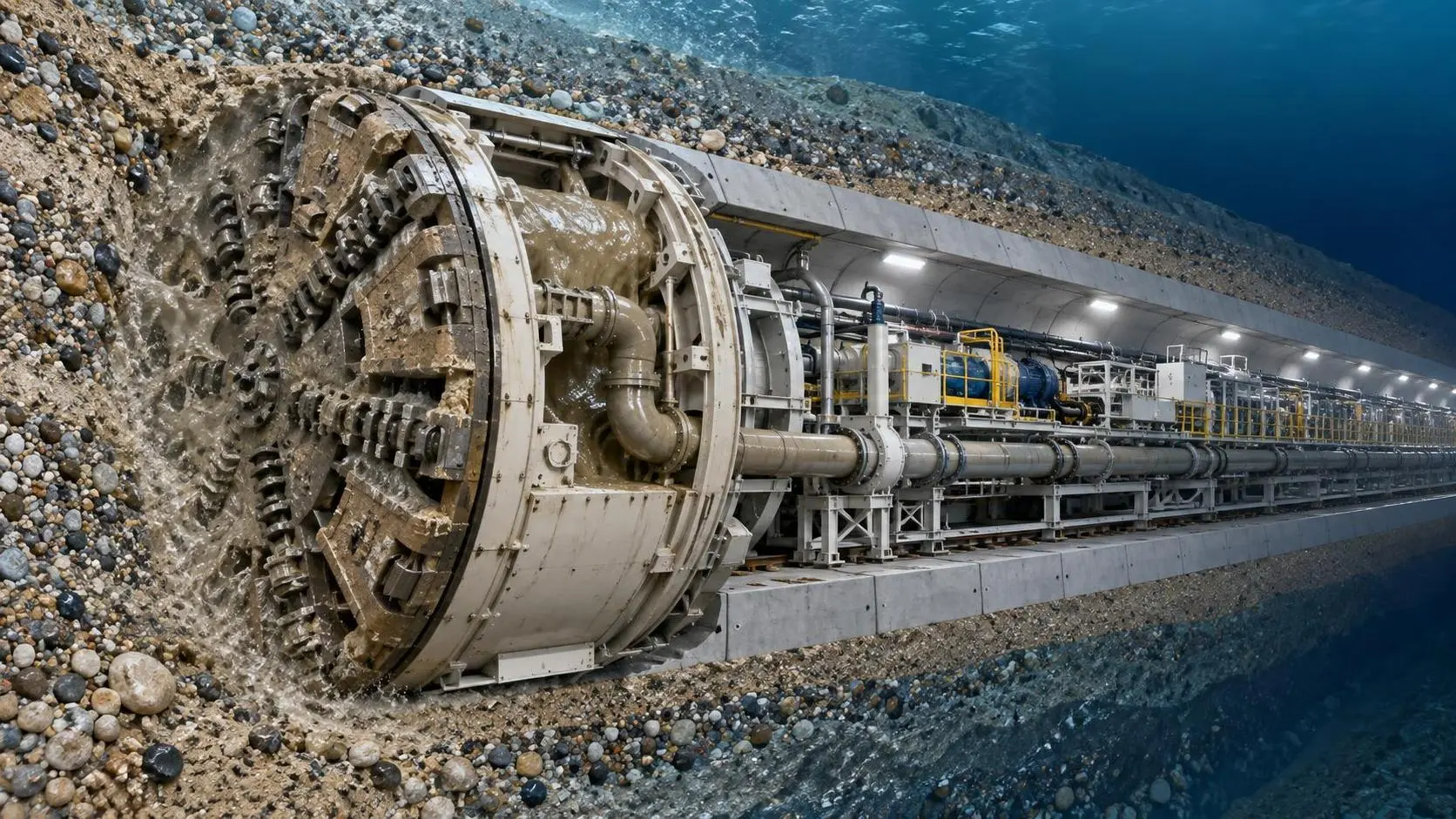
EPB or Slurry Shield? Selecting Soft-Ground Tunnelling Equipment by Soil Conditions
Tunnel Excavation Equipment for soft ground: compare EPB and slurry shields by soil, groundwater, settlement risk, and project logistics to choose confidently.
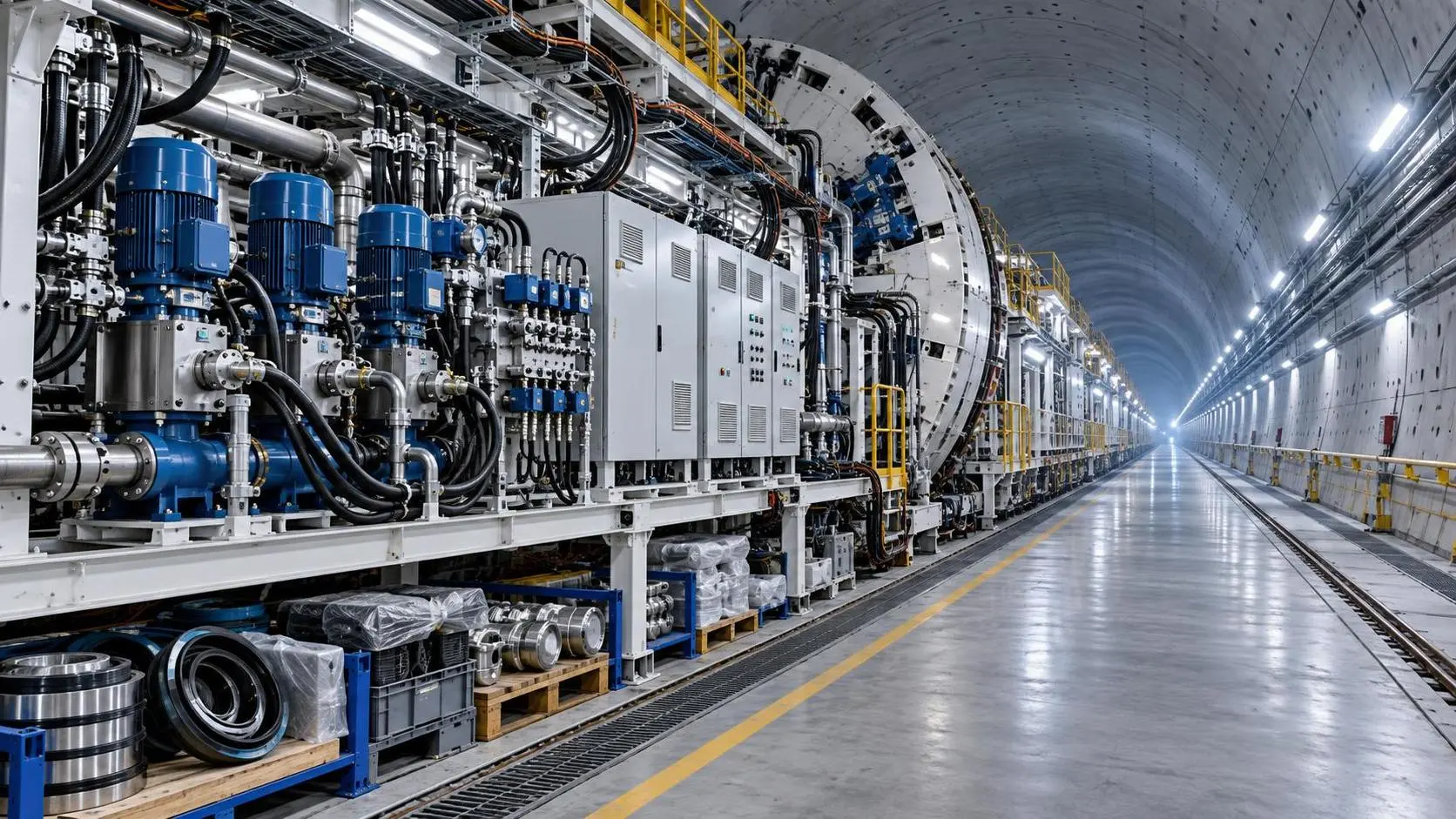
How to Specify TBM Backup System Parts for Reliable Long-Distance Tunnelling
TBM backup system parts: learn how to specify reliable spares for long-distance tunnelling, reduce downtime, ensure compatibility, and speed underground recovery.
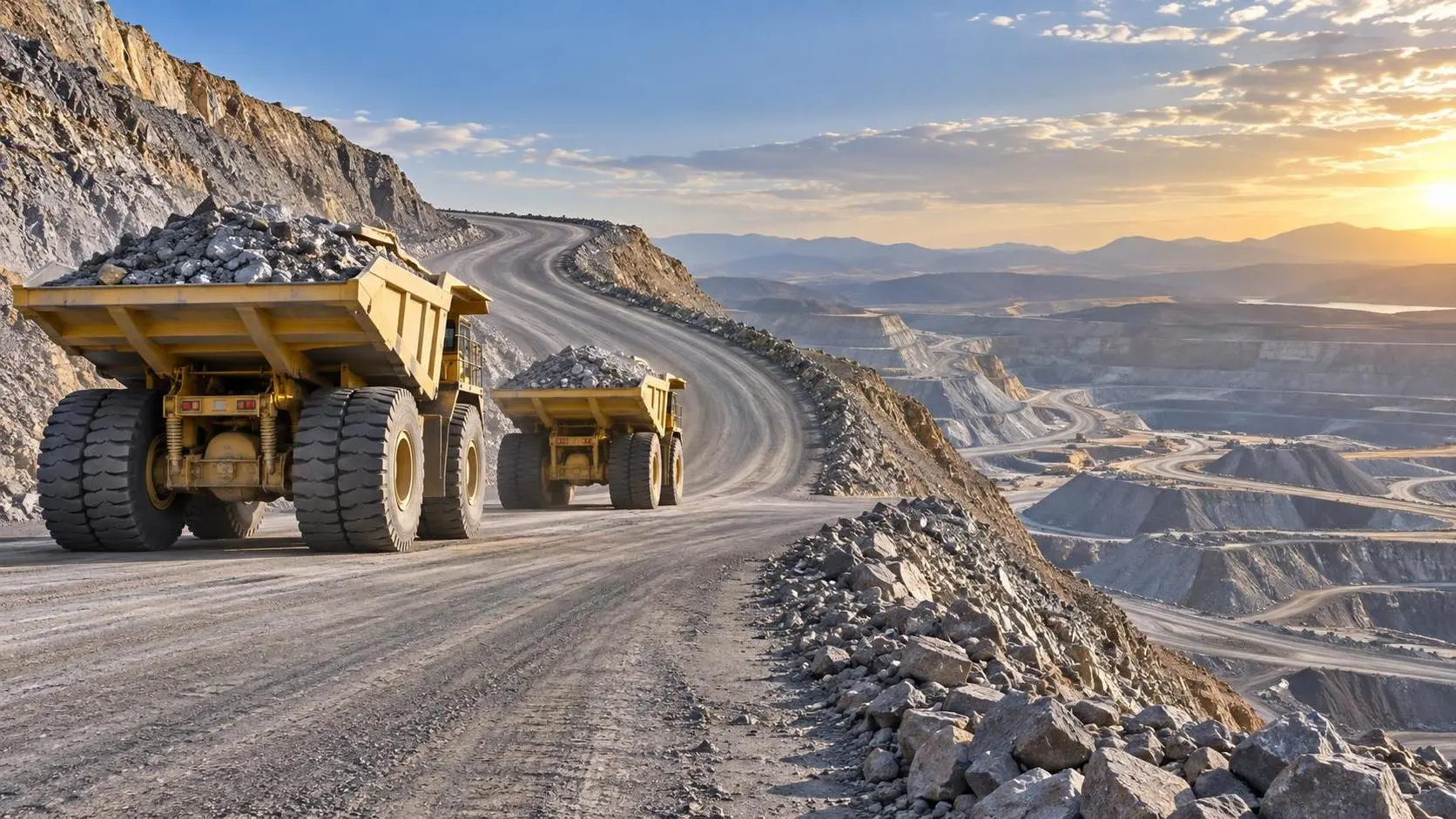
How to Size Open Pit Mining Trucks for Haul Distance, Grade, and Payload?
Open Pit Mining Trucks: learn how to match payload, haul distance, grade, road resistance, and loading capacity for safer, lower-cost mine operations.
Related News
- 00
0000-00
How to Evaluate European Drill-and-Blast Tunnelling Contractors for Complex Projects - 00
0000-00
Which Trenchless Construction Technique Fits Your Utility Crossing Conditions? - 00
0000-00
What Is Driving Metro Tunnelling Demand Across Southeast Asia’s Major Cities? - 00
0000-00
Hard Rock Tunnelling in Australia: Selecting Methods for Variable Ground Conditions - 00
0000-00
Hydropower Tunnel Excavation: Selecting Methods for Variable Rock Conditions
Weekly Insights
Stay ahead with our curated technology reports delivered every Monday.