
TBM Technology in China vs Global Standards: What Buyers Should Compare





TBM Technology in China vs Global Standards: What Buyers Should Compare
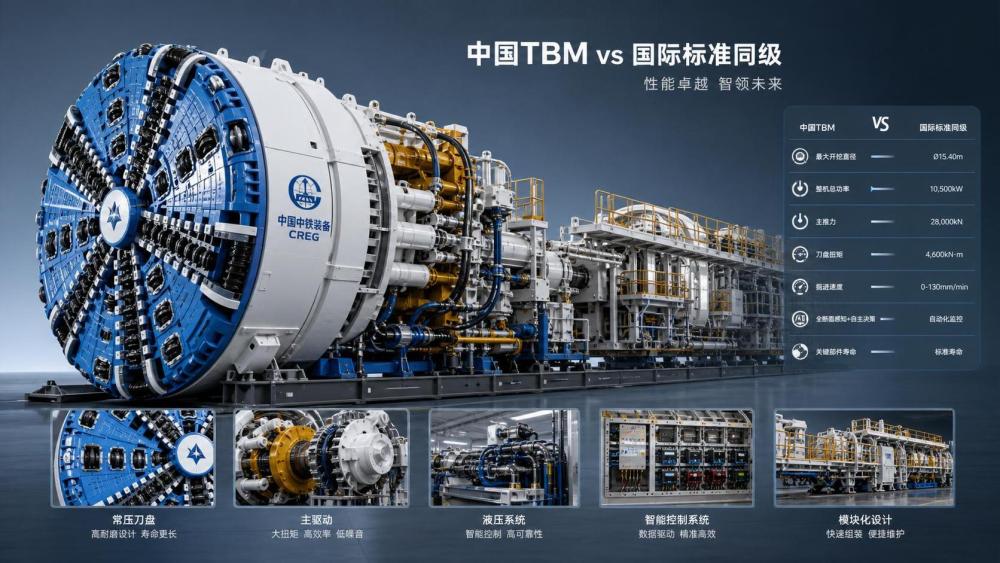
As global procurement teams evaluate underground equipment performance, tbm technology in China is now compared directly with European and Japanese systems.
That shift reflects market reality. Chinese manufacturers have moved beyond low-cost positioning into serious competition on engineering capability.
Still, buyers should avoid judging any TBM on price, diameter, or delivery speed alone.
The real comparison starts with performance under geology, system reliability, automation depth, energy profile, and lifecycle service response.
In practice, the strongest purchasing decisions come from matching machine design to project risk, not from comparing catalog claims side by side.
This is where tbm technology in China should be tested against global standards using measurable indicators and contract-level requirements.
Why the Comparison Has Become More Complex
A decade ago, the market discussion often focused on whether Chinese TBMs could meet basic project demands.
Today, the question is different. Buyers now ask where tbm technology in China is already competitive and where gaps still matter.
That is a more useful framing because international standards are not fixed. They evolve with project depth, ground complexity, ESG targets, and digital expectations.
A shield TBM for mixed ground urban tunnelling is not judged by the same priorities as a hard rock machine for long mountain drives.
This also means procurement criteria must be specific. A generic technical checklist usually hides the real operational risks.
Start with Standards, Not Marketing Claims
The first filter should be standards compliance. Without that, every later comparison becomes weak.
For tbm technology in China, buyers should review both domestic and international reference frameworks.
Focus on these areas:
- Mechanical design codes for cutterhead, main bearing, thrust system, and backup structure.
- Electrical and control safety standards, including fail-safe shutdown and system redundancy.
- Hydraulic system quality, sealing reliability, and contamination control protocols.
- Welding, metallurgy, and non-destructive testing documentation.
- Environmental and energy performance records where project tenders require ESG alignment.
A supplier may claim compliance, but the useful evidence is traceable certification, test records, and references from similar geology.
In real procurement, paperwork quality often predicts service quality later.
Cutterhead and Rock-Cutting Performance Matter Most
When comparing tbm technology in China with global brands, cutterhead design deserves the closest technical review.
This is where project productivity, wear cost, and intervention frequency come together.
Ask for detailed data on disc cutter layout, opening ratio, muck flow path, wear protection, and torque behavior under changing strata.
For hard rock applications, buyers should verify performance under UCS extremes, abrasive formations, and long cutter replacement cycles.
For mixed ground or EPB slurry use, the comparison should also include face pressure stability and clogging management.
A machine that performs well in homogeneous ground may lose efficiency fast in variable geology.
That is why proven adaptation history matters more than nominal design capacity.
Questions worth asking suppliers
- How does the cutterhead behave in fault zones, fractured rock, or sticky clay transitions?
- What is the expected cutter consumption per kilometer in similar formations?
- How many unplanned interventions occurred in reference projects?
- Can the design be modified for local geology without extending delivery risk?
Automation and Digital Control Are No Longer Optional
Another major shift is automation. Global buyers increasingly evaluate TBMs as connected production systems, not standalone machines.
Here, tbm technology in China has improved quickly, especially in PLC integration, monitoring platforms, and assisted guidance systems.
Even so, buyers should distinguish between visible interfaces and real automation depth.
A modern TBM should support stable data capture across thrust, torque, penetration, vibration, slurry flow, segment handling, and maintenance status.
The more important signal is whether those data streams improve decisions on site.
Buyers should compare the following capabilities:
- Real-time diagnostics for critical subsystems.
- Predictive maintenance based on wear and operating patterns.
- Remote technical support and software update reliability.
- Integration with project-level BIM, GIS, or fleet management platforms.
This directly affects downtime, labor efficiency, and fault response speed.
Energy Efficiency and Underground Environmental Performance
Energy consumption now carries more weight in bidding and lifecycle evaluation.
That trend is especially strong in projects tied to ESG disclosures or carbon reduction targets.
When assessing tbm technology in China, compare motor efficiency, power distribution logic, hydraulic losses, cooling demand, and auxiliary system load.
These factors shape total operating cost more than brochure horsepower figures.
Also review ventilation impact, heat generation, and fluid management in confined underground conditions.
A machine with higher nominal output can still be less productive if it creates thermal or maintenance bottlenecks.
Lifecycle Cost Tells the Real Story
The biggest buying mistake is still overemphasizing acquisition price.
For tbm technology in China and global alternatives, lifecycle cost is the more defensible comparison base.
A lower purchase price can disappear quickly through spare parts delays, extra cutter use, lost advance rate, and extended commissioning.
A useful comparison model should include:
- Initial machine price and customization scope.
- Freight, assembly, and commissioning cost.
- Cutter consumption and wear part replacement cycles.
- Planned and unplanned downtime exposure.
- Control software support and upgrade obligations.
- Residual value, refurbishment, or redeployment potential.
This approach also improves negotiation quality because it shifts the conversation from headline price to measurable project economics.
After-Sales Support Can Redefine Project Risk
Support quality is often underestimated during tender review.
Yet for tbm technology in China, this area often determines whether the machine performs like an asset or becomes a schedule risk.
Global suppliers usually score well on mature service procedures, but Chinese suppliers have been expanding overseas networks and parts hubs quickly.
The key issue is not brand origin. It is response capability in the exact region where the machine will operate.
Procurement documents should define service expectations in contract language.
That includes spare parts lead time, engineer mobilization windows, remote support hours, and warranty treatment for geology-related wear.
Minimum support checkpoints
- Local or regional parts stock availability.
- Named service contacts and escalation paths.
- Operator and maintenance training scope.
- Clear KPI commitments for uptime support.
A Practical Comparison Table for Buyers
What the Best Procurement Decisions Usually Get Right
The strongest procurement teams build comparisons around project conditions, not supplier narratives.
They test tbm technology in China and global options against the same operating assumptions, maintenance scenarios, and delay costs.
They also push suppliers to explain failure modes, not only success cases.
That is usually where the most important differences appear.
In the current market, tbm technology in China should be viewed as a serious option, but only after disciplined technical and commercial validation.
A better buying decision comes from comparing standards, geology performance, automation, energy efficiency, support strength, and lifecycle cost as one system.
That framework makes it easier to reduce project risk, defend ROI, and select a TBM partner with fewer surprises after contract award.
Related News
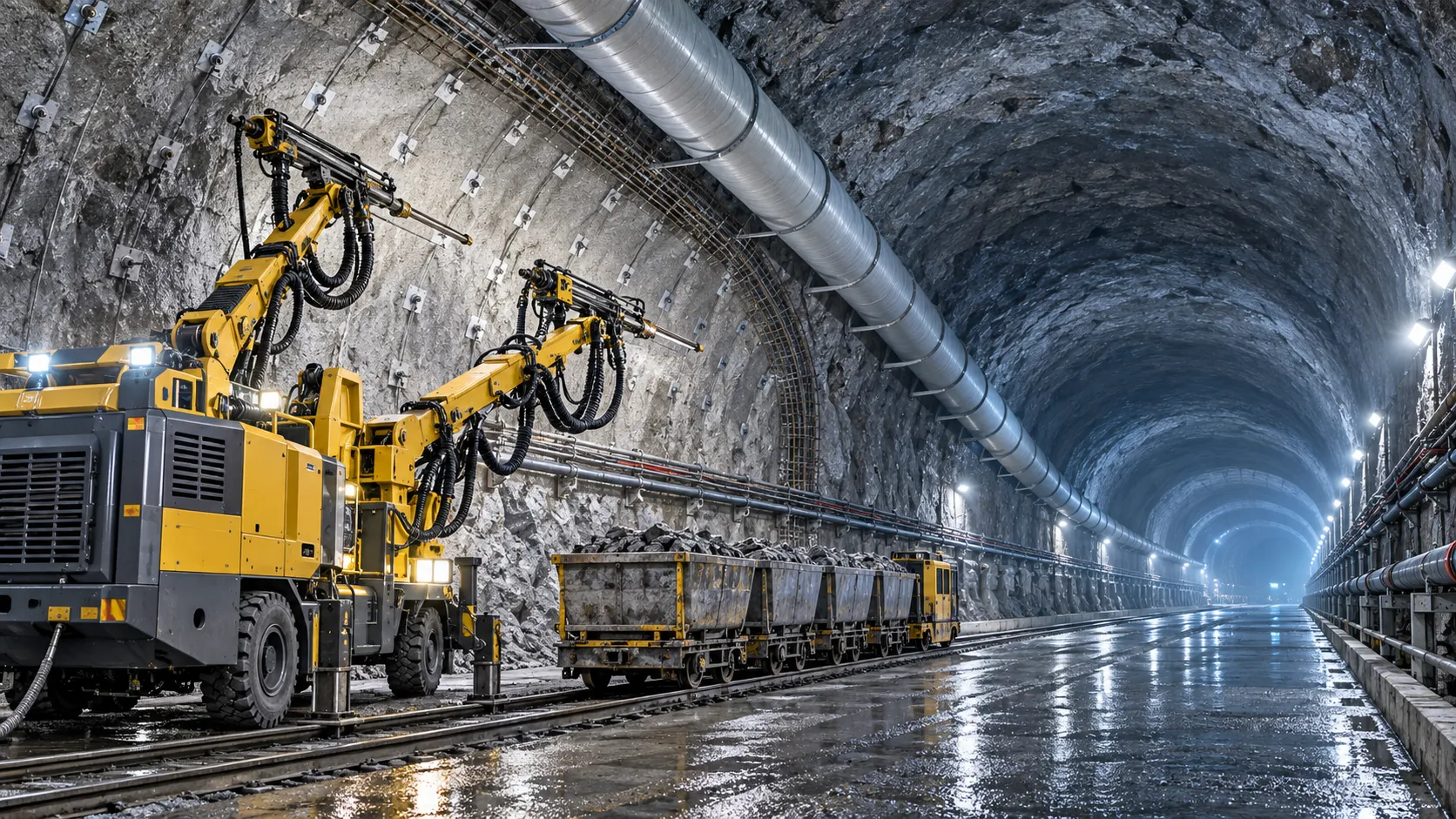
How to Evaluate European Drill-and-Blast Tunnelling Contractors for Complex Projects
Drill and blast tunnelling contractors Europe: learn how to assess geology expertise, blast control, equipment reliability, safety, and programme resilience for complex projects.
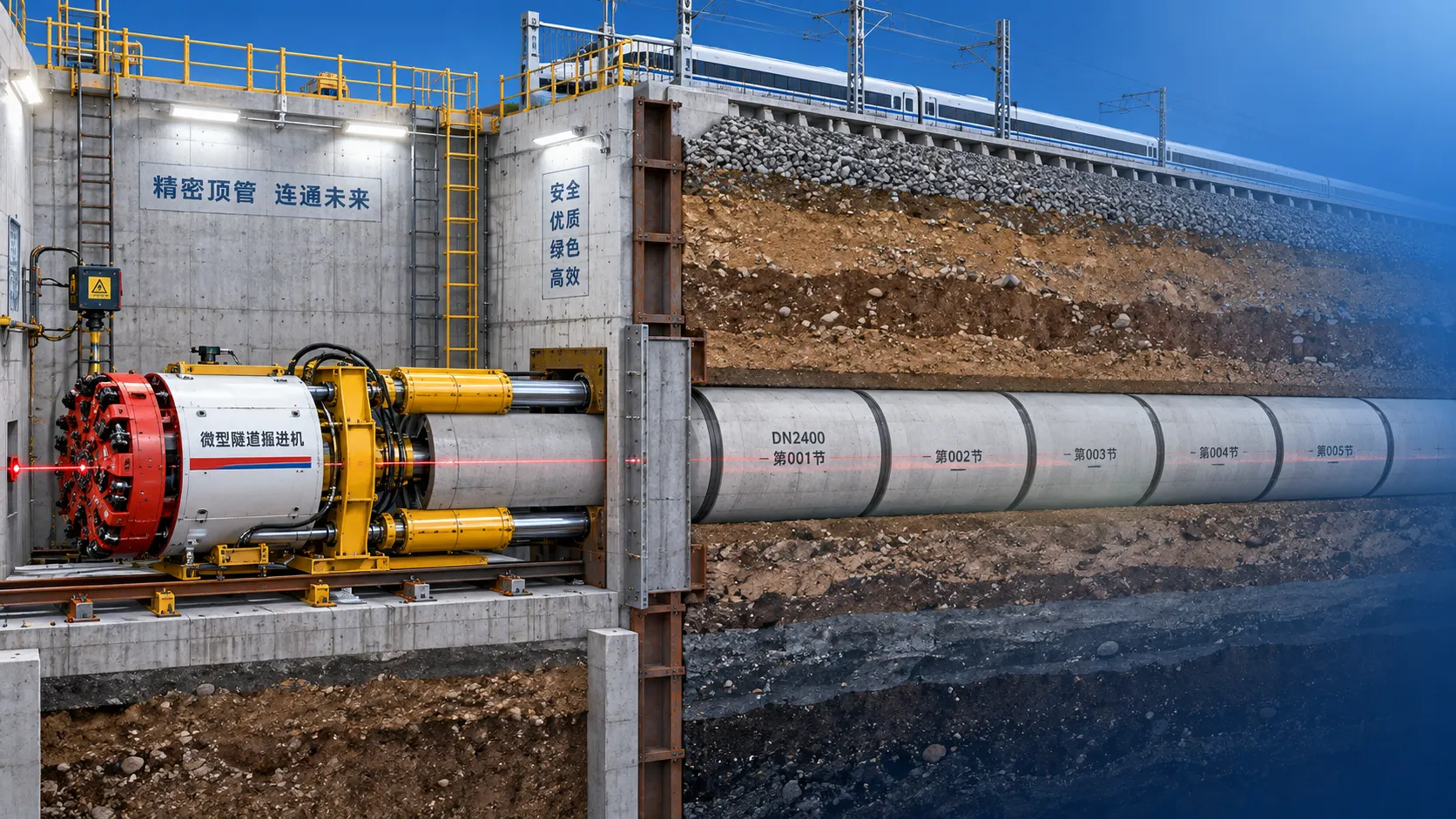
Which Trenchless Construction Technique Fits Your Utility Crossing Conditions?
Trenchless construction techniques compared for utility crossings: choose HDD, microtunnelling, pipe jacking, or auger boring based on ground, accuracy, access, and risk.
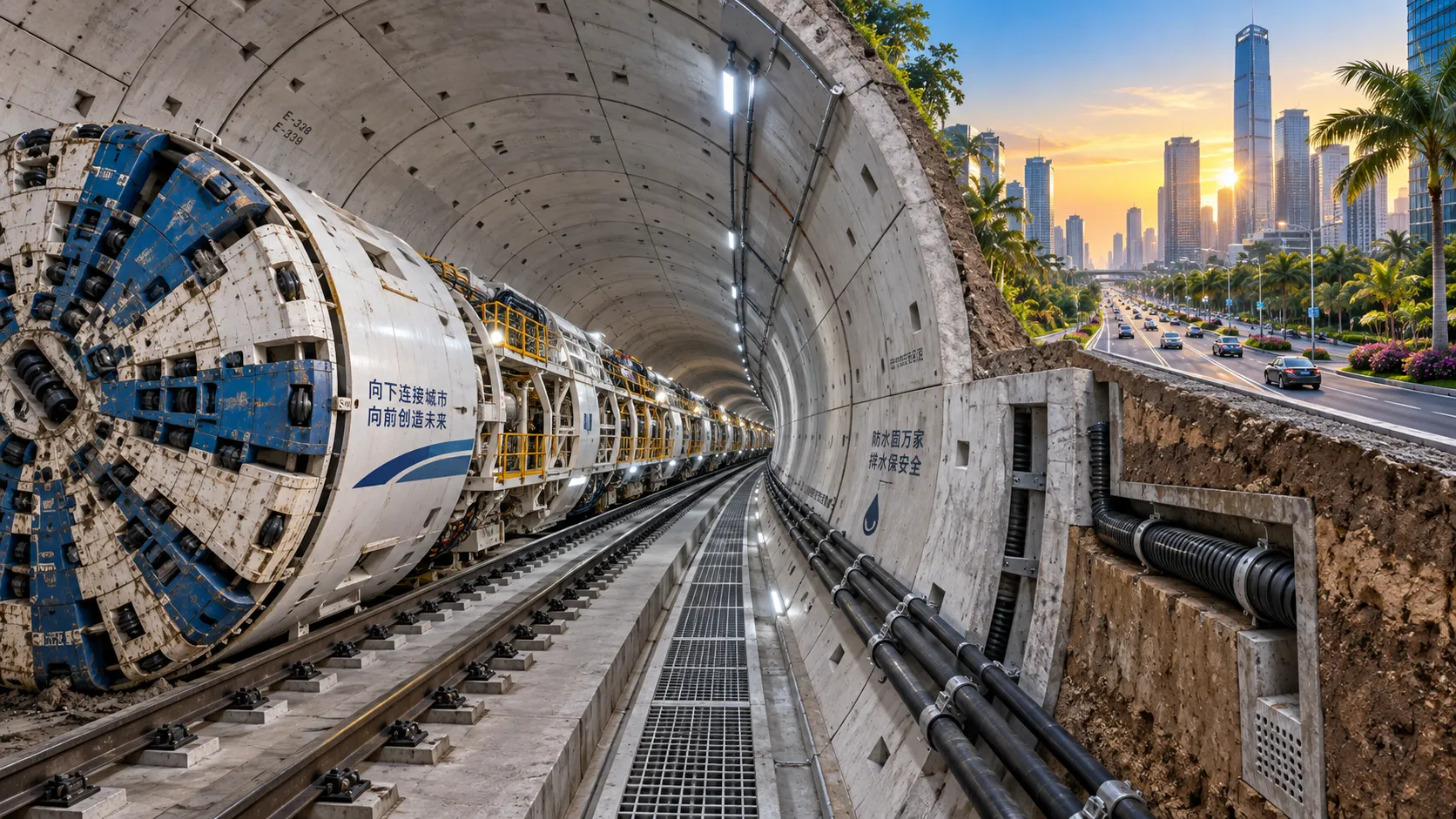
What Is Driving Metro Tunnelling Demand Across Southeast Asia’s Major Cities?
Metro tunnelling Southeast Asia is accelerating as major cities tackle congestion, flooding, and connectivity. Explore the market forces, technical risks, and opportunities shaping demand.
Hard Rock Tunnelling in Australia: Selecting Methods for Variable Ground Conditions
Hard rock tunnelling in Australia: compare TBM, drill-and-blast and hybrid methods to manage variable ground, reduce risk and protect project costs.
Hydropower Tunnel Excavation: Selecting Methods for Variable Rock Conditions
Hydropower tunnel excavation methods for variable rock conditions: compare TBM, drill-and-blast, and hybrid strategies to improve safety, progress, and project control.
How to Select Underground Safety Equipment for Tunnelling by Hazard and Work Zone
Underground Safety Equipment for tunnelling: match protection to hazards, work zones, compliance, and emergency needs with this practical selection guide.
EPB or Slurry Shield? Selecting Soft-Ground Tunnelling Equipment by Soil Conditions
Tunnel Excavation Equipment for soft ground: compare EPB and slurry shields by soil, groundwater, settlement risk, and project logistics to choose confidently.
How to Specify TBM Backup System Parts for Reliable Long-Distance Tunnelling
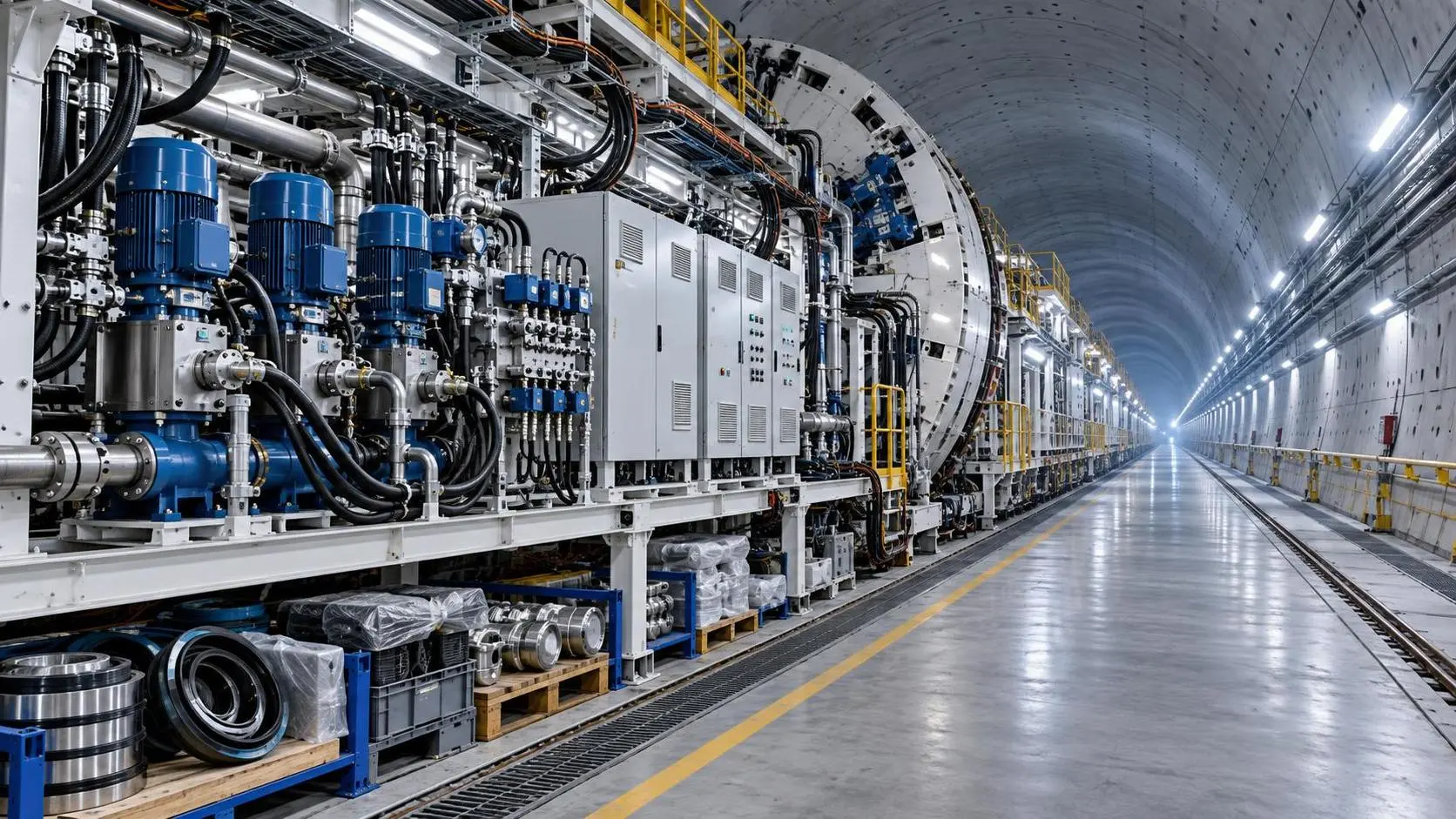
TBM backup system parts: learn how to specify reliable spares for long-distance tunnelling, reduce downtime, ensure compatibility, and speed underground recovery.
How to Size Open Pit Mining Trucks for Haul Distance, Grade, and Payload?
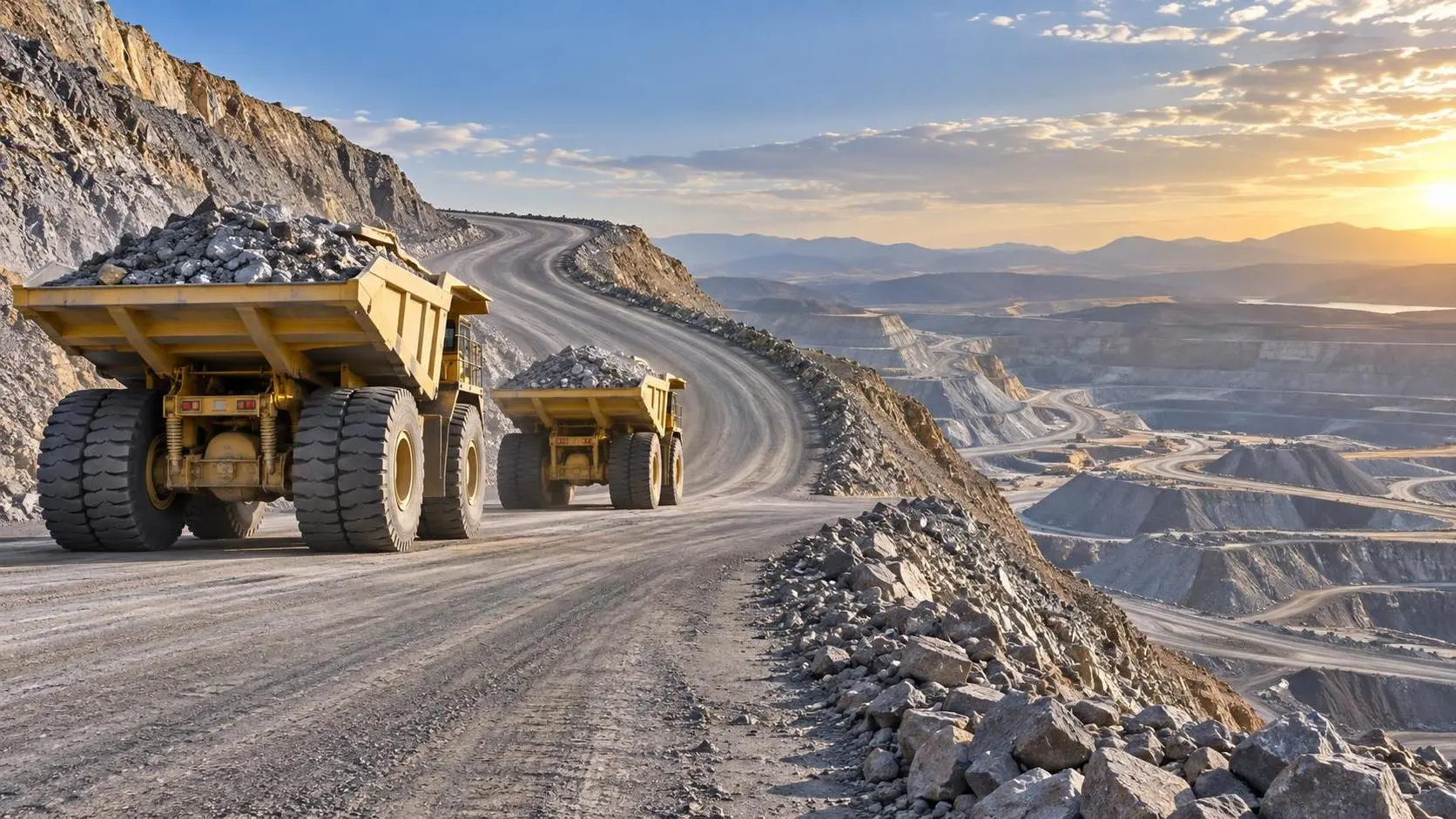
Open Pit Mining Trucks: learn how to match payload, haul distance, grade, road resistance, and loading capacity for safer, lower-cost mine operations.
Related News
- 00
0000-00
How to Evaluate European Drill-and-Blast Tunnelling Contractors for Complex Projects - 00
0000-00
Which Trenchless Construction Technique Fits Your Utility Crossing Conditions? - 00
0000-00
What Is Driving Metro Tunnelling Demand Across Southeast Asia’s Major Cities? - 00
0000-00
Hard Rock Tunnelling in Australia: Selecting Methods for Variable Ground Conditions - 00
0000-00
Hydropower Tunnel Excavation: Selecting Methods for Variable Rock Conditions
Weekly Insights
Stay ahead with our curated technology reports delivered every Monday.