
Tunnel Boring Equipment Selection Guide: Key Parameters for Urban Tunneling Projects





Choosing Tunnel Boring Equipment for an urban project is rarely a matter of diameter alone. In city tunneling, the machine has to fit geology, alignment, settlement limits, environmental rules, and production targets at the same time.
That pressure is growing as metro systems, utility corridors, drainage tunnels, and underground transport links move deeper into congested ground. A poor selection can lock a project into unstable excavation, frequent stoppages, high cutter consumption, or difficult segment installation.
Viewed through UTMD's industry lens, Tunnel Boring Equipment now sits at the intersection of rock mechanics, low-emission construction, digital control, and lifecycle asset performance. That is why equipment comparison must be technical, contextual, and disciplined.
Why urban tunneling puts equipment selection under pressure
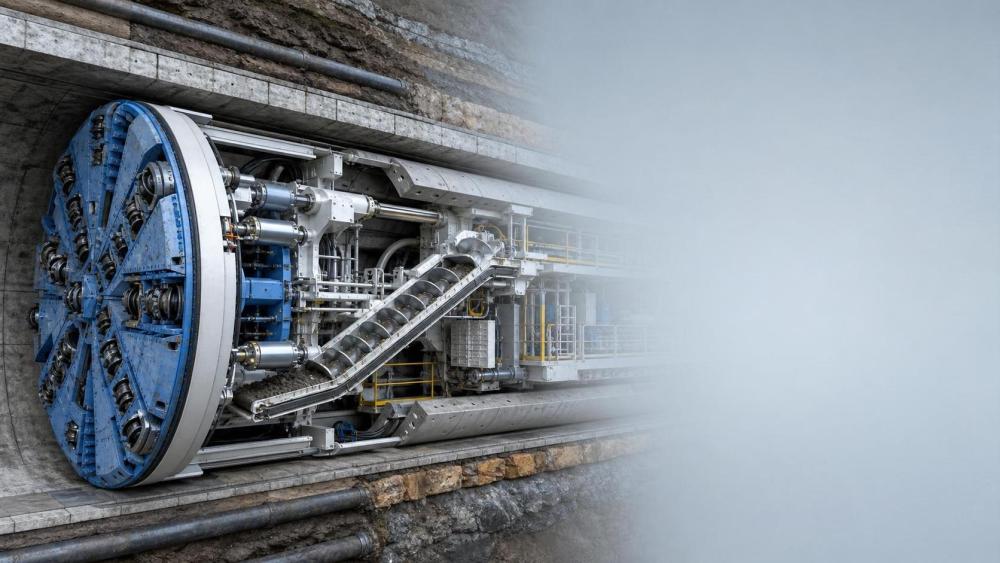
City projects compress many risks into a narrow corridor. The tunnel may pass below utilities, foundations, rail lines, roads, rivers, and mixed ground zones within a single drive.
In that setting, Tunnel Boring Equipment must do more than excavate. It must control face pressure, limit vibration, manage spoil reliably, and support predictable lining operations in constrained logistics windows.
The market is also changing. Owners increasingly expect reduced emissions in confined workspaces, stronger automation, better data capture, and clearer maintenance forecasting. These expectations influence machine architecture as much as thrust or torque ratings.
Start with ground behavior, not machine preference
The first serious filter for Tunnel Boring Equipment is the expected ground response. Soil, weathered rock, hard rock, mixed face conditions, and groundwater pressure each change the selection logic.
EPB machines often suit fine-grained soils where pressure balance can be maintained through conditioned spoil. Slurry systems become stronger candidates where permeability, water inflow, or unstable granular formations make pressure control harder.
For competent rock, hard rock TBM configurations may deliver higher advance rates and lower conditioning demand. Mixed geology, however, tends to punish oversimplified choices. Cutterhead transitions, wear behavior, and face stability become decisive.
This is where geology reports need careful translation into equipment terms. Rock strength alone is not enough. Abrasivity, fracture spacing, block size, swelling potential, cobble content, and water pressure all affect machine suitability.
Ground factors that most often change the decision
- Permeability and expected inflow at the tunnel face
- Mixed face probability between soil and rock
- Rock abrasivity and likely cutter wear rate
- Sensitivity of surrounding buildings to settlement
- Need for additives, foam, polymers, or slurry treatment
Key machine parameters that deserve close comparison
Once the ground model is credible, the next step is to compare Tunnel Boring Equipment against measurable operating parameters. The important point is to review them as a system, not as isolated headline numbers.
Cutterhead and cutting tools
Cutterhead opening ratio, spoke arrangement, tool access, and wear protection all influence excavation stability. In urban work, maintainability under pressure can matter as much as theoretical cutting performance.
UTMD's coverage of disc cutter wear in extreme rock is relevant here. High abrasivity does not only raise consumable cost. It can reduce uptime, complicate interventions, and distort the project schedule.
Thrust, torque, and power reserve
Adequate installed power is essential, but oversizing without purpose can hurt efficiency. What matters is whether thrust and torque remain stable across the full range of expected geology, curvature, and lining friction.
Face support and pressure control
In city tunnels, pressure control tolerance is a core risk issue. The machine should hold pressure accurately during excavation, ring build, stoppages, and restart conditions.
Spoil removal and treatment chain
Tunnel Boring Equipment is only as dependable as its muck handling system. Screw conveyors, slurry circuits, separation plants, and backup conveyors must match expected volumes and material variability.
Alignment, space limits, and segment installation
A machine that looks strong on paper can still fail the project if it does not fit the tunnel geometry. Urban alignments often include tight curves, shallow cover, restricted shafts, and short launch chambers.
That makes articulation, guidance accuracy, backup train length, and segment erector performance especially important. Tunnel Boring Equipment should be assessed against the whole tunnel system, not only the shield front.
Ring build speed also deserves scrutiny. Segment handling, grouting sequence, tail seal reliability, and annular gap control influence both productivity and ground response.
Automation, emissions, and monitoring are no longer optional details
In older procurement models, automation was sometimes treated as an upgrade. That is becoming harder to justify. Modern Tunnel Boring Equipment is increasingly judged by sensing, diagnostics, and controllability.
Urban projects need traceable operating data because claims, performance reviews, and safety decisions depend on it. Machine logs, cutter consumption trends, pressure history, and settlement correlation help explain real project behavior.
The emissions side matters as well. Confined underground spaces are driving interest in electrification, cleaner auxiliary systems, and lower-heat equipment packages. UTMD tracks this shift across both tunneling and underground mining fleets.
That broader equipment transition is useful context. It shows that asset selection is moving toward integrated performance: productivity, environmental compliance, operator exposure, and digital maintainability are increasingly linked.
Useful digital capabilities to compare
- Real-time monitoring of face pressure, torque, penetration, and grout volume
- Predictive maintenance alerts for cutters, seals, pumps, and hydraulic systems
- Data interfaces that support project-wide reporting and geotechnical review
- Remote diagnostics for faster response during critical stoppages
How to judge lifecycle performance, not just launch performance
Selection decisions often focus too heavily on initial capability. Yet many urban tunnels are won or lost during maintenance cycles, spare parts availability, intervention safety, and backup system reliability.
A practical review of Tunnel Boring Equipment should include expected cutter change intervals, access conditions, seal replacement logic, slurry or spoil circuit cleaning demands, and the local strength of service support.
It also helps to test assumptions around utilization. A machine with a strong theoretical advance rate may underperform if urban logistics restrict spoil removal, working hours, or segment supply.
That is why lifecycle cost should be read alongside schedule resilience. Downtime exposure, intervention complexity, and consumable volatility often outweigh modest differences in purchase price.
A practical framework for comparing options
A useful evaluation framework brings ground data, tunnel geometry, production targets, and risk tolerance into one view. It avoids the common mistake of treating all Tunnel Boring Equipment proposals as directly comparable.
One effective approach is to score each candidate against a small number of decisive dimensions, then challenge the weak points with scenario testing.
- Fit to anticipated geology and groundwater regime
- Performance under mixed ground and transition zones
- Compatibility with shaft size, alignment, and logistics limits
- Maintainability, spare support, and intervention safety
- Data quality, automation depth, and emissions profile
The value of a platform such as UTMD lies in connecting these equipment decisions to wider market intelligence. Tender trends, wear research, electrification pathways, and contractor operating patterns all sharpen the comparison.
What to do before moving to final selection
Before narrowing the shortlist, revisit the project assumptions that have the biggest impact on Tunnel Boring Equipment choice. Mixed face probability, groundwater uncertainty, disposal strategy, and allowable settlement should all be stress-tested.
Then compare options using a common parameter sheet, not marketing narratives. Shortlisted machines should be reviewed against identical geology bands, logistics assumptions, intervention scenarios, and maintenance windows.
For urban tunneling, the best choice is usually the one that remains stable when conditions become less ideal than planned. That is the point where technical evaluation becomes genuinely useful: not at headline performance, but at controlled risk.
A disciplined next step is to build a decision matrix around ground behavior, control precision, lifecycle serviceability, and digital visibility. That creates a stronger basis for selecting Tunnel Boring Equipment that can deliver through the full drive, not only the first meters.
Related News
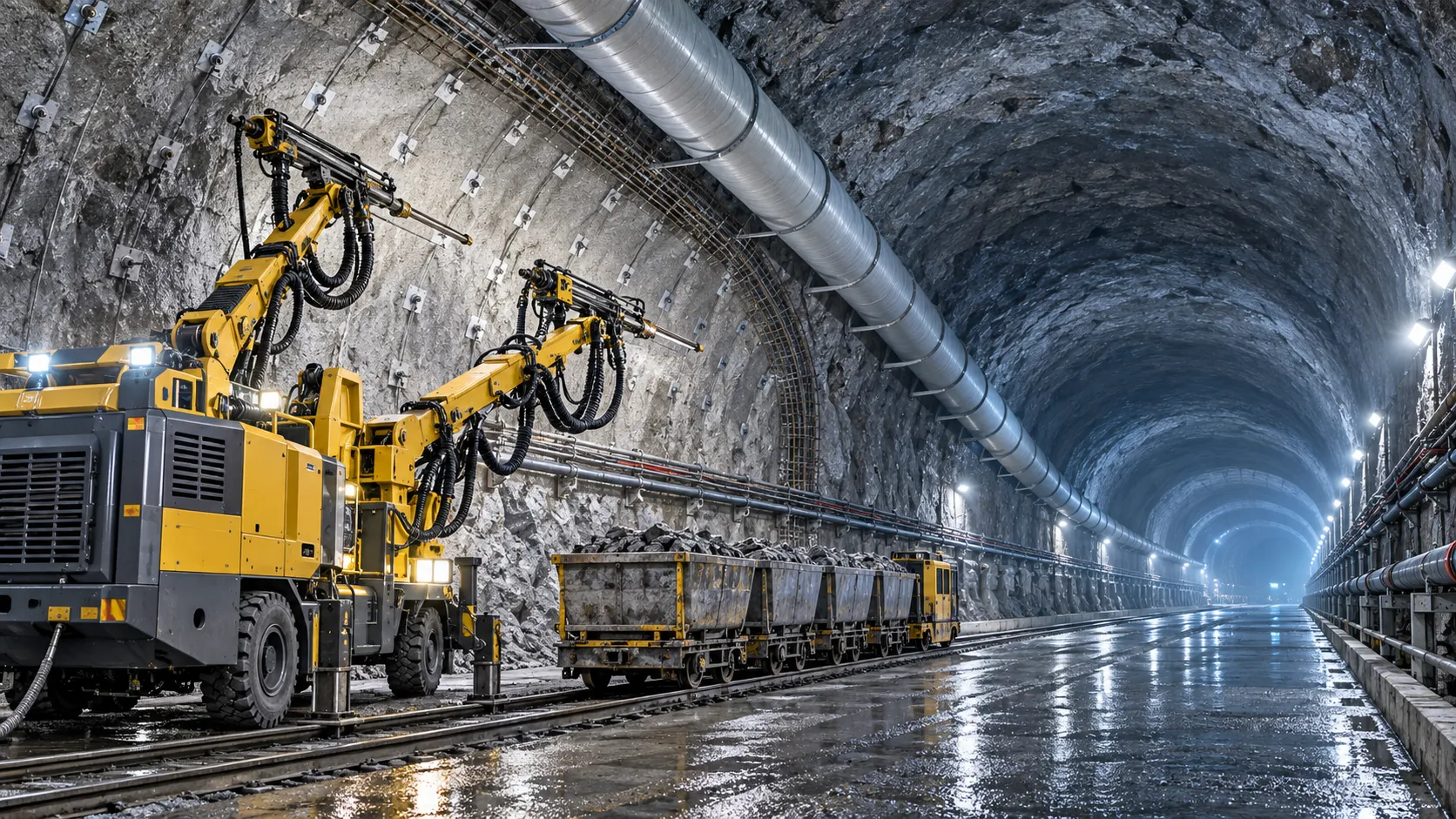
How to Evaluate European Drill-and-Blast Tunnelling Contractors for Complex Projects
Drill and blast tunnelling contractors Europe: learn how to assess geology expertise, blast control, equipment reliability, safety, and programme resilience for complex projects.
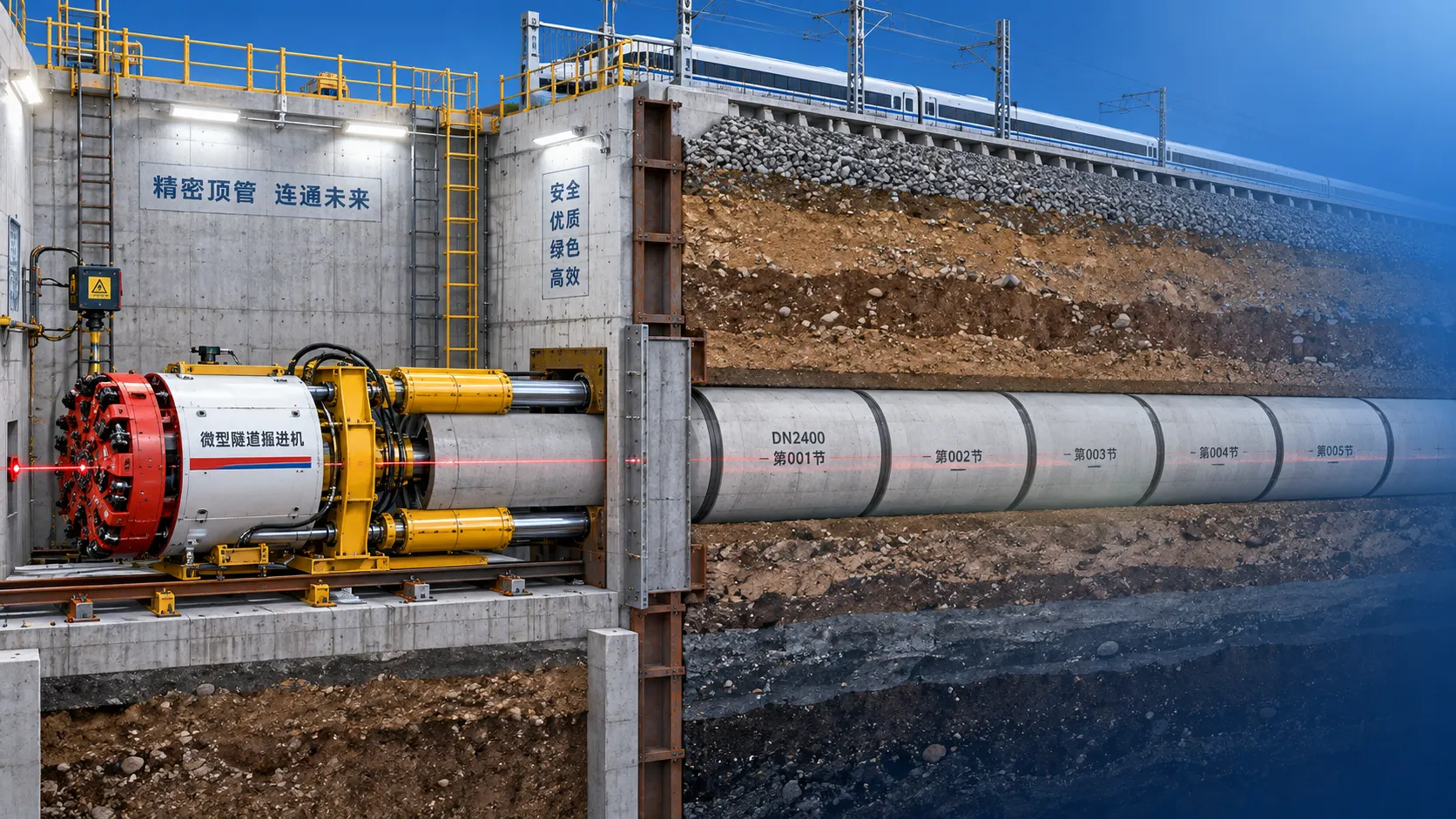
Which Trenchless Construction Technique Fits Your Utility Crossing Conditions?
Trenchless construction techniques compared for utility crossings: choose HDD, microtunnelling, pipe jacking, or auger boring based on ground, accuracy, access, and risk.
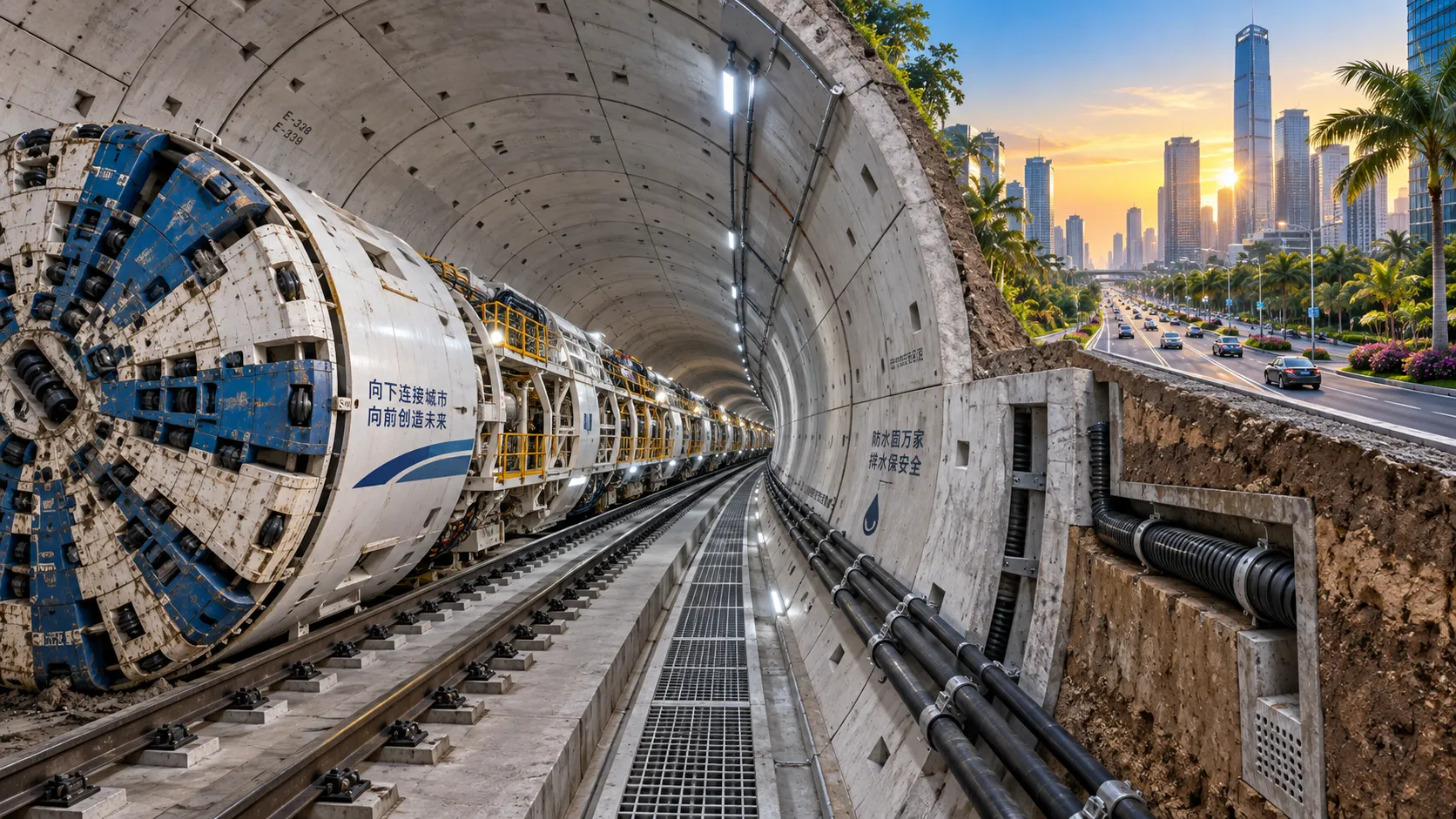
What Is Driving Metro Tunnelling Demand Across Southeast Asia’s Major Cities?
Metro tunnelling Southeast Asia is accelerating as major cities tackle congestion, flooding, and connectivity. Explore the market forces, technical risks, and opportunities shaping demand.
Hard Rock Tunnelling in Australia: Selecting Methods for Variable Ground Conditions
Hard rock tunnelling in Australia: compare TBM, drill-and-blast and hybrid methods to manage variable ground, reduce risk and protect project costs.
Hydropower Tunnel Excavation: Selecting Methods for Variable Rock Conditions
Hydropower tunnel excavation methods for variable rock conditions: compare TBM, drill-and-blast, and hybrid strategies to improve safety, progress, and project control.
How to Select Underground Safety Equipment for Tunnelling by Hazard and Work Zone
Underground Safety Equipment for tunnelling: match protection to hazards, work zones, compliance, and emergency needs with this practical selection guide.
EPB or Slurry Shield? Selecting Soft-Ground Tunnelling Equipment by Soil Conditions
Tunnel Excavation Equipment for soft ground: compare EPB and slurry shields by soil, groundwater, settlement risk, and project logistics to choose confidently.
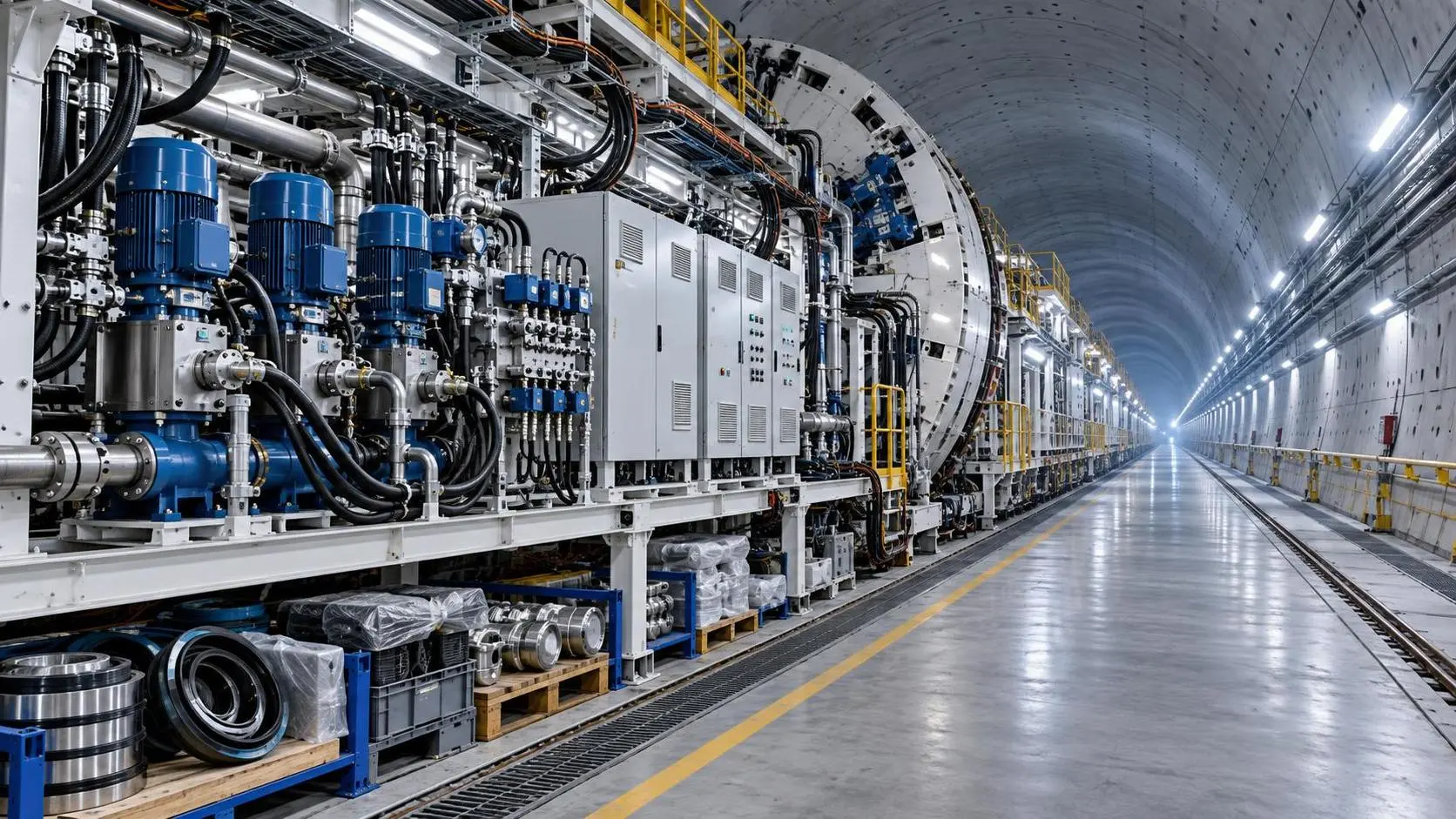
How to Specify TBM Backup System Parts for Reliable Long-Distance Tunnelling
TBM backup system parts: learn how to specify reliable spares for long-distance tunnelling, reduce downtime, ensure compatibility, and speed underground recovery.
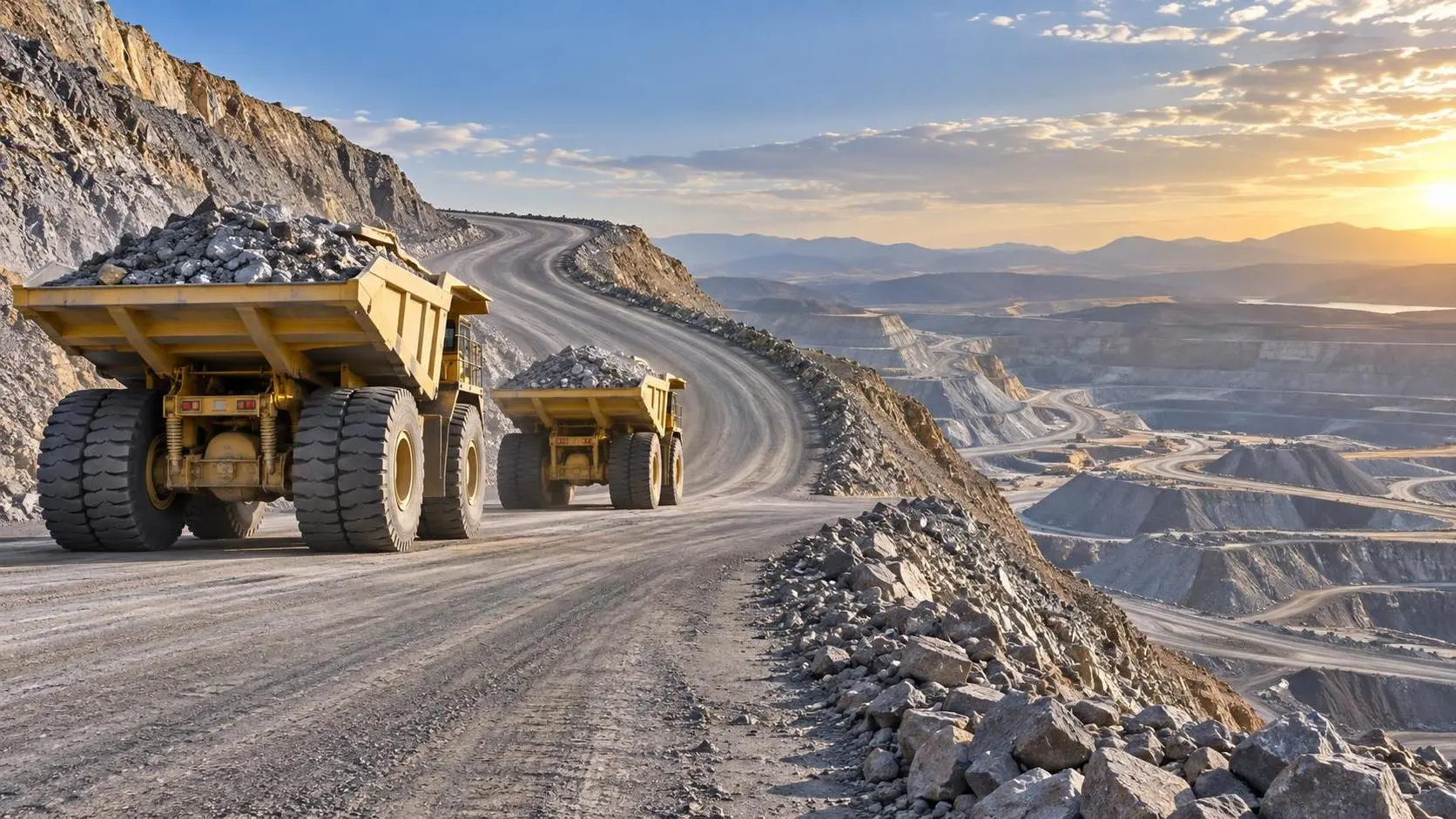
How to Size Open Pit Mining Trucks for Haul Distance, Grade, and Payload?
Open Pit Mining Trucks: learn how to match payload, haul distance, grade, road resistance, and loading capacity for safer, lower-cost mine operations.
Related News
- 00
0000-00
How to Evaluate European Drill-and-Blast Tunnelling Contractors for Complex Projects - 00
0000-00
Which Trenchless Construction Technique Fits Your Utility Crossing Conditions? - 00
0000-00
What Is Driving Metro Tunnelling Demand Across Southeast Asia’s Major Cities? - 00
0000-00
Hard Rock Tunnelling in Australia: Selecting Methods for Variable Ground Conditions - 00
0000-00
Hydropower Tunnel Excavation: Selecting Methods for Variable Rock Conditions
Weekly Insights
Stay ahead with our curated technology reports delivered every Monday.