
Tunnel Engineering Equipment Selection: Key Specs for Metro and Highway Projects





Tunnel engineering equipment selection sits at the center of metro and highway tunnel success. The right machine package affects excavation stability, advance rate, energy use, maintenance rhythm, and the long-term economics of underground assets.
That is why equipment choice is no longer a simple question of size or power. In current underground construction, geology, ventilation limits, automation goals, ESG pressure, and digital monitoring all shape what counts as a suitable solution.
For projects moving through dense cities or long mountain corridors, Tunnel engineering equipment must match ground behavior as closely as it matches schedule targets. A faster machine that struggles in mixed ground often creates more risk than value.
Why equipment selection now carries more strategic weight
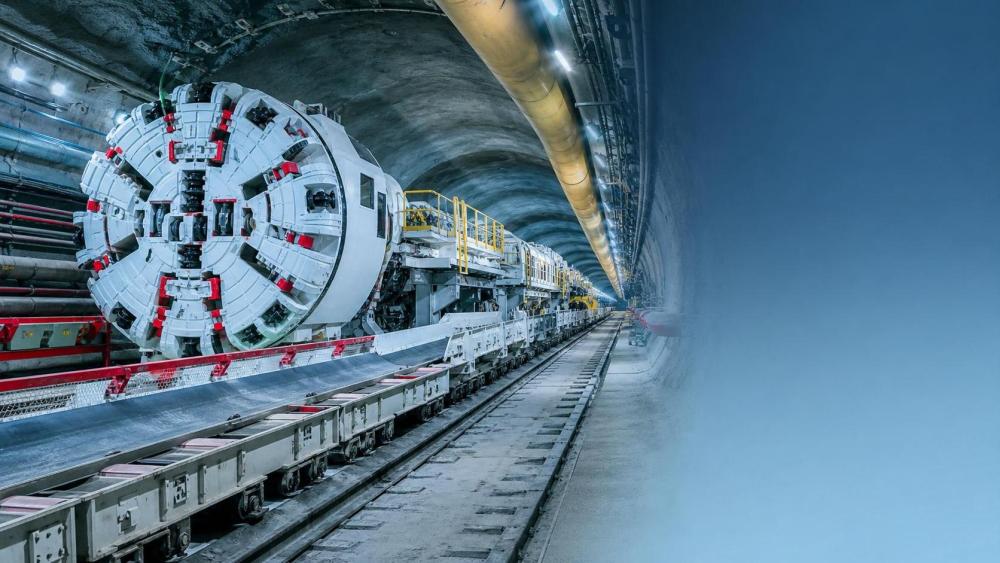
Metro and highway tunnel programs are becoming more technically demanding. Urban alignments face settlement control, utility conflicts, and strict noise limits. Highway tunnels often deal with long drives, variable rock classes, and difficult logistics.
At the same time, owners expect lower emissions, better traceability, and fewer unplanned stoppages. This pushes Tunnel engineering equipment toward electrification, smarter sensing, and maintenance models built around data rather than reaction.
This shift is visible across the UTMD knowledge landscape. Full-face TBMs, trenchless systems, drilling jumbos, and smart underground haulage are increasingly linked by one common expectation: reliable output in harsh subsurface conditions.
In practice, selection has become a strategic decision because the machine determines not only excavation method, but also crew structure, spare parts planning, digital integration, and the project’s ability to stay within tolerance.
The core idea behind Tunnel engineering equipment selection
Tunnel engineering equipment refers to the machine systems used to excavate, support, transport, monitor, and maintain underground progress. In metro and highway work, this usually means a combination rather than a single headline machine.
A TBM may dominate one project. Another may rely on drill-and-blast supported by drilling jumbos, loaders, ventilation units, and haulage fleets. Urban crossings may introduce pipe jacking or specialized trenchless tools for utility-sensitive sections.
The important point is that equipment selection should follow the excavation system logic. Cutterhead performance, muck removal, lining installation, power supply, guidance control, and service access must work as one coordinated chain.
Selection starts with project reality
A metro tunnel under a city center has different priorities from a long highway tunnel through hard rock. One may emphasize settlement control and compact logistics. The other may prioritize durability, high penetration, and ventilation efficiency.
That is why Tunnel engineering equipment should never be compared only by nominal capacity. The better benchmark is performance under the exact geological and operational constraints of the planned alignment.
Key specifications that shape field performance
Some specifications look impressive on paper but have limited value without context. Others quietly determine whether the machine remains predictable throughout the drive. The table below highlights the parameters that deserve close attention.
Among these, geology adaptability is usually the first filter. UTMD’s long focus on rock-cutting mechanics shows why. Disc cutter wear, cutterhead opening ratio, and face support strategy all influence whether progress remains stable in difficult ground.
Metro priorities versus highway priorities
Metro projects often value precise steering, low vibration, compact system integration, and controlled muck handling. Highway projects usually place more weight on durability, long-distance serviceability, and sustained output in varied rock conditions.
This does not mean one category needs simpler Tunnel engineering equipment. It means the same specification can carry different decision weight depending on alignment length, access conditions, and tolerance requirements.
Machine categories and where they fit best
The strongest equipment decisions usually come from matching machine families to excavation scenarios instead of starting with brand preference. That approach reduces the risk of selecting a technically impressive but operationally mismatched system.
- TBMs fit long, repetitive drives where face control, lining integration, and predictable alignment are critical.
- Pipe jacking machines suit urban crossings that require minimal surface disruption and strict traffic continuity.
- Drilling jumbos support drill-and-blast tunnels in hard rock where layout flexibility matters.
- Underground loaders and haulage systems become essential where muck logistics control total cycle time.
- Electrified or low-emission support equipment adds value in confined spaces with tight ventilation margins.
The broader UTMD perspective is useful here because tunnel performance rarely depends on the primary machine alone. Haulage, auxiliary drilling, and underground transport systems can either unlock or limit the value of the main excavation platform.
What the industry is watching now
Three themes are shaping how Tunnel engineering equipment is assessed today: automation maturity, emissions profile, and data quality. These are not abstract trends. They directly affect uptime, safety margins, and contract risk.
Automation matters because underground conditions change quickly. Better sensing and guidance reduce dependence on manual correction. In complex drives, that can improve excavation consistency more than small gains in rated power.
Emissions matter because confined spaces amplify every inefficiency. Electrified or hybrid support systems can lower heat load, reduce ventilation demand, and support stronger ESG positioning, especially on projects under public scrutiny.
Data quality matters because modern asset decisions depend on more than supplier claims. Reliable wear data, intervention history, availability records, and digital diagnostics create a more realistic picture of lifecycle performance.
UTMD’s intelligence model reflects this wider view. Analysis of cutter wear, underground SLAM, and electrified haulage efficiency shows that the future of tunnel engineering equipment is increasingly measured by integrated system reliability.
A practical framework for comparing options
A useful comparison framework should be strict enough to expose risk, yet flexible enough to reflect project-specific realities. In most cases, a short list becomes clearer when technical and operational criteria are reviewed together.
Questions worth answering before selection
- How does the machine behave in mixed ground, abrasive rock, or water-bearing sections?
- What is the expected intervention frequency for cutters, seals, and wear parts?
- Can site power, ventilation, and access support the equipment without major redesign?
- How mature are the automation, sensing, and diagnostics functions in real projects?
- Is the support model strong enough for spares, training, and remote troubleshooting?
These questions help separate headline specifications from usable performance. Tunnel engineering equipment that looks efficient in brochures may become difficult to maintain if service access, tooling, or consumable supply is poorly planned.
Where cost should be viewed differently
Capital price alone rarely captures the true value of a machine. Downtime during face intervention, excessive cutter consumption, ventilation burden, and delayed lining cycles can quickly outweigh a lower purchase number.
A better approach is to compare total operational exposure. That includes uptime, spare parts rhythm, power demand, labor dependence, and the risk cost of deviation from schedule or alignment tolerance.
Turning evaluation into better project decisions
The most reliable Tunnel engineering equipment decisions come from linking specifications to actual underground scenarios. Rock class data, hydrogeology, haul distance, segment strategy, and ventilation design should all be part of the same evaluation model.
It also helps to build comparison matrices that include failure modes, not just nominal output. Machines should be judged by how they recover from difficult sections, not only by how they perform in favorable ground.
From there, the next step is clear: refine the parameter list, test assumptions against real project conditions, and use trusted industry intelligence to challenge optimistic projections. That is where equipment selection becomes a disciplined advantage rather than a procurement exercise.
Related News
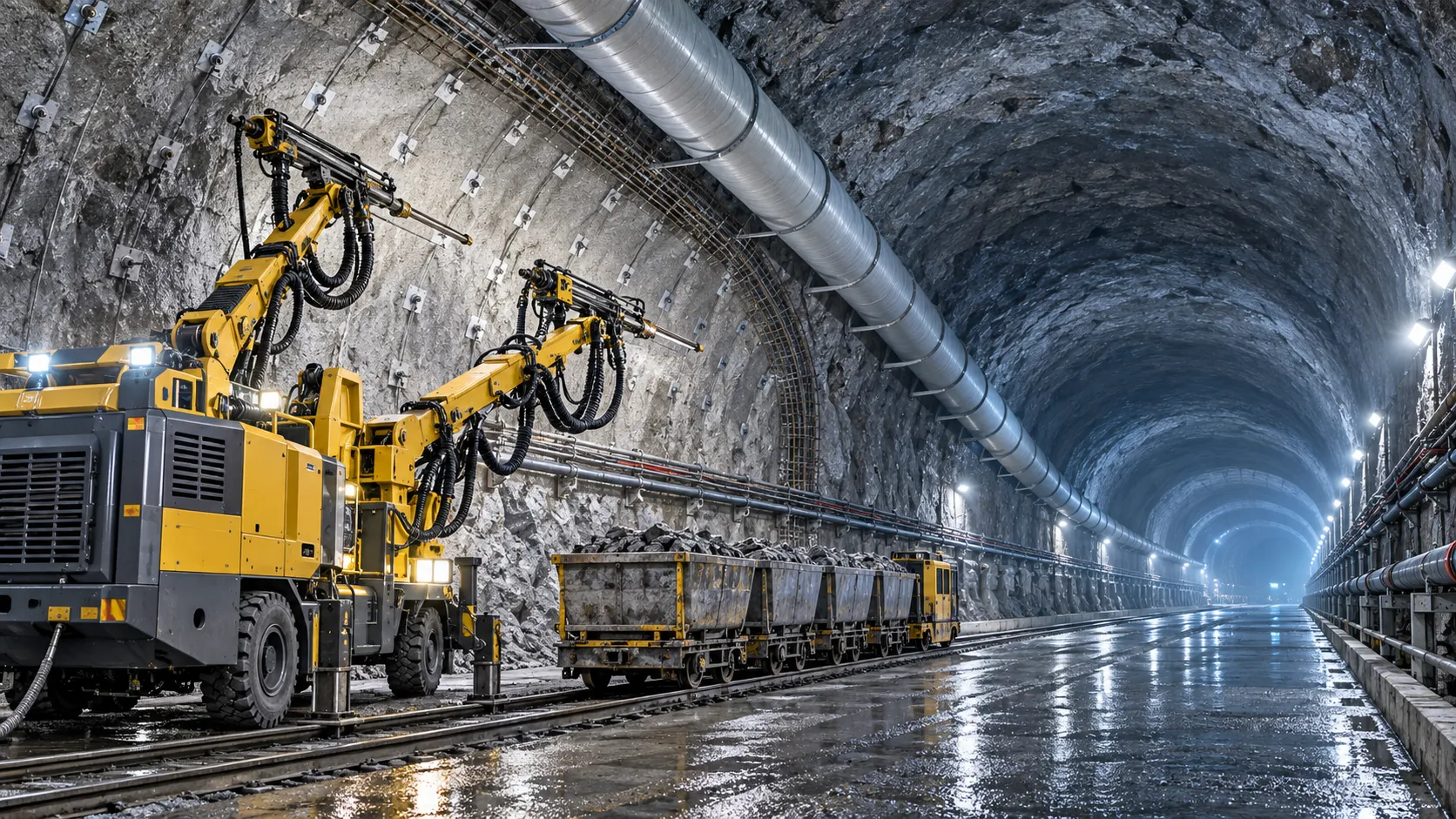
How to Evaluate European Drill-and-Blast Tunnelling Contractors for Complex Projects
Drill and blast tunnelling contractors Europe: learn how to assess geology expertise, blast control, equipment reliability, safety, and programme resilience for complex projects.
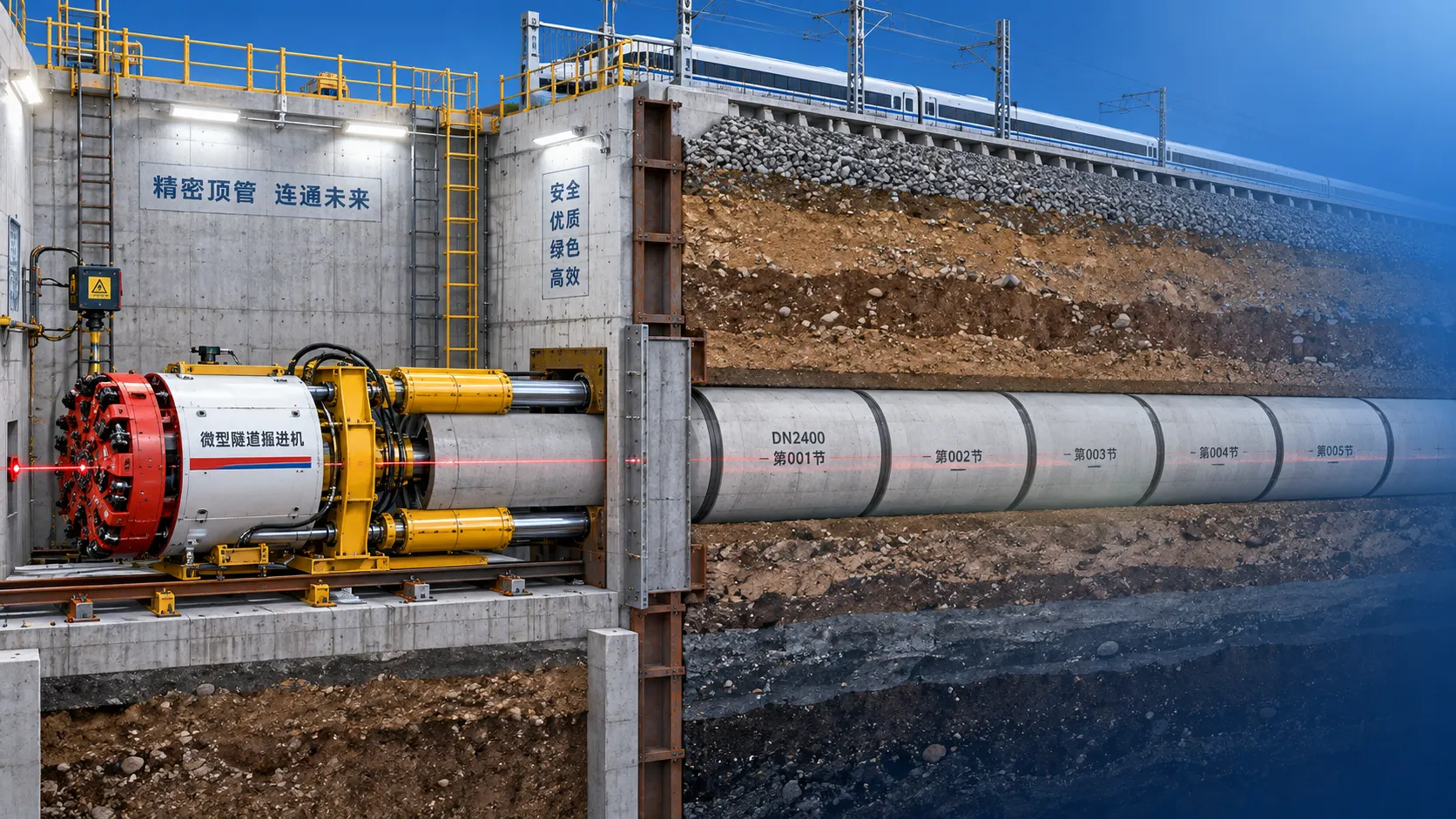
Which Trenchless Construction Technique Fits Your Utility Crossing Conditions?
Trenchless construction techniques compared for utility crossings: choose HDD, microtunnelling, pipe jacking, or auger boring based on ground, accuracy, access, and risk.
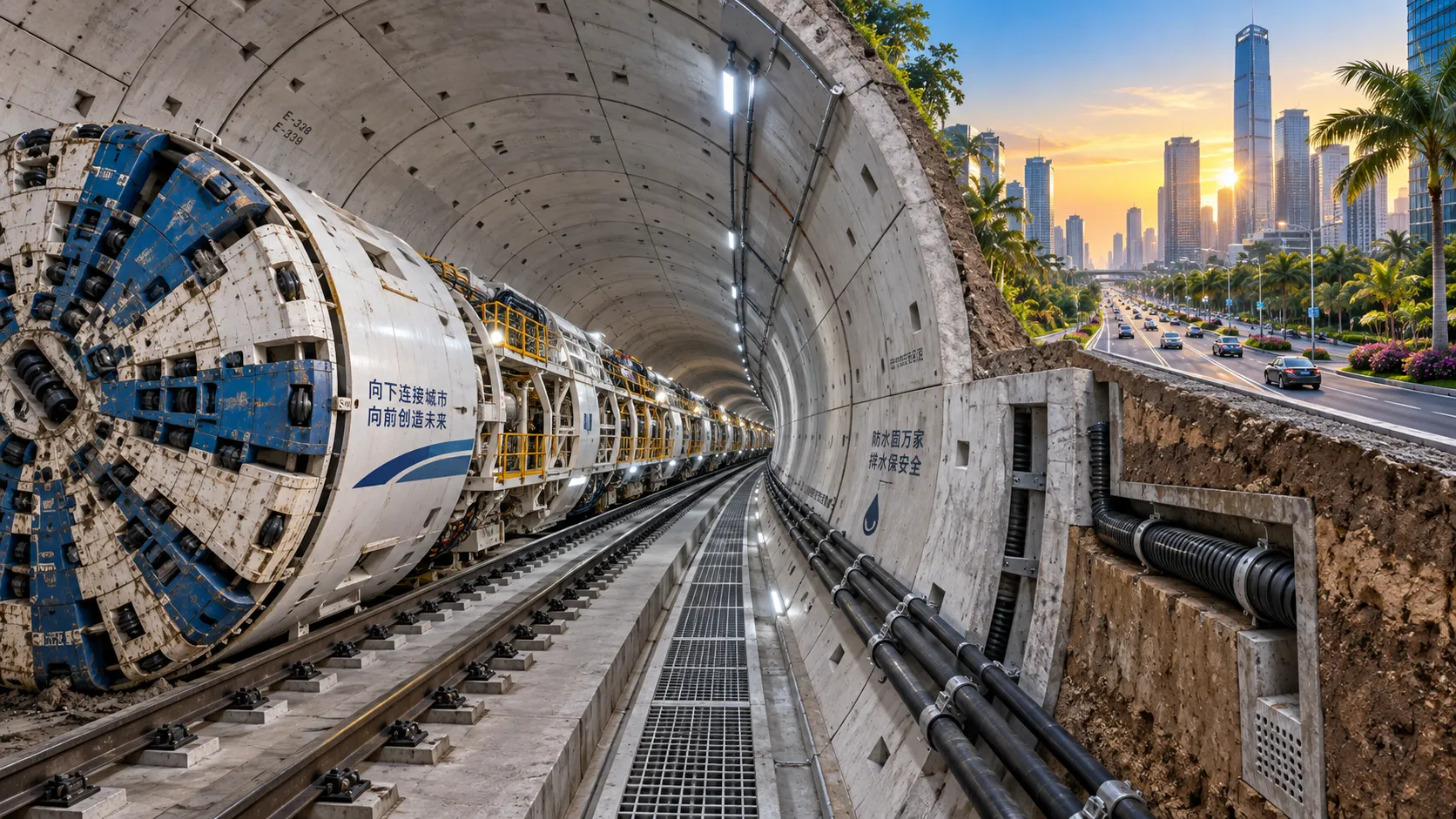
What Is Driving Metro Tunnelling Demand Across Southeast Asia’s Major Cities?
Metro tunnelling Southeast Asia is accelerating as major cities tackle congestion, flooding, and connectivity. Explore the market forces, technical risks, and opportunities shaping demand.
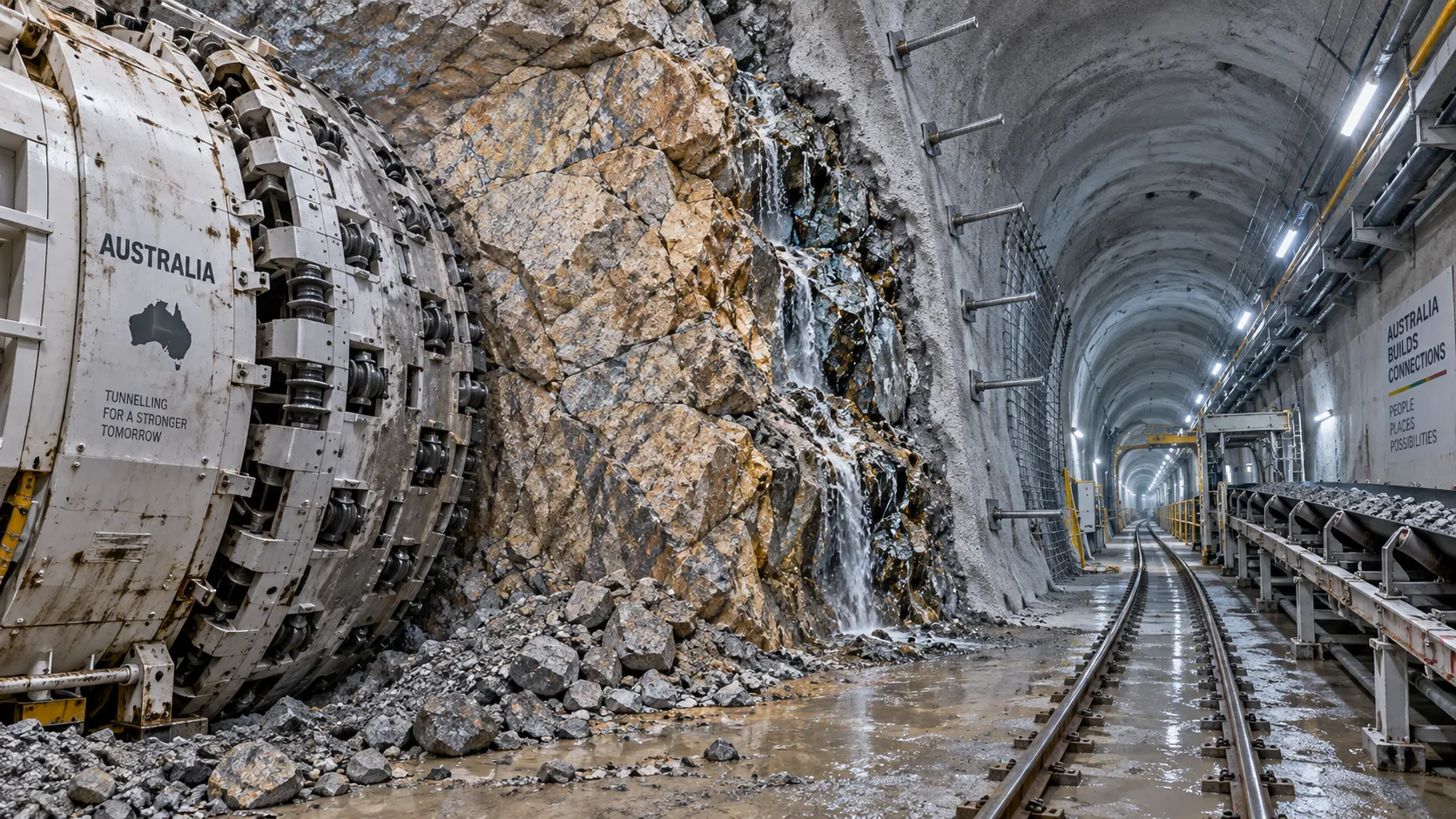
Hard Rock Tunnelling in Australia: Selecting Methods for Variable Ground Conditions
Hard rock tunnelling in Australia: compare TBM, drill-and-blast and hybrid methods to manage variable ground, reduce risk and protect project costs.
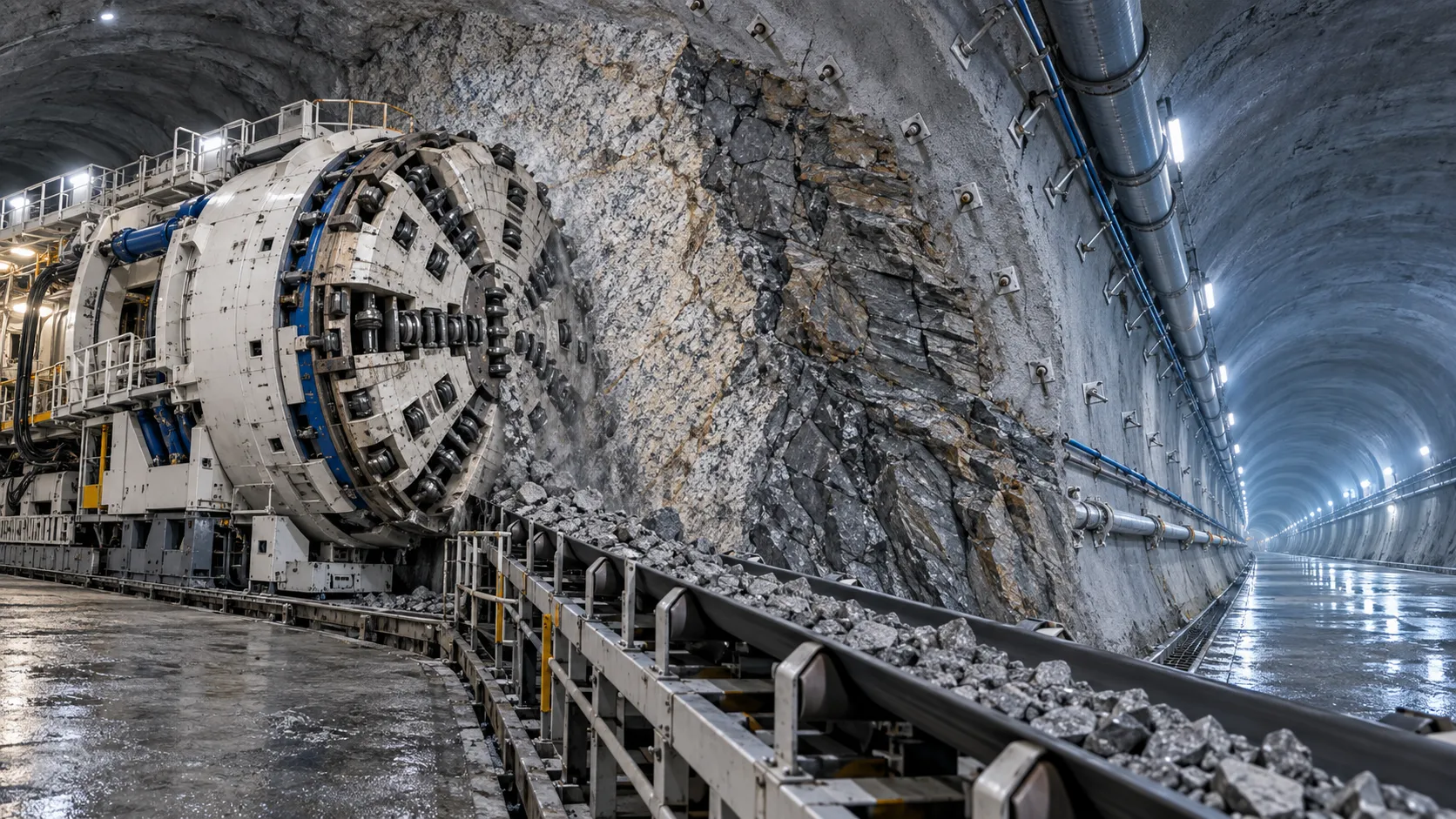
Hydropower Tunnel Excavation: Selecting Methods for Variable Rock Conditions
Hydropower tunnel excavation methods for variable rock conditions: compare TBM, drill-and-blast, and hybrid strategies to improve safety, progress, and project control.
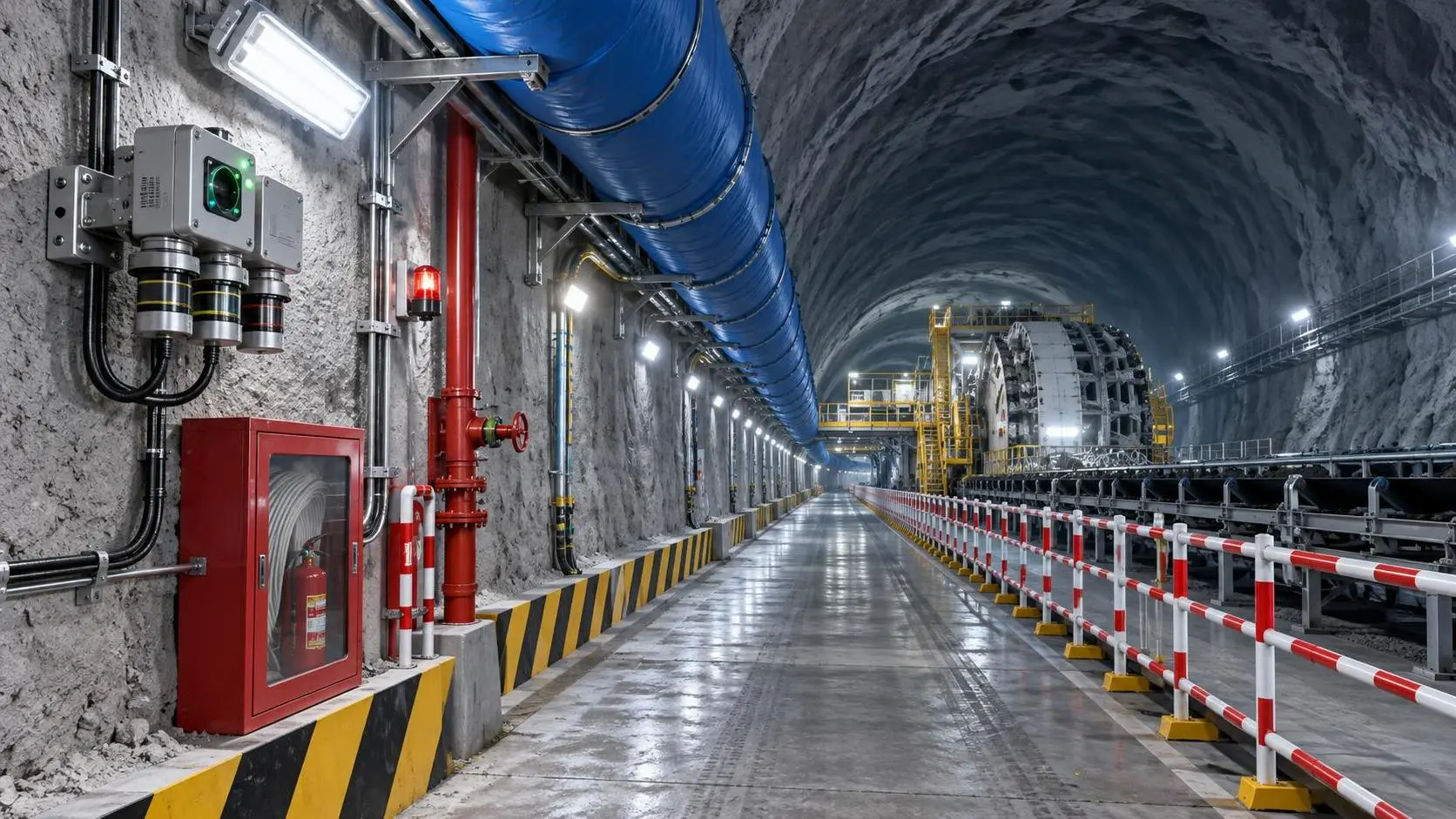
How to Select Underground Safety Equipment for Tunnelling by Hazard and Work Zone
Underground Safety Equipment for tunnelling: match protection to hazards, work zones, compliance, and emergency needs with this practical selection guide.
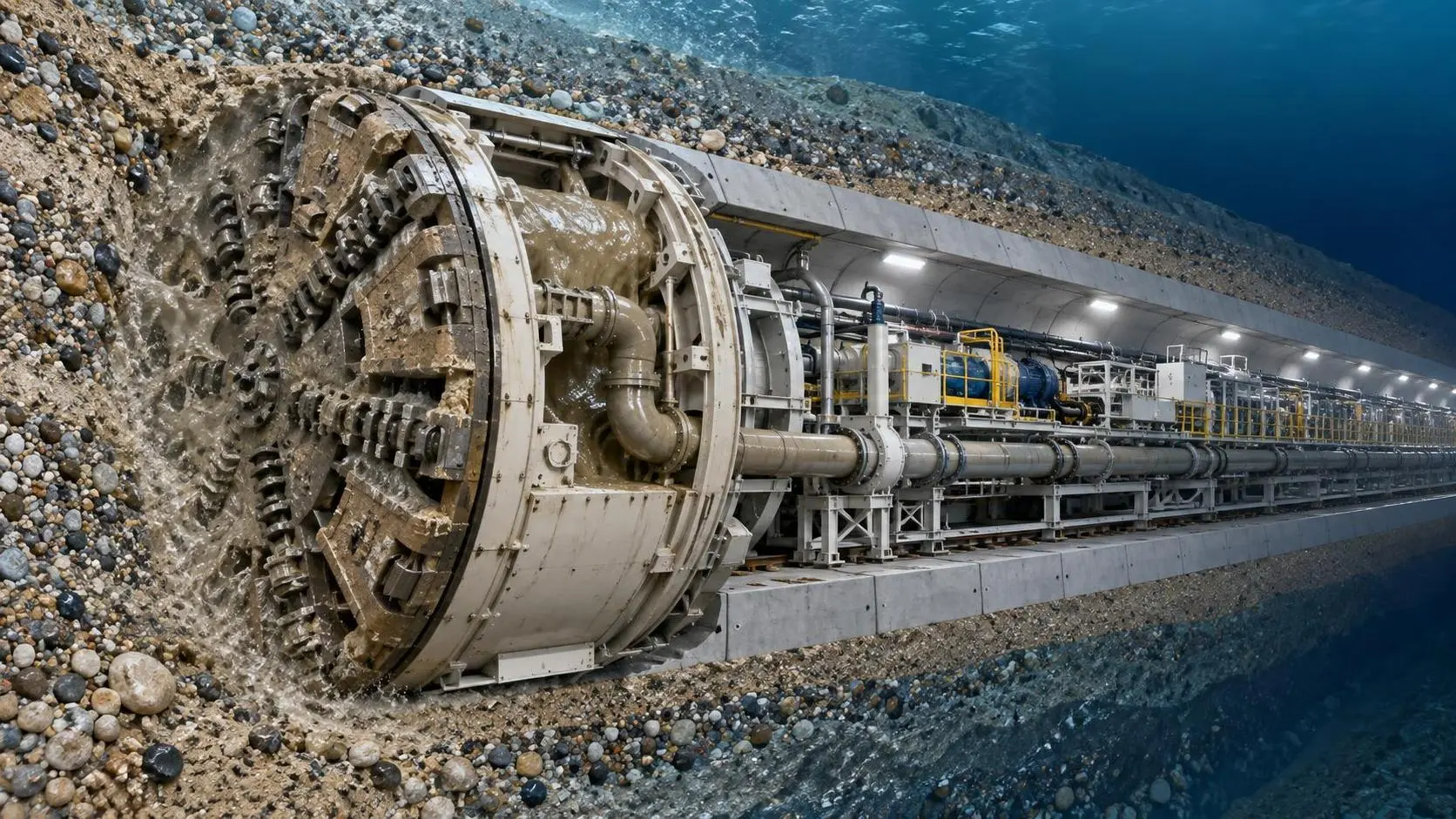
EPB or Slurry Shield? Selecting Soft-Ground Tunnelling Equipment by Soil Conditions
Tunnel Excavation Equipment for soft ground: compare EPB and slurry shields by soil, groundwater, settlement risk, and project logistics to choose confidently.
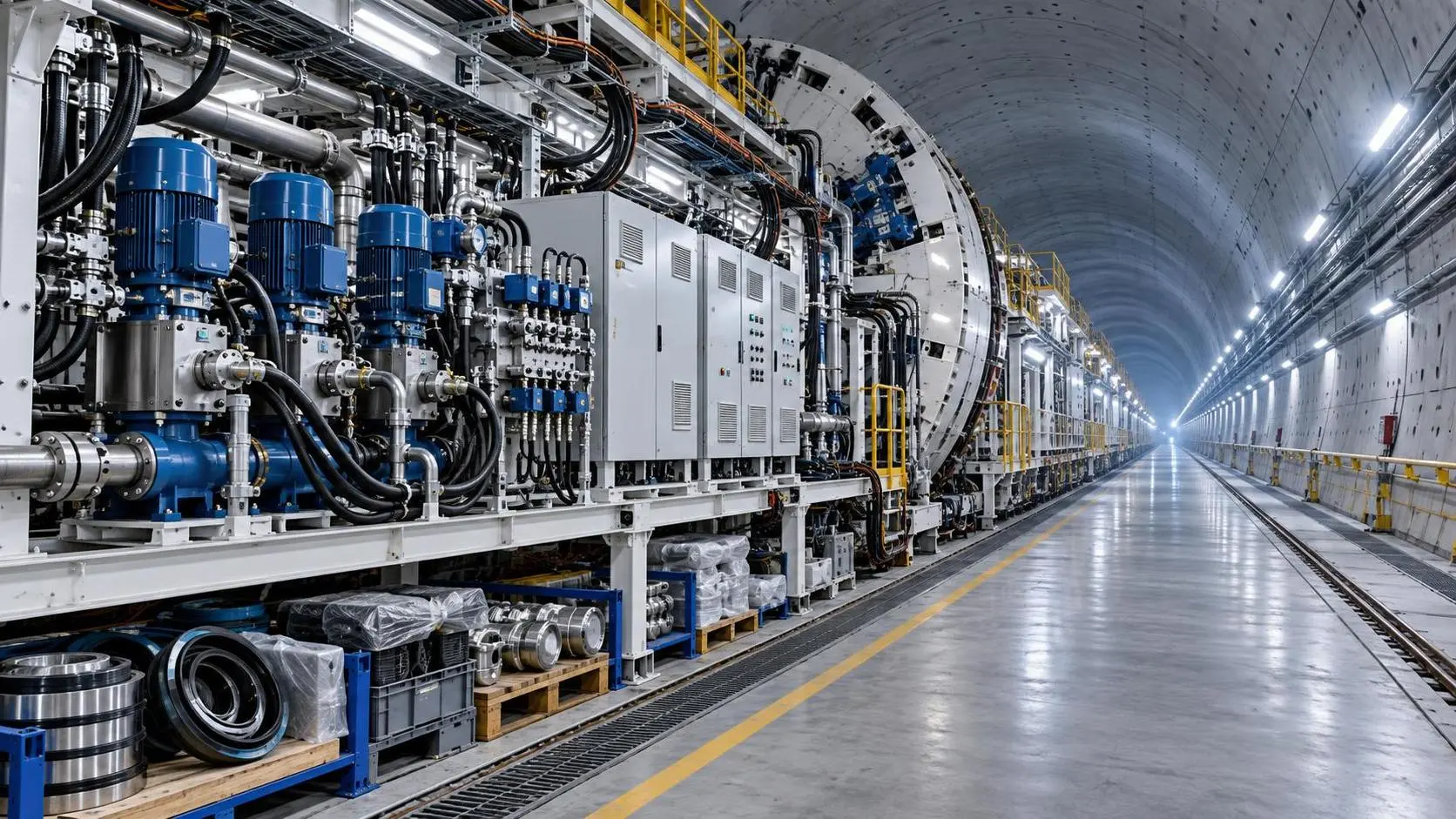
How to Specify TBM Backup System Parts for Reliable Long-Distance Tunnelling
TBM backup system parts: learn how to specify reliable spares for long-distance tunnelling, reduce downtime, ensure compatibility, and speed underground recovery.
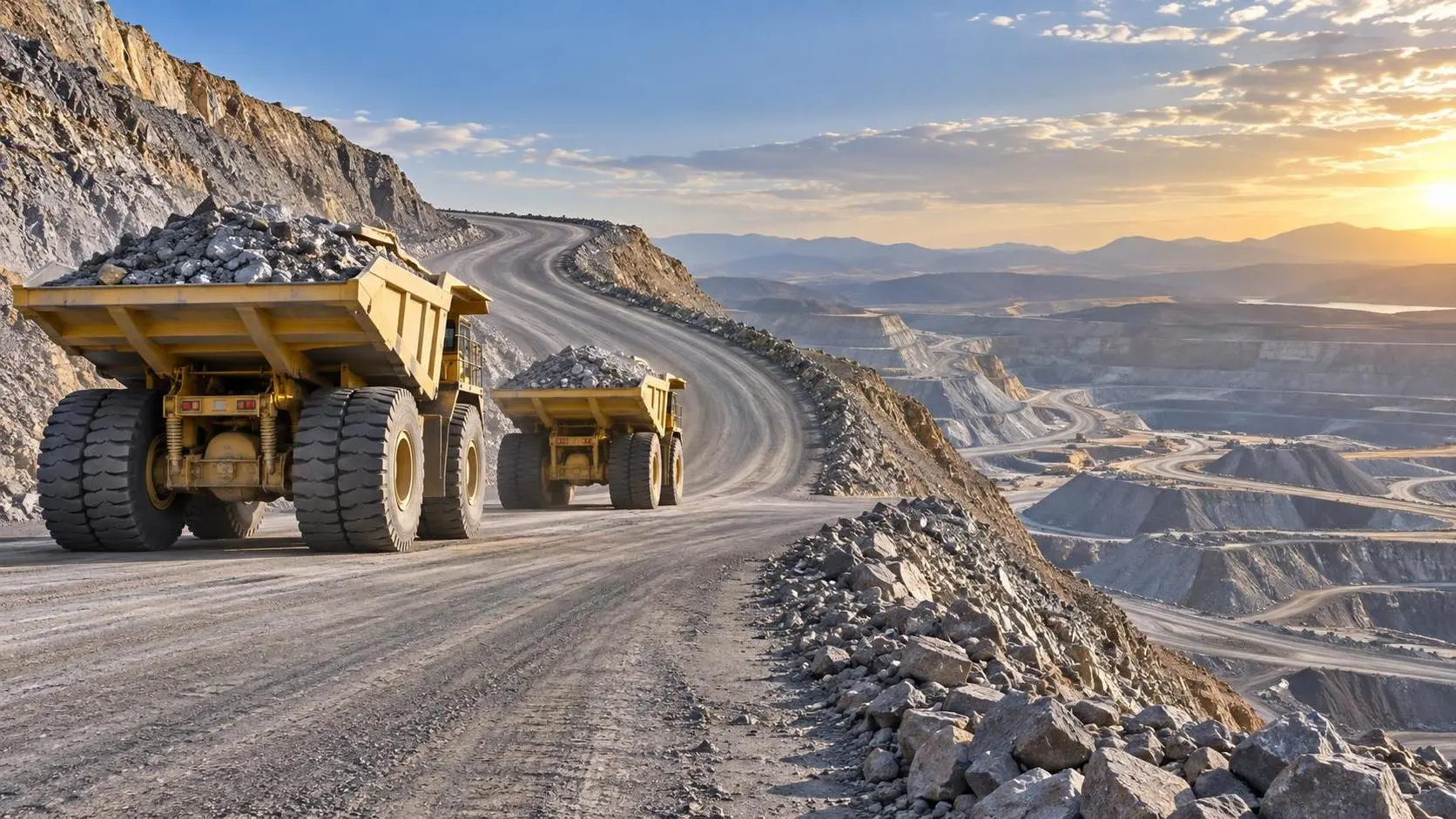
How to Size Open Pit Mining Trucks for Haul Distance, Grade, and Payload?
Open Pit Mining Trucks: learn how to match payload, haul distance, grade, road resistance, and loading capacity for safer, lower-cost mine operations.
Related News
- 00
0000-00
How to Evaluate European Drill-and-Blast Tunnelling Contractors for Complex Projects - 00
0000-00
Which Trenchless Construction Technique Fits Your Utility Crossing Conditions? - 00
0000-00
What Is Driving Metro Tunnelling Demand Across Southeast Asia’s Major Cities? - 00
0000-00
Hard Rock Tunnelling in Australia: Selecting Methods for Variable Ground Conditions - 00
0000-00
Hydropower Tunnel Excavation: Selecting Methods for Variable Rock Conditions
Weekly Insights
Stay ahead with our curated technology reports delivered every Monday.