
How to Use a Mega Infrastructure Projects Database for Market Mapping and Bid Targeting





How a mega infrastructure projects database changes underground market mapping
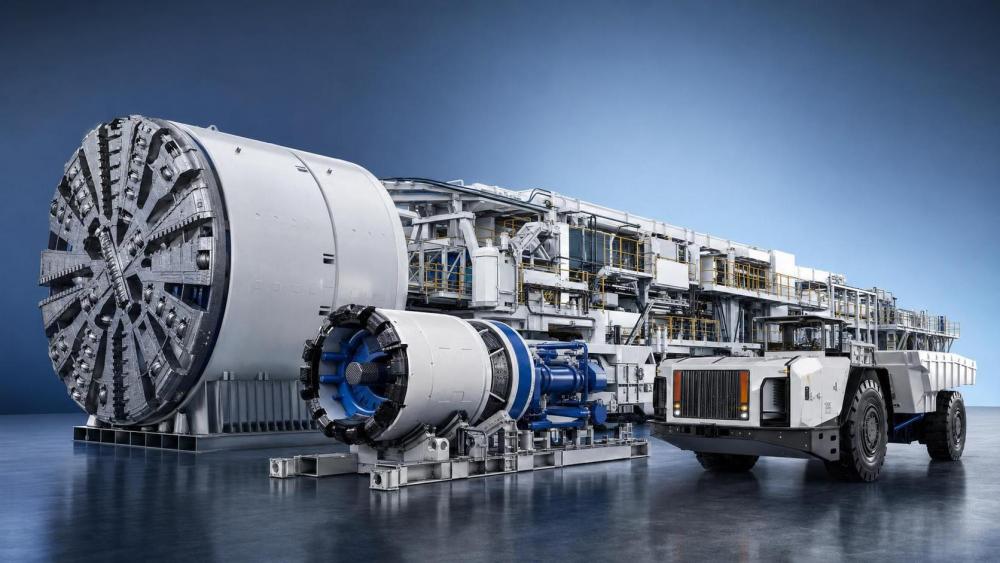
In underground construction and mining, opportunity rarely appears as a single clear signal.
A mega infrastructure projects database becomes valuable when scattered permits, tenders, expansions, and equipment shifts are read as one connected market map.
That matters even more in sectors shaped by TBM deployment, trenchless works, drilling cycles, mine haulage electrification, and underground automation.
UTMD follows exactly these pressure points, linking deep rock mechanics, zero-emission demands, and the operational realities of mega underground projects.
In practical use, the best mega infrastructure projects database does not just list projects.
It helps separate early-stage noise from funded demand, and short-term bids from longer equipment replacement waves.
Actual use starts with why project signals differ by scenario
Not every tunnel project should be read like a mine expansion, and not every mine expansion behaves like a municipal trenchless upgrade.
This is where many teams misuse a mega infrastructure projects database.
They treat all capital announcements as equal, even though funding structure, geology, emissions policy, and execution model can reshape demand completely.
For example, a metro tunnel package may point toward TBM demand, segment handling, and cutter wear exposure.
A lithium mine expansion may signal drilling jumbo utilization, battery LHD adoption, and autonomous haulage retrofits instead.
The value of a mega infrastructure projects database comes from reading project context, not just project volume.
More often, the real judgment lies in timing, equipment fit, buyer maturity, and hidden technical constraints.
When tunnelling programs accelerate, bid targeting needs more than project counts
Large tunnel corridors create attractive visibility, but the useful question is not how many kilometers are planned.
The better question is which packages are moving from design intent into executable procurement.
In this scenario, a mega infrastructure projects database should be filtered by tender stage, ground condition, shaft constraints, and planned excavation method.
Hard rock transit tunnels and mixed-ground crossings rarely trigger the same equipment logic.
UTMD-style intelligence is especially useful here because TBM demand is tied to cutter performance, geology risk, and automation expectations, not headline investment alone.
A bid target may look large on paper, yet remain unsuitable if local procurement rules favor civil packages without direct machine sourcing visibility.
Another common issue is overvaluing prestige projects while missing feeder contracts around spoil handling, segment logistics, or trenchless utility crossings.
What deserves closer attention in tunnel-heavy markets
- Funding maturity, because unfunded corridors often stay in planning for years.
- Geology notes, since cutter wear risk changes maintenance economics quickly.
- Urban disruption limits, which often increase pipe jacking relevance.
- Package structure, because access to bids may sit with EPC groups, not owners.
Mining expansion signals require a different reading of the same database
In mining, project value alone tells very little about near-term equipment demand.
A mega infrastructure projects database becomes more useful when mine life, orebody depth, haul profile, and ESG pressure are added to the evaluation.
Copper and lithium expansions, for instance, may create different signals for drilling jumbos, mining dump trucks, or underground LHD loaders.
In open-pit settings, long downhill routes may increase attention on regenerative braking and EV truck economics.
In deep underground mines, ventilation savings and zero-exhaust requirements can make battery-swapping LHDs more relevant than headline capex suggests.
This is why a mega infrastructure projects database should not be read as a static sales list.
It should work as a decision layer that connects mine development phases with technology transition pressure.
Different environments create different bid priorities
This comparison shows why one mega infrastructure projects database can support several markets, but not with one identical screening method.
The strongest market maps usually combine project data with technical intelligence
A project list becomes far more actionable when paired with operating insight.
UTMD’s advantage is not only project visibility, but the ability to interpret machinery relevance under harsh underground conditions.
That includes disc cutter wear in hard rock, SLAM capability for underground navigation, and performance efficiency in electrified haulage.
In actual market mapping, this helps refine which bids deserve time and which only create distraction.
A mega infrastructure projects database is most effective when commercial filters and engineering filters are used together.
Without that, teams often pursue visible projects that later fail on technical compatibility, local operating constraints, or unrealistic deployment timing.
Where misjudgment happens before bid targeting even begins
One frequent mistake is assuming that similar underground projects require similar equipment pathways.
A city water transfer tunnel, a rail tunnel, and a mine access decline may all involve rock cutting.
Yet procurement logic, uptime expectations, and emissions constraints can differ sharply.
Another mistake is reading a mega infrastructure projects database only through capital value.
In many cases, the decisive signals sit elsewhere: replacement cycles, fleet electrification mandates, ventilation economics, or contractor standardization.
There is also a tendency to overfocus on initial procurement cost.
For underground equipment, maintenance access, spare parts burden, energy profile, and training demands often matter more over the life of the project.
- Do not rank opportunities without checking execution stage.
- Do not treat ESG announcements as immediate equipment orders.
- Do not ignore local grid, ventilation, or shaft limitations.
- Do not assume automation readiness from marketing language alone.
A practical way to use a mega infrastructure projects database for targeting
A workable approach starts by dividing the market into tunnel, trenchless, open-pit mining, and underground mining tracks.
Then score each project by three lenses: readiness, equipment fit, and strategic follow-on potential.
Readiness covers permit status, financing, and tender visibility.
Equipment fit covers ground conditions, payload profile, emissions requirements, and automation level.
Follow-on potential asks whether one award can lead to parts, service, fleet expansion, or adjacent packages.
This is where a mega infrastructure projects database supports more disciplined bid targeting instead of broad, expensive chasing.
Useful adaptation checks before committing resources
- Confirm whether the buyer is solving excavation, haulage, ventilation, or compliance pressure.
- Check if the project favors new equipment, retrofit pathways, or service-intensive support.
- Review long-term operating conditions, not just launch-phase specifications.
- Map linked projects nearby, because regional clustering often drives repeat demand.
Better next steps come from sharper scenario matching
A mega infrastructure projects database delivers the most value when it is used to match project reality with equipment relevance.
That means distinguishing tunnel momentum from mining expansion, and headline announcements from operationally credible demand.
It also means pairing market mapping with deeper technical signals, which is where UTMD’s underground intelligence perspective becomes especially useful.
The next practical move is to build a shortlist using stage, geology, emissions pressure, and automation readiness as shared filters.
From there, compare implementation difficulty, lifecycle cost exposure, and bid access routes before assigning pursuit priority.
That process creates a more reliable market map and a more selective bid pipeline, especially across fast-changing underground and mining investment cycles.
Related News
How to Evaluate European Drill-and-Blast Tunnelling Contractors for Complex Projects
Drill and blast tunnelling contractors Europe: learn how to assess geology expertise, blast control, equipment reliability, safety, and programme resilience for complex projects.
Which Trenchless Construction Technique Fits Your Utility Crossing Conditions?
Trenchless construction techniques compared for utility crossings: choose HDD, microtunnelling, pipe jacking, or auger boring based on ground, accuracy, access, and risk.
What Is Driving Metro Tunnelling Demand Across Southeast Asia’s Major Cities?
Metro tunnelling Southeast Asia is accelerating as major cities tackle congestion, flooding, and connectivity. Explore the market forces, technical risks, and opportunities shaping demand.
Hard Rock Tunnelling in Australia: Selecting Methods for Variable Ground Conditions
Hard rock tunnelling in Australia: compare TBM, drill-and-blast and hybrid methods to manage variable ground, reduce risk and protect project costs.
Hydropower Tunnel Excavation: Selecting Methods for Variable Rock Conditions
Hydropower tunnel excavation methods for variable rock conditions: compare TBM, drill-and-blast, and hybrid strategies to improve safety, progress, and project control.
How to Select Underground Safety Equipment for Tunnelling by Hazard and Work Zone
Underground Safety Equipment for tunnelling: match protection to hazards, work zones, compliance, and emergency needs with this practical selection guide.
EPB or Slurry Shield? Selecting Soft-Ground Tunnelling Equipment by Soil Conditions
Tunnel Excavation Equipment for soft ground: compare EPB and slurry shields by soil, groundwater, settlement risk, and project logistics to choose confidently.
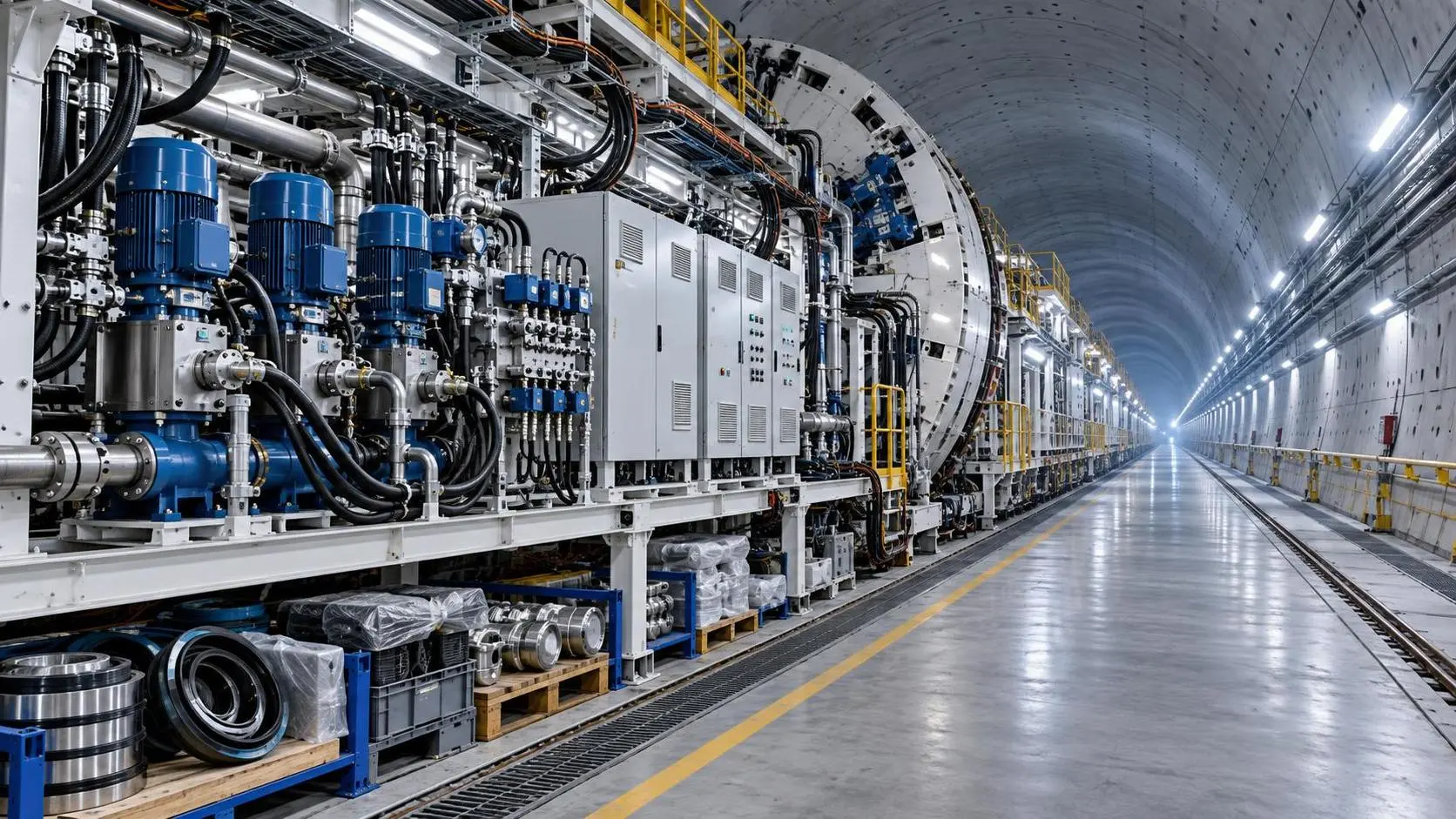
How to Specify TBM Backup System Parts for Reliable Long-Distance Tunnelling
TBM backup system parts: learn how to specify reliable spares for long-distance tunnelling, reduce downtime, ensure compatibility, and speed underground recovery.
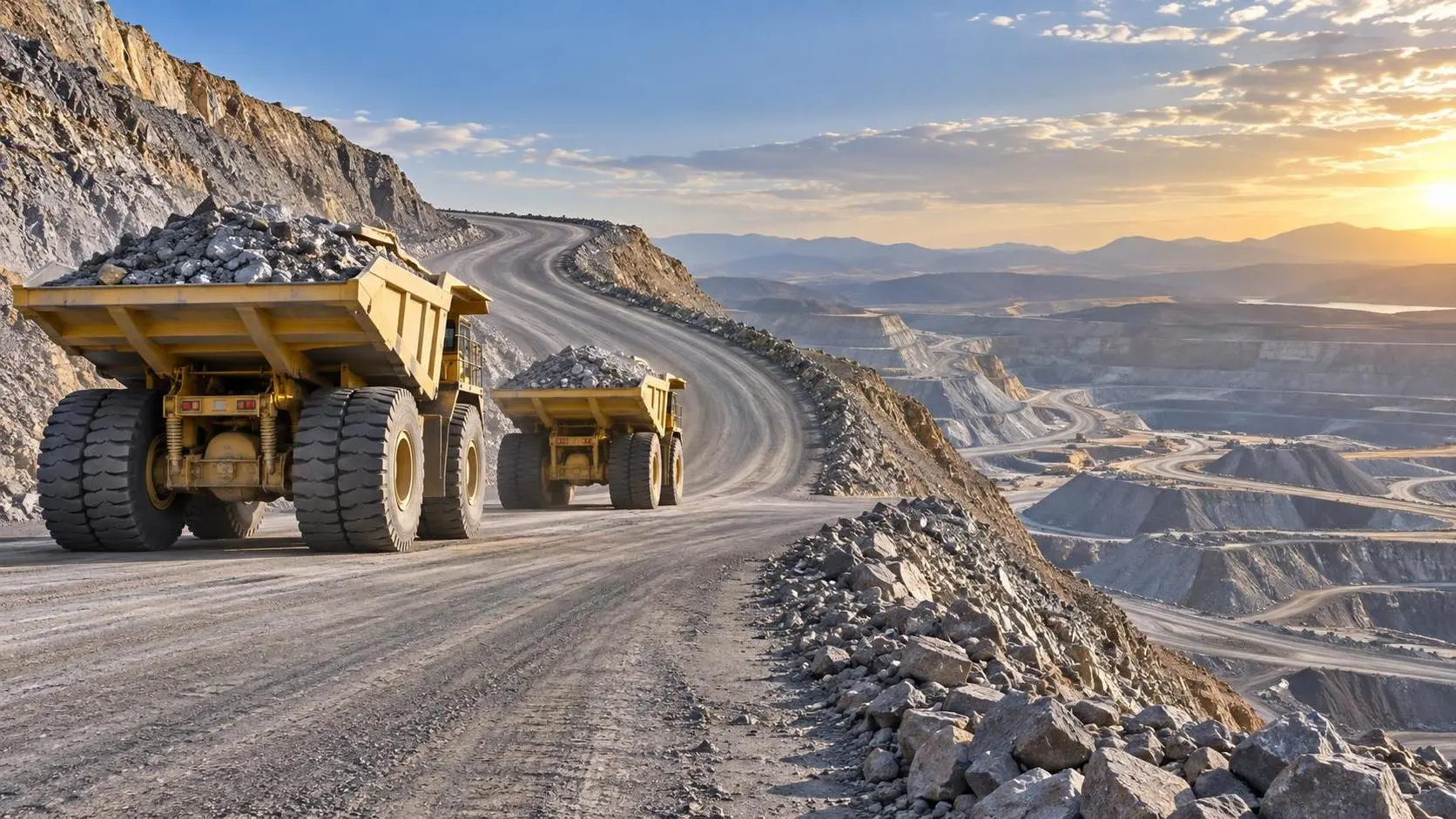
How to Size Open Pit Mining Trucks for Haul Distance, Grade, and Payload?
Open Pit Mining Trucks: learn how to match payload, haul distance, grade, road resistance, and loading capacity for safer, lower-cost mine operations.
Related News
- 00
0000-00
How to Evaluate European Drill-and-Blast Tunnelling Contractors for Complex Projects - 00
0000-00
Which Trenchless Construction Technique Fits Your Utility Crossing Conditions? - 00
0000-00
What Is Driving Metro Tunnelling Demand Across Southeast Asia’s Major Cities? - 00
0000-00
Hard Rock Tunnelling in Australia: Selecting Methods for Variable Ground Conditions - 00
0000-00
Hydropower Tunnel Excavation: Selecting Methods for Variable Rock Conditions
Weekly Insights
Stay ahead with our curated technology reports delivered every Monday.