
Soft Ground Tunnelling Safety: Key Ground Risks, Monitoring Methods, and Control Measures





Why does soft ground tunnelling safety become the first decision, not a later check?
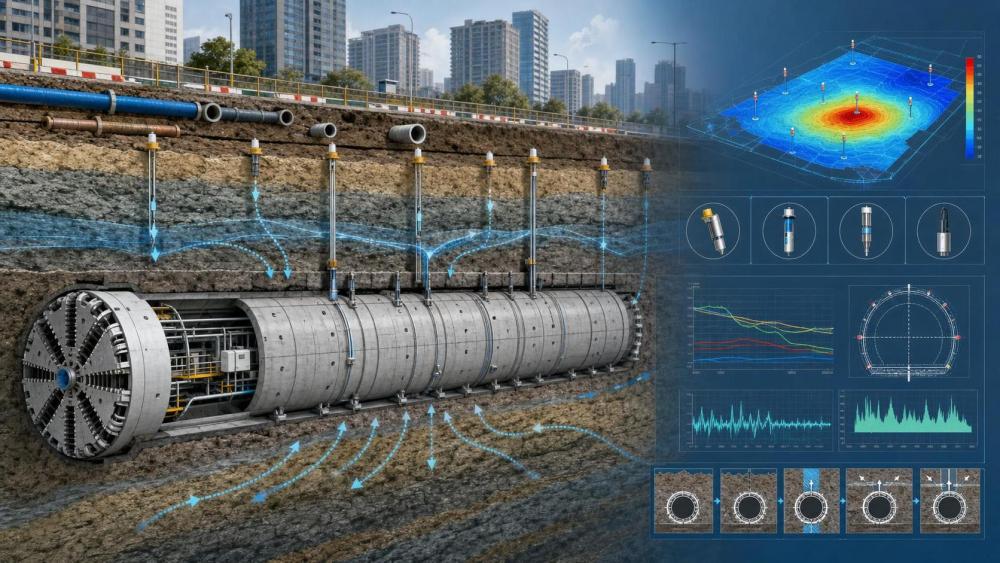
Soft ground tunnelling safety starts long before excavation begins. It is shaped by how well teams understand loose soils, mixed faces, groundwater pressure, and nearby structures.
In practical terms, the biggest failures rarely come from one dramatic mistake. They often grow from small warning signs that are noticed late or judged too casually.
That is why soft ground tunnelling safety is closely tied to monitoring discipline, inspection routines, and clear action thresholds. Stability depends on early recognition, not reactive repair.
Across urban tunnels, pipe jacking drives, and mechanized excavation, the same pattern appears. Ground movement, water ingress, and face instability can quickly affect schedule, quality, and public safety.
UTMD often tracks this issue through a broader industry lens. Whether the project uses TBMs, trenchless systems, or digital underground equipment, the safest operations combine geotechnical evidence with real-time field decisions.
So the real question is not whether soft ground tunnelling safety matters. The useful question is how to recognize the ground risks early enough to keep the tunnel predictable.
Which ground risks usually threaten a soft ground tunnel first?
The first risks are usually not hidden. They are known hazards, but their speed and interaction make them dangerous.
Face collapse is one of the most immediate concerns. When cohesion is low or the face contains variable layers, unsupported zones can unravel very quickly.
Water ingress is another major trigger. A manageable seepage event can turn into soil loss, piping, or sudden pressure instability if drainage and sealing are not controlled.
Settlement above the tunnel tends to worry project teams for good reason. Even modest volume loss may affect roads, buried utilities, basements, rail assets, or sensitive industrial foundations.
Heave can be just as disruptive. In some soft ground conditions, over-pressurization or poor balance around the excavation changes the load path and damages adjacent works.
Mixed-face conditions deserve special attention. When sand, clay, fill, cobbles, and groundwater appear together, predicted behavior becomes less reliable and the risk profile changes meter by meter.
A simple way to frame the early hazards is helpful:
This is where soft ground tunnelling safety becomes a control system, not a checklist. Risks interact, and one weak control often amplifies another.
How do teams judge whether the ground is becoming unstable?
The most reliable judgment comes from combining baseline data with live readings. A single instrument rarely tells the whole story.
Before excavation, reference values should be established for groundwater, settlement, vibration, lining behavior, and nearby structure movement. Without baseline conditions, later alarms are harder to interpret.
During tunnelling, the monitoring mix normally includes settlement markers, inclinometers, piezometers, extensometers, convergence points, and machine operating data. Each tool watches a different part of the risk chain.
More advanced projects also connect this information to digital dashboards. That approach fits well with the UTMD view of smarter underground engineering, where sensing and operational feedback support faster decisions.
Still, technology alone is not enough. The important question is whether the readings match the expected behavior model. A small settlement value may matter more than a larger one if the trend accelerates unexpectedly.
In daily control, teams often look for a combination of signs:
- rate changes rather than isolated numbers;
- differences between predicted and actual response;
- linked signals, such as rising inflow and growing settlement;
- machine data that no longer fits the known ground profile.
Good soft ground tunnelling safety practice uses trigger levels with clear responses. Alert, action, and stop-work thresholds should never be vague or left to informal interpretation.
What monitoring methods are most useful when soft ground conditions keep changing?
The best monitoring method is usually not the most complicated one. It is the method that captures change early and links directly to a response plan.
For surface impact, settlement arrays remain essential. They are simple, visible, and highly useful near roads, buildings, shafts, and utility corridors.
For groundwater behavior, piezometers help track pressure changes that may precede inflow or base instability. In soft ground tunnelling safety, water data often explains movement that visual inspection alone cannot.
For lateral deformation, inclinometers are valuable around retaining walls, launch areas, and shallow cover sections. They show whether the ground mass is shifting before damage becomes obvious.
TBM and pipe jacking projects also rely heavily on machine parameters. Face pressure, torque, thrust, penetration rate, spoil condition, and grout volume can act as indirect geotechnical sensors.
A quick comparison helps separate their strengths:
In changing conditions, the strongest setup is layered monitoring. Direct ground instruments and machine data should confirm, challenge, and refine each other.
Which control measures actually reduce incidents instead of just documenting them?
Monitoring is only half of soft ground tunnelling safety. Control measures matter when they are specific enough to alter the ground response in time.
Face support pressure is a common example. If the ground is loose and saturated, stable operation depends on maintaining a narrow and verified pressure window.
Grouting quality is another decisive factor. Poorly filled annular gaps can lead to settlement even when excavation itself seems stable.
Pre-treatment may be necessary in difficult zones. Ground improvement through jet grouting, dewatering, chemical treatment, or freezing is not a sign of weak planning. Often it is the safer choice.
Support installation timing also changes outcomes. In soft ground, a delay of hours can matter more than a design change on paper.
Useful control measures usually include:
- verified trigger-action plans tied to instrument readings;
- tight control of face pressure, advance rate, and spoil conditioning;
- grout volume and pressure checks against actual void conditions;
- inspection of seals, joints, and water control points every shift;
- hold points before entering mixed ground or shallow cover zones.
What often separates safe projects from troubled ones is not the size of the procedure manual. It is the speed at which field evidence changes the next operational step.
Where do projects misread soft ground tunnelling safety, even with standards in place?
A common mistake is treating compliance as proof of control. Standards are essential, but they do not replace site-specific judgment.
Another weakness is relying on design assumptions after the ground has already shown different behavior. In soft deposits, actual conditions often vary more than early models suggest.
Some teams also collect excellent data but respond too slowly. A dense monitoring system adds little value if alarm thresholds are unclear or operational authority is delayed.
There is also a tendency to separate quality control from safety control. In reality, lining accuracy, grout consistency, sealing quality, and segment handling all influence soft ground tunnelling safety.
UTMD’s coverage of automated underground systems points to a broader lesson. Digitalization helps most when data is connected across geology, machinery, and execution quality, not stored in isolated reports.
If a project wants fewer surprises, it should challenge these assumptions early:
- the original ground model is still accurate enough;
- all settlement is acceptable if it stays below a single number;
- water inflow is minor if pumping can keep up;
- machine performance automatically means ground stability.
What is the practical next step if a safer soft ground tunnelling strategy is needed?
Start by reviewing the risk chain, not only the incident list. The important question is where unstable ground, water, settlement, or delayed response could combine.
Then test whether monitoring points, trigger values, and intervention measures are linked tightly enough. If a reading changes today, the required action should already be defined.
It also helps to compare design expectations with live machine and field data every shift. That habit turns soft ground tunnelling safety into a living control process.
For more complex tunnel, trenchless, or mechanized underground programs, industry intelligence is useful when it goes beyond headlines. The strongest references explain how equipment behavior, geology, and control logic fit together.
In the end, soft ground tunnelling safety is less about adding more paperwork and more about making earlier, sharper decisions. Identify the unstable signals, confirm them with the right monitoring, and act before the ground forces the answer.
Related News
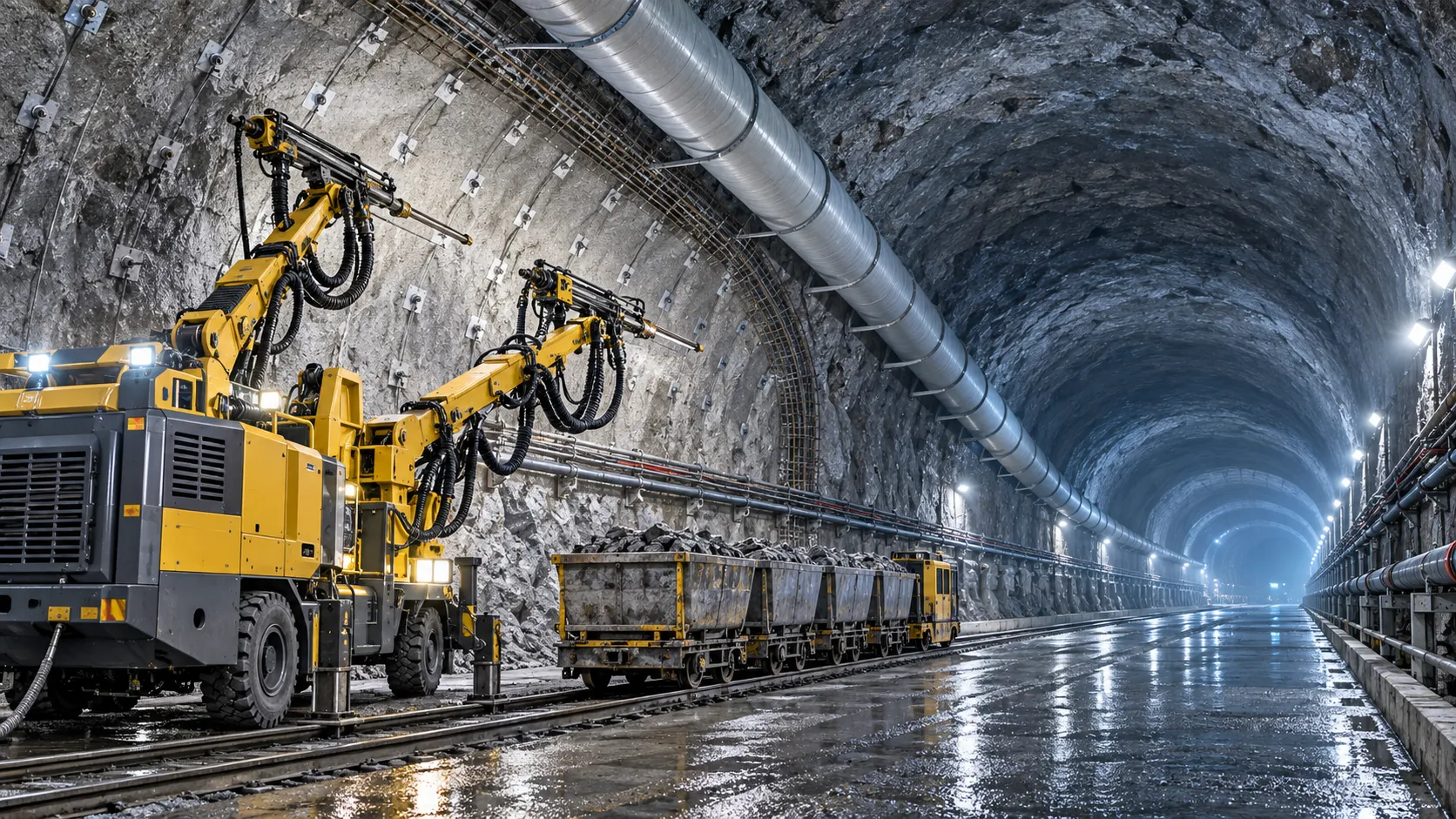
How to Evaluate European Drill-and-Blast Tunnelling Contractors for Complex Projects
Drill and blast tunnelling contractors Europe: learn how to assess geology expertise, blast control, equipment reliability, safety, and programme resilience for complex projects.
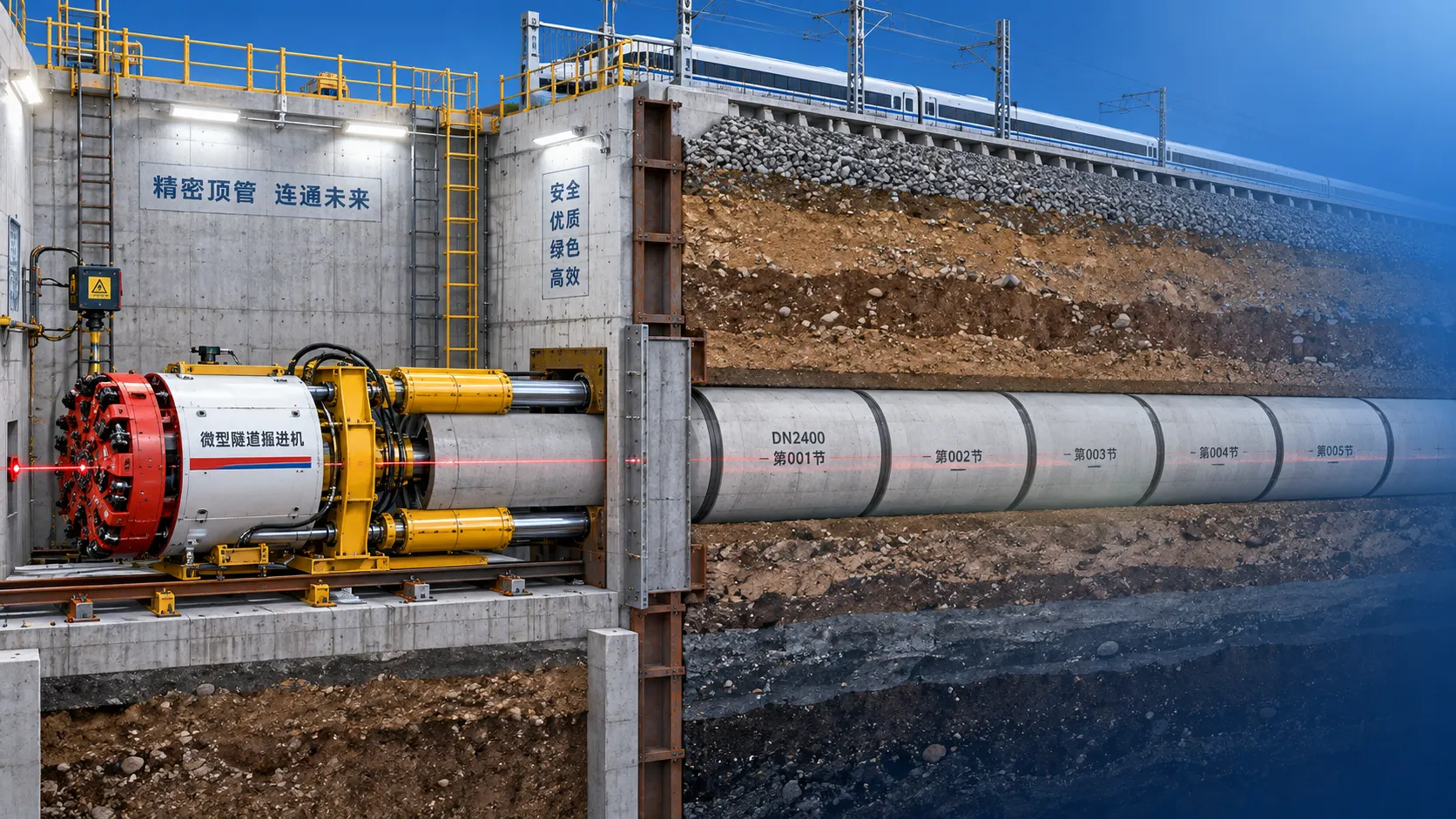
Which Trenchless Construction Technique Fits Your Utility Crossing Conditions?
Trenchless construction techniques compared for utility crossings: choose HDD, microtunnelling, pipe jacking, or auger boring based on ground, accuracy, access, and risk.
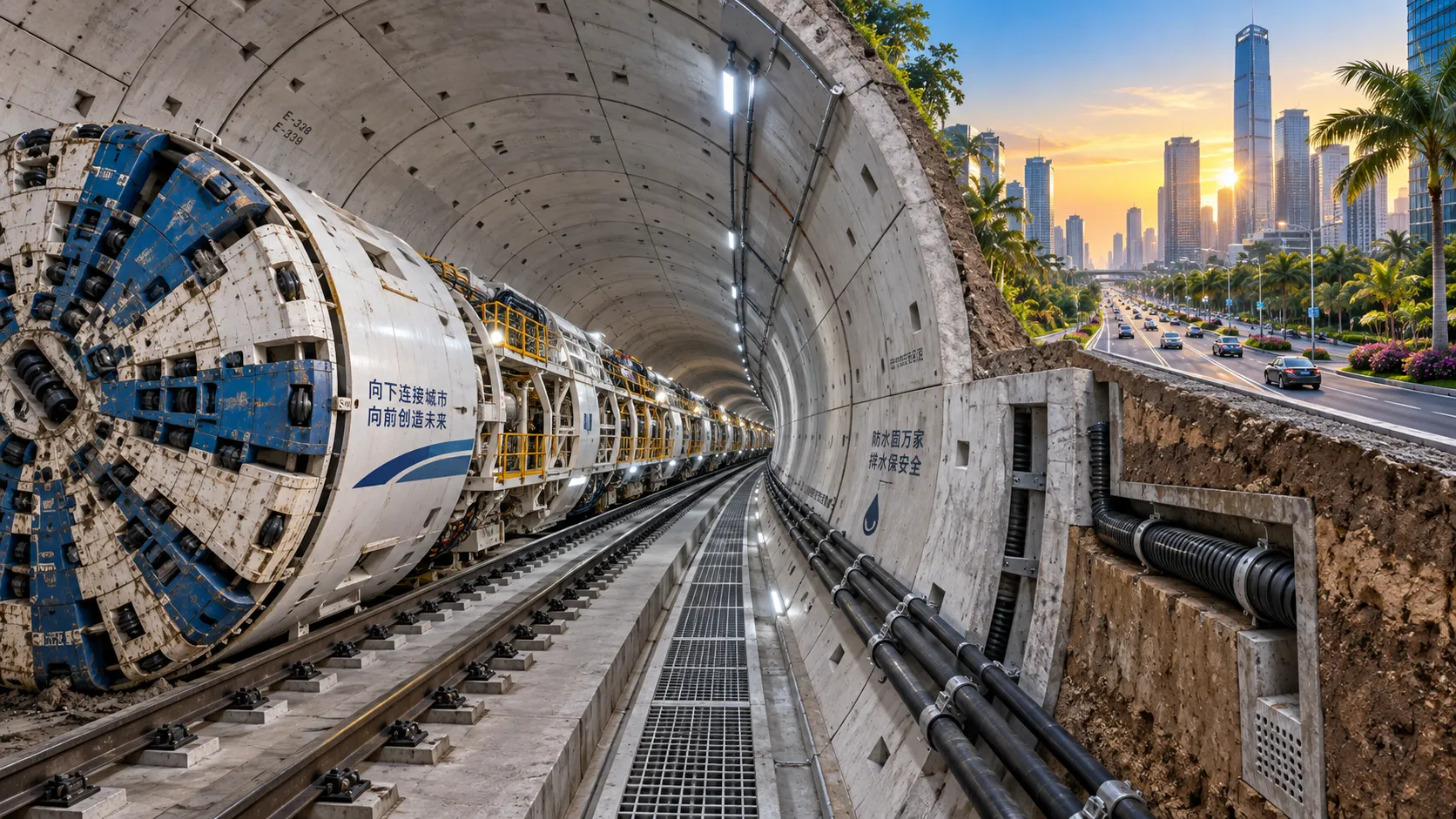
What Is Driving Metro Tunnelling Demand Across Southeast Asia’s Major Cities?
Metro tunnelling Southeast Asia is accelerating as major cities tackle congestion, flooding, and connectivity. Explore the market forces, technical risks, and opportunities shaping demand.
Hard Rock Tunnelling in Australia: Selecting Methods for Variable Ground Conditions
Hard rock tunnelling in Australia: compare TBM, drill-and-blast and hybrid methods to manage variable ground, reduce risk and protect project costs.
Hydropower Tunnel Excavation: Selecting Methods for Variable Rock Conditions
Hydropower tunnel excavation methods for variable rock conditions: compare TBM, drill-and-blast, and hybrid strategies to improve safety, progress, and project control.
How to Select Underground Safety Equipment for Tunnelling by Hazard and Work Zone
Underground Safety Equipment for tunnelling: match protection to hazards, work zones, compliance, and emergency needs with this practical selection guide.
EPB or Slurry Shield? Selecting Soft-Ground Tunnelling Equipment by Soil Conditions
Tunnel Excavation Equipment for soft ground: compare EPB and slurry shields by soil, groundwater, settlement risk, and project logistics to choose confidently.
How to Specify TBM Backup System Parts for Reliable Long-Distance Tunnelling
TBM backup system parts: learn how to specify reliable spares for long-distance tunnelling, reduce downtime, ensure compatibility, and speed underground recovery.
How to Size Open Pit Mining Trucks for Haul Distance, Grade, and Payload?
Open Pit Mining Trucks: learn how to match payload, haul distance, grade, road resistance, and loading capacity for safer, lower-cost mine operations.
Related News
- 00
0000-00
How to Evaluate European Drill-and-Blast Tunnelling Contractors for Complex Projects - 00
0000-00
Which Trenchless Construction Technique Fits Your Utility Crossing Conditions? - 00
0000-00
What Is Driving Metro Tunnelling Demand Across Southeast Asia’s Major Cities? - 00
0000-00
Hard Rock Tunnelling in Australia: Selecting Methods for Variable Ground Conditions - 00
0000-00
Hydropower Tunnel Excavation: Selecting Methods for Variable Rock Conditions
Weekly Insights
Stay ahead with our curated technology reports delivered every Monday.