
Mining Equipment Replacement Checklist: When to Rebuild, Retrofit, or Buy New





Mining Equipment Replacement Checklist: When to Rebuild, Retrofit, or Buy New
Mining Equipment Replacement is no longer a routine capital decision but a strategic test of cost, uptime, safety, and ESG readiness.
For operations managing underground fleets, every delay, rebuild, or purchase affects production, risk exposure, and long-term asset performance.
The real challenge is not choosing the cheapest option. It is choosing the right path at the right time.
That is where a disciplined Mining Equipment Replacement checklist becomes useful.
In practice, replacement decisions for LHD loaders, drilling jumbos, mining dump trucks, and tunnelling systems often sit between three options.
You can rebuild the core machine, retrofit critical systems, or buy new equipment designed for today’s operating conditions.
This checklist helps bring technical, financial, and operational signals into one practical decision framework.
Why Mining Equipment Replacement Has Become a Strategic Decision
A few years ago, many fleets were replaced mainly because of age. That logic is now too narrow.
Today, Mining Equipment Replacement is shaped by labor constraints, energy costs, ventilation limits, emission targets, and automation readiness.
In underground operations, confined spaces make diesel heat, exhaust, and maintenance access much more expensive than they appear on paper.
More clearly now, replacement timing also affects digital integration. Older platforms may struggle with telematics, remote diagnostics, and autonomy upgrades.
This also means the replacement question is no longer just, “Can this machine still run?” It is, “Can it still compete?”
Start With the Five Core Signals
Before choosing rebuild, retrofit, or replacement, review five signals together instead of in isolation.
1. Availability and uptime trend
Look beyond one breakdown. Track rolling availability over twelve to twenty-four months.
If uptime keeps falling after major repairs, Mining Equipment Replacement should move higher on the agenda.
2. Maintenance cost per operating hour
Rising cost per hour is a stronger signal than total annual spending alone.
Watch for repeated hydraulic failures, structural fatigue, powertrain wear, and hard-to-source electrical parts.
3. Safety and compliance exposure
If a machine lacks updated braking systems, visibility aids, fire suppression, or operator protection, the risk profile changes fast.
In many cases, Mining Equipment Replacement becomes a compliance decision before it becomes a mechanical one.
4. Production fit
A machine may still run well and still be the wrong asset.
If haul distances, tunnel profiles, payload targets, or cycle times have changed, the original equipment may no longer match the mine plan.
5. Technology gap
This is becoming more important across smart mines and large underground projects.
If the equipment cannot support electrification, automation, or fleet data integration, replacement value rises even if the frame remains usable.
When a Rebuild Makes Sense
A rebuild is often the best answer when the asset still has a solid structural foundation.
This applies especially to machines with durable frames, predictable duty cycles, and strong parts support.
For example, a drilling jumbo or underground loader may justify a rebuild if the chassis, boom structure, and major geometry remain within tolerance.
A good rebuild candidate usually shows these traits:
- The frame has low fatigue damage.
- The machine design is still operationally relevant.
- Downtime is caused by wear components, not chronic design limitations.
- Replacement lead times are too long for production needs.
- The rebuild cost stays well below the cost of a new unit.
Still, a rebuild only works when scope discipline is strong.
If hidden cracks, obsolete controls, or repeated overheating issues appear mid-project, the business case can collapse quickly.
That is why Mining Equipment Replacement analysis should include teardown risk, not just quoted rebuild cost.
When a Retrofit Creates More Value
A retrofit sits between rebuild and full replacement. In many fleets, this is the most underused option.
Retrofit works best when the base machine remains viable, but key systems need upgrading.
Typical retrofit targets include control systems, batteries, electric drivetrains, operator assistance, telematics, and emission reduction packages.
This option becomes attractive when ESG pressure is rising, but immediate fleet-wide replacement is unrealistic.
For underground mines, retrofitting can also lower ventilation burden and improve safety without waiting for entirely new assets.
Use a retrofit-first approach when:
- The machine still meets payload and geometry needs.
- The biggest gaps are digital, energy, or safety related.
- A full new-equipment budget is delayed.
- Site infrastructure can support staged modernization.
The key question is whether the retrofit extends strategic usefulness, not just mechanical life.
When Buying New Is the Smarter Move
Sometimes the numbers keep pointing to one answer: buy new.
This is usually the case when costs are rising across maintenance, downtime, fuel, ventilation, and operator productivity at the same time.
Mining Equipment Replacement should favor new equipment when the old platform creates structural disadvantage.
Common triggers include:
- Recurring failures despite recent capital repairs.
- Unsupported components or long spare-part delays.
- Poor compatibility with automation or remote operation.
- Diesel systems that undermine zero-emission targets.
- Equipment size or performance mismatched to current mine design.
New machines also bring less visible gains. They can improve data quality, training efficiency, standardization, and contract confidence.
In large fleets, those gains often matter as much as direct mechanical performance.
A Practical Mining Equipment Replacement Checklist
To make decisions more consistent, score each asset against a simple checklist before budget approval.
- Review utilization, availability, and mean time between failures.
- Compare maintenance cost per hour with fleet average and OEM benchmark.
- Inspect frame, boom, articulation, and structural weld condition.
- Measure safety gaps against current site and regulatory requirements.
- Assess energy use, ventilation burden, and emission performance.
- Check digital compatibility with telematics, remote support, and autonomy tools.
- Estimate downtime risk during rebuild or retrofit execution.
- Model total cost over three to five years for all three options.
- Test alignment with mine expansion, deeper levels, or new tunnel profiles.
- Prioritize assets whose failure would directly constrain production.
This checklist keeps Mining Equipment Replacement grounded in measurable business impact rather than habit or urgency alone.
A Simple Comparison Table for Faster Decisions
The Bigger Picture Behind Mining Equipment Replacement
From a strategic perspective, Mining Equipment Replacement is now tied to mine electrification, underground automation, and long-cycle asset resilience.
That shift is especially visible in deep mining and tunnelling, where equipment reliability directly shapes schedule certainty.
This is why intelligence-led evaluation matters. A fleet decision should connect rock conditions, utilization patterns, energy strategy, and future operating model.
For operations tracking TBMs, jumbos, LHDs, and mining trucks, the strongest replacement decisions are rarely reactive.
They come from early pattern recognition, realistic lifecycle costing, and a clear view of where underground equipment technology is heading.
If the next review cycle is approaching, start with the checklist, test each asset against future operating needs, and rank actions by production impact.
That approach makes Mining Equipment Replacement less reactive, more defensible, and far more valuable over the life of the mine.
Related News
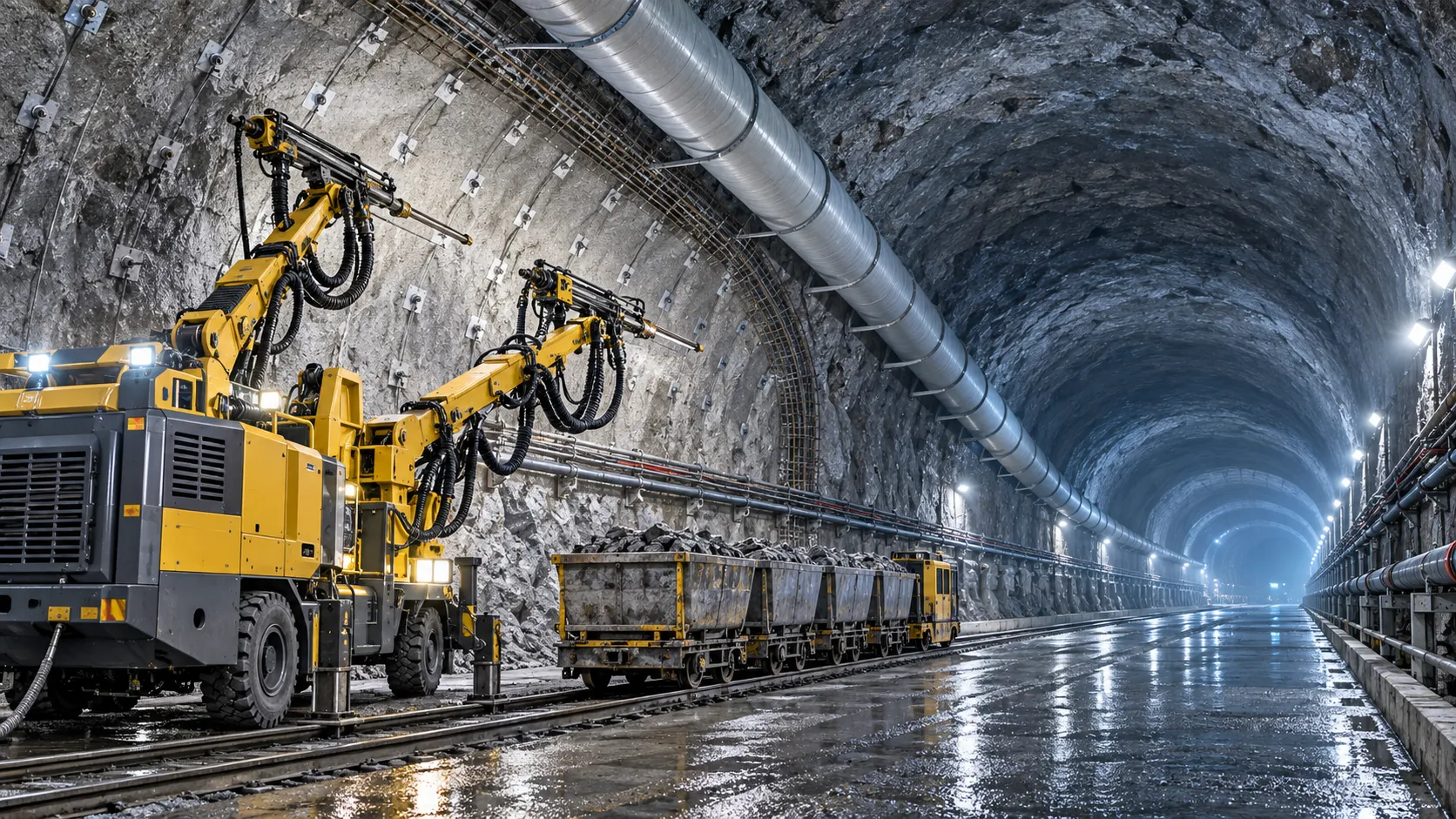
How to Evaluate European Drill-and-Blast Tunnelling Contractors for Complex Projects
Drill and blast tunnelling contractors Europe: learn how to assess geology expertise, blast control, equipment reliability, safety, and programme resilience for complex projects.
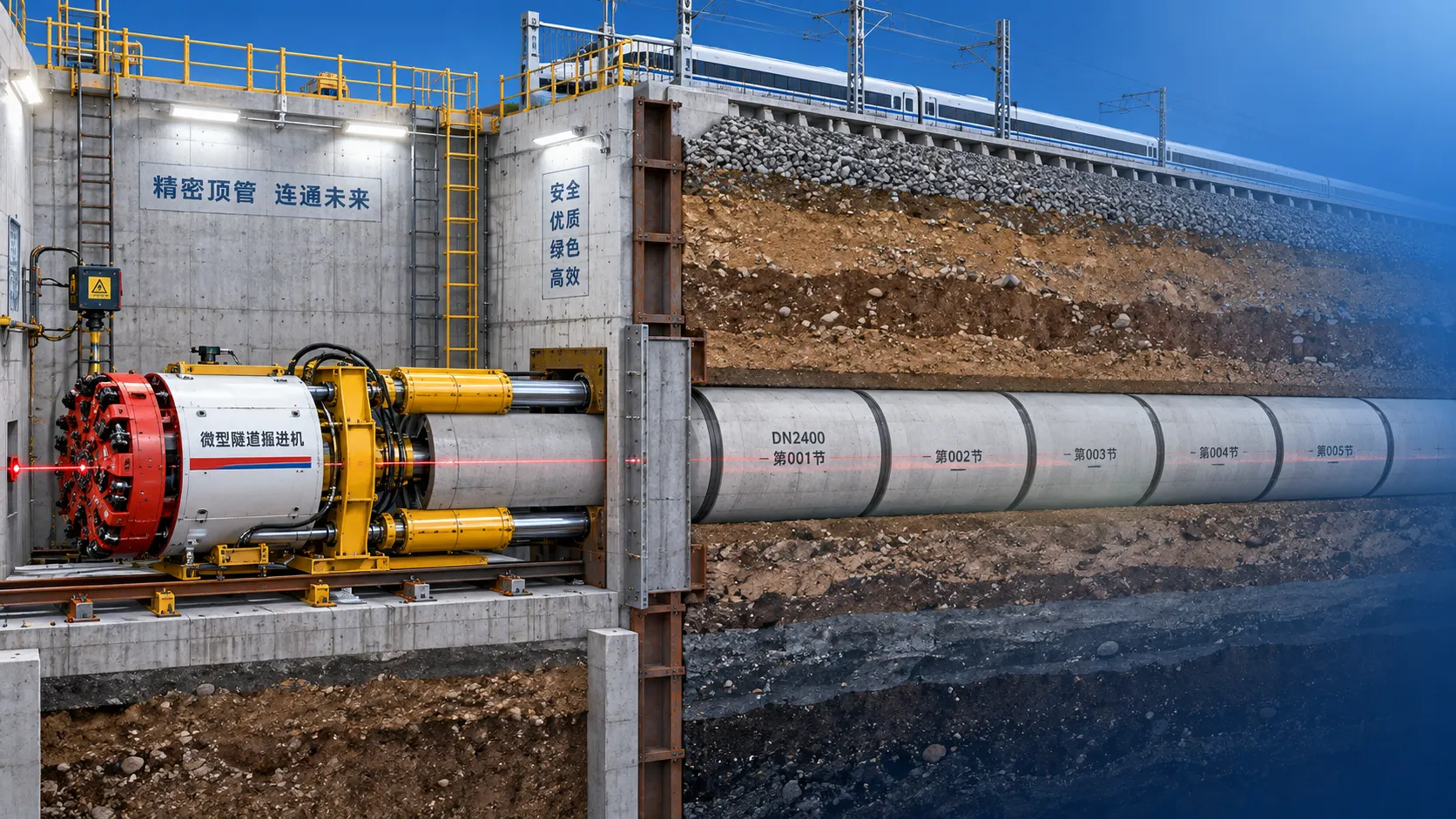
Which Trenchless Construction Technique Fits Your Utility Crossing Conditions?
Trenchless construction techniques compared for utility crossings: choose HDD, microtunnelling, pipe jacking, or auger boring based on ground, accuracy, access, and risk.
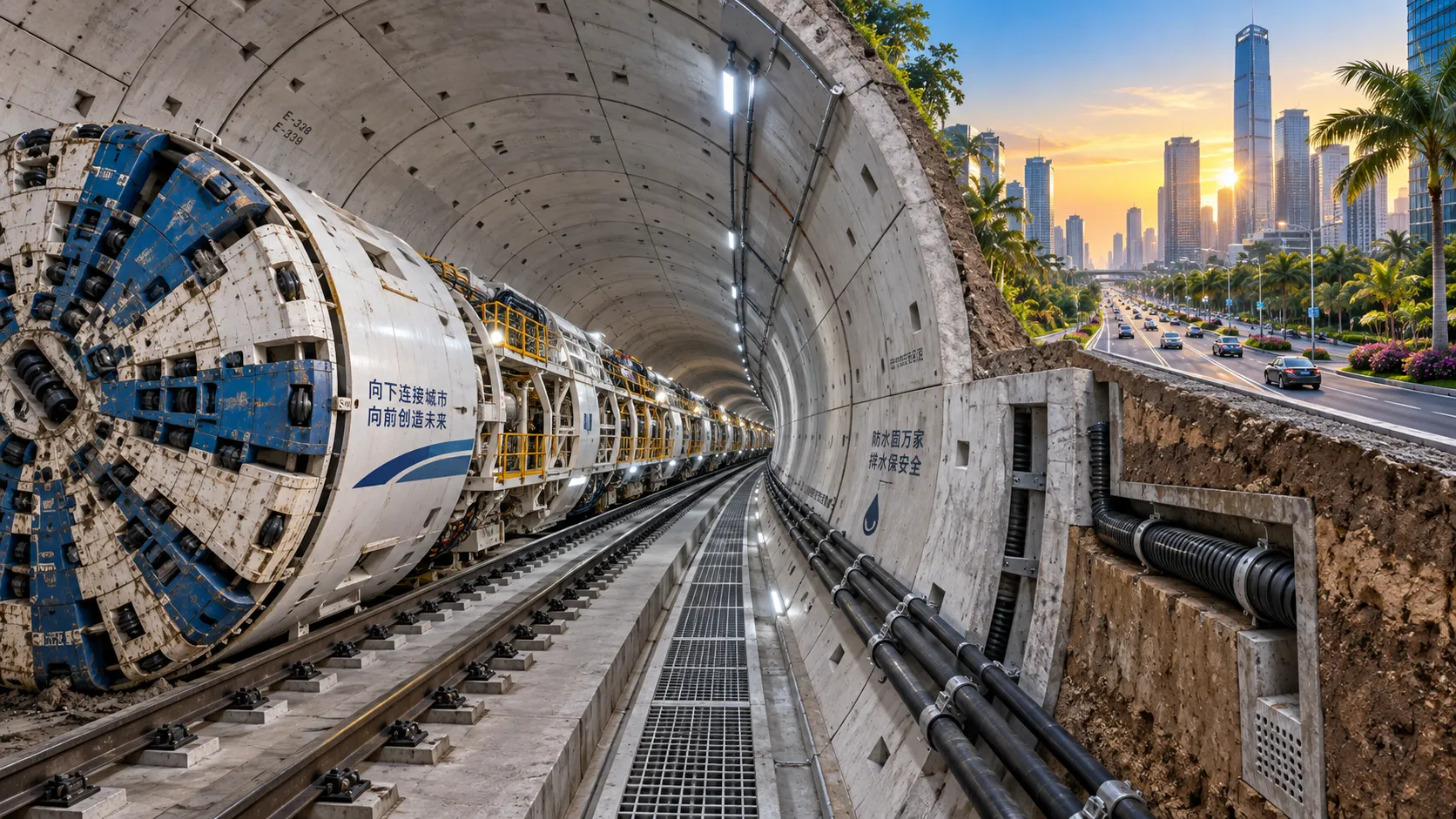
What Is Driving Metro Tunnelling Demand Across Southeast Asia’s Major Cities?
Metro tunnelling Southeast Asia is accelerating as major cities tackle congestion, flooding, and connectivity. Explore the market forces, technical risks, and opportunities shaping demand.
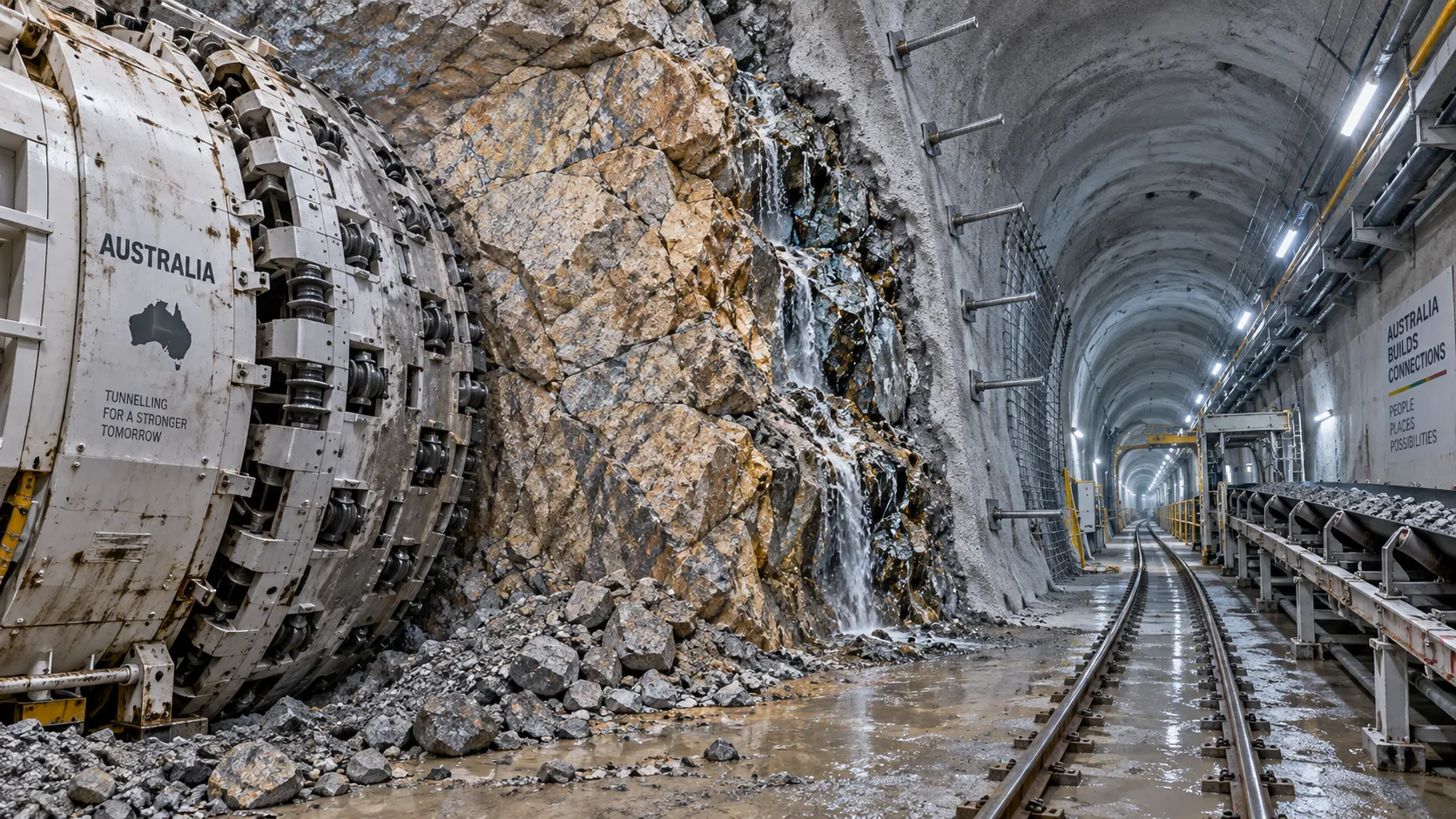
Hard Rock Tunnelling in Australia: Selecting Methods for Variable Ground Conditions
Hard rock tunnelling in Australia: compare TBM, drill-and-blast and hybrid methods to manage variable ground, reduce risk and protect project costs.
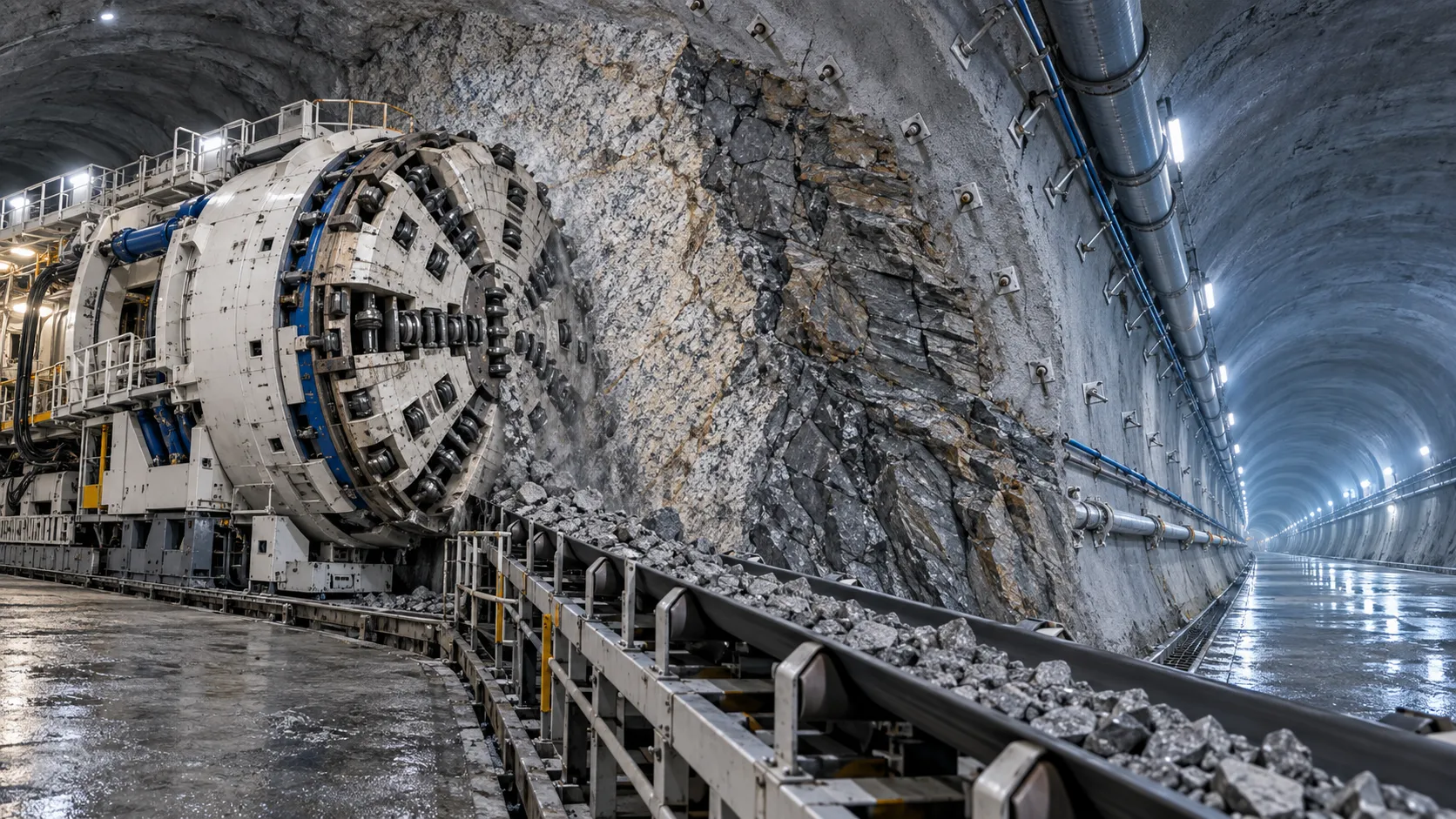
Hydropower Tunnel Excavation: Selecting Methods for Variable Rock Conditions
Hydropower tunnel excavation methods for variable rock conditions: compare TBM, drill-and-blast, and hybrid strategies to improve safety, progress, and project control.
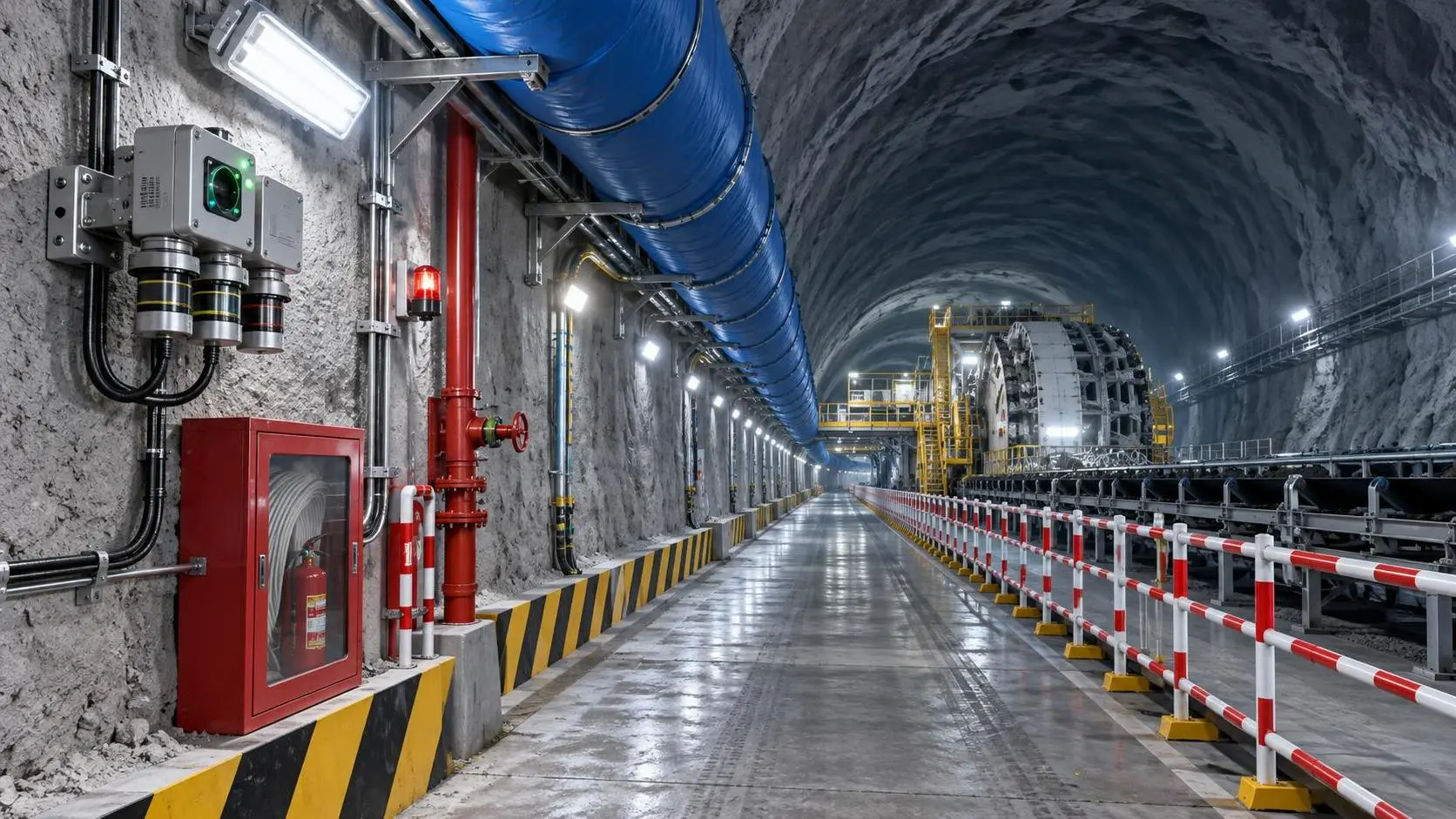
How to Select Underground Safety Equipment for Tunnelling by Hazard and Work Zone
Underground Safety Equipment for tunnelling: match protection to hazards, work zones, compliance, and emergency needs with this practical selection guide.
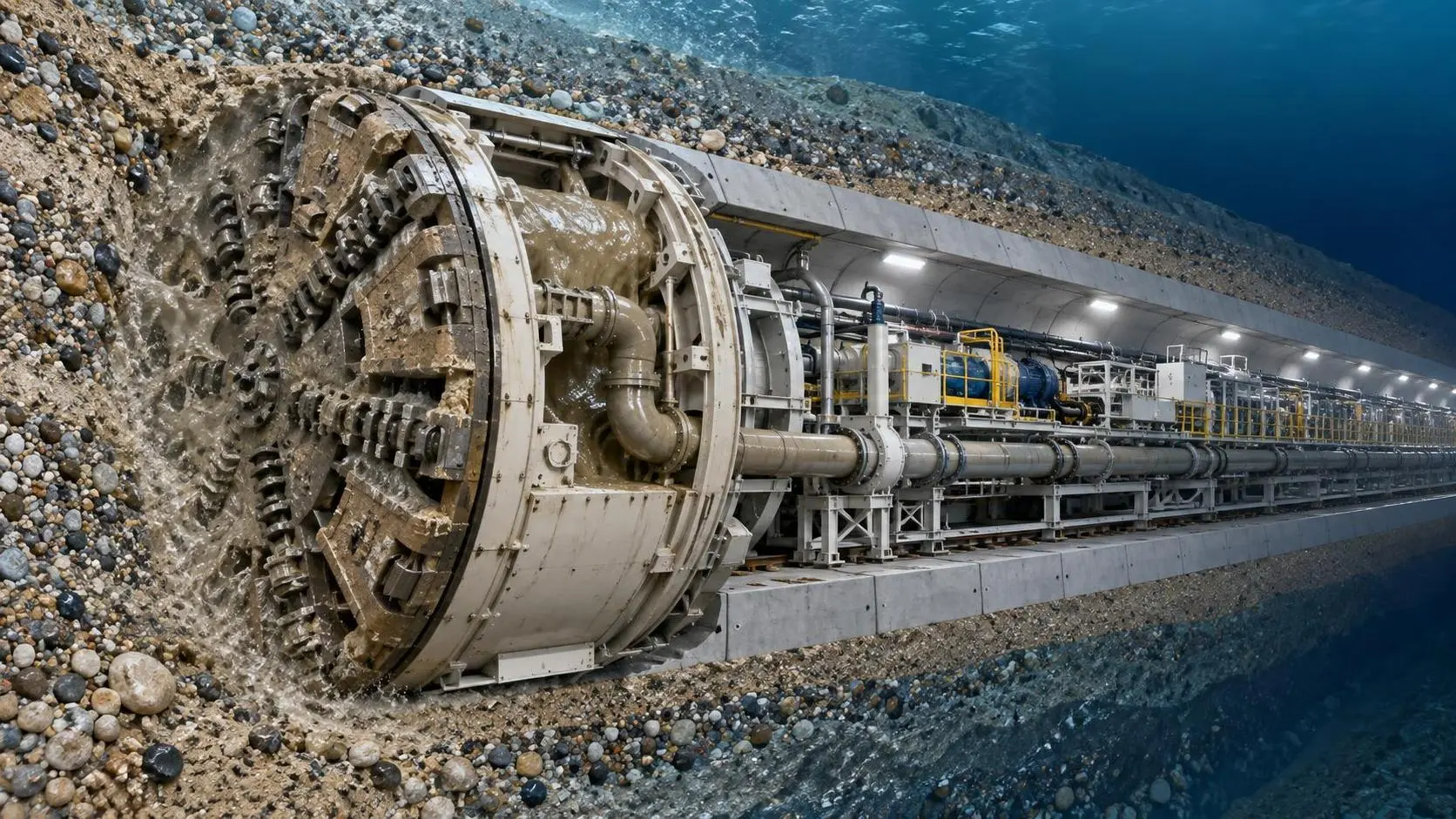
EPB or Slurry Shield? Selecting Soft-Ground Tunnelling Equipment by Soil Conditions
Tunnel Excavation Equipment for soft ground: compare EPB and slurry shields by soil, groundwater, settlement risk, and project logistics to choose confidently.
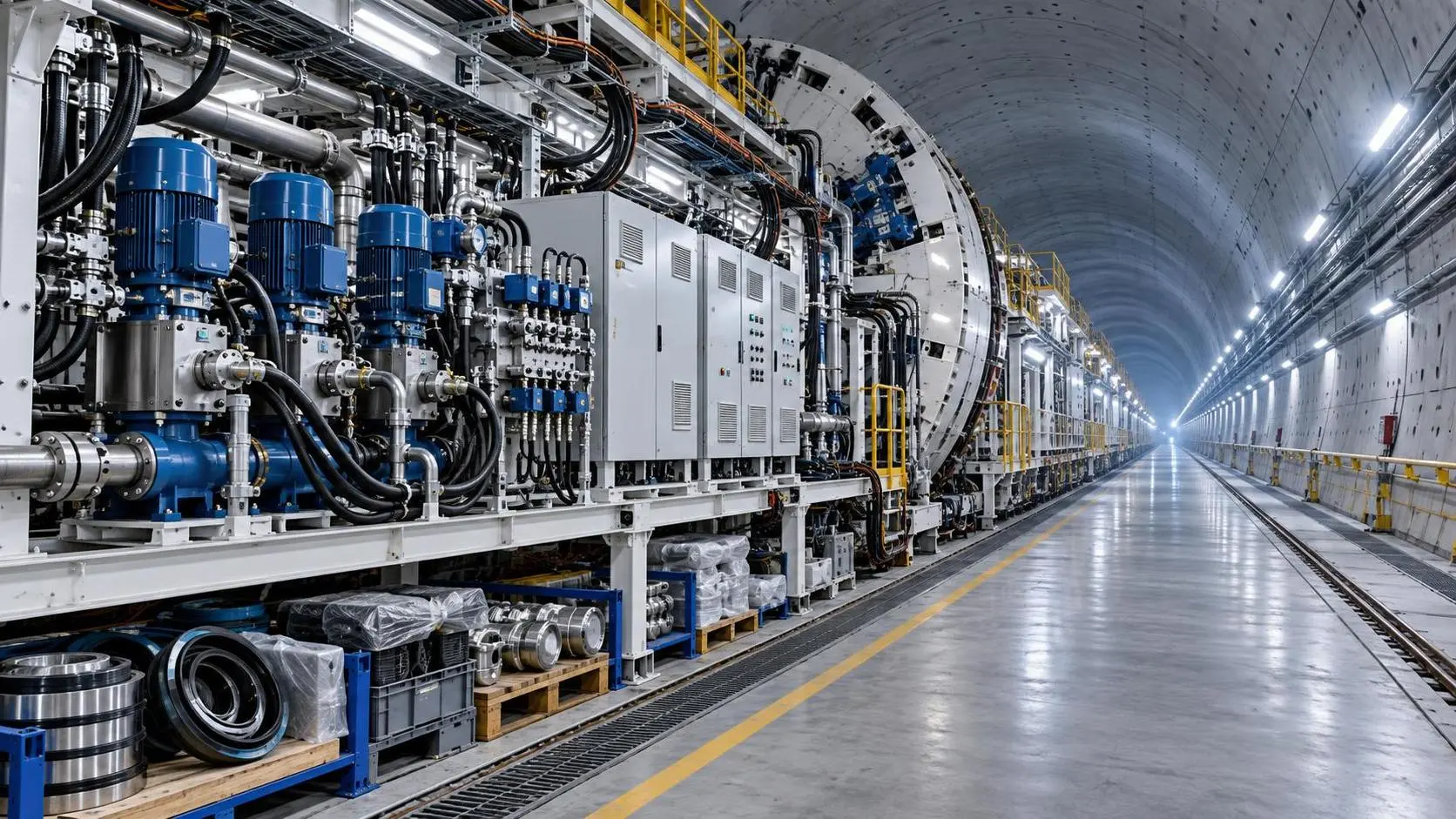
How to Specify TBM Backup System Parts for Reliable Long-Distance Tunnelling
TBM backup system parts: learn how to specify reliable spares for long-distance tunnelling, reduce downtime, ensure compatibility, and speed underground recovery.
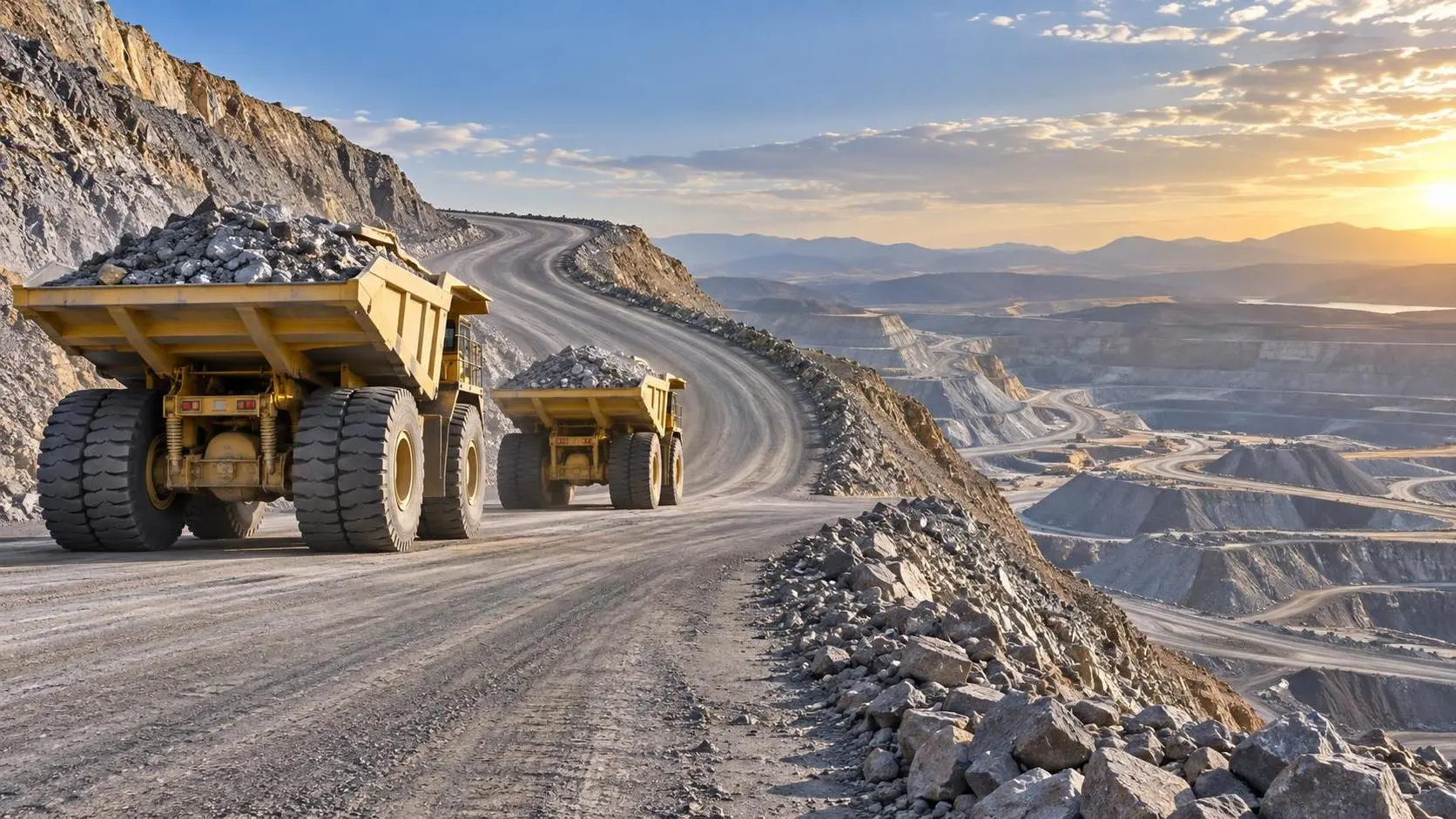
How to Size Open Pit Mining Trucks for Haul Distance, Grade, and Payload?
Open Pit Mining Trucks: learn how to match payload, haul distance, grade, road resistance, and loading capacity for safer, lower-cost mine operations.
Related News
- 00
0000-00
How to Evaluate European Drill-and-Blast Tunnelling Contractors for Complex Projects - 00
0000-00
Which Trenchless Construction Technique Fits Your Utility Crossing Conditions? - 00
0000-00
What Is Driving Metro Tunnelling Demand Across Southeast Asia’s Major Cities? - 00
0000-00
Hard Rock Tunnelling in Australia: Selecting Methods for Variable Ground Conditions - 00
0000-00
Hydropower Tunnel Excavation: Selecting Methods for Variable Rock Conditions
Weekly Insights
Stay ahead with our curated technology reports delivered every Monday.