
Underground Mining Transport Systems Explained: Truck, Rail, Conveyor, and LHD Options





Why does Underground Mining Transport shape mine performance so strongly?
Underground Mining Transport decides how ore, waste, people, and materials move through confined space every day.
That sounds basic, but it affects nearly everything else.
Cycle time, ventilation load, energy demand, safety exposure, and expansion flexibility all depend on transport design.
In practical terms, a strong blasting or cutting system still underperforms if haulage becomes the bottleneck.
This is why Underground Mining Transport sits beside drilling, loading, and ground support in mine planning discussions.
It is also why intelligence platforms such as UTMD pay close attention to transport electrification, automation, and reliability underground.
UTMD follows the wider underground engineering chain, from TBMs and drilling jumbos to battery LHDs and digital fleet control.
That broader view matters because transport choices rarely stand alone.
They interact with tunnel geometry, rock mechanics, drawpoint layout, and zero-emission goals in deep operations.
So when people ask which system is best, the better question is usually best for what mine, what depth, and what production profile.
When do trucks, rail, conveyors, and LHDs each make the most sense?
The short answer is that no single Underground Mining Transport method fits every orebody.
Each option solves a different haulage problem.
Trucks work well where routes change often
Underground haul trucks offer flexibility.
They suit mines with variable headings, staged development, and moderate haul distances.
More commonly, trucks are chosen when planners need quick deployment without installing fixed infrastructure first.
The trade-off is higher ventilation demand, traffic management complexity, and road maintenance.
Rail suits repeatable high-volume movement
Rail-based Underground Mining Transport is less flexible, but it can be efficient on stable routes.
It often performs best when haul paths remain predictable for years.
Rail can reduce tire wear and roadway congestion, yet installation and alignment discipline are significant commitments.
Conveyors shine in continuous haulage
Conveyors are strong where throughput is large and material flow is steady.
They are especially attractive for declines, ore passes, or crusher-fed systems that benefit from continuous transfer.
However, conveyors are fixed assets.
If the mine plan changes frequently, relocation costs can erode the advantage.
LHDs dominate loading and short shuttle duty
LHDs are central to Underground Mining Transport because they connect the face to the wider haulage network.
They load blasted ore, clean drawpoints, and shuttle material over short distances.
In narrow and dark headings, battery LHDs are gaining attention for zero exhaust and lower heat load.
UTMD frequently highlights this shift because remote control, battery swapping, and SLAM-based navigation are reshaping underground haulage practice.
What is the fastest way to compare Underground Mining Transport options?
A side-by-side view helps more than broad claims.
The table below summarizes where each system usually fits.
In reality, many mines use a hybrid Underground Mining Transport layout.
An LHD loads to a truck, or a truck dumps to a crusher feeding a conveyor.
The smartest comparison is not machine versus machine.
It is system versus production objective.
What should be checked before choosing a haulage system?
Selection usually fails when planners start from equipment preference instead of mine constraints.
A better approach is to test the haulage concept against a few stubborn realities.
- Haul distance and ramp gradient decide whether mobile or fixed systems remain efficient.
- Tunnel size limits vehicle class, turning radius, and passing strategy.
- Ventilation capacity strongly affects diesel viability and the value of electrification.
- Production profile matters because peak tons and average tons are rarely the same.
- Ore fragmentation influences loading speed, crusher design, and belt suitability.
- Maintenance access can make a theoretically efficient system hard to sustain underground.
Needless to say, capital cost is only one part of the decision.
Underground Mining Transport should be judged on total operating logic.
That includes downtime exposure, spare parts strategy, training needs, and energy use over years.
UTMD often frames this as an asset-utilization question.
A machine with a lower sticker price can still be the more expensive system if it creates idle crews or ventilation upgrades.
Why are electrification and automation changing Underground Mining Transport now?
The shift is not only about technology fashion.
It is driven by ventilation cost, emissions targets, operator safety, and the push for more predictable production.
Battery-electric trucks and LHDs reduce exhaust in confined headings.
That can lower ventilation demand, especially in deeper mines where airflow is expensive.
Automation addresses a different pressure.
It improves consistency in repetitive haul cycles and removes people from high-risk zones.
In actual deployment, the first gains often come from remote operation and traffic coordination rather than full autonomy.
This is where UTMD’s intelligence angle becomes useful.
Its coverage links equipment trends with deeper technical questions, such as battery swap logistics, regenerative braking on declines, and underground navigation accuracy.
Those details matter because an automated Underground Mining Transport fleet is only as good as its charging plan, communication reliability, and dispatch logic.
Which mistakes cause the most trouble after a transport system is installed?
Most problems come from mismatch, not from a bad machine alone.
Several mistakes appear again and again in underground projects.
Treating flexibility as a minor issue
A fixed system can look attractive on paper, then struggle when development sequencing changes.
Underestimating ventilation and heat
Diesel fleets may appear cheaper until airflow upgrades and thermal management are fully priced.
Sizing for average tons only
Transport systems must absorb peaks, delays, and maintenance windows without collapsing the production schedule.
Ignoring interfaces between machines
An efficient LHD can still queue badly at a crusher, ore pass, or truck pass bay.
Assuming automation is plug-and-play
Automation needs clear operating rules, stable connectivity, and disciplined change management.
If those conditions are weak, performance gains arrive slowly.
So how should Underground Mining Transport be evaluated going forward?
Start by mapping the mine, not the catalog.
Look at haul distance, production rhythm, ventilation constraints, and how often the layout will change.
Then compare trucks, rail, conveyors, and LHDs as connected parts of one operating system.
For many sites, the strongest Underground Mining Transport plan is a staged combination rather than a single answer.
It also helps to follow technical intelligence that connects equipment with wider underground engineering trends.
That is where UTMD’s perspective is relevant, especially when electrification, autonomy, and deep-space reliability must be judged together.
As a next step, build a simple comparison sheet using route length, tonnage, ventilation cost, infrastructure commitment, and maintenance access.
That exercise usually makes the right Underground Mining Transport direction much clearer before major commitments are made.
Related News
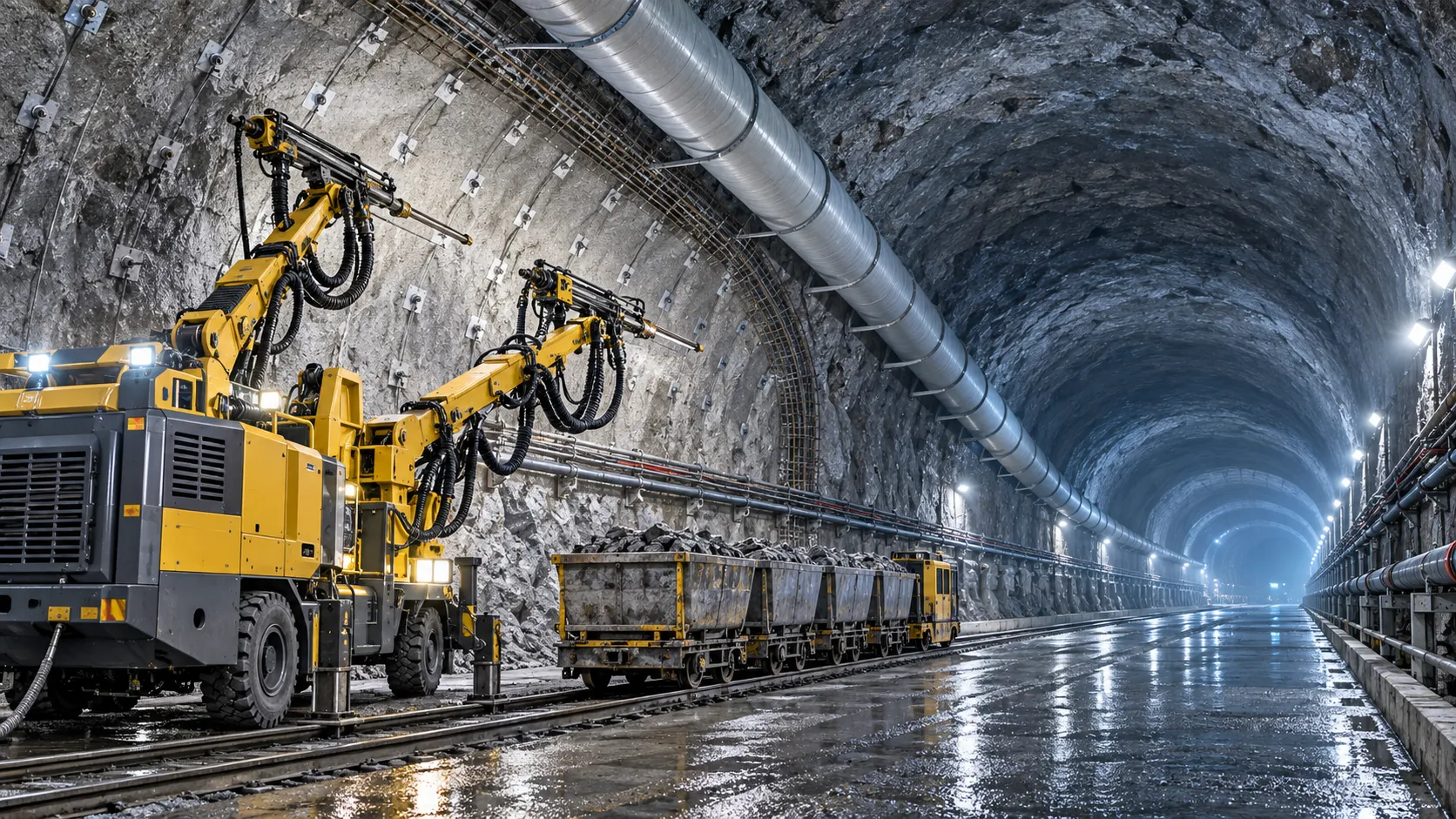
How to Evaluate European Drill-and-Blast Tunnelling Contractors for Complex Projects
Drill and blast tunnelling contractors Europe: learn how to assess geology expertise, blast control, equipment reliability, safety, and programme resilience for complex projects.
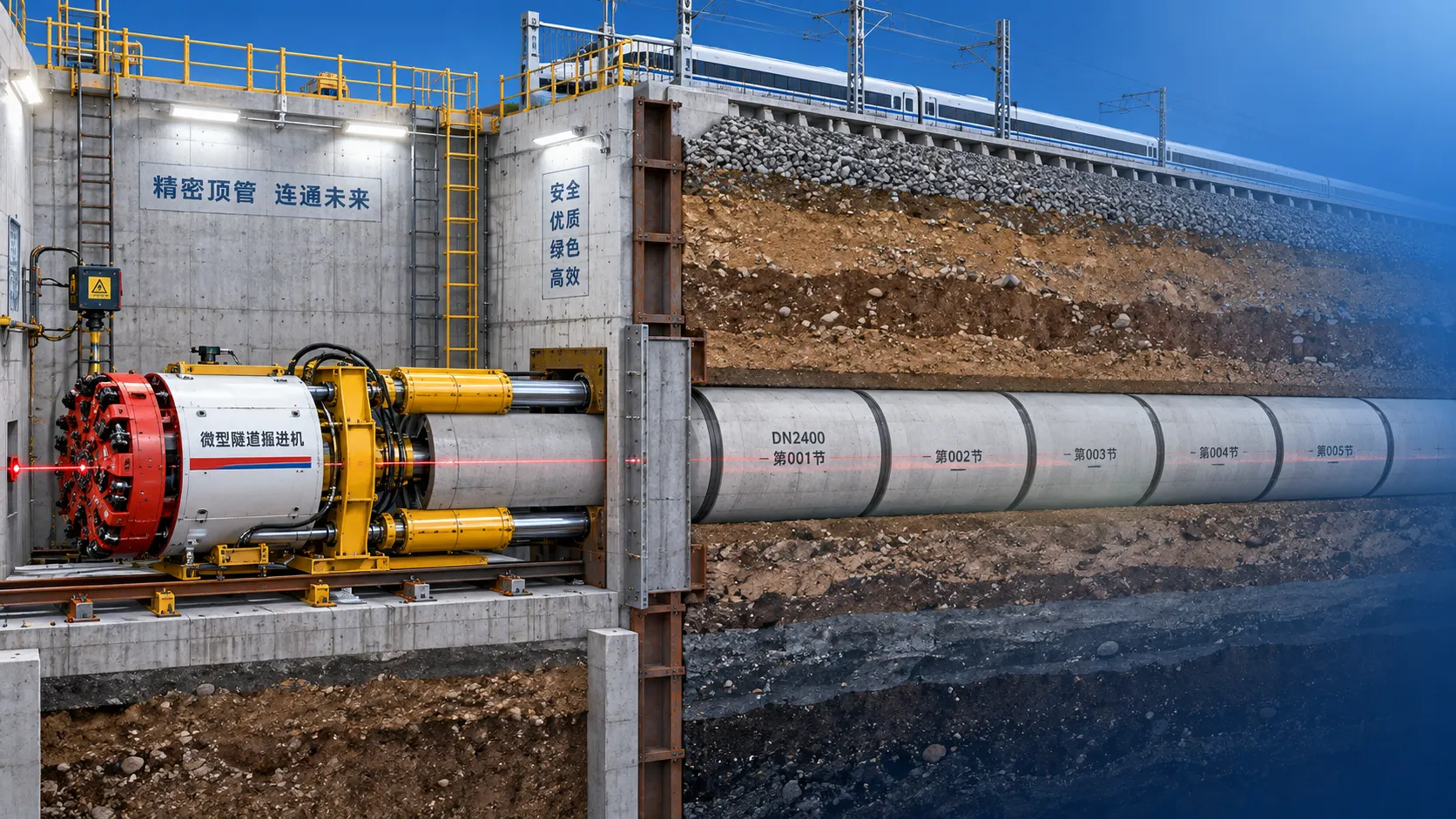
Which Trenchless Construction Technique Fits Your Utility Crossing Conditions?
Trenchless construction techniques compared for utility crossings: choose HDD, microtunnelling, pipe jacking, or auger boring based on ground, accuracy, access, and risk.
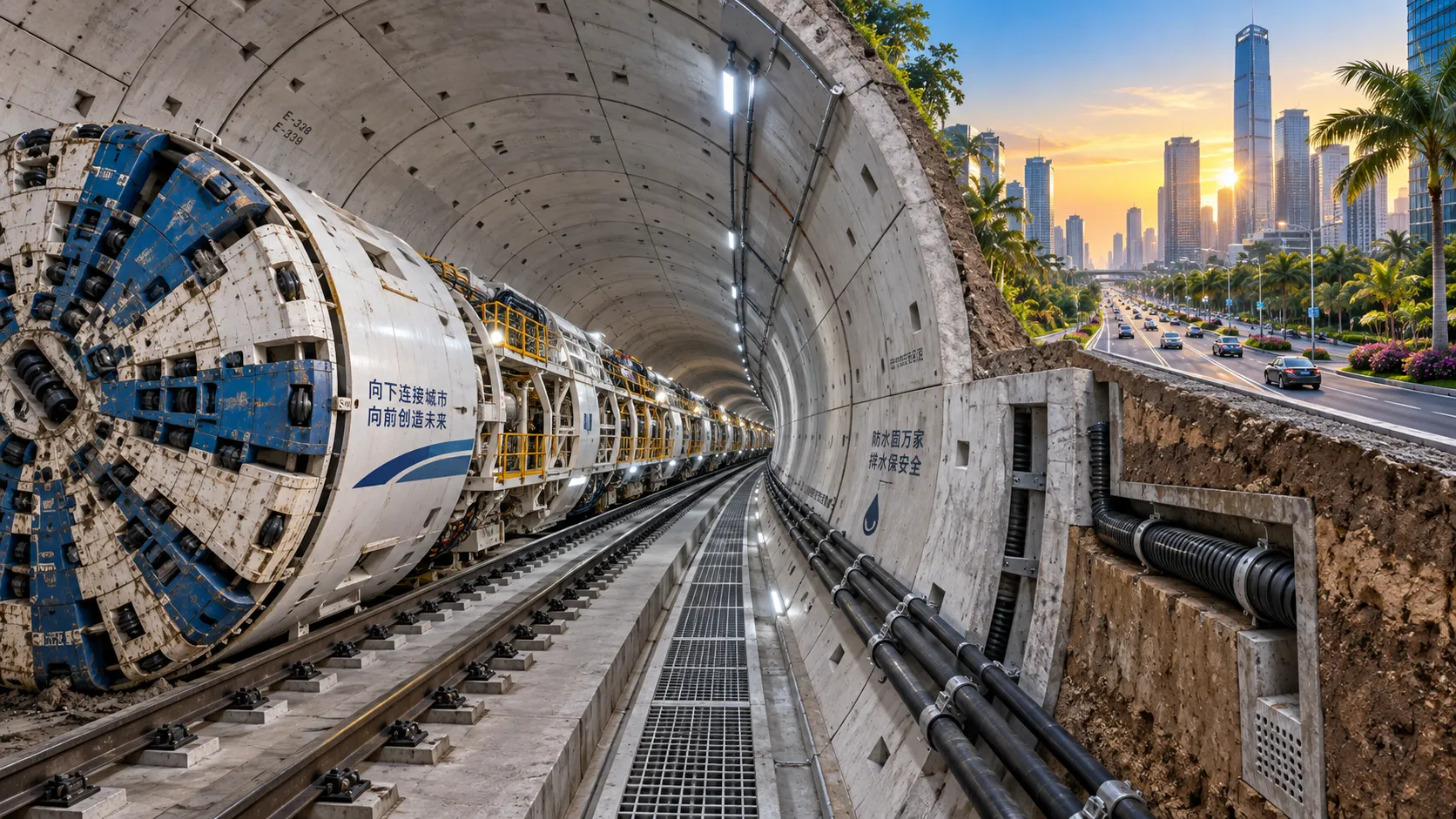
What Is Driving Metro Tunnelling Demand Across Southeast Asia’s Major Cities?
Metro tunnelling Southeast Asia is accelerating as major cities tackle congestion, flooding, and connectivity. Explore the market forces, technical risks, and opportunities shaping demand.
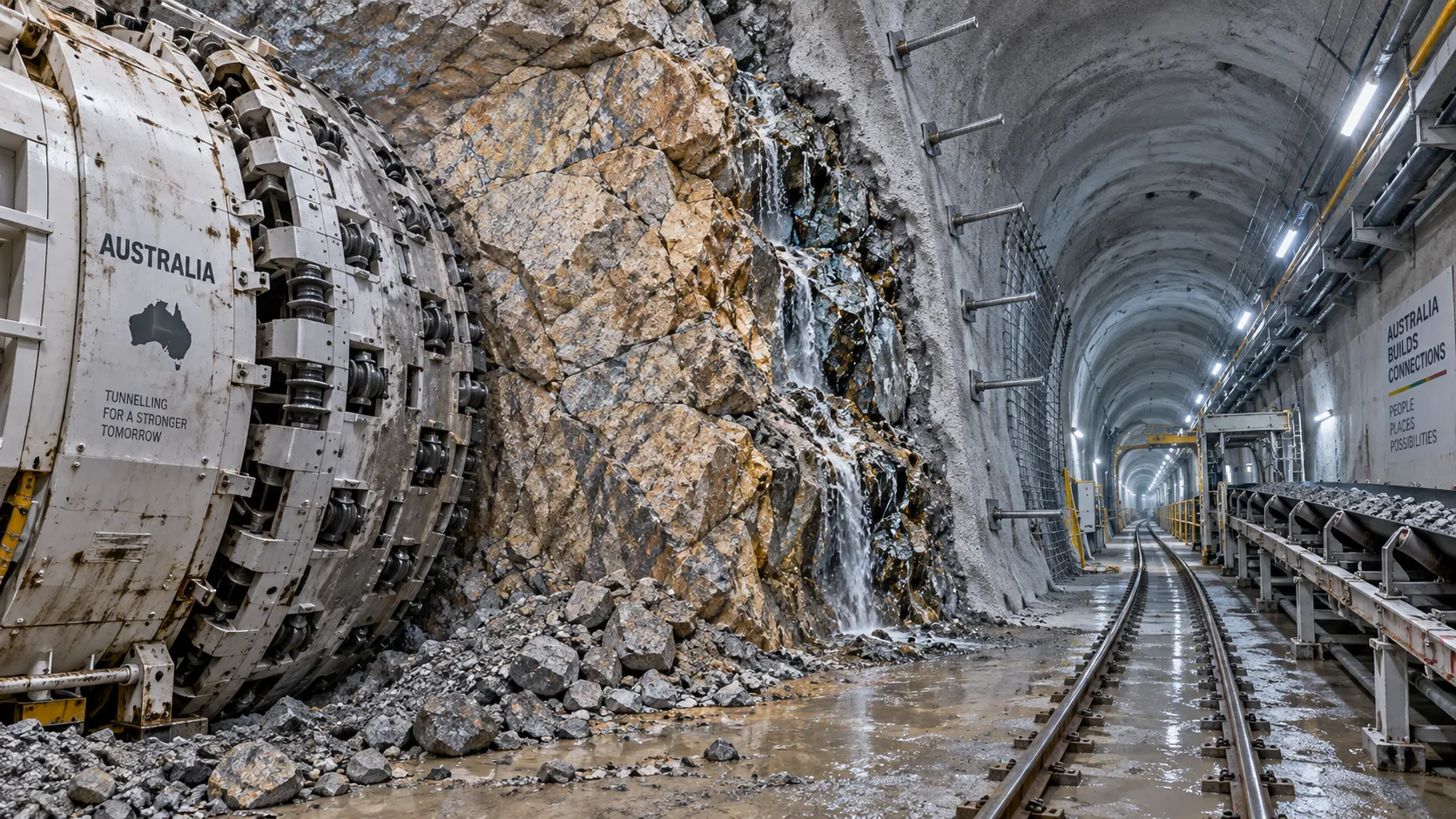
Hard Rock Tunnelling in Australia: Selecting Methods for Variable Ground Conditions
Hard rock tunnelling in Australia: compare TBM, drill-and-blast and hybrid methods to manage variable ground, reduce risk and protect project costs.
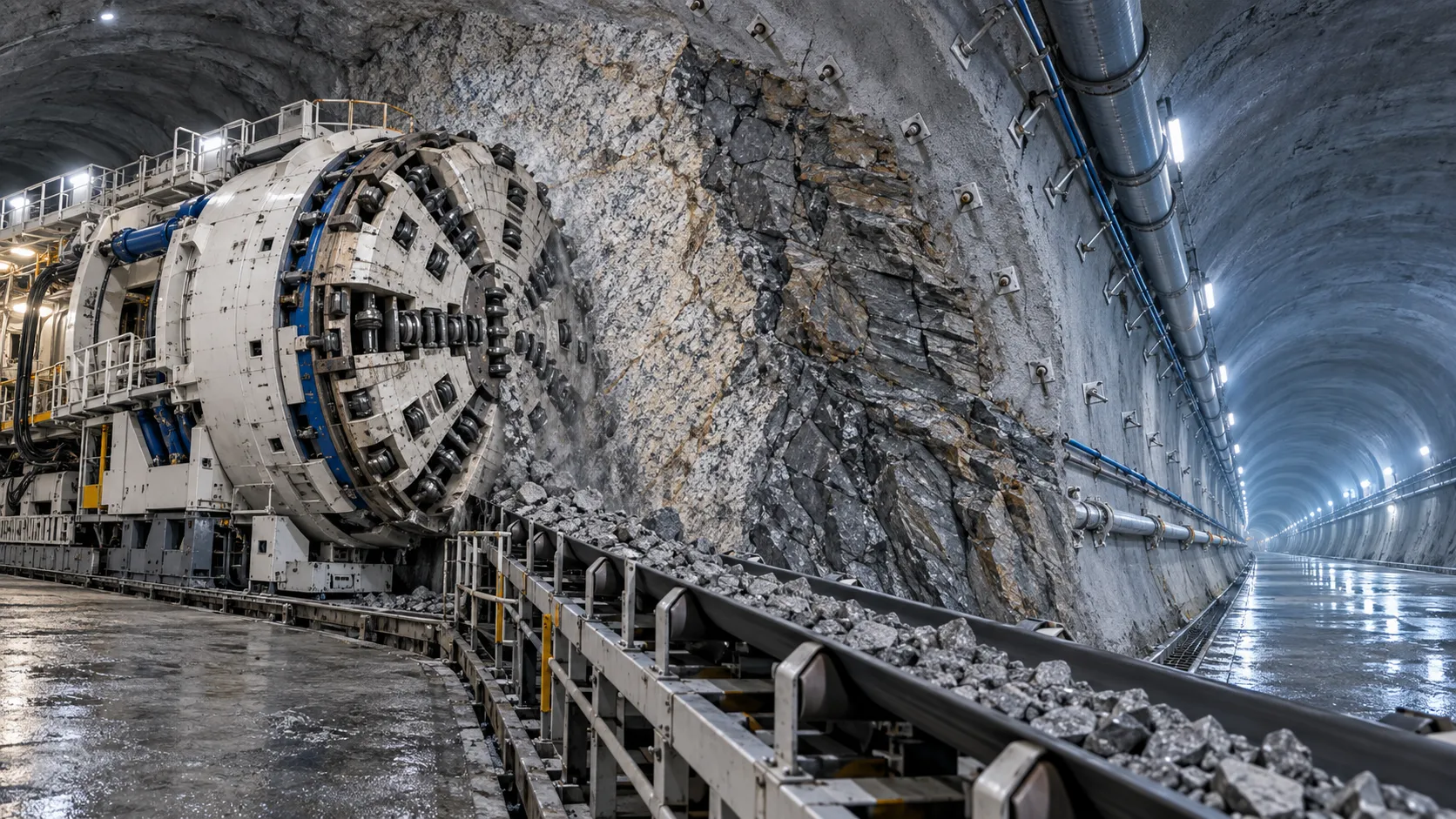
Hydropower Tunnel Excavation: Selecting Methods for Variable Rock Conditions
Hydropower tunnel excavation methods for variable rock conditions: compare TBM, drill-and-blast, and hybrid strategies to improve safety, progress, and project control.
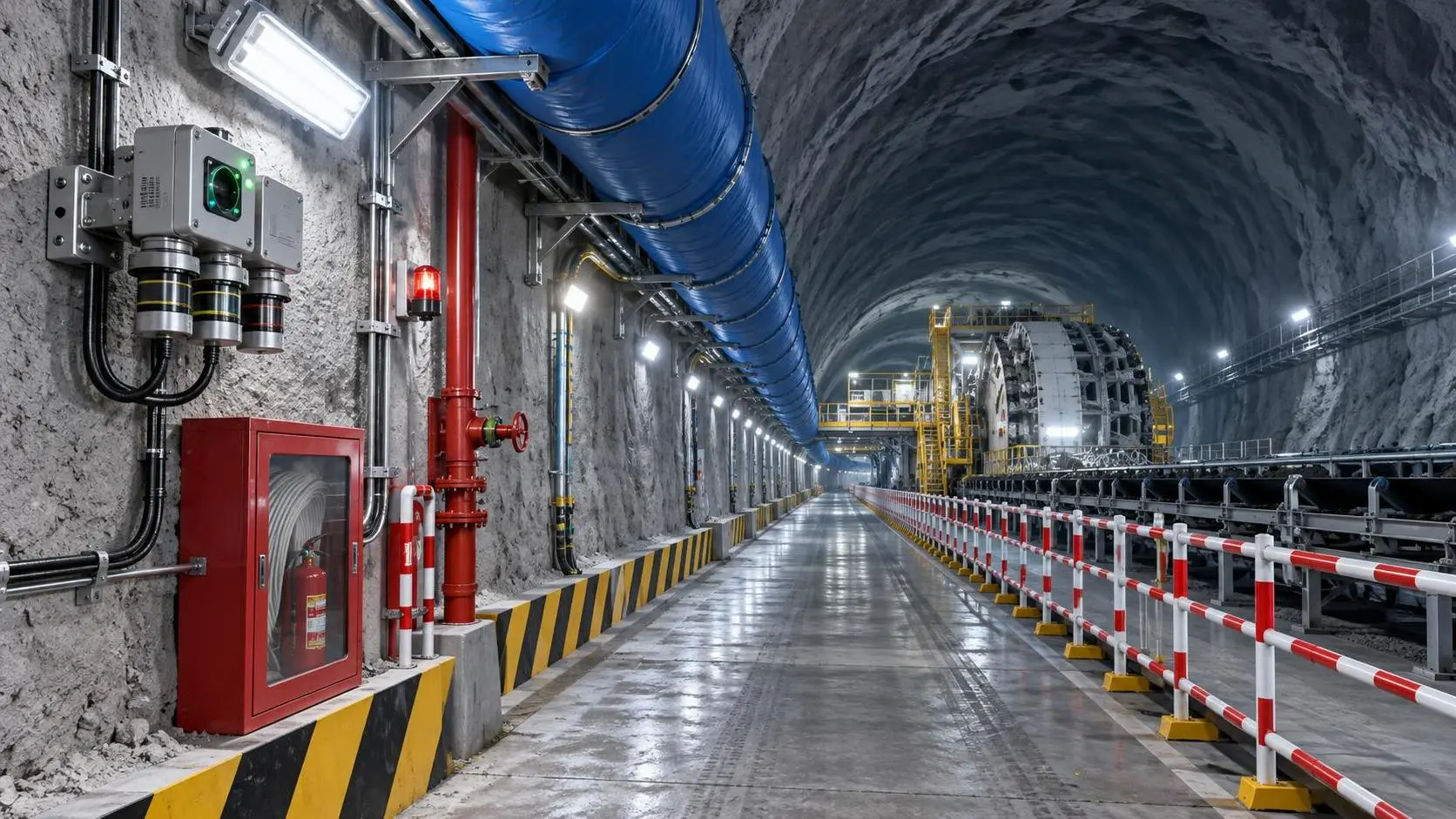
How to Select Underground Safety Equipment for Tunnelling by Hazard and Work Zone
Underground Safety Equipment for tunnelling: match protection to hazards, work zones, compliance, and emergency needs with this practical selection guide.
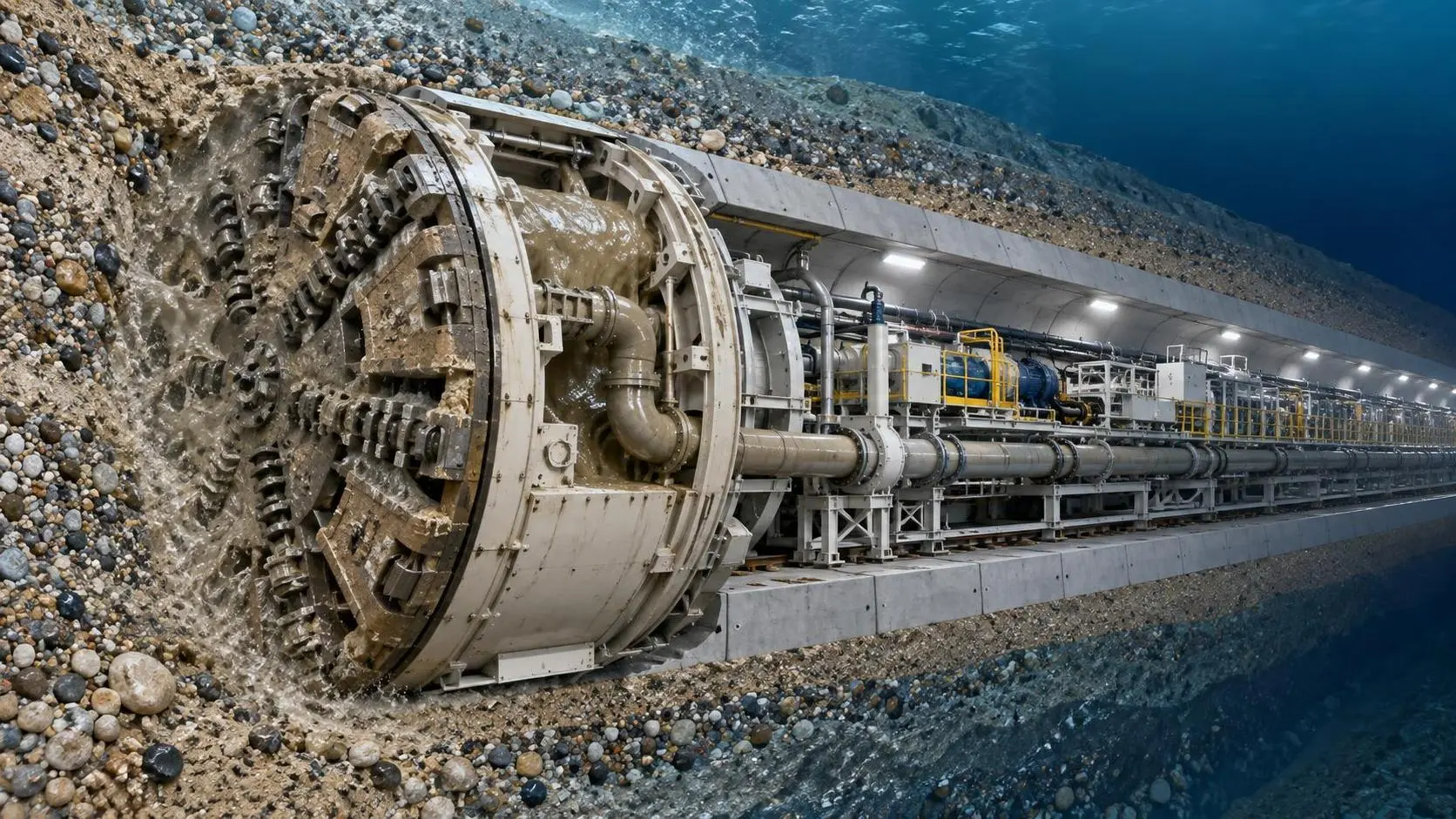
EPB or Slurry Shield? Selecting Soft-Ground Tunnelling Equipment by Soil Conditions
Tunnel Excavation Equipment for soft ground: compare EPB and slurry shields by soil, groundwater, settlement risk, and project logistics to choose confidently.
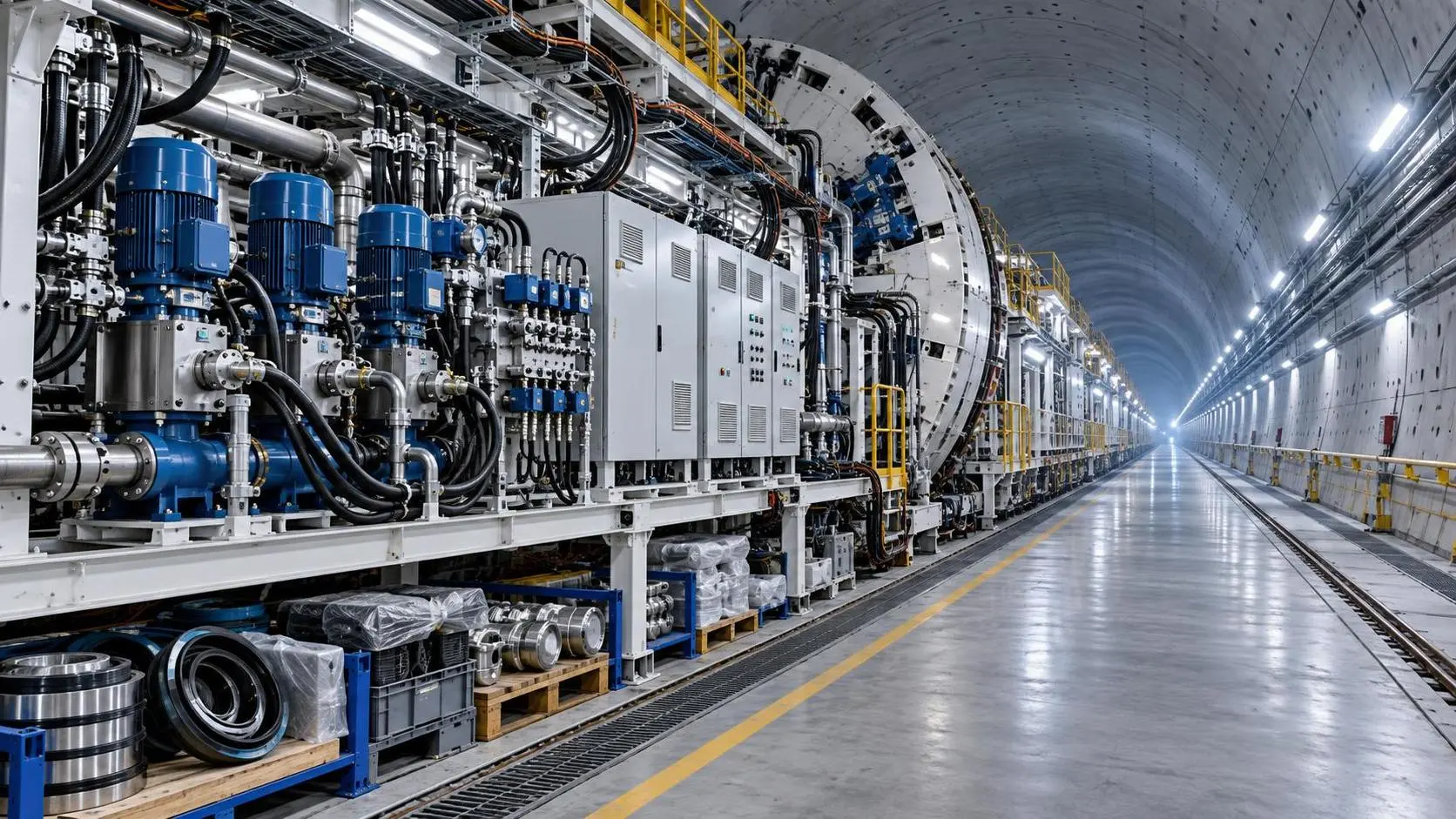
How to Specify TBM Backup System Parts for Reliable Long-Distance Tunnelling
TBM backup system parts: learn how to specify reliable spares for long-distance tunnelling, reduce downtime, ensure compatibility, and speed underground recovery.
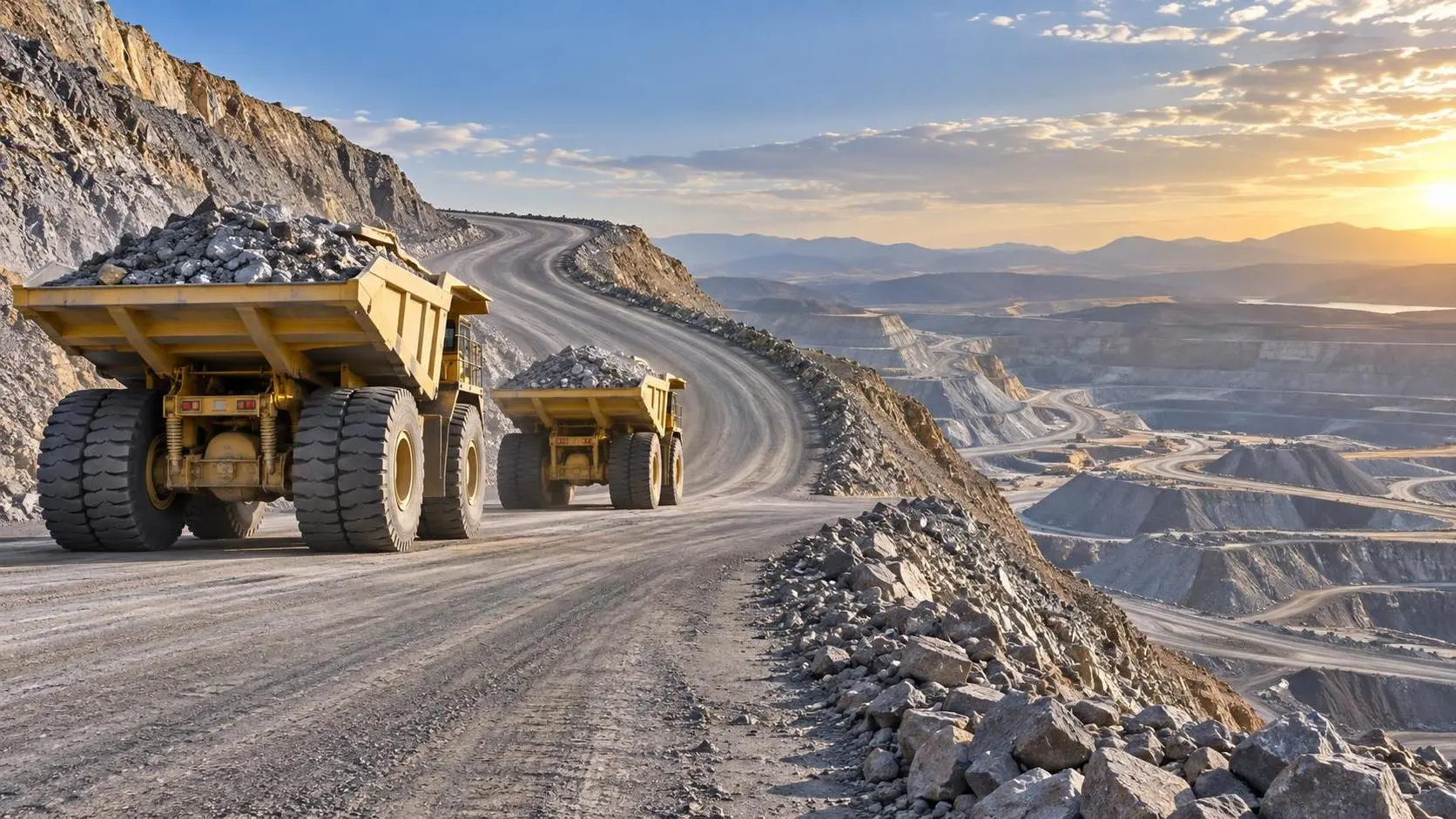
How to Size Open Pit Mining Trucks for Haul Distance, Grade, and Payload?
Open Pit Mining Trucks: learn how to match payload, haul distance, grade, road resistance, and loading capacity for safer, lower-cost mine operations.
Related News
- 00
0000-00
How to Evaluate European Drill-and-Blast Tunnelling Contractors for Complex Projects - 00
0000-00
Which Trenchless Construction Technique Fits Your Utility Crossing Conditions? - 00
0000-00
What Is Driving Metro Tunnelling Demand Across Southeast Asia’s Major Cities? - 00
0000-00
Hard Rock Tunnelling in Australia: Selecting Methods for Variable Ground Conditions - 00
0000-00
Hydropower Tunnel Excavation: Selecting Methods for Variable Rock Conditions
Weekly Insights
Stay ahead with our curated technology reports delivered every Monday.