
Mining Digitalization in Practice: Where Mines Gain Visibility, Safety, and ROI





Where Mining Digitalization Starts Delivering Real Value
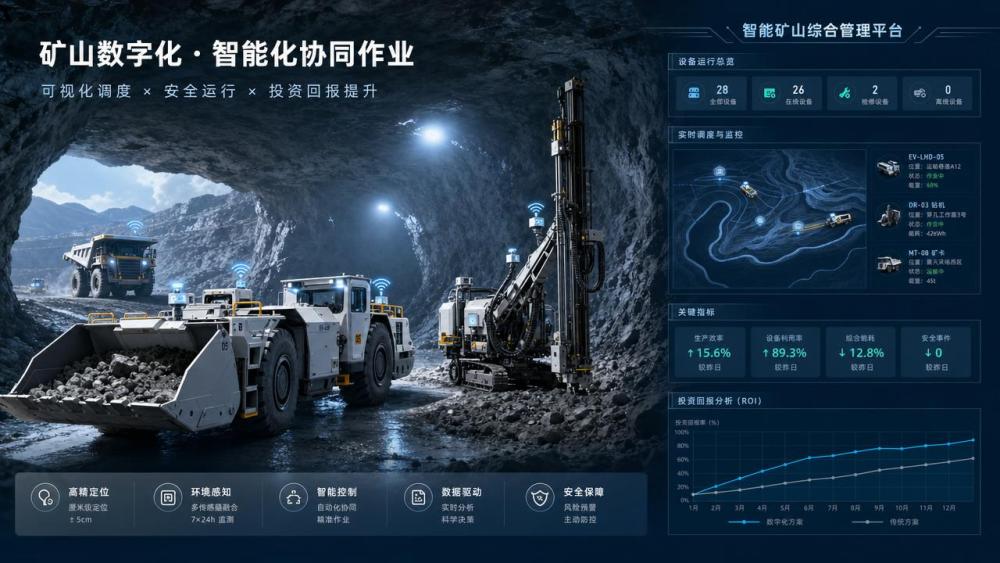
Mining Digitalization matters most when operations lose visibility at the exact moment conditions become harder, faster, and less predictable.
That pressure appears in deep headings, long haul cycles, mixed fleets, and electrified equipment working inside constrained underground spaces.
In practice, the value is not only automation.
It is the ability to see asset status, ground response, traffic flow, energy use, and maintenance risks before they become production losses.
For mines expanding into deeper ore bodies or modernizing transport, Mining Digitalization becomes the operating layer connecting safety, utilization, and investment discipline.
This is also why intelligence platforms such as UTMD matter in the broader underground ecosystem.
The useful question is no longer whether digital tools exist.
The real question is where Mining Digitalization produces measurable gains under different mine conditions, equipment types, and haulage models.
Why the Same Mine Strategy Rarely Fits Every Working Area
Different mining zones create different data priorities.
A production level with battery LHD loaders needs traffic visibility and charging discipline.
A drill-and-blast section depends more on face mapping, jumbo positioning, and cycle timing between drilling, blasting, ventilation, and re-entry.
Open-pit haulage adds another layer.
There, Mining Digitalization often focuses on dispatch precision, tire stress, slope condition, and regenerative efficiency for electric dump trucks on downhill routes.
The mistake is treating digitalization as one dashboard or one procurement package.
More often, success depends on matching sensing depth, control logic, and data latency to the actual production bottleneck.
UTMD’s coverage of TBMs, drilling jumbos, EV mining trucks, and underground LHD systems reflects this reality.
Extreme rock mechanics, zero-emission requirements, and automated transport do not create identical digital needs.
In Deep Underground Haulage, Visibility Is Usually the First Win
Underground haulage is where Mining Digitalization often proves itself quickly.
The reason is simple.
Narrow tunnels, low light, limited ventilation, and multi-vehicle interaction create constant uncertainty that manual reporting cannot resolve in time.
When battery LHD loaders or remotely controlled units are introduced, that need becomes sharper.
Operators need live equipment location, queue conditions, battery state, payload consistency, and delay causes at each drawpoint and dumping point.
Without that layer, electrification may reduce emissions while still leaving poor cycle discipline untouched.
A common judgment point is whether the mine loses more time to movement uncertainty or to loading constraints.
If congestion dominates, Mining Digitalization should prioritize fleet coordination, collision avoidance, and route balancing.
If idle loading dominates, the better starting point is drawpoint sequencing, ore pass availability, and shift-level dispatch rules.
What usually deserves priority underground
- Real-time location accuracy that works in GPS-denied headings.
- Battery, charging, or swapping data linked to haul cycle planning.
- Remote operation latency that stays stable under rock and tunnel interference.
- Integration between maintenance alerts and daily dispatch decisions.
At the Face, Mining Digitalization Changes the Drill-and-Blast Rhythm
In development headings, Mining Digitalization is less about fleet traffic and more about process accuracy.
Drilling jumbos work best when hole positioning, rock condition records, and bolting data move directly into planning feedback.
That feedback loop reduces overbreak, rework, and support variability.
The useful distinction here is between mines chasing faster advance and mines chasing more stable ground control.
The first group benefits from cycle analytics and automated pattern verification.
The second needs stronger digital records on geology change, bolt installation quality, and post-blast condition mapping.
This is where data quality matters more than dashboard quantity.
If face data cannot be compared across shifts, Mining Digitalization becomes a reporting exercise instead of an operational tool.
UTMD’s attention to rock-cutting mechanics and harsh-environment reliability aligns with this requirement.
In hard rock, small measurement errors can become very expensive downstream.
Open-Pit Fleets Need a Different Digital Logic Than Underground Systems
Mining Digitalization in open-pit operations usually starts from scale, not confinement.
Dump trucks, shovels, grades, road conditions, and weather all affect production in visible but fast-changing ways.
Here, the strongest return often comes from dispatch optimization and predictive maintenance rather than from remote control alone.
That is especially true when electric or autonomous mining trucks enter the fleet.
Regenerative braking performance, downhill energy recovery, tire temperature, and queue time at crushers become part of the ROI model.
A mine may appear digitally advanced because trucks are connected.
Yet if road condition data, maintenance work orders, and payload calibration stay separated, the gains remain partial.
The better approach is to treat Mining Digitalization as a link between mechanical stress, energy strategy, and dispatch behavior.
How requirements change by operating context
The point is not to digitize everything at once.
It is to identify which operational signal changes decisions quickly enough to improve safety or cash flow.
Where Mines Commonly Misjudge Mining Digitalization
One frequent error is buying connected equipment without planning how data will affect daily operating rules.
That leaves strong hardware inside weak workflows.
Another mistake is assuming similar headings need identical digital controls.
Ventilation layout, ground stress, communications coverage, and haul distance can shift priorities significantly.
Mining Digitalization also gets undervalued when only upfront system cost is measured.
Mines often miss the downstream impact on maintenance intervals, unplanned stoppages, contractor coordination, and energy discipline.
There is also a technical blind spot.
If localization, SLAM performance, sensor durability, or underground network resilience are ignored, digital ambition can outrun field reliability.
- Do not judge systems only by interface design or headline automation features.
- Check compatibility with mixed fleets, legacy maintenance systems, and underground communications limits.
- Model implementation effort by zone, not by mine-wide averages.
- Treat data governance as part of production control, not an IT afterthought.
A Practical Way to Match Mining Digitalization to Site Conditions
A more reliable path starts with one question.
Which decisions are currently made too late, too roughly, or with too little field evidence?
That answer usually reveals the first digital layer worth funding.
If the issue is underground traffic uncertainty, begin with positioning, routing, and equipment health signals.
If the issue is development variability, prioritize drilling accuracy, geological feedback, and support traceability.
If the issue is high-cost open-pit haulage, focus on dispatch precision, energy use, and component life prediction.
In actual deployment, it helps to define three checkpoints before scaling Mining Digitalization further.
- Confirm which operating constraint creates the largest repeatable loss.
- Verify that sensors, networks, and control systems survive the mine environment.
- Measure outcomes through cycle time, availability, safety events, and maintenance deviation.
That method keeps Mining Digitalization tied to production reality instead of abstract transformation goals.
What to Clarify Before the Next Investment Decision
Mining Digitalization pays back best when the mine understands its operating differences with precision.
Deep haulage, drill-and-blast development, TBM-driven underground work, and electric surface fleets each create distinct visibility gaps and control needs.
That is why practical intelligence matters as much as technology itself.
UTMD’s focus on smart underground transport, equipment reliability, and zero-emission operations reflects where these decisions are actually being tested.
Before the next step, map the highest-friction zones, compare data needs by working area, and identify where visibility can change action within the same shift.
Then review implementation effort, maintenance impact, and long-term interoperability.
That is usually where Mining Digitalization moves from promising concept to durable operational ROI.
Related News
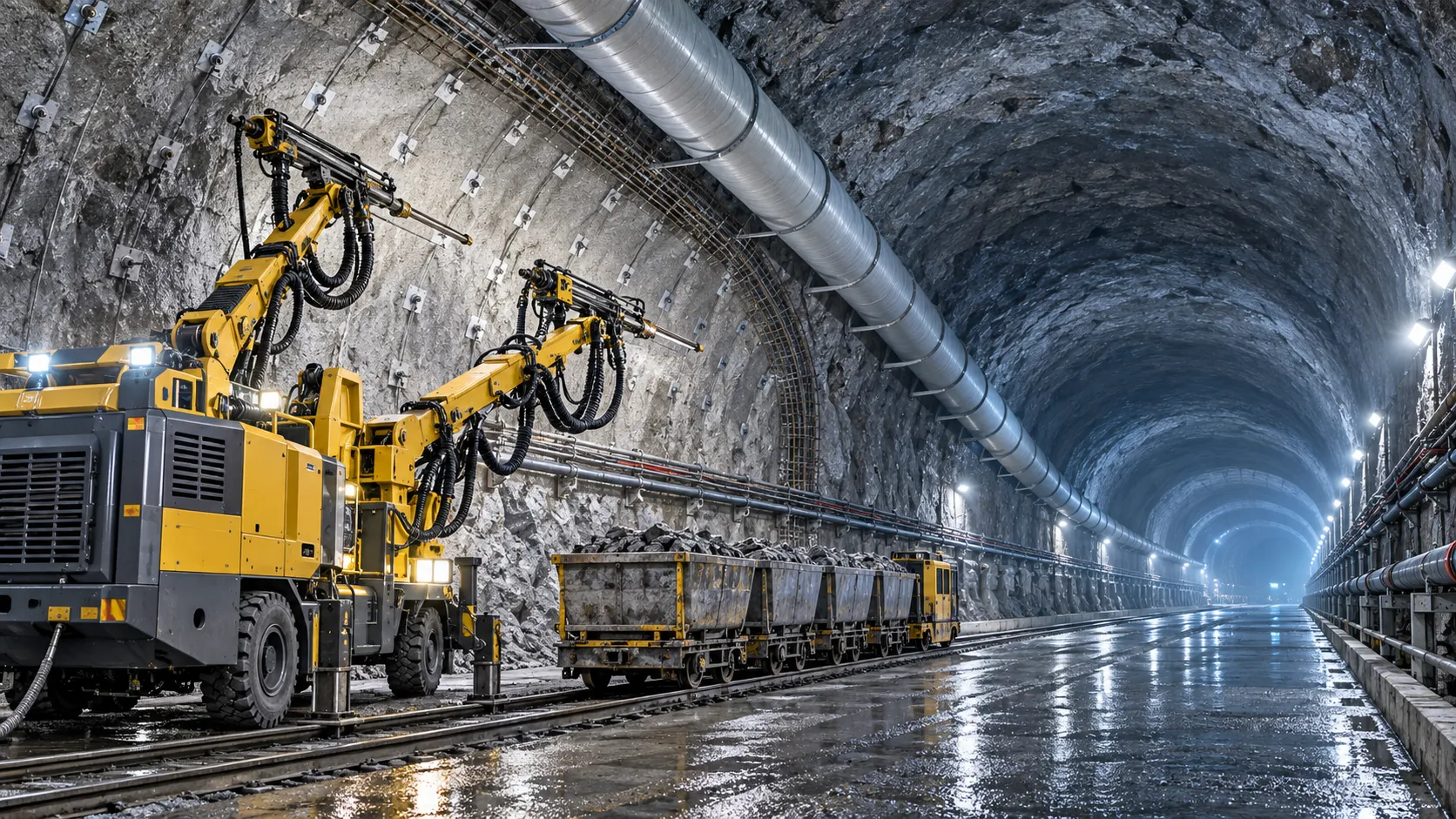
How to Evaluate European Drill-and-Blast Tunnelling Contractors for Complex Projects
Drill and blast tunnelling contractors Europe: learn how to assess geology expertise, blast control, equipment reliability, safety, and programme resilience for complex projects.
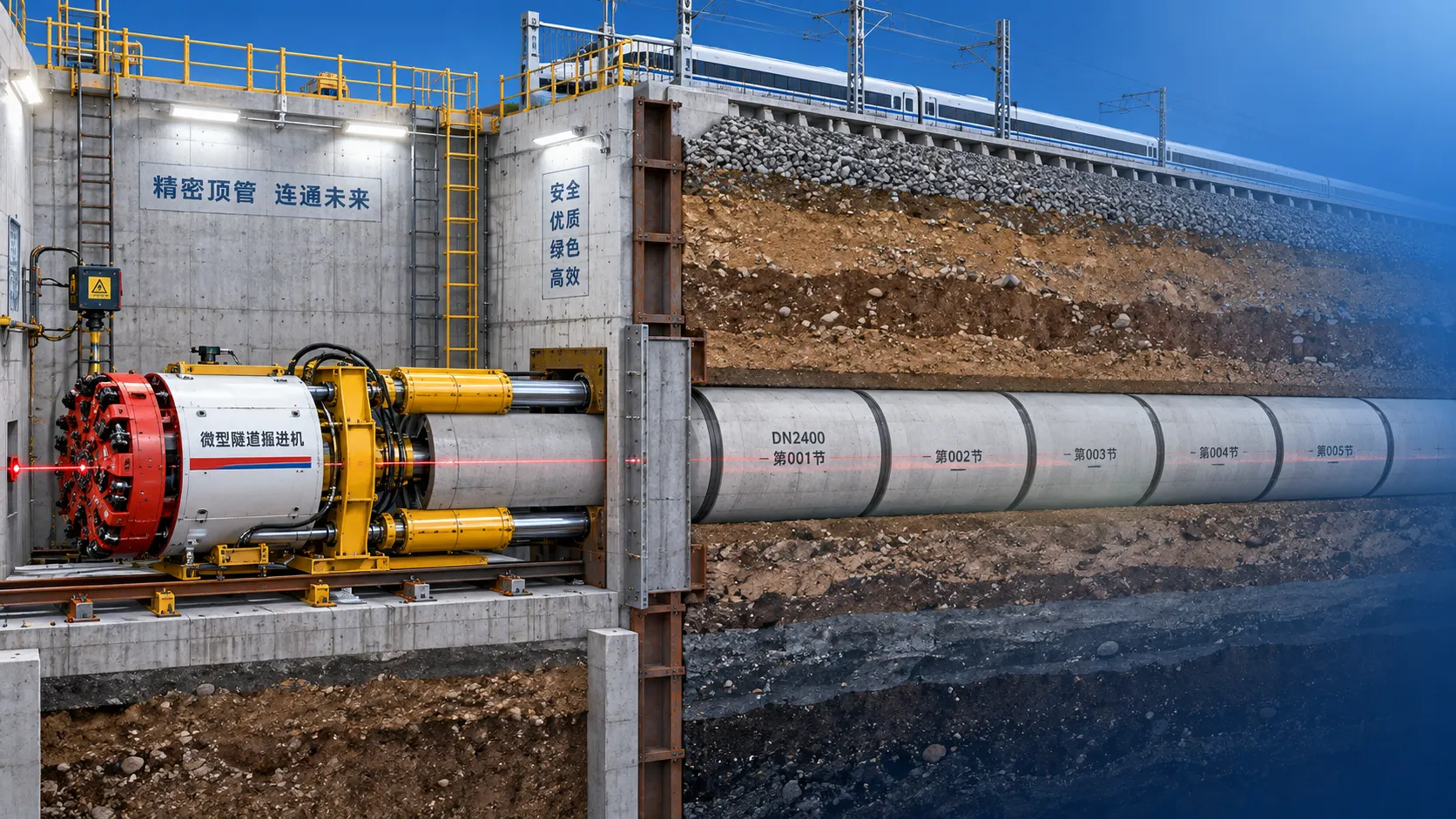
Which Trenchless Construction Technique Fits Your Utility Crossing Conditions?
Trenchless construction techniques compared for utility crossings: choose HDD, microtunnelling, pipe jacking, or auger boring based on ground, accuracy, access, and risk.
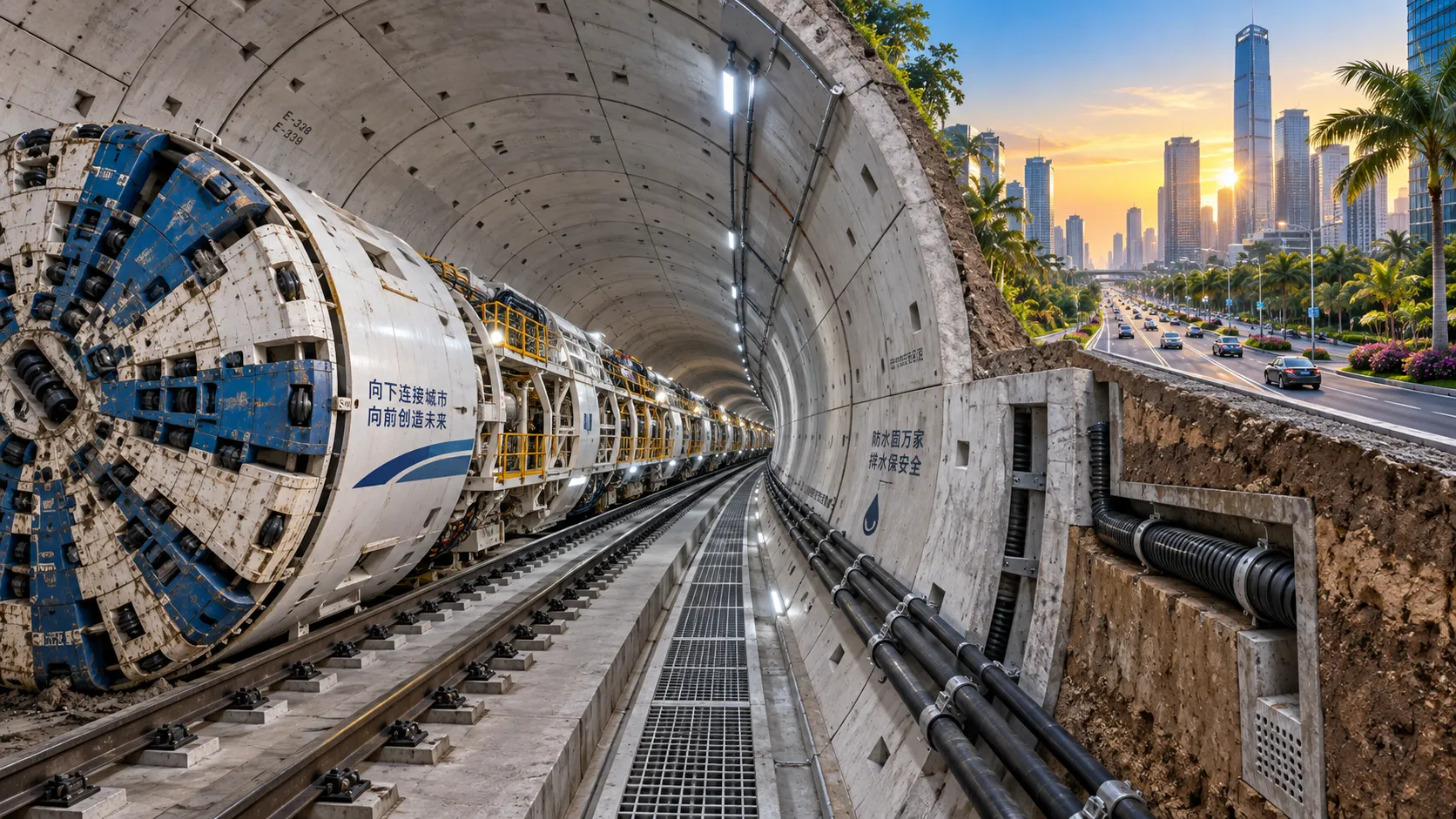
What Is Driving Metro Tunnelling Demand Across Southeast Asia’s Major Cities?
Metro tunnelling Southeast Asia is accelerating as major cities tackle congestion, flooding, and connectivity. Explore the market forces, technical risks, and opportunities shaping demand.
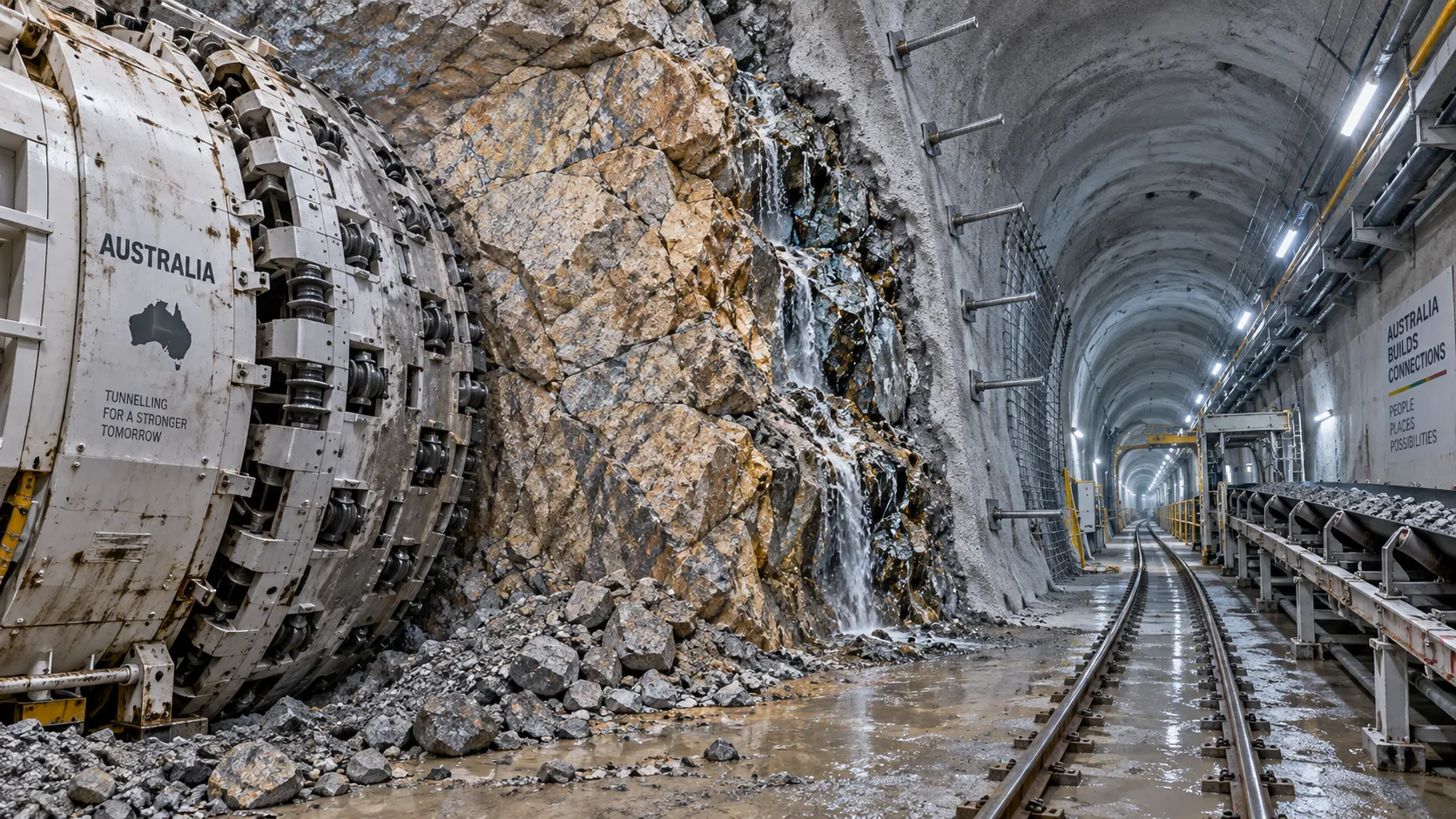
Hard Rock Tunnelling in Australia: Selecting Methods for Variable Ground Conditions
Hard rock tunnelling in Australia: compare TBM, drill-and-blast and hybrid methods to manage variable ground, reduce risk and protect project costs.
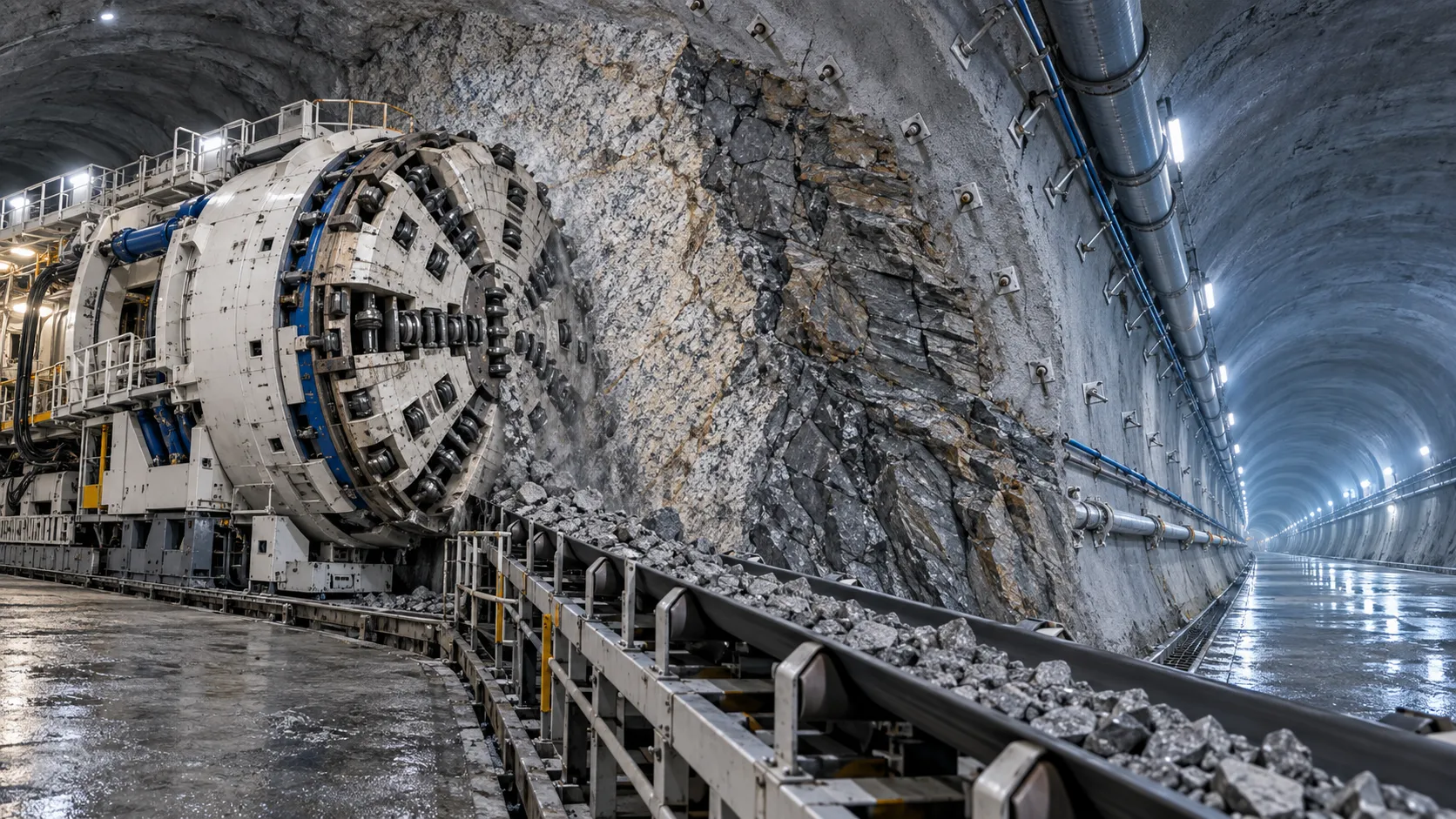
Hydropower Tunnel Excavation: Selecting Methods for Variable Rock Conditions
Hydropower tunnel excavation methods for variable rock conditions: compare TBM, drill-and-blast, and hybrid strategies to improve safety, progress, and project control.
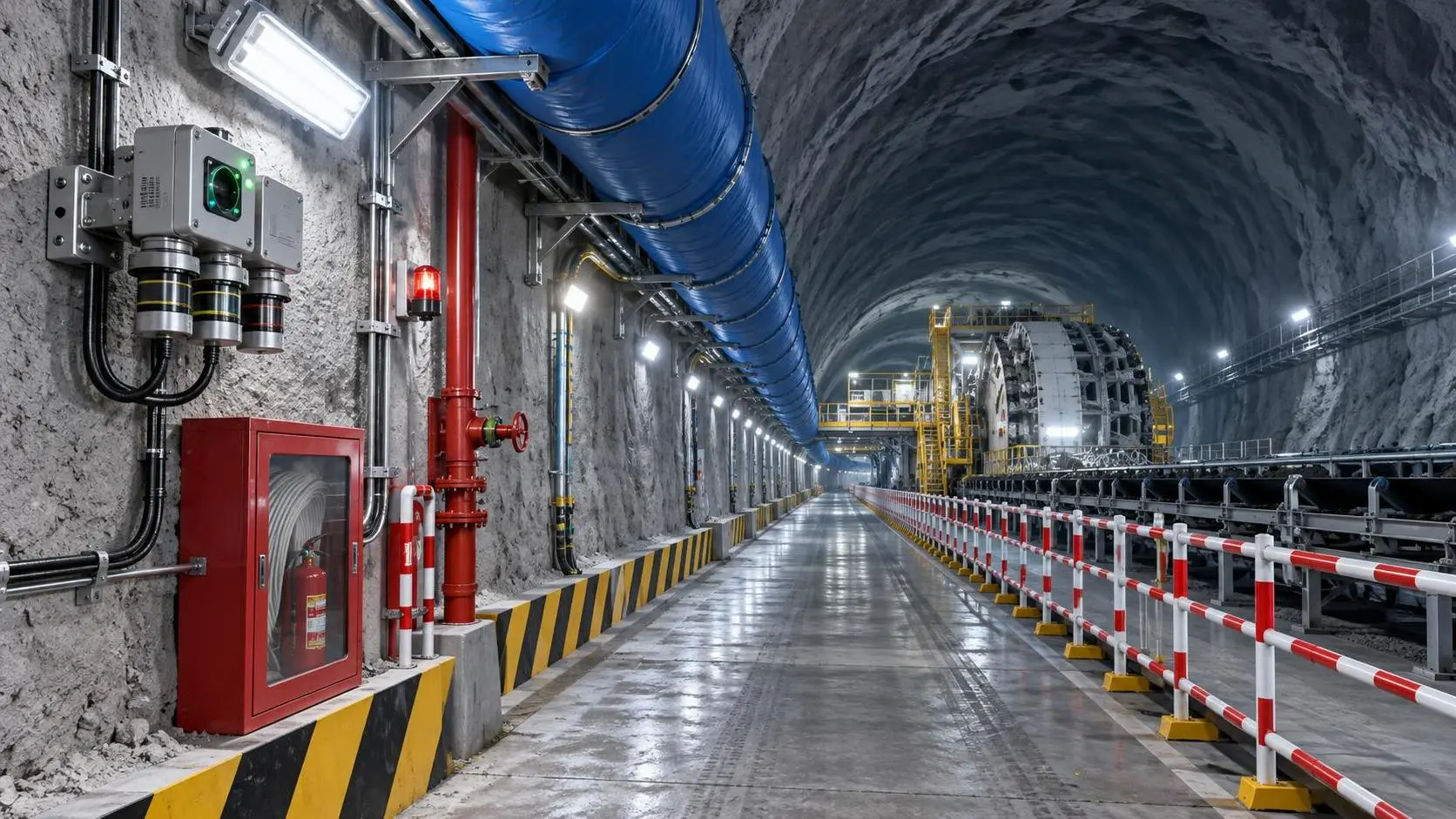
How to Select Underground Safety Equipment for Tunnelling by Hazard and Work Zone
Underground Safety Equipment for tunnelling: match protection to hazards, work zones, compliance, and emergency needs with this practical selection guide.
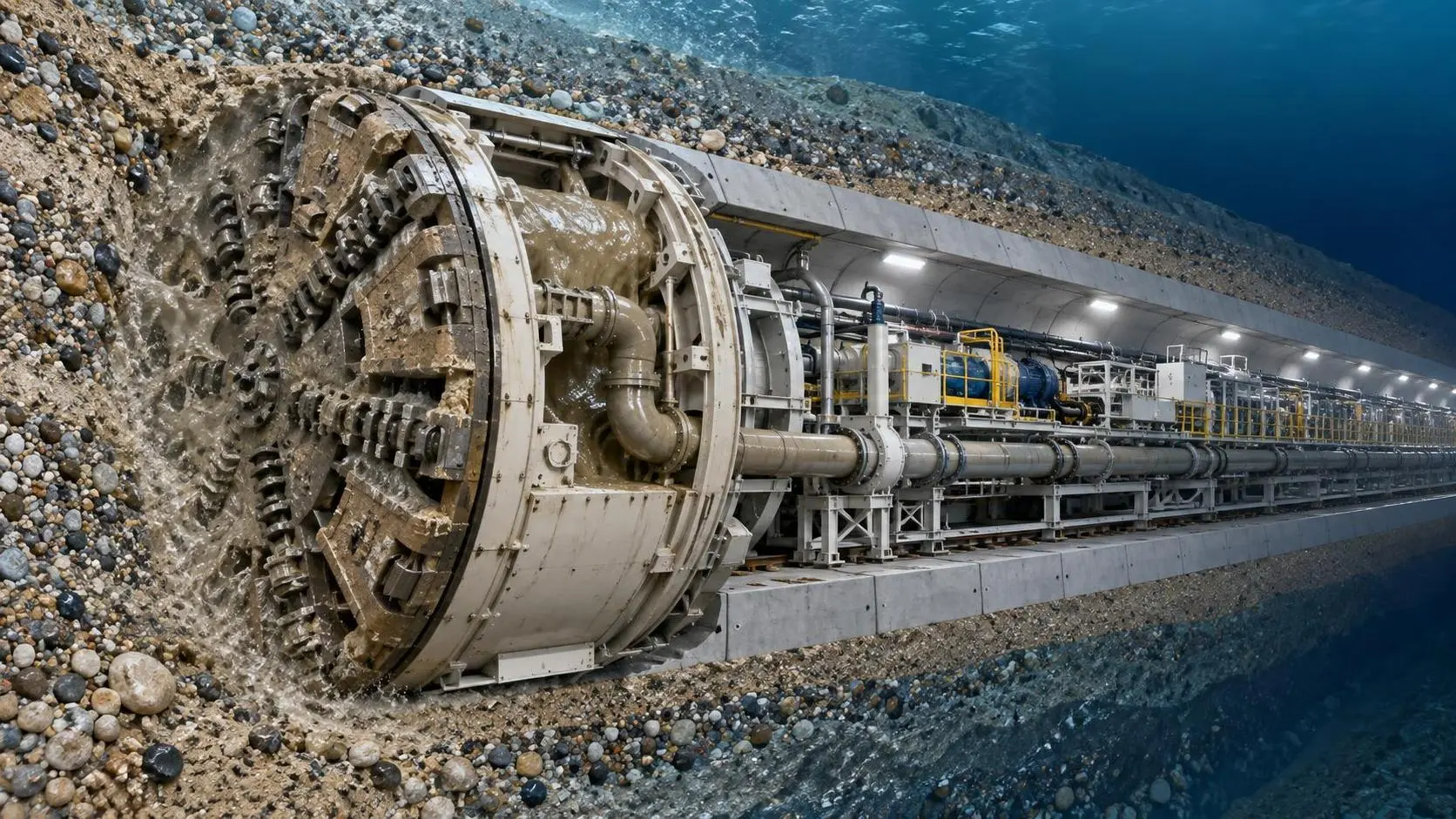
EPB or Slurry Shield? Selecting Soft-Ground Tunnelling Equipment by Soil Conditions
Tunnel Excavation Equipment for soft ground: compare EPB and slurry shields by soil, groundwater, settlement risk, and project logistics to choose confidently.
How to Specify TBM Backup System Parts for Reliable Long-Distance Tunnelling
TBM backup system parts: learn how to specify reliable spares for long-distance tunnelling, reduce downtime, ensure compatibility, and speed underground recovery.
How to Size Open Pit Mining Trucks for Haul Distance, Grade, and Payload?
Open Pit Mining Trucks: learn how to match payload, haul distance, grade, road resistance, and loading capacity for safer, lower-cost mine operations.
Related News
- 00
0000-00
How to Evaluate European Drill-and-Blast Tunnelling Contractors for Complex Projects - 00
0000-00
Which Trenchless Construction Technique Fits Your Utility Crossing Conditions? - 00
0000-00
What Is Driving Metro Tunnelling Demand Across Southeast Asia’s Major Cities? - 00
0000-00
Hard Rock Tunnelling in Australia: Selecting Methods for Variable Ground Conditions - 00
0000-00
Hydropower Tunnel Excavation: Selecting Methods for Variable Rock Conditions
Weekly Insights
Stay ahead with our curated technology reports delivered every Monday.