
Underground Utility Tunnel Construction: Key Design Standards and Cost Drivers





Why is underground utility tunnel construction getting so much attention now?
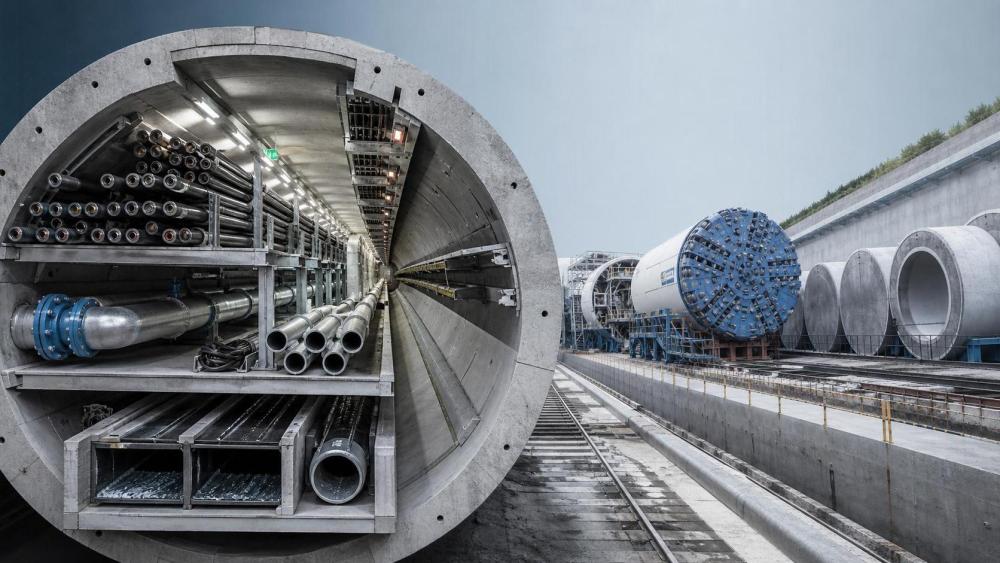
Underground utility tunnel construction has moved from a niche civil topic to a board-level infrastructure question.
The reason is simple.
Cities, industrial parks, ports, and energy hubs want utility networks that stay serviceable under traffic growth, climate stress, and stricter safety rules.
A well-designed tunnel can consolidate power, water, telecom, district cooling, and control systems in one protected corridor.
That reduces repeated road cuts, lowers emergency repair disruption, and improves long-term asset visibility.
In practice, the decision is rarely about excavation alone.
It is about lifecycle risk, maintainability, resilience, and the cost of future upgrades.
This is where underground utility tunnel construction becomes closely linked with trenchless engineering, mechanized boring, and digital asset planning.
UTMD tracks these links closely because tunnel delivery now depends on more than concrete and excavation.
TBM performance, pipe jacking strategy, confined-space electrification, and monitoring systems increasingly shape project outcomes.
So the key question is no longer whether a tunnel can be built.
It is whether the selected design standard and delivery method match the corridor’s service, geology, and operating demands.
What exactly should be defined before a utility tunnel scheme is considered feasible?
Feasibility often fails when the project team defines the structure before defining the service logic.
A stronger starting point is to lock five decisions early.
- Which utilities will enter the tunnel, and which must remain separated for safety or regulatory reasons.
- What access philosophy will govern maintenance, inspection, and emergency isolation.
- How future expansion is handled, including spare capacity, branch connections, and segment replacement access.
- Which construction method suits the corridor, such as cut-and-cover, TBM, or pipe jacking.
- What operating environment is expected, including heat load, humidity, drainage, and fire scenarios.
These choices directly influence tunnel diameter, compartment layout, ventilation, lining specification, and monitoring architecture.
More importantly, they determine whether underground utility tunnel construction will remain manageable after commissioning.
A common mistake is to focus on initial capex while underestimating operational constraints.
For example, insufficient clearance may lower excavation cost at first, yet raise lifetime maintenance cost and safety exposure.
In dense corridors, trenchless options often become attractive because they reduce surface disruption.
However, they also require more disciplined geotechnical modeling and equipment selection.
That is why intelligence on ground behavior, machine suitability, and utility integration matters early, not just during procurement.
Which design standards have the biggest impact on procurement and long-term performance?
When people discuss standards, they often think only about structural codes.
In reality, underground utility tunnel construction is shaped by a wider group of technical requirements.
The most influential standards usually cover structural loading, fire protection, waterproofing, corrosion control, ventilation, electrical separation, egress, and digital monitoring.
The practical effect is significant.
A stricter fire compartment rule may change lining details, cable arrangement, access doors, and smoke extraction capacity.
A tougher groundwater requirement may drive gasket choice, segment tolerance, grouting method, and drainage redundancy.
The table below helps frame the standards that most often affect budget and risk.
In other words, standards do not just protect compliance.
They set the commercial boundaries of the project.
This is also why many owners now rely on cross-sector intelligence, especially where tunnel equipment, ESG pressure, and automation are converging.
Where do the real cost drivers sit in underground utility tunnel construction?
The visible excavation cost is only part of the picture.
The stronger cost drivers usually appear in four layers.
1. Ground conditions and alignment risk
Mixed ground, high water ingress, contaminated soil, or shallow cover can change the entire delivery method.
They also affect cutter wear, jacking force, spoil handling, settlement mitigation, and schedule contingency.
2. Construction method and equipment strategy
Cut-and-cover may look cheaper on paper, yet traffic diversion and utility relocation can overturn that assumption.
TBM and pipe jacking reduce surface disruption, but they demand better machine matching, launch planning, and logistics discipline.
UTMD’s coverage of TBM mechanics and trenchless systems is relevant here because equipment mismatch is a frequent hidden cost source.
3. Internal systems, not just civil works
Ventilation, drainage, cable supports, fire suppression, access control, and instrumentation can account for a surprisingly large budget share.
These systems also drive operating expenditure after handover.
4. Interface management
The more stakeholders involved, the higher the risk of redesign, permit delay, and staged commissioning costs.
In actual projects, interface failure often costs more than concrete quantity changes.
A useful rule is to separate fixed tunnel cost from expandable service cost.
That makes it easier to compare a minimum viable corridor against a future-ready option.
How do you compare TBM, pipe jacking, and open excavation without oversimplifying the choice?
No single method is best in every corridor.
The better question is which method creates the lowest total project friction.
Open excavation suits accessible corridors with manageable traffic impact and shallow depth.
It usually offers simpler utility installation and inspection access during construction.
Pipe jacking is often favored in urban crossings, municipal corridors, and areas where surface disturbance is politically or commercially sensitive.
TBM-based underground utility tunnel construction becomes more compelling as corridor length, depth complexity, and disruption penalties increase.
That said, longer mechanized drives require confidence in geology, spoil logistics, segment supply, and shaft planning.
- Choose open excavation when access is easy and reinstatement risk is acceptable.
- Choose pipe jacking when alignment control and low surface impact matter more than walk-through tunnel volume.
- Choose TBM when corridor scale, continuity, and long-term resilience justify higher upfront planning depth.
The best comparisons include external cost, not only construction cost.
Traffic disruption, business interruption, utility outage exposure, and environmental constraints can change the final ranking quickly.
What mistakes tend to inflate budget or delay delivery?
Several patterns repeat across underground utility tunnel construction projects.
They are avoidable, but only if identified early.
- Overbuilding the tunnel section without clear utility growth logic.
- Underinvesting in geotechnical investigation, especially at shafts, crossings, and groundwater interfaces.
- Treating fire safety and maintenance access as late-stage detailing issues.
- Selecting equipment by price alone, without checking wear behavior, launch constraints, and support systems.
- Ignoring digital monitoring requirements until operations teams raise concerns.
More advanced owners also ask one extra question.
Will the tunnel still perform under future electrification, denser cable loads, and smarter remote inspection routines?
That question reflects a broader industry shift.
UTMD’s analysis of zero-emission underground systems and automation trends shows that infrastructure corridors are being judged more by adaptability than by static design life alone.
What should be reviewed before moving into procurement or final approval?
Before procurement begins, the smartest move is to test the project against a short decision filter.
If any item remains vague, the budget will usually absorb the ambiguity later.
- Confirm the utility mix, segregation rules, and spare capacity assumptions.
- Check whether chosen standards align with local approvals and operating practice.
- Benchmark construction method against geology, disruption cost, and corridor length.
- Separate capex, interface risk allowance, and lifecycle maintenance cost.
- Define monitoring, safety, and access requirements before issuing technical packages.
Underground utility tunnel construction rewards disciplined scope definition more than aggressive early cost cutting.
Projects that perform well over decades usually start with realistic service planning, rigorous ground data, and construction methods matched to corridor constraints.
If the next step is evaluation, begin by mapping utility demand, design standards, and disruption cost on the same decision sheet.
That creates a clearer basis for comparing alternatives, refining budget ranges, and identifying where specialist tunnel intelligence is most valuable.
Related News
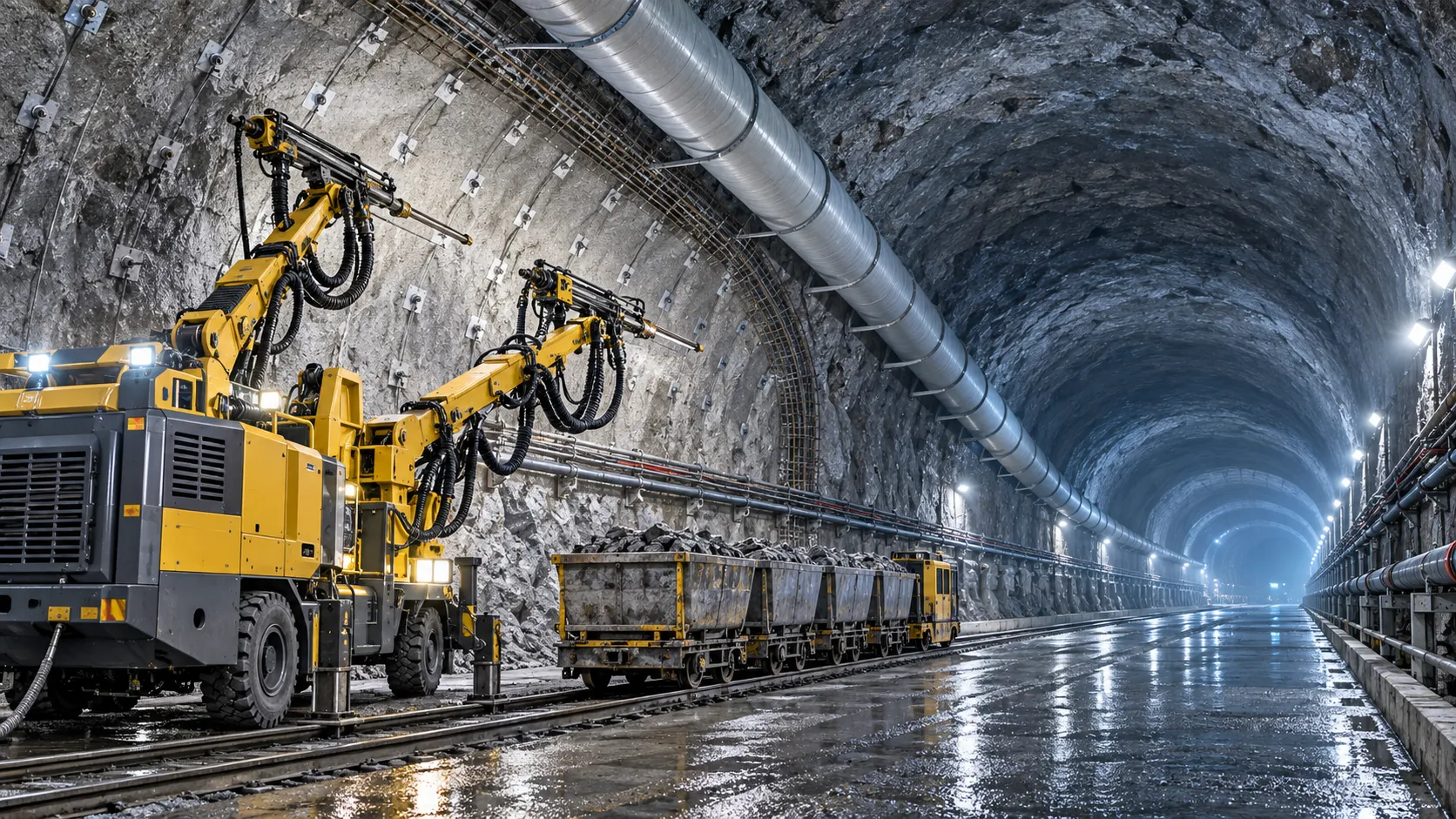
How to Evaluate European Drill-and-Blast Tunnelling Contractors for Complex Projects
Drill and blast tunnelling contractors Europe: learn how to assess geology expertise, blast control, equipment reliability, safety, and programme resilience for complex projects.
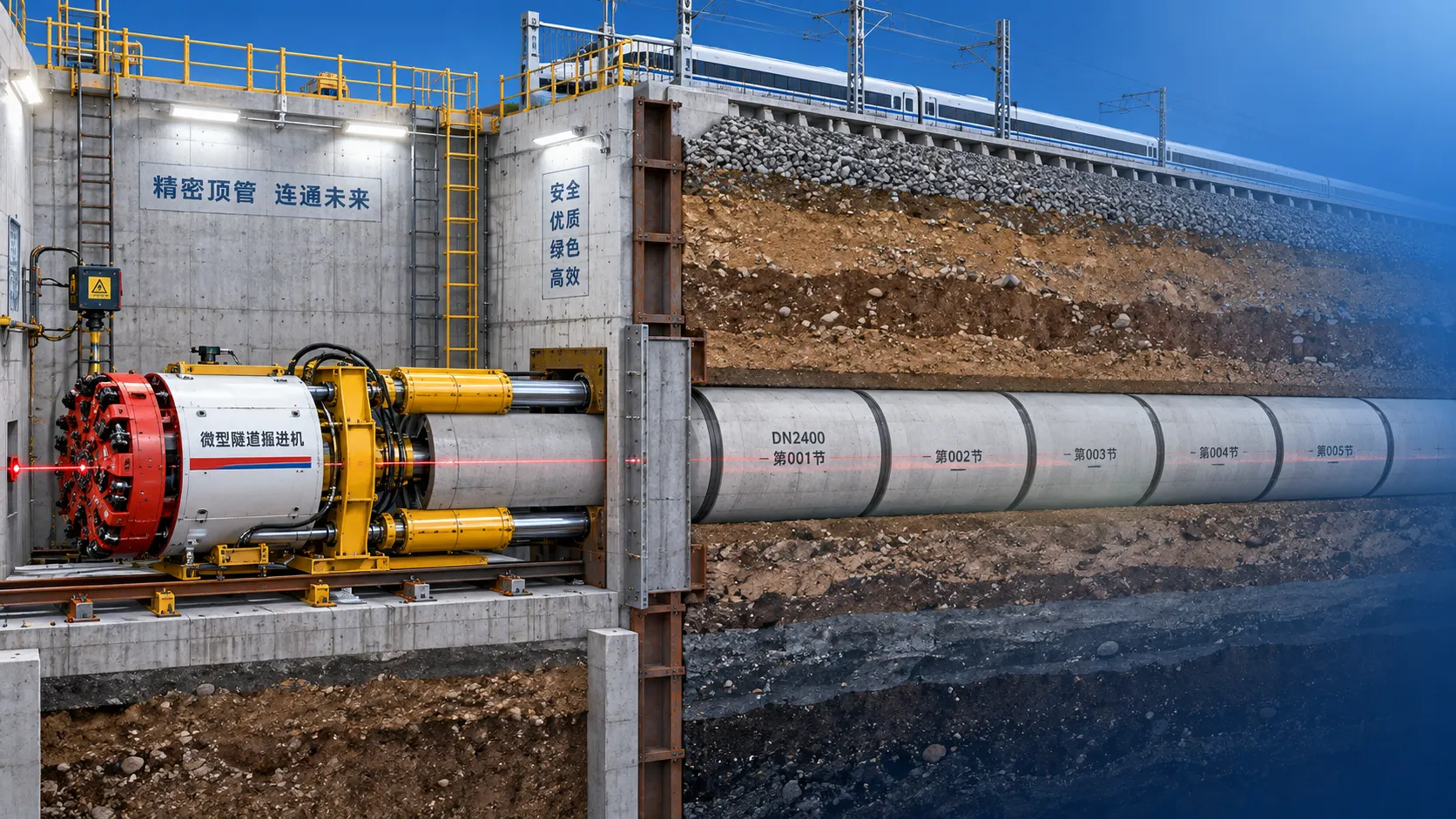
Which Trenchless Construction Technique Fits Your Utility Crossing Conditions?
Trenchless construction techniques compared for utility crossings: choose HDD, microtunnelling, pipe jacking, or auger boring based on ground, accuracy, access, and risk.
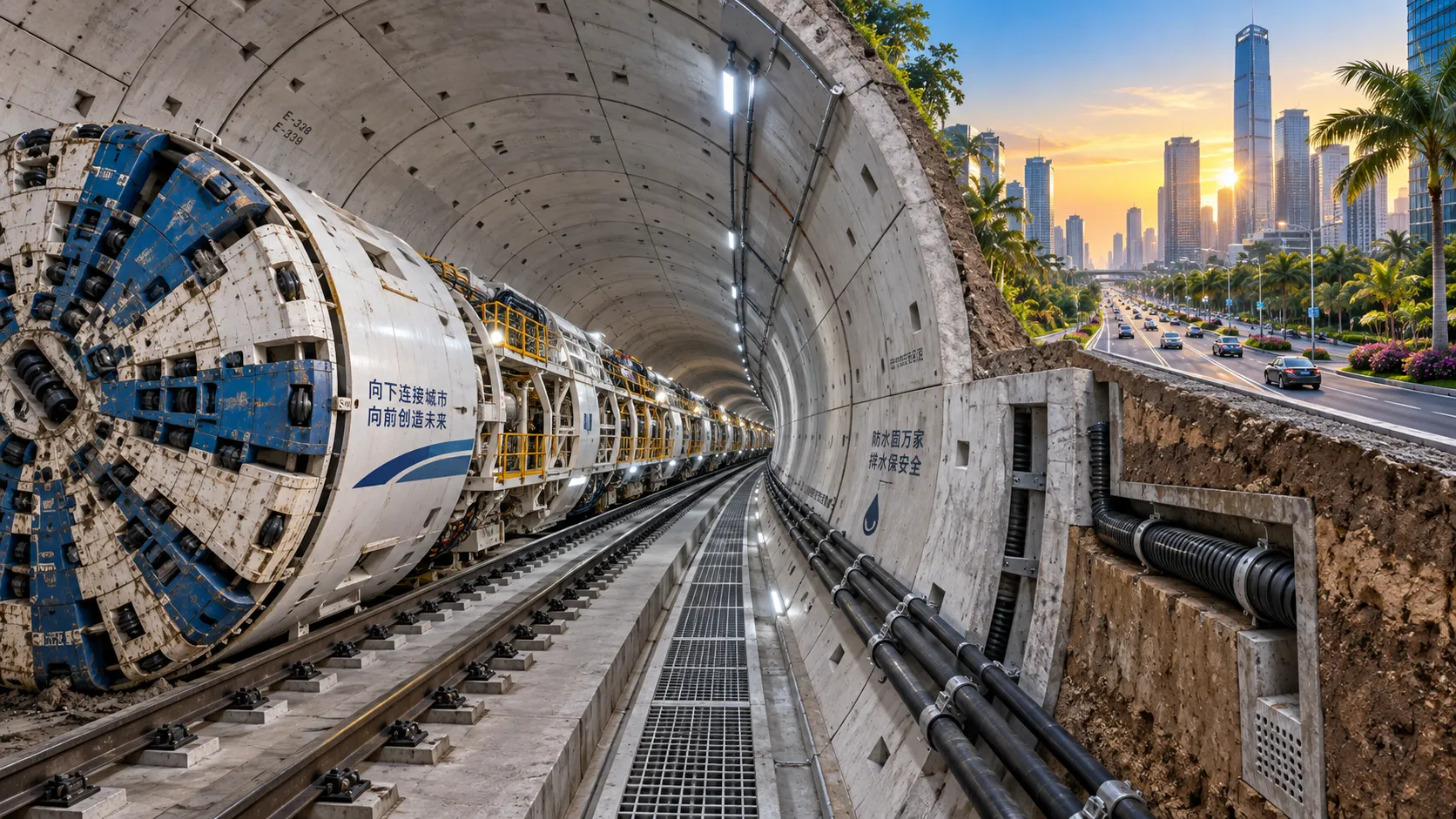
What Is Driving Metro Tunnelling Demand Across Southeast Asia’s Major Cities?
Metro tunnelling Southeast Asia is accelerating as major cities tackle congestion, flooding, and connectivity. Explore the market forces, technical risks, and opportunities shaping demand.
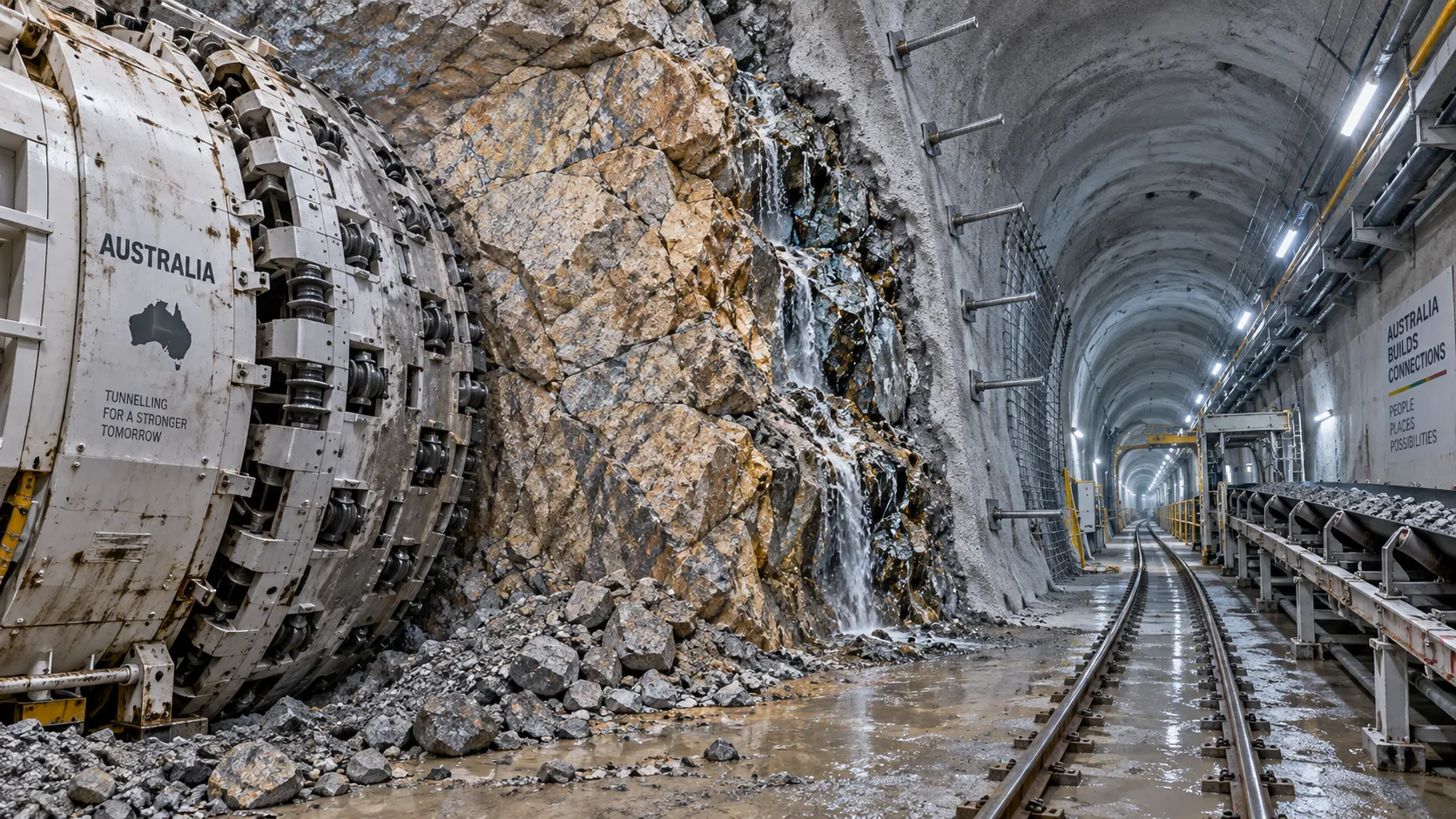
Hard Rock Tunnelling in Australia: Selecting Methods for Variable Ground Conditions
Hard rock tunnelling in Australia: compare TBM, drill-and-blast and hybrid methods to manage variable ground, reduce risk and protect project costs.
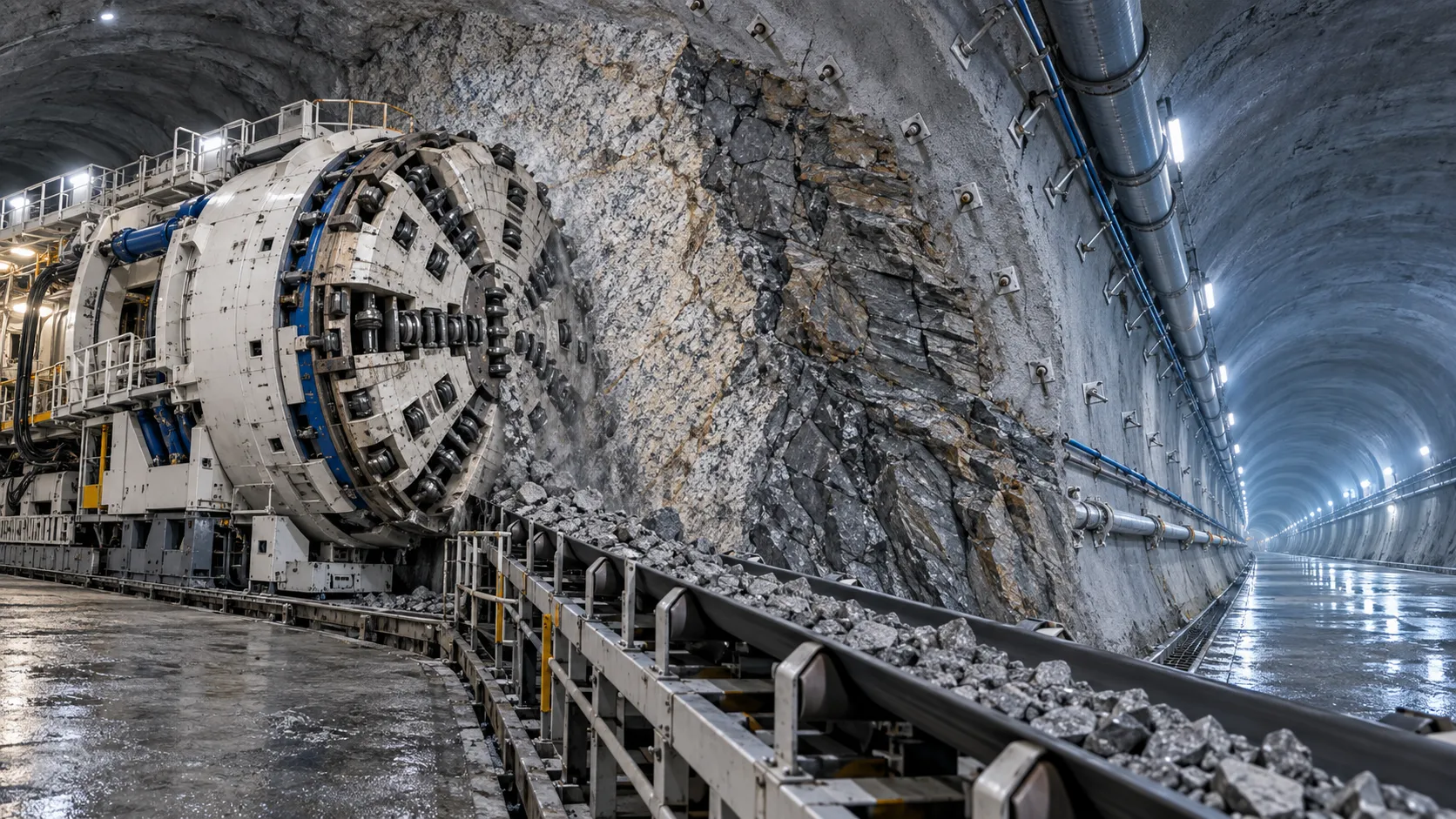
Hydropower Tunnel Excavation: Selecting Methods for Variable Rock Conditions
Hydropower tunnel excavation methods for variable rock conditions: compare TBM, drill-and-blast, and hybrid strategies to improve safety, progress, and project control.
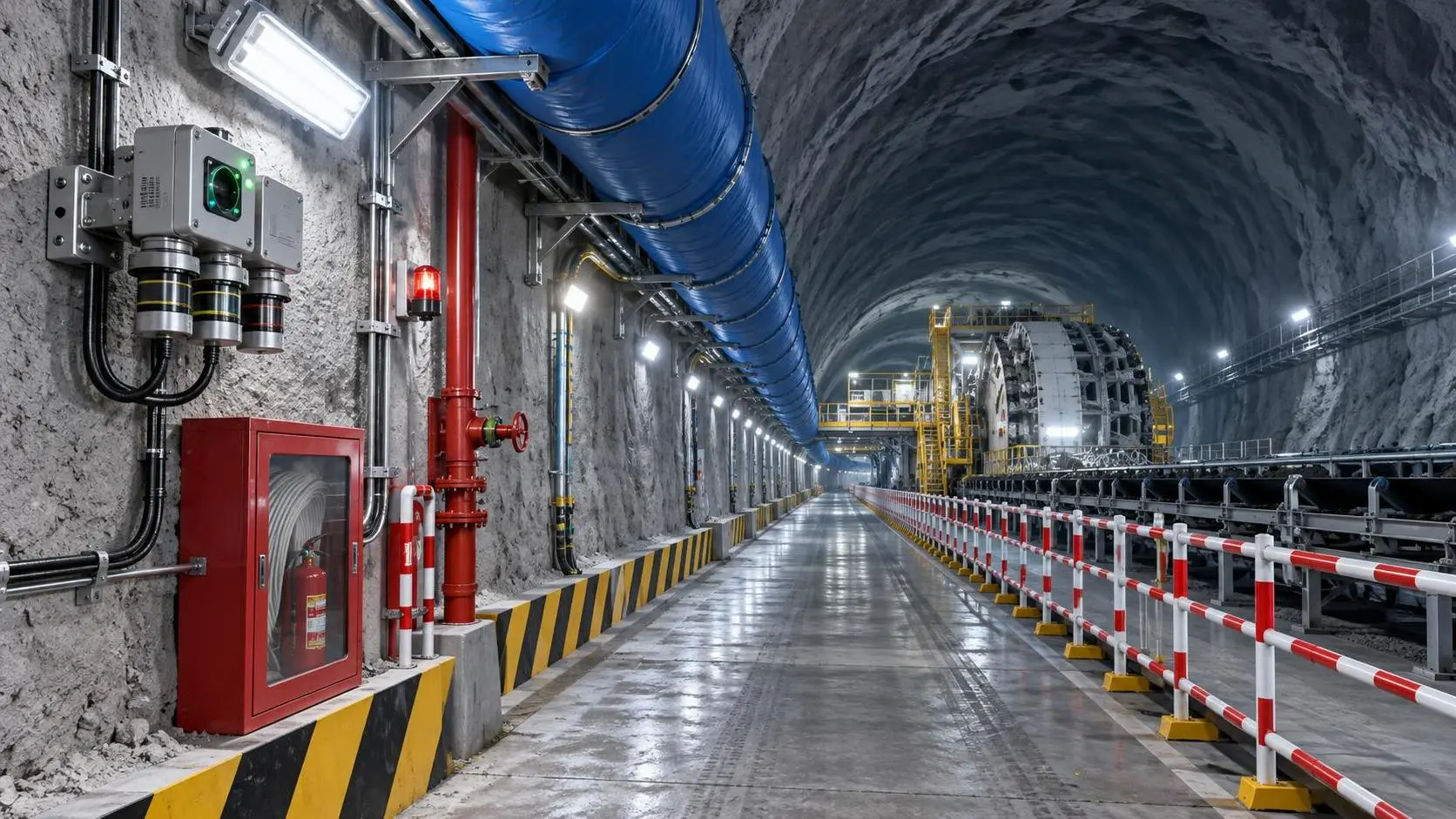
How to Select Underground Safety Equipment for Tunnelling by Hazard and Work Zone
Underground Safety Equipment for tunnelling: match protection to hazards, work zones, compliance, and emergency needs with this practical selection guide.
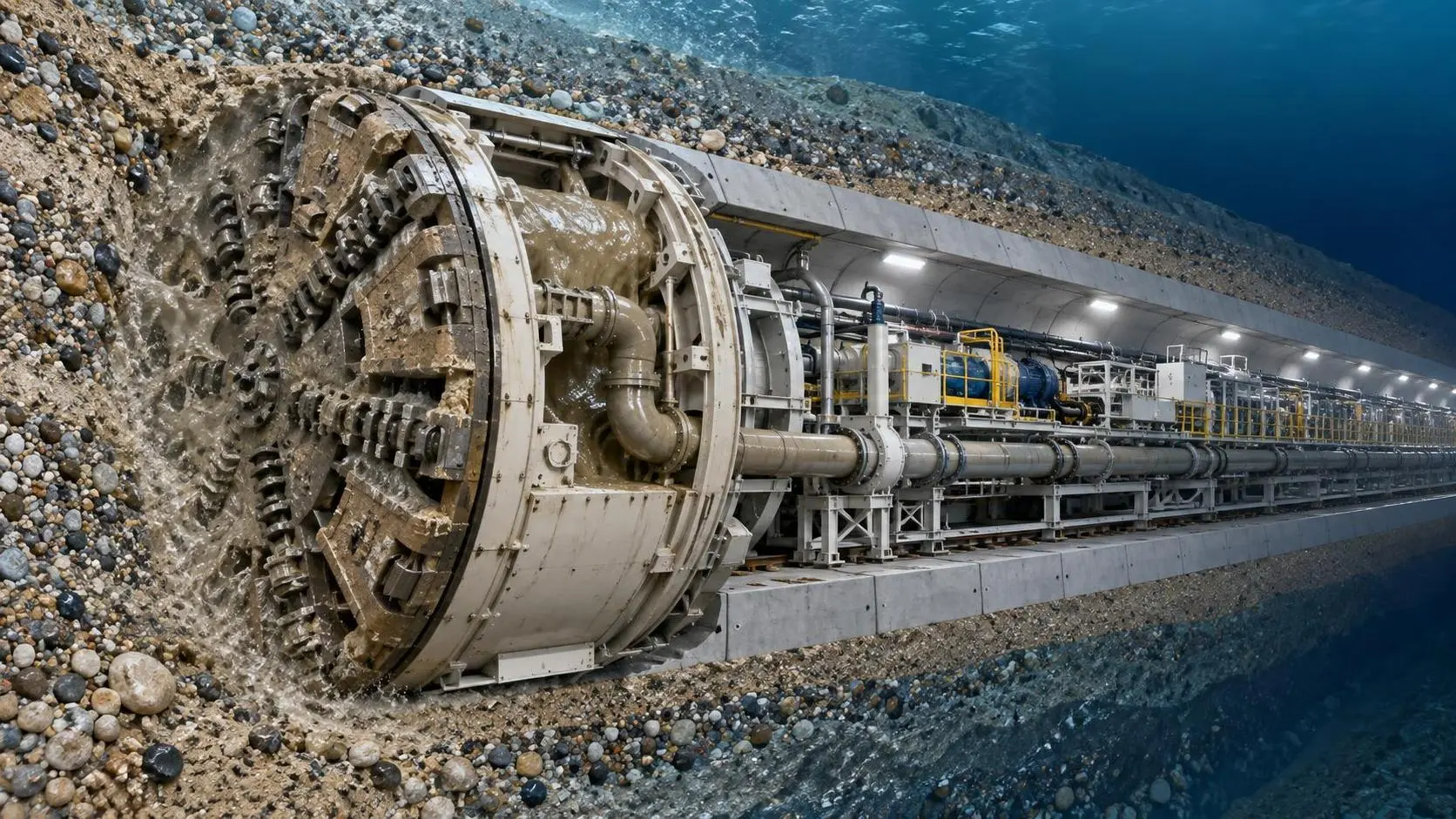
EPB or Slurry Shield? Selecting Soft-Ground Tunnelling Equipment by Soil Conditions
Tunnel Excavation Equipment for soft ground: compare EPB and slurry shields by soil, groundwater, settlement risk, and project logistics to choose confidently.
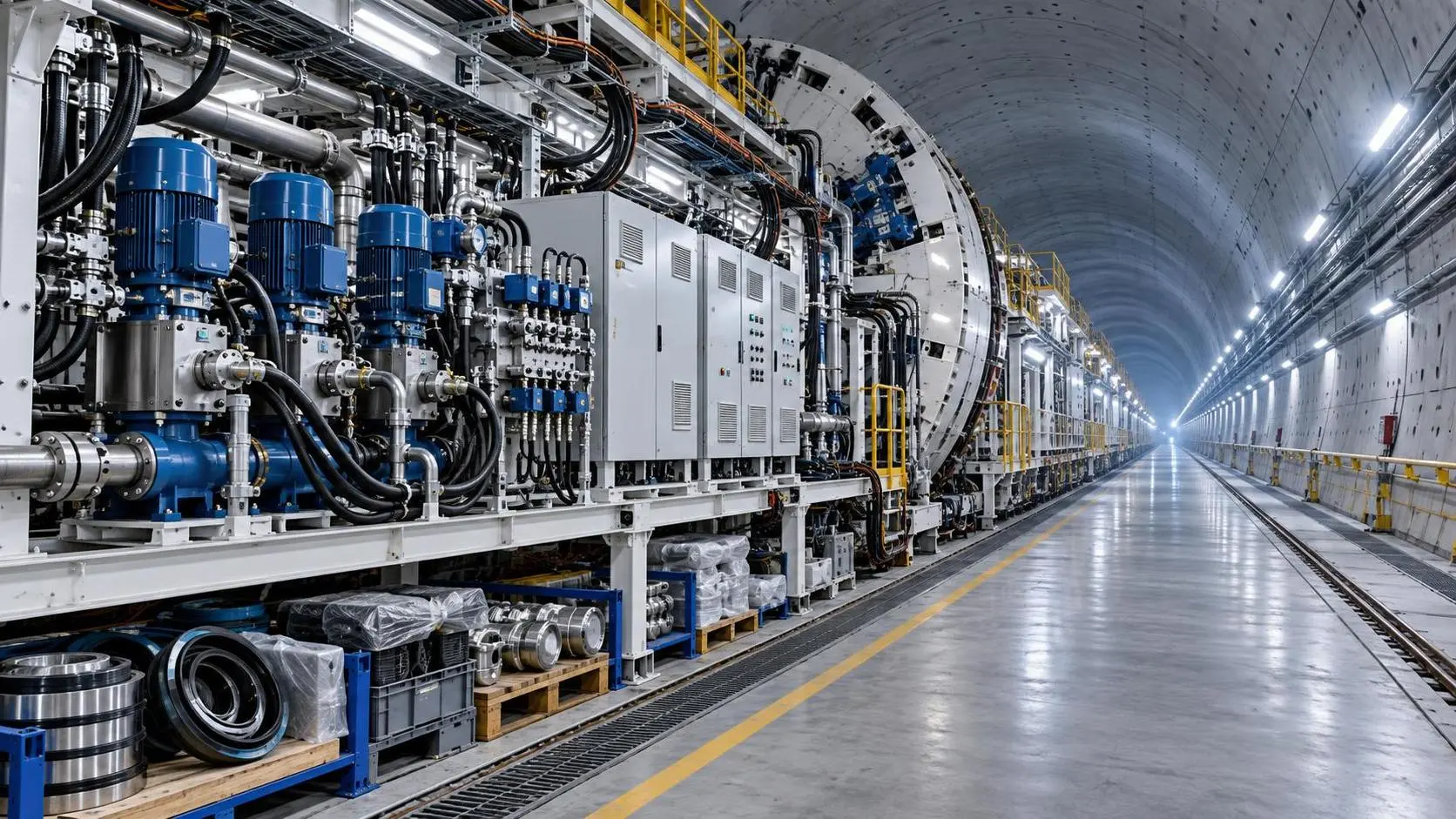
How to Specify TBM Backup System Parts for Reliable Long-Distance Tunnelling
TBM backup system parts: learn how to specify reliable spares for long-distance tunnelling, reduce downtime, ensure compatibility, and speed underground recovery.
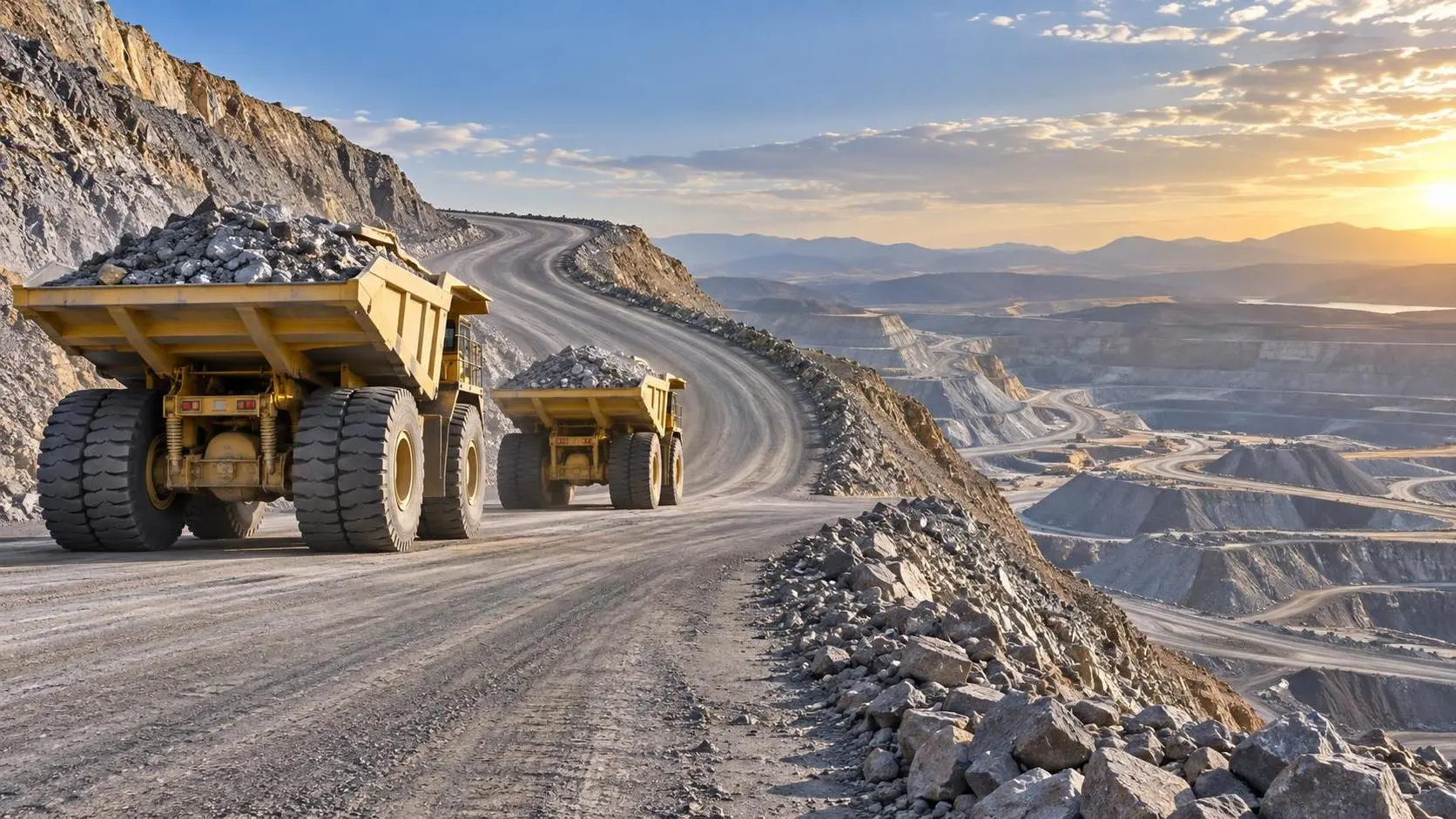
How to Size Open Pit Mining Trucks for Haul Distance, Grade, and Payload?
Open Pit Mining Trucks: learn how to match payload, haul distance, grade, road resistance, and loading capacity for safer, lower-cost mine operations.
Related News
- 00
0000-00
How to Evaluate European Drill-and-Blast Tunnelling Contractors for Complex Projects - 00
0000-00
Which Trenchless Construction Technique Fits Your Utility Crossing Conditions? - 00
0000-00
What Is Driving Metro Tunnelling Demand Across Southeast Asia’s Major Cities? - 00
0000-00
Hard Rock Tunnelling in Australia: Selecting Methods for Variable Ground Conditions - 00
0000-00
Hydropower Tunnel Excavation: Selecting Methods for Variable Rock Conditions
Weekly Insights
Stay ahead with our curated technology reports delivered every Monday.