
Underground Mine Automation in Canada: Key Systems, Use Cases, and ROI Factors





Why underground mine automation Canada is moving from pilot to production
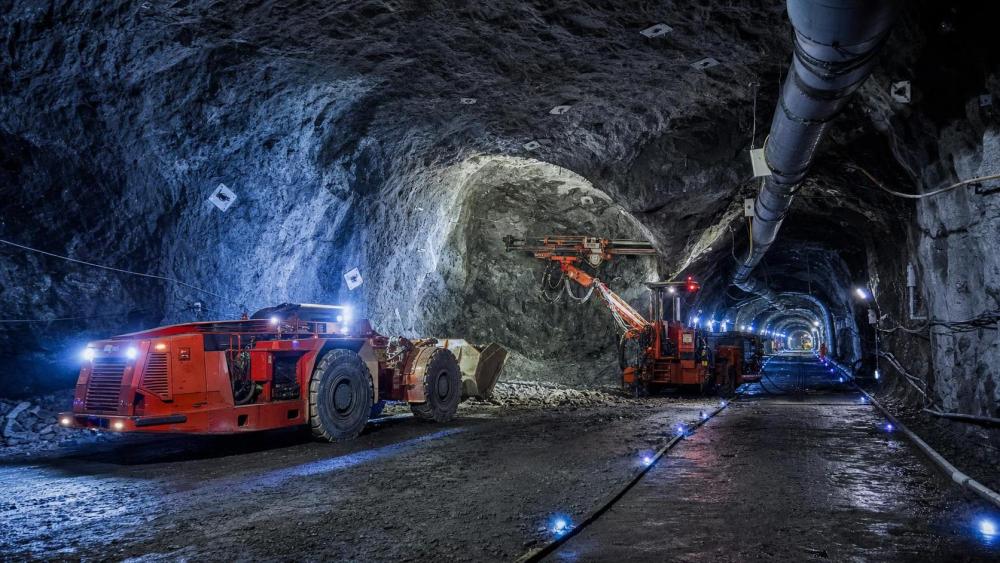
Underground mine automation Canada is no longer a side project tied to innovation budgets.
It is becoming a practical operating model for deeper orebodies, tighter ventilation limits, and stricter emission expectations.
In Canadian underground mines, automation usually starts where visibility is poor, cycle consistency matters, and people exposure is hardest to reduce.
That is why autonomous LHDs, tele-remote drilling jumbos, smart haulage dispatch, and ventilation-on-demand often advance together.
The logic is operational, not theoretical.
When mines push farther underground, every unplanned stop creates a chain reaction across mucking, hauling, development, and shift changes.
UTMD tracks this wider transition across underground engineering, from TBM intelligence to zero-emission mining transport systems.
That broader view matters because underground mine automation Canada is rarely just a machine purchase.
It is a systems decision involving rock conditions, communications, traffic logic, power availability, and digital control maturity.
Actual site conditions change the automation priority
Different Canadian mine layouts create different automation needs, even when the fleet looks similar on paper.
A high-throughput ramp mine usually values traffic coordination and haul cycle optimization first.
A narrow-vein operation may care more about precise navigation, selective loading, and reduced wall damage.
Deep mines with heat and diesel constraints often prioritize battery-electric equipment, remote operation, and ventilation-on-demand.
Development headings bring another pattern.
There, automation value depends on drilling accuracy, re-entry timing after blasting, and the ability to keep the face advancing safely.
This is where lessons from UTMD's coverage of drilling jumbos, rock-cutting mechanics, and underground transport become useful.
The best underground mine automation Canada strategies start with the bottleneck that most often limits tonnes, development meters, or safe access.
Where automation delivers first in production stopes and haulage drifts
Production stopes usually show the clearest short-term value for underground mine automation Canada.
The reason is simple: loading and hauling are repetitive, measurable, and exposed to shift variability.
Autonomous or tele-remote LHDs can continue mucking from drawpoints while limiting worker exposure in unsupported or recently blasted zones.
In practical use, the key question is not whether the loader can run autonomously.
The real question is whether ore passes, crusher availability, and traffic intersections allow continuous cycles.
A smart loader in a poorly coordinated haul network will still spend time waiting.
For ramp haulage, automation often adds value through dispatch logic, collision avoidance, and zone-based right-of-way control.
Battery-electric haulage can strengthen the case, especially where ventilation power is expensive or diesel heat loads are difficult to manage.
In these settings, underground mine automation Canada becomes tightly linked to energy strategy, not only labor reduction.
What usually matters most in production automation
- Intersection control and mixed-traffic rules between manual and autonomous vehicles.
- Reliable positioning in GPS-denied drifts, often using SLAM or infrastructure-assisted navigation.
- Loader bucket fill consistency, tramming speed, and queue time at ore passes.
- Ventilation savings when diesel equipment is removed or run less frequently.
- Remote supervision coverage during shift changes, blasting windows, and re-entry delays.
Development headings need a different automation logic
Development faces are less repetitive than stope haulage, so the automation case should be judged differently.
Here, drilling jumbos and bolters create value when they improve pattern accuracy, reduce overbreak, and shorten the time between rounds.
Semi-autonomous functions often matter more than full autonomy.
Automated boom positioning, digital drill plans, and remote diagnostics can outperform a rushed push toward driverless operation.
This is especially true in variable geology, where rock mass behavior changes the drilling response from one heading to the next.
Canadian mines dealing with hard rock development usually need automation that supports precision and repeatability first.
That aligns with UTMD's focus on rock interaction, machine reliability, and asset utilization under harsh underground conditions.
Different underground mine automation Canada scenarios do not use the same scorecard
Comparing projects with one generic ROI model often leads to weak decisions.
A short comparison table makes the differences easier to see.
This is why underground mine automation Canada should be assessed by operating context, not by technology labels alone.
ROI is broader than labor reduction
A common mistake is to frame underground mine automation Canada only as a headcount equation.
In reality, the strongest returns often come from several smaller gains that compound over time.
Cycle regularity can stabilize downstream crushing and hoisting.
Remote operation can recover productive time during shift changes and after blasts.
Electrified automated fleets can lower ventilation demand and reduce maintenance tied to diesel systems.
Data quality also improves planning.
When equipment reports location, delay codes, payload trends, and machine health consistently, planners can find hidden constraints faster.
That matters in underground mines where one unstable production zone can distort the weekly schedule.
For this reason, underground mine automation Canada ROI should usually include five lines of analysis:
- Recovered operating hours.
- Ventilation and energy savings.
- Reduced damage, rework, or unplanned maintenance.
- Safer access to high-risk zones.
- Longer-term value from production and maintenance data.
Where projects are often misread before rollout
The first misread is assuming similar mines need the same automation package.
Orebody geometry, ramp gradients, drift widths, and blasting routines can change the answer quickly.
The second misread is focusing on machine capability while underestimating communications resilience underground.
Autonomy depends on network coverage, latency control, and clean handoffs between active zones.
Another weak point is implementation sequencing.
Some sites buy autonomous equipment before standardizing traffic rules, maintenance workflows, or digital mapping.
That usually delays benefits and creates frustration around a technology that may actually be suitable.
Underground mine automation Canada works best when rollout follows process discipline, not just equipment availability.
A practical path for selecting the right underground automation stack
A more reliable approach is to start from the operating constraint that costs the most time or creates the most exposure.
Then match automation depth to site readiness.
In practical terms, that often means phasing the decision.
- Map the critical production chain from face to dump point.
- Check where delays come from: people exposure, ventilation, traffic conflict, or drill accuracy.
- Confirm digital prerequisites such as mapping quality, wireless coverage, and fleet data integration.
- Pilot in one repeatable zone with measurable cycle data.
- Expand only after maintenance, supervision, and control-room routines are proven.
This staged method fits the way UTMD interprets underground equipment transitions.
Automation succeeds when rock mechanics, machine behavior, energy systems, and operational discipline are evaluated together.
For underground mine automation Canada, the next useful step is usually not a broad shopping list.
It is a site-by-site review of bottlenecks, infrastructure limits, and the specific ROI drivers that will hold up over several mine planning cycles.
Related News
Tunnel Boring Machine Costs: Budgeting for Purchase, Operation, and Project Risk
Tunnel Boring Machines cost more than purchase price. Learn how to budget lifecycle costs, downtime, logistics, wear, and project risk for smarter TBM decisions.
Open-Pit Haulage Cost Analysis: How Mine Managers Can Cut Cost per Tonne
Open pit haulage cost analysis: discover practical ways to reduce cost per tonne through payload control, cycle-time optimization, road performance, and smarter fleet decisions.
Tunnel Construction Innovations That Reduce Risk and Schedule Delays on Urban Projects
Tunnel construction innovation for urban projects: discover smarter TBMs, real-time monitoring, trenchless methods, and automation that reduce risk and protect schedules.
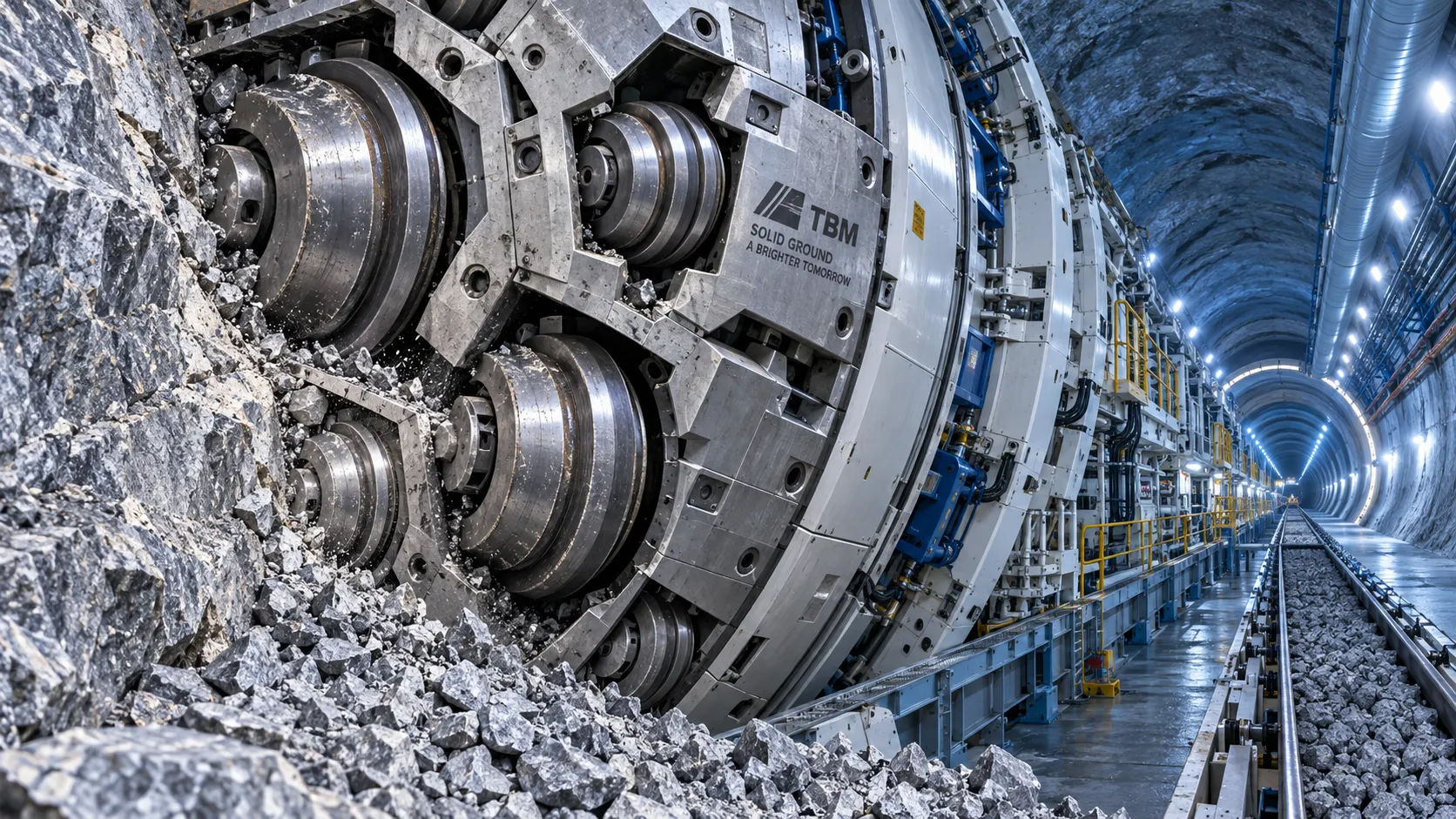
TBM Disc Cutter Design: Key Geometry and Load Factors for Hard Rock Tunnelling
TBM disc cutter design explained: explore geometry, spacing, load distribution and maintenance factors for reliable, efficient hard-rock tunnelling performance.
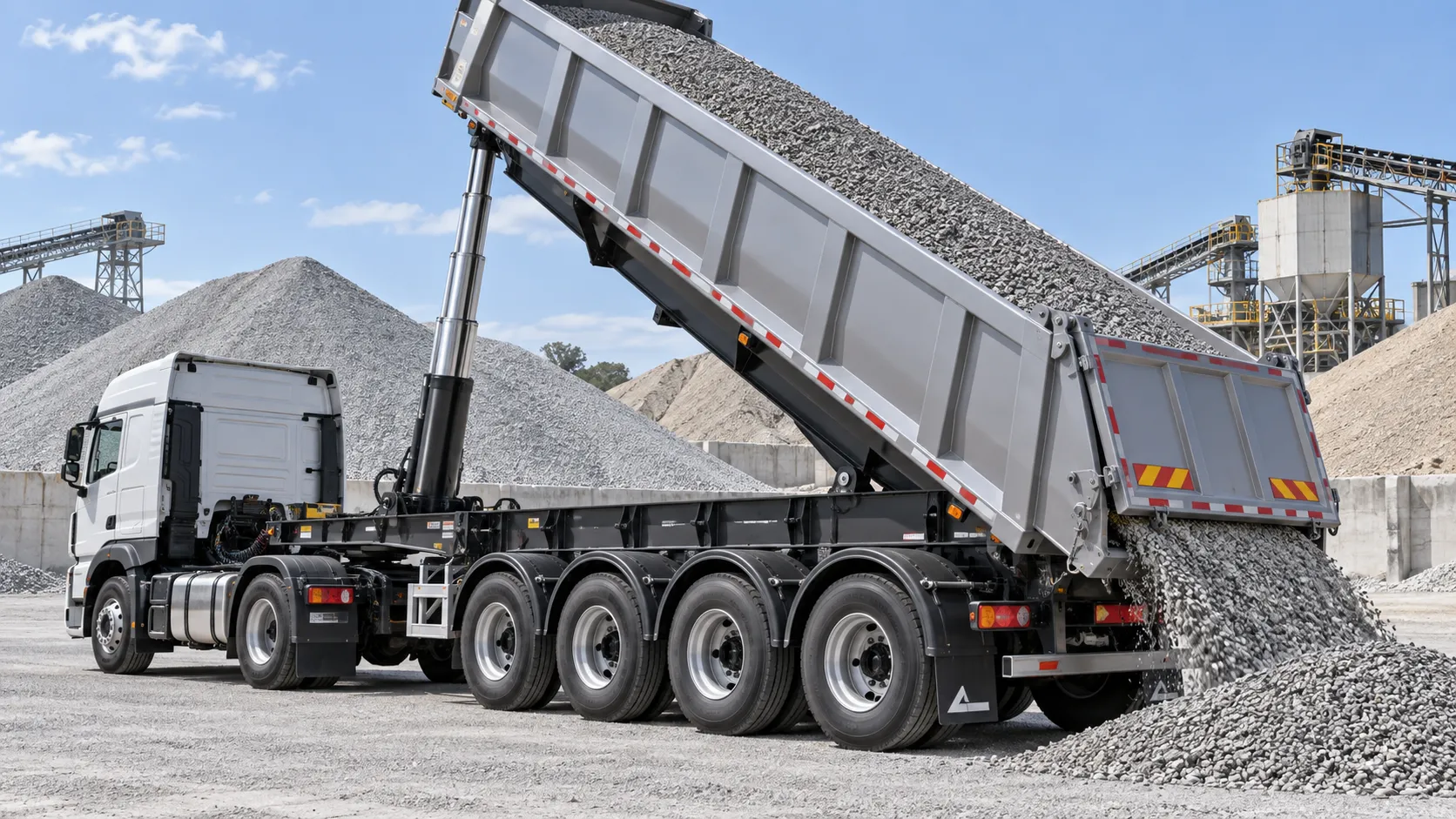
Hydraulic Tipping Stability Risks in Multi-Axle Dump Special Trailers
Dump special trailers: discover key hydraulic tipping stability risks, multi-axle load dynamics, and practical safety controls for safer, smarter bulk hauling.
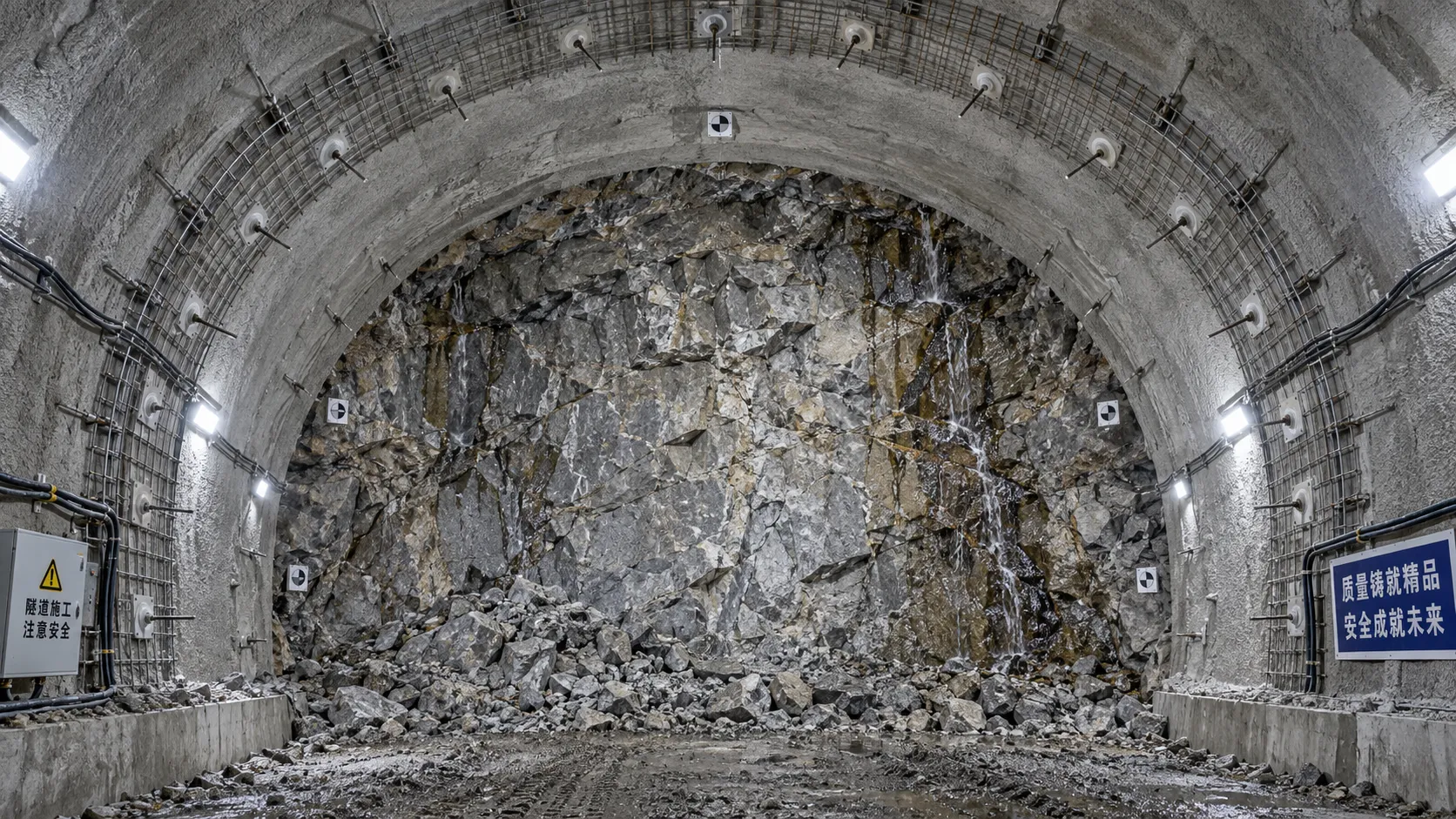
When rock reinforcement in tunnel construction must change after blasting
Rock reinforcement in tunnel construction must change when blasting reveals overbreak, weak joints, water inflow, or deformation. Discover key post-blast support decisions.
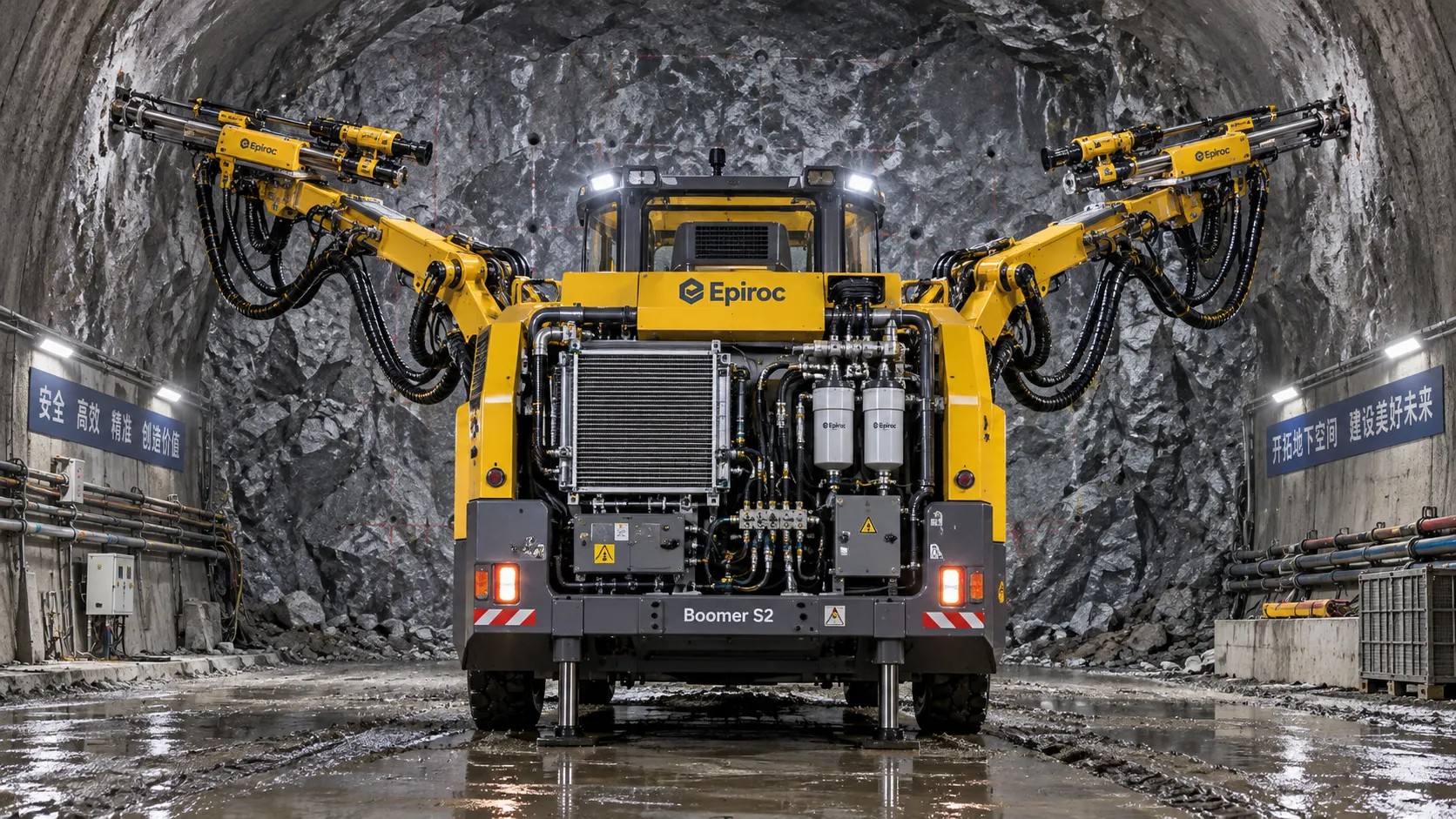
How tunnel hydraulic systems influence drill jumbo uptime underground
Tunnel hydraulic systems directly influence drill jumbo uptime. Explore how stable pressure, clean oil, cooling, and maintainable design reduce underground downtime.
What to verify before appointing a tunneling vehicles manufacturer
Choosing a tunneling vehicles manufacturer? Verify application fit, reliability, compliance, parts support, training, and channel terms before appointing a partner.
Selecting K9 Ductile Iron Pipe for Buried Water Pipeline Conditions
K9 ductile iron pipe selection for buried water pipelines: compare pressure duty, joints, soil loads, corrosion protection, and installation controls for reliable long-term performance.
Related News
- 00
0000-00
Tunnel Boring Machine Costs: Budgeting for Purchase, Operation, and Project Risk - 00
0000-00
Open-Pit Haulage Cost Analysis: How Mine Managers Can Cut Cost per Tonne - 00
0000-00
Tunnel Construction Innovations That Reduce Risk and Schedule Delays on Urban Projects - 00
0000-00
TBM Disc Cutter Design: Key Geometry and Load Factors for Hard Rock Tunnelling - 00
0000-00
Hydraulic Tipping Stability Risks in Multi-Axle Dump Special Trailers
Weekly Insights
Stay ahead with our curated technology reports delivered every Monday.