
Tunnel Engineering Methods Compared: TBM, Drill and Blast, or Pipe Jacking?





In Tunnel Engineering, the choice between TBM, drill and blast, or pipe jacking is rarely a technical detail. It shapes schedule certainty, community impact, ventilation needs, spoil handling, and long-term cost exposure.
That decision matters even more now. Urban corridors are tighter, ESG expectations are sharper, and large underground projects are expected to deliver productivity without compromising safety or surface life.
A useful comparison starts with context rather than preference. Geology, tunnel diameter, alignment length, access constraints, settlement tolerance, and asset purpose usually decide the winning method before procurement begins.
Why method selection now carries more strategic weight
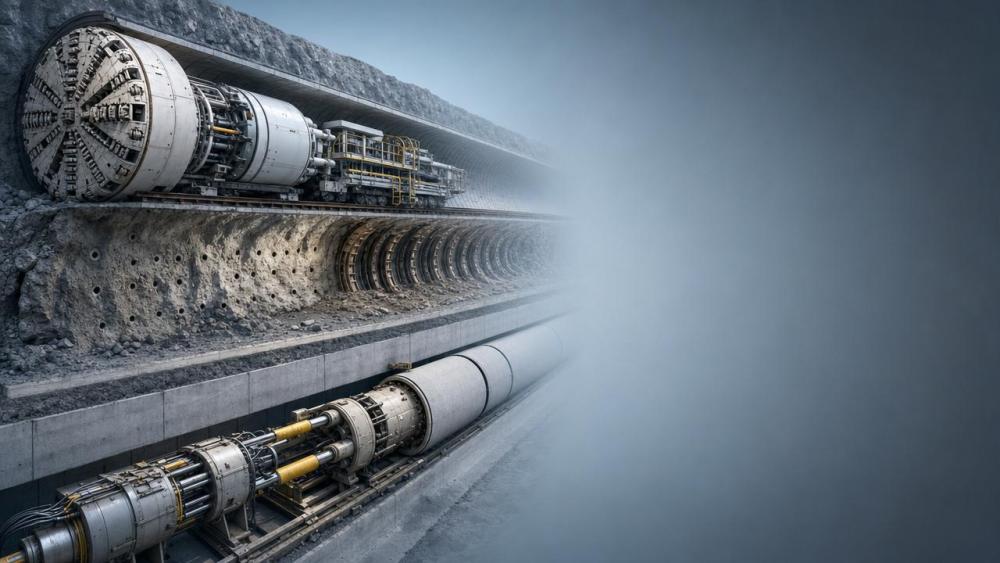
Across transport, utilities, mining, and municipal works, underground construction has become more interconnected. Tunnel Engineering now sits between infrastructure delivery, digital equipment management, energy efficiency, and public acceptance.
This is also where market intelligence becomes practical. UTMD tracks full-face TBMs, trenchless systems, drilling jumbos, and smart underground equipment because the boundaries between excavation, logistics, and automation are narrowing.
A method that looks cheaper at tender stage can become costly when cutter wear, blasting windows, settlement controls, ventilation, or urban traffic disruption are added into the real delivery picture.
For that reason, Tunnel Engineering decisions are increasingly judged by total project performance, not by excavation speed alone.
Three methods, three very different operating logics
TBM, drill and blast, and pipe jacking all create underground pathways, but they do so with different assumptions about rock behavior, space access, and acceptable disturbance.
TBM: continuous excavation for long, repeatable drives
A tunnel boring machine is strongest when the alignment is long, the section is consistent, and surface disruption must stay controlled. It combines cutting, muck removal, guidance, and often lining installation in one system.
In major Tunnel Engineering programs, TBMs offer predictable advance rates once commissioning stabilizes. They also support strong data capture, which helps manage penetration rate, cutter consumption, torque, and segment quality.
Drill and blast: flexibility in variable or hard ground
Drill and blast remains highly relevant where geology changes quickly, tunnel shapes vary, or rock strength pushes machine economics too far. It works through repeated cycles of drilling, charging, blasting, ventilation, scaling, and support.
Its core advantage is adaptability. Cross passages, caverns, mines, and short mountain tunnels often benefit from this method because crews can react to local conditions without redesigning an entire mechanized system.
Pipe jacking: trenchless precision in urban corridors
Pipe jacking is designed for minimally invasive installation of pipelines and small municipal tunnels. Instead of opening the surface, it pushes prefabricated pipes from one shaft to another while excavation proceeds at the face.
In dense cities, this Tunnel Engineering method protects roads, utilities, businesses, and public movement. It is especially attractive where open-cut construction would trigger major disruption or social resistance.
Where each method creates the most value
A direct comparison becomes clearer when viewed through delivery conditions rather than equipment labels.
The value case for TBM usually improves with tunnel length and repetition. The value case for drill and blast improves with uncertainty and geometry freedom. Pipe jacking creates value where the surface is too expensive to disturb.
Key decision factors that often change the answer
Method selection in Tunnel Engineering often turns on a few variables that seem secondary at first, but become decisive during execution.
- Ground variability: mixed face conditions can erode TBM productivity or complicate pipe jacking steering.
- Length and diameter: long, uniform tunnels favor mechanization, while shorter works may not justify large mobilization cost.
- Urban sensitivity: vibration, noise, settlement, and traffic disruption often eliminate blast-based options.
- Access logistics: shafts, spoil routes, power supply, and segment handling may support one method and undermine another.
- Safety environment: confined spaces, emissions, ventilation demand, and emergency egress planning affect both equipment choice and work cycles.
In practice, these factors interact. A technically viable method can still be commercially weak if it creates difficult interfaces with utilities, community approvals, or supply chain lead times.
Industry shifts influencing Tunnel Engineering choices
The comparison is also changing because equipment ecosystems are changing. TBMs are becoming more instrumented. Trenchless systems are becoming more accurate. Underground logistics are becoming cleaner and more autonomous.
UTMD’s sector view is useful here because excavation cannot be separated from the rest of the underground chain. Cutter wear models, digital guidance, battery-electric haulage, and remote operation now affect project outcomes earlier than before.
For example, zero-emission expectations in confined spaces are changing how teams think about supporting fleets. In mining and deep tunnels, loaders, trucks, and drilling systems increasingly influence ventilation design and operating cost.
That means Tunnel Engineering is no longer only about excavation method. It is also about how the method connects with digital control, asset utilization, ESG pressure, and long-term operating resilience.
A practical way to compare options before commitment
A useful evaluation framework should stay simple enough to guide decisions, but detailed enough to catch hidden risk.
Start with the alignment and ground model
If the route is long, repetitive, and geotechnically well defined, TBM analysis deserves priority. If the tunnel geometry changes often, drill and blast may stay more robust.
Test the surface impact threshold
When settlement tolerance is tight or city movement cannot stop, pipe jacking and TBM options usually deserve stronger weighting than open disturbance or repetitive blasting cycles.
Model full-system productivity
Compare not only cutting speed, but also shaft construction, muck handling, support installation, downtime, ventilation, consumables, and crew interfaces. This is where many early assumptions fail.
Treat risk registers as design inputs
Groundwater, abrasive rock, utility conflicts, and equipment lead times should influence the method decision early, not appear later as “unexpected” delivery issues.
What a balanced decision usually looks like
In broad terms, TBM is often the strongest answer for long, high-volume civil tunnels where repeatability and control justify heavy upfront investment.
Drill and blast remains the more agile answer for difficult rock, complex profiles, and projects where flexibility outweighs continuous automation.
Pipe jacking is usually the most defensible answer for smaller underground corridors in built-up areas where surface continuity has real economic and political value.
The strongest Tunnel Engineering decisions do not ask which method is best in general. They ask which method best fits the ground, the corridor, the risk appetite, and the project’s long operational horizon.
A sensible next step is to build a comparison matrix around geology, diameter, alignment length, urban sensitivity, equipment ecosystem, and emissions constraints. That creates a clearer basis for method screening, procurement strategy, and delivery planning.
Related News
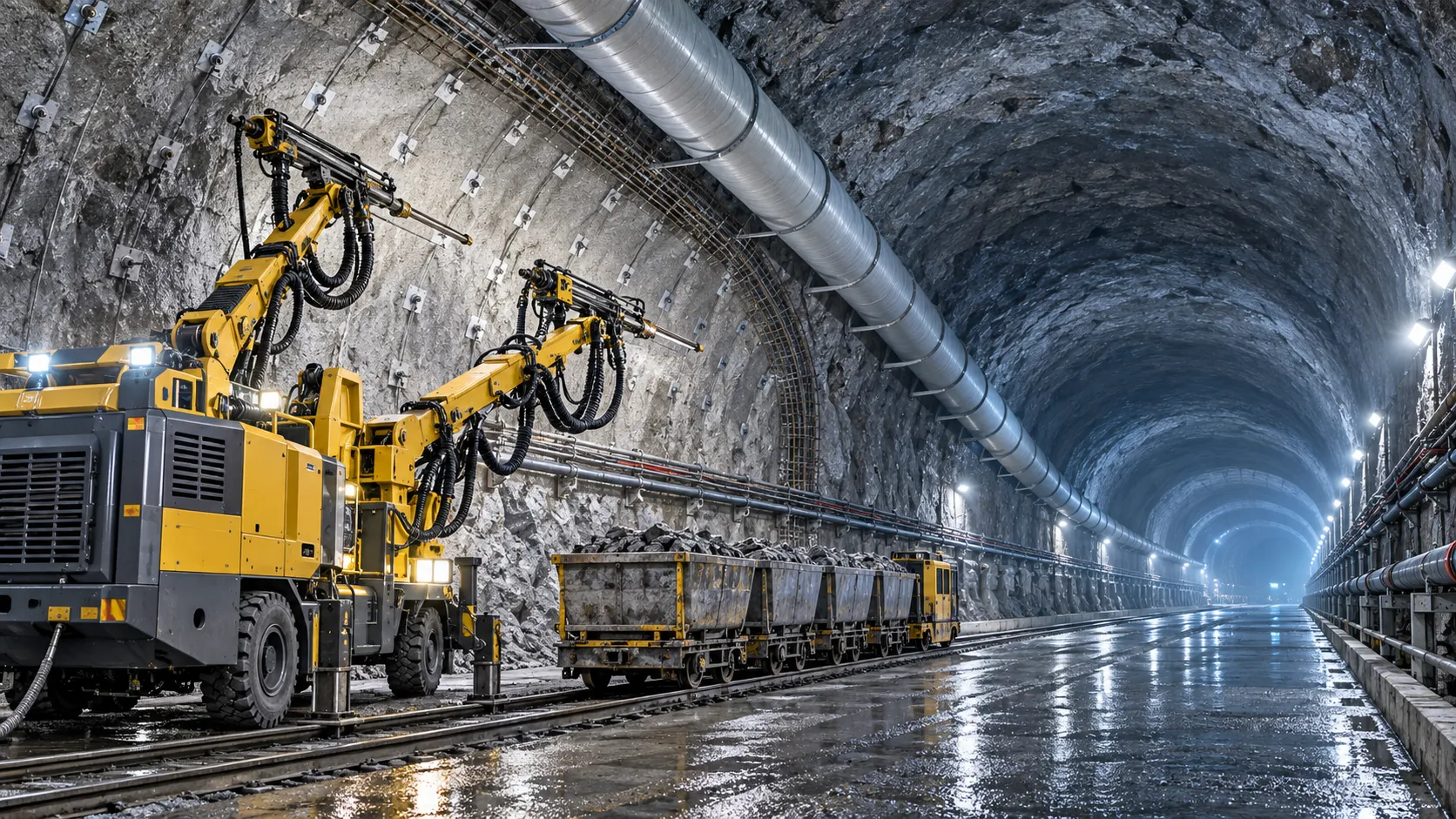
How to Evaluate European Drill-and-Blast Tunnelling Contractors for Complex Projects
Drill and blast tunnelling contractors Europe: learn how to assess geology expertise, blast control, equipment reliability, safety, and programme resilience for complex projects.
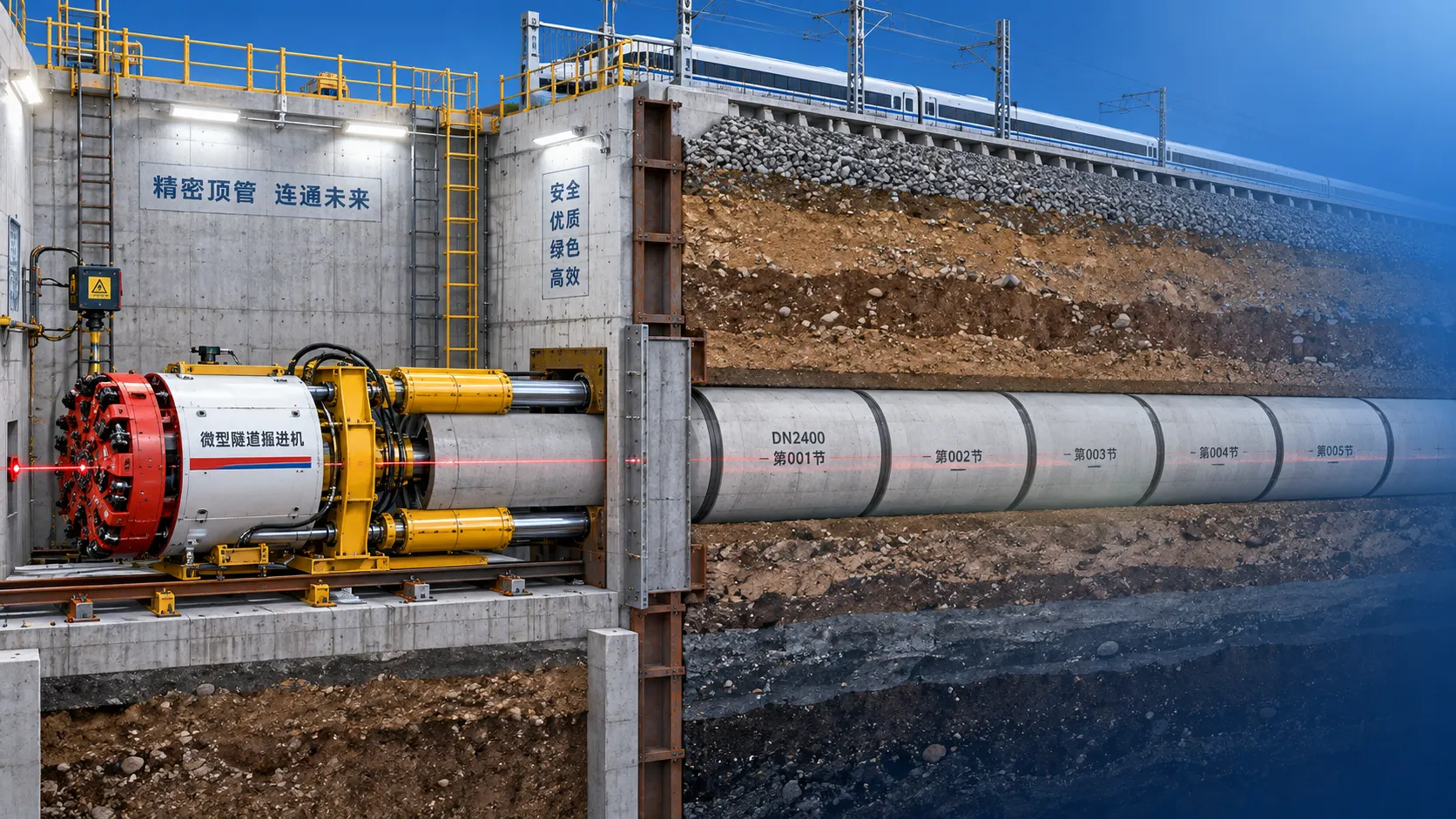
Which Trenchless Construction Technique Fits Your Utility Crossing Conditions?
Trenchless construction techniques compared for utility crossings: choose HDD, microtunnelling, pipe jacking, or auger boring based on ground, accuracy, access, and risk.
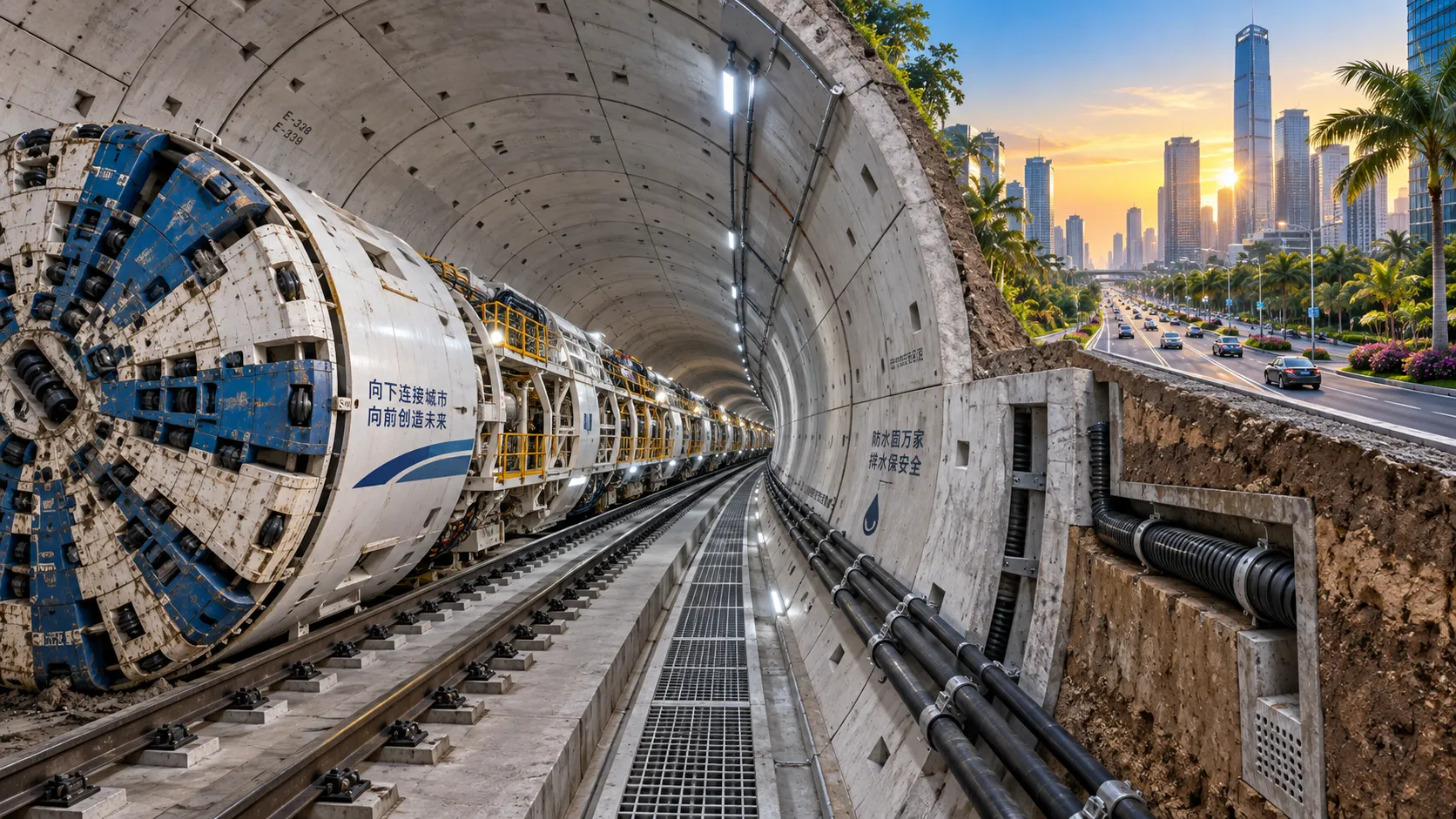
What Is Driving Metro Tunnelling Demand Across Southeast Asia’s Major Cities?
Metro tunnelling Southeast Asia is accelerating as major cities tackle congestion, flooding, and connectivity. Explore the market forces, technical risks, and opportunities shaping demand.
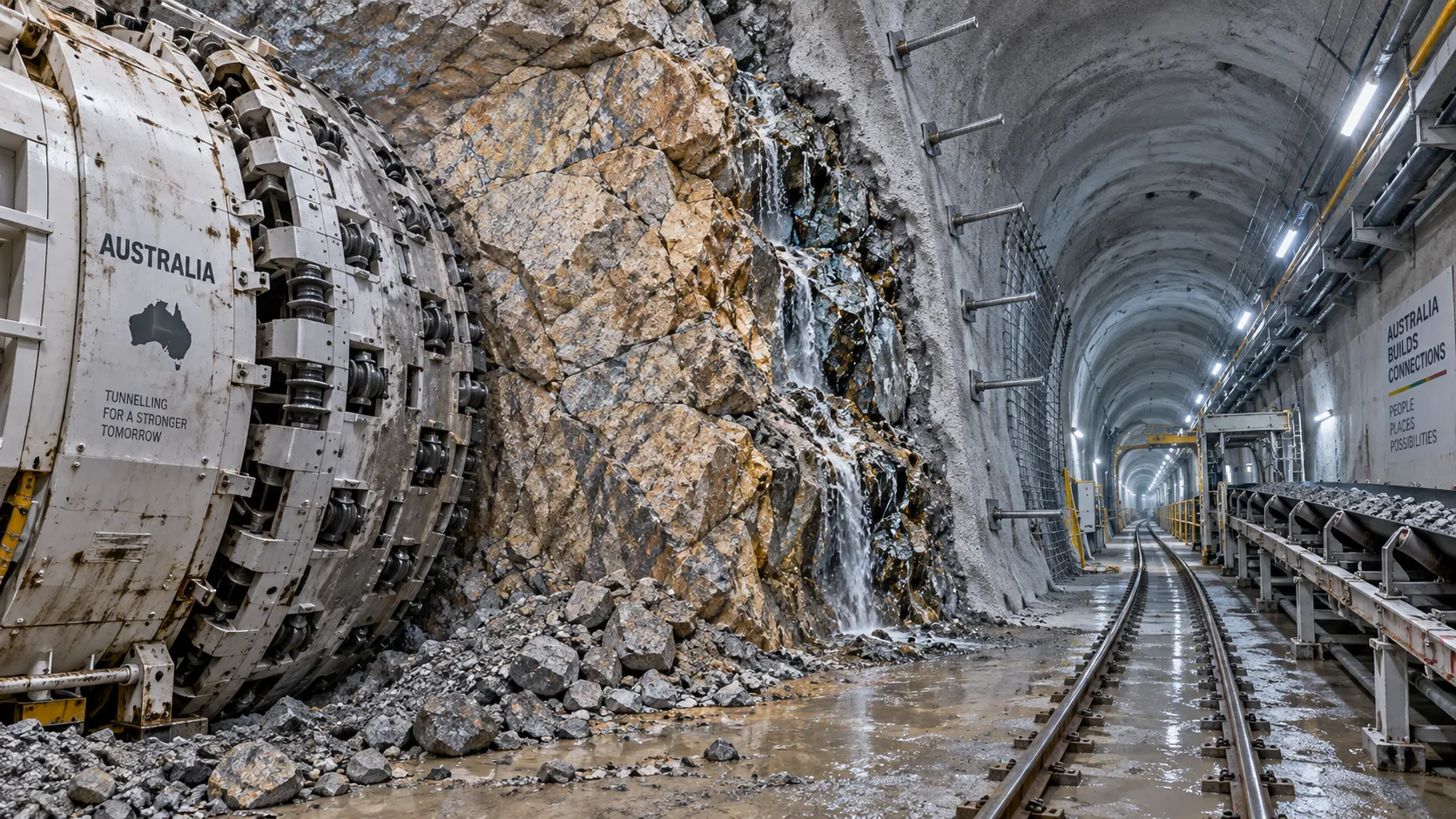
Hard Rock Tunnelling in Australia: Selecting Methods for Variable Ground Conditions
Hard rock tunnelling in Australia: compare TBM, drill-and-blast and hybrid methods to manage variable ground, reduce risk and protect project costs.
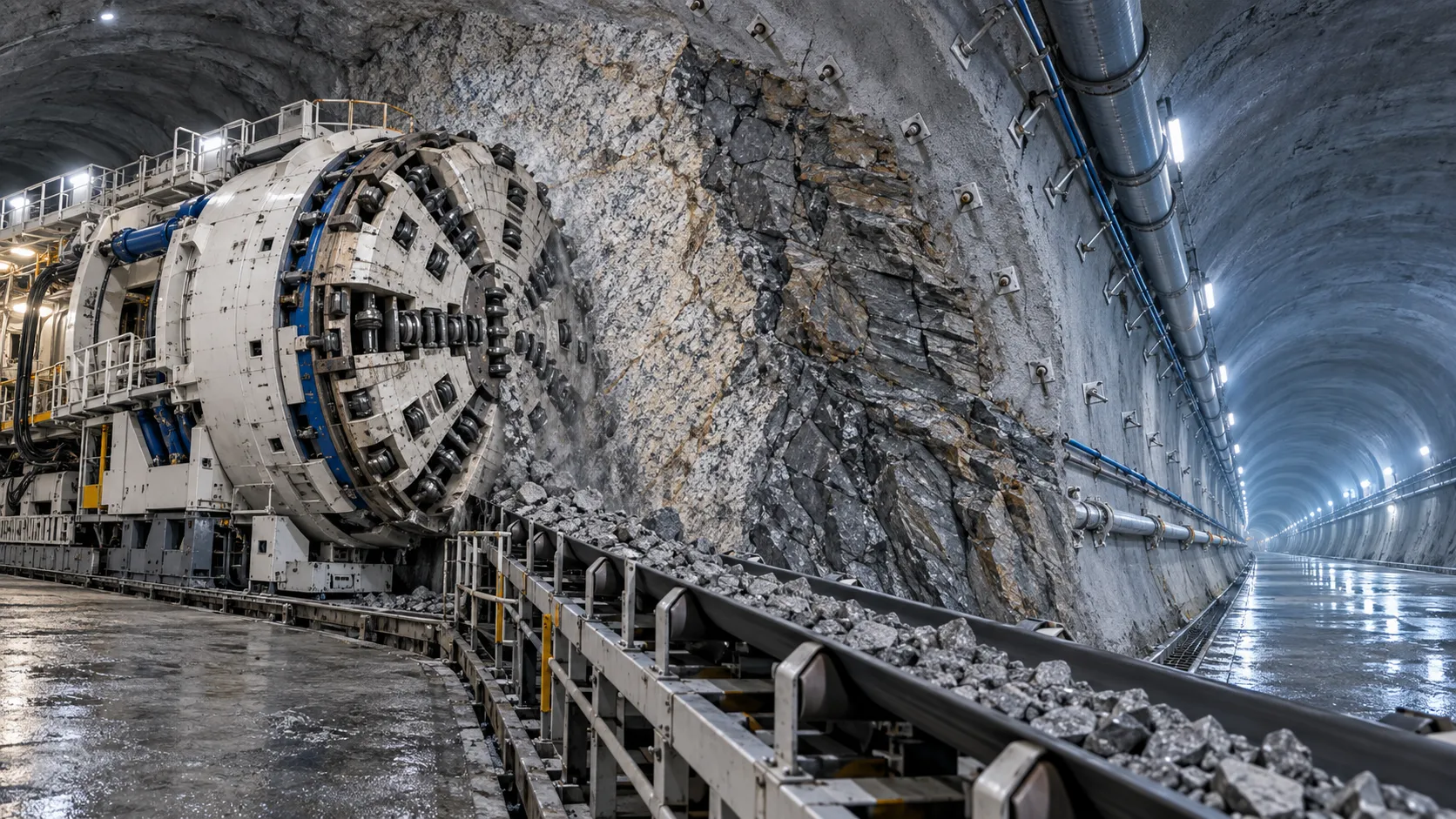
Hydropower Tunnel Excavation: Selecting Methods for Variable Rock Conditions
Hydropower tunnel excavation methods for variable rock conditions: compare TBM, drill-and-blast, and hybrid strategies to improve safety, progress, and project control.
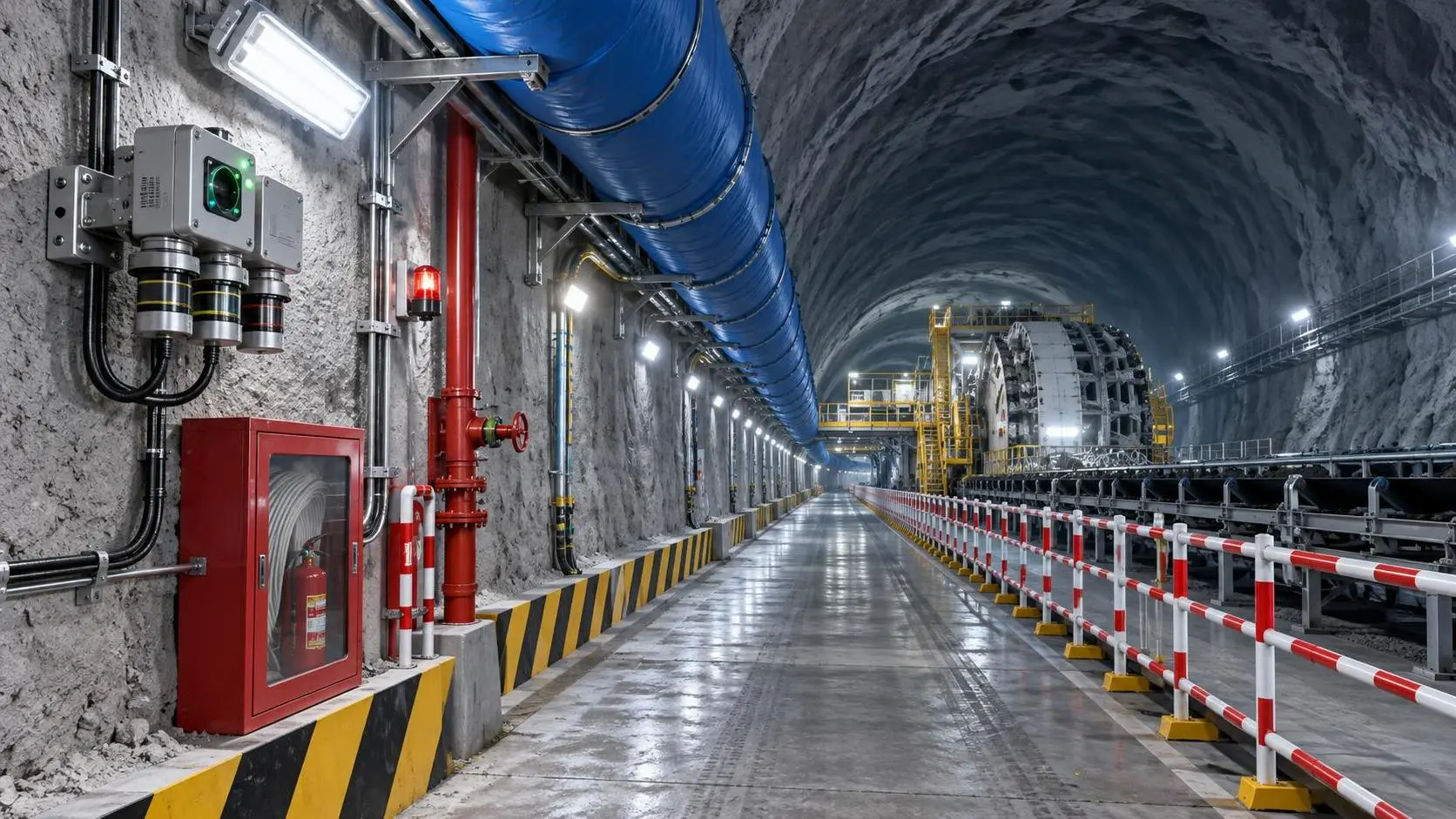
How to Select Underground Safety Equipment for Tunnelling by Hazard and Work Zone
Underground Safety Equipment for tunnelling: match protection to hazards, work zones, compliance, and emergency needs with this practical selection guide.
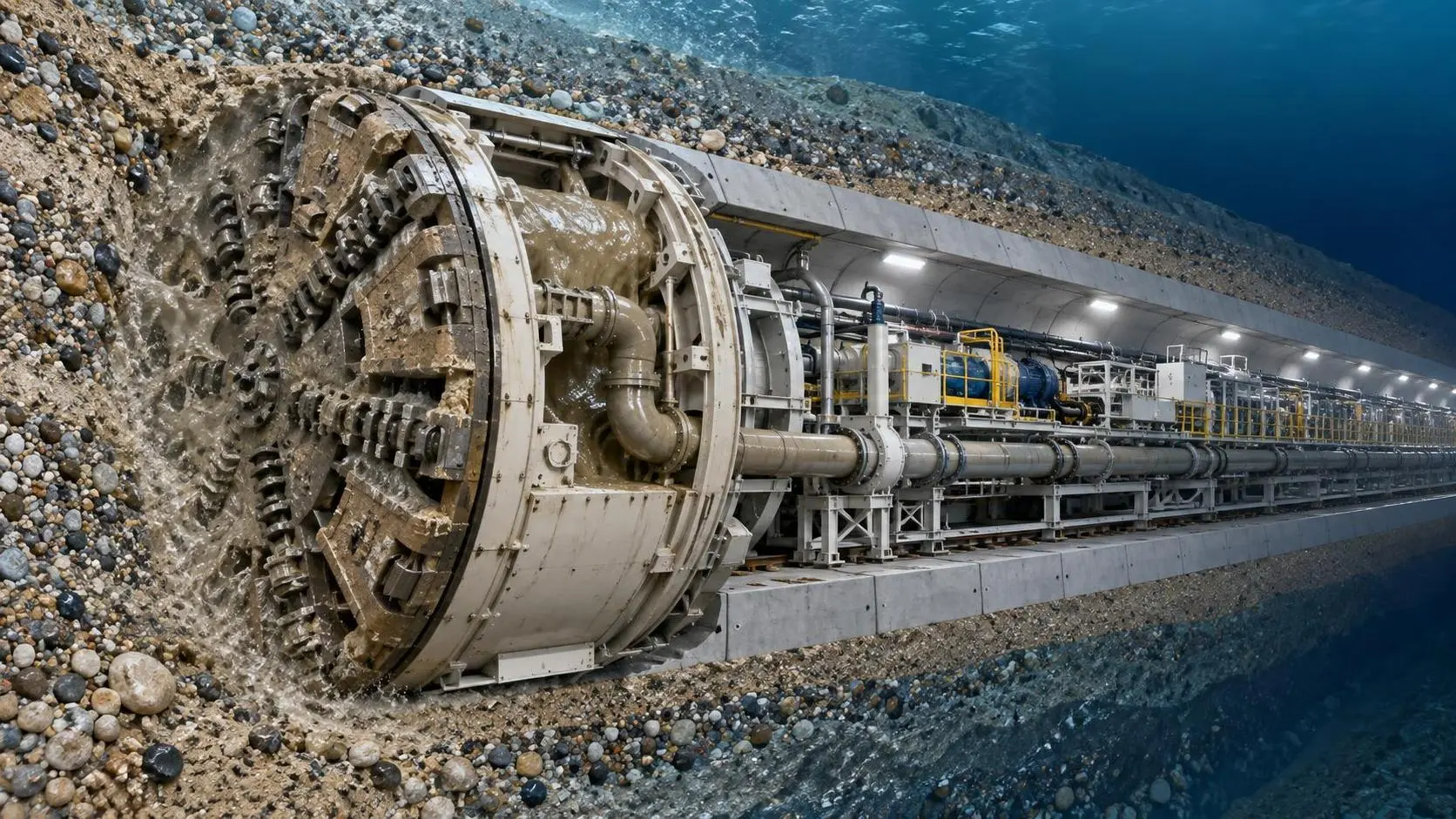
EPB or Slurry Shield? Selecting Soft-Ground Tunnelling Equipment by Soil Conditions
Tunnel Excavation Equipment for soft ground: compare EPB and slurry shields by soil, groundwater, settlement risk, and project logistics to choose confidently.
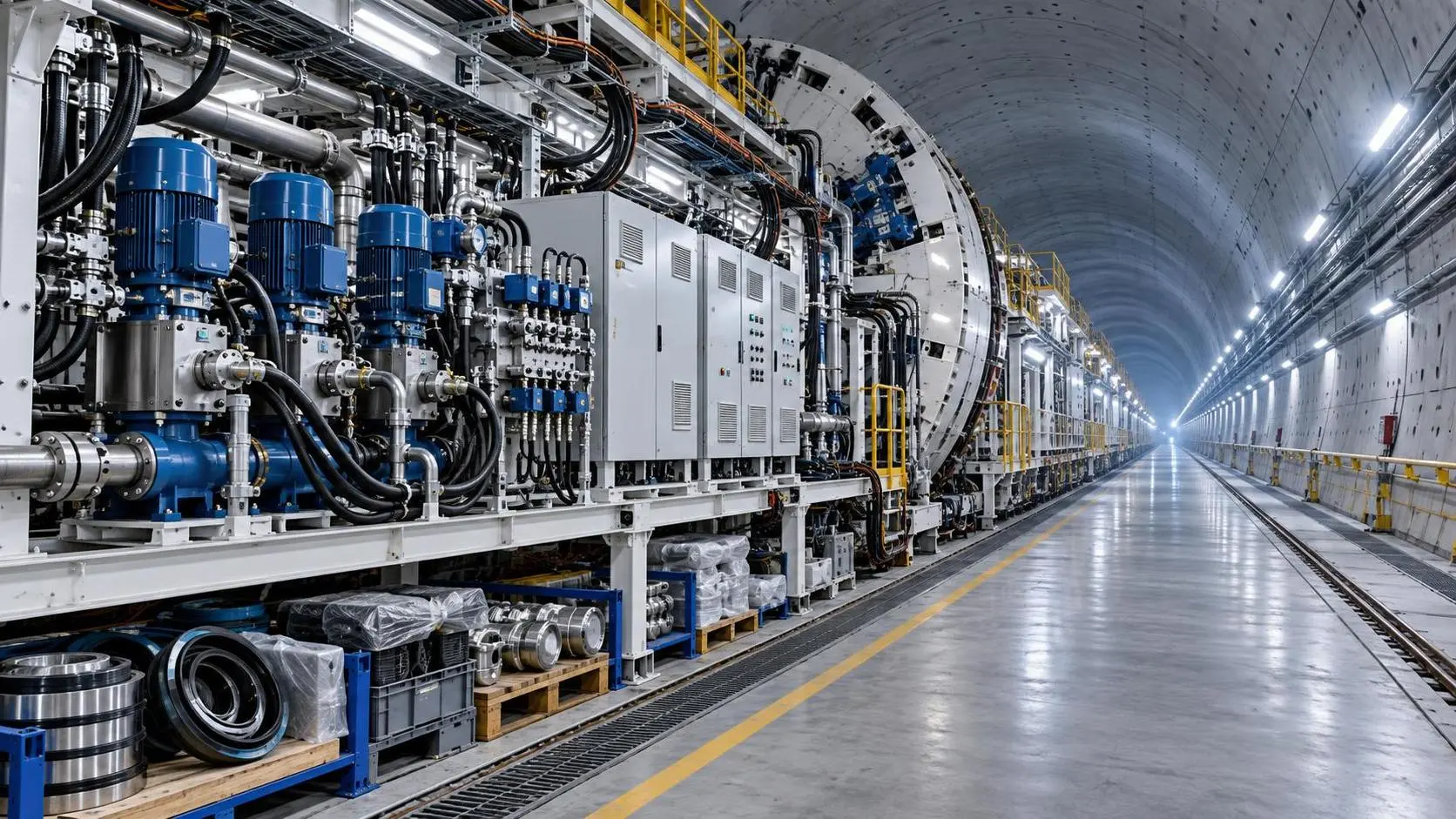
How to Specify TBM Backup System Parts for Reliable Long-Distance Tunnelling
TBM backup system parts: learn how to specify reliable spares for long-distance tunnelling, reduce downtime, ensure compatibility, and speed underground recovery.
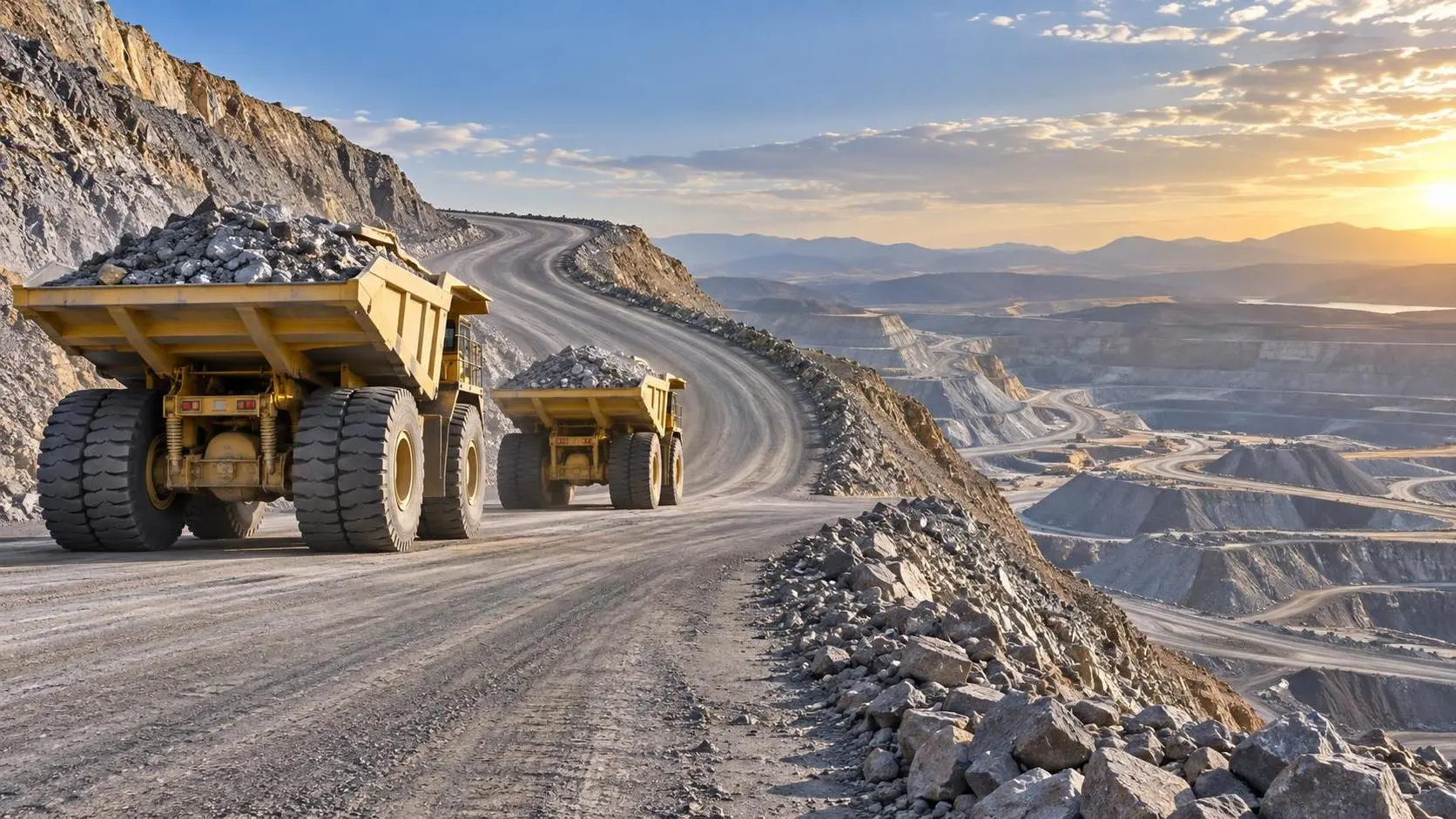
How to Size Open Pit Mining Trucks for Haul Distance, Grade, and Payload?
Open Pit Mining Trucks: learn how to match payload, haul distance, grade, road resistance, and loading capacity for safer, lower-cost mine operations.
Related News
- 00
0000-00
How to Evaluate European Drill-and-Blast Tunnelling Contractors for Complex Projects - 00
0000-00
Which Trenchless Construction Technique Fits Your Utility Crossing Conditions? - 00
0000-00
What Is Driving Metro Tunnelling Demand Across Southeast Asia’s Major Cities? - 00
0000-00
Hard Rock Tunnelling in Australia: Selecting Methods for Variable Ground Conditions - 00
0000-00
Hydropower Tunnel Excavation: Selecting Methods for Variable Rock Conditions
Weekly Insights
Stay ahead with our curated technology reports delivered every Monday.