
How Underground Mapping Improves Utility Detection and Reduces Rework Risk





Why Underground Mapping Now Sits at the Front of Risk Control
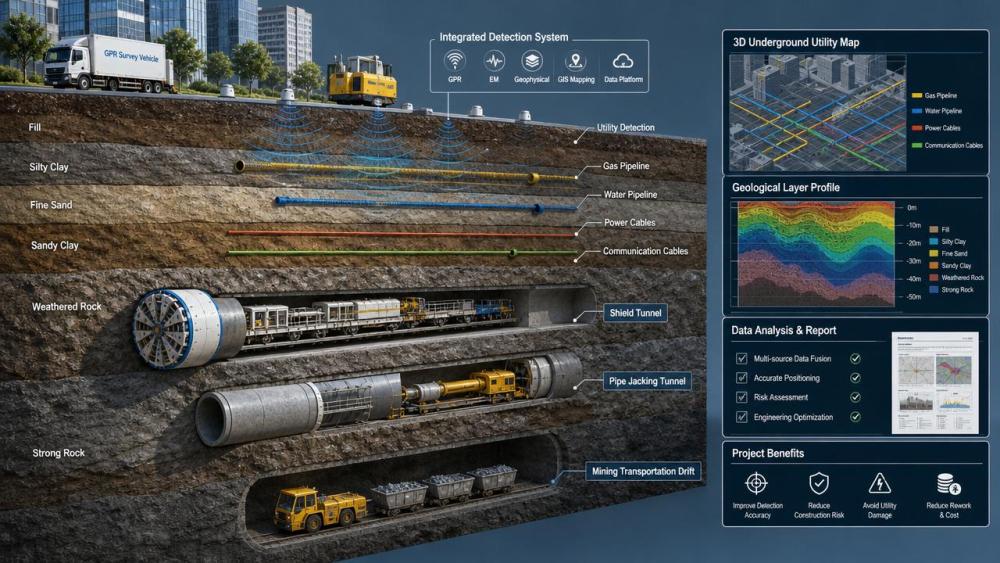
Underground Mapping has moved from a supporting survey task to a frontline decision tool.
That shift is easy to understand in real projects.
Subsurface space is becoming more crowded, deeper, and less forgiving.
A missed cable, abandoned pipe, or weak geological pocket can trigger stoppages, redesign, equipment mismatch, and avoidable safety exposure.
For tunnelling, trenchless works, and mining access development, Underground Mapping improves utility detection before excavation starts.
It also gives a more reliable base for planning support systems, machine selection, haulage routes, and cut sequences.
This matters in the UTMD context, where TBMs, pipe jacking systems, drilling jumbos, mining trucks, and underground LHD loaders all depend on better spatial intelligence.
The practical value is not only fewer clashes.
It is also lower rework risk, more predictable production windows, and faster evidence-based technical decisions under real site pressure.
The same mapping goal leads to different priorities underground
In actual use, Underground Mapping is not judged by one standard.
Different underground settings create different failure modes.
An urban pipe jacking drive worries about buried utilities and settlement sensitivity.
A hard-rock TBM drive cares more about fault zones, groundwater pathways, and segment support implications.
A mine ramp or production drift must also think about ventilation corridors, traffic interaction, and digital positioning for autonomous equipment.
That is why better Underground Mapping is less about owning one dataset.
It is about matching detection depth, resolution, update frequency, and interpretation quality to the specific underground task.
Where the site is dynamic, mapping should support repeated decisions, not just a one-time approval step.
Urban trenchless work usually exposes utility detection gaps first
Pipe jacking and microtunnelling often appear less disruptive from the surface.
Yet underground uncertainty is often higher than expected.
Legacy drawings may be incomplete, utility records may conflict, and small alignment errors can push a drive into major obstruction risk.
Here, Underground Mapping is valuable when it combines utility detection with depth confidence and corridor interpretation.
The key question is not simply whether a pipe exists.
The better question is whether the proposed drive zone leaves enough tolerance for launch, steering correction, and safe recovery options.
More mature teams also check how mapping results affect shaft placement, spoil logistics, and access restrictions.
That approach reduces rework risk because design changes happen before the machine is committed underground.
Where tunnel boring decisions depend on more than utility avoidance
In large TBM projects, Underground Mapping supports a broader chain of decisions.
Utility detection still matters near portals, station boxes, and urban transitions.
Deeper along the alignment, the stronger value comes from understanding rock transitions, void risk, water-bearing structures, and interference with adjacent assets.
This is especially relevant to UTMD’s focus on extreme rock-cutting mechanics.
A disc cutter strategy, shield support expectation, and segment handling plan all improve when mapping is connected to geotechnical interpretation.
The practical mistake is assuming one early survey can answer the entire drive.
Long drives need staged Underground Mapping updates where geology, alignment tolerance, and construction sequencing begin to diverge.
Mining drifts and haulage zones ask for a different reading of the same data
Mining environments create another layer of complexity.
Underground Mapping in this setting is not only about what lies ahead of excavation.
It must also support movement, visibility, remote operation, and future automation.
For drilling jumbos, mapped geometry affects drilling accuracy, bolting layout, and face preparation.
For underground LHD loaders, mapping quality influences navigation confidence, turning clearance, and collision avoidance logic.
Where mines are electrifying fleets, route certainty also matters for charging strategy, battery swap timing, and ventilation planning.
In other words, Underground Mapping becomes part of operational continuity, not just construction control.
That aligns closely with UTMD’s attention to SLAM, zero-emission haulage, and digital underground reliability.
Different underground settings change the judgment criteria
A simple comparison helps explain why one mapping workflow rarely fits every project.
The pattern is clear.
Underground Mapping delivers value only when interpretation matches the operational decision that follows.
What often gets misread before rework starts
One common mistake is trusting legacy records without checking how much the underground environment has changed.
Another is focusing on instrument capability while ignoring data stitching quality.
A precise scan still leads to weak decisions if coordinates, depth references, and utility classification are inconsistent.
Teams also underestimate how quickly mapping value drops in active underground works.
A mine heading changes fast.
A congested city corridor may change after unrelated service work.
If Underground Mapping is treated as static, rework risk returns through outdated assumptions.
There is also a cost misconception.
Lower survey cost can look attractive, but one avoidable clash, machine delay, or support redesign usually outweighs that saving.
A more practical way to match mapping depth with project reality
A useful approach is to set Underground Mapping requirements around decision gates.
That keeps the scope practical and avoids over-surveying areas with low consequence.
- Before alignment freeze, confirm conflict zones, depth uncertainty, and no-go corridors.
- Before equipment selection, test whether mapped conditions support the planned machine envelope.
- Before excavation launch, update high-risk sections where utilities, groundwater, or geometry may have changed.
- During active works, refresh mapping where sequencing, haulage, or remote operations depend on current geometry.
In practice, this phased model works well across UTMD-relevant sectors.
It supports mega-tunnel planning, trenchless corridor control, and smart mine digitization without forcing every site into the same survey rhythm.
Where to focus next if uncertainty is still high
If Underground Mapping results still leave open questions, the next step is not always more data everywhere.
It is better to isolate where uncertainty changes the decision.
That may be a launch shaft zone, a crossing under dense utilities, a fractured rock segment, or a mine haulage turn with poor visibility.
From there, compare three things carefully: consequence of error, update speed required, and compatibility with the planned equipment or operating method.
That is where Underground Mapping proves its strategic value.
It helps convert underground uncertainty into a manageable engineering sequence.
For projects shaped by deeper tunnels, smarter mines, electrified fleets, and tighter urban constraints, that sequence matters as much as the excavation technology itself.
A sensible next move is to define the highest-risk underground scenarios first, align mapping detail with those scenarios, and then reassess equipment, schedule, and contingency plans against the updated subsurface picture.
Related News
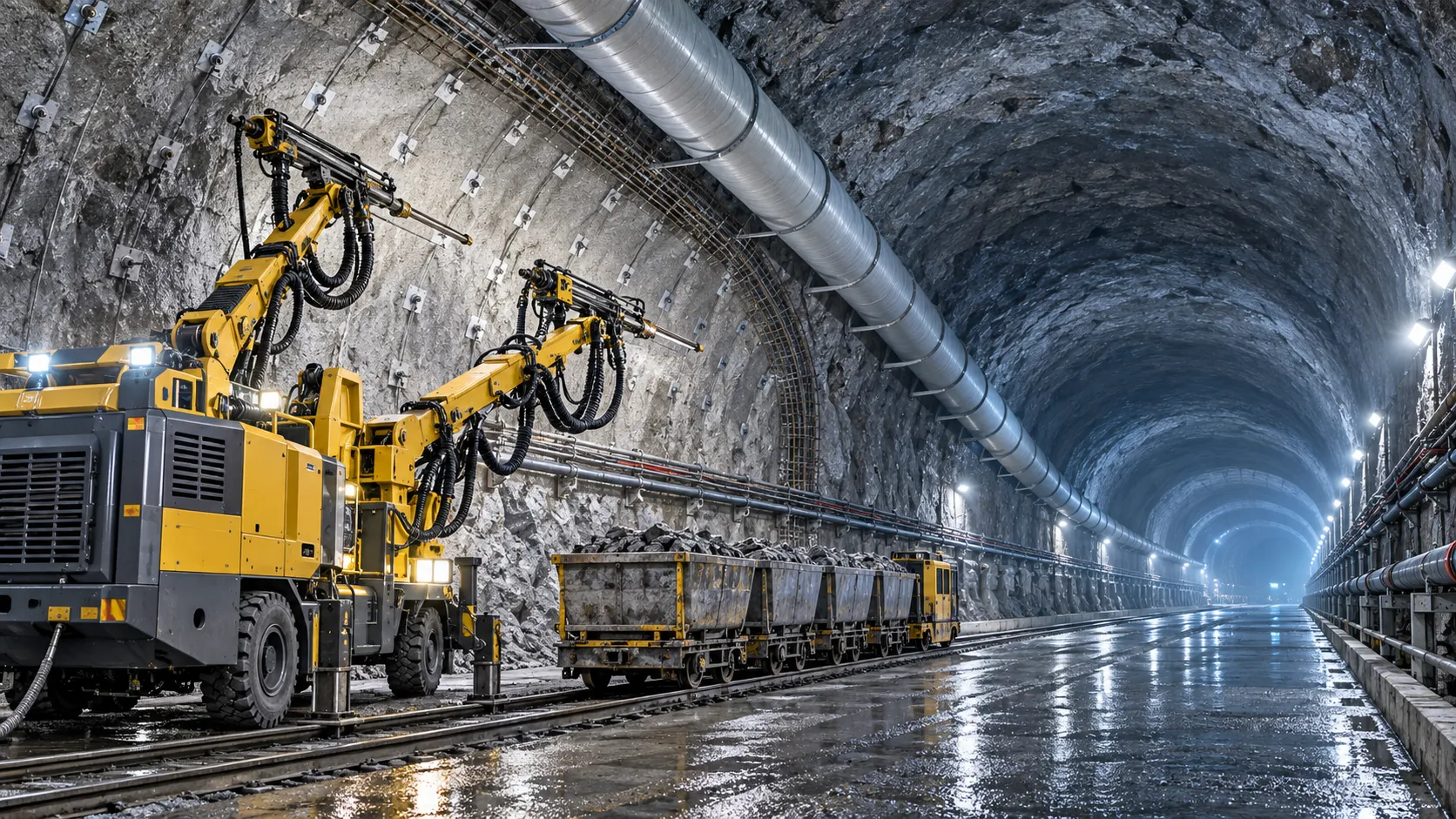
How to Evaluate European Drill-and-Blast Tunnelling Contractors for Complex Projects
Drill and blast tunnelling contractors Europe: learn how to assess geology expertise, blast control, equipment reliability, safety, and programme resilience for complex projects.
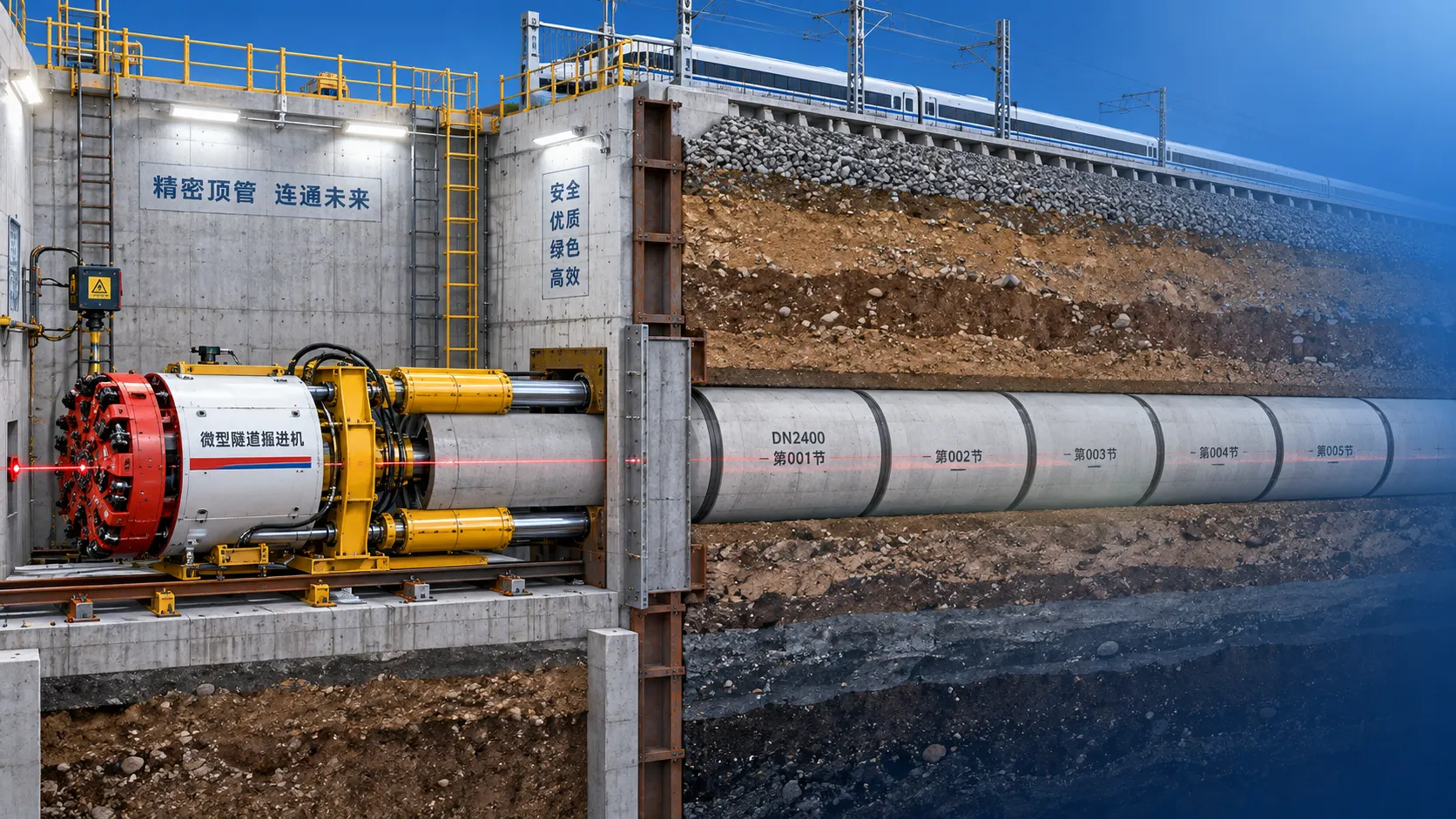
Which Trenchless Construction Technique Fits Your Utility Crossing Conditions?
Trenchless construction techniques compared for utility crossings: choose HDD, microtunnelling, pipe jacking, or auger boring based on ground, accuracy, access, and risk.
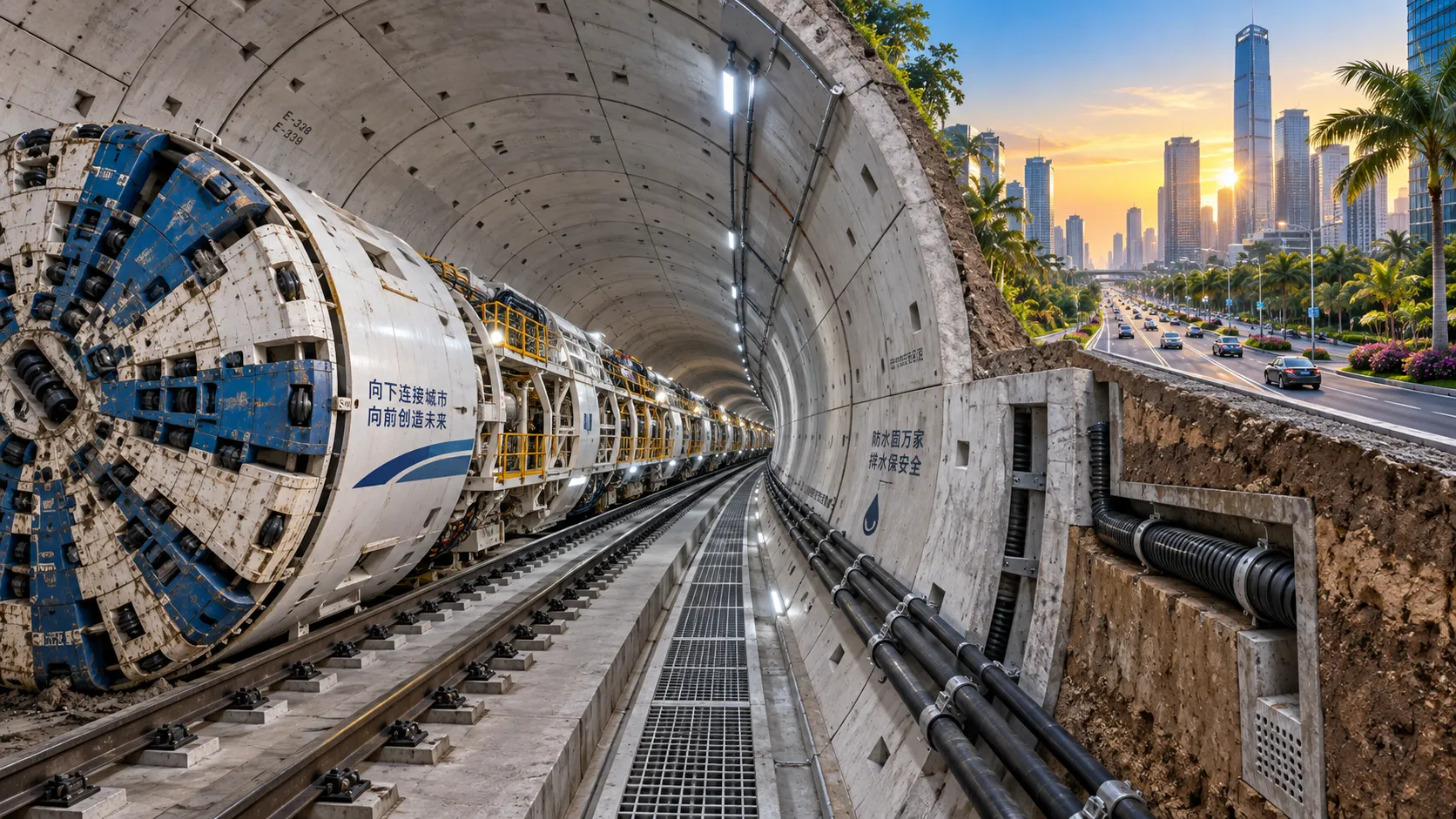
What Is Driving Metro Tunnelling Demand Across Southeast Asia’s Major Cities?
Metro tunnelling Southeast Asia is accelerating as major cities tackle congestion, flooding, and connectivity. Explore the market forces, technical risks, and opportunities shaping demand.
Hard Rock Tunnelling in Australia: Selecting Methods for Variable Ground Conditions
Hard rock tunnelling in Australia: compare TBM, drill-and-blast and hybrid methods to manage variable ground, reduce risk and protect project costs.
Hydropower Tunnel Excavation: Selecting Methods for Variable Rock Conditions
Hydropower tunnel excavation methods for variable rock conditions: compare TBM, drill-and-blast, and hybrid strategies to improve safety, progress, and project control.
How to Select Underground Safety Equipment for Tunnelling by Hazard and Work Zone
Underground Safety Equipment for tunnelling: match protection to hazards, work zones, compliance, and emergency needs with this practical selection guide.
EPB or Slurry Shield? Selecting Soft-Ground Tunnelling Equipment by Soil Conditions
Tunnel Excavation Equipment for soft ground: compare EPB and slurry shields by soil, groundwater, settlement risk, and project logistics to choose confidently.
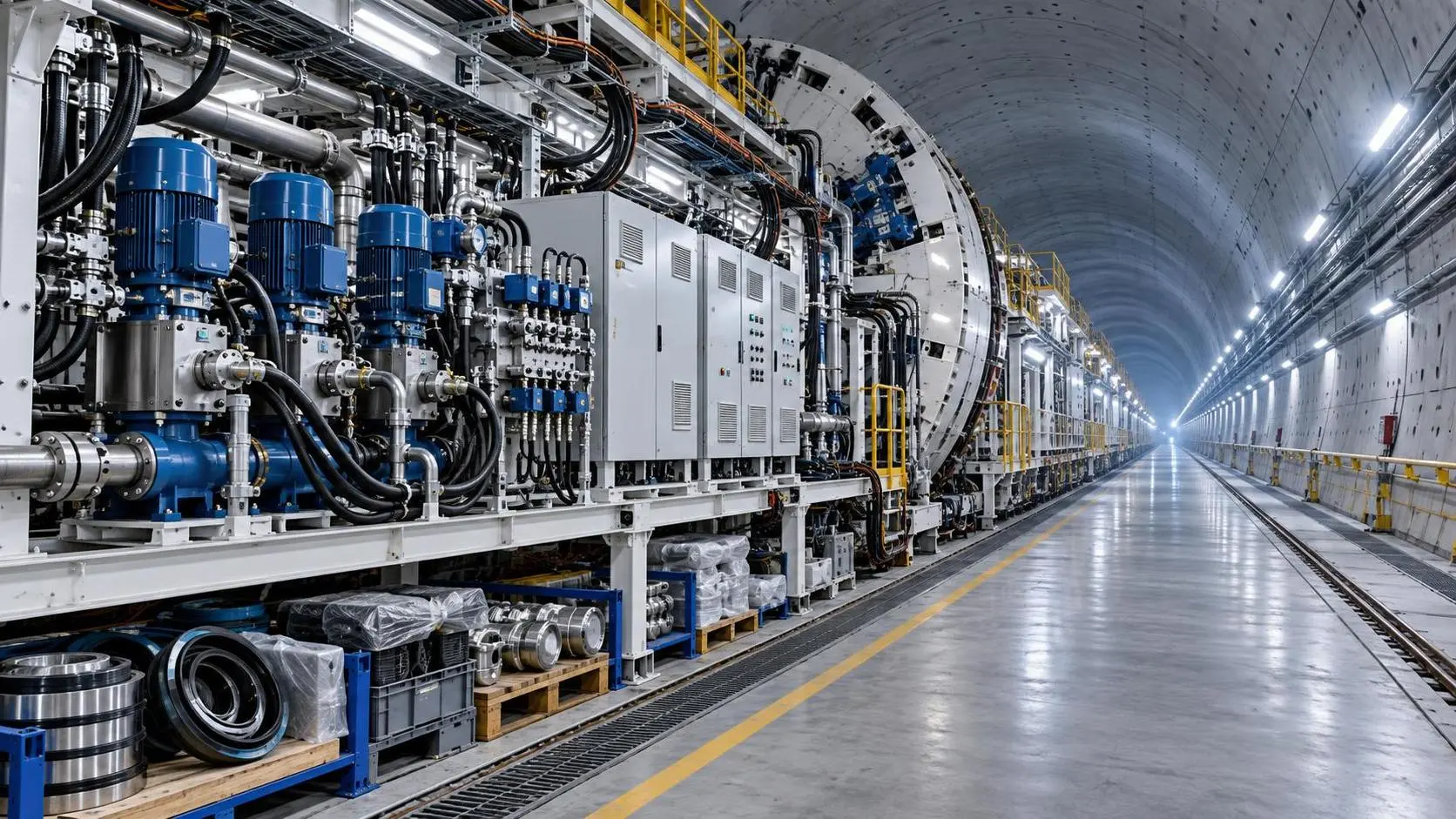
How to Specify TBM Backup System Parts for Reliable Long-Distance Tunnelling
TBM backup system parts: learn how to specify reliable spares for long-distance tunnelling, reduce downtime, ensure compatibility, and speed underground recovery.
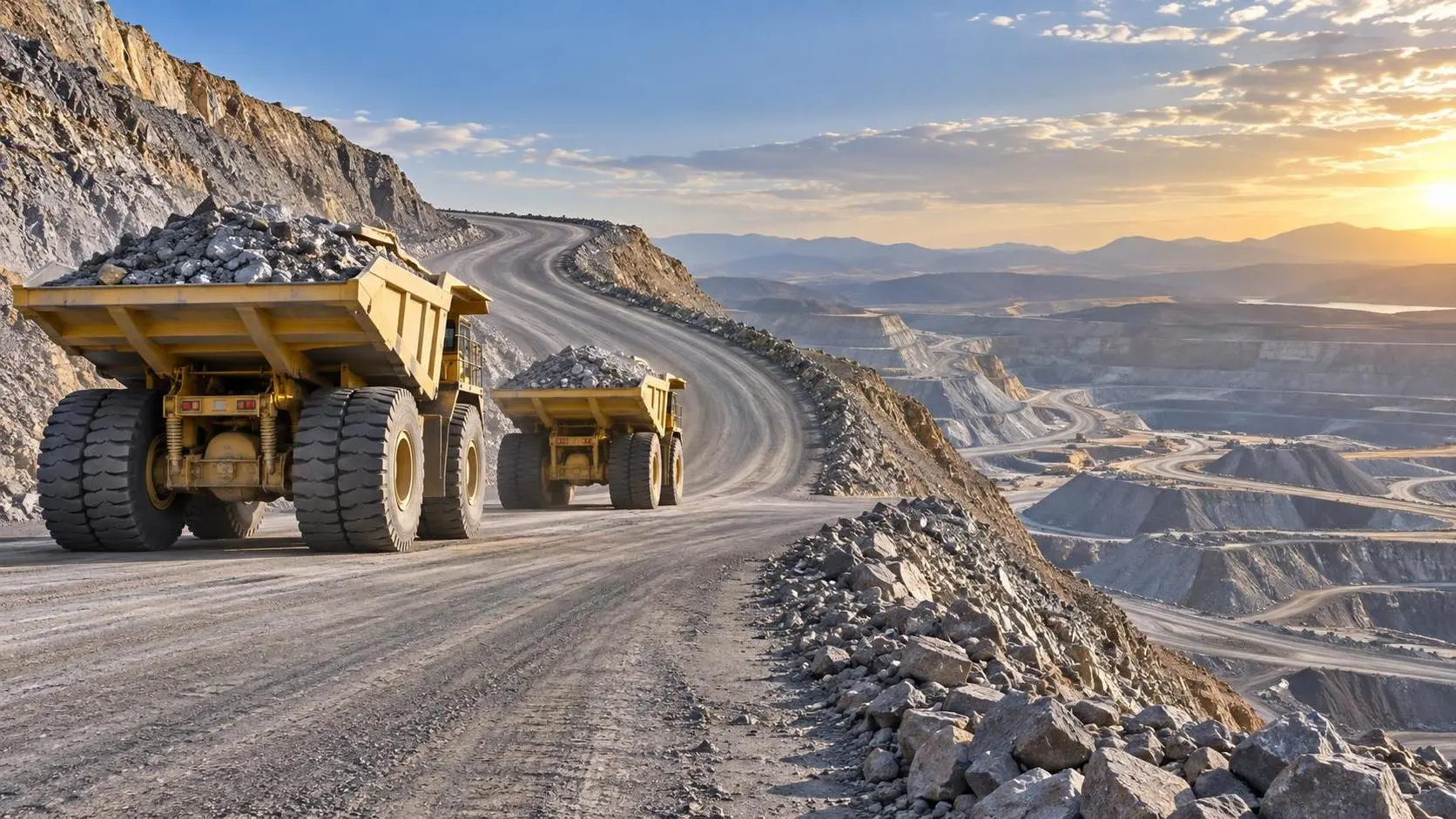
How to Size Open Pit Mining Trucks for Haul Distance, Grade, and Payload?
Open Pit Mining Trucks: learn how to match payload, haul distance, grade, road resistance, and loading capacity for safer, lower-cost mine operations.
Related News
- 00
0000-00
How to Evaluate European Drill-and-Blast Tunnelling Contractors for Complex Projects - 00
0000-00
Which Trenchless Construction Technique Fits Your Utility Crossing Conditions? - 00
0000-00
What Is Driving Metro Tunnelling Demand Across Southeast Asia’s Major Cities? - 00
0000-00
Hard Rock Tunnelling in Australia: Selecting Methods for Variable Ground Conditions - 00
0000-00
Hydropower Tunnel Excavation: Selecting Methods for Variable Rock Conditions
Weekly Insights
Stay ahead with our curated technology reports delivered every Monday.