
Underground Transport Systems Compared: Rail, Conveyor, and Truck Haulage by Mine Layout





Underground Transport Systems Compared: Rail, Conveyor, and Truck Haulage by Mine Layout
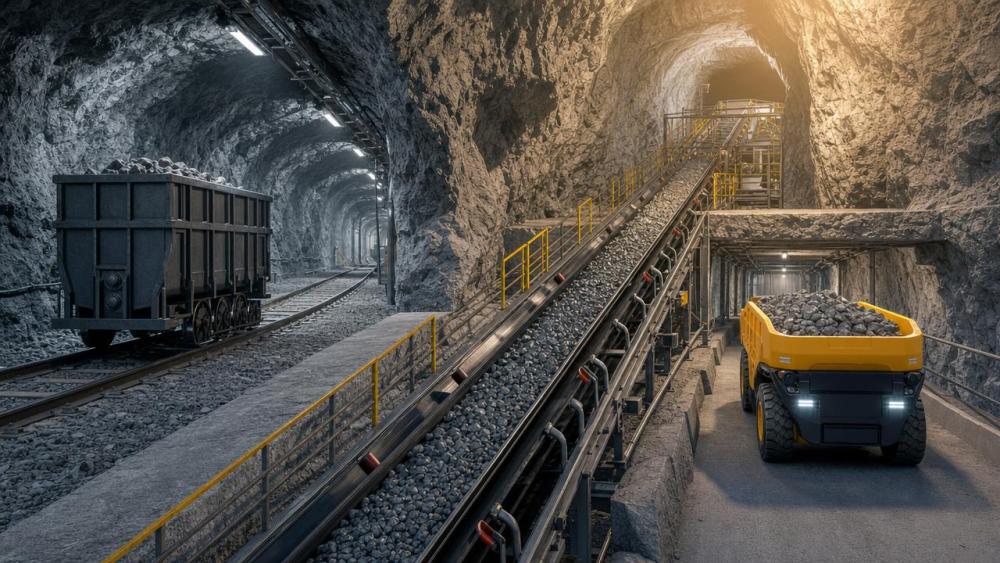
Choosing the right Underground Transport system shapes cost, safety, output, and future expansion from day one.
For underground mines, haulage is never an isolated equipment choice.
It connects mine layout, ventilation design, power demand, automation strategy, and maintenance planning.
That is why comparing rail, conveyor, and truck haulage by layout is a practical decision framework.
In real projects, the best Underground Transport option depends less on theory and more on geometry.
Orebody dip, haul distance, production rate, depth, and development sequence usually decide the winner.
This guide compares the three main systems in the context that matters most: actual mine layout.
Why mine layout drives Underground Transport decisions
Mine layout controls how material moves, where bottlenecks form, and which costs stay fixed for years.
A shallow, laterally spread mine behaves differently from a deep mine with long spiral declines.
A narrow-vein operation also needs a different Underground Transport logic than a bulk mining layout.
From recent project trends, electrification is making layout-based decisions even more visible.
Ventilation power can no longer be treated as a secondary line item.
That also means Underground Transport selection now affects ESG performance and permitting confidence.
- Short, flexible routes often favor trucks.
- Long, steady flows often favor conveyors.
- Predictable, high-tonnage corridors can justify rail.
- Complex development stages may require hybrid Underground Transport systems.
Truck haulage: flexible Underground Transport for changing layouts
Truck haulage remains the most adaptable Underground Transport option in many active mines.
It works especially well during ramp-up, early production, and zones with uncertain reserve timing.
If the layout changes often, trucks absorb that uncertainty better than fixed infrastructure.
That practical flexibility is why many mines begin with trucks even when future conversion is expected.
Where truck systems fit best
Truck-based Underground Transport suits moderate tonnage, multiple headings, and phased mine development.
It is often effective in decline access mines with scattered loading points.
It also fits projects that need rapid startup with lower initial infrastructure commitment.
Main strengths
- Fast deployment with limited fixed works.
- Easy route changes as stopes and levels evolve.
- Good fit for mixed haul distances.
- Strong compatibility with battery-electric fleets and tele-remote loading.
Main limits
Truck haulage becomes expensive when distances grow and vertical lift increases.
Diesel fleets raise ventilation demand sharply, especially in deep mines.
Even battery trucks need charging or swapping logistics and disciplined traffic design.
In congested declines, Underground Transport performance can drop because of passing delays and queuing.
Conveyor haulage: efficient Underground Transport for steady tonnage
Conveyors are the productivity specialists of Underground Transport when ore flow is stable and continuous.
They perform best where mine layout supports a fixed route for years, not months.
That usually means bulk mining, long-life panels, or repeatable drawpoint-to-crusher arrangements.
Once installed properly, conveyor-based Underground Transport can deliver low unit cost and low emissions.
Where conveyors fit best
Conveyors fit long haul distances, high daily tonnage, and defined material transfer points.
They are common in block cave, sublevel cave, and large room-and-pillar operations.
They also support projects targeting lower ventilation load and higher automation readiness.
Main strengths
- Low operating cost per tonne at scale.
- Lower direct emissions in confined underground spaces.
- Continuous flow that reduces traffic interaction.
- Strong potential for digital monitoring and predictive maintenance.
Main limits
The downside is lower flexibility when ore sources migrate or development timing slips.
Capital cost can be significant when crushers, transfer stations, and drives are included.
A single failure point can interrupt a large share of production if redundancy is weak.
So conveyor Underground Transport needs disciplined spares strategy and clear access for maintenance crews.
Rail haulage: structured Underground Transport for mature, high-volume corridors
Rail is less common in new mines than before, but it still has a strong case.
It can be a highly effective Underground Transport solution in stable, repetitive haulage corridors.
Where production is concentrated and routes are predictable, rail can deliver reliable bulk movement.
Where rail fits best
Rail-based Underground Transport often fits long mine lives and established shaft-based layouts.
It suits mines with central loading stations, regular haul cycles, and high tonnage concentration.
It can also work in operations upgrading legacy infrastructure rather than rebuilding everything around trucks.
Main strengths
- Efficient movement on fixed routes.
- Lower rolling resistance than road haulage.
- Good safety control in segregated transport corridors.
- Can support electrified Underground Transport strategies.
Main limits
Rail needs alignment discipline, loading infrastructure, and enough corridor stability to justify the investment.
It is usually less agile than trucks when headings move quickly.
It is also less continuous than conveyor Underground Transport unless buffer design is well managed.
Side-by-side comparison for layout-based selection
A practical comparison helps narrow the Underground Transport shortlist before detailed financial modeling.
A simple decision path for Underground Transport selection
In actual business decisions, a few questions usually reveal the right Underground Transport direction quickly.
- Is production steady enough to support fixed infrastructure?
- Will haul distances increase materially over the next five years?
- How constrained is ventilation power at full production?
- How often will loading points shift across levels or panels?
- What level of automation is required for labor and safety strategy?
If the answers point to uncertainty, trucks often remain the safest starting choice.
If the answers point to scale, fixed flow, and long life, conveyors or rail gain advantage.
More importantly, many mines should evaluate staged Underground Transport rather than a single permanent answer.
Why hybrid systems are becoming more common
A clearer signal in recent projects is the rise of hybrid Underground Transport architecture.
For example, LHDs and trucks may feed a crusher, then conveyors handle the main haul.
In other mines, trucks support early production, while conveyors come later during expansion.
This approach reduces early capital risk without locking the operation into high future operating cost.
It also aligns well with smart mine roadmaps, electrification targets, and phased automation investment.
Final takeaway for better Underground Transport decisions
There is no universal winner in Underground Transport, only a better match for a given layout.
Trucks win on flexibility, conveyors win on efficient continuous haulage, and rail wins in stable corridors.
The smartest decision usually comes from matching haulage to the mine’s next development stage, not only today’s map.
Before locking in capital, test each Underground Transport option against depth, tonnage ramp, ventilation, and automation goals.
That simple discipline leads to safer operations, lower life-of-mine cost, and a transport system that scales with confidence.
Related News

How to Evaluate European Drill-and-Blast Tunnelling Contractors for Complex Projects
Drill and blast tunnelling contractors Europe: learn how to assess geology expertise, blast control, equipment reliability, safety, and programme resilience for complex projects.

Which Trenchless Construction Technique Fits Your Utility Crossing Conditions?
Trenchless construction techniques compared for utility crossings: choose HDD, microtunnelling, pipe jacking, or auger boring based on ground, accuracy, access, and risk.

What Is Driving Metro Tunnelling Demand Across Southeast Asia’s Major Cities?
Metro tunnelling Southeast Asia is accelerating as major cities tackle congestion, flooding, and connectivity. Explore the market forces, technical risks, and opportunities shaping demand.

Hard Rock Tunnelling in Australia: Selecting Methods for Variable Ground Conditions
Hard rock tunnelling in Australia: compare TBM, drill-and-blast and hybrid methods to manage variable ground, reduce risk and protect project costs.

Hydropower Tunnel Excavation: Selecting Methods for Variable Rock Conditions
Hydropower tunnel excavation methods for variable rock conditions: compare TBM, drill-and-blast, and hybrid strategies to improve safety, progress, and project control.

How to Select Underground Safety Equipment for Tunnelling by Hazard and Work Zone
Underground Safety Equipment for tunnelling: match protection to hazards, work zones, compliance, and emergency needs with this practical selection guide.

EPB or Slurry Shield? Selecting Soft-Ground Tunnelling Equipment by Soil Conditions
Tunnel Excavation Equipment for soft ground: compare EPB and slurry shields by soil, groundwater, settlement risk, and project logistics to choose confidently.
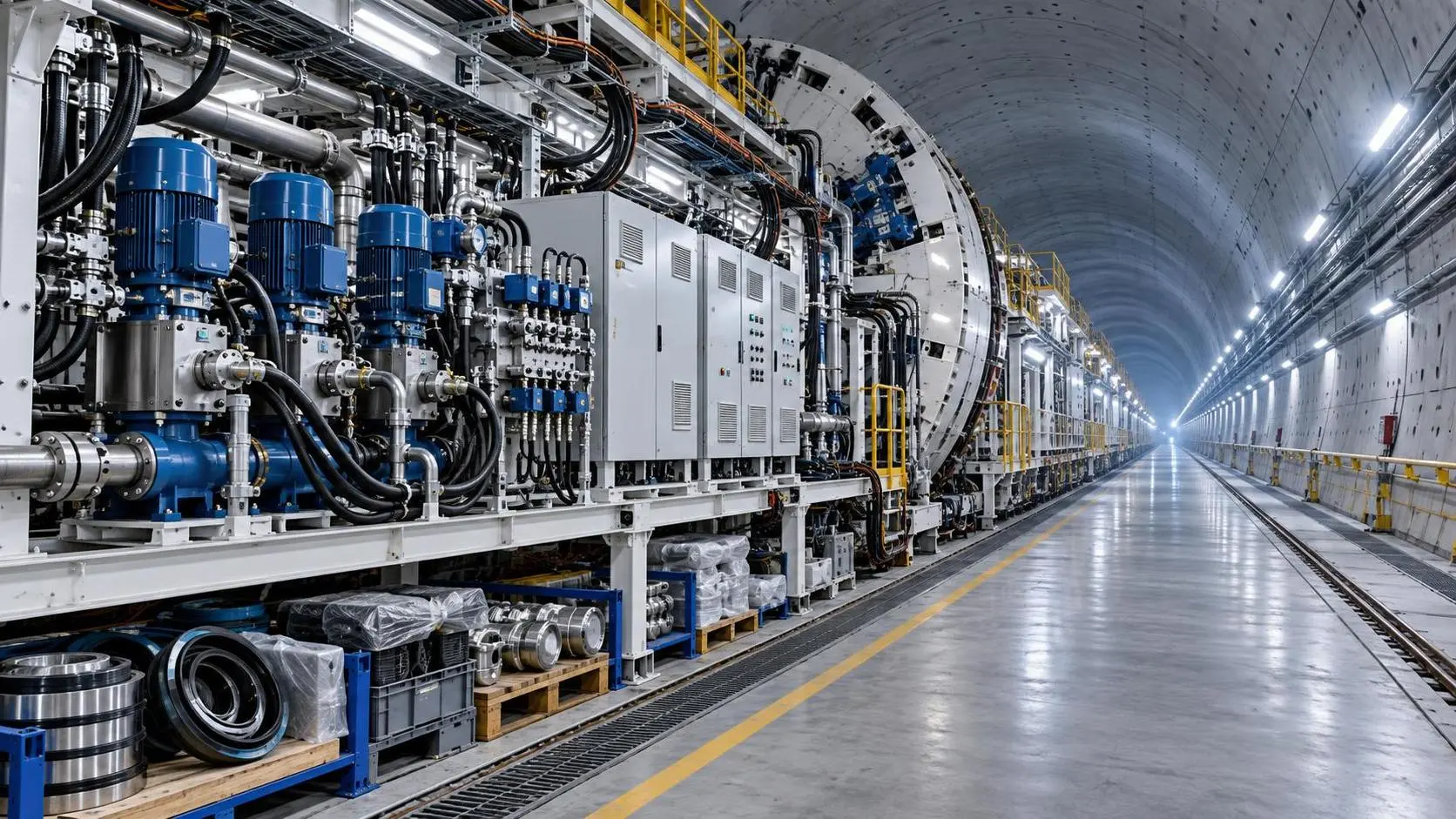
How to Specify TBM Backup System Parts for Reliable Long-Distance Tunnelling
TBM backup system parts: learn how to specify reliable spares for long-distance tunnelling, reduce downtime, ensure compatibility, and speed underground recovery.
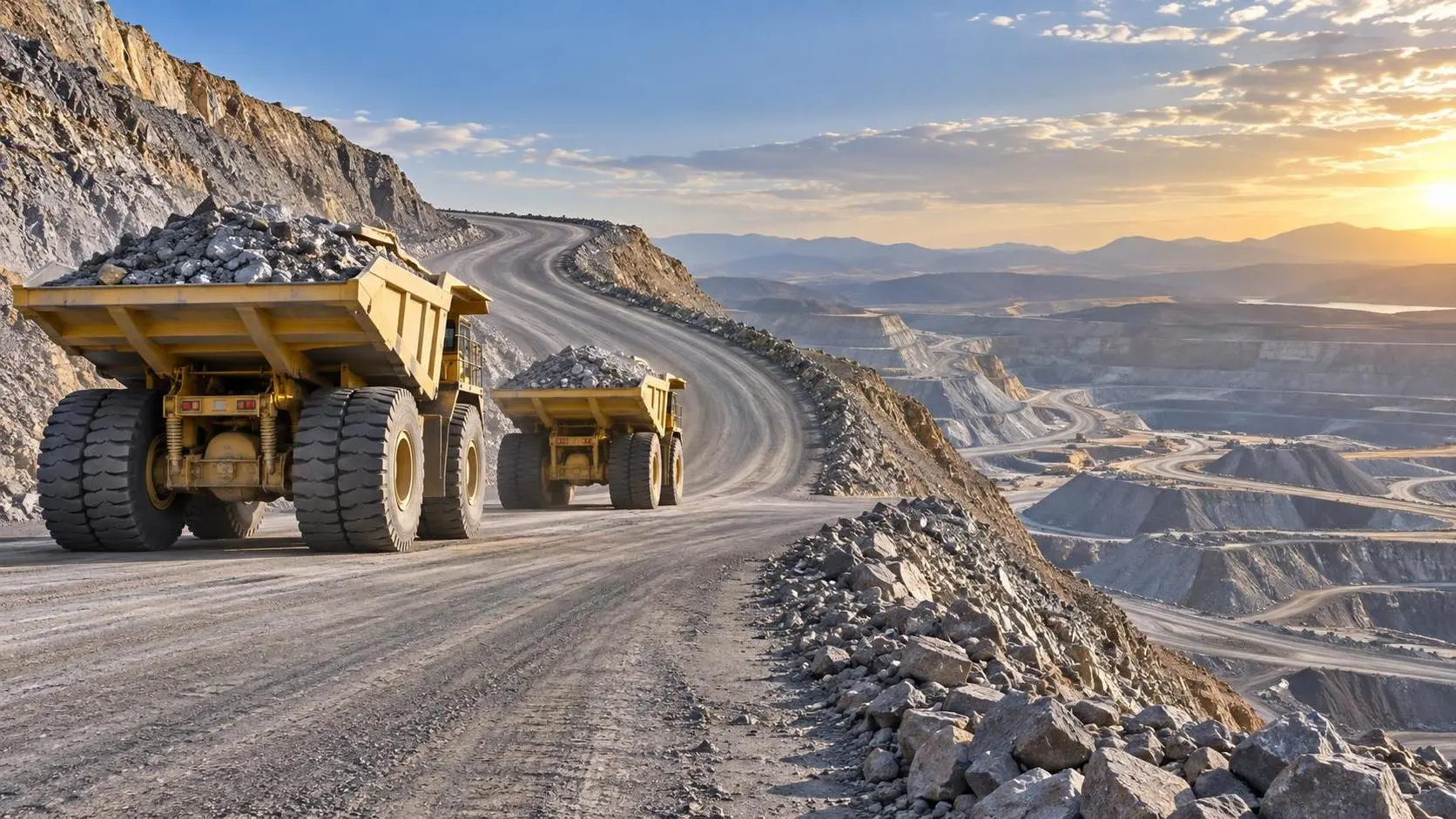
How to Size Open Pit Mining Trucks for Haul Distance, Grade, and Payload?
Open Pit Mining Trucks: learn how to match payload, haul distance, grade, road resistance, and loading capacity for safer, lower-cost mine operations.
Related News
- 00
0000-00
How to Evaluate European Drill-and-Blast Tunnelling Contractors for Complex Projects - 00
0000-00
Which Trenchless Construction Technique Fits Your Utility Crossing Conditions? - 00
0000-00
What Is Driving Metro Tunnelling Demand Across Southeast Asia’s Major Cities? - 00
0000-00
Hard Rock Tunnelling in Australia: Selecting Methods for Variable Ground Conditions - 00
0000-00
Hydropower Tunnel Excavation: Selecting Methods for Variable Rock Conditions
Weekly Insights
Stay ahead with our curated technology reports delivered every Monday.