
Hydropower Tunnel Excavation Methods: How to Choose for Geology, Length, and Schedule





Hydropower Tunnel Excavation Methods: How to Choose for Geology, Length, and Schedule
Choosing the right hydropower tunnel excavation method can determine whether a project stays on schedule, controls risk, and meets cost targets.
In practice, hydropower tunnel excavation is never a one-size-fits-all decision.
Rock mass behavior, tunnel length, access conditions, water inflow, and equipment logistics all influence the best method.
The goal is simple: match the excavation approach to the actual ground and delivery constraints.
That is how hydropower tunnel excavation becomes safer, faster, and more predictable.
Why method selection matters early
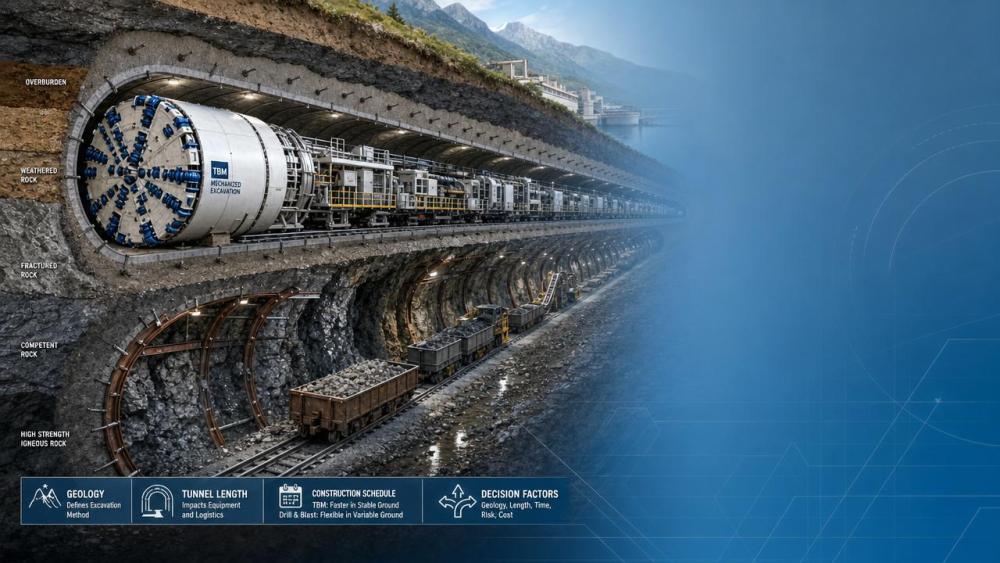
A weak selection decision often creates problems that no later optimization can fully fix.
If the method ignores fault zones, squeezing ground, or high overburden, progress can collapse quickly.
If it ignores tunnel length, the project may carry unnecessary mobilization or equipment ownership costs.
If it ignores schedule, even technically sound hydropower tunnel excavation can miss seasonal construction windows.
That is why the best teams compare methods before finalizing procurement, access roads, and support design.
Early alignment between design, construction, and equipment strategy reduces surprises later.
Main hydropower tunnel excavation methods
Most hydropower tunnel excavation decisions come down to three practical paths.
1. Drill and blast
This remains the most flexible method for variable geology, irregular tunnel shapes, and remote mountain projects.
It adapts well when rock classes change often or when adits and working faces are limited.
Its downside is cyclic production, blasting restrictions, overbreak risk, and stronger dependence on crew quality.
2. TBM excavation
TBM-based hydropower tunnel excavation works best when alignment is long and geology is relatively consistent.
Once the machine is launched, advance rates can outperform conventional excavation by a wide margin.
However, high capital cost, long lead time, and difficult recovery in broken ground must be considered early.
3. Hybrid approach
Many successful projects use hybrid hydropower tunnel excavation rather than a single method.
For example, TBM may cover long stable sections, while drill and blast handles portals, caverns, and faulted zones.
This often balances speed, risk, and cost better than forcing one solution across the whole alignment.
How geology drives the choice
Geology is the first filter in hydropower tunnel excavation selection.
Not every hard rock tunnel behaves the same, even within a short distance.
- Competent, massive rock usually favors TBM or high-productivity drill and blast.
- Frequent faults, shear zones, and fractured rock often favor flexible drill and blast sequences.
- High water inflow demands stronger ground treatment, drainage planning, and face stability controls.
- Squeezing or swelling ground raises support demand and can severely disrupt TBM utilization.
- Extremely abrasive rock increases cutter wear, downtime, and spare parts consumption.
From a management view, the key is not naming one rock type.
The real question is how often conditions change and how severe those changes are.
A method that performs well in average ground can still fail in short critical sections.
How tunnel length changes the economics
Length changes the business case behind hydropower tunnel excavation more than many teams expect.
Short tunnels rarely justify the full mobilization burden of a TBM system.
Long tunnels can spread machine cost over more meters and create a strong schedule advantage.
A simple rule helps frame discussion, though each project still needs detailed analysis.
- Short alignment: flexibility matters more than peak production.
- Medium alignment: compare hybrid options carefully.
- Long alignment: continuous excavation can create major savings if geology is predictable.
Access also matters.
A long tunnel in remote terrain may still favor staged drill and blast if machine transport is difficult.
So length should never be reviewed without logistics, adits, and disposal routes.
How schedule pressure reshapes the decision
Schedule is often the deciding factor in hydropower tunnel excavation.
But schedule should be viewed in two parts: startup time and sustained production time.
TBMs need long preparation periods for design, manufacturing, transport, assembly, and commissioning.
Drill and blast can usually start earlier with fewer upfront dependencies.
That means urgent projects do not always benefit from the fastest nominal excavation technology.
In real delivery planning, ask these questions first.
- When must first excavation begin?
- How much float exists for machine procurement?
- Can multiple faces be opened through adits?
- Which sections are most likely to create stoppages?
- How quickly can support and mucking systems recover after disruption?
A realistic schedule model usually beats an optimistic production-rate comparison.
A practical selection framework
To choose hydropower tunnel excavation methods well, use a weighted decision framework.
This keeps technical preference from overpowering project reality.
This approach makes hydropower tunnel excavation selection easier to defend during approvals and procurement.
Common mistakes that create delays
Several mistakes appear repeatedly across hydropower tunnel excavation projects.
- Using average geology instead of designing for the most disruptive ground sections.
- Comparing excavation rates without including setup, maintenance, and support installation.
- Underestimating muck handling, ventilation, drainage, and spare parts logistics.
- Treating schedule pressure as a reason to skip proper method evaluation.
- Locking into one method before site investigation reaches usable confidence.
Avoiding these errors usually saves more time than chasing small productivity gains later.
Final takeaways for better project decisions
The best hydropower tunnel excavation strategy is the one that fits the whole project, not just the drawing.
Start with geology, then test length, access, and schedule against realistic construction scenarios.
Where uncertainty is high, hybrid planning often provides the strongest balance of resilience and speed.
Where long, consistent rock dominates, TBM-led hydropower tunnel excavation may unlock the best delivery outcome.
Where geology is highly variable or startup must happen fast, drill and blast can still be the smarter choice.
The strongest decisions come from integrating ground intelligence, equipment strategy, and delivery sequencing early.
That is the practical path to hydropower tunnel excavation with fewer surprises and better project control.
Related News
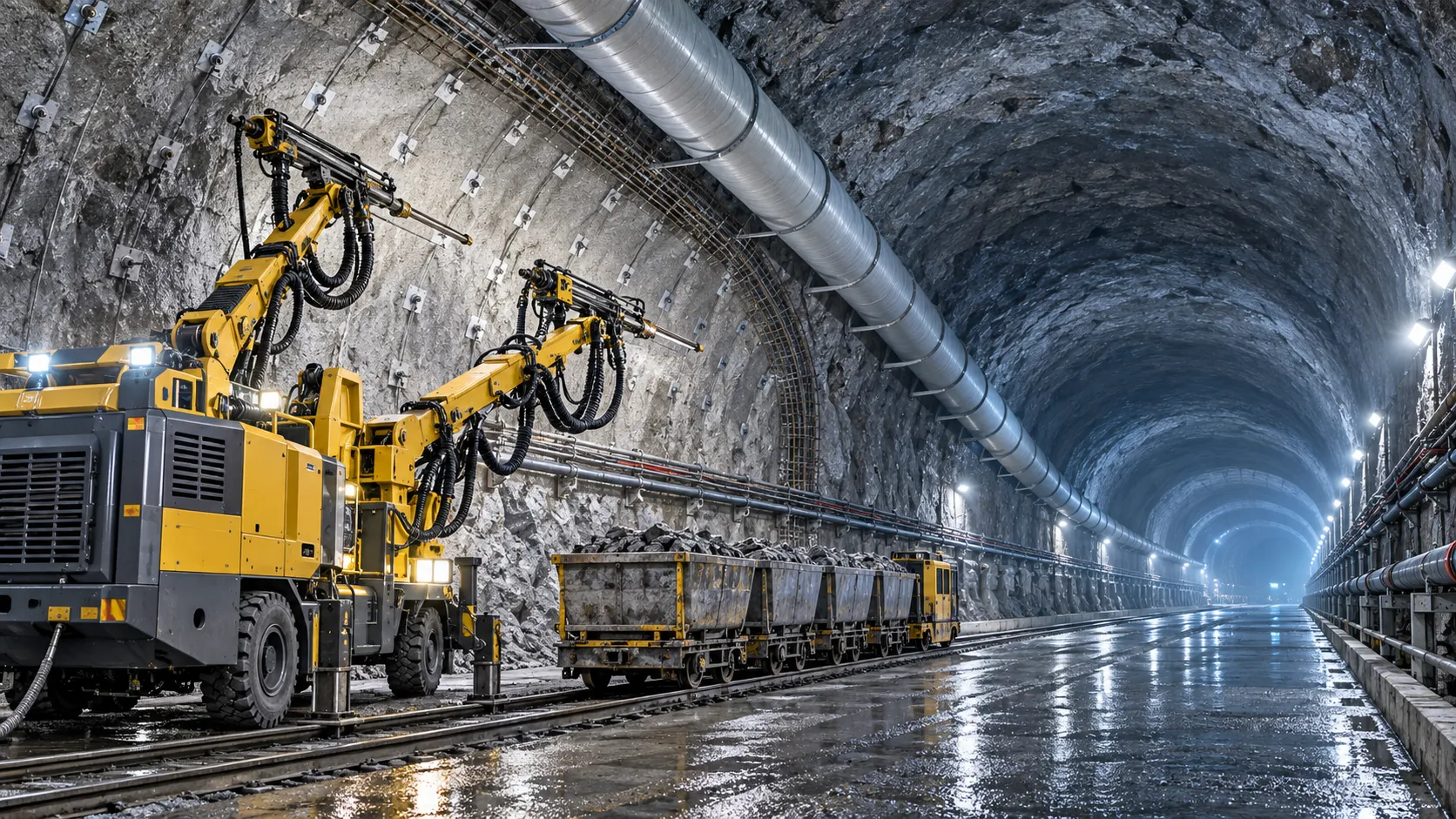
How to Evaluate European Drill-and-Blast Tunnelling Contractors for Complex Projects
Drill and blast tunnelling contractors Europe: learn how to assess geology expertise, blast control, equipment reliability, safety, and programme resilience for complex projects.
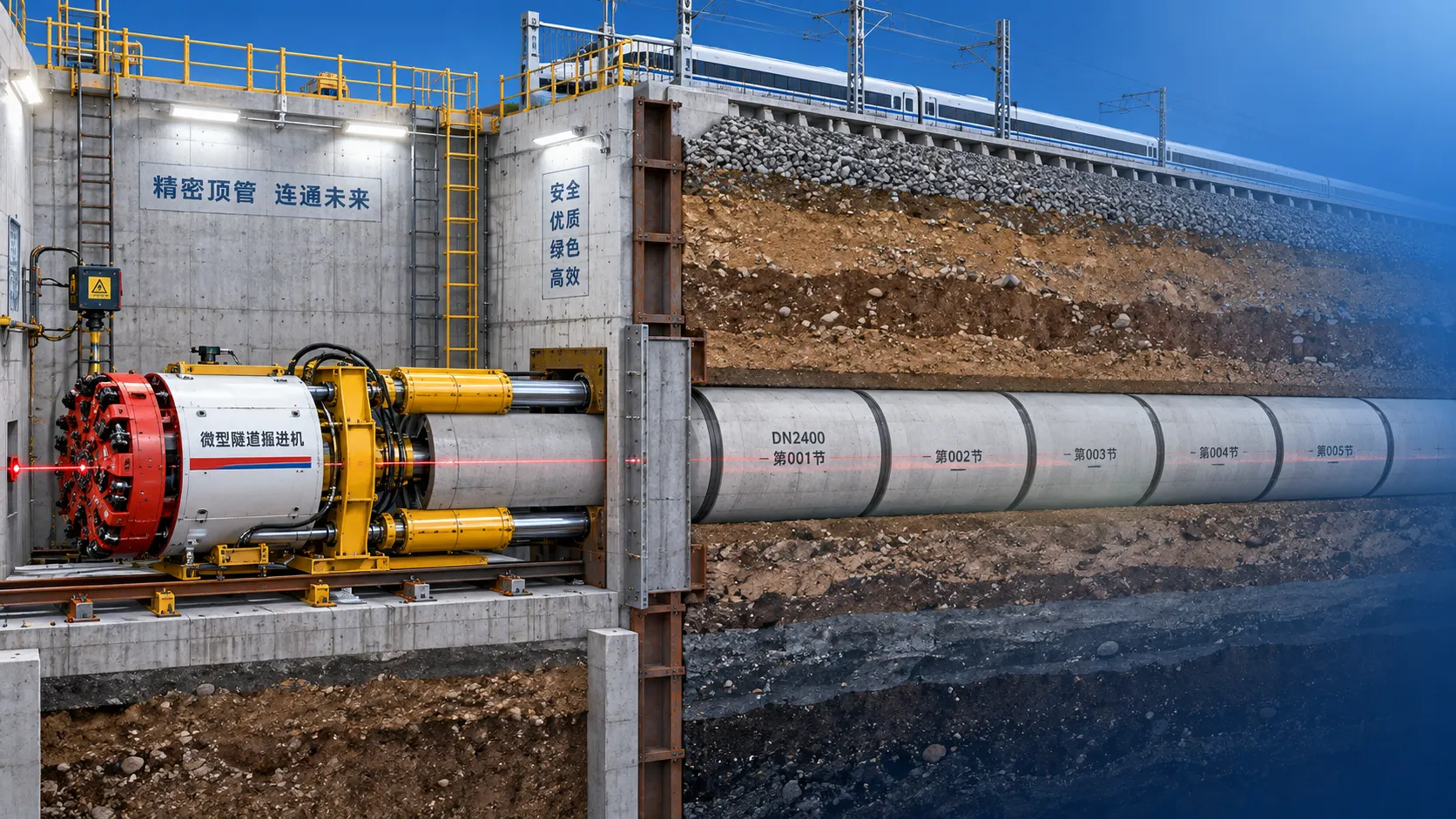
Which Trenchless Construction Technique Fits Your Utility Crossing Conditions?
Trenchless construction techniques compared for utility crossings: choose HDD, microtunnelling, pipe jacking, or auger boring based on ground, accuracy, access, and risk.
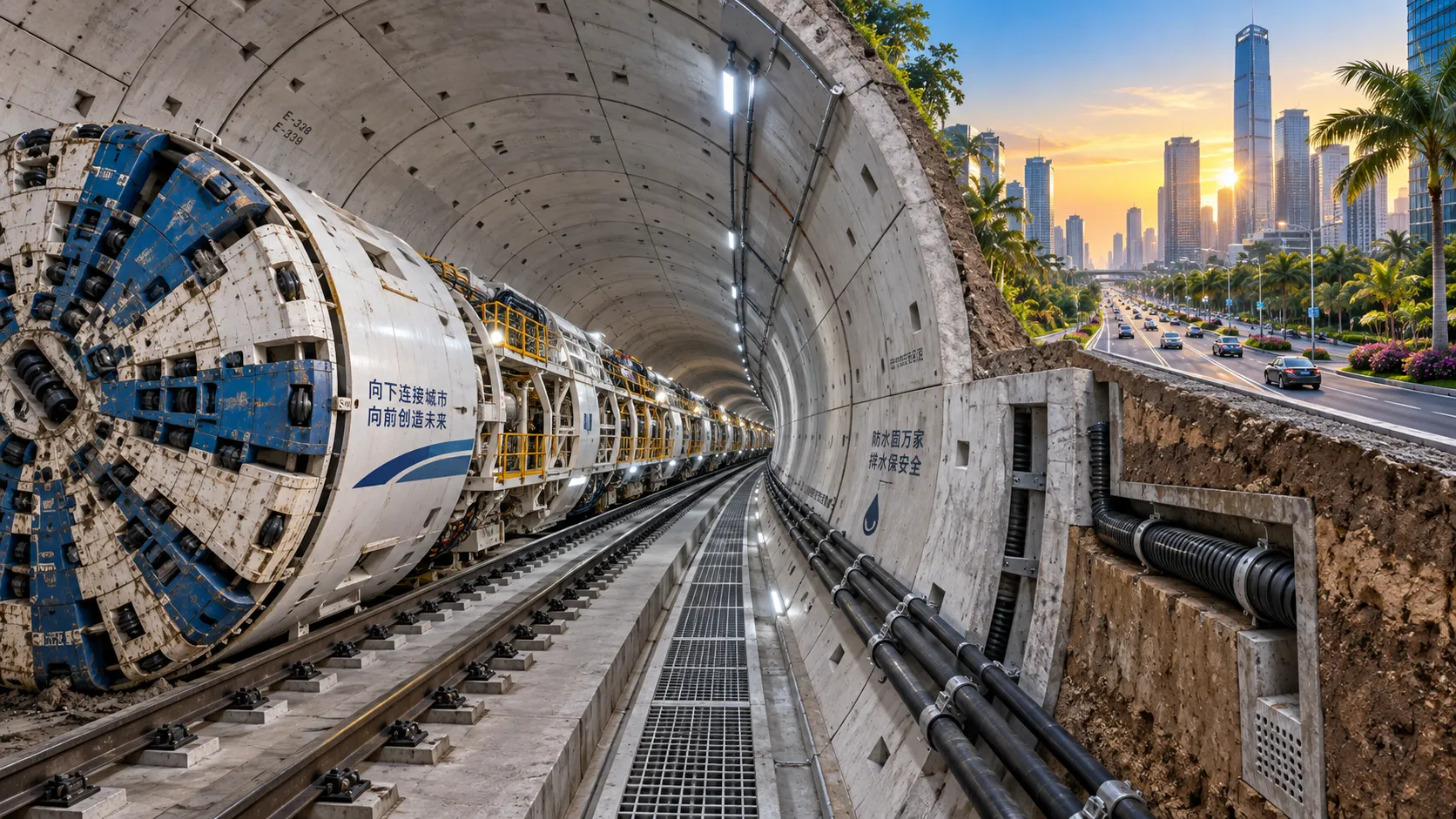
What Is Driving Metro Tunnelling Demand Across Southeast Asia’s Major Cities?
Metro tunnelling Southeast Asia is accelerating as major cities tackle congestion, flooding, and connectivity. Explore the market forces, technical risks, and opportunities shaping demand.
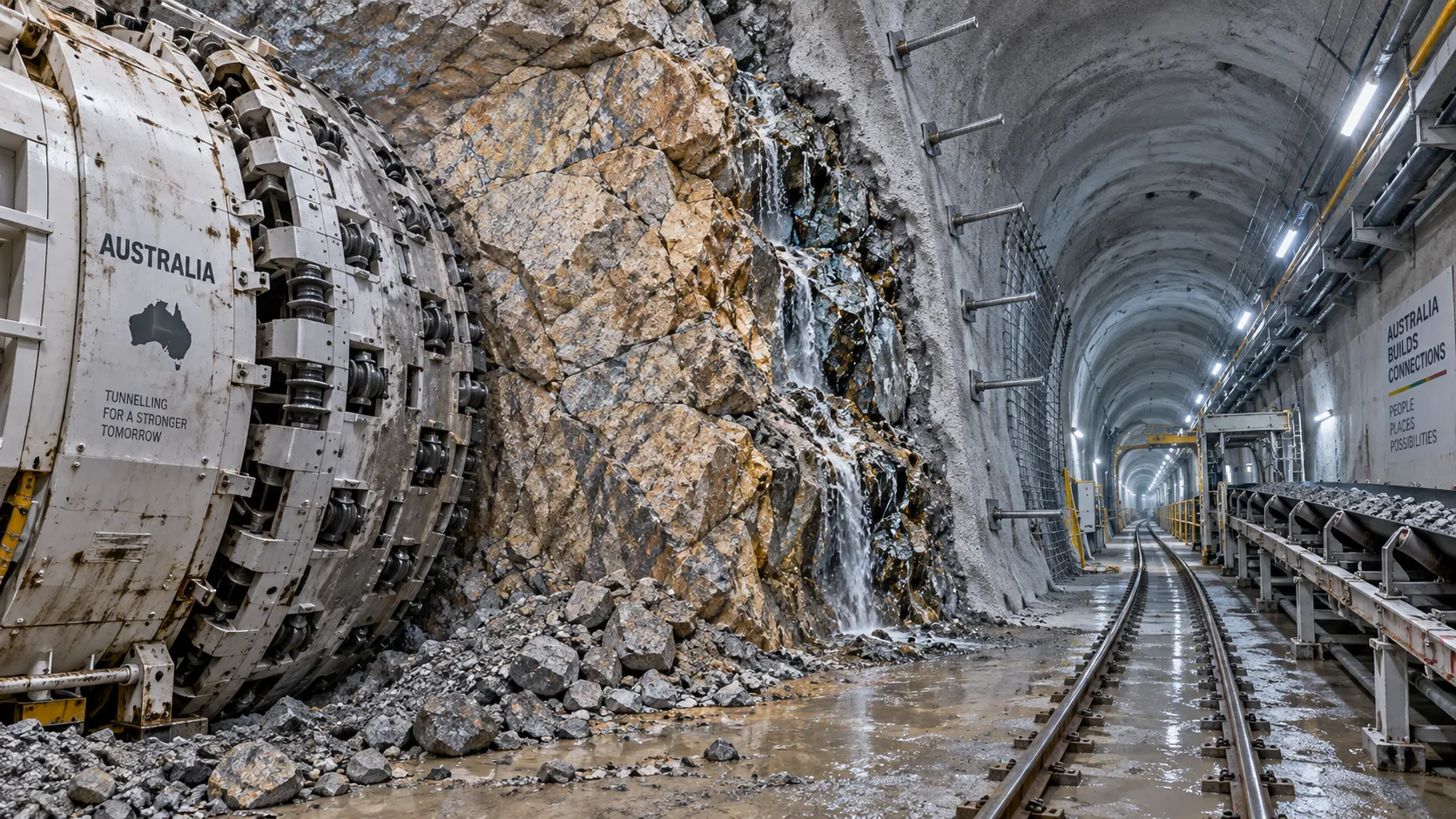
Hard Rock Tunnelling in Australia: Selecting Methods for Variable Ground Conditions
Hard rock tunnelling in Australia: compare TBM, drill-and-blast and hybrid methods to manage variable ground, reduce risk and protect project costs.
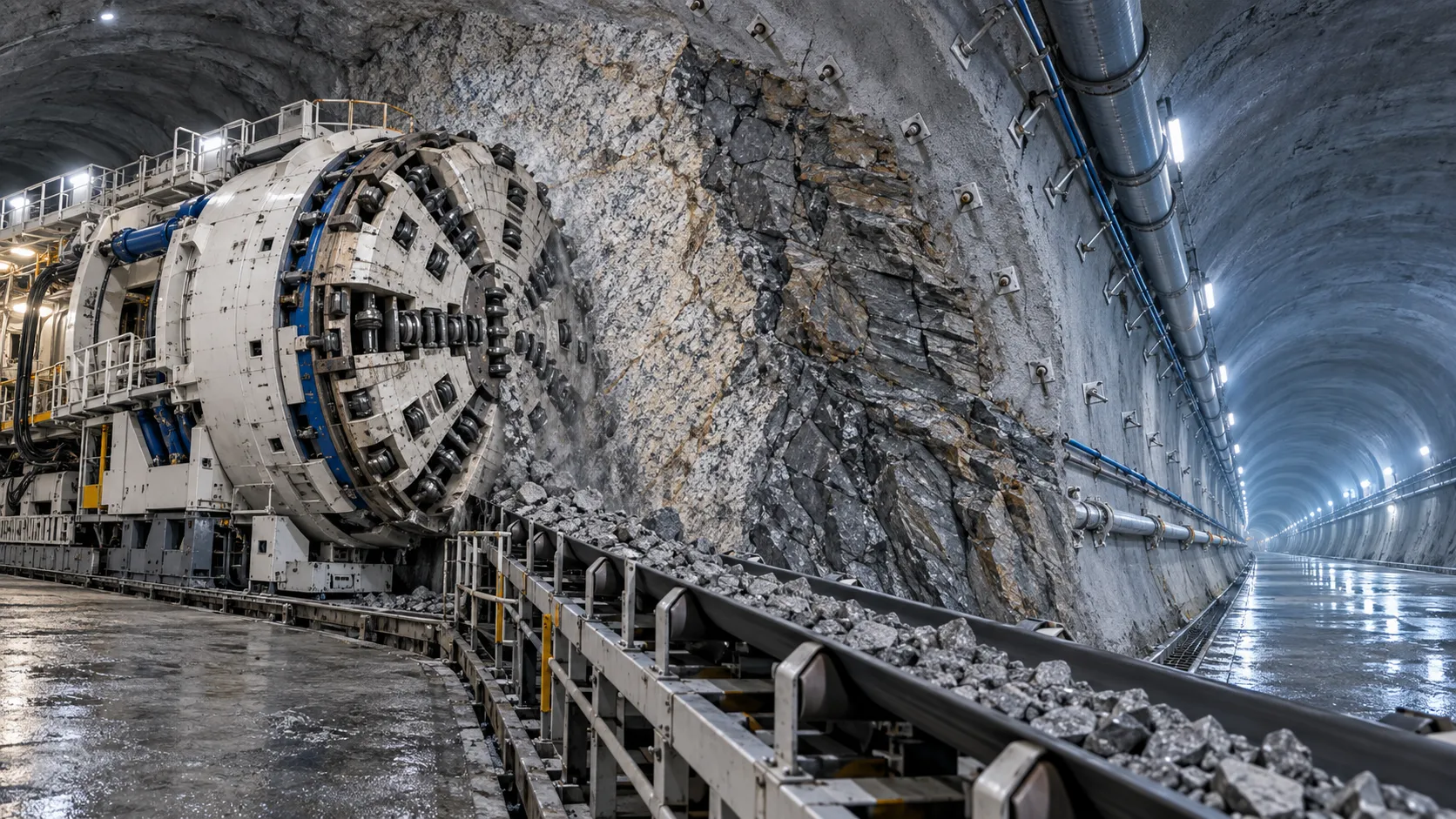
Hydropower Tunnel Excavation: Selecting Methods for Variable Rock Conditions
Hydropower tunnel excavation methods for variable rock conditions: compare TBM, drill-and-blast, and hybrid strategies to improve safety, progress, and project control.
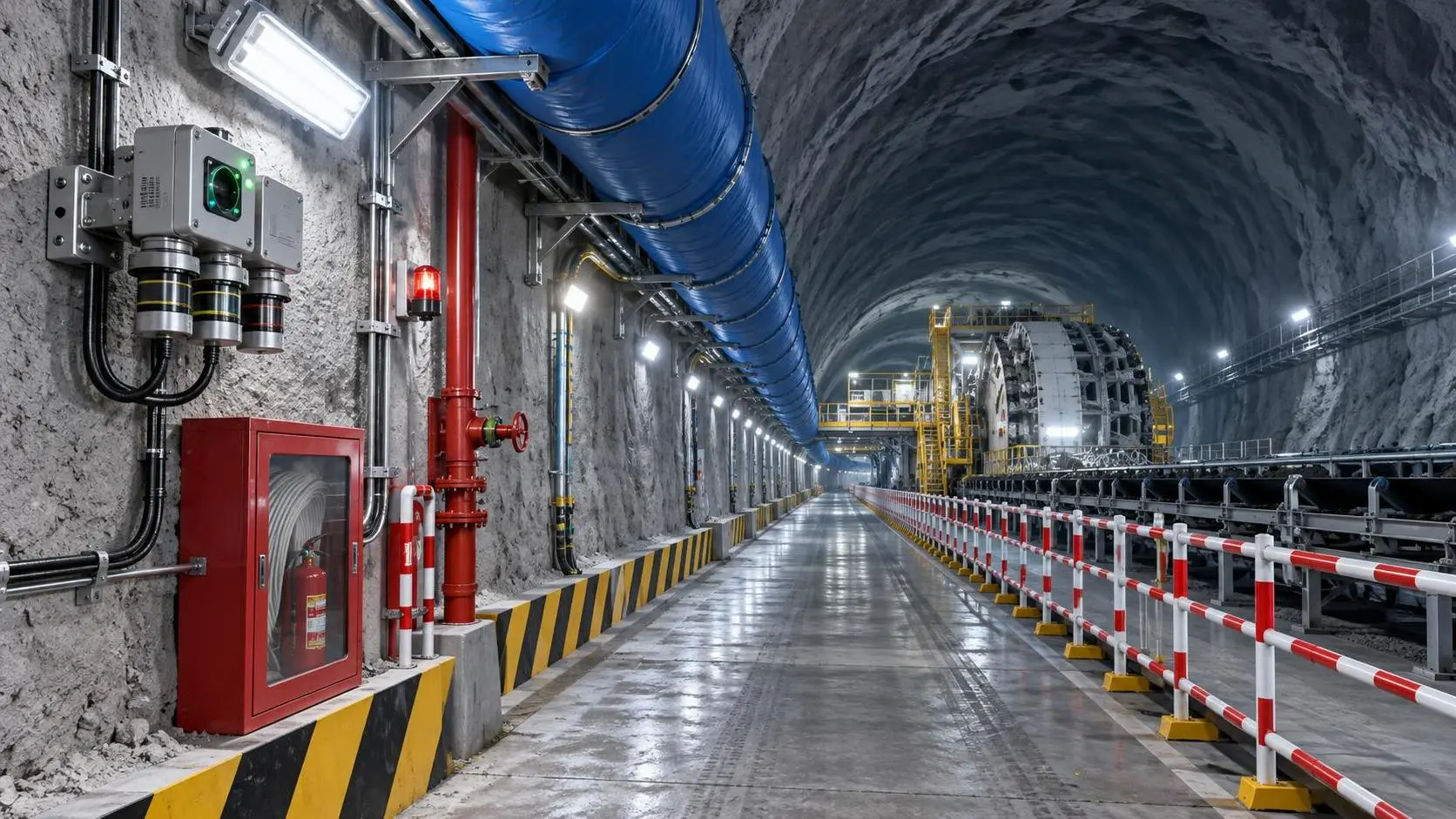
How to Select Underground Safety Equipment for Tunnelling by Hazard and Work Zone
Underground Safety Equipment for tunnelling: match protection to hazards, work zones, compliance, and emergency needs with this practical selection guide.
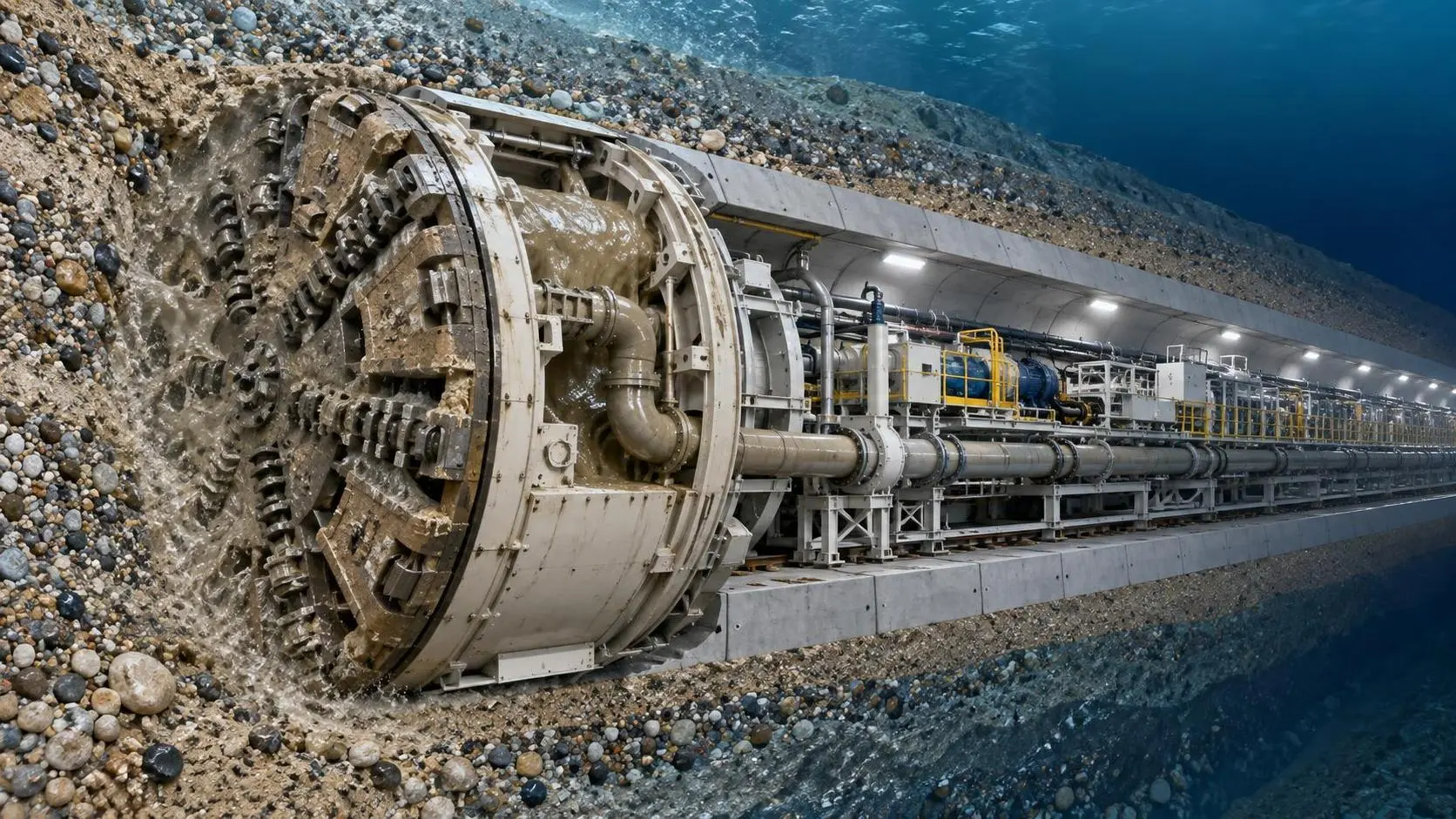
EPB or Slurry Shield? Selecting Soft-Ground Tunnelling Equipment by Soil Conditions
Tunnel Excavation Equipment for soft ground: compare EPB and slurry shields by soil, groundwater, settlement risk, and project logistics to choose confidently.
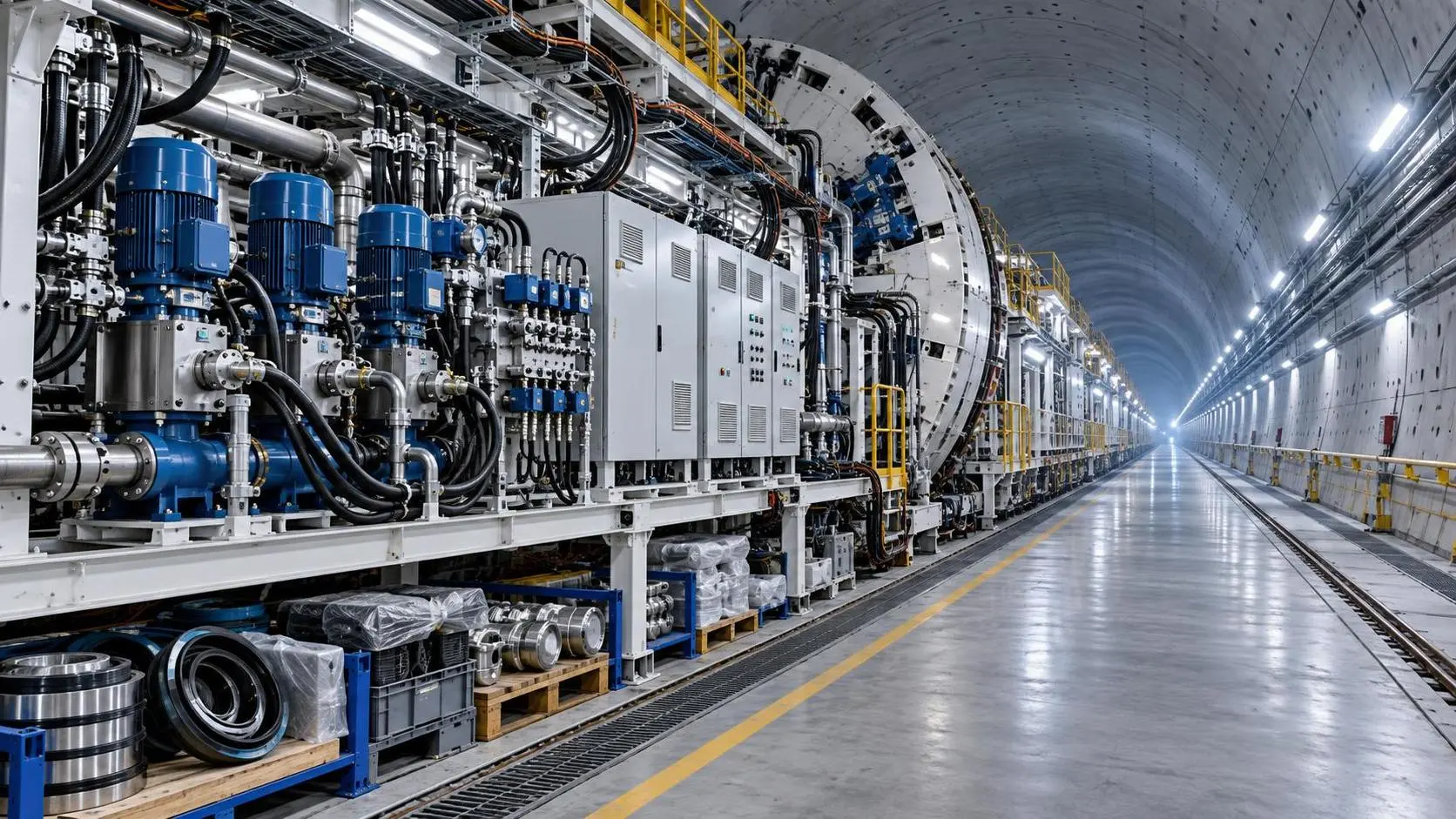
How to Specify TBM Backup System Parts for Reliable Long-Distance Tunnelling
TBM backup system parts: learn how to specify reliable spares for long-distance tunnelling, reduce downtime, ensure compatibility, and speed underground recovery.
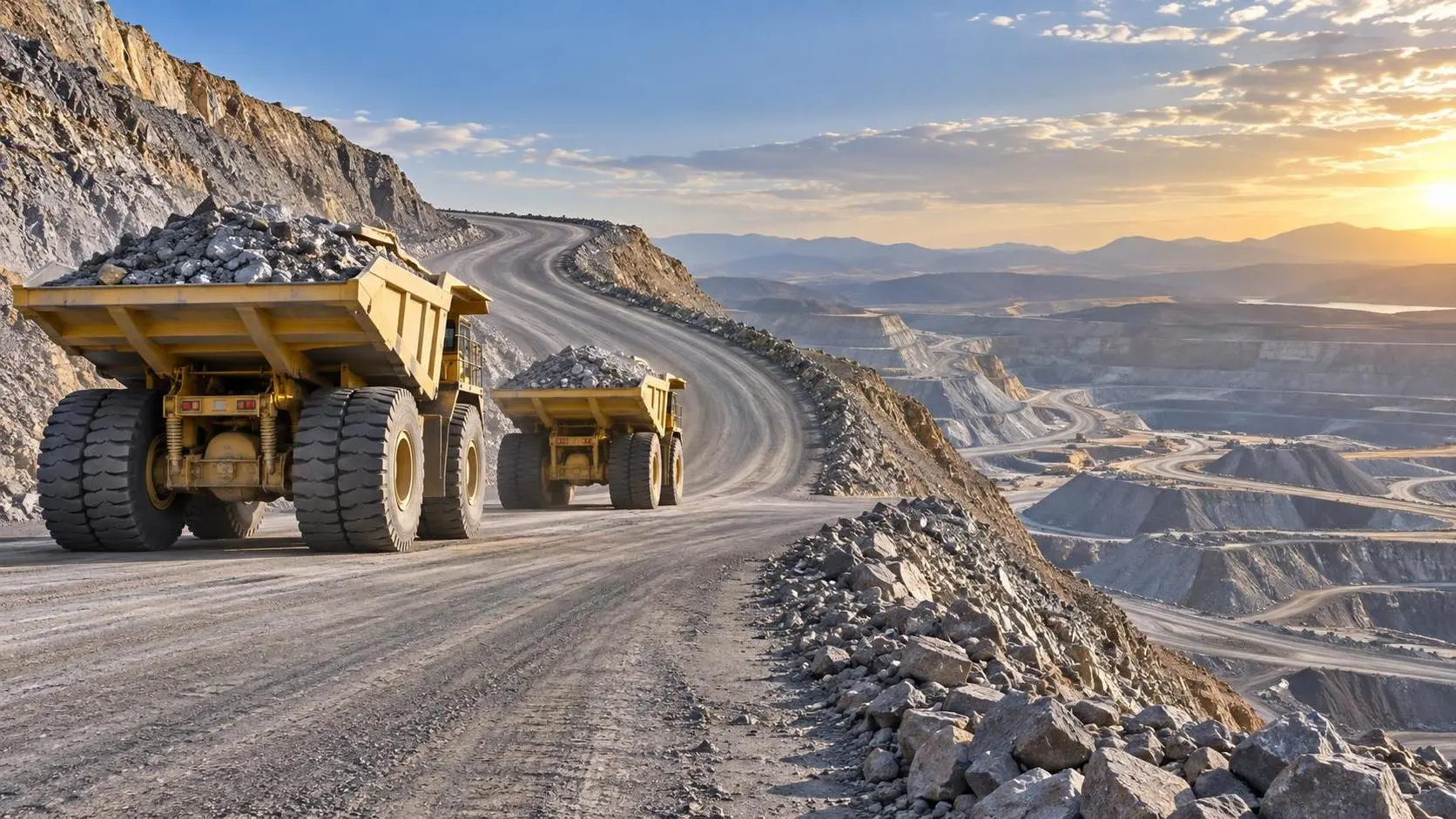
How to Size Open Pit Mining Trucks for Haul Distance, Grade, and Payload?
Open Pit Mining Trucks: learn how to match payload, haul distance, grade, road resistance, and loading capacity for safer, lower-cost mine operations.
Related News
- 00
0000-00
How to Evaluate European Drill-and-Blast Tunnelling Contractors for Complex Projects - 00
0000-00
Which Trenchless Construction Technique Fits Your Utility Crossing Conditions? - 00
0000-00
What Is Driving Metro Tunnelling Demand Across Southeast Asia’s Major Cities? - 00
0000-00
Hard Rock Tunnelling in Australia: Selecting Methods for Variable Ground Conditions - 00
0000-00
Hydropower Tunnel Excavation: Selecting Methods for Variable Rock Conditions
Weekly Insights
Stay ahead with our curated technology reports delivered every Monday.