
What Is Underground Engineering Intelligence and How It Improves Tunnel Risk Assessment





Underground Engineering Intelligence is the layer that turns scattered underground data into usable judgment. In tunnel delivery, that matters because risk rarely appears as one dramatic event. It usually builds through small signals: changing ground conditions, abnormal cutter wear, unstable advance rates, ventilation stress, or inconsistent machine feedback.
When these signals are connected early, tunnel risk assessment becomes less reactive and more predictive. That is why Underground Engineering Intelligence is gaining attention across TBM projects, trenchless works, drill-and-blast tunnels, and smart mining systems where reliability, safety, automation, and emissions performance now influence the same decision chain.
Why the concept matters now
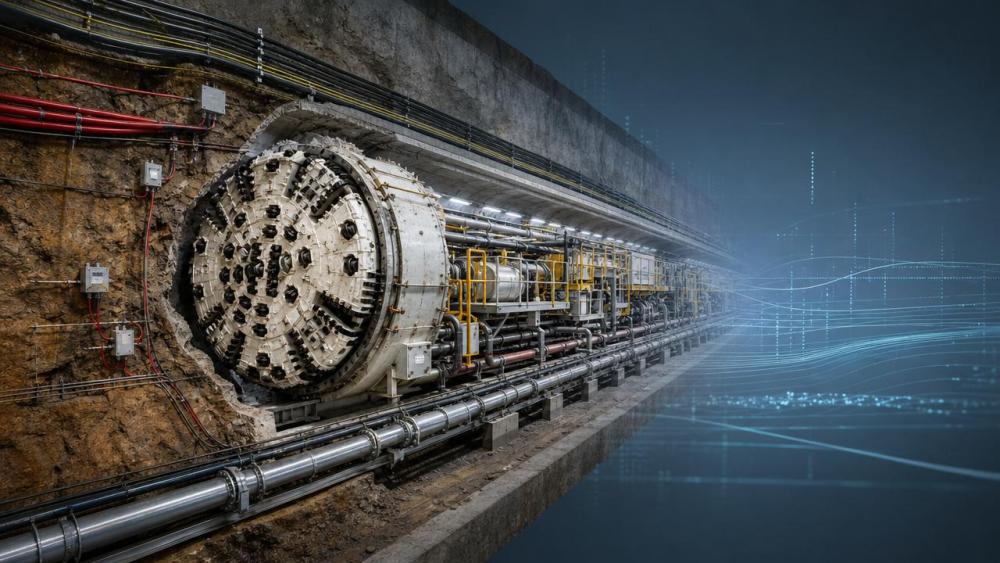
Underground construction is moving into denser cities, deeper rock, longer drives, and tighter environmental controls. At the same time, project teams are expected to predict downtime, manage carbon constraints, and maintain safety under more variable geology.
That shift has raised the value of intelligence over raw information. Daily logs, borehole records, cutter inspections, telemetry, and logistics reports all exist. The challenge is making them speak to one another before a risk turns into delay, damage, or a safety incident.
This is also where the broader industry context becomes important. Platforms such as UTMD follow the operational frontier of underground engineering by connecting TBM mechanics, trenchless practice, zero-emission equipment, and automation trends into one readable intelligence framework.
What Underground Engineering Intelligence actually includes
Underground Engineering Intelligence is not a single software dashboard. It is a structured way of combining engineering evidence, equipment behavior, and project context so that underground risk can be interpreted with more confidence.
In practical terms, it usually brings together several data layers that are often managed separately.
- Ground intelligence, including lithology changes, fault zones, groundwater, overbreak history, and face mapping.
- Machine intelligence, such as torque, thrust, penetration rate, vibration, pressure balance, and cutterhead intervention frequency.
- Asset health intelligence, covering disc cutter wear, hydraulic anomalies, sensor drift, battery performance, and regenerative braking efficiency.
- Operational intelligence, including shift productivity, segment installation rhythm, haulage bottlenecks, and maintenance windows.
- Commercial and regulatory intelligence, such as tender signals, ESG requirements, electrification pressure, and replacement demand.
Simple reporting tells a team what happened. Underground Engineering Intelligence helps explain why it happened, what may happen next, and where intervention is most justified.
How it improves tunnel risk assessment
Traditional tunnel risk assessment often starts well, then weakens when field conditions change faster than the risk register. Intelligence-led assessment stays useful because it updates risk through live evidence rather than fixed assumptions.
Earlier detection of hidden instability
A small drop in penetration rate may seem operational. Combined with rising cutter temperature and changed muck characteristics, it can point to harder inclusions or unexpected abrasivity ahead.
That kind of pattern matters because geological transition zones often introduce compound risks. Face instability, abnormal wear, schedule pressure, and maintenance exposure may appear together rather than separately.
Better linkage between cause and consequence
Underground Engineering Intelligence helps connect root causes to project outcomes. A ventilation shortfall is not only an HSE issue. It may reduce equipment performance, limit intervention time, and distort production planning.
The same logic applies to zero-emission fleets. Battery-swapping delays, charger bottlenecks, or power instability can affect risk exposure just as much as rock mechanics when work fronts depend on continuous material flow.
More realistic probability scoring
Risk matrices improve when scoring reflects current evidence. Instead of rating water ingress risk once during planning, intelligence allows reassessment using probe drilling, pressure trends, and local performance history.
That does not remove uncertainty. It reduces avoidable uncertainty, which is usually the difference between a controllable issue and a costly surprise.
Where the intelligence comes from in real projects
The strongest risk picture usually comes from mixed sources rather than one data stream. Underground Engineering Intelligence becomes useful when field observations, equipment data, and strategic sector knowledge are interpreted together.
UTMD’s value in this landscape is that it tracks several of these layers at once. Its focus on TBMs, pipe jacking machines, drilling jumbos, mining dump trucks, and underground LHD loaders reflects how tunnel and mining risks are increasingly connected to electrification, automation, and equipment reliability.
Typical scenarios where intelligence changes decisions
Not every project needs the same depth of analysis. The value appears when the intelligence layer changes a decision that would otherwise rely on assumption or incomplete visibility.
Long TBM drives in mixed ground
Mixed geology is one of the clearest use cases. Underground Engineering Intelligence can combine probe results, pressure response, and cutter wear to anticipate transition zones before stoppages multiply.
Urban trenchless crossings
In pipe jacking and microtunnelling, the key issue is often not excavation alone but settlement sensitivity. Intelligence helps compare jacking force trends, line deviation, and local utility density against acceptable urban disturbance thresholds.
Deep mine access and haulage systems
In mining tunnels, the risk picture extends beyond rock support. Remote operation latency, SLAM performance, traffic interaction, and zero-exhaust vehicle uptime all affect exposure underground.
That is why Underground Engineering Intelligence now sits between engineering, operations, and strategy rather than inside one discipline.
What to examine before trusting the intelligence
Good intelligence is not simply more data. It has to be relevant, comparable, and tied to decisions. A large dashboard can still hide risk if the signals are poorly framed.
- Check whether geological interpretation is updated with field evidence rather than copied from baseline reports.
- Verify that machine signals are correlated with inspections, not treated as independent truth.
- Look for trend quality, not isolated numbers. Risk grows in patterns.
- Include operational constraints such as ventilation, energy supply, and maintenance access.
- Compare project findings with external intelligence on technology evolution and sector benchmarks.
This is especially relevant in projects adopting electrified or autonomous underground fleets. New systems can lower emissions and improve control, yet they also introduce fresh reliability and integration questions that deserve structured assessment.
A practical way to use it next
A useful starting point is to map which risks are still judged mainly by experience and which ones are already supported by evidence. That gap usually shows where Underground Engineering Intelligence can create immediate value.
Then review the project through three lenses: changing ground behavior, equipment health, and operational continuity. If those views remain separate, tunnel risk assessment will stay slower than the risk itself.
For ongoing market tracking, it also helps to follow intelligence sources that connect deep technical detail with sector movement. UTMD is relevant here because it links rock-cutting mechanics, trenchless execution, fleet electrification, and smart underground transport into one decision context.
The strongest next step is not to collect everything. It is to define which signals change a risk judgment, which benchmarks provide context, and which unanswered questions need closer monitoring before the next tunnel decision is made.
Related News
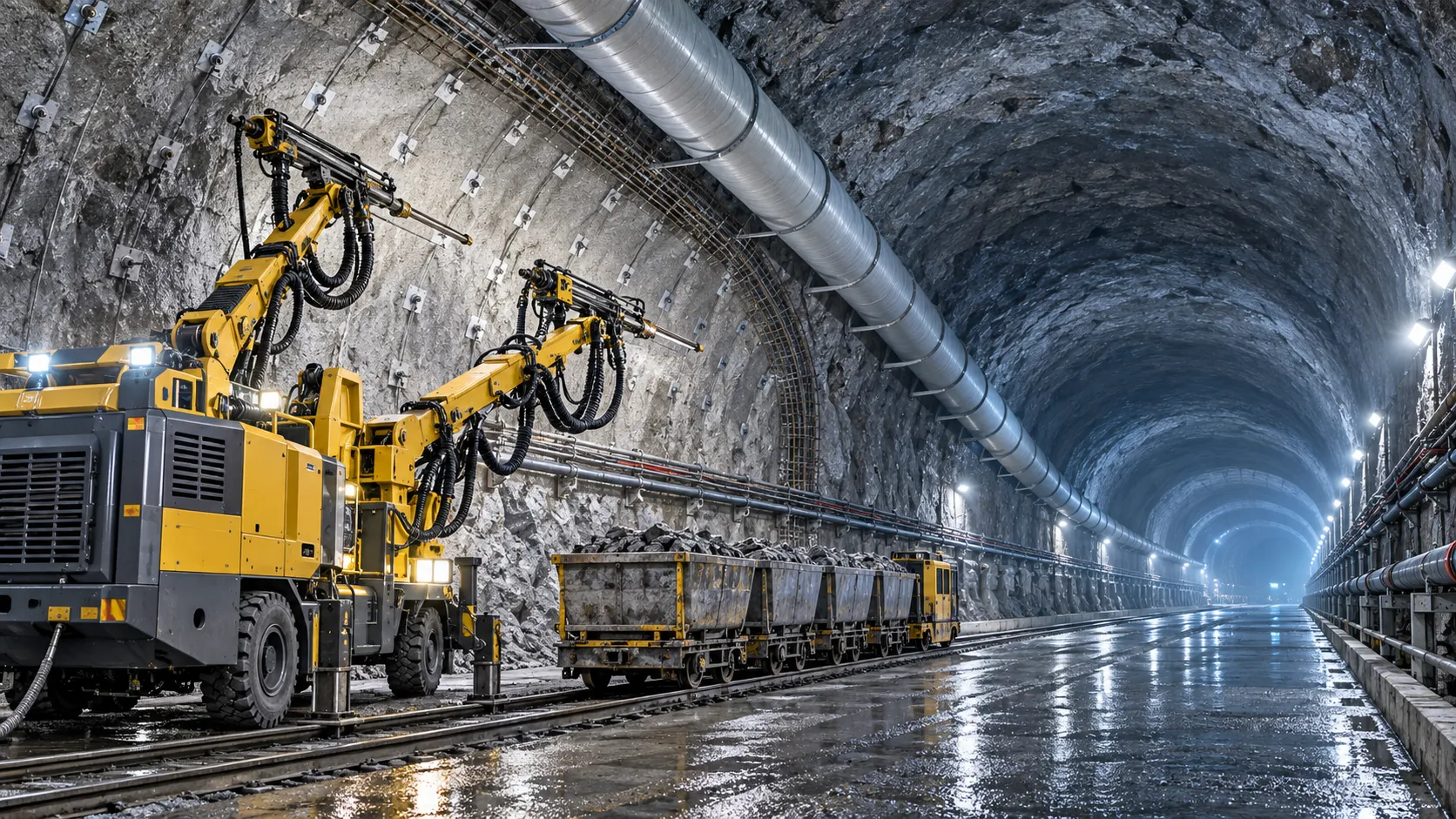
How to Evaluate European Drill-and-Blast Tunnelling Contractors for Complex Projects
Drill and blast tunnelling contractors Europe: learn how to assess geology expertise, blast control, equipment reliability, safety, and programme resilience for complex projects.
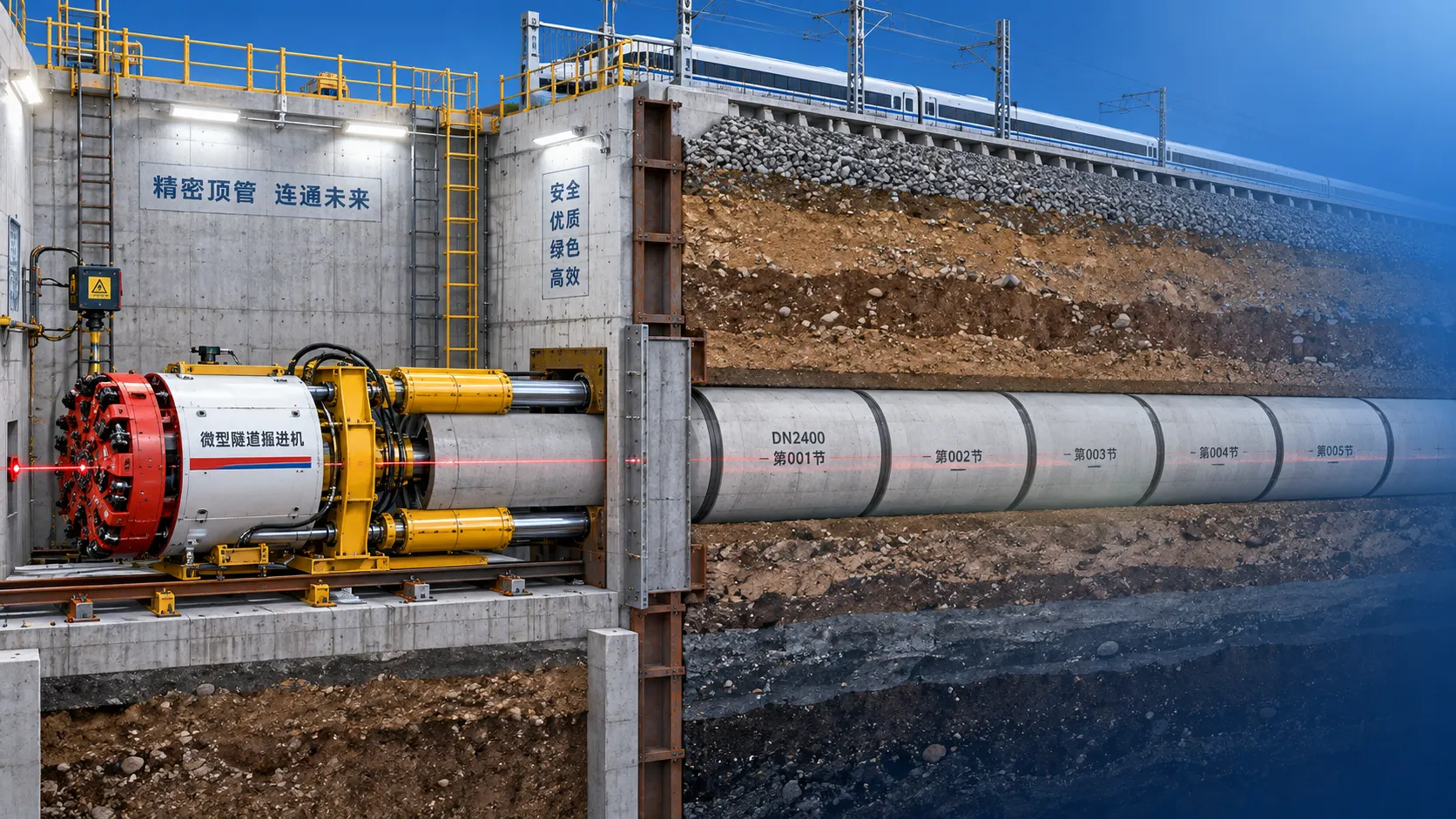
Which Trenchless Construction Technique Fits Your Utility Crossing Conditions?
Trenchless construction techniques compared for utility crossings: choose HDD, microtunnelling, pipe jacking, or auger boring based on ground, accuracy, access, and risk.
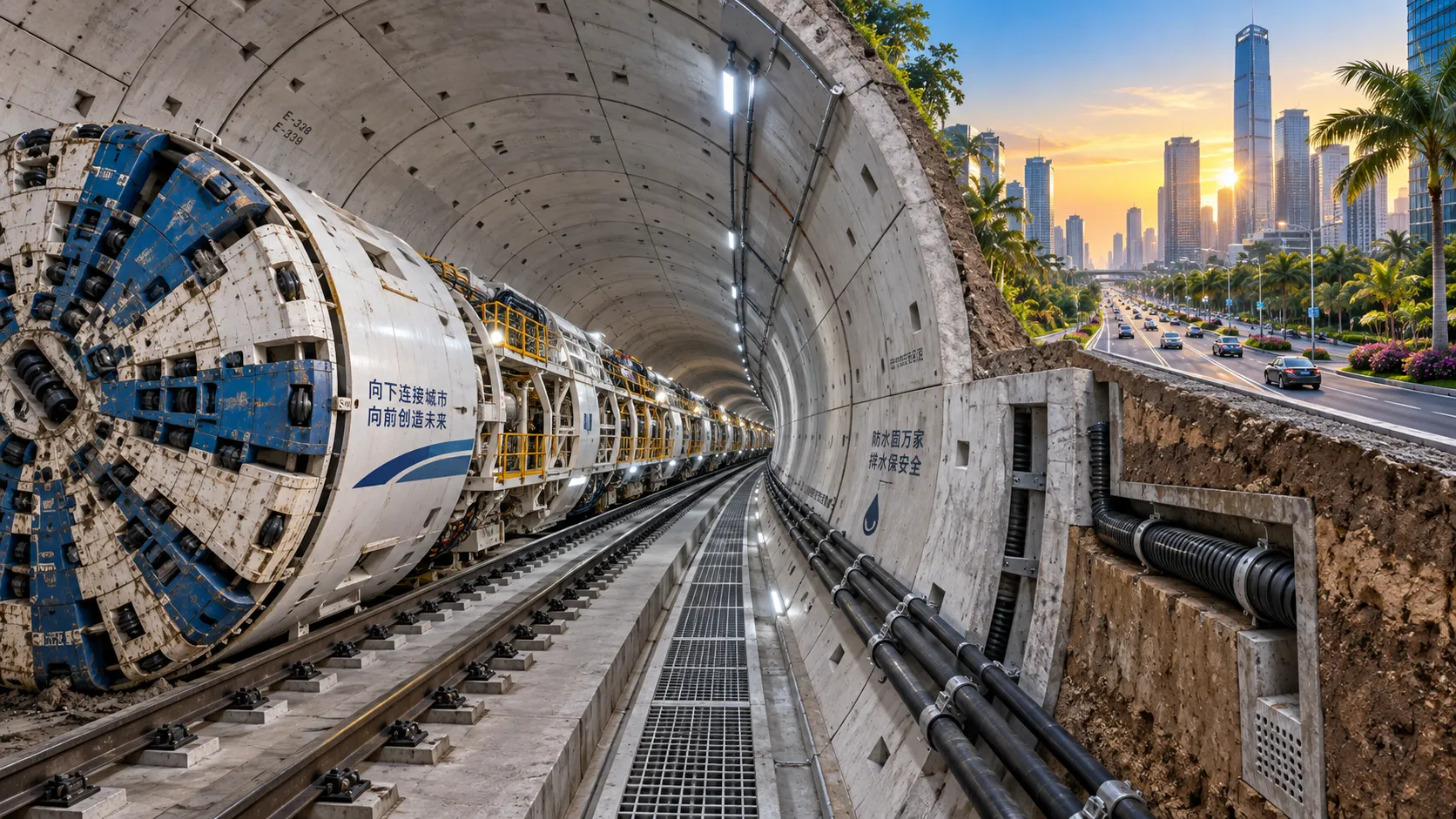
What Is Driving Metro Tunnelling Demand Across Southeast Asia’s Major Cities?
Metro tunnelling Southeast Asia is accelerating as major cities tackle congestion, flooding, and connectivity. Explore the market forces, technical risks, and opportunities shaping demand.
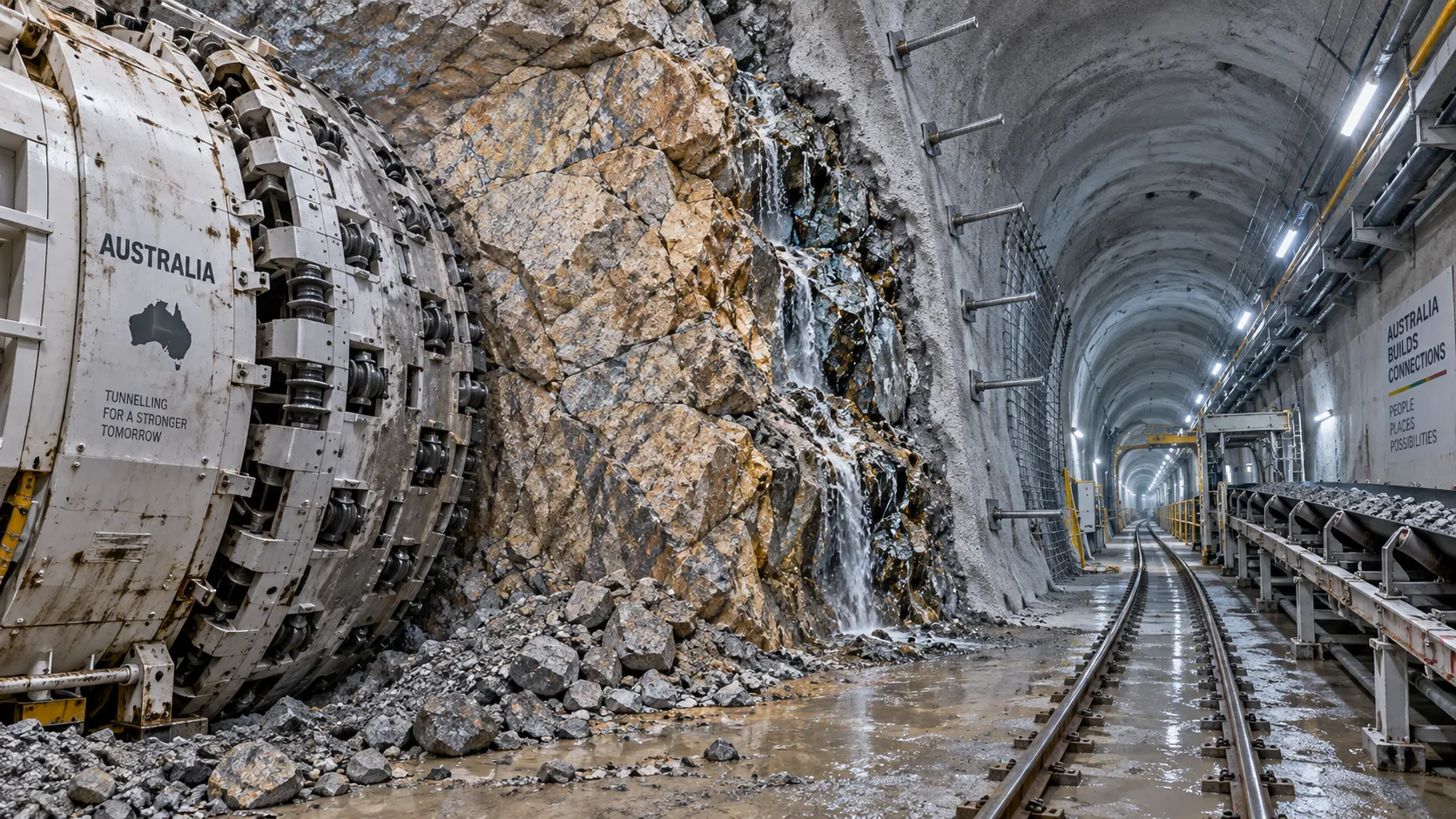
Hard Rock Tunnelling in Australia: Selecting Methods for Variable Ground Conditions
Hard rock tunnelling in Australia: compare TBM, drill-and-blast and hybrid methods to manage variable ground, reduce risk and protect project costs.
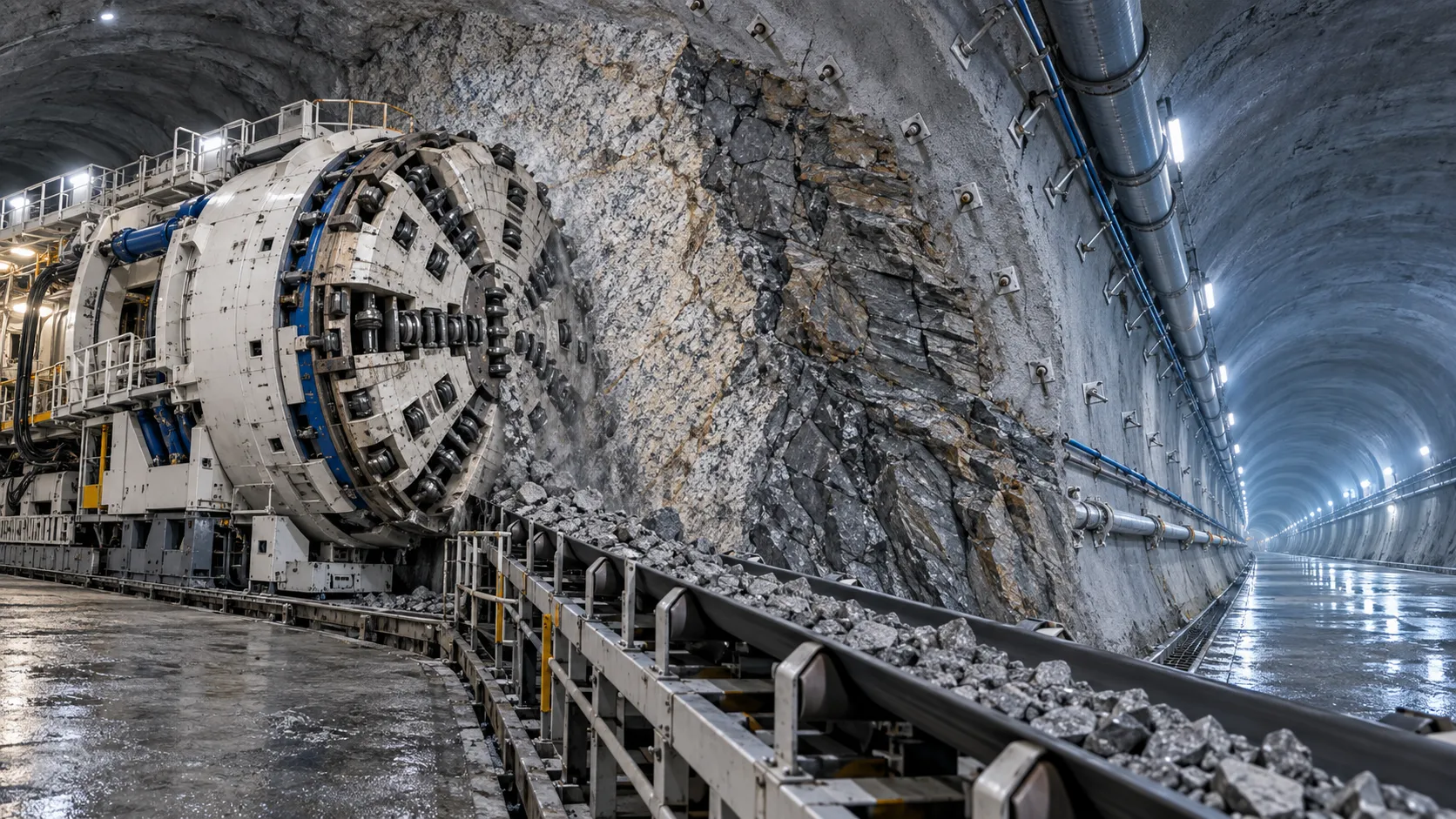
Hydropower Tunnel Excavation: Selecting Methods for Variable Rock Conditions
Hydropower tunnel excavation methods for variable rock conditions: compare TBM, drill-and-blast, and hybrid strategies to improve safety, progress, and project control.
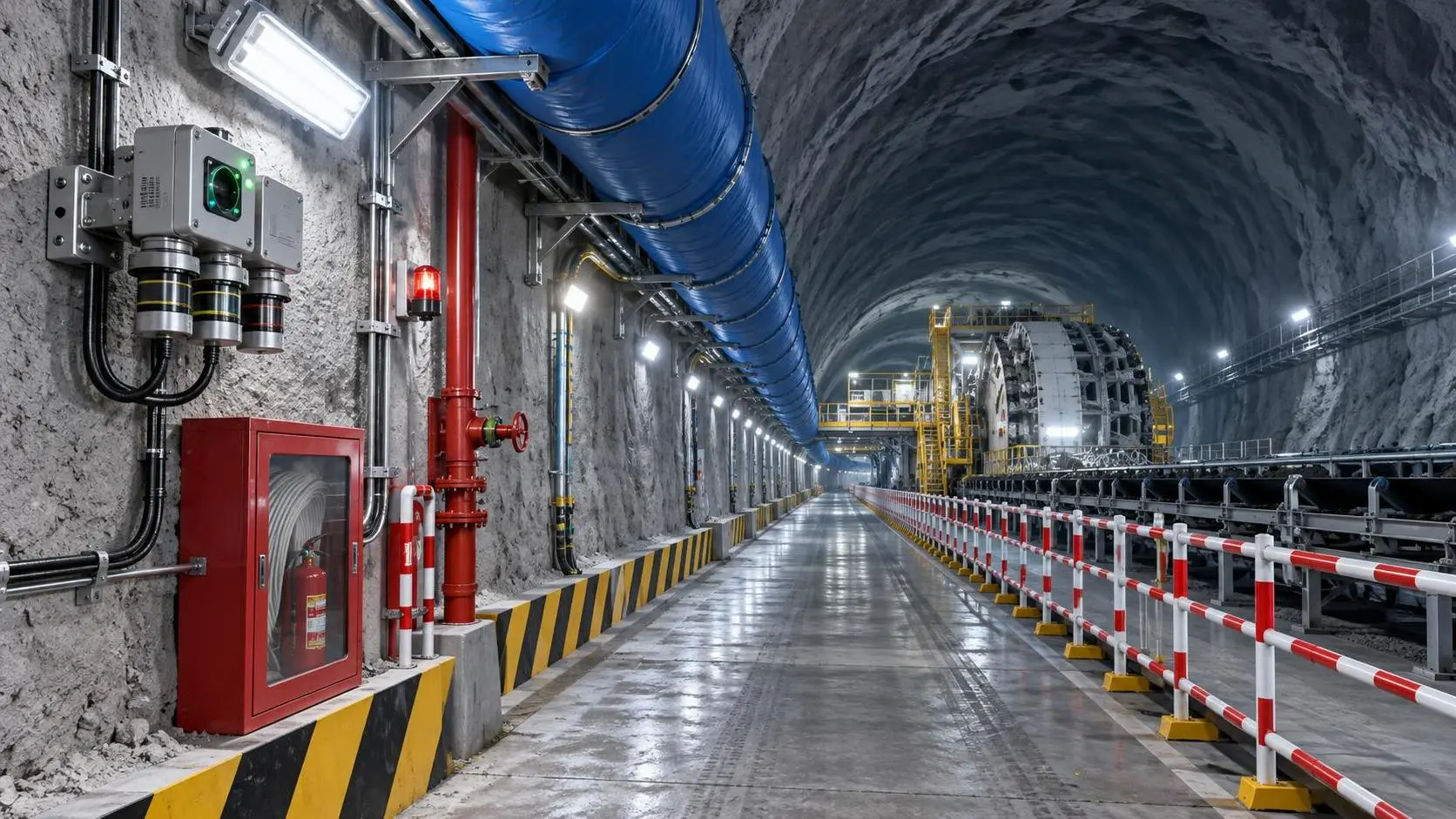
How to Select Underground Safety Equipment for Tunnelling by Hazard and Work Zone
Underground Safety Equipment for tunnelling: match protection to hazards, work zones, compliance, and emergency needs with this practical selection guide.
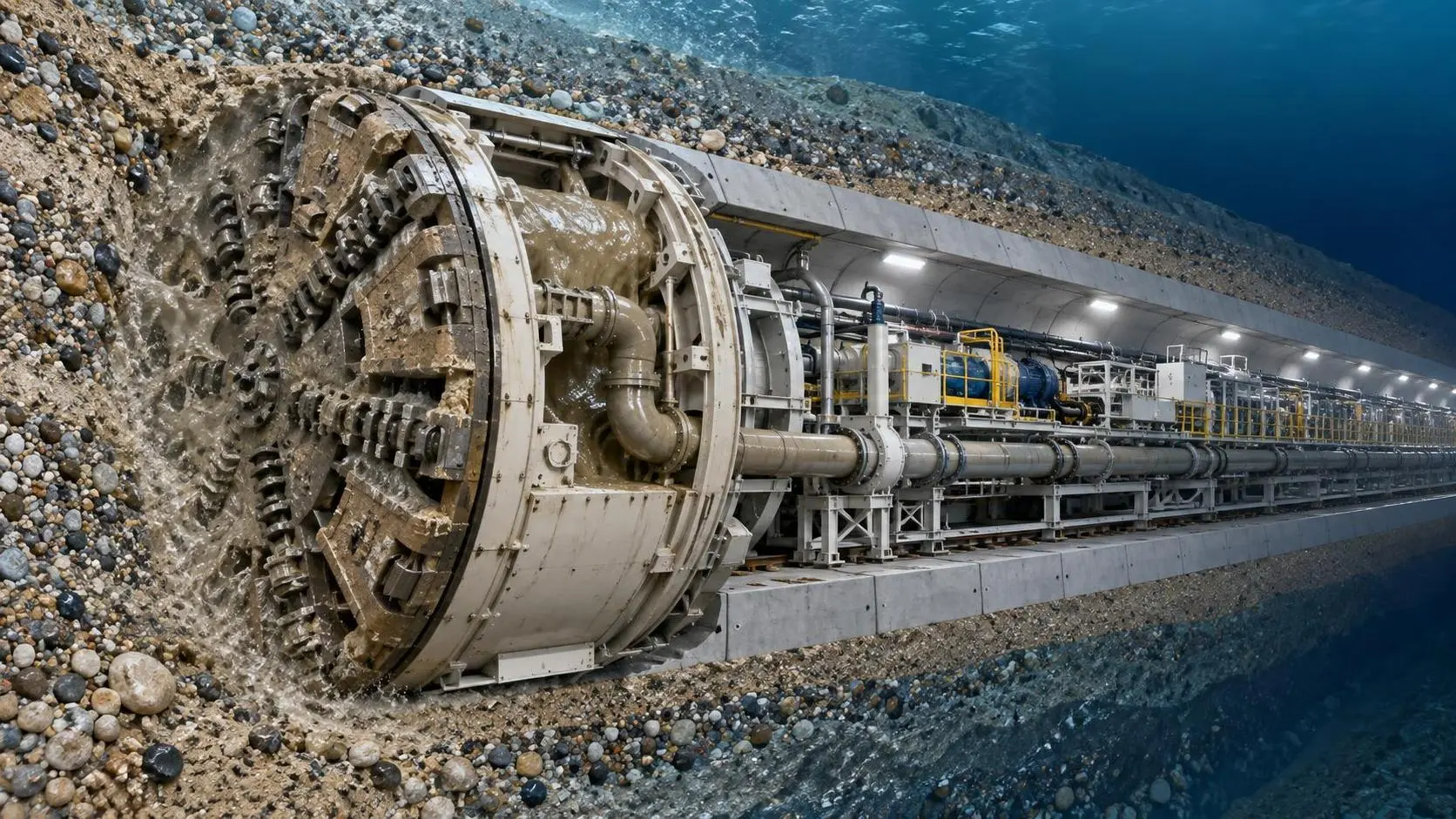
EPB or Slurry Shield? Selecting Soft-Ground Tunnelling Equipment by Soil Conditions
Tunnel Excavation Equipment for soft ground: compare EPB and slurry shields by soil, groundwater, settlement risk, and project logistics to choose confidently.
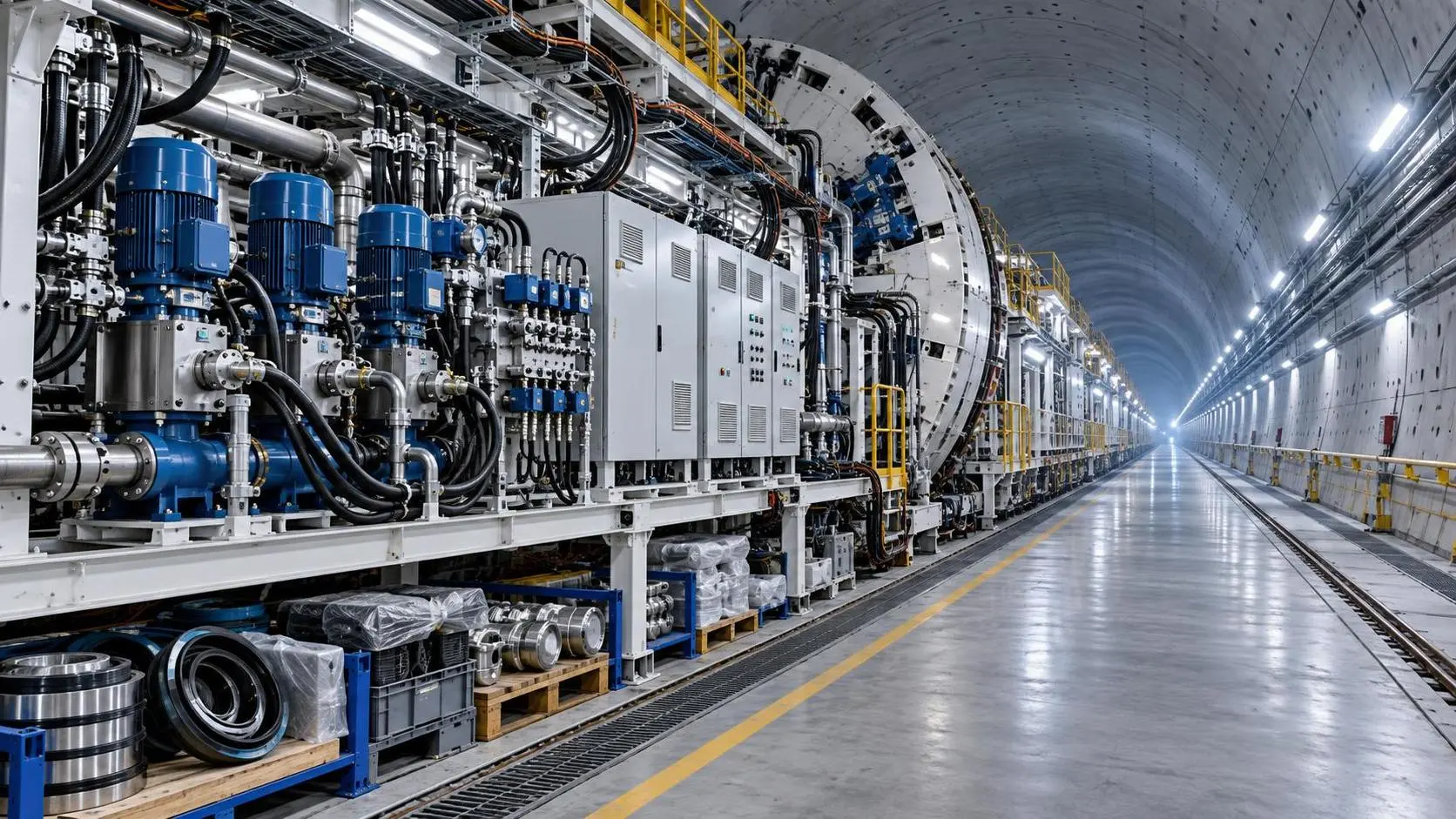
How to Specify TBM Backup System Parts for Reliable Long-Distance Tunnelling
TBM backup system parts: learn how to specify reliable spares for long-distance tunnelling, reduce downtime, ensure compatibility, and speed underground recovery.
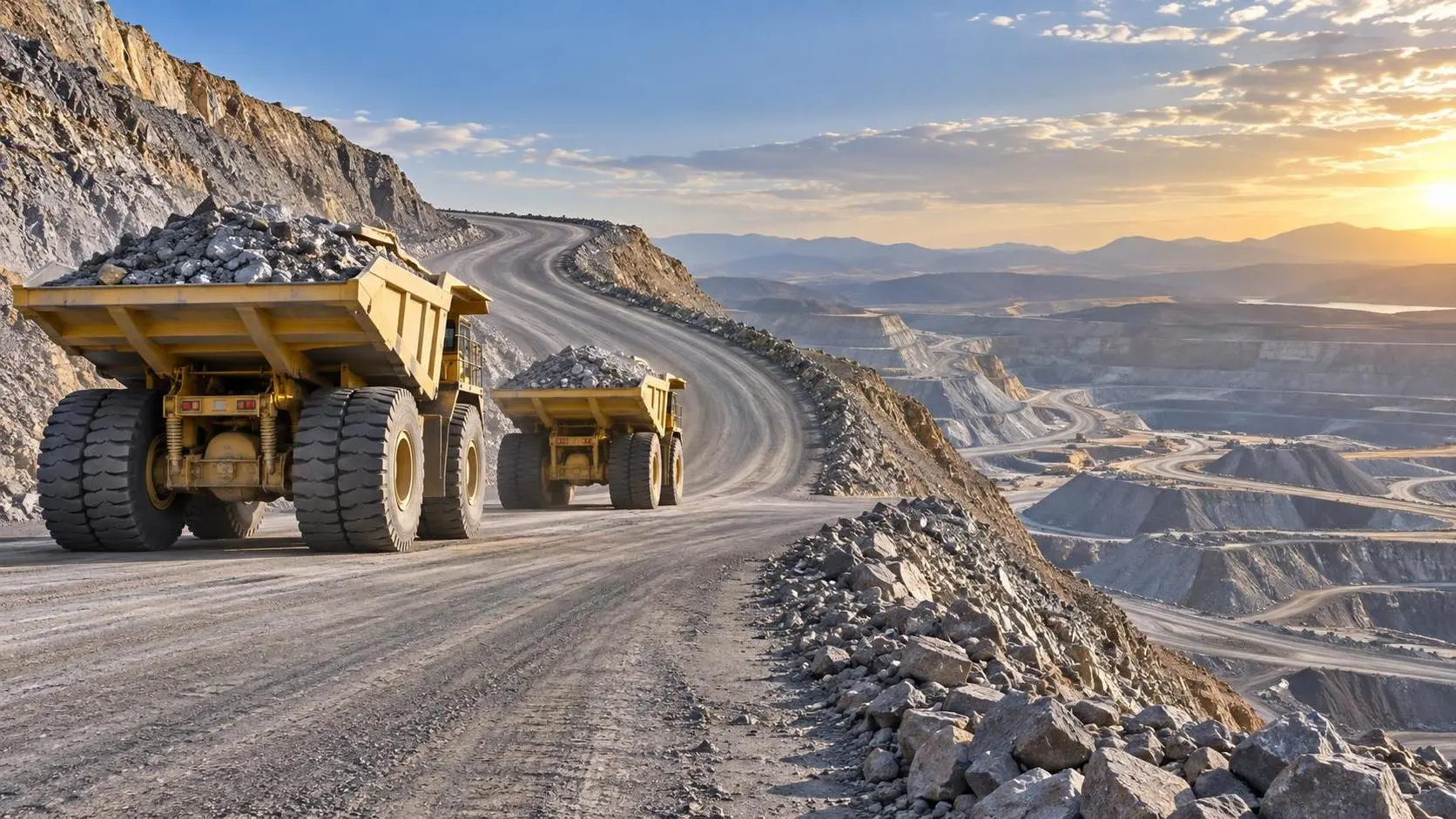
How to Size Open Pit Mining Trucks for Haul Distance, Grade, and Payload?
Open Pit Mining Trucks: learn how to match payload, haul distance, grade, road resistance, and loading capacity for safer, lower-cost mine operations.
Related News
- 00
0000-00
How to Evaluate European Drill-and-Blast Tunnelling Contractors for Complex Projects - 00
0000-00
Which Trenchless Construction Technique Fits Your Utility Crossing Conditions? - 00
0000-00
What Is Driving Metro Tunnelling Demand Across Southeast Asia’s Major Cities? - 00
0000-00
Hard Rock Tunnelling in Australia: Selecting Methods for Variable Ground Conditions - 00
0000-00
Hydropower Tunnel Excavation: Selecting Methods for Variable Rock Conditions
Weekly Insights
Stay ahead with our curated technology reports delivered every Monday.