
Mine Dewatering Equipment Selection Guide: Pump Head, Flow Rate, Solids, and Maintenance





Mine Dewatering Equipment selection is becoming more strategic
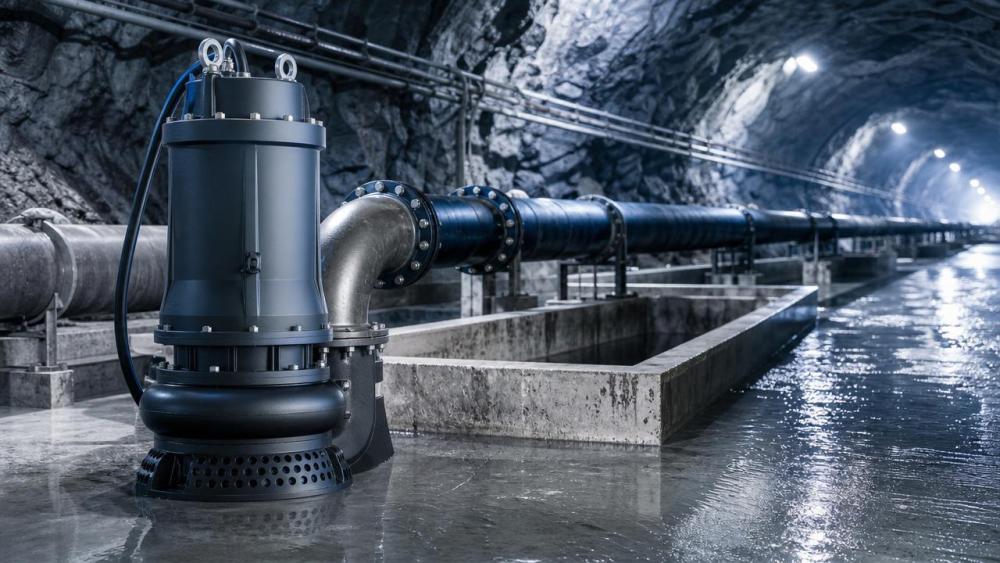
Mine water management used to be treated as a support function. That assumption is fading across underground mining and tunnelling operations.
Deeper orebodies, tighter ESG targets, and automation-led production schedules are changing how Mine Dewatering Equipment is evaluated.
A poorly matched pump no longer creates only local drainage trouble. It can interrupt drilling, loading, haulage, ventilation, and electrical reliability.
That is especially clear in operations influenced by the same forces UTMD tracks across TBMs, drilling jumbos, underground LHDs, and smart transport systems.
As mines push further underground, water handling becomes linked to equipment uptime, zero-exhaust planning, and digital asset management.
So the real question is not just which pump moves water. It is which Mine Dewatering Equipment remains reliable under shifting geologies and harder duty cycles.
Why recent demand is shifting beyond simple pump capacity
From recent project patterns, one signal stands out: dewatering decisions are moving from single-parameter buying toward system-level judgment.
Several forces are behind this shift.
- Mining depths are increasing, which raises static head and exposes pumps to more abrasive slurries.
- Energy costs make inefficient oversized units more visible over the equipment lifecycle.
- Automation reduces tolerance for unexpected shutdowns caused by clogging, seal failure, or poor maintenance access.
- Water quality varies more sharply between headings, sumps, shafts, and production zones.
- Electrification and confined-space safety increase focus on controllable, monitorable, lower-intervention equipment.
This is why Mine Dewatering Equipment now sits closer to strategic infrastructure than auxiliary hardware.
The same mindset already shapes other underground systems. TBMs, LHDs, and drilling rigs are judged by integration, uptime, and serviceability, not nameplate output alone.
Pump head is where many selection mistakes begin
Head calculation seems straightforward, yet it remains one of the most common sources of mismatch in Mine Dewatering Equipment.
Static lift is only part of the picture. Friction losses, hose length, pipe diameter, bends, valves, and elevation changes often reshape the duty point.
In deeper workings, temporary routing changes can also move the system away from the original design assumptions.
When head is underestimated, drainage falls behind inflow. When overestimated, energy waste and component wear rise quickly.
A practical review should compare normal operating head with upset conditions, including stormwater inflow, sump relocation, and emergency pumping from lower levels.
The best Mine Dewatering Equipment is rarely the highest-head unit on paper. It is the one operating near its efficient range for most of the duty cycle.
Flow rate now needs a production context, not just a water estimate
Flow rate selection is changing for a similar reason. Water inflow figures alone do not capture operating reality.
In active mines, inflow fluctuates with blasting, rainfall infiltration, grouting conditions, and development sequencing.
What matters is how quickly Mine Dewatering Equipment can restore safe working conditions after a surge.
That matters even more where drilling jumbos, loaders, and haulage systems depend on uninterrupted access to headings and ramps.
An undersized flow rate can delay shift handovers, bog vehicle movement, and increase tire or track wear from standing water.
An oversized unit may cycle poorly, shorten seal life, and burn unnecessary power in low-inflow periods.
A stronger approach is to define flow across three conditions: routine inflow, peak disturbance inflow, and emergency evacuation demand.
That framing gives Mine Dewatering Equipment a closer link to actual mine continuity, not just hydraulic theory.
Solids handling has become a larger cost issue than many expect
More operations are rediscovering a basic truth: water underground is rarely clean for long.
Rock fines, cuttings, silt, scale, and fibrous debris can quickly turn a water pump decision into a wear management problem.
This is where Mine Dewatering Equipment selection often separates low initial price from low lifecycle cost.
Recent underground expansion tied to copper, lithium, and other energy metals has intensified this challenge.
Orebody development in harder, deeper zones can generate more abrasive conditions and less predictable slurry content.
What to verify before solids become a failure mode
- Maximum particle size the pump can pass without repeated blockage.
- Impeller and casing materials under abrasive duty.
- Seal design performance when solids concentration rises suddenly.
- Agitator or vortex suitability for sump sediment conditions.
- Real maintenance interval under slurry, not clear-water test conditions.
In practice, solids tolerance influences availability as much as rated flow. A pump that clogs less often can outperform a larger unit over a month.
Maintenance access is moving closer to the center of the buying decision
This change is more visible in remote and automated sites. Labor is tighter, intervention windows are shorter, and underground access remains expensive.
For that reason, maintainability is no longer secondary when comparing Mine Dewatering Equipment.
A pump with difficult seal replacement or awkward lifting requirements may cost less initially, yet absorb more downtime later.
The broader underground equipment market offers a clear lesson. Reliability gains increasingly come from service design, diagnostics, and component accessibility.
That pattern, visible across smart haulage and zero-emission machinery, is now shaping Mine Dewatering Equipment expectations as well.
Useful maintenance questions during comparison
- How long does routine wear-part replacement take underground?
- Can common service tasks be completed with standard site tools?
- Are critical spare parts shared across multiple pump sizes?
- Is condition monitoring available for temperature, vibration, and motor load?
- How much training is needed for consistent field maintenance?
Selection decisions now affect more than drainage performance
The downstream impact of Mine Dewatering Equipment is wider than many comparisons suggest.
When drainage is stable, headings recover faster, trafficability improves, and electrical systems face fewer moisture-related interruptions.
When it is unstable, the effects spread across development advance, ore movement, ventilation planning, and safety controls.
This interdependence is familiar in the UTMD view of underground systems. Machines no longer perform in isolation; infrastructure quality shapes asset productivity.
That is why Mine Dewatering Equipment should be assessed alongside mine layout changes, electrification pathways, and digital monitoring maturity.
A practical way to compare Mine Dewatering Equipment now
A useful evaluation model combines hydraulic fit with operational realism.
This approach keeps Mine Dewatering Equipment decisions aligned with lifecycle cost, not just invoice price.
What deserves closer attention over the next planning cycle
The next phase of underground investment will likely make dewatering choices more technical, not less.
Deeper mining, stricter environmental reporting, and smarter underground fleets all depend on stable water control.
That means Mine Dewatering Equipment should be reviewed as part of a broader resilience plan.
Start with actual head and flow conditions, not legacy assumptions. Recheck solids exposure by zone, not by average site description.
Then examine maintenance effort, parts commonality, and monitoring capability before shortlisting options.
Where underground layouts are changing, build staged scenarios rather than making a one-time fixed selection.
The strongest decisions usually come from comparing Mine Dewatering Equipment against how the mine will operate next, not how it operated last year.
Related News
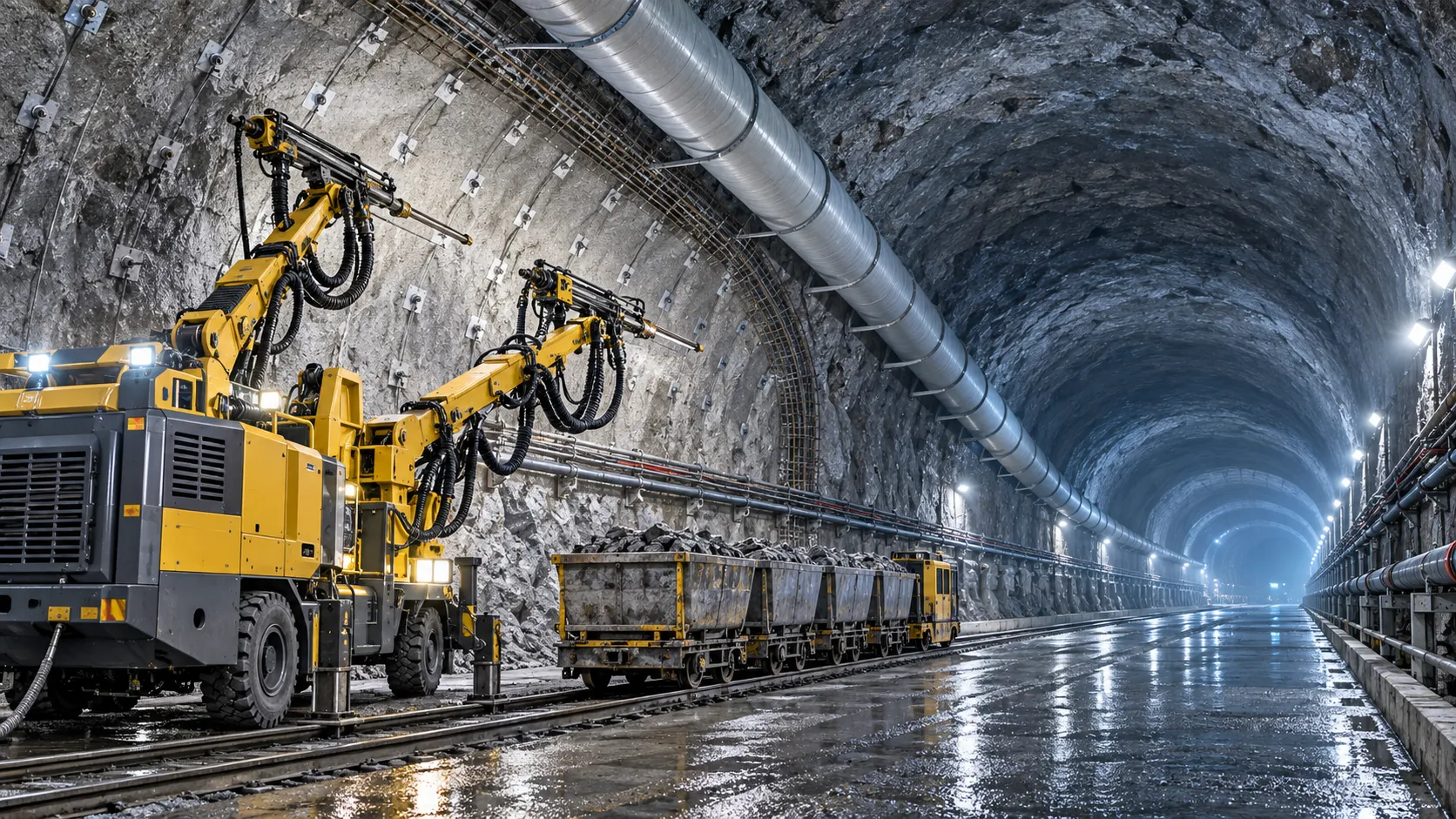
How to Evaluate European Drill-and-Blast Tunnelling Contractors for Complex Projects
Drill and blast tunnelling contractors Europe: learn how to assess geology expertise, blast control, equipment reliability, safety, and programme resilience for complex projects.
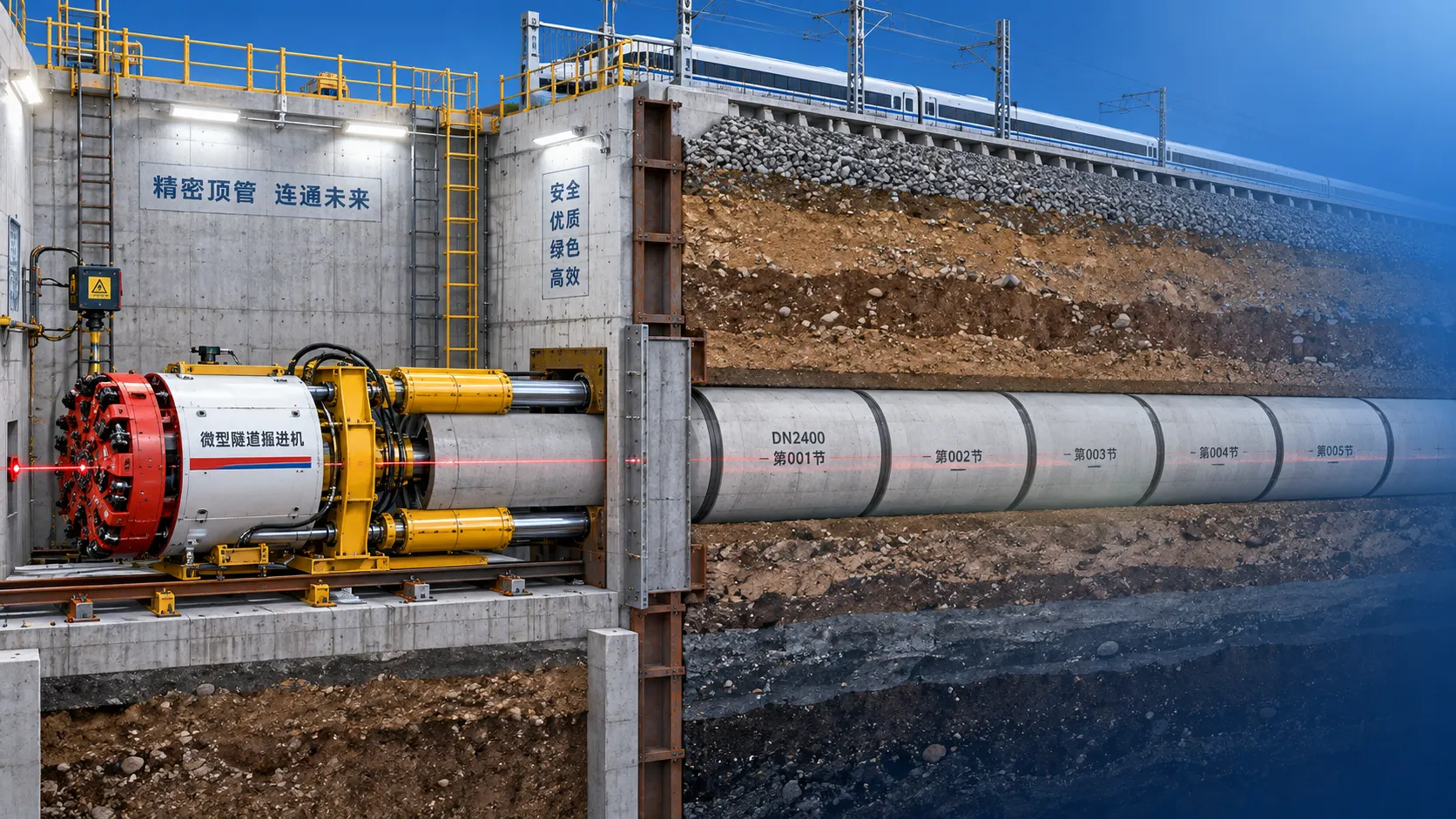
Which Trenchless Construction Technique Fits Your Utility Crossing Conditions?
Trenchless construction techniques compared for utility crossings: choose HDD, microtunnelling, pipe jacking, or auger boring based on ground, accuracy, access, and risk.
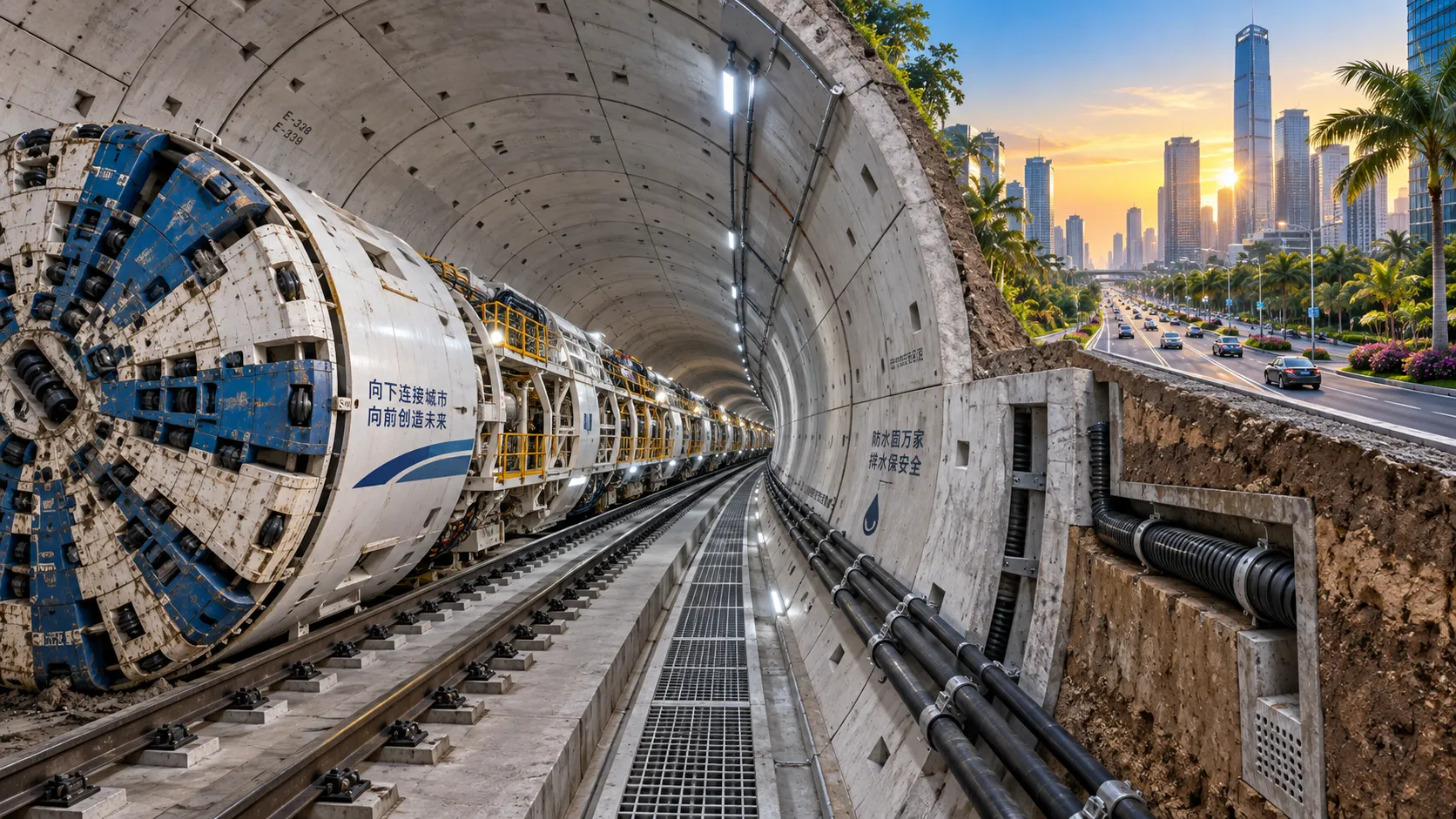
What Is Driving Metro Tunnelling Demand Across Southeast Asia’s Major Cities?
Metro tunnelling Southeast Asia is accelerating as major cities tackle congestion, flooding, and connectivity. Explore the market forces, technical risks, and opportunities shaping demand.
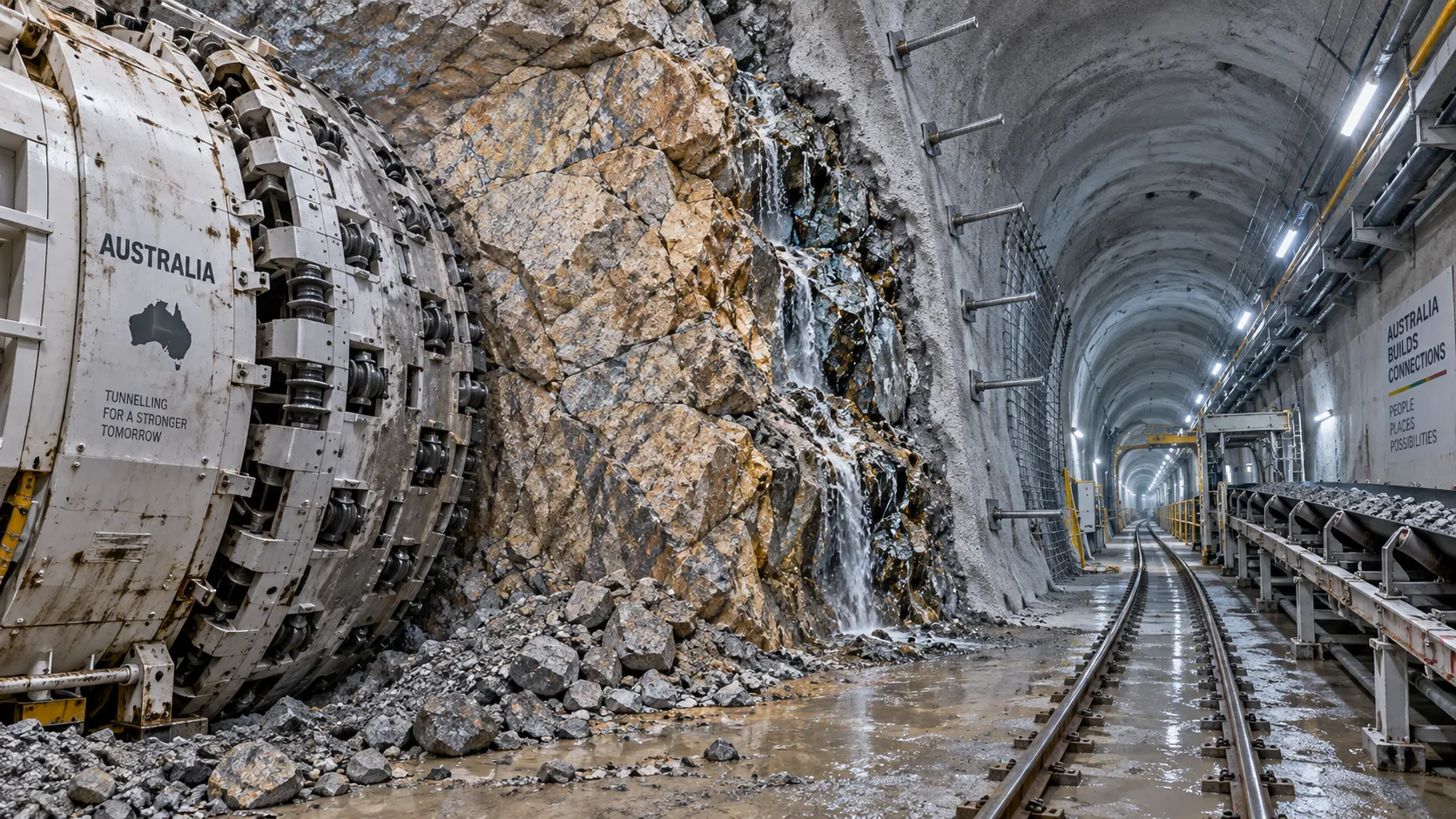
Hard Rock Tunnelling in Australia: Selecting Methods for Variable Ground Conditions
Hard rock tunnelling in Australia: compare TBM, drill-and-blast and hybrid methods to manage variable ground, reduce risk and protect project costs.
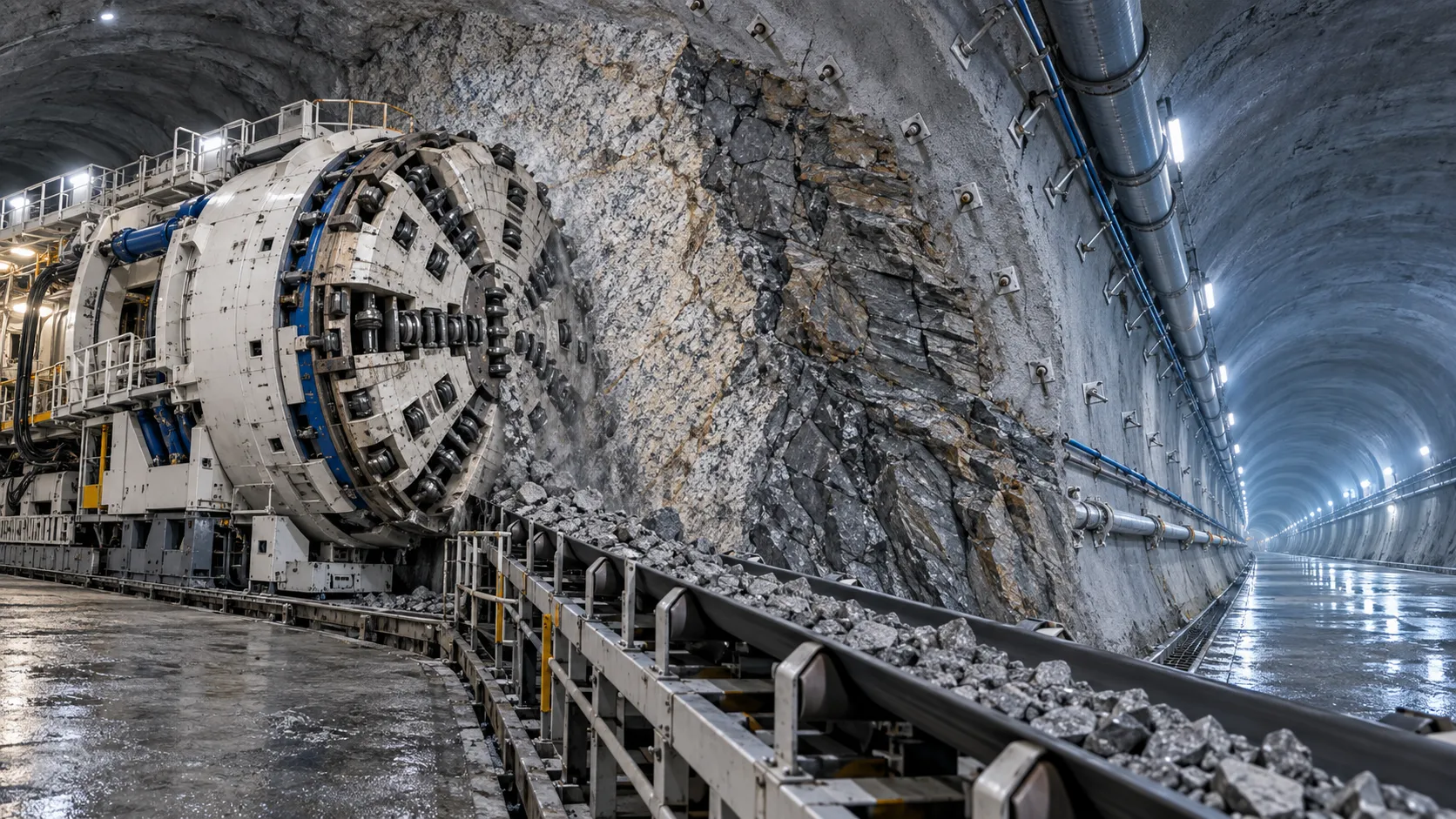
Hydropower Tunnel Excavation: Selecting Methods for Variable Rock Conditions
Hydropower tunnel excavation methods for variable rock conditions: compare TBM, drill-and-blast, and hybrid strategies to improve safety, progress, and project control.
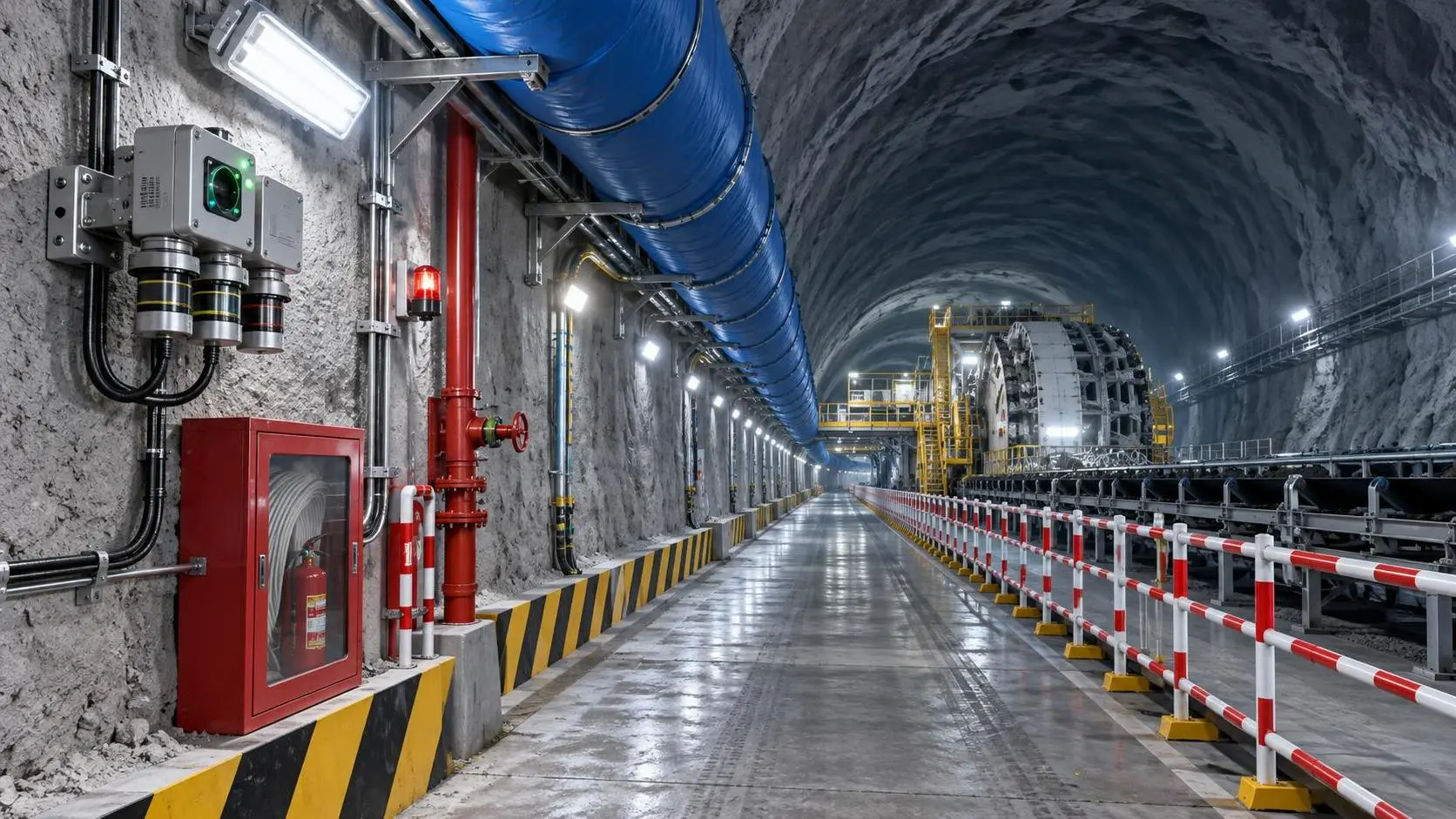
How to Select Underground Safety Equipment for Tunnelling by Hazard and Work Zone
Underground Safety Equipment for tunnelling: match protection to hazards, work zones, compliance, and emergency needs with this practical selection guide.
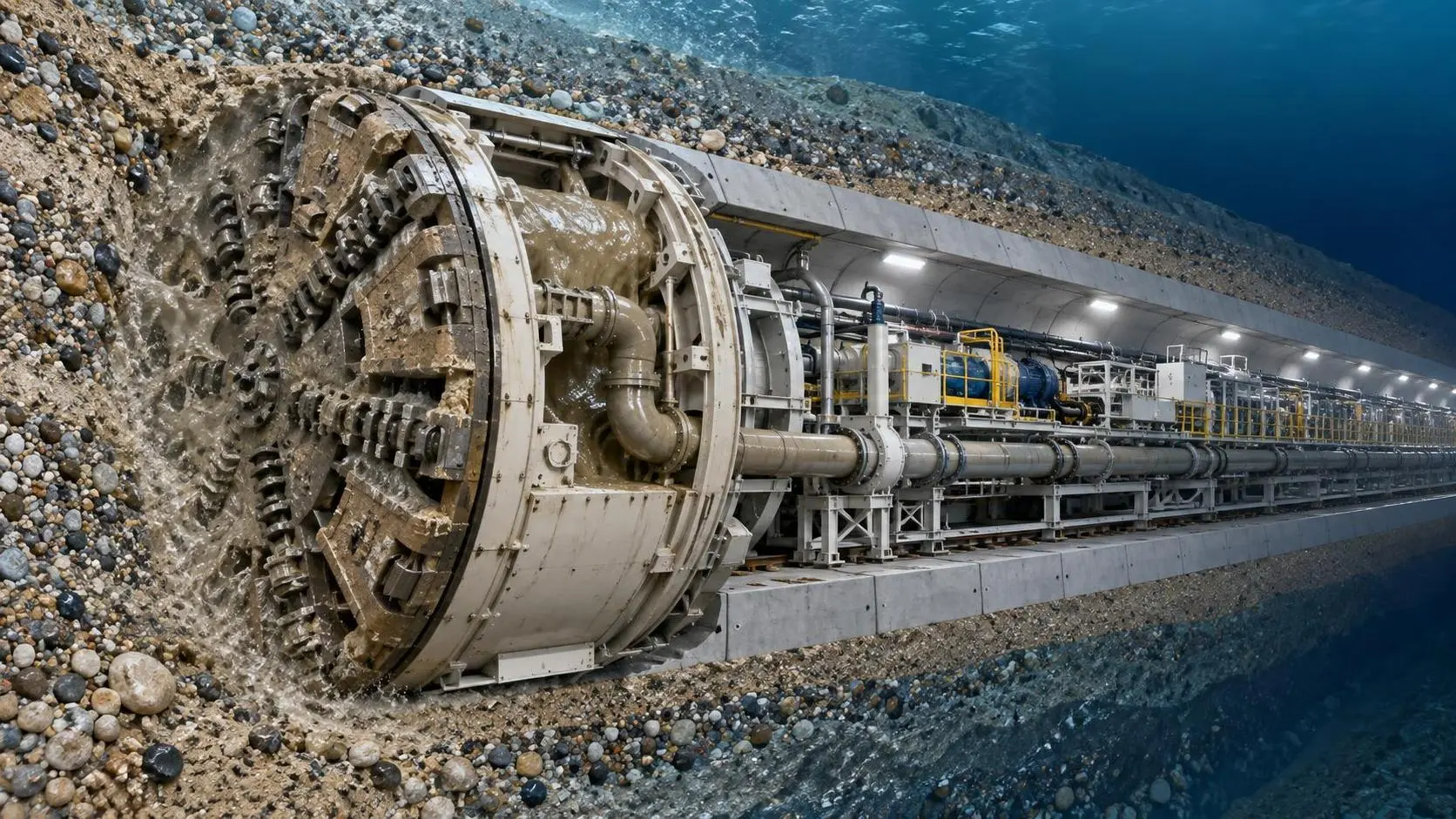
EPB or Slurry Shield? Selecting Soft-Ground Tunnelling Equipment by Soil Conditions
Tunnel Excavation Equipment for soft ground: compare EPB and slurry shields by soil, groundwater, settlement risk, and project logistics to choose confidently.
How to Specify TBM Backup System Parts for Reliable Long-Distance Tunnelling
TBM backup system parts: learn how to specify reliable spares for long-distance tunnelling, reduce downtime, ensure compatibility, and speed underground recovery.
How to Size Open Pit Mining Trucks for Haul Distance, Grade, and Payload?
Open Pit Mining Trucks: learn how to match payload, haul distance, grade, road resistance, and loading capacity for safer, lower-cost mine operations.
Related News
- 00
0000-00
How to Evaluate European Drill-and-Blast Tunnelling Contractors for Complex Projects - 00
0000-00
Which Trenchless Construction Technique Fits Your Utility Crossing Conditions? - 00
0000-00
What Is Driving Metro Tunnelling Demand Across Southeast Asia’s Major Cities? - 00
0000-00
Hard Rock Tunnelling in Australia: Selecting Methods for Variable Ground Conditions - 00
0000-00
Hydropower Tunnel Excavation: Selecting Methods for Variable Rock Conditions
Weekly Insights
Stay ahead with our curated technology reports delivered every Monday.