
Mining Digitalization Roadmap: Where to Start, What to Prioritize, and Common Pitfalls





Where a mining digitalization roadmap should actually begin
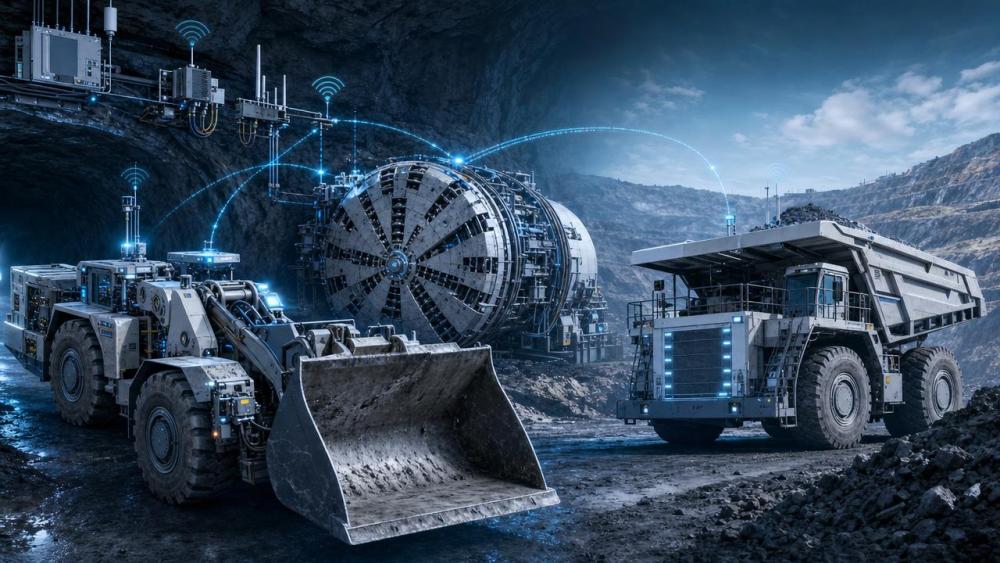
A strong mining digitalization roadmap starts with operating friction, not software catalogs.
That matters even more in underground engineering and mining, where conditions shift by depth, haulage layout, rock behavior, and ventilation limits.
In practice, the first useful question is simple: which process loses the most time, visibility, or safety margin today?
For one operation, that may be TBM cutter wear prediction in abrasive rock.
For another, it may be dispatch control for EV mining dump trucks on long downhill cycles.
A different site may care more about remote monitoring for underground LHD loaders, where zero-exhaust targets and 5G control change daily operating routines.
This is why any mining digitalization roadmap must reflect real asset behavior.
UTMD’s coverage of TBMs, pipe jacking systems, drilling jumbos, mining trucks, and underground loaders shows the same pattern repeatedly.
Digitalization creates value fastest where machines are critical, downtime is expensive, and data can be captured consistently enough to support decisions.
Different operating scenes create different digital priorities
A mining digitalization roadmap fails when planners treat all mining environments as one problem.
Open-pit haulage, deep underground loading, tunnel excavation, and trenchless urban work may share heavy equipment logic, but their constraints are not comparable.
More often, the right judgment comes from mapping decisions to operating context.
The table matters because it prevents a common mistake.
Teams often buy a single platform and expect equal value everywhere, even though each operating scene produces different data quality, timing, and intervention options.
In high-value assets, start where downtime is visible and measurable
For capital-intensive assets, the most practical mining digitalization roadmap usually begins with availability.
TBMs are a clear example.
When a full-face machine stops unexpectedly, the impact spreads beyond maintenance.
Segment schedules, muck logistics, power loads, and contractor sequencing all feel the delay.
In that setting, condition monitoring is not just a technology upgrade.
It becomes a coordination tool that links cutter performance, hydraulic behavior, and rock-cutting mechanics to planning decisions.
The same logic applies to drilling jumbos in hard-rock headings.
If feed force, penetration rate, and hole deviation are not captured reliably, cycle optimization stays subjective.
A better starting point is often modest.
Standardize event codes, machine states, and maintenance timestamps before layering advanced analytics on top.
That gives the mining digitalization roadmap a usable foundation instead of a fragmented dashboard landscape.
When electrification and autonomy are involved, the roadmap changes
A mining digitalization roadmap for diesel fleets is not automatically suitable for electric or autonomous fleets.
That difference is becoming more important as ESG pressure accelerates fleet replacement.
With EV mining dump trucks, energy flow becomes an operational variable.
Regenerative braking on long downhill hauls, charging windows, payload variation, and route design must be read together.
In underground LHD fleets, battery-swapping strategy and remote control uptime may matter more than classic fuel metrics.
This shifts digital priorities toward power management, wireless coverage, control-room visibility, and operator intervention logic.
A practical mining digitalization roadmap in these scenes should confirm three things early.
- Whether energy and machine-state data are available at the cycle level.
- Whether network stability supports real-time alerts and remote workflows.
- Whether operating teams can act on the data inside the shift, not next week.
Without those conditions, autonomy looks advanced on paper but remains weak in production terms.
What to prioritize first when budgets are real
Most operations do not need a large digital overhaul at the start.
They need a mining digitalization roadmap that sequences value in the right order.
In actual deployment, the most reliable order is usually based on risk, repeatability, and speed of feedback.
- Prioritize assets with frequent stoppages and expensive idle chains.
- Choose processes where operating states can be defined clearly.
- Start with use cases that change daily decisions, not quarterly reports.
- Favor areas where maintenance, operations, and planning already share incentives.
For example, in a tunnel project, linking cutter inspection data to geology and advance rate can outperform a broad enterprise rollout.
In a surface mine, cycle-time variance and energy loss by route segment may deliver faster value than a full autonomy stack.
The strongest mining digitalization roadmap is usually narrower at the beginning than many expect.
Common pitfalls usually come from wrong assumptions, not weak software
The most damaging errors are rarely technical failures.
They come from framing the problem incorrectly.
One common pitfall is treating data collection as the same as operational control.
A site may have many sensors yet still lack decision-grade information.
Another is copying a mining digitalization roadmap from a different fleet type.
Pipe jacking equipment in constrained urban corridors does not face the same timing logic as open-pit haulage or underground blasting cycles.
A third mistake is underestimating implementation friction.
If tags, alarms, shift logs, and maintenance codes are inconsistent, analytics cannot scale cleanly.
There is also a financial blind spot.
Some programs focus on acquisition cost while ignoring integration time, retraining effort, battery infrastructure, or communication upgrades in deep headings.
In real operations, those hidden conditions often decide whether the mining digitalization roadmap gains momentum or stalls.
A more grounded way to move from roadmap to execution
A useful mining digitalization roadmap should end with a short list of verifiable next actions.
Start by mapping one operating bottleneck to one measurable asset group.
Then check whether data capture is stable enough to support shift-level decisions.
After that, compare the implementation burden with the likely operational gain.
UTMD’s focus on rock-cutting mechanics, trenchless systems, and smart mining transport highlights why this discipline matters.
The deeper and harsher the environment, the less room there is for abstract digital ambition.
What works is a mining digitalization roadmap built around asset criticality, data readiness, and scene-specific constraints.
That means reviewing bottlenecks by equipment class, validating communications and power conditions, and setting adaptation standards before scaling broader programs.
When those steps are clear, digitalization becomes easier to justify, easier to govern, and far more likely to improve safety, utilization, and operational resilience.
Related News
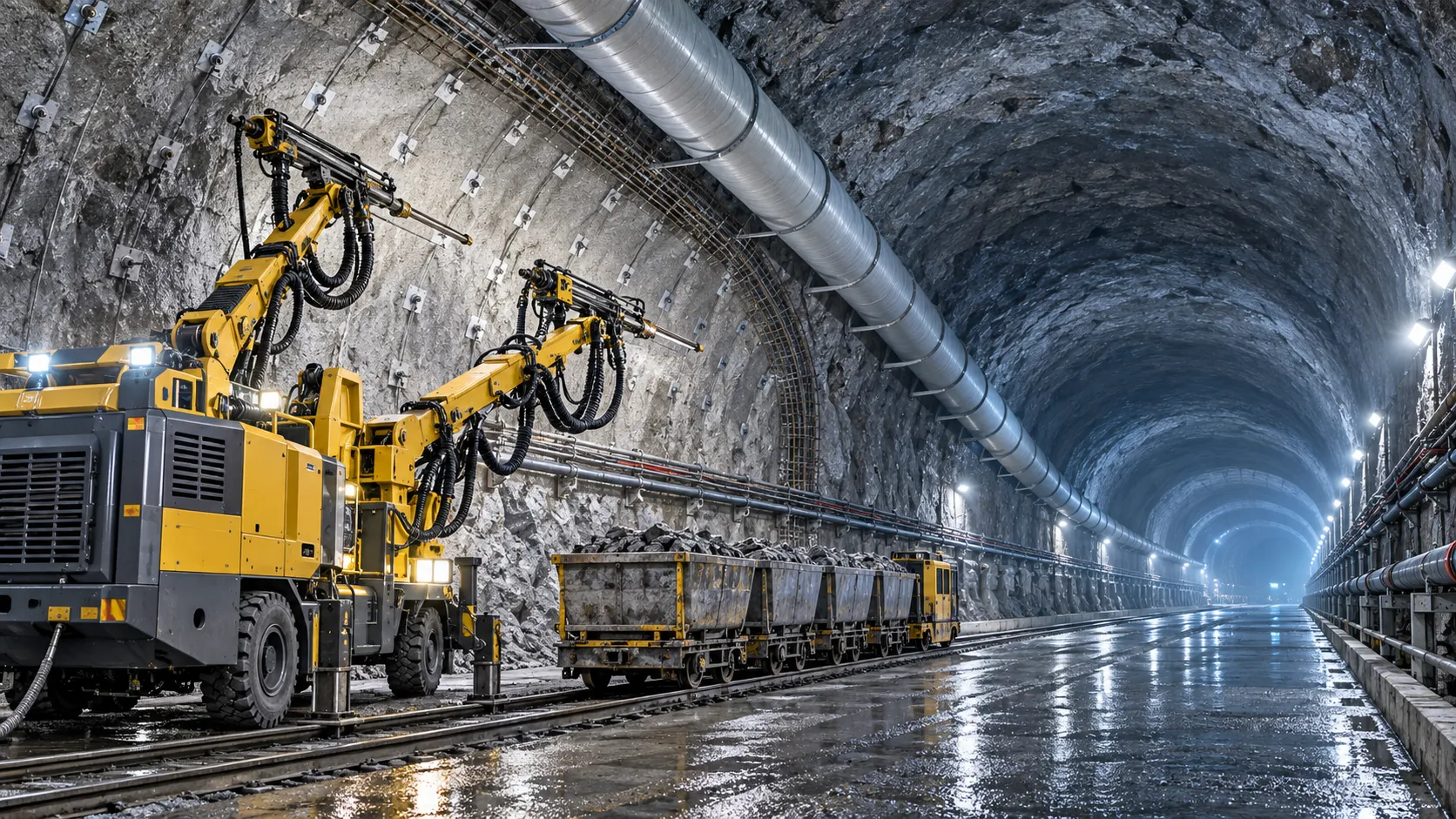
How to Evaluate European Drill-and-Blast Tunnelling Contractors for Complex Projects
Drill and blast tunnelling contractors Europe: learn how to assess geology expertise, blast control, equipment reliability, safety, and programme resilience for complex projects.
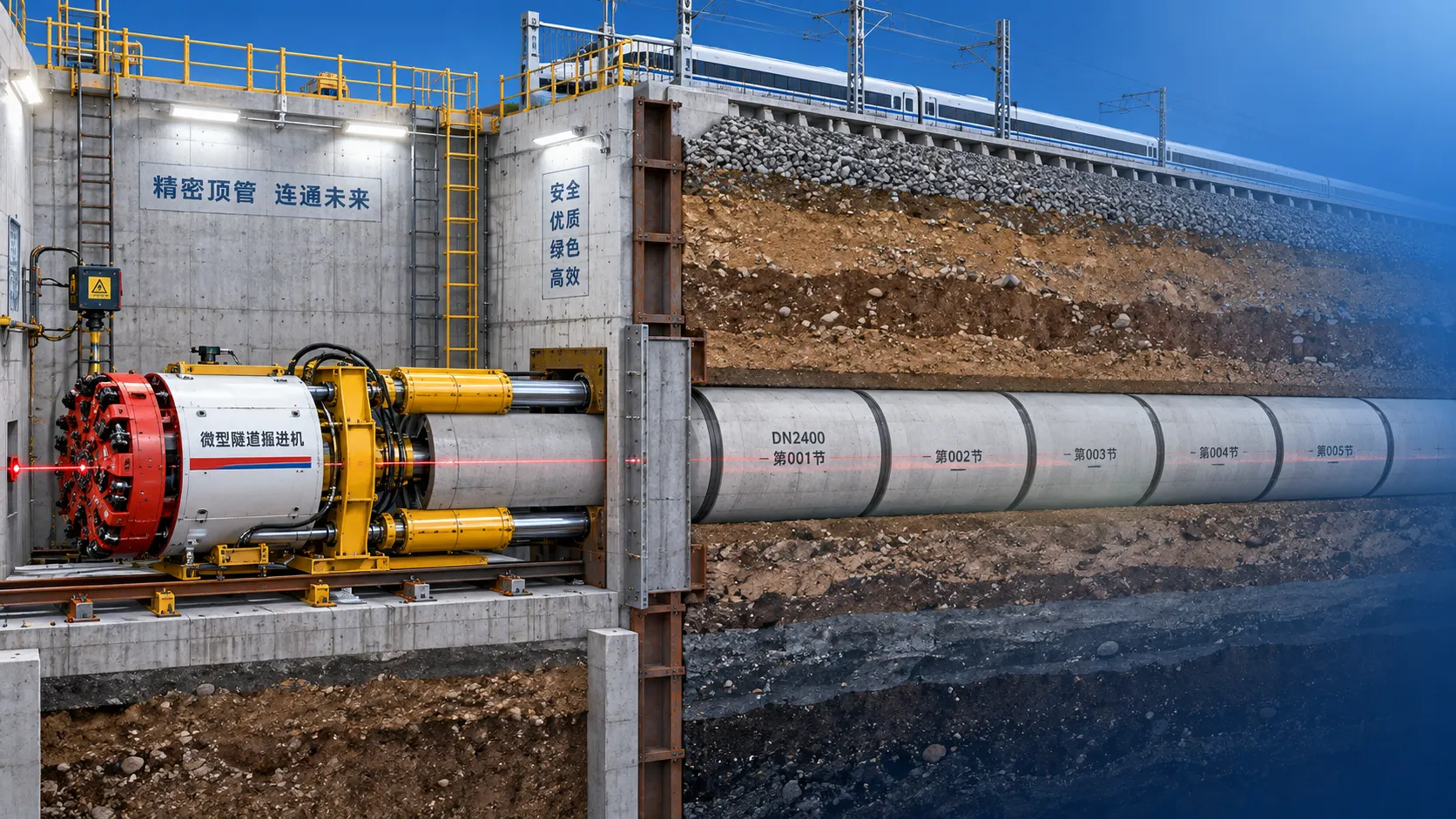
Which Trenchless Construction Technique Fits Your Utility Crossing Conditions?
Trenchless construction techniques compared for utility crossings: choose HDD, microtunnelling, pipe jacking, or auger boring based on ground, accuracy, access, and risk.
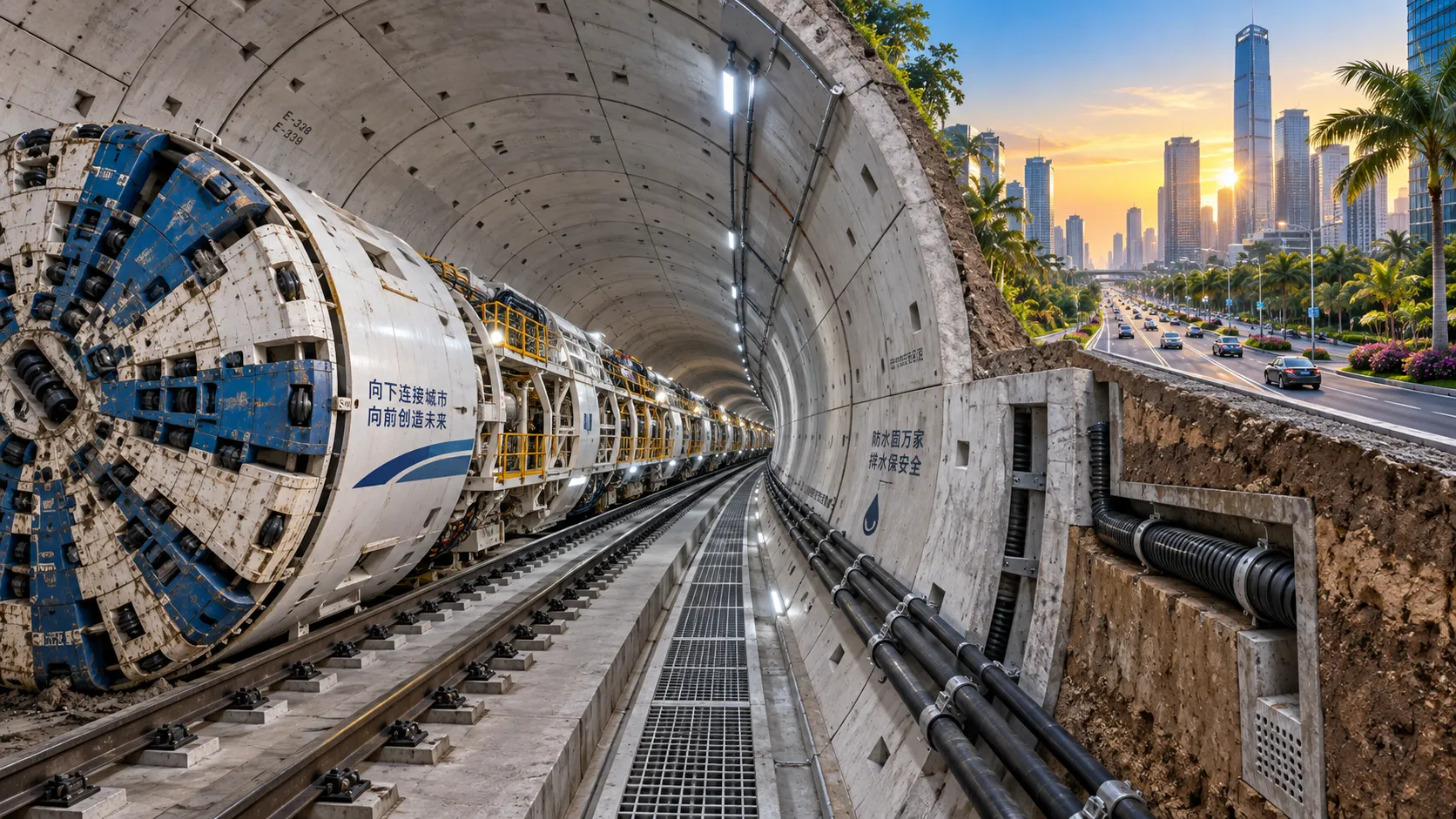
What Is Driving Metro Tunnelling Demand Across Southeast Asia’s Major Cities?
Metro tunnelling Southeast Asia is accelerating as major cities tackle congestion, flooding, and connectivity. Explore the market forces, technical risks, and opportunities shaping demand.
Hard Rock Tunnelling in Australia: Selecting Methods for Variable Ground Conditions
Hard rock tunnelling in Australia: compare TBM, drill-and-blast and hybrid methods to manage variable ground, reduce risk and protect project costs.
Hydropower Tunnel Excavation: Selecting Methods for Variable Rock Conditions
Hydropower tunnel excavation methods for variable rock conditions: compare TBM, drill-and-blast, and hybrid strategies to improve safety, progress, and project control.
How to Select Underground Safety Equipment for Tunnelling by Hazard and Work Zone
Underground Safety Equipment for tunnelling: match protection to hazards, work zones, compliance, and emergency needs with this practical selection guide.
EPB or Slurry Shield? Selecting Soft-Ground Tunnelling Equipment by Soil Conditions
Tunnel Excavation Equipment for soft ground: compare EPB and slurry shields by soil, groundwater, settlement risk, and project logistics to choose confidently.
How to Specify TBM Backup System Parts for Reliable Long-Distance Tunnelling
TBM backup system parts: learn how to specify reliable spares for long-distance tunnelling, reduce downtime, ensure compatibility, and speed underground recovery.
How to Size Open Pit Mining Trucks for Haul Distance, Grade, and Payload?
Open Pit Mining Trucks: learn how to match payload, haul distance, grade, road resistance, and loading capacity for safer, lower-cost mine operations.
Related News
- 00
0000-00
How to Evaluate European Drill-and-Blast Tunnelling Contractors for Complex Projects - 00
0000-00
Which Trenchless Construction Technique Fits Your Utility Crossing Conditions? - 00
0000-00
What Is Driving Metro Tunnelling Demand Across Southeast Asia’s Major Cities? - 00
0000-00
Hard Rock Tunnelling in Australia: Selecting Methods for Variable Ground Conditions - 00
0000-00
Hydropower Tunnel Excavation: Selecting Methods for Variable Rock Conditions
Weekly Insights
Stay ahead with our curated technology reports delivered every Monday.