
DRC to Reinstate Four-Month Cobalt Export Ban on November 30





The Democratic Republic of the Congo (DRC) will reinstate a four-month ban on cobalt exports on November 30, 2026, in an effort to address global oversupply and support prices for the battery metal. The restriction is expected to remove approximately 29,000 tonnes of cobalt from market supply, with potential consequences for buyers, battery raw material costs and demand for mining equipment.
The DRC is the world's largest cobalt producer, making the export measure significant beyond its borders. Its immediate effect is intended to be a reduction in cobalt available to the international market. The effect on prices and downstream costs, however, will depend on how much material is available from other sources and how buyers respond during the restriction.
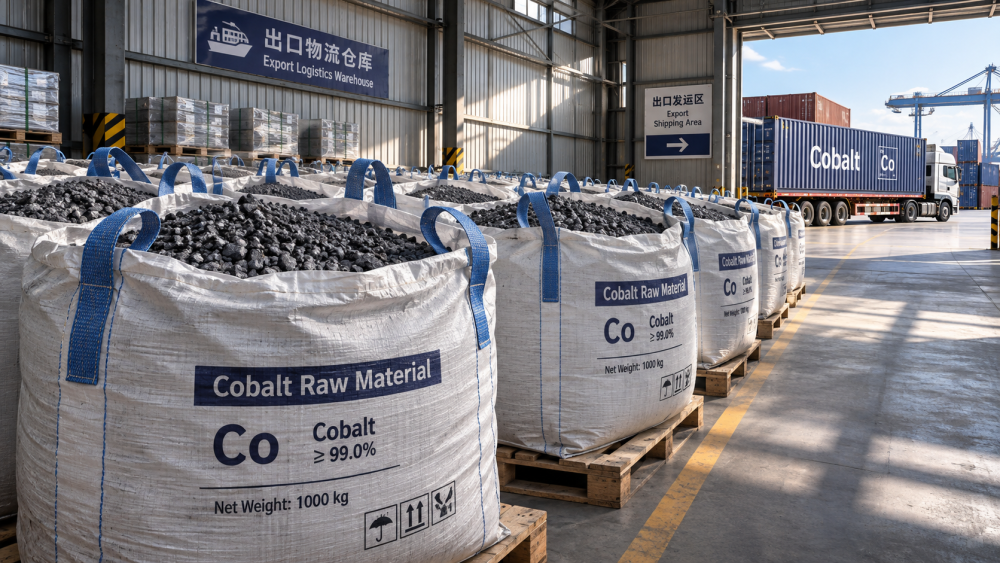
What the export ban means for cobalt supply
The announced measure restricts exports for four months; it does not, by itself, establish how much cobalt will be produced during that period. The estimated 29,000 tonnes represents supply expected to be removed from the market, rather than a confirmed reduction in production. That distinction matters when assessing the longer-term effect: material that cannot be exported during the ban could affect supply after the restriction ends, depending on what happens to it in the meantime.
For buyers, the first question is how much of their expected supply depends on exports affected by the measure. A reduction in available material can make procurement more difficult even before its full effect appears in battery costs. The degree of disruption will depend on existing inventories, alternative supply and the timing of purchases. Those conditions are likely to differ across the supply chain.
Price support is the objective, not a guaranteed outcome
The DRC's stated aim is to reduce oversupply and strengthen cobalt prices. Removing a substantial quantity from international supply could support prices if demand remains sufficient relative to the material available. The estimate of 29,000 tonnes alone does not establish the size or duration of any price change.
Market participants will also need to assess whether supply withheld during the ban returns to the market afterward. If it does, the effect of the restriction could extend beyond the four-month period, with the timing and volume of any return shaping expectations. Conversely, if the balance between available supply and demand changes during the ban, the eventual price response could differ from the initial expectation.
Battery raw material costs are a further step along this chain. A higher cobalt price could increase costs for buyers using the metal, but the effect on any particular buyer would depend on its purchasing arrangements, inventory and exposure to cobalt. The announcement therefore points to a potential cost pressure rather than an established increase in battery prices.
Mining equipment demand depends on producers' response
The ban could also influence demand for equipment used in mining, although that effect is less direct than the immediate restriction on exports. If producers expect a sustained improvement in cobalt prices, they may reassess production plans and related equipment needs. If export restrictions instead constrain sales or create uncertainty about when material can reach buyers, some spending decisions could be delayed.
Neither outcome follows automatically from the announcement. Equipment demand will depend on producers' individual plans, their ability to sell material and their expectations for the market after the ban. The distinction is important: an intended increase in cobalt prices does not by itself establish an increase in mining activity or equipment orders.
As the November start date approaches, the most useful information for the supply chain will be the implementation terms and any further official announcements, followed by evidence of how the restriction affects available material and prices. Buyers and equipment suppliers will also be watching what happens when the four-month period ends, particularly whether withheld supply returns to the market and how that affects the balance the ban is intended to improve.
Share your questions or requirements, and our team will get in touch.
We respect your privacy. Your information is strictly confidential.
Related News
 Chinese-Made 16-Meter Shield Machine Completes Yangtze River CrossingA Chinese-made 16-meter shield machine completes a 7.46-kilometer Yangtze River crossing. Explore the milestone and what comes next for the highway tunnel.
 DRC to Reinstate Four-Month Cobalt Export Ban on November 30DRC cobalt export ban starts November 30, 2026. Explore its potential impact on global supply, battery costs and mining equipment demand.
 Thailand Plans to Block Chemical Exports for Rare Earth Mining in MyanmarThailand plans to block chemical exports for rare earth mining in Myanmar. Explore the pollution concerns and potential supply chain impacts.
 Western TBM Exports Face Scrutiny Over Potential Iranian Military UseWestern TBM exports face scrutiny over potential Iranian military use. Explore the implications for end-user checks, supply chains and export compliance.
 China’s Transport Ministry Issues Highway Tunnel Upgrade StandardChina’s highway tunnel upgrade standard takes effect December 1, 2026. Explore potential implications for contractors, project owners and equipment suppliers.
 Three Export Control Notices Take Effect November 18, Adding Tunnel Boring MachinesChina export controls add tunnel boring machines to the dual-use list. Explore potential licensing implications for equipment, components and project delivery.
 China Extends Rare Earth Export Control Exemptions Until January 2027China extends rare earth export control exemptions until January 2027. Discover what the extension means for global supply chains and manufacturers.
 China's TBM Export Controls Prompt Infrastructure Concerns in IndiaChina's TBM export controls could affect infrastructure projects in India. Explore potential supply risks and practical procurement steps.

Related News
- 00
0000-00
Dinghai Shield Machine Passes 5,000 Metres in Jintang Undersea Tunnel - 00
0000-00
Pipe Jacking Machine Cost: Key Price Factors and What to Budget - 00
0000-00
Bauma China 2026 Closes as Visitor Numbers Rise 21% - 00
0000-00
Chinese-Made 16-Meter Shield Machine Completes Yangtze River Crossing - 00
0000-00
Hydrogen Mining Truck Price: What Drives the Purchase Cost?
Weekly Insights
Stay ahead with our curated technology reports delivered every Monday.