
Dinghai Shield Machine Passes 5,000 Metres in Jintang Undersea Tunnel





On 28 November 2026, the Dinghai shield machine passed 5,000 metres of excavation on the Zhoushan side of the Jintang undersea tunnel, according to the supplied event summary. The milestone offers contractors, equipment suppliers and buyers a point of reference for assessing long-distance tunnelling under complex seabed and high-water-pressure conditions. No new policy, standard, certification requirement or trade rule is identified in the supplied information; the immediate question for industry is whether the demonstrated performance will influence future project specifications, procurement evidence or delivery practices.
Five kilometres completed on the Zhoushan side
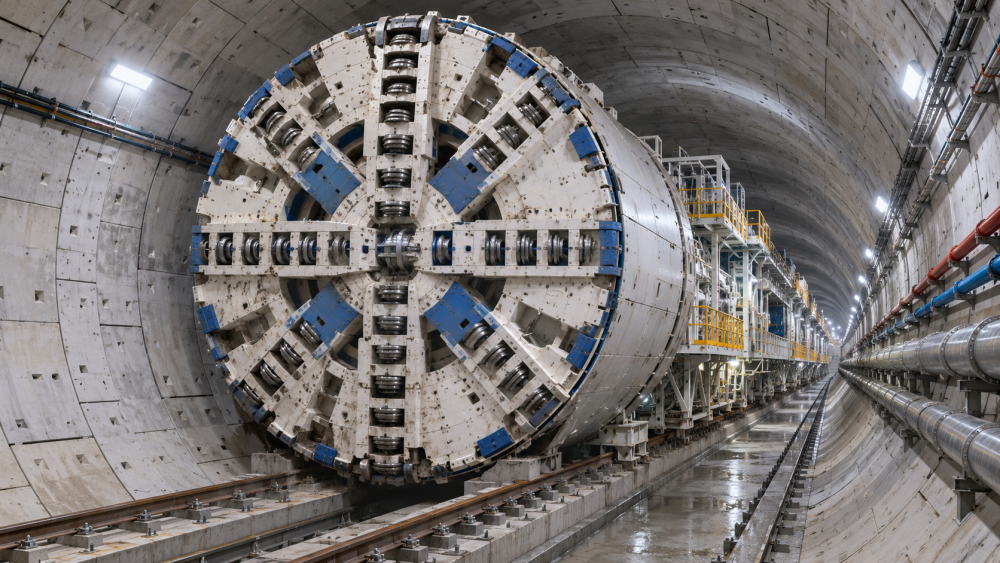
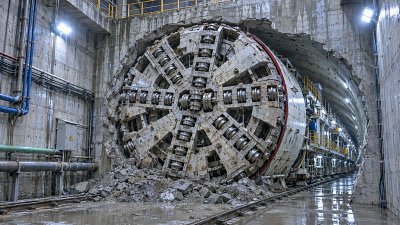
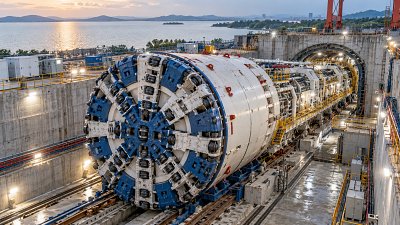
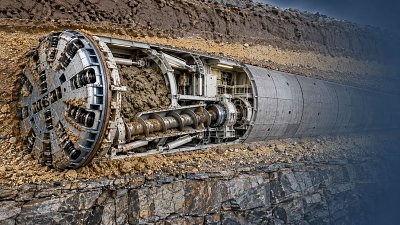
At the construction site on the Zhoushan side of the Jintang undersea tunnel, the Dinghai shield machine exceeded 5,000 metres of excavation on 28 November 2026. The supplied summary states that this represents 80% of the 6,270-metre shield-driven section on that side of the tunnel.
The tunnel forms part of the Ningbo–Zhoushan railway and is described in the supplied information as the world's longest undersea high-speed railway tunnel. The summary says the milestone verified the long-distance excavation capability and reliability of an extra-large-diameter slurry-pressure-balance shield machine in extremely complex subsea ground under high water pressure.
What the milestone could mean for project requirements
From an industry perspective, the significance lies in the relationship between demonstrated performance and the evidence that future buyers may request. The event summary reports a project milestone; it does not announce a change to the rules governing equipment, construction or trade. Any effect on other projects would depend on their own ground conditions, contractual specifications and applicable requirements.
Procurement teams may examine performance evidence
Buyers considering equipment for demanding subsea work may find long-distance performance under high water pressure relevant when framing technical questions for suppliers. Analysis suggests that a procurement team could ask how a proposed machine would be assessed over the expected excavation distance, how its operating conditions compare with the intended route and what evidence supports claims of reliability.
The distinction between a reported milestone and a transferable qualification matters. The supplied information does not provide detailed operating records, acceptance criteria or test results. A buyer therefore cannot infer from the headline alone that the same equipment or approach would meet another project's requirements. Any future tender criteria would need to be checked in the applicable tender documents.
Equipment suppliers may face closer specification review
For shield-machine manufacturers and equipment integrators, the milestone may sharpen discussion of how a machine performs as an integrated system during a long subsea drive. Potentially relevant business activities include technical bid preparation, selection of components, documentation of operating limits and coordination with the contractor responsible for delivery.
Analysis suggests that suppliers could be asked to explain not only a machine's stated capabilities but also the basis for comparing those capabilities with the project's ground and pressure conditions. This is a possible procurement response, not a newly established certification or market-entry requirement. The supplied summary identifies no certificate, test method or standard that has changed.
Contractors and service providers may revisit delivery assumptions
For engineering contractors, long-distance excavation can make the consistency of equipment performance an important subject for planning. The reported breakthrough may prompt closer evaluation of how technical specifications, installation, operation and support are coordinated across a project's delivery period. Service providers and suppliers of equipment or replacement parts could also be affected if a contract places greater emphasis on the availability of support throughout a long drive.
These are planning considerations rather than confirmed changes to delivery obligations. The input does not describe the project's maintenance arrangements, supply contracts or construction schedule. Whether another project requires particular documentation, support arrangements or acceptance checks remains a matter for its own contract and applicable rules.
Testing and certification work depends on the actual brief
Testing providers and certification-related businesses may see interest in how performance claims are supported, particularly where a buyer needs evidence suited to difficult operating conditions. They should distinguish between testing requested under a specific contract and a formal certification obligation imposed by a relevant authority or scheme.
The event summary establishes neither a new certification pathway nor a change in an existing one. If a future buyer requests independent verification, the scope, method and acceptance criteria would need to be established from that buyer's documents and any applicable requirements. The milestone alone does not identify what those criteria would be.
Turning the reported performance into usable procurement evidence
Compare the operating conditions before comparing claims
Teams assessing a future shield-machine purchase could begin by setting out the intended excavation distance, ground conditions and expected water pressure as defined for their own project. They can then ask suppliers to explain which parts of their supporting evidence are comparable and where differences limit the comparison.
This is a recommended review step, not a requirement introduced by the reported event. The supplied summary does not provide enough technical detail to establish a direct equivalence between the Jintang excavation and another route. A claim of experience in subsea tunnelling should therefore be considered alongside the precise conditions and evidence available for the proposed work.
Check what the tender asks suppliers to document
Procurement and bid teams may wish to examine whether future technical specifications ask for evidence of long-distance performance, reliability, operating limits or support arrangements. Where wording is unclear, seeking clarification through the process provided in the relevant tender could help bidders understand what must be submitted and how proposals will be evaluated.
Documentation might include technical descriptions, testing information or records of comparable work when these are available and requested. The specific documents and acceptance process cannot be determined from the event summary. Teams should avoid treating the reported 5,000-metre milestone as a universal threshold or an automatic substitute for the evidence required by a particular buyer.
Connect equipment selection with delivery and support
Analysis suggests that contractors and suppliers could review how the proposed equipment, supporting components and service arrangements fit the planned excavation. Questions may include whether delivery commitments are consistent with the project schedule and how technical information will be shared among the parties responsible for supply, integration and operation.
Where a supplier proposes an alternative component or technical approach, the relevant parties could assess it against the project's stated operating conditions and approval process before relying on it. The supplied information does not establish that any substitution occurred at Jintang or that a new approval procedure applies. The practical point is to check the documents governing the project in question.
Verify applicable rules separately from the milestone
Compliance teams should continue to identify the requirements that apply to their own equipment, contracts and markets. If procurement documents refer to a standard, test report or certification, the team can verify its scope and current applicability with the relevant issuing or purchasing party. The input provides no basis for naming a particular standard, regulator or certification as newly applicable.
For businesses involved in cross-border supply, the same distinction applies to trade documentation: check the rules and contractual terms relevant to the transaction rather than infer a change from a construction achievement. No change to customs treatment, trade restrictions or export requirements is reported in the supplied material.
A performance signal, with rule changes still to be established
Editorial assessment: this development is best understood as a reported engineering performance milestone and a possible signal for future technical discussions. It is not evidence that a policy has taken effect or that a regulator, standards body or buyer has revised its requirements. It also does not establish that a change is imminent.
What deserves closer attention is the form of any later evidence. More detailed project information could help the industry understand the operating conditions behind the reported achievement and the limits of comparison with other work. Separately, future tender documents, technical specifications or statements from relevant bodies could show whether buyers or rule makers have attached new conditions to similar projects.
Market feedback would also matter. Suppliers might respond to future procurement questions with different forms of evidence, while contractors and buyers may reach different conclusions about what is useful for their own routes. These are possibilities to monitor, not outcomes established by the event. Without the relevant documents, it would be premature to describe any particular test, certification or procurement criterion as mandatory.
How businesses can use the milestone now
The reported progress gives the tunnelling supply chain a concrete reason to examine how long-distance performance under complex subsea conditions is described and verified. It may inform conversations among buyers, contractors, equipment suppliers and testing providers, especially when they prepare specifications or assess technical claims.
For now, the proportionate response is to treat the event as project-specific performance information, check its relevance against the conditions of each proposed job and continue monitoring actual procurement and regulatory documents. Any wider effect on compliance, trade or delivery remains to be established.
Basis for this report and points to verify
This article is based on the user-provided news title, event date and event summary. No specific official source link was provided in the input, and the reported details require continued verification. Relevant material to check as it becomes available could include official project announcements, statements from regulatory or standards bodies, tender documents and authoritative reporting.
Further monitoring should focus on whether detailed technical evidence is released, whether future tender specifications change, whether any certification or policy guidance is issued, and how buyers and suppliers respond in practice. No such later development is confirmed by the supplied information.
Share your questions or requirements, and our team will get in touch.
We respect your privacy. Your information is strictly confidential.
Related News
 Dinghai Shield Machine Passes 5,000 Metres in Jintang Undersea TunnelThe Dinghai shield machine has reportedly passed 5,000 metres in the Jintang undersea tunnel. Explore what the milestone could mean for tunnelling procurement and suppliers.
 Yongzhou Railway’s Jintang Undersea Tunnel Completes Zhoushan-Side Shield DriveThe Yongzhou Railway's Jintang undersea tunnel reaches a major milestone as the Zhoushan-side shield drive ends. Discover what this means for the project.
 Mumbai to Receive India's Largest-Diameter Tunnel Boring Machines in January 2027Mumbai tunnel boring machines are expected to arrive in January 2027. Explore the coastal road project and opportunities for suppliers and logistics providers.
 First Mechanized Tunnel Crossing Beneath the Panama Canal CompletedPanama Canal tunnel crossing: Explore the reported Metro Line 3 milestone and what it could mean for future underwater tunneling projects.
 China's First Large-Diameter Shield Tunnel Beneath Lake Taihu Begins ExcavationChina's first large-diameter shield tunnel beneath Lake Taihu begins dual-machine excavation. Explore what this milestone could mean for contractors and suppliers.
 Construction Begins on China's First Large-Diameter Tunnel Under Lake TaiChina's first large-diameter tunnel under Lake Tai enters excavation. Discover how four tunnel boring machines will build the 21.6-kilometer crossing.
 China’s Commerce Ministry and Customs Announce Export Controls on Tunnel Boring MachinesChina’s tunnel boring machine export controls are set for November 18, 2026. Explore licensing requirements and what buyers and exporters should verify when planning deliveries.
 EPB vs. Slurry Shields: Which TBM Suits Singapore's Ground Conditions?Shield Tunneling Equipment in Singapore: Compare EPB and slurry TBMs for ground conditions, face stability and spoil handling. Discover key checks to make a confident choice.
Related News
- 00
0000-00
Dinghai Shield Machine Passes 5,000 Metres in Jintang Undersea Tunnel - 00
0000-00
Pipe Jacking Machine Cost: Key Price Factors and What to Budget - 00
0000-00
Bauma China 2026 Closes as Visitor Numbers Rise 21% - 00
0000-00
Chinese-Made 16-Meter Shield Machine Completes Yangtze River Crossing - 00
0000-00
Hydrogen Mining Truck Price: What Drives the Purchase Cost?
Weekly Insights
Stay ahead with our curated technology reports delivered every Monday.