
Three Export Control Notices Take Effect November 18, Adding Tunnel Boring Machines





On November 18, 2026, three Chinese export control notices took effect, including a measure that places tunnel boring machines and certain related components and technology on a dual-use export control list. The change brings licensing considerations into focus for equipment makers, exporters, contractors and buyers involved in sensitive destinations. For the industry, the immediate question is how the listed items and destination requirements will be applied to individual transactions and delivery plans.
What the November 18 notices establish
Notices No. 49, 50 and 51 of 2026 were issued by the Ministry of Commerce, the General Administration of Customs and the Equipment Development Department of the Central Military Commission. All three took effect on November 18, 2026.
Notice No. 50 adds complete shield machines, described in the supplied information as full-face tunnel boring machines, as well as key components such as core cutterheads and remanufacturing technology, to the dual-use export control list. Exports to sensitive countries and regions involved in disputes with China require an export license application. The supplied information does not specify the contents of Notices No. 49 and 51, identify the destinations concerned or provide detailed licensing procedures.
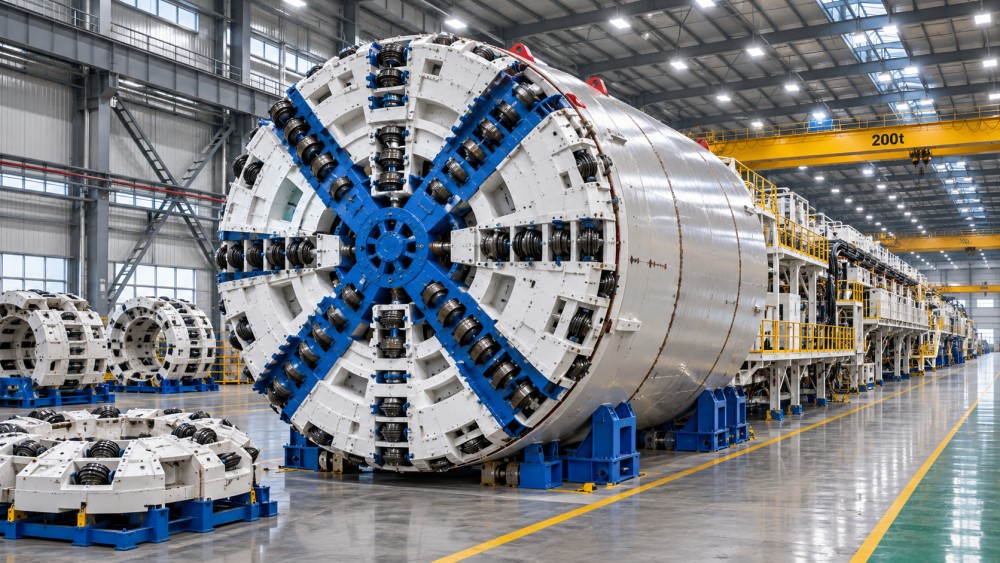
Where a listed machine can affect a project
Manufacturers and component suppliers
From an industry perspective, the inclusion of complete machines and key components makes product identification a likely starting point for manufacturers. A supplier may need to consider whether an intended export concerns a listed complete machine, a core cutterhead or another item covered by the notice. The supplied summary does not define every component within scope, so the treatment of a particular part remains a matter for verification against the official text and applicable guidance.
Analysis suggests that manufacturers could face questions earlier in the sales process, when technical specifications are being matched to a destination and a proposed delivery. A machine may be discussed commercially as a single project package, while its components are priced or delivered separately. Businesses may therefore find it useful to review the machine and the proposed component shipments together, without assuming that every part of a package has the same regulatory status.
Exporters and trade intermediaries
For exporters and intermediaries, the destination is central to the licensing condition described in the supplied information. A transaction involving a listed item and a sensitive destination covered by the notice calls for a license application. The summary does not provide a list of those destinations or explain how they are determined, so a company considering a transaction may need to verify the applicable position before treating a destination as covered or exempt.
In practical terms, analysis suggests that a licensing question could affect quotation timing, document preparation and the sequence of shipment arrangements. The extent of any effect would depend on the transaction and on details not supplied here, including the applicable procedure and processing time. There is no basis in the input to conclude that exports have stopped or that a license will be granted or refused in any particular case.
Contractors, buyers and service providers
Contractors and equipment buyers may encounter the change through procurement and project scheduling rather than through the export application itself. If a planned purchase involves a listed machine or component and a destination subject to the licensing condition, the parties may need to clarify who will establish the applicable requirements and how that review fits into the delivery schedule. This is a planning consideration, not a conclusion that existing contracts have changed.
Service providers may also have reason to examine the scope of proposed work. The notice covers remanufacturing technology, while the supplied summary does not explain which forms of technical information or service delivery are included. An after-sales or remanufacturing arrangement could therefore warrant closer review where it involves a cross-border transfer of technology. Whether a particular activity is controlled cannot be determined from the summary alone.
Questions to resolve before committing to delivery
Match the proposed item to the notice
A practical first step is to compare the technical description of the proposed machine, cutterhead or other component with the official notice and its relevant listing. Product names used in a contract may not, on their own, establish whether an item is covered. Businesses could assemble specifications, component descriptions and an explanation of the intended transaction so that the scope question can be assessed on a consistent factual basis.
For remanufacturing technology, the same discipline may be useful when describing what is to be transferred and how it relates to the listed equipment. The input does not identify technical thresholds, exclusions or specific documentation requirements. Any such detail should be checked in the authoritative materials rather than inferred from the general summary.
Verify the destination and licensing path
Where a listed item is destined for a market that may fall within the notice, the exporter should verify the applicable destination treatment and whether a license application is required for the proposed transaction. It may also be useful to establish which party will prepare the application and what information is needed. These are recommended checks; the supplied information does not set out the application form, supporting documents, decision criteria or processing period.
Commercial teams may want to avoid promising a delivery date before the relevant status is clear. Buyers and suppliers can discuss how an unresolved licensing question would be reflected in their schedules and communications. The appropriate contractual treatment will depend on the parties and the transaction, not on any specific term established by the supplied summary.
Review project documents and supply arrangements
Analysis suggests that procurement specifications, quotations, technical attachments and shipment plans should describe the proposed goods consistently. If a project includes a complete machine as well as separately supplied cutterheads or related technology, reviewing those elements together could help the parties identify questions that might otherwise arise at different stages. This does not mean that a particular document or certificate is required under the notice; the input does not provide that detail.
Where a project relies on a particular component or remanufacturing arrangement, buyers may also consider asking suppliers about their readiness to assess the new listing. An alternative product or sourcing plan could be evaluated if a licensing question creates uncertainty, but its technical suitability and regulatory treatment would need separate verification. No alternative should be assumed to fall outside the controls merely because it has a different commercial name or supplier.
Keep after-sales work in view
Delivery of a machine may be followed by component supply or technical work. As an analytical matter, those later arrangements could raise different scope questions from the original sale, especially because the supplied notice summary refers to both key parts and remanufacturing technology. Parties may find it useful to identify anticipated support activities early and check the relevant official wording before making commitments about them.
The available information does not establish that routine maintenance, every spare part or all technical assistance is controlled. The distinction matters for planning: companies need enough detail about the actual item or activity to make a meaningful assessment, while avoiding assumptions that extend beyond the notice.
Implementation is established; its practical reach needs watching
In editorial assessment, this development is best understood as an implemented rule change with execution details still to be examined. The supplied information gives an effective date and identifies a licensing condition for certain destinations. It does not show how authorities will classify disputed cases, how long applications may take or how businesses and buyers have responded.
Those gaps make subsequent official wording and trade execution particularly relevant. Clarification of item descriptions, destination treatment and application procedures could materially affect how companies assess individual deals. Industry feedback may also indicate where transaction documents or project schedules are proving difficult to align with the rule, although no such outcome is established by the information provided.
It would be premature to infer a uniform effect across all tunnel boring machine exports. The stated condition concerns listed items and sensitive countries and regions involved in disputes with China. The implications for a particular shipment depend on facts and official details that the input does not supply.
Planning around the new listing
The immediate industry significance is the addition of specified machines, key components and remanufacturing technology to a dual-use control list, alongside a licensing application condition for certain destinations. Manufacturers, exporters and project buyers can use that change as a prompt to identify affected transactions and verify the applicable requirements before setting procurement and delivery expectations.
A measured response is to treat November 18 as the stated implementation date while keeping transaction-level conclusions open until the official text and relevant execution guidance have been checked. The commercial effect will depend on the item, destination and applicable procedure, none of which should be assumed from a general description alone.
Basis for this report and points to verify
This article is based on the user-provided news title, event date and event summary. No specific official source link was provided in the input, and the underlying notices and their application require continued verification. Relevant materials to consult may include official announcements and information from customs and trade authorities. Further attention should be paid to policy details, licensing practice, trade execution, industry feedback and how companies apply the requirements in individual transactions.
Related News
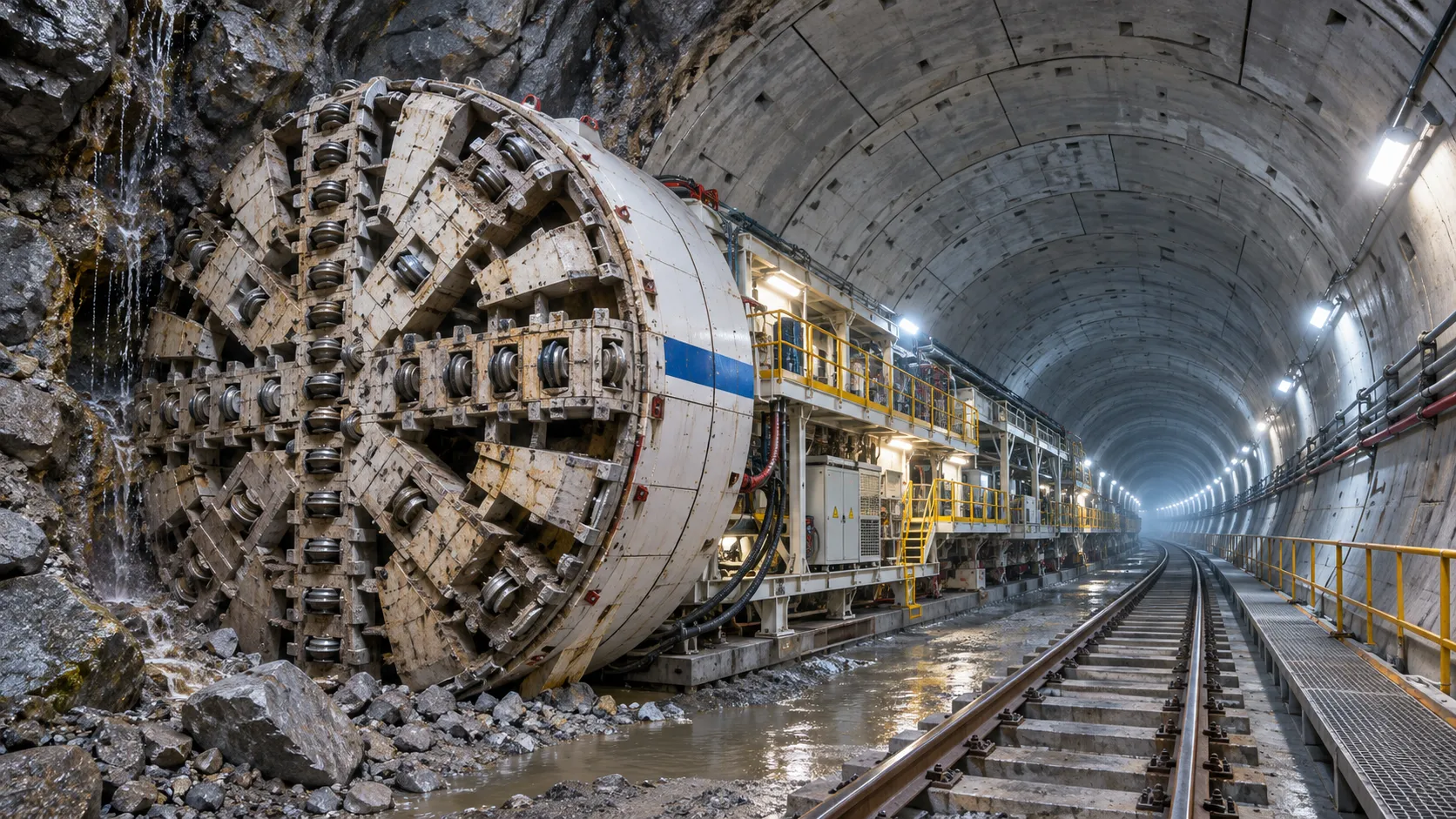
Mega Tunnel Contractors: How to Evaluate Experience and Project Risks
Evaluate mega tunnel contractors with confidence. Learn how to assess relevant experience, ground risks, construction plans, and bid assumptions before award.
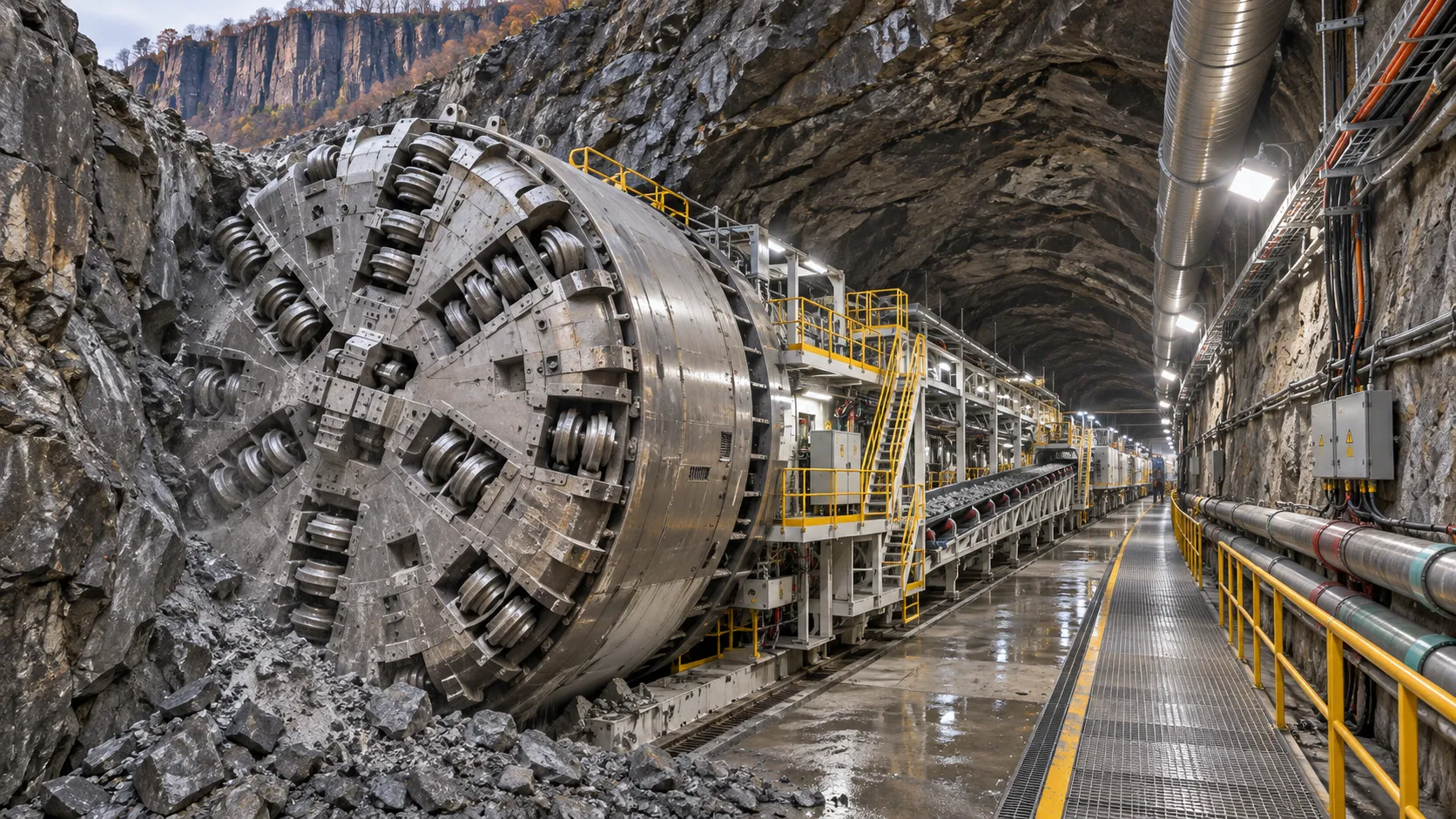
Hudson Tunnel Project’s Second TBM Begins Excavating South Tunnel
Hudson Tunnel Project’s second TBM begins south tunnel excavation. Explore what this milestone could mean for contractors and suppliers.
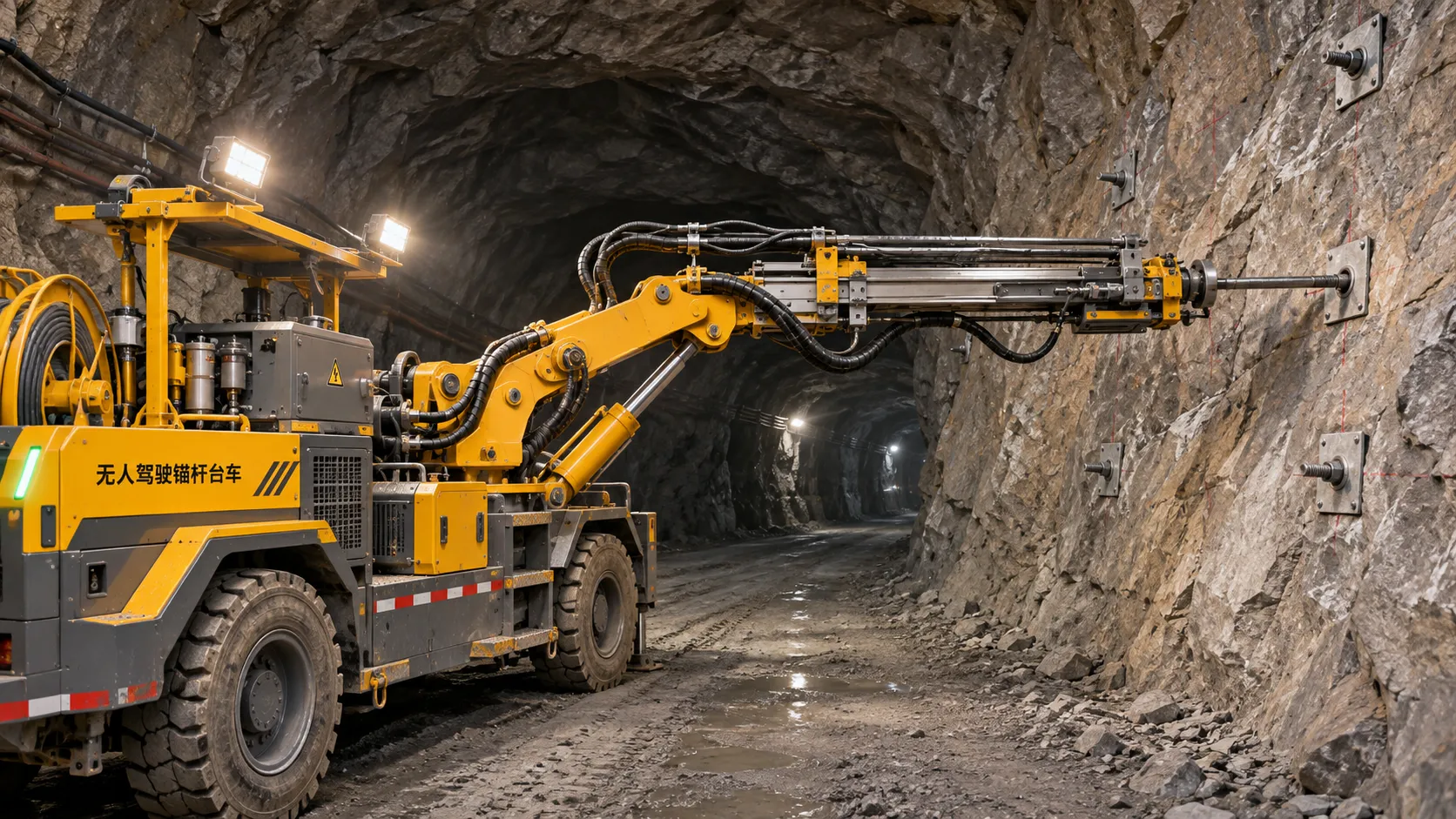
How Bolting Jumbo Automation Works in Underground Rock Support
Explore how bolting jumbo automation coordinates drilling and rock support, and discover what to assess for safer, more consistent underground operations.
China’s Transport Ministry Issues Highway Tunnel Upgrade Standard
China’s highway tunnel upgrade standard takes effect December 1, 2026. Explore potential implications for contractors, project owners and equipment suppliers.

Smart Underground Mining Analytics: Using Equipment Data to Reduce Downtime
Smart underground mining analytics turns equipment data into actionable insights. Discover how to reduce downtime and improve maintenance decisions.
Choosing a TBM Components Supplier: Lead Times, Quality and Compatibility
Choose a TBM components supplier with confidence. Compare lead times, quality evidence and compatibility to reduce procurement risk and keep your project moving.

How Autonomous LHD Collision Avoidance Works in Underground Mines
Discover how autonomous LHD collision avoidance combines sensing, positioning and braking to manage underground hazards and support safer mine operations.

Mining Equipment Market Could Reach $19.42 Billion by 2033, Report Says
Mining equipment market could reach $19.42 billion by 2033. Explore how electrification, automation and surface mining demand are shaping the industry's outlook.

Selecting Municipal Trenchless Contractors in Canada: Key Bid Criteria
Municipal trenchless construction contractors Canada buyers can trust: compare bid criteria, technical risks and costs to make a confident award decision.
Related News
- 00
0000-00
Mega Tunnel Contractors: How to Evaluate Experience and Project Risks - 00
0000-00
Hudson Tunnel Project’s Second TBM Begins Excavating South Tunnel - 00
0000-00
How Bolting Jumbo Automation Works in Underground Rock Support - 00
0000-00
China’s Transport Ministry Issues Highway Tunnel Upgrade Standard - 00
0000-00
Smart Underground Mining Analytics: Using Equipment Data to Reduce Downtime
Weekly Insights
Stay ahead with our curated technology reports delivered every Monday.