
Bauma China 2026 Closes as Visitor Numbers Rise 21%





Bauma China 2026 closed in Shanghai on November 27, 2026, with visitor numbers reported to be 21% higher than at the previous edition. The separate event-time field does not specify a date. The supplied account identifies underground engineering equipment, mining trucks and automated equipment as areas of focus, but describes no new policy, standard, certification or trade rule. For manufacturers, buyers and service providers, the event is therefore a reason to review potential procurement and delivery implications, while checking independently for any rules that may apply to particular transactions.
Higher Attendance and Three Equipment Categories in Focus
According to the supplied event summary, Bauma China 2026 closed in Shanghai on November 27, 2026. Figures attributed to the exhibition organizer and industry media put visitor attendance 21% above that of the previous edition. Underground engineering equipment, mining trucks and automated equipment were among the exhibition’s focal points. The summary associates that interest with a continuing recovery in global infrastructure and mining investment demand.
Neither the title nor the summary identifies a specific policy announcement, regulatory amendment, revised standard, certification decision or trade measure. The supplied information also does not provide an attendance total or a breakdown of visitors by business role.
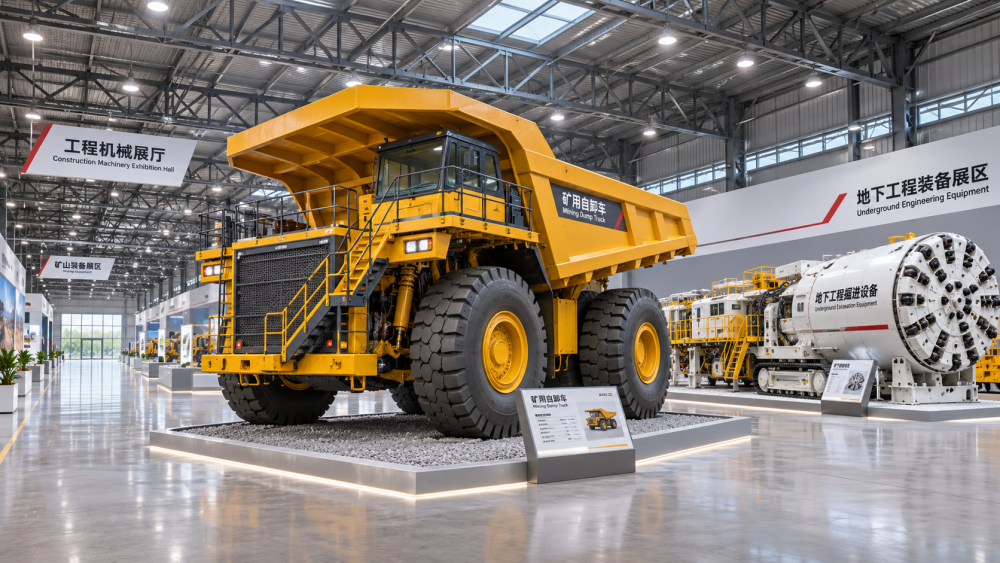
Where Equipment Interest Could Affect Business Decisions
Manufacturers and equipment integrators
From an industry perspective, the prominence of the three equipment categories may encourage manufacturers and integrators to examine how their offerings match prospective project specifications. For underground equipment and mining trucks, that review could begin with the intended operating conditions, equipment configuration and documents requested by a buyer. For automated equipment, it could also cover how the proposed system connects with other equipment and what information is needed to assess its performance.
These are potential areas of commercial attention, not evidence that product requirements changed at the exhibition. Manufacturers considering a sale may need to check the standards, certification requirements and contractual specifications applicable to the particular destination and project. The event summary does not identify those requirements or establish that any certification has been issued, revised or withdrawn.
Buyers and engineering contractors
For buyers and contractors, greater attention to specialized machinery may make comparison of technical proposals more relevant when preparing future purchases. Analysis suggests that the practical question is whether an offered machine or automated system meets the needs stated in a project’s procurement documents, including its intended application, acceptance criteria and delivery expectations.
Attendance growth alone cannot establish how many visitors intend to buy equipment, how much they plan to spend or whether procurement rules will change. Before treating the exhibition as a basis for a purchasing decision, buyers could seek current specifications and supporting documentation from suppliers, then compare them with the requirements of their own projects. Any required approvals or tests would need to be identified from applicable rules and contracts, rather than inferred from the exhibition.
Trade, logistics and after-sales providers
Companies involved in moving, distributing or supporting machinery may also want to follow the equipment categories highlighted at the event. If interest develops into transactions, suppliers and their partners could face questions about shipping arrangements, technical documents, installation responsibilities and service support. Those potential questions are particularly relevant when equipment is supplied as part of a larger project or includes automated functions that must work with other systems.
The supplied account does not establish that shipment volumes, border procedures or service obligations have changed. For a specific transaction, the parties may wish to confirm the applicable trade documents, delivery terms and allocation of responsibilities before making commitments. Service providers could similarly assess what information they would need to support the equipment throughout the agreed service period.
Turning Exhibition Interest into Verifiable Procurement Information
Check the rules against each intended transaction
The most useful compliance step is to separate the exhibition signal from the requirements governing an actual purchase or sale. A company evaluating underground equipment, a mining truck or an automated system can identify the intended destination, application and project specifications, then verify which product rules, certifications and trade conditions apply. The input does not name a jurisdiction-specific requirement or report a change to one.
Where a customer refers to a standard or certification, suppliers could ask for the applicable edition, scope and evidence expected in the bid or contract. Buyers may also wish to check whether the documents offered cover the proposed configuration. These checks are recommendations for transaction review; the exhibition report itself does not make them new mandatory conditions.
Compare technical claims with bid and acceptance documents
Interest in automated equipment may prompt closer questions about the functions being offered and how they will be evaluated. In a prospective procurement, the parties could compare supplier descriptions with the technical bid, proposed testing arrangements and acceptance criteria. For machinery intended for underground engineering or mining use, the same approach can help clarify whether the stated configuration suits the project conditions described by the buyer.
Where details are incomplete, asking for clarification before a contract is finalized may reduce the risk of later disagreement. This is a possible procurement response, not a finding that the equipment shown at the event lacked documentation or failed a test. The input provides no individual product specifications, test results or tender terms.
Review delivery and service commitments together
If a buyer moves from exhibition discussions to an order, delivery planning could cover the expected equipment configuration, the documents to accompany it and the respective responsibilities for installation and acceptance. For automated equipment, the parties may also need to clarify any integration work included in the offer. The relevance of each item depends on the transaction and the agreement reached.
Suppliers and buyers can also examine the proposed approach to maintenance, replacement parts and technical support. Such a review may help determine whether a bid meets the project’s service expectations. No delivery delay, shortage or after-sales problem is reported in the supplied information, so these matters should be treated as questions to verify rather than established consequences of the exhibition.
Follow subsequent documents and market feedback
Companies seeking to assess whether exhibition interest translates into procurement activity could monitor later organizer communications and industry reporting, as well as relevant tender documents and supplier or customer feedback. If authorities, standards bodies or certification organizations publish changes affecting a planned transaction, those documents would need separate review for their scope and effective dates.
At present, the supplied summary provides no implementation timetable, revised certification interpretation or new procurement condition. Businesses may therefore benefit from keeping assessments provisional and updating them when specific documents become available. A later tender requirement, for example, would need to be assessed within that tender’s own scope before being treated as relevant to other projects.
Attendance Growth Is a Market Signal, While Rule Changes Remain Unverified
Editorial analysis: the reported 21% increase in visitor numbers indicates higher attendance relative to the previous exhibition. It does not, on its own, measure orders, investment commitments or changes in regulatory practice. The summary’s description of recovering infrastructure and mining demand provides context for the equipment attracting attention, but it does not supply the underlying investment data needed to quantify that recovery.
It is therefore more appropriate to understand this report as an exhibition and market signal than as evidence of a rule already in force. Nor does the information identify an announced rule awaiting implementation. Whether the attention given to underground machinery, mining trucks and automation leads to different procurement specifications, certification questions or delivery arrangements remains open.
Subsequent evidence could change that assessment. Relevant material would include detailed procurement documents, applicable regulatory or standards publications, clarification of certification practice and feedback from companies carrying out transactions. Each source would need to be checked for its date, scope and connection to the equipment or project concerned. Until then, the distinction between interest shown at an exhibition and a documented commercial or compliance requirement remains essential.
A Measured Reading for Equipment Businesses
The reported attendance increase and the focus on specialized and automated equipment give industry participants a reason to pay attention to possible changes in buyer discussions. Manufacturers, contractors, traders and service providers can use the report to frame questions about specifications, documentation, delivery and support for prospective projects.
The available information does not establish a new policy or trade rule. The proportionate response is to treat the exhibition as a prompt for targeted commercial and compliance checks, while reserving conclusions about market outcomes and rule changes until specific, verifiable evidence emerges.
Basis for This Report and Further Verification
This article is based on the user-provided news title, event-time field and event summary. The event-time field says the time is unspecified; the summary separately gives November 27, 2026 as the closing date. The reported attendance comparison is attributed in the supplied summary to the exhibition organizer and industry media, but the underlying publications were not supplied for review.
No specific official source link was provided in the input, and continued verification is needed. Depending on the question under review, relevant source types may include organizer announcements, regulatory publications, trade authority information, standards documents, tender files and industry reporting. Subsequent checks should focus on any applicable policy details, certification interpretations, procurement changes, trade execution and feedback from companies involved in equipment delivery or use.
Share your questions or requirements, and our team will get in touch.
We respect your privacy. Your information is strictly confidential.
Related News
 Pipe Jacking Machine Cost: Key Price Factors and What to BudgetPipe Jacking Machine cost depends on diameter, ground conditions and equipment scope. Explore key price factors and build a reliable project budget.
 Bauma China 2026 Closes as Visitor Numbers Rise 21%Bauma China 2026 reports a 21% rise in visitors. Explore what interest in mining trucks, underground machinery and automation could mean for buyers.
 Underground Communication Systems: Choosing Coverage for Mines and TunnelsCompare Underground Communication Systems for mines and tunnels. Explore coverage options, reliability, and testing to choose the right solution.
 Global Mine Permitting Delays Ease, but the United States Still LagsMine permitting delays are easing globally, but the United States still lags. Explore what this means for project timelines and mining equipment demand.
 Underground Excavation Safety: How to Control Ground and Air HazardsUnderground excavation safety starts with stable ground and breathable air. Discover practical controls, monitoring tips and stop-work triggers.
 Mega Tunnel Contractors: How to Evaluate Experience and Project RisksEvaluate mega tunnel contractors with confidence. Learn how to assess relevant experience, ground risks, construction plans, and bid assumptions before award.
 Smart Underground Mining Analytics: Using Equipment Data to Reduce DowntimeSmart underground mining analytics turns equipment data into actionable insights. Discover how to reduce downtime and improve maintenance decisions.
 Choosing a TBM Components Supplier: Lead Times, Quality and CompatibilityChoose a TBM components supplier with confidence. Compare lead times, quality evidence and compatibility to reduce procurement risk and keep your project moving.

Related News
- 00
0000-00
Dinghai Shield Machine Passes 5,000 Metres in Jintang Undersea Tunnel - 00
0000-00
Pipe Jacking Machine Cost: Key Price Factors and What to Budget - 00
0000-00
Bauma China 2026 Closes as Visitor Numbers Rise 21% - 00
0000-00
Chinese-Made 16-Meter Shield Machine Completes Yangtze River Crossing - 00
0000-00
Hydrogen Mining Truck Price: What Drives the Purchase Cost?
Weekly Insights
Stay ahead with our curated technology reports delivered every Monday.