
China’s Transport Ministry Issues Highway Tunnel Upgrade Standard





China’s Ministry of Transport has issued a recommended industry standard for the design and construction of highway tunnel reconstruction and expansion projects, with implementation scheduled for December 1, 2026. The event date is not specified separately in the supplied information, although the standard’s publication date is given as November 20, 2026. For contractors, project owners and suppliers of underground engineering equipment, the development merits attention because it introduces a standard intended to guide work on existing tunnels and may influence how future project requirements are defined.
A standard for work on existing highway tunnels
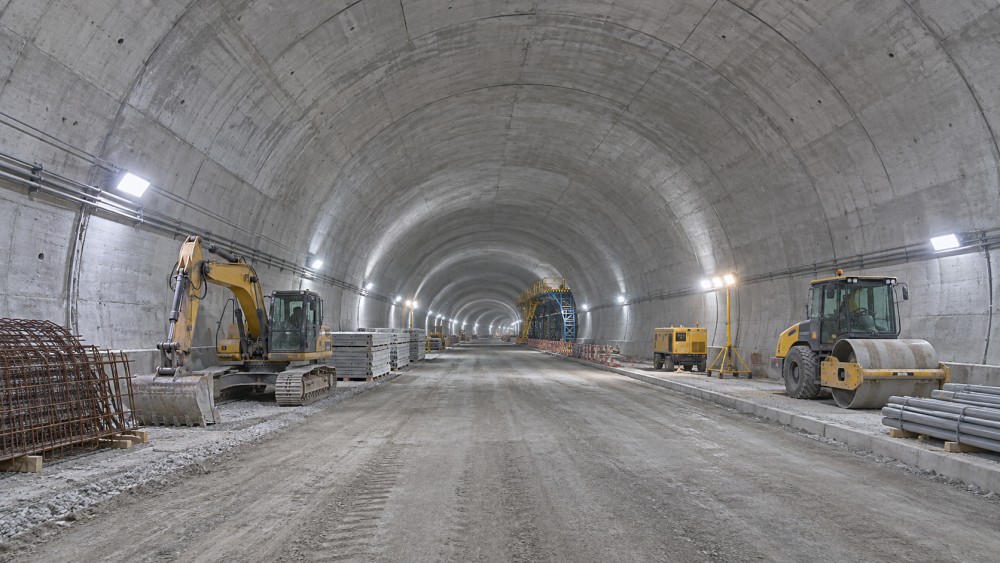
The Ministry of Transport published the Technical Specification for Highway Tunnel Reconstruction and Expansion, identified as JTG/T 3391—2026, on November 20, 2026. It is a recommended industry standard for highway engineering and is scheduled to take effect on December 1, 2026.
According to the supplied summary, the specification is intended to standardize the design and construction of highway tunnel reconstruction and expansion projects, improve existing tunnel facilities, and support safe operation. It also introduces standardization requirements relevant to the application of underground engineering and tunnel construction equipment.
Where the specification could affect project delivery
Design and construction decisions
From an industry perspective, the most direct potential effects concern the relationship between tunnel design and construction. Reconstruction and expansion involve work on existing facilities, so project teams may need to examine how the specification applies to the condition of a particular tunnel and to the proposed scope of work. The supplied information does not identify the technical provisions, however, and does not establish which design or construction methods the specification addresses.
Contractors may therefore benefit from reviewing the actual standard alongside project documents when it becomes available to them. Analysis suggests that questions could arise at the point where a design is translated into construction plans, equipment selections and delivery schedules. Whether any change is necessary will depend on the text of the standard and the terms of each project.
Equipment selection and supplier discussions
The reference to underground engineering and tunnel construction equipment makes equipment suppliers and integrators relevant participants in the discussion. Depending on the specification’s contents and a project’s procurement terms, purchasers may seek more detailed evidence that proposed equipment is suitable for the intended work. Suppliers may need to compare their technical documentation with those requests and clarify any gaps before committing to delivery.
This is a potential procurement effect, rather than confirmation of a new product approval or certification scheme. The supplied summary does not identify equipment categories, test methods, certificates or acceptance criteria. Suppliers should avoid assuming that a particular machine is covered, or that existing documentation is sufficient, until the applicable provisions and project requirements have been checked.
Procurement, contracting and handover
For project owners and purchasing teams, the practical question may be how the specification is reflected in tender documents and contracts. Analysis suggests that references to the standard could affect discussions about technical scope, the information bidders provide and the evidence expected at handover. Such changes would depend on the final project documents; they cannot be inferred solely from the announcement described in the input.
For contractors and suppliers, early clarification could reduce uncertainty over who is responsible for providing technical records, checking proposed alternatives and resolving differences between a bid and the final contract. Delivery timelines may also need review if a purchaser requests additional documentation or verification. These are planning considerations, not confirmed consequences of the standard.
Preparing for the December implementation date
Read the operative text and establish its relevance
Companies involved in highway tunnel upgrades should obtain and review the applicable text before treating the summary as a basis for technical decisions. A useful first step is to identify which parts relate to their work: design, construction, equipment selection or project delivery. Teams can then compare those provisions with the scope of each current or planned project.
Particular care is warranted around timing. The supplied information gives an effective date, but it does not explain how the specification applies to projects already under design, tender or construction on that date. Project participants should check the published text and any subsequent official explanations, as well as their own contract terms, before drawing conclusions about a particular project.
Check technical files against actual requests
Equipment manufacturers and integrators may wish to organize product specifications, operating information and available test records so they can respond efficiently to project-specific inquiries. Contractors can similarly review the information they expect to receive from suppliers and identify questions that need to be resolved with the design and procurement teams.
The point of this preparation is to make later checks easier, not to imply that the standard mandates a particular document package. Any requirement for a certificate, test report or other evidence should be verified against the operative standard and relevant tender or contract. If a purchaser proposes an alternative product or construction approach, the parties should establish how its suitability will be assessed before relying on it.
Align bids, suppliers and delivery assumptions
Before submitting a bid or placing an order, project teams can compare the technical scope in procurement documents with the standard’s verified provisions and ask for clarification where the relationship is unclear. This may be especially useful when equipment, construction planning and design responsibilities are divided among different parties.
Buyers and suppliers can also review whether their proposed delivery dates allow enough time for any checks specified in the tender or contract. No additional verification period is identified in the supplied summary, so any schedule adjustment should follow from the requirements of the individual project. Keeping written records of clarifications may help teams track the basis for later procurement and handover decisions.
Implementation will depend on the details
At this stage, the development is best understood as the publication of a recommended standard with a stated future implementation date, accompanied by an execution signal for the highway tunnel sector. The supplied information establishes the standard’s purpose and timing, but it does not establish its detailed obligations, how individual projects will apply it, or the response of purchasers and suppliers.
What deserves closer attention is the relationship between the published provisions and subsequent project documents. Official explanations, if issued, could clarify scope or timing; tender documents could show how individual buyers incorporate the specification; and feedback from project participants could reveal practical questions about design, equipment and delivery. None of those outcomes is confirmed by the supplied information.
The distinction between a recommended industry standard and a project-specific contractual requirement also matters for analysis. The summary identifies the standard as recommended, but does not describe the legal or contractual effect of a reference to it. Companies should assess that effect using the relevant documents and, where appropriate, obtain advice suited to their circumstances.
A measured approach to tunnel upgrade planning
The standard gives the industry a dated reference point for examining how highway tunnel reconstruction and expansion work is specified. Its stated focus connects design, construction and the use of underground engineering equipment with the improvement and safe operation of existing facilities.
For now, the proportionate response is to verify the standard’s text, map relevant provisions to individual projects and follow subsequent implementation information. The extent of any change to procurement, documentation or delivery remains an open question until the technical provisions and project requirements can be assessed.
Basis for this report and what to verify next
This article is based on the user-provided news title, event-time field and event summary. The event-time field does not specify a separate event date; the summary supplies the publication and scheduled implementation dates. No specific official source link was provided in the input, so the details and the operative standard still require verification.
Further review may include the official announcement, the published standard and any subsequent official implementation explanations. Changes in tender documents, project execution and industry feedback also warrant observation. The supplied information does not establish any certification procedure or trade measure; any later claim about those matters should be checked against the relevant source.
Related News
Mega Tunnel Contractors: How to Evaluate Experience and Project Risks
Evaluate mega tunnel contractors with confidence. Learn how to assess relevant experience, ground risks, construction plans, and bid assumptions before award.
Hudson Tunnel Project’s Second TBM Begins Excavating South Tunnel
Hudson Tunnel Project’s second TBM begins south tunnel excavation. Explore what this milestone could mean for contractors and suppliers.
How Bolting Jumbo Automation Works in Underground Rock Support
Explore how bolting jumbo automation coordinates drilling and rock support, and discover what to assess for safer, more consistent underground operations.

Smart Underground Mining Analytics: Using Equipment Data to Reduce Downtime
Smart underground mining analytics turns equipment data into actionable insights. Discover how to reduce downtime and improve maintenance decisions.

Three Export Control Notices Take Effect November 18, Adding Tunnel Boring Machines
China export controls add tunnel boring machines to the dual-use list. Explore potential licensing implications for equipment, components and project delivery.

Choosing a TBM Components Supplier: Lead Times, Quality and Compatibility
Choose a TBM components supplier with confidence. Compare lead times, quality evidence and compatibility to reduce procurement risk and keep your project moving.
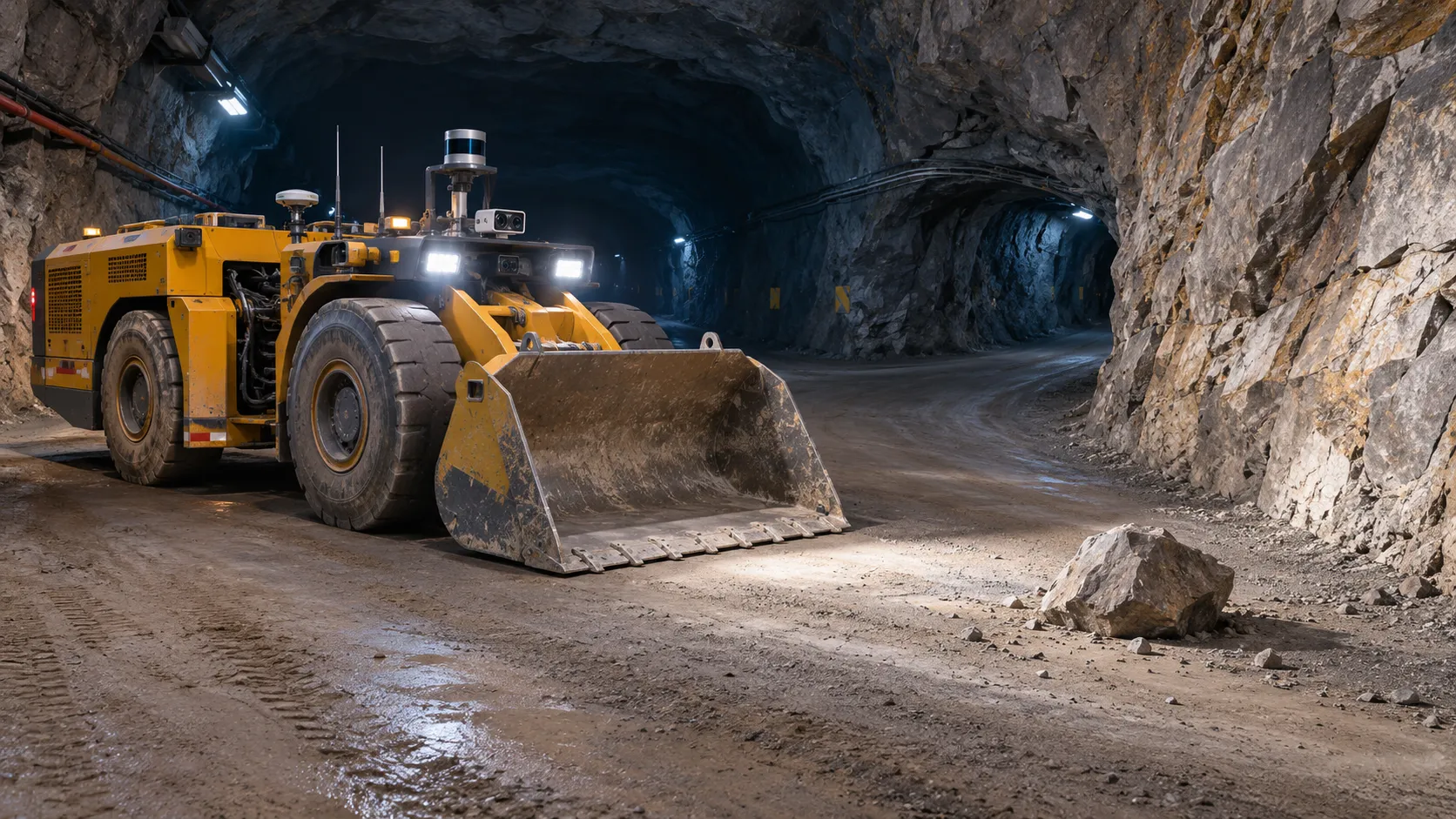
How Autonomous LHD Collision Avoidance Works in Underground Mines
Discover how autonomous LHD collision avoidance combines sensing, positioning and braking to manage underground hazards and support safer mine operations.

Mining Equipment Market Could Reach $19.42 Billion by 2033, Report Says
Mining equipment market could reach $19.42 billion by 2033. Explore how electrification, automation and surface mining demand are shaping the industry's outlook.

Selecting Municipal Trenchless Contractors in Canada: Key Bid Criteria
Municipal trenchless construction contractors Canada buyers can trust: compare bid criteria, technical risks and costs to make a confident award decision.
Related News
- 00
0000-00
Mega Tunnel Contractors: How to Evaluate Experience and Project Risks - 00
0000-00
Hudson Tunnel Project’s Second TBM Begins Excavating South Tunnel - 00
0000-00
How Bolting Jumbo Automation Works in Underground Rock Support - 00
0000-00
China’s Transport Ministry Issues Highway Tunnel Upgrade Standard - 00
0000-00
Smart Underground Mining Analytics: Using Equipment Data to Reduce Downtime
Weekly Insights
Stay ahead with our curated technology reports delivered every Monday.