
Articulated Dump Trucks Safety Checklist for Daily Operation, Loading, and Site Traffic





Articulated Dump Trucks Safety Checklist for Daily Operation, Loading, and Site Traffic
Articulated Dump Trucks safety starts with disciplined daily checks, smart loading habits, and clear site traffic awareness.
In mining and construction, small mistakes quickly grow into major incidents.
A missed tire defect, poor loading balance, or rushed corner entry can trigger rollovers, brake loss, or vehicle collisions.
That is why Articulated Dump Trucks safety must be treated as a shift-by-shift discipline, not a once-a-month review.
This guide gives a practical checklist for daily inspection, loading control, and site traffic awareness.
The goal is simple: improve machine control, reduce downtime, and support safer haulage every shift.
Why Articulated Dump Trucks Safety Needs a Daily Routine
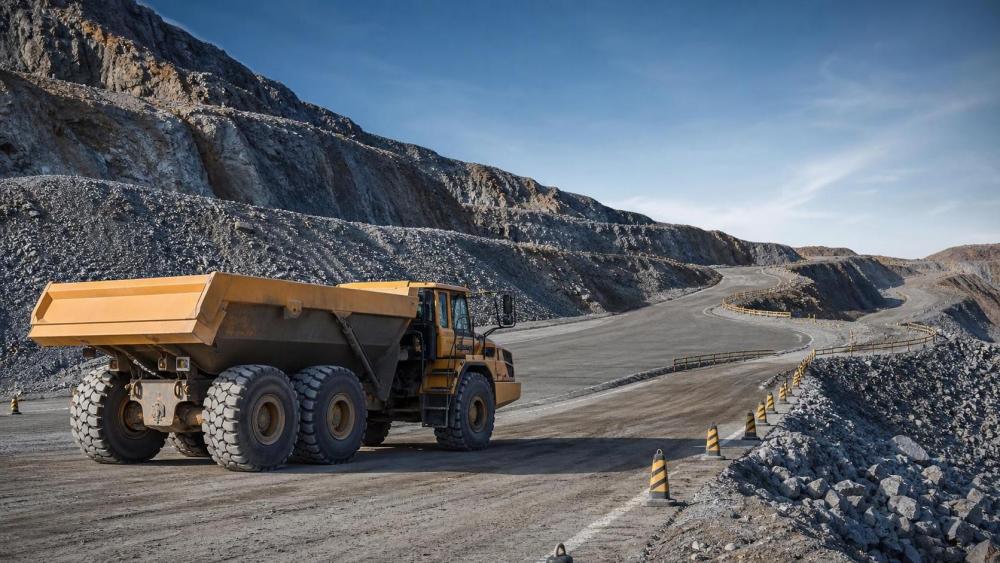
Articulated dump trucks work in changing ground, weather, and traffic conditions.
One route may be dry in the morning and slick by midday.
Loading points also shift fast as benches, ramps, and stockpiles evolve.
This means yesterday’s safe approach may not be safe today.
Good Articulated Dump Trucks safety is built on repeatable habits before the engine works hard.
A strong routine also supports equipment life.
Early detection of leaks, brake wear, hinge damage, or steering faults prevents expensive failures later.
In real operations, safer trucks usually become more productive trucks.
Pre-Start Articulated Dump Trucks Safety Checklist
Start every shift with a full walk-around before entering the cab.
This first step catches visible hazards before they become moving hazards.
External checks
- Inspect tires for cuts, sidewall bulges, low pressure signs, and trapped debris.
- Check wheel nuts, rims, and hubs for looseness, cracks, or fresh oil marks.
- Look under the machine for hydraulic leaks, fuel leaks, coolant loss, or brake fluid issues.
- Inspect articulation joints, pins, and locking points for wear or damage.
- Confirm lights, mirrors, cameras, alarms, and reflective markings are clean and working.
- Make sure the dump body is free from frozen material, large rocks, or structural cracks.
Cab checks
- Use three-point contact while climbing into the cab.
- Check seat condition, seat belt function, and cab cleanliness.
- Confirm horn, wipers, heater, demister, and communication devices are operational.
- Review warning lights, display messages, and fault codes before moving.
- Test service brake, parking brake, steering response, and retarder if fitted.
If anything affects control, visibility, or stopping distance, remove the truck from service immediately.
Safe Startup and Early Shift Operating Habits
Many incidents happen in the first minutes of movement.
Cold systems, poor visibility, and early shift rushing create the perfect risk mix.
Let pressure build and systems stabilize as recommended by the manufacturer.
Drive slowly at first and feel for unusual steering play, weak braking, or transmission hesitation.
This short warm-up period often reveals hidden problems.
Articulated Dump Trucks safety also depends on visibility discipline.
Check mirrors and camera views before each turn, reverse movement, and merge point.
Never assume that a light vehicle, ground worker, or loader operator sees you first.
Loading Zone Checklist for Better Articulated Dump Trucks Safety
Loading zones are high-risk areas because several machines work close together.
Dust, noise, and tight positioning increase the chance of impact and overload.
Before loading
- Approach the loader only from the approved direction.
- Stop in the designated loading spot and wait for the signal.
- Keep the cab aligned to reduce side loading and unstable weight distribution.
- Watch the ground condition under all wheels, especially near berm edges.
During loading
- Stay still unless the loading operator instructs movement.
- Keep the bucket placement centered in the body whenever possible.
- Avoid uneven loading that places too much material on one side.
- Reject oversized rocks that could roll out, damage the body, or shift during travel.
- Do not exceed rated payload, even if the haul route looks easy.
After loading
- Confirm the load is balanced and not piled too high.
- Check that no loose rocks sit on fenders, steps, or hinge areas.
- Leave smoothly and avoid hard acceleration with a fresh full load.
Balanced loading is one of the most practical ways to improve Articulated Dump Trucks safety on rough haul roads.
Haul Road and Site Traffic Rules That Prevent Incidents
Traffic management is where daily discipline becomes visible.
Even a well-maintained truck becomes dangerous on a poorly managed route.
Follow posted speed limits, one-way systems, radio procedures, and right-of-way rules without shortcuts.
From recent industry changes, mixed fleets are becoming more common.
That means conventional trucks, autonomous units, service vehicles, and pedestrians may share the same operating area.
This also means site traffic awareness now matters more than pure driving skill.
Core traffic habits
- Keep safe following distance on grades, curves, and wet haul roads.
- Reduce speed before turning, not during the turn.
- Use low gear and retardation control on downhill sections.
- Never overtake unless site rules clearly permit it.
- Slow down near intersections, workshops, fuel bays, and pedestrian crossings.
- Report potholes, berm damage, standing water, or fallen rock immediately.
Consistent traffic behavior is a major part of Articulated Dump Trucks safety because predictability prevents surprises.
Dumping Procedure Checklist on Slopes, Edges, and Soft Ground
Dumping is often where rollover risk becomes most serious.
Raised bodies change the center of gravity fast, especially on uneven ground.
Before tipping, confirm the dump area is level enough, compacted, and supported by a proper berm.
If the ground looks cracked, wet, or recently filled, stop and reassess.
Safe dumping steps
- Approach the dump point straight and slowly.
- Stop on the most even surface available.
- Apply the correct brake procedure before raising the body.
- Watch for material sticking inside the body.
- Lower the body fully before moving off.
- Recheck mirrors, alarms, and surrounding traffic before departure.
Never try to shake a stuck load loose with aggressive movement on unstable ground.
That single decision has caused many preventable dump truck rollover events.
Common Articulated Dump Trucks Safety Mistakes and How to Avoid Them
Most safety failures are not mysterious.
They usually come from familiar shortcuts repeated under schedule pressure.
Building Safer Haulage Habits Over Time
Strong Articulated Dump Trucks safety performance does not come from reminders alone.
It grows from repeated habits, accurate reporting, and steady feedback from the field.
When operators report route hazards early, maintenance responds faster, and loading crews work consistently, safety improves across the whole cycle.
That is especially important as the industry moves toward electrification, automation, and smarter underground or surface haulage systems.
Across mining and heavy infrastructure, reliable safety data is now part of operational credibility.
For organizations following equipment intelligence through UTMD, that signal is becoming even clearer.
Machines may become smarter, but the basics still matter.
Check the truck carefully, load it correctly, drive it predictably, and dump it on stable ground.
That practical routine is the foundation of Articulated Dump Trucks safety every day.
Use this checklist at the start of each shift and adjust it to site conditions, machine type, and haul road risk.
Related News
How to Evaluate European Drill-and-Blast Tunnelling Contractors for Complex Projects
Drill and blast tunnelling contractors Europe: learn how to assess geology expertise, blast control, equipment reliability, safety, and programme resilience for complex projects.
Which Trenchless Construction Technique Fits Your Utility Crossing Conditions?
Trenchless construction techniques compared for utility crossings: choose HDD, microtunnelling, pipe jacking, or auger boring based on ground, accuracy, access, and risk.

What Is Driving Metro Tunnelling Demand Across Southeast Asia’s Major Cities?
Metro tunnelling Southeast Asia is accelerating as major cities tackle congestion, flooding, and connectivity. Explore the market forces, technical risks, and opportunities shaping demand.
Hard Rock Tunnelling in Australia: Selecting Methods for Variable Ground Conditions
Hard rock tunnelling in Australia: compare TBM, drill-and-blast and hybrid methods to manage variable ground, reduce risk and protect project costs.
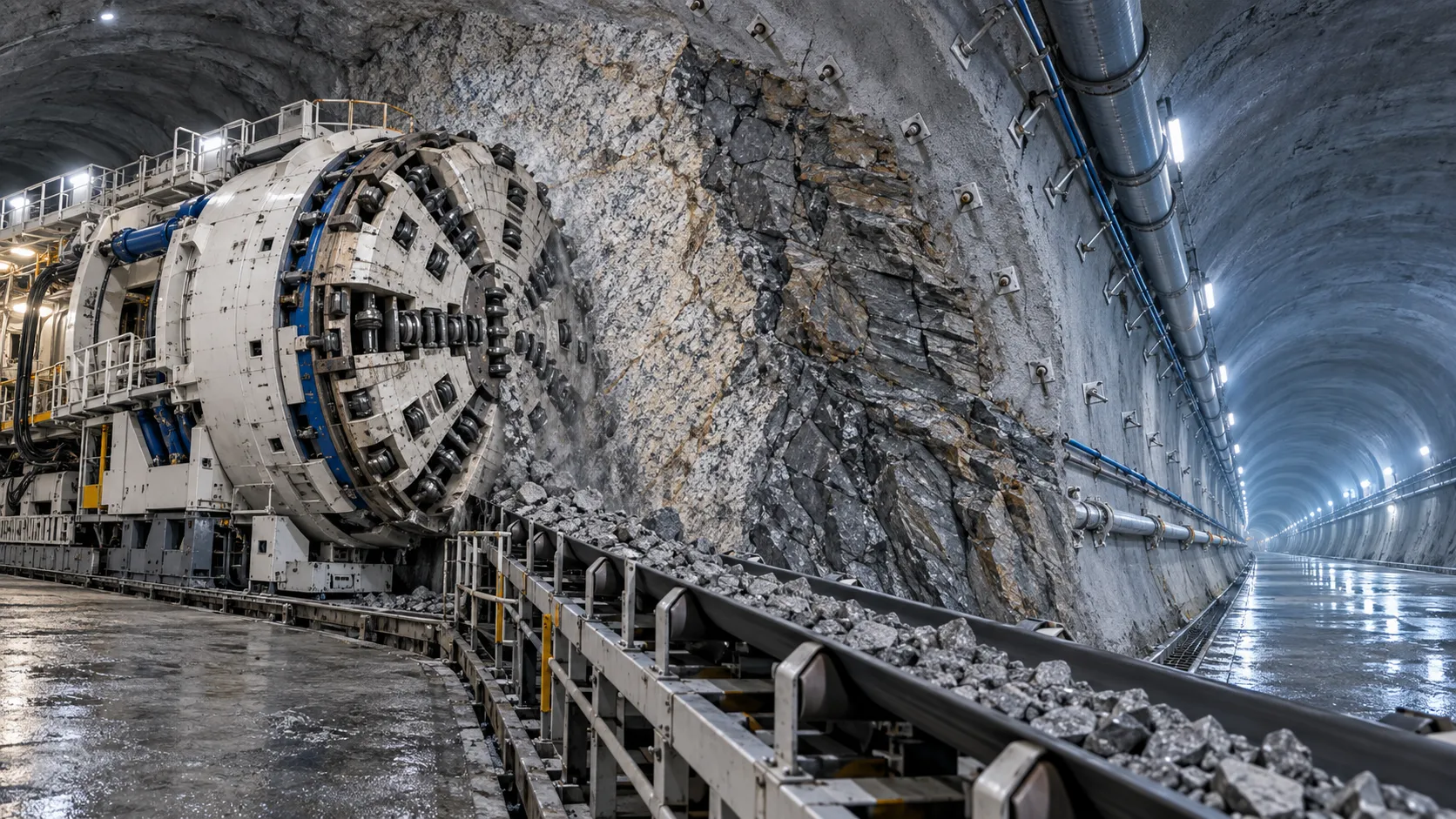
Hydropower Tunnel Excavation: Selecting Methods for Variable Rock Conditions
Hydropower tunnel excavation methods for variable rock conditions: compare TBM, drill-and-blast, and hybrid strategies to improve safety, progress, and project control.
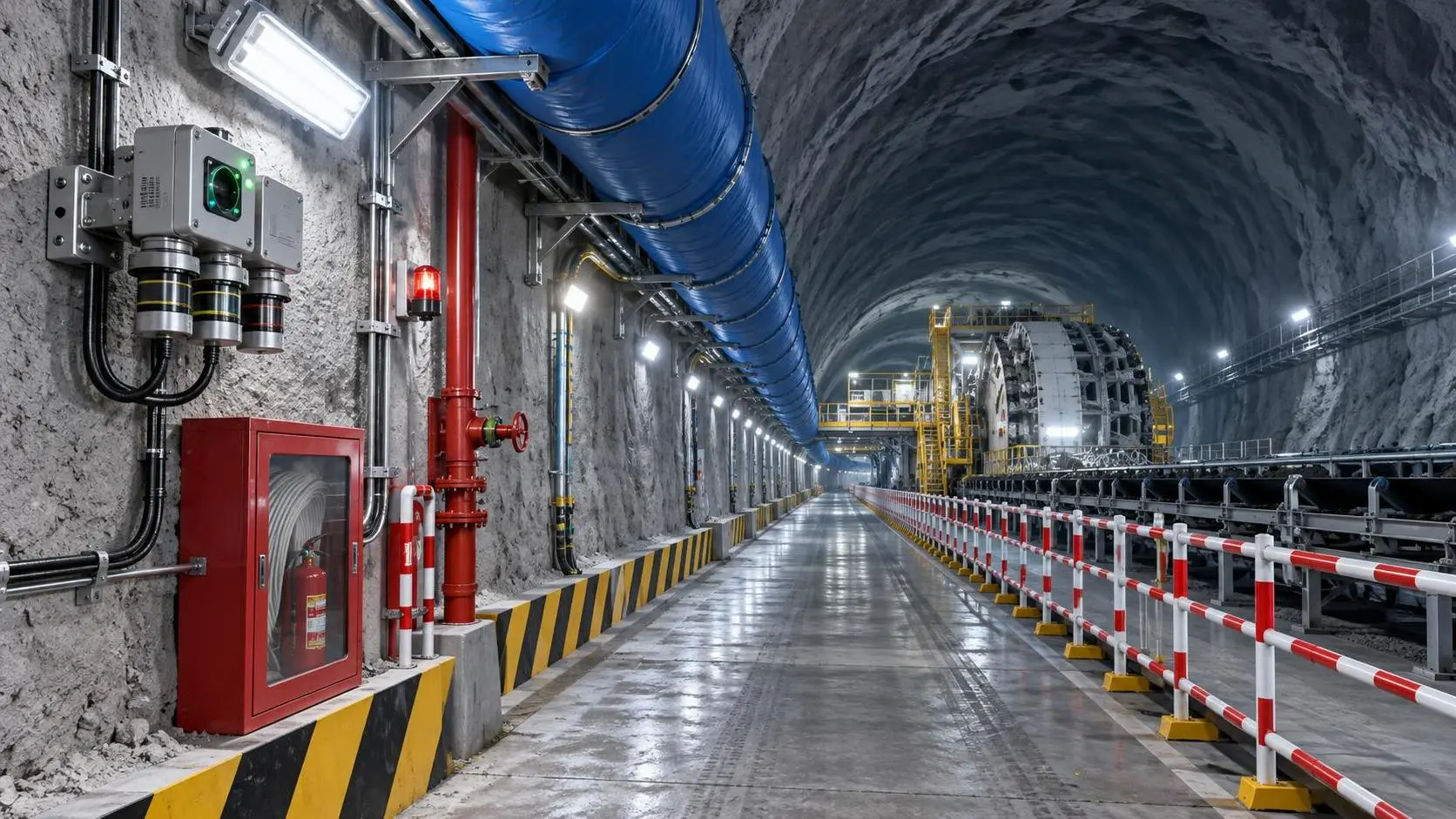
How to Select Underground Safety Equipment for Tunnelling by Hazard and Work Zone
Underground Safety Equipment for tunnelling: match protection to hazards, work zones, compliance, and emergency needs with this practical selection guide.
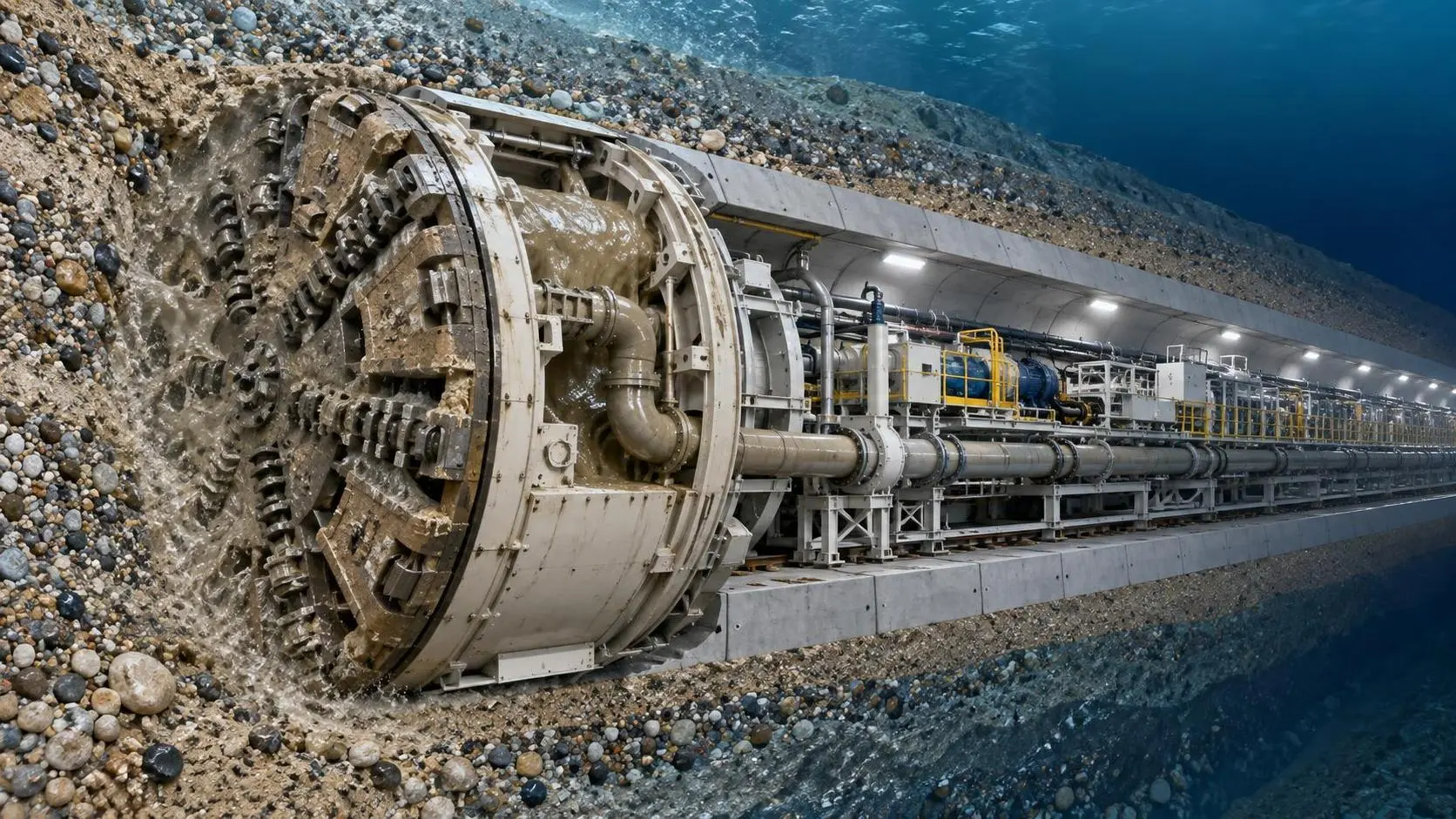
EPB or Slurry Shield? Selecting Soft-Ground Tunnelling Equipment by Soil Conditions
Tunnel Excavation Equipment for soft ground: compare EPB and slurry shields by soil, groundwater, settlement risk, and project logistics to choose confidently.
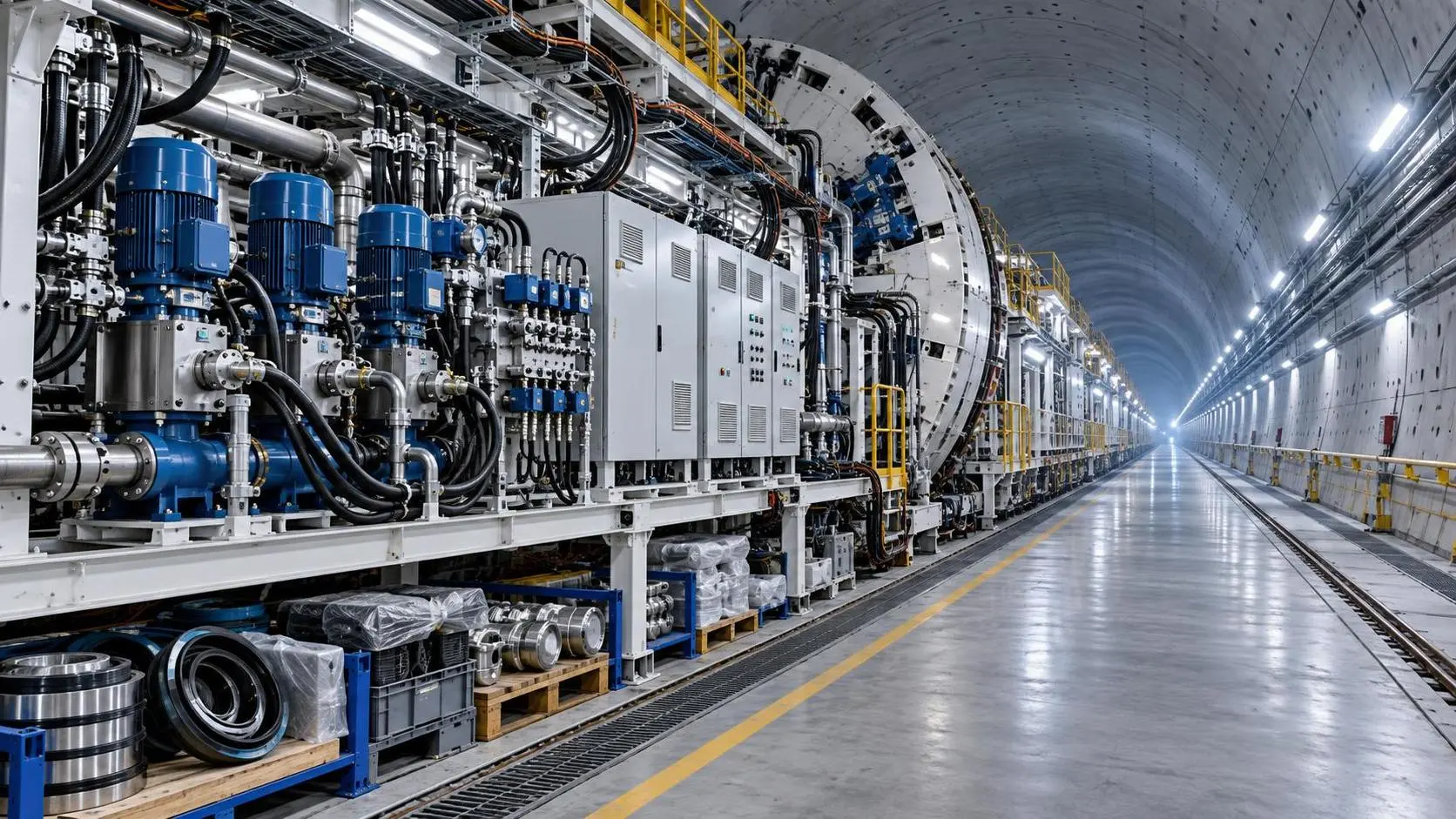
How to Specify TBM Backup System Parts for Reliable Long-Distance Tunnelling
TBM backup system parts: learn how to specify reliable spares for long-distance tunnelling, reduce downtime, ensure compatibility, and speed underground recovery.

How to Size Open Pit Mining Trucks for Haul Distance, Grade, and Payload?
Open Pit Mining Trucks: learn how to match payload, haul distance, grade, road resistance, and loading capacity for safer, lower-cost mine operations.
Related News
- 00
0000-00
How to Evaluate European Drill-and-Blast Tunnelling Contractors for Complex Projects - 00
0000-00
Which Trenchless Construction Technique Fits Your Utility Crossing Conditions? - 00
0000-00
What Is Driving Metro Tunnelling Demand Across Southeast Asia’s Major Cities? - 00
0000-00
Hard Rock Tunnelling in Australia: Selecting Methods for Variable Ground Conditions - 00
0000-00
Hydropower Tunnel Excavation: Selecting Methods for Variable Rock Conditions
Weekly Insights
Stay ahead with our curated technology reports delivered every Monday.