
Mining Dump Trucks: How Payload Choices Affect Fuel, Tires, and Uptime





For procurement teams evaluating Mining Dump Trucks, payload is never just a capacity figure—it directly shapes fuel burn, tire life, maintenance intervals, and overall fleet uptime. Choosing the right payload class can reduce operating costs, improve haul-cycle efficiency, and support long-term mine electrification and automation goals in demanding open-pit environments.
Why payload decisions vary so much by mining scenario
In purchasing discussions, Mining Dump Trucks are often compared by headline payload alone. That approach is risky. A 40-ton difference may change road design requirements, loading tool match, fuel use per tonne, tire heat build-up, and even whether the fleet can maintain target production during rainy seasons or high-altitude operation. For procurement teams, the best choice is rarely the biggest truck. It is the payload class that fits the mine’s haul profile, loading rhythm, maintenance capability, and future expansion plan.
This is especially important in modern surface mining, where operations are balancing productivity with ESG targets, labor shortages, and rising tire costs. In some pits, larger Mining Dump Trucks improve cost per tonne because haul roads are wide, loading tools are large, and downhill segments allow efficient retarding or regenerative braking. In other sites, oversized trucks create hidden losses through underloading, queueing, ramp congestion, and more frequent tire damage. Payload choice is therefore a scenario decision, not a catalog decision.
Typical application scenarios for Mining Dump Trucks
Procurement teams usually encounter four broad operating scenarios when selecting Mining Dump Trucks. Each one puts different pressure on fuel, tires, and uptime.
For buyers, this table highlights a key point: the “right” Mining Dump Trucks depend on how the mine actually runs, not on nominal capacity rankings.
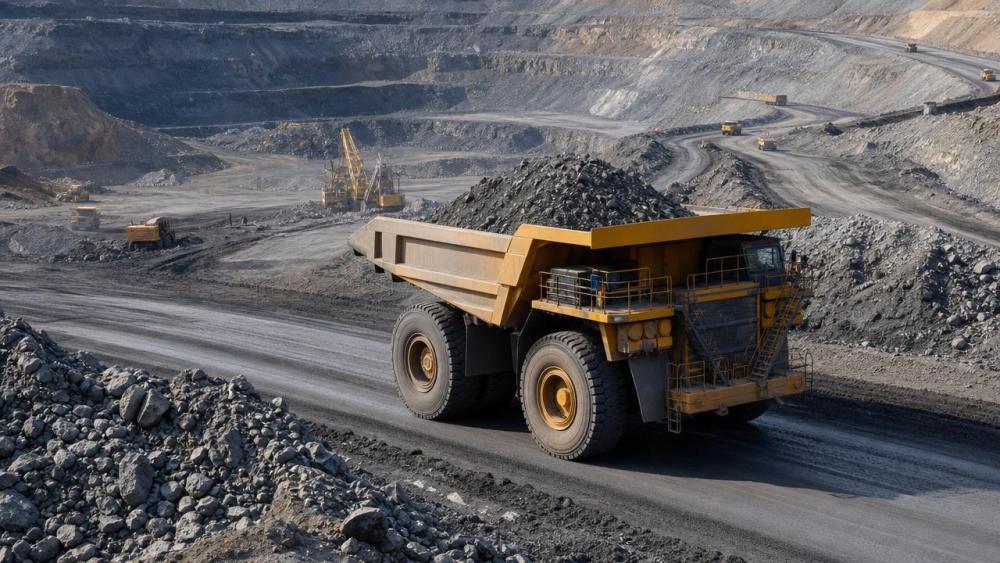
Scenario 1: High-output open-pit mines focused on cost per tonne
In mature open-pit copper, iron ore, or coal mines, the production model often supports larger Mining Dump Trucks. Roads are engineered for high-volume haulage, loading tools are sized correctly, and dispatch systems keep cycle times predictable. In this environment, a larger payload can reduce the number of truck movements required for the same production target, lowering fuel consumed per delivered tonne and reducing congestion at loading and dumping points.
However, the benefit only appears when the truck-shovel match is correct. If the loading unit takes too many passes to fill the body, cycle time rises and the fuel advantage fades. Tire life may also suffer if the fleet regularly operates near maximum load over long downhill hauls with poor heat control. Procurement teams should ask for payload distribution data, average pass counts, haul-road maintenance quality, and historical tire TKPH performance before moving into a higher class.
What to prioritize
- Tonnes moved per shift versus truck count reduction
- Loader compatibility and pass-match efficiency
- Fuel burn per tonne, not per hour alone
- Brake, retarder, and tire thermal performance on declines
- Autonomous haulage or fleet management integration
Scenario 2: Mid-size operations needing flexibility more than maximum payload
Not every mine benefits from the largest Mining Dump Trucks. In aggregate quarries, limestone sites, contractor-operated pits, and developing mineral projects, conditions change more frequently. Faces move, haul distances vary, and road width may not justify very large bodies. Here, mid-sized payload classes often create the best balance between productivity and uptime.
These operations usually value versatility. A truck that can move between benches easily, turn safely in tighter areas, and remain easy to service with limited workshop capability often delivers a better annual result than a bigger model with lower practical utilization. Procurement should evaluate turning radius, empty weight impact on roads, spare parts availability, and mechanic skill requirements. Fuel efficiency matters, but so does the ability to keep the truck running without specialized support.
Why smaller can outperform larger
If a mine experiences frequent relocation, variable material density, or short bench life, oversized Mining Dump Trucks may spend too much time waiting, maneuvering, or traveling partially loaded. That reduces real payload utilization and increases cost per effective tonne. In such cases, right-sized trucks preserve tire life and support steadier uptime.
Scenario 3: Steep ramps, rough roads, and tire-sensitive environments
Some haulage scenarios punish tires more than engines. High-gradient routes, loose rock surfaces, switchbacks, and seasonal mud can make large-payload Mining Dump Trucks expensive to run if site conditions are not engineered for them. In these settings, payload selection affects more than fuel economy. It changes sidewall stress, tread wear, brake loading, and suspension fatigue.
For procurement teams, this is where tire strategy must sit beside truck selection. A truck with a nominal payload advantage may trigger higher tire replacement frequency, stockholding pressure, and unplanned stoppages. If tire supply is unstable—a growing concern globally—fleet resilience may matter more than theoretical output. It is often smarter to choose Mining Dump Trucks with a payload class that leaves safety margin for uneven roads and changing weather.
Practical checks before purchase
- Maximum ramp grade and average loaded speed
- Road maintenance frequency and drainage quality
- Tire lead time, site inventory, and casing management
- Body wear from abrasive rock and impact loading
- Operator behavior, braking patterns, and overspeed risks
Scenario 4: Mines planning electrification and autonomy
The next generation of Mining Dump Trucks is increasingly shaped by battery-electric drivetrains, trolley assist, hybrid systems, and autonomous operation. In this scenario, payload choice must be evaluated through an energy and systems lens. A larger truck may reduce fleet count, but it may also require more charging infrastructure, different substation design, or revised traffic logic for autonomous dispatch.
For procurement teams aligning with ESG standards, zero-emission strategies, and digital mine roadmaps, payload should support future operational architecture. Mines with long downhill segments may benefit from regenerative braking opportunities, but that depends on route profile and energy recovery effectiveness. Likewise, autonomous fleets usually perform best when the truck class matches consistent haul cycles and standardized loading areas. The right Mining Dump Trucks in this scenario are those that fit both present production needs and future control systems.
How payload choices affect fuel, tires, and uptime in real procurement terms
Procurement teams should translate payload into three operating outcomes.
Fuel
Bigger Mining Dump Trucks can lower fuel per tonne when fully utilized on suitable roads. But they can also waste fuel if underloaded, delayed, or forced into stop-start traffic. Always compare liters per delivered tonne across realistic cycle models, not brochure figures.
Tires
Tire cost is one of the fastest ways a payload mistake becomes visible. Payload class changes tire heat, cornering stress, and wear pattern. In poor road conditions, the wrong truck size can erase any acquisition-price advantage within a short operating period.
Uptime
Uptime depends on more than mechanical reliability. It includes workshop accessibility, spare parts planning, road compatibility, and loading efficiency. A right-sized fleet of Mining Dump Trucks often posts better availability because it is easier to maintain consistently and less vulnerable to single-point failures.
Common misjudgments when selecting Mining Dump Trucks
Several procurement errors repeat across projects:
- Choosing the highest payload without checking shovel pass match
- Using flat-road fuel assumptions for high-gradient sites
- Ignoring tire supply risk and total tire cost per hour
- Underestimating workshop tooling and technician capability
- Buying for peak output scenarios instead of annual average conditions
- Failing to account for future automation or electrification constraints
These mistakes usually come from evaluating Mining Dump Trucks as stand-alone assets instead of as part of a haulage system.
A practical scenario-based checklist for procurement teams
Conclusion: match payload to the mine, not the brochure
The best Mining Dump Trucks are not defined by maximum payload alone. They are defined by fit: fit to the haul road, fit to the loading tool, fit to tire strategy, fit to maintenance capability, and fit to the mine’s automation and decarbonization path. For procurement teams, the strongest buying decision comes from comparing scenarios, not simply comparing specifications.
If your operation is reviewing Mining Dump Trucks for a new pit, fleet replacement, or electrification program, start with actual haul conditions and annual utilization assumptions. Build the decision around fuel per tonne, tire lifecycle cost, and uptime resilience. That is the clearest path to a truck fleet that supports production today while staying ready for the next phase of smart mining development.
Related News
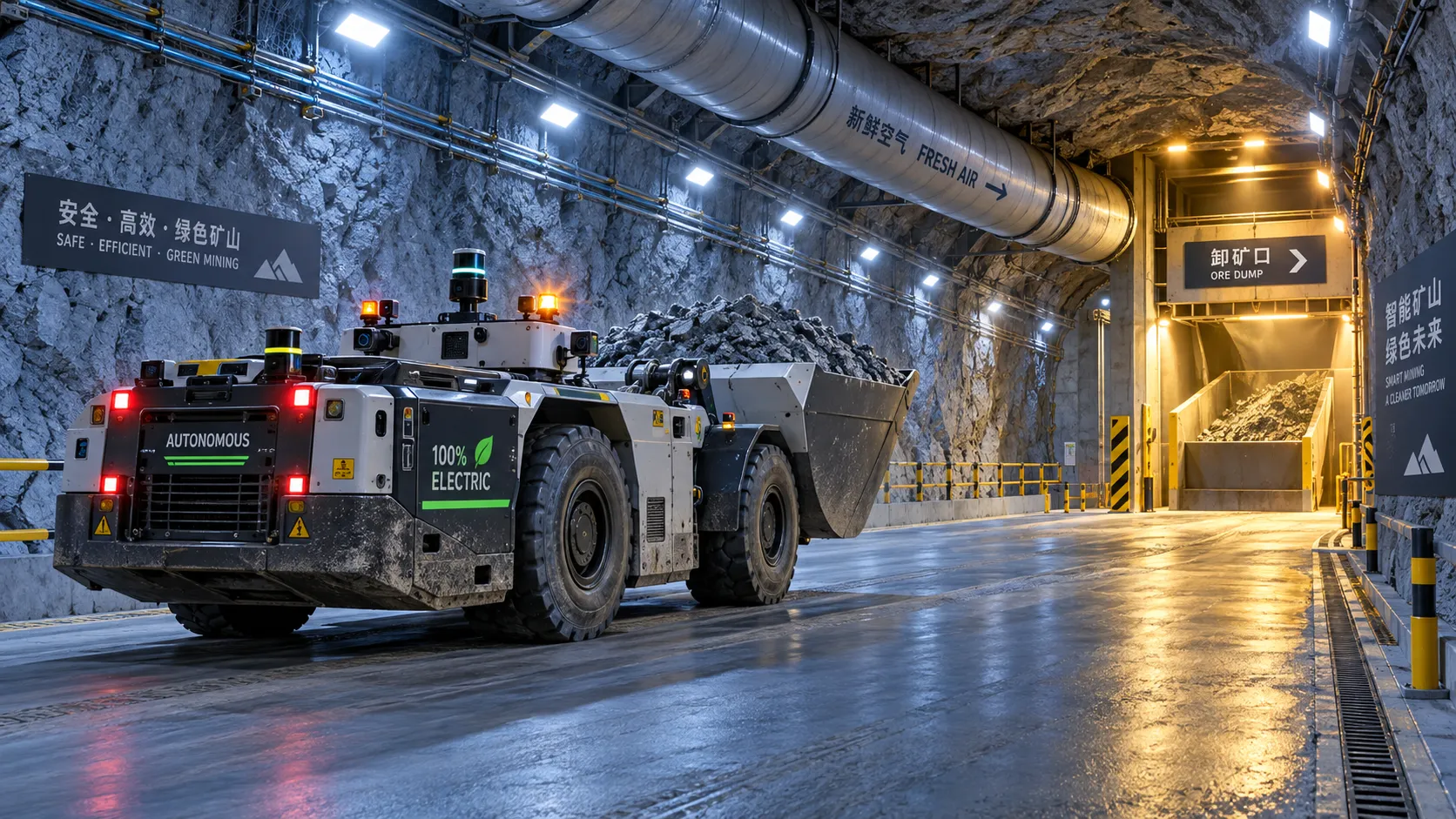
Where Autonomous Mining Loaders Deliver the Most Value in Underground Operations
Autonomous Mining Loaders deliver greater underground value through safer blast-zone work, repeatable haul cycles, and improved ventilation efficiency. Discover the best deployment zones.
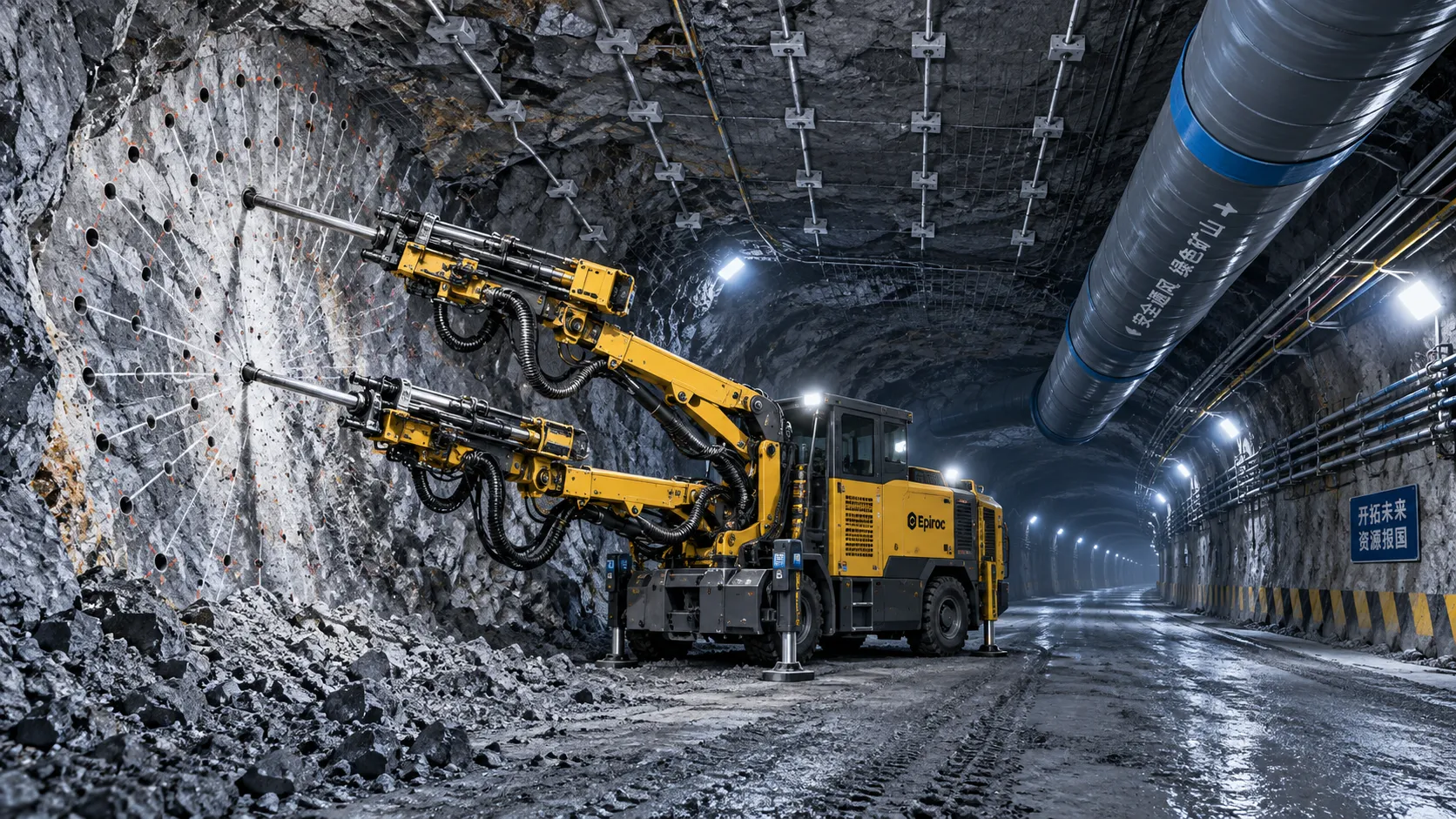
Underground Drilling for Mining: Selecting Methods for Rock Conditions and Mine Layout
Underground drilling for mining: learn how to match drilling methods to rock conditions, mine layout, accuracy needs, ground support, and cycle efficiency.
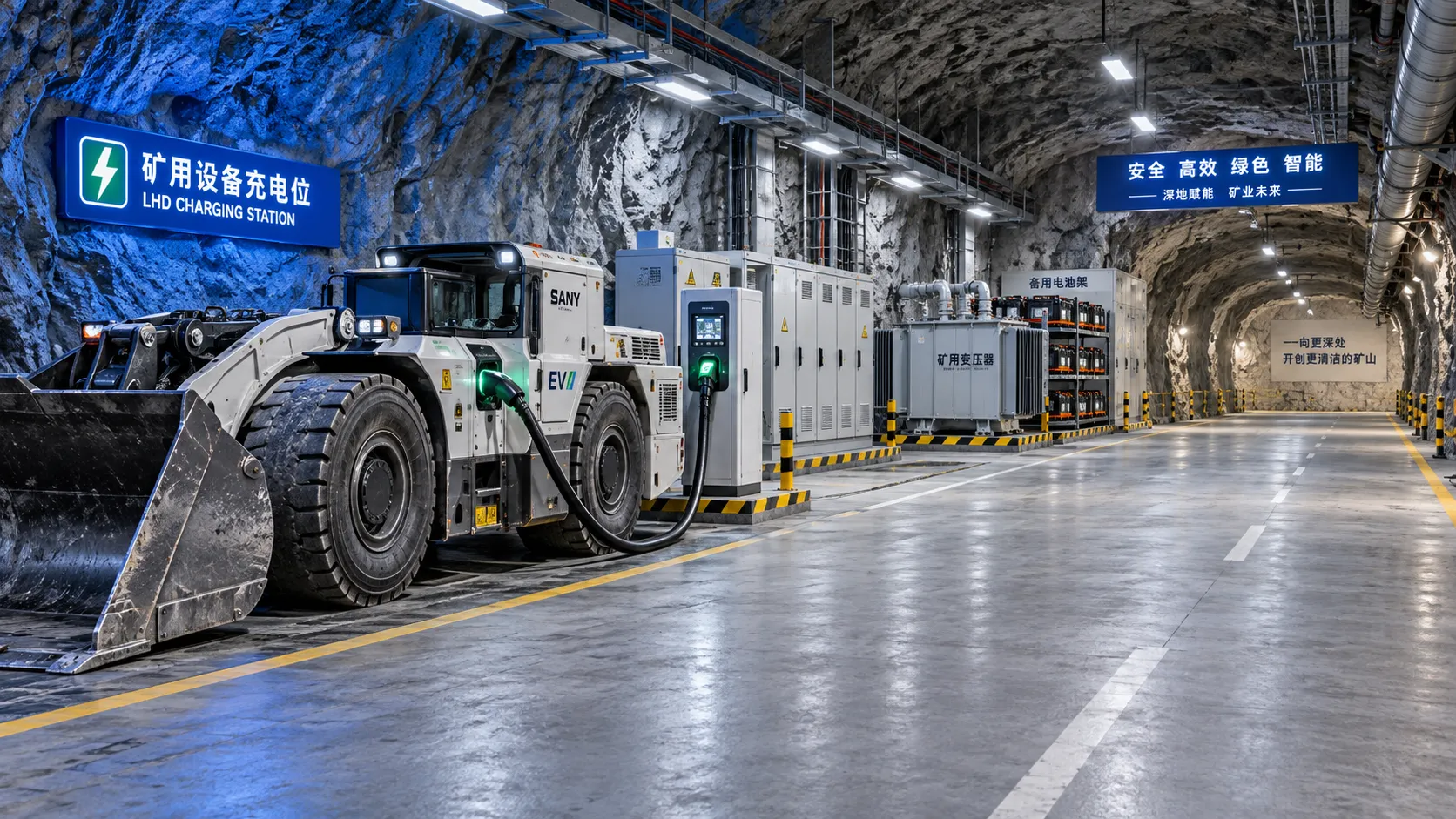
Underground Mine Electrification: How to Size Battery Fleets and Charging Capacity
Mining electrification for underground mines: learn how to size battery fleets, chargers, and power capacity to prevent queues, peak-load issues, and production downtime.

How to Evaluate European Drill-and-Blast Tunnelling Contractors for Complex Projects
Drill and blast tunnelling contractors Europe: learn how to assess geology expertise, blast control, equipment reliability, safety, and programme resilience for complex projects.

Which Trenchless Construction Technique Fits Your Utility Crossing Conditions?
Trenchless construction techniques compared for utility crossings: choose HDD, microtunnelling, pipe jacking, or auger boring based on ground, accuracy, access, and risk.

What Is Driving Metro Tunnelling Demand Across Southeast Asia’s Major Cities?
Metro tunnelling Southeast Asia is accelerating as major cities tackle congestion, flooding, and connectivity. Explore the market forces, technical risks, and opportunities shaping demand.

Hard Rock Tunnelling in Australia: Selecting Methods for Variable Ground Conditions
Hard rock tunnelling in Australia: compare TBM, drill-and-blast and hybrid methods to manage variable ground, reduce risk and protect project costs.

Hydropower Tunnel Excavation: Selecting Methods for Variable Rock Conditions
Hydropower tunnel excavation methods for variable rock conditions: compare TBM, drill-and-blast, and hybrid strategies to improve safety, progress, and project control.

How to Select Underground Safety Equipment for Tunnelling by Hazard and Work Zone
Underground Safety Equipment for tunnelling: match protection to hazards, work zones, compliance, and emergency needs with this practical selection guide.
Related News
- 00
0000-00
Where Autonomous Mining Loaders Deliver the Most Value in Underground Operations - 00
0000-00
Underground Drilling for Mining: Selecting Methods for Rock Conditions and Mine Layout - 00
0000-00
Underground Mine Electrification: How to Size Battery Fleets and Charging Capacity - 00
0000-00
How to Evaluate European Drill-and-Blast Tunnelling Contractors for Complex Projects - 00
0000-00
Which Trenchless Construction Technique Fits Your Utility Crossing Conditions?
Weekly Insights
Stay ahead with our curated technology reports delivered every Monday.