



How to Assess a 4WD Mining Truck Manufacturer for Remote Sites
Selecting a 4WD mining truck manufacturer for remote sites requires more than comparing payload and purchase price. Procurement teams must evaluate all-terrain traction, fuel or electric power options, parts availability, field-service capability, safety systems, and proven reliability in harsh climates.
For remote mining projects, the best supplier is rarely the one with the lowest quoted unit price. It is the manufacturer that keeps trucks productive when roads, weather, logistics, and technical support become difficult.
Procurement decisions should therefore compare total operating risk, not specifications alone. A truck that costs less initially can become far more expensive if it suffers prolonged downtime or requires imported parts.
A capable 4WD mining truck manufacturer should demonstrate performance on steep grades, loose surfaces, heavy rain, high dust exposure, extreme temperatures, and limited workshop infrastructure.
This guide provides a practical assessment framework for procurement teams buying 4WD mining trucks for exploration camps, satellite pits, quarry operations, construction mines, and remote material-haulage routes.
Start With the Actual Remote-Site Duty Cycle
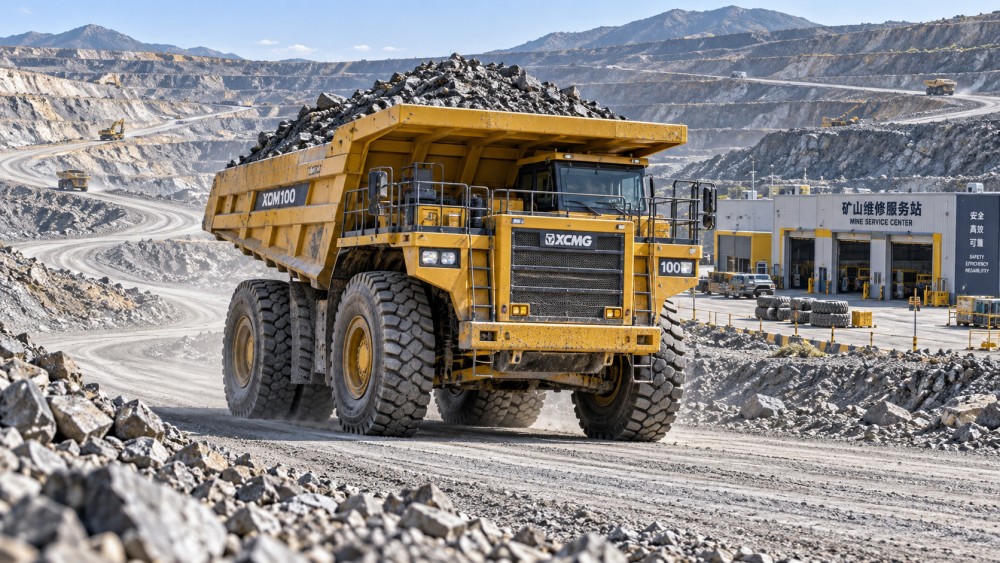
Before contacting manufacturers, define the operating conditions precisely. Suppliers can only recommend a suitable configuration when procurement teams understand haul distance, gradients, road quality, payload density, and operating hours.
Document whether the truck will travel on compacted haul roads, muddy access tracks, rocky benches, river crossings, or seasonal roads. Each condition changes traction, tire, suspension, and drivetrain requirements.
Payload alone is not enough. A truck hauling dense ore on short steep routes faces different stress than one carrying lower-density overburden across long, uneven distances.
Include the expected number of loaded and unloaded cycles per shift. Frequent stopping, climbing, braking, and turning can accelerate component wear more than steady highway-style operation.
Remote sites also require an honest assessment of driver behavior and maintenance capability. Equipment must tolerate operational variation when experienced technicians and supervisors are not always available.
Ask internal operations teams for historical records covering tire failures, fuel consumption, brake wear, suspension damage, and average repair duration. These details identify where the next truck fleet must improve.
A serious 4WD mining truck manufacturer should use this information to propose axle ratios, tire specifications, body design, cooling capacity, and service intervals that match the route.
Be cautious when a supplier offers the same standard vehicle to every application. Remote mining conditions usually demand configuration discipline rather than a generic catalog solution.
Assess 4WD Drivetrain Capability Beyond Marketing Claims
Four-wheel drive is valuable only when the system delivers controllable torque, consistent traction, and predictable handling under load. Procurement teams should examine the drivetrain architecture in detail.
Ask whether four-wheel drive is permanent, selectable, or automatically engaged. Each design affects fuel use, component wear, driver operation, and traction response on changing surfaces.
Permanent four-wheel drive can provide confident traction on constantly poor roads. However, it may increase drivetrain losses and maintenance requirements if the truck also spends substantial time on firm surfaces.
Selectable systems can reduce unnecessary mechanical drag, but they depend on correct driver use. Automatic engagement systems may offer a practical compromise for mixed and unpredictable site conditions.
Evaluate differential lock arrangements at the center, front, and rear axles. A truck with well-designed locking differentials can maintain movement where open differentials would spin uselessly.
Request evidence of gradeability at maximum gross vehicle weight, not merely unloaded climb capability. Also examine performance on wet slopes, loose gravel, soft ground, and side-slope conditions.
Ground clearance matters, but excessive ride height can reduce stability. The manufacturer should explain how chassis clearance, approach angles, center of gravity, and suspension travel work together.
Check the transfer case, axle housings, universal joints, and protection plates. These components must withstand shock loads from rocks, ruts, and irregular mine roads without frequent leakage or damage.
Ask for test reports, customer references, and failure data from comparable terrain. Demonstrated performance in a similar operating environment is more valuable than broad claims about off-road capability.
Compare Powertrain Choices Against Logistics and Site Energy
Diesel remains common for remote haulage because refueling infrastructure is familiar and energy density is high. However, diesel selection must account for fuel quality, delivery reliability, and emissions requirements.
Evaluate engine torque curves rather than maximum horsepower alone. Heavy trucks need useful low-speed torque for climbing, controlled starts, and stable movement through soft or rough terrain.
Cooling performance deserves special attention in hot, high-altitude, or dusty regions. Undersized radiators and poorly protected air-intake systems can cause repeated derating and expensive unscheduled maintenance.
For cold climates, ask about starting systems, fuel heating, battery capacity, cab insulation, hydraulic fluid selection, and recovery procedures after long periods of idleness.
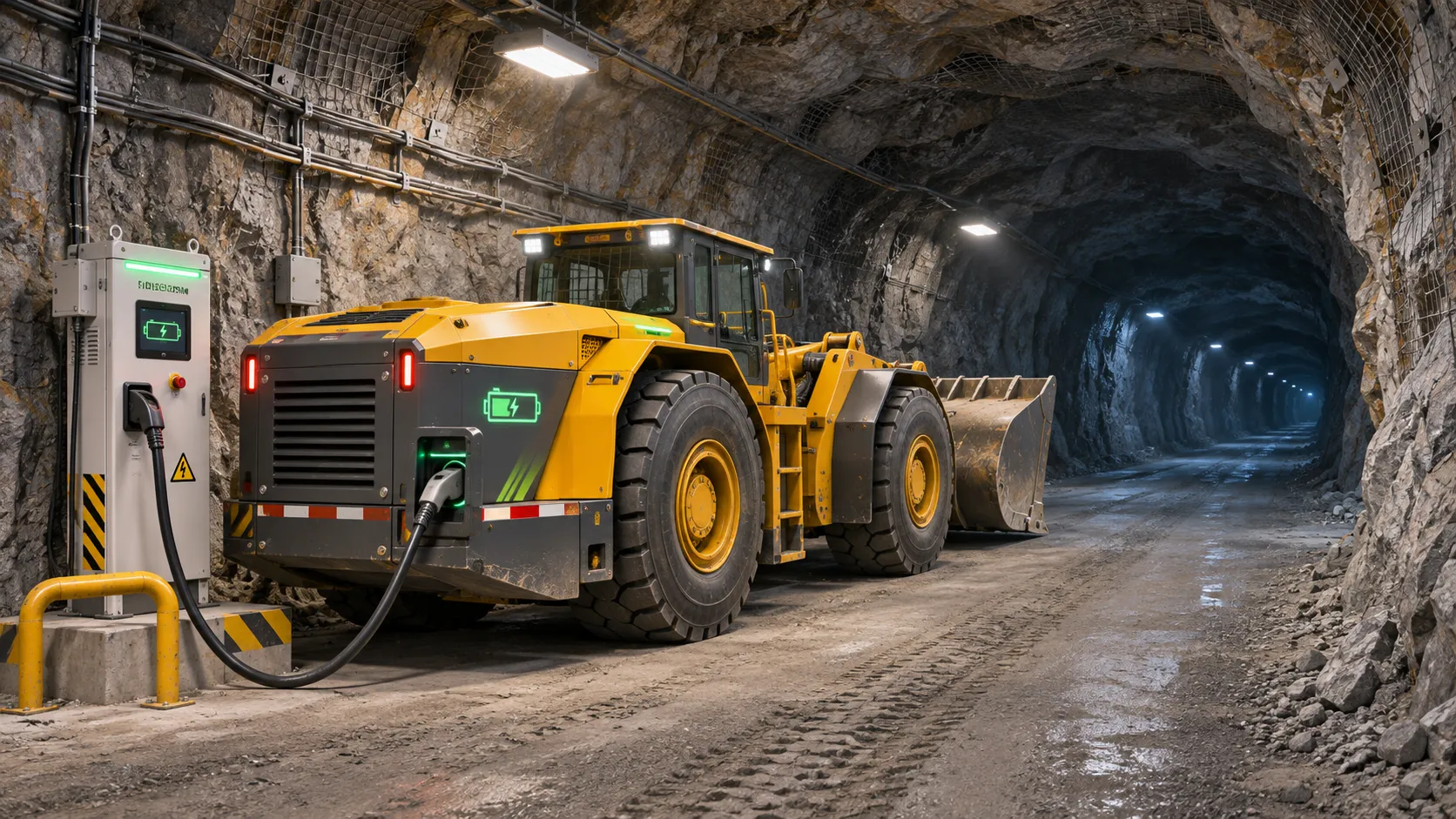
Electric and hybrid options may reduce operating emissions and diesel dependence, particularly where a mine has reliable renewable power or centralized charging facilities near the haul route.
Yet battery-electric trucks should not be selected simply to meet sustainability targets. Procurement must verify charging time, battery thermal management, range under payload, and local technical support capability.
On long downhill hauls, regenerative braking can improve energy efficiency and reduce service-brake wear. Manufacturers should quantify expected recovery under the site’s real grades and payload profile.
For diesel, hybrid, or electric fleets, request a route-specific total cost of ownership model. It should include energy use, maintenance, consumables, downtime assumptions, and infrastructure investment.
Verify Reliability Through Components, Design, and Evidence
Remote operations cannot depend on a manufacturer’s general reputation alone. Procurement teams need evidence that the selected truck design can achieve high availability under comparable duty cycles.
Review the origin and serviceability of major components, including engine, transmission, axles, hydraulic pumps, brake systems, electronics, and tires. Widely supported components usually reduce supply risk.
Ask the manufacturer for recommended preventive-maintenance intervals and identify which tasks require specialist tools, software access, lifting equipment, or trained technicians. Complexity can be a major remote-site liability.
Inspect filtration systems closely. Effective air, fuel, hydraulic, and oil filtration protects expensive components when trucks operate in dust, humidity, variable fuel quality, and isolated workshops.
Examine corrosion protection where operations involve coastal air, acidic mine water, road salt, or persistent humidity. Coating quality and electrical connector sealing affect long-term reliability.
Require documented mean time between failures where available, alongside warranty claim patterns and typical replacement lead times. A supplier unwilling to discuss service data deserves closer scrutiny.
Customer references should be operationally comparable, not merely prestigious. Speak with fleet managers working in similar climates, with similar payloads, road conditions, maintenance resources, and production pressure.
Questions should cover actual availability, recurring faults, parts fill rate, fuel consumption, warranty response, and whether promised field support arrived when equipment was immobilized.
Make Parts Availability and Field Support a Contract Requirement
For a remote mine, parts logistics often determine fleet availability more than workshop competence. A 4WD mining truck manufacturer must show how it supports operations far from major industrial centers.
Map the supplier’s service network against the mine location. Identify regional warehouses, authorized dealers, mobile technicians, diagnostic capability, and emergency transport options for critical components.
Do not accept vague statements about global coverage. Request named service locations, inventory lists, technician qualifications, response-time commitments, and examples of support delivered to similar remote sites.
Create a recommended commissioning spares package based on the expected first-year operating hours. This package should cover predictable wear items and selected high-impact failure components.
Critical spares commonly include filters, belts, hoses, sensors, brake components, wheel-end parts, seals, electrical connectors, and drivetrain items with long replenishment lead times.
Procurement should distinguish between consumable stock and insurance stock. The latter includes expensive components that may rarely fail but can immobilize a truck for weeks when unavailable.
Ask whether the manufacturer provides remote diagnostics, telematics, software updates, and technical escalation support. These tools can reduce troubleshooting time when an expert cannot immediately travel to site.
Service-level agreements should define response times, repair responsibilities, parts lead times, warranty labor, technician travel costs, and escalation procedures for repeated failures.
Review Safety Systems for Terrain, Fatigue, and Recovery Risks
Remote haulage combines difficult terrain with limited rescue resources. Safety assessment should focus on preventing loss of control, rollovers, collisions, fatigue incidents, and unsafe roadside repairs.
Confirm that braking performance is adequate for the truck’s maximum loaded weight and longest downhill route. Retarders, engine braking, service brakes, and parking brakes must function as a coordinated system.
Ask for brake temperature monitoring, overload alerts, traction control, stability assistance, and warning systems appropriate to the machine’s operating environment. These features should support drivers without creating distraction.
Cab design matters because operators may work long shifts over rough terrain. Evaluate visibility, seat suspension, climate control, noise levels, camera coverage, access steps, and emergency egress.
Roll-over protection and falling-object protection should meet relevant mine and regional standards. Confirm certification scope rather than assuming a cabin design complies with every jurisdiction.
Where sites operate after dark, lighting configuration should cover loading areas, wheel paths, reversing zones, maintenance points, and roadside recovery tasks without causing dangerous glare.
Consider recovery points, towing provisions, fire suppression options, emergency isolation switches, and safe access to daily inspection items. These practical details affect incident response in isolated locations.
Evaluate Manufacturer Fit, Commercial Terms, and Lifecycle Cost
A technically strong truck can still be a poor procurement choice when commercial terms shift excessive risk to the buyer. Assess the manufacturer as a long-term operational partner.
Compare warranty duration, covered hours, exclusions, reimbursement rules, and the process for resolving repeated defects. Warranty value depends heavily on labor and logistics obligations.
Review training packages for operators, mechanics, supervisors, and parts personnel. Training should cover daily inspections, drivetrain operation, fault recognition, safe recovery, and preventive-maintenance routines.
Request clear delivery schedules, commissioning responsibilities, acceptance-test criteria, documentation, and initial support arrangements. Delayed commissioning can disrupt mine development or production ramp-up plans.
Total cost of ownership should include purchase price, financing, fuel or electricity, tires, maintenance labor, consumables, planned rebuilds, spare parts, residual value, and downtime exposure.
Downtime deserves a separate financial estimate. Calculate the production impact of a disabled truck, replacement equipment costs, delayed material movement, and additional labor required for recovery.
Use a weighted supplier scorecard rather than a simple price comparison. Assign meaningful weighting to reliability, local support, drivetrain suitability, safety, lifecycle cost, and evidence from comparable sites.
A factory visit or third-party inspection can validate manufacturing quality, testing practices, component traceability, and spare-parts management. This is especially useful for unfamiliar manufacturers or large fleet orders.
Use a Structured Procurement Decision Before Awarding the Contract
Shortlist suppliers only after technical, service, safety, and commercial assessments are complete. Separate the evaluation process from sales presentations to prevent attractive specifications from masking operational gaps.
Require each candidate to respond to the same route profile, payload range, operating schedule, climate conditions, maintenance constraints, and requested service commitments. Comparable inputs create a fairer decision.
For high-risk projects, consider a pilot unit before fleet-wide deployment. A controlled trial can reveal actual fuel use, traction behavior, operator acceptance, maintenance needs, and support responsiveness.
Set acceptance criteria in advance, including availability targets, fuel consumption ranges, gradeability, braking performance, service response, and recurring fault thresholds. Contract terms should reflect these measurable requirements.
Procurement teams should also involve operations, maintenance, health and safety, logistics, and finance representatives. Remote-site truck selection affects every one of these functions.
The strongest decision is supported by evidence, route-specific analysis, and enforceable support commitments. It is not based on brochure payload ratings or the lowest initial quotation.
Conclusion: Choose Operational Certainty Over a Low Purchase Price
Assessing a 4WD mining truck manufacturer for remote sites means evaluating the complete ownership system around the vehicle. Traction, reliability, support, safety, and parts access all influence production continuity.
Procurement buyers should prioritize manufacturers that can prove performance in similar conditions, configure equipment for the actual duty cycle, and contractually support the fleet after delivery.
When remote-site risk is translated into measurable technical, service, and financial criteria, mining companies can select trucks that protect availability, reduce lifecycle cost, and sustain safer haulage operations.