
DRC Cobalt Export Curbs Hit EV Mining Trucks Supply Chain





On June 25, 2026, the Democratic Republic of the Congo’s mining authority signaled a material rule change for the cobalt supply chain by cutting cobalt ore export quotas effective July 1 and requiring all cobalt smelters to open real-time production data interfaces to the government. For EV Mining Trucks, the issue is not only raw material availability but also how tighter export control and production transparency requirements are already feeding into battery procurement costs, delivery schedules, and export pricing decisions. That makes this development relevant to upstream traders, battery supply managers, mining truck manufacturers, and cross-border contract teams that rely on stable cost and lead-time assumptions.

A tighter export and reporting framework takes effect quickly
Confirmed information shows that on June 25, the DRC mining authority announced a 35% reduction in cobalt ore export quotas, with the measure set to take effect on July 1. The same announcement requires all cobalt smelters to provide the government with access to real-time production data interfaces.
The market reaction described in the provided information was immediate: global lithium cobalt oxide cathode material prices rose 12% in a single day. The same information also indicates that this has directly increased procurement costs and delivery cycles for EV Mining Trucks battery packs, and that multiple Chinese-funded mining truck manufacturers have already adjusted their Q3 export pricing models.
Where the pressure is likely to appear first
Raw material and trading desks face tighter supply assumptions
From an industry perspective, cobalt ore exporters and raw material procurement teams are likely to feel the first impact because the quota cut changes the volume assumptions behind existing sourcing plans. What deserves closer attention is whether procurement schedules, cargo allocation, and contract execution now need to be reviewed against the new export control setting rather than against earlier supply expectations.
Battery-linked manufacturing must reassess cost pass-through
For processing and manufacturing businesses connected to EV Mining Trucks, the immediate issue is the jump in lithium cobalt oxide cathode material prices described in the event summary. Analysis shows that this affects battery pack purchasing budgets, internal costing, and delivery commitments. In practical terms, teams involved in quotations, tender responses, and customer delivery planning may need to recheck whether their current commercial documents still reflect workable assumptions on input costs and lead times.
Export and contract teams may need to revisit delivery terms
Manufacturers already adjusting Q3 export pricing models indicate that the impact is not staying upstream. Export sales teams, contract managers, and supply chain service providers may need to pay closer attention to pricing validity periods, delivery windows, and any clauses tied to raw material fluctuations. The key concern is less about a single price move and more about whether the new rule setting introduces a different baseline for near-term order execution.
What companies should watch in the coming weeks
Check whether sourcing documents remain usable
Companies relying on cobalt-linked battery inputs should review whether current procurement files, supplier confirmations, and internal approval assumptions still match the rule change taking effect on July 1. The provided information does not set out document-level execution details, so this should be treated as a near-term compliance and procurement check rather than as a confirmed documentation change.
Track official wording around data-interface compliance
The requirement for smelters to open real-time production data interfaces deserves close monitoring because its practical scope is not detailed in the provided information. Observably, companies exposed to this supply chain should watch for later clarification on reporting standards, interface requirements, and enforcement language, since these could affect supplier eligibility, production visibility, and transaction confidence.
Revalidate quotation and tender assumptions
Because multiple Chinese-funded mining truck manufacturers have already adjusted Q3 export pricing models, other market participants may need to reassess quotation formulas, bid validity, and lead-time commitments. This is especially relevant where battery pack cost assumptions are embedded in customer offers or project schedules. The present information supports caution, but it does not confirm a uniform market response beyond the manufacturers mentioned.
Prepare for delivery and traceability questions
Where battery costs and delivery cycles are already under pressure, after-sales, quality, and project execution teams may also need to prepare for more questions from buyers on supply continuity and traceability. Analysis shows that even without new certification details in the provided information, commercial counterparties may start asking for clearer evidence on sourcing stability and delivery control.
Why this reads as both an executed measure and a continuing signal
Analysis shows that this development is more than a headline about commodity prices. The quota reduction has a stated effective date of July 1, which makes it appropriate to understand the event as an implemented policy change rather than a distant proposal. At the same time, the real-time production data interface requirement points to a broader regulatory signal around tighter oversight of the cobalt chain, and the practical meaning of that signal still requires observation because detailed enforcement parameters were not provided in the input.
From an industry perspective, the immediate effect is already visible in pricing and procurement pressure, but the wider operational effect will depend on how participants interpret and apply the reporting requirement in contracts, sourcing decisions, and supplier management. That is why market feedback, commercial document changes, and follow-on official clarification deserve continued attention.
How this event is best understood for now
At this stage, the event is best understood as a near-term rule change with direct commercial consequences for cobalt-linked battery procurement in EV Mining Trucks, rather than as a standalone price story. The confirmed facts support a clear reading: tighter export quotas and new production data access requirements are already affecting cost and delivery assumptions. What remains less certain is the full operating impact of the data-interface requirement once implementation details and market responses become clearer.
Basis of this article and what still needs verification
This article is generated from the user-provided news title, event date, and event summary. For events of this type, relevant source categories typically include official notices, releases from regulatory authorities, customs or trade administration information, industry association updates, standards-related documents, and reporting by authoritative media. No specific official source link was provided in the input, so the official source record still requires follow-up verification.
What still needs to be watched includes any further policy detail, the execution approach for the real-time production data interface requirement, changes in bidding or quotation documents, market feedback from affected supply-chain participants, and how companies implement procurement and delivery adjustments after July 1.
Related News

Tunnel Boring Machine Costs: Budgeting for Purchase, Operation, and Project Risk
Tunnel Boring Machines cost more than purchase price. Learn how to budget lifecycle costs, downtime, logistics, wear, and project risk for smarter TBM decisions.

Open-Pit Haulage Cost Analysis: How Mine Managers Can Cut Cost per Tonne
Open pit haulage cost analysis: discover practical ways to reduce cost per tonne through payload control, cycle-time optimization, road performance, and smarter fleet decisions.

Tunnel Construction Innovations That Reduce Risk and Schedule Delays on Urban Projects
Tunnel construction innovation for urban projects: discover smarter TBMs, real-time monitoring, trenchless methods, and automation that reduce risk and protect schedules.

TBM Disc Cutter Design: Key Geometry and Load Factors for Hard Rock Tunnelling
TBM disc cutter design explained: explore geometry, spacing, load distribution and maintenance factors for reliable, efficient hard-rock tunnelling performance.
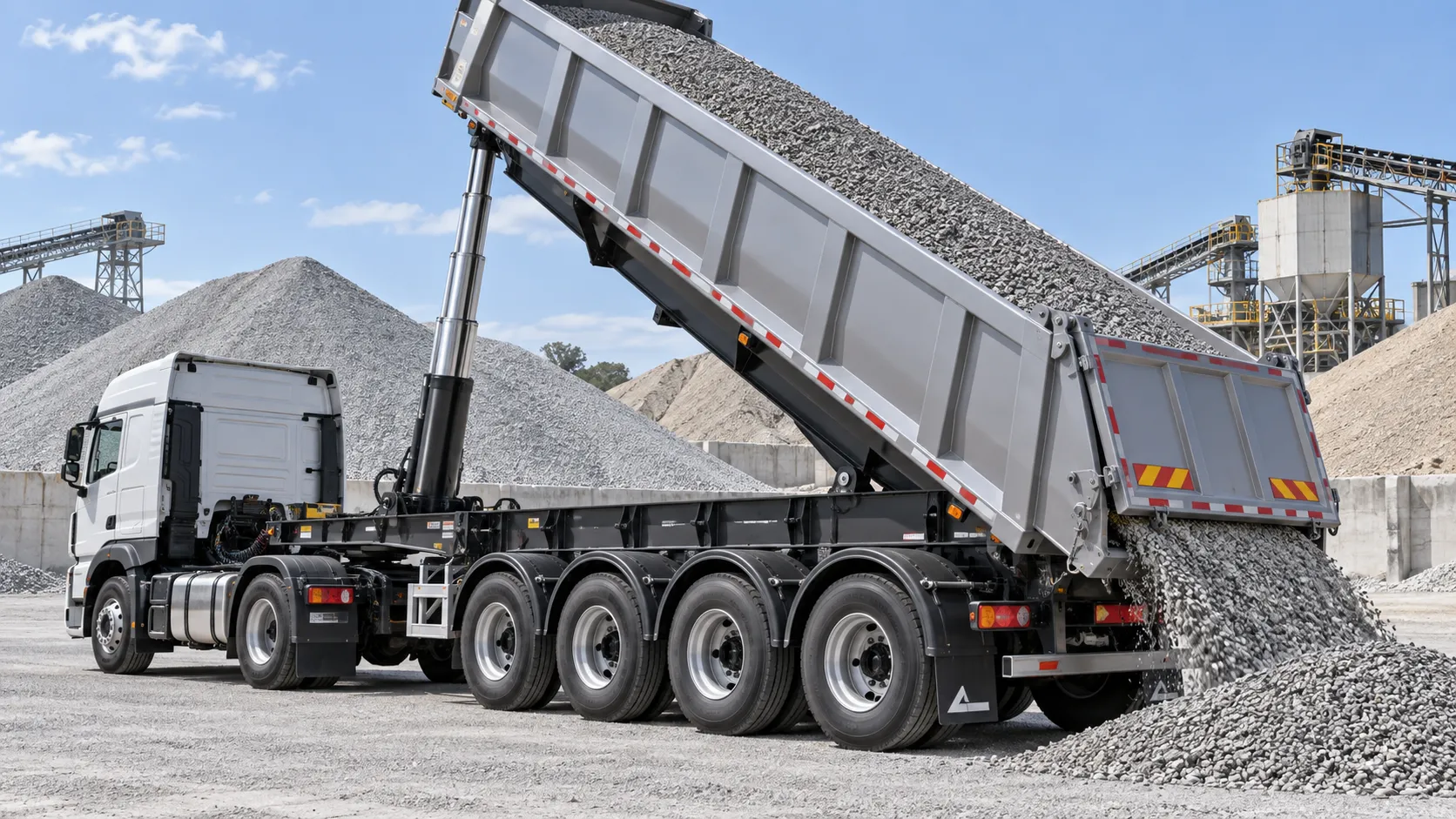
Hydraulic Tipping Stability Risks in Multi-Axle Dump Special Trailers
Dump special trailers: discover key hydraulic tipping stability risks, multi-axle load dynamics, and practical safety controls for safer, smarter bulk hauling.
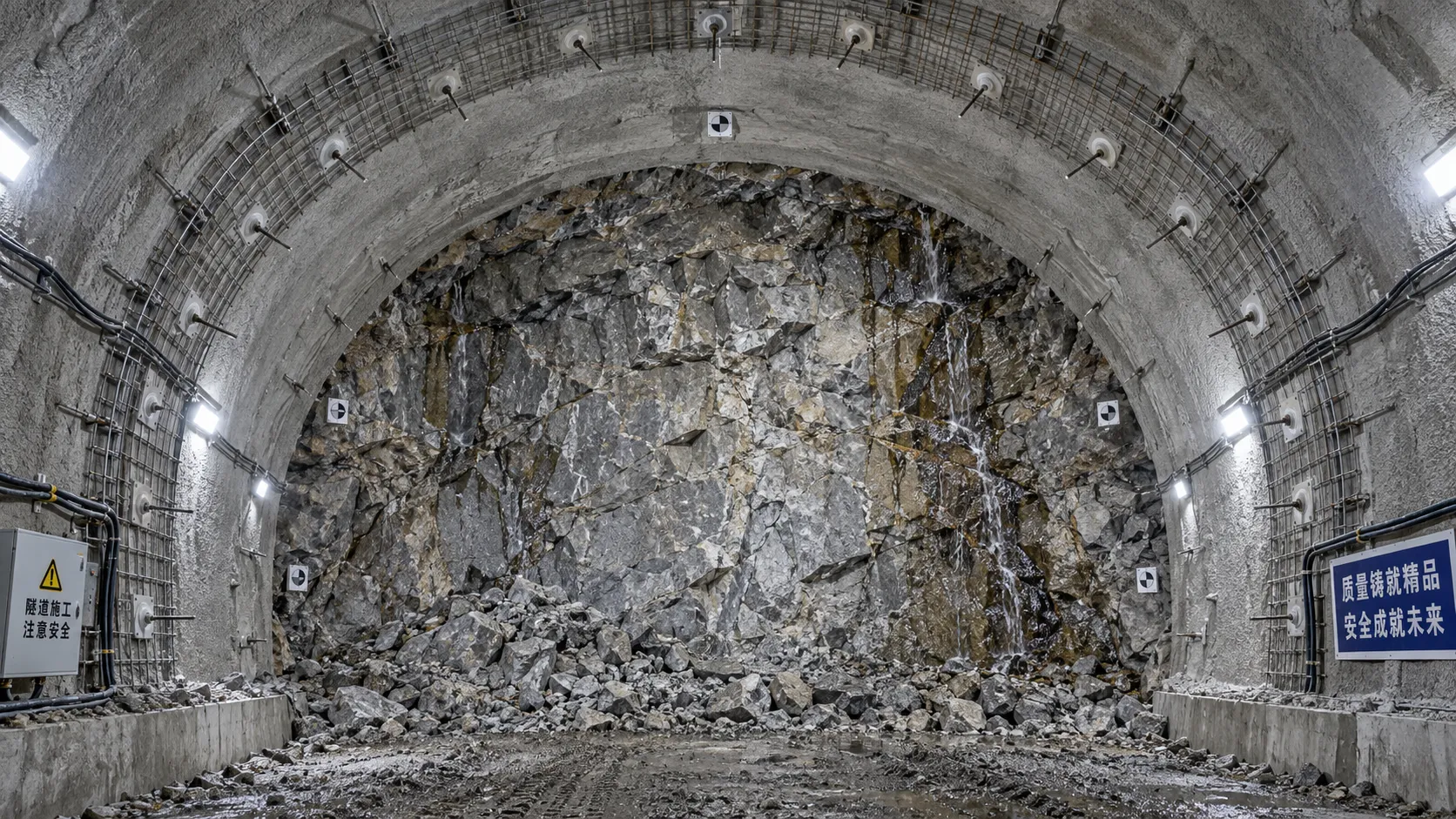
When rock reinforcement in tunnel construction must change after blasting
Rock reinforcement in tunnel construction must change when blasting reveals overbreak, weak joints, water inflow, or deformation. Discover key post-blast support decisions.
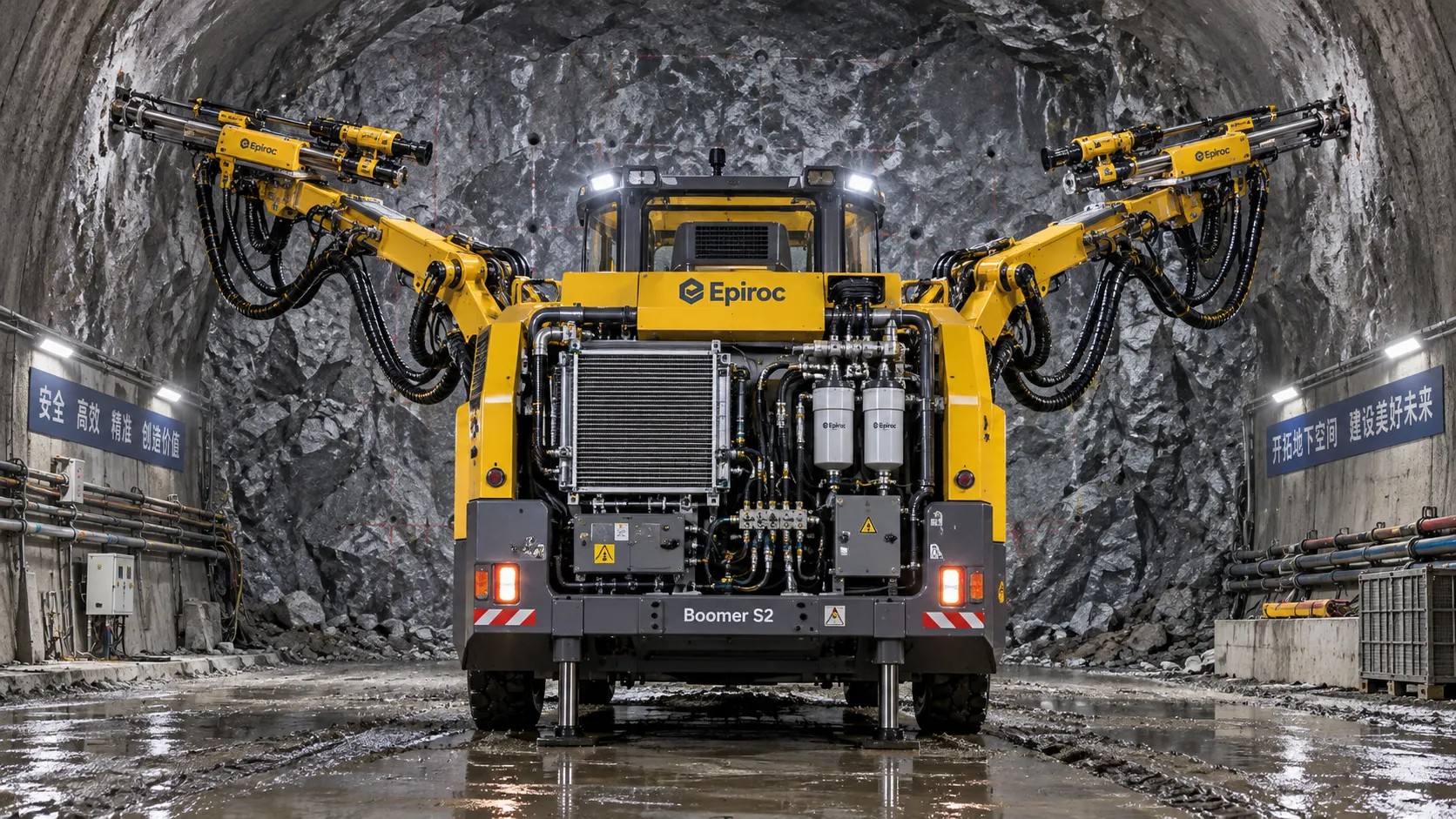
How tunnel hydraulic systems influence drill jumbo uptime underground
Tunnel hydraulic systems directly influence drill jumbo uptime. Explore how stable pressure, clean oil, cooling, and maintainable design reduce underground downtime.
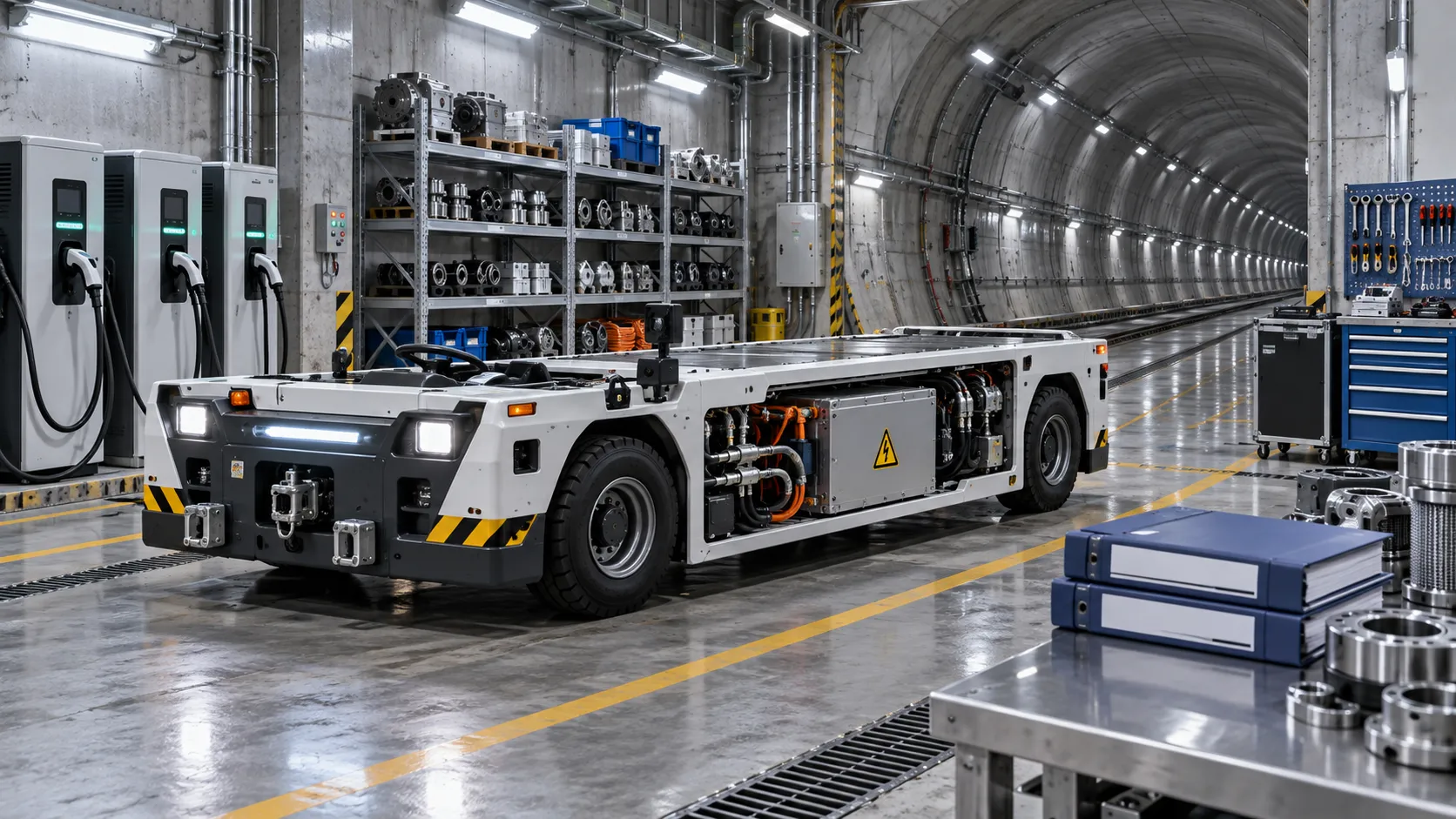
What to verify before appointing a tunneling vehicles manufacturer
Choosing a tunneling vehicles manufacturer? Verify application fit, reliability, compliance, parts support, training, and channel terms before appointing a partner.
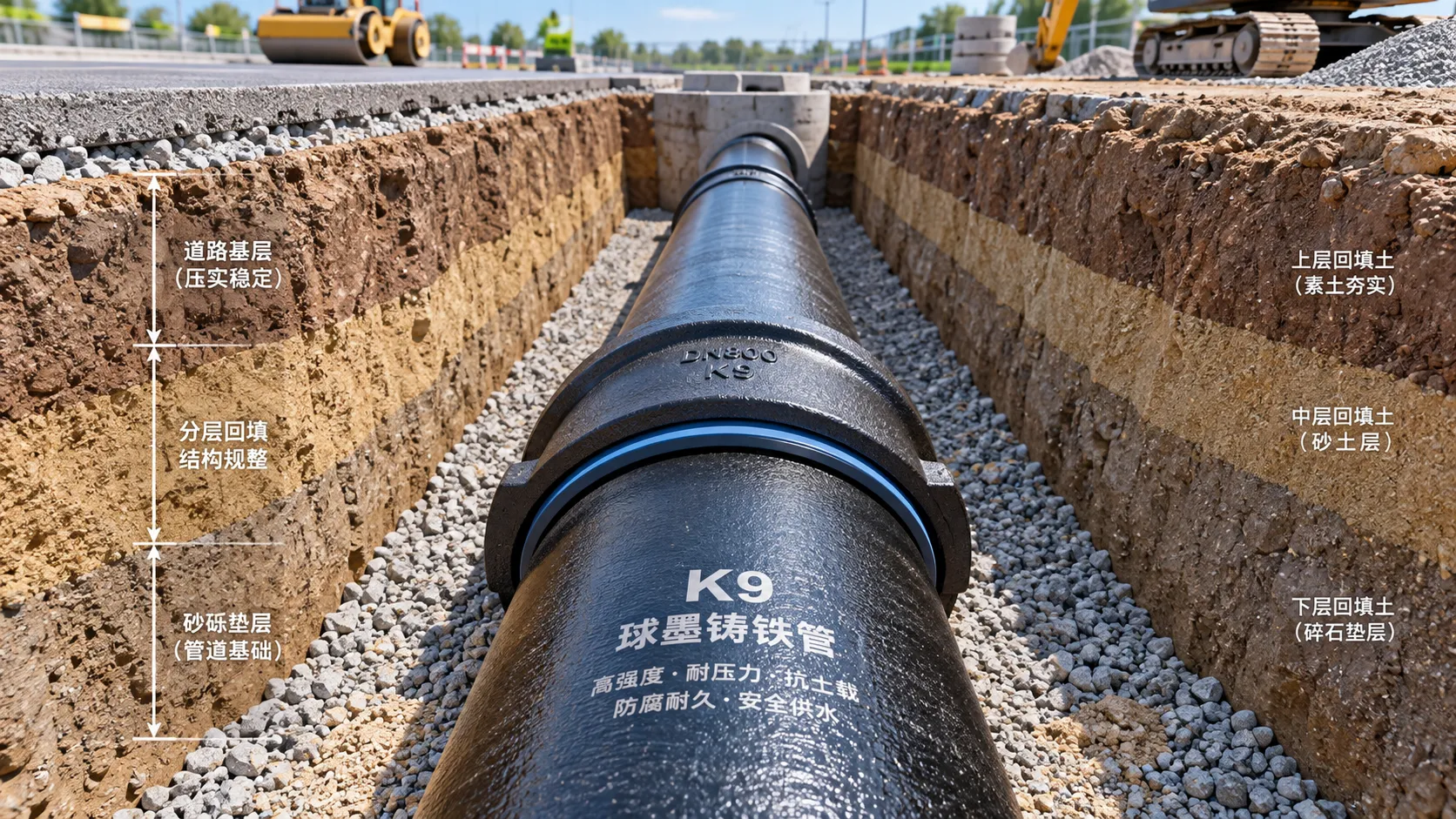
Selecting K9 Ductile Iron Pipe for Buried Water Pipeline Conditions
K9 ductile iron pipe selection for buried water pipelines: compare pressure duty, joints, soil loads, corrosion protection, and installation controls for reliable long-term performance.
Related News
- 00
0000-00
Tunnel Boring Machine Costs: Budgeting for Purchase, Operation, and Project Risk - 00
0000-00
Open-Pit Haulage Cost Analysis: How Mine Managers Can Cut Cost per Tonne - 00
0000-00
Tunnel Construction Innovations That Reduce Risk and Schedule Delays on Urban Projects - 00
0000-00
TBM Disc Cutter Design: Key Geometry and Load Factors for Hard Rock Tunnelling - 00
0000-00
Hydraulic Tipping Stability Risks in Multi-Axle Dump Special Trailers
Weekly Insights
Stay ahead with our curated technology reports delivered every Monday.