
Electric Mining Truck Price Breakdown: Battery, Payload, Charging, and TCO Factors





Electric Mining Truck Price Breakdown: Battery, Payload, Charging, and TCO Factors
Understanding the electric mining truck price is no longer just about comparing purchase quotes.
Battery capacity, payload class, charging strategy, site conditions, and ownership costs now shape the real buying decision.
For mining projects under ESG pressure, the wrong truck can lock in years of avoidable cost.
The better approach is to break down each price driver, then connect it to output, energy use, uptime, and fleet planning.
That is where a realistic electric mining truck price analysis becomes useful for commercial evaluation.
Why the Electric Mining Truck Price Varies So Much
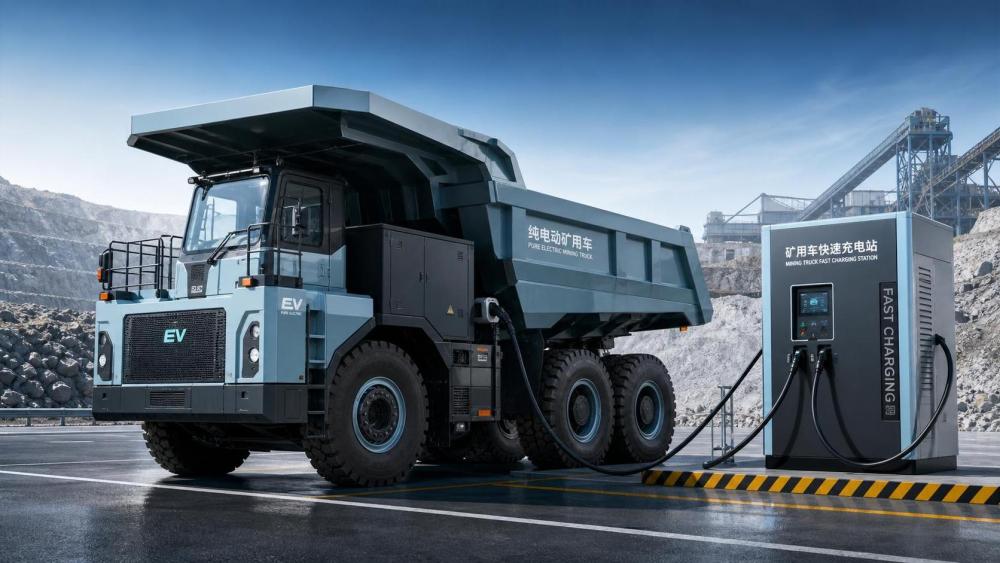
At first glance, two electric haul trucks may look similar on a quote sheet.
In reality, their electric mining truck price can differ sharply because the hardware package is rarely identical.
The biggest variables usually include battery chemistry, battery size, payload rating, charging interface, and thermal management.
Autonomy readiness, safety systems, and service contracts also push the final number higher or lower.
From recent market shifts, one clearer signal stands out.
Suppliers are no longer selling only a truck.
They are increasingly selling an electrified haulage system.
That means the electric mining truck price often reflects infrastructure and software value, not just the chassis itself.
Core price components
- Base vehicle platform and structural frame
- Battery pack size, chemistry, and enclosure protection
- Electric drive motors, inverters, and regenerative braking system
- Charging or battery swapping compatibility
- Telemetry, diagnostics, and fleet integration tools
- Warranty, spare parts package, and field support coverage
Battery Cost: The Biggest Driver in Electric Mining Truck Price
In most cases, the battery is the largest single contributor to the electric mining truck price.
A larger pack improves runtime, but it adds weight, cooling demand, and replacement exposure.
That trade-off matters more in mines with long uphill hauls or limited charging windows.
Battery chemistry matters too.
Some operators prefer stability and longer cycle life.
Others prioritize energy density to preserve payload performance.
In practical buying decisions, battery replacement timing can be more important than the initial battery price.
If the pack reaches end of useful life too early, the attractive upfront electric mining truck price may become misleading.
Battery questions worth asking
- What is the guaranteed cycle life under actual haul profiles?
- How much capacity fade is expected after three to five years?
- Does the warranty cover high ambient temperature and dust-heavy sites?
- What is the replacement lead time and replacement cost range?
- Can the battery be upgraded later without replacing the full truck?
Payload Class and Site Conditions Change the Real Cost
Payload class directly affects the electric mining truck price, but the issue is not only truck size.
A higher payload truck may reduce fleet count, labor demand, and cycle congestion.
Still, larger electric platforms need stronger components, larger packs, and more charging power.
Road gradient, rolling resistance, altitude, and haul distance also change economics fast.
For example, a truck sized for a short flat route may underperform badly on deeper ramps.
This also means a lower quoted electric mining truck price can create hidden undercapacity risk.
The most useful comparison is price per productive ton moved, not price per unit delivered.
Site variables that influence pricing decisions
- Average loaded and unloaded gradient
- Daily operating hours and shift pattern
- Ramp length and queue time at loading points
- Ambient temperature and ventilation limitations
- Expected annual tonnage and production expansion plan
Charging Strategy Can Reshape the Electric Mining Truck Price
Charging is often treated as an external project cost, but that view is too narrow.
In practice, the chosen charging model changes the full electric mining truck price equation.
Fast charging may lower battery size needs, but it raises charger investment and power management complexity.
Battery swapping can reduce downtime, but it adds spare battery inventory and handling equipment.
Opportunity charging works well in some cycles, especially where loading or dumping pauses are predictable.
A mine with unstable grid supply may need onsite storage or hybrid power support.
That additional infrastructure must be evaluated alongside the truck quote, not after contract award.
Typical charging models and commercial impact
TCO Matters More Than the Sticker Price
A competitive electric mining truck price only matters if the truck stays productive over its service life.
That is why total cost of ownership should sit at the center of any evaluation model.
Electric haul trucks can reduce diesel fuel, engine maintenance, heat load, and ventilation demand.
However, savings depend on duty cycle, electricity tariff, battery life, and technician capability.
More importantly, downtime costs can wipe out expected efficiency gains.
If parts support is weak, the lower operating cost story becomes fragile.
So the real target is not the cheapest electric mining truck price, but the strongest cost per ton over time.
TCO elements to compare line by line
- Acquisition price and delivery terms
- Charging infrastructure and grid upgrades
- Energy consumption per cycle and per ton
- Battery degradation and replacement timing
- Preventive maintenance and unplanned repair exposure
- Operator training, software licensing, and support contracts
- Residual value and second-life battery potential
A Practical Buying Framework for Better Cost Control
In actual procurement work, the best results usually come from a structured comparison process.
That process should translate the electric mining truck price into operational outcomes.
Start with haul profile data, not supplier brochures.
Then test each offer against the same tonnage target, route conditions, and uptime requirement.
A quote that seems higher may still deliver lower lifecycle cost if battery sizing is right and service is stronger.
That is especially true for mines planning phased electrification or future autonomous operation.
Recommended evaluation steps
- Define payload target, route profile, and annual production need
- Request battery, charging, and warranty data in a standard format
- Model energy use and charging downtime by shift
- Compare electric mining truck price against projected cost per ton
- Stress-test supplier support, spare parts response, and upgrade path
- Review scalability for larger fleets or mixed-site deployment
The electric mining truck price is best understood as a system-level investment signal.
Battery architecture, payload match, charging logic, and support depth all change the final business case.
A disciplined TCO model makes those differences visible before capital is committed.
For organizations tracking the future of smart mines, UTMD continues to observe how electrified haulage is reshaping underground and surface transport economics.
The most reliable purchase outcome comes from aligning the quoted electric mining truck price with real production conditions, energy strategy, and long-term fleet utilization.
When those factors are tested together, cost control becomes clearer, risk falls, and the right electric haulage solution stands out faster.
Related News
Tunnel Boring Machine Costs: Budgeting for Purchase, Operation, and Project Risk
Tunnel Boring Machines cost more than purchase price. Learn how to budget lifecycle costs, downtime, logistics, wear, and project risk for smarter TBM decisions.
Open-Pit Haulage Cost Analysis: How Mine Managers Can Cut Cost per Tonne
Open pit haulage cost analysis: discover practical ways to reduce cost per tonne through payload control, cycle-time optimization, road performance, and smarter fleet decisions.
Tunnel Construction Innovations That Reduce Risk and Schedule Delays on Urban Projects
Tunnel construction innovation for urban projects: discover smarter TBMs, real-time monitoring, trenchless methods, and automation that reduce risk and protect schedules.
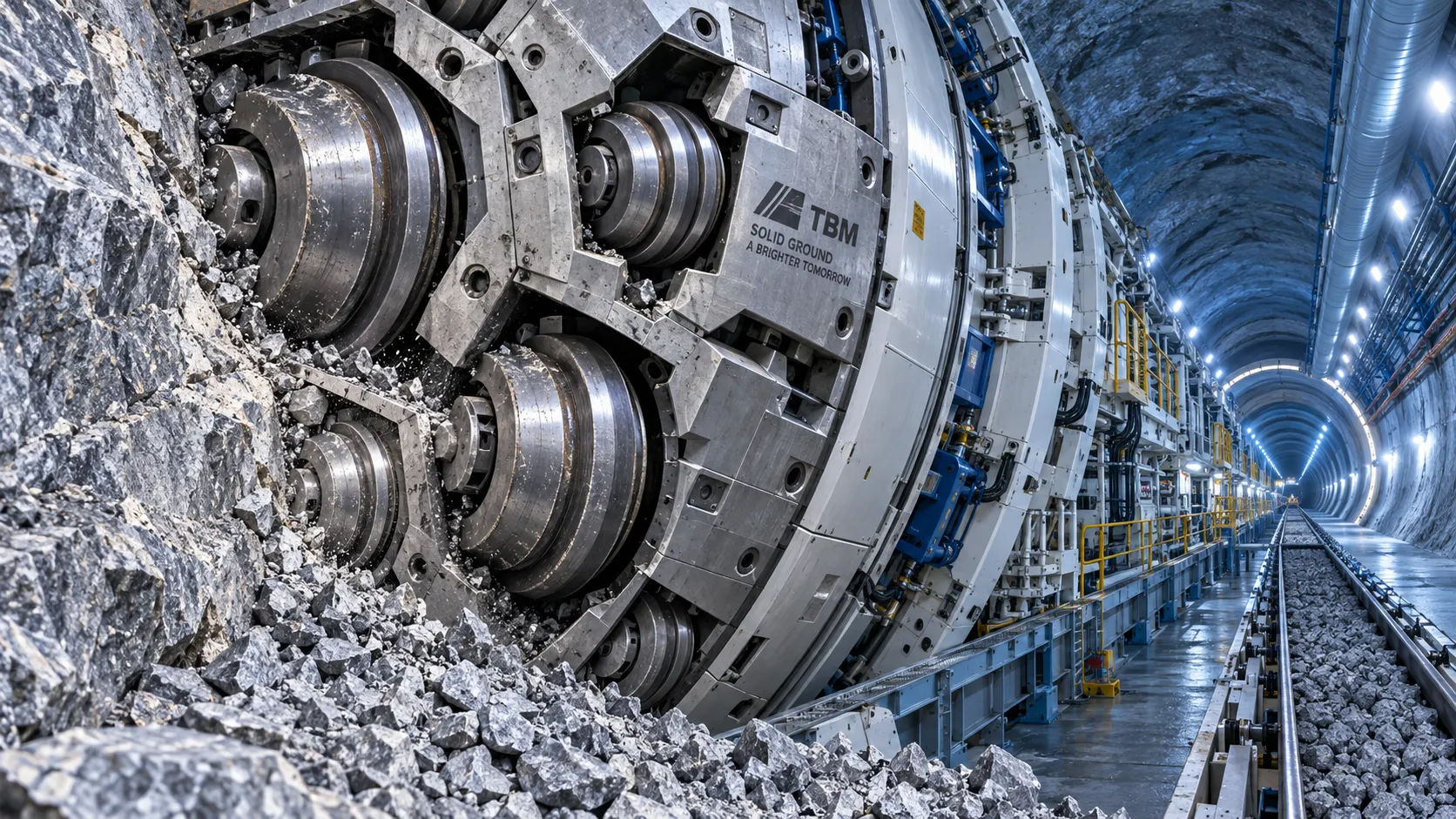
TBM Disc Cutter Design: Key Geometry and Load Factors for Hard Rock Tunnelling
TBM disc cutter design explained: explore geometry, spacing, load distribution and maintenance factors for reliable, efficient hard-rock tunnelling performance.
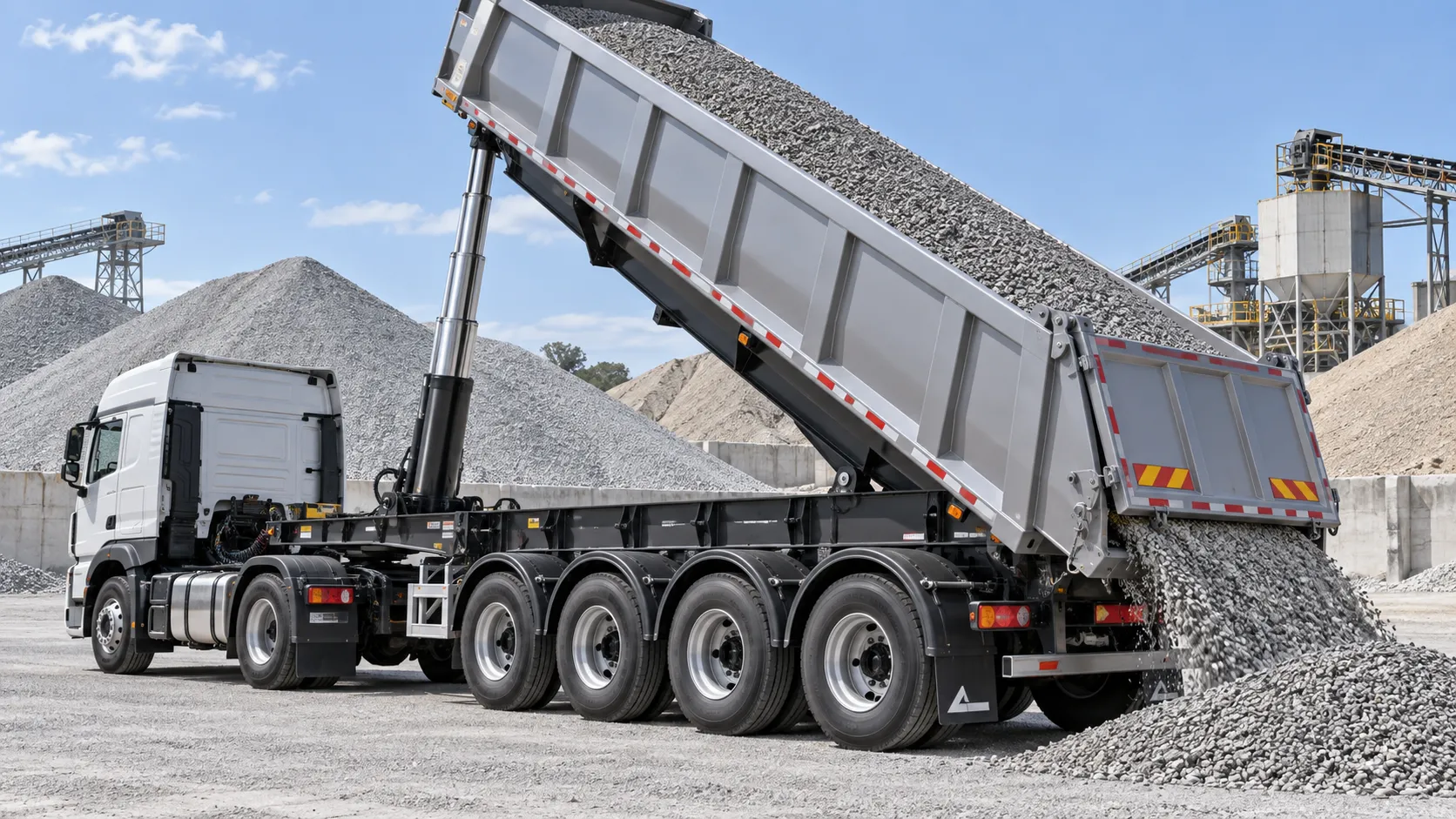
Hydraulic Tipping Stability Risks in Multi-Axle Dump Special Trailers
Dump special trailers: discover key hydraulic tipping stability risks, multi-axle load dynamics, and practical safety controls for safer, smarter bulk hauling.
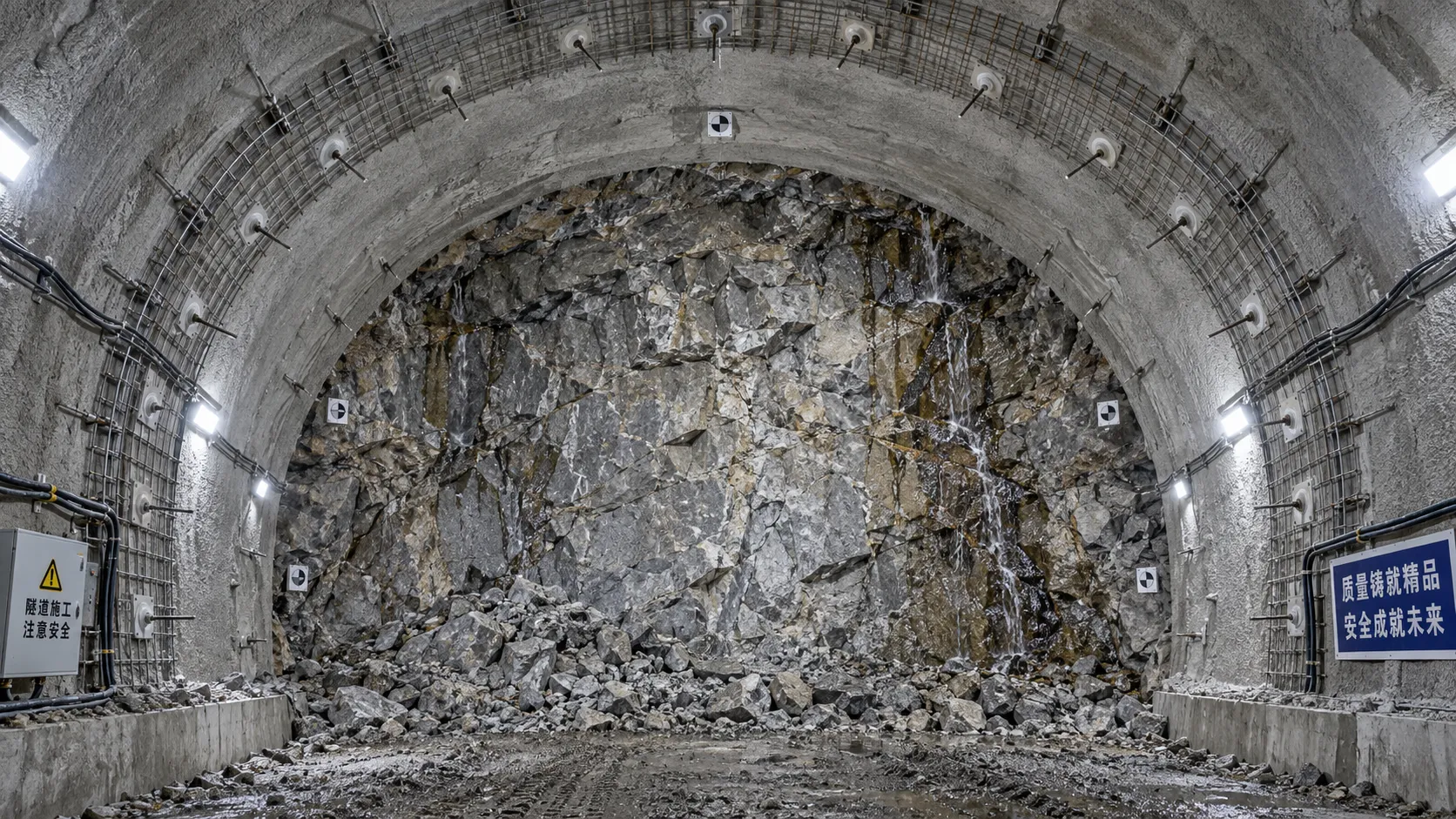
When rock reinforcement in tunnel construction must change after blasting
Rock reinforcement in tunnel construction must change when blasting reveals overbreak, weak joints, water inflow, or deformation. Discover key post-blast support decisions.
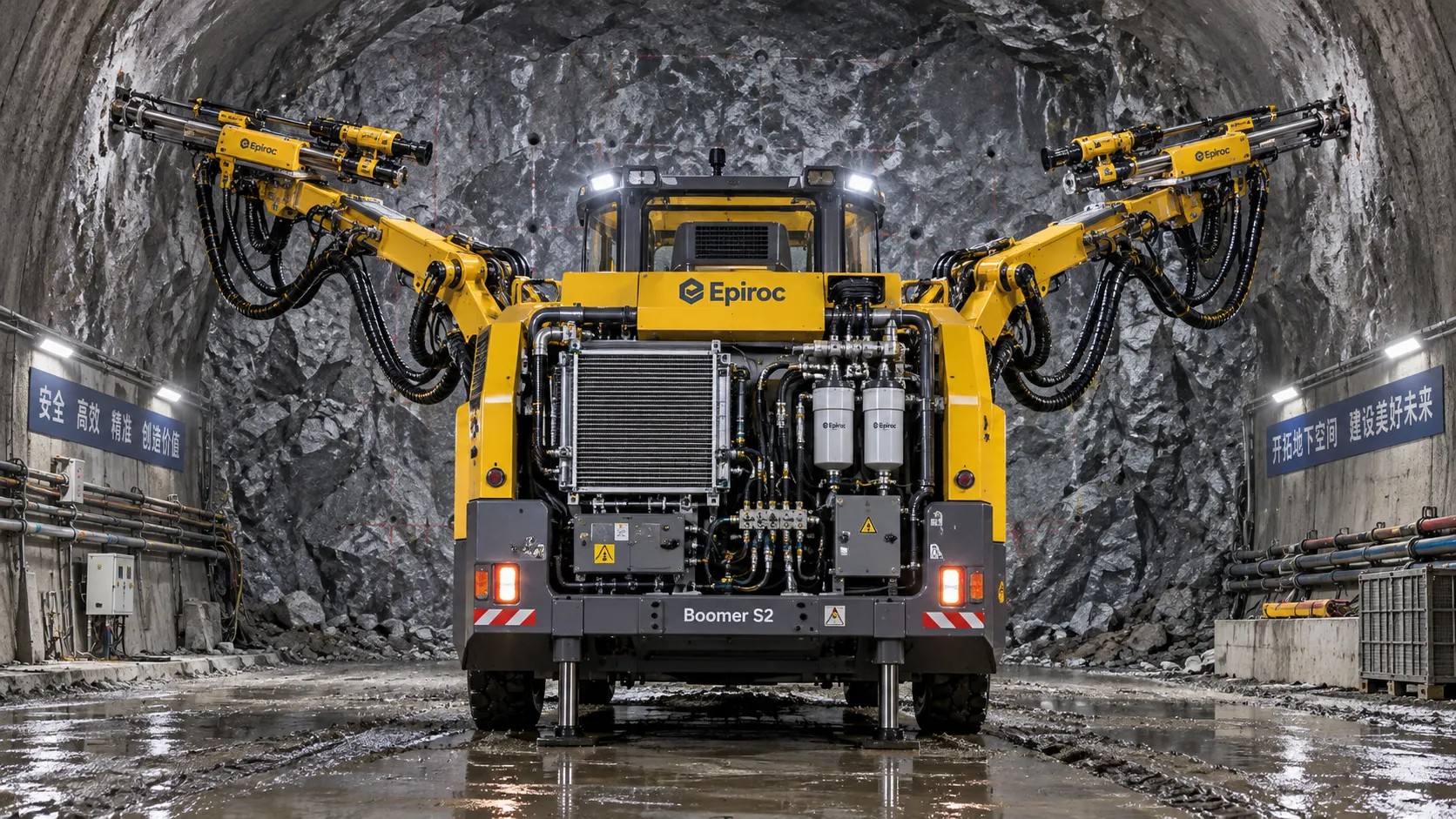
How tunnel hydraulic systems influence drill jumbo uptime underground
Tunnel hydraulic systems directly influence drill jumbo uptime. Explore how stable pressure, clean oil, cooling, and maintainable design reduce underground downtime.
What to verify before appointing a tunneling vehicles manufacturer
Choosing a tunneling vehicles manufacturer? Verify application fit, reliability, compliance, parts support, training, and channel terms before appointing a partner.
Selecting K9 Ductile Iron Pipe for Buried Water Pipeline Conditions
K9 ductile iron pipe selection for buried water pipelines: compare pressure duty, joints, soil loads, corrosion protection, and installation controls for reliable long-term performance.
Related News
- 00
0000-00
Tunnel Boring Machine Costs: Budgeting for Purchase, Operation, and Project Risk - 00
0000-00
Open-Pit Haulage Cost Analysis: How Mine Managers Can Cut Cost per Tonne - 00
0000-00
Tunnel Construction Innovations That Reduce Risk and Schedule Delays on Urban Projects - 00
0000-00
TBM Disc Cutter Design: Key Geometry and Load Factors for Hard Rock Tunnelling - 00
0000-00
Hydraulic Tipping Stability Risks in Multi-Axle Dump Special Trailers
Weekly Insights
Stay ahead with our curated technology reports delivered every Monday.