
DR Congo Tightens Cobalt Exports, Pressuring EV Mining Trucks





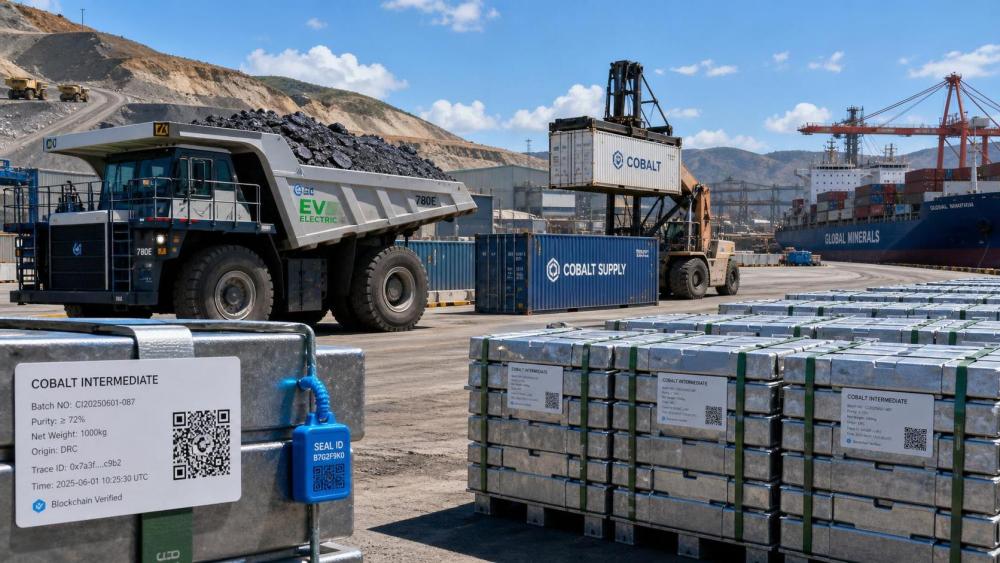
On June 25, 2026, the mining authority of the Democratic Republic of the Congo announced two linked changes affecting cobalt trade in the second half of 2026: a reduction in export quotas and a new blockchain traceability certification requirement for exported cobalt intermediates through the E-Mining Traceability Platform. For companies tied to EV mining trucks, the development matters because it combines a volume control measure with a compliance gate, and the resulting 12% increase in cathode material costs for high-nickel, low-cobalt batteries has already moved into vehicle procurement pricing.
What Has Been Confirmed So Far
The confirmed facts are limited but commercially significant. The announcement was made on June 25, 2026. It states that cobalt export quotas for the second half of 2026 will be reduced by 18%. It also requires all exported cobalt intermediates to complete blockchain-based traceability certification through the newly launched E-Mining Traceability Platform. According to the provided event summary, this adjustment has pushed up the cost of high-nickel, low-cobalt battery cathode materials used in EV mining trucks by 12%, and that increase has already been reflected in vehicle procurement quotations.
Where the Pressure Is Likely to Appear First
Export transactions now face both volume and certification constraints
From an industry perspective, direct trading and export-facing businesses are likely to feel the earliest impact because the change is not limited to shipment volume. The quota cut affects how much material can move, while the new traceability requirement affects whether exported cobalt intermediates can move in a compliant manner. What deserves closer attention is the interaction between allocation, certification status, and shipping documentation in active transactions.
Battery material procurement is exposed to cost transmission
For raw material buyers and cathode-related procurement teams serving EV mining truck programs, the immediate issue is price transmission. The provided information confirms a 12% rise in the cost of relevant cathode materials, which means procurement planning, quotation validity, and supply contract assumptions may all need to be rechecked. The operational concern is less about abstract market sentiment and more about whether current sourcing terms still match actual compliant supply availability.
Vehicle purchasing decisions may be affected by revised input assumptions
For OEM procurement functions and buyers of EV mining trucks, the impact appears at the quotation and budgeting stage. Since the higher battery material cost has already moved into vehicle procurement pricing, purchasing teams may need to pay closer attention to price adjustment clauses, delivery commitments, and material-origin related compliance representations in supplier documents. Observably, this is not only a materials story; it is also becoming a contract management issue.
Traceability and assurance functions gain a larger role
Certification-related service providers, compliance teams, and traceability support functions may also see a more direct role in transaction readiness. The new platform-based blockchain certification requirement indicates that origin and movement records for exported cobalt intermediates are becoming more important in the trade chain. Analysis shows that businesses involved in documentation review, due diligence, and supply chain assurance will need to watch how this requirement is applied in practice.
What Companies Should Watch in Daily Execution
Check whether export-facing material flows match the new certification gate
Companies buying, processing, or contracting around cobalt intermediates should review whether their current material flows depend on exports that now require completion of traceability certification on the E-Mining Traceability Platform. The confirmed rule change is clear; what remains to be observed is how quickly counterparties can align their records and transaction processes with it.
Reassess quotations, procurement schedules, and cost pass-through assumptions
Because the provided information already links the rule change to a 12% increase in relevant cathode material costs and to higher vehicle procurement quotations, businesses should examine open quotations, procurement timelines, and pricing assumptions now in circulation. Analysis shows that the practical issue is whether previously expected cost levels and delivery terms remain usable under the new export and certification conditions.
Watch tender and contract language for traceability-related revisions
For purchasing teams, legal reviewers, and bid managers, it is reasonable to monitor whether tender documents, purchase orders, and supply agreements begin to include more explicit wording on traceability certification, source verification, or supporting documentation for cobalt-containing inputs. The input does not provide detailed enforcement language, so this should be treated as a point for ongoing review rather than a settled outcome.
Prepare for follow-on changes in delivery and compliance evidence
What deserves closer attention is whether the new rule changes the evidence expected during order fulfillment and acceptance. Even without additional confirmed details, companies involved in delivery coordination, supplier qualification, and after-sales quality traceability should be ready to examine whether documentation packages or supplier declarations need updating as practice develops.
Why This Looks Like More Than a Price Event
Analysis shows that this development is better understood as a combined trade-control and compliance signal rather than as a simple commodity cost movement. The quota reduction directly affects available export volume, while the platform-based blockchain traceability requirement adds a procedural condition to exported cobalt intermediates. Observably, that combination matters because it can influence not only price formation but also how supply is documented, qualified, and accepted across the EV mining truck battery chain.
It is more appropriate to understand this as an implemented change with immediate commercial effects, while also recognizing that the practical enforcement approach still requires observation. The known cost impact and the transmission into procurement quotations show that the market is already reacting. At the same time, details around execution pace, documentation expectations, and transaction-level interpretation are not provided in the input and should not be assumed.
How This Development Is Best Interpreted Now
At this stage, the event should be read as a live rule change with direct implications for sourcing, compliance, and procurement discussions tied to EV mining trucks. The confirmed facts support a clear near-term conclusion: cobalt export access and traceability certification have become more tightly linked, and the resulting cost pressure is already reaching buyers. A measured industry reading is still necessary, because the broader effect on delivery practices, contractual standards, and supplier execution will depend on how the new requirement is applied over time.
Basis of This Article and What Still Needs Verification
This article is based on the user-provided news title, event date, and event summary. For developments of this kind, commonly relevant source types would include official announcements, regulatory releases, customs or trade authority information, industry association updates, standards-related documents, and reporting from established trade media. No specific official source link was provided in the input, so the exact official source link remains unconfirmed and should be continuously verified. What still requires follow-up includes any detailed implementation language, the practical certification approach under the E-Mining Traceability Platform, changes in tender or contract wording, market feedback, and how companies are executing against the new requirements.
Related News

Tunnel Boring Machine Costs: Budgeting for Purchase, Operation, and Project Risk
Tunnel Boring Machines cost more than purchase price. Learn how to budget lifecycle costs, downtime, logistics, wear, and project risk for smarter TBM decisions.

Open-Pit Haulage Cost Analysis: How Mine Managers Can Cut Cost per Tonne
Open pit haulage cost analysis: discover practical ways to reduce cost per tonne through payload control, cycle-time optimization, road performance, and smarter fleet decisions.

Tunnel Construction Innovations That Reduce Risk and Schedule Delays on Urban Projects
Tunnel construction innovation for urban projects: discover smarter TBMs, real-time monitoring, trenchless methods, and automation that reduce risk and protect schedules.

TBM Disc Cutter Design: Key Geometry and Load Factors for Hard Rock Tunnelling
TBM disc cutter design explained: explore geometry, spacing, load distribution and maintenance factors for reliable, efficient hard-rock tunnelling performance.
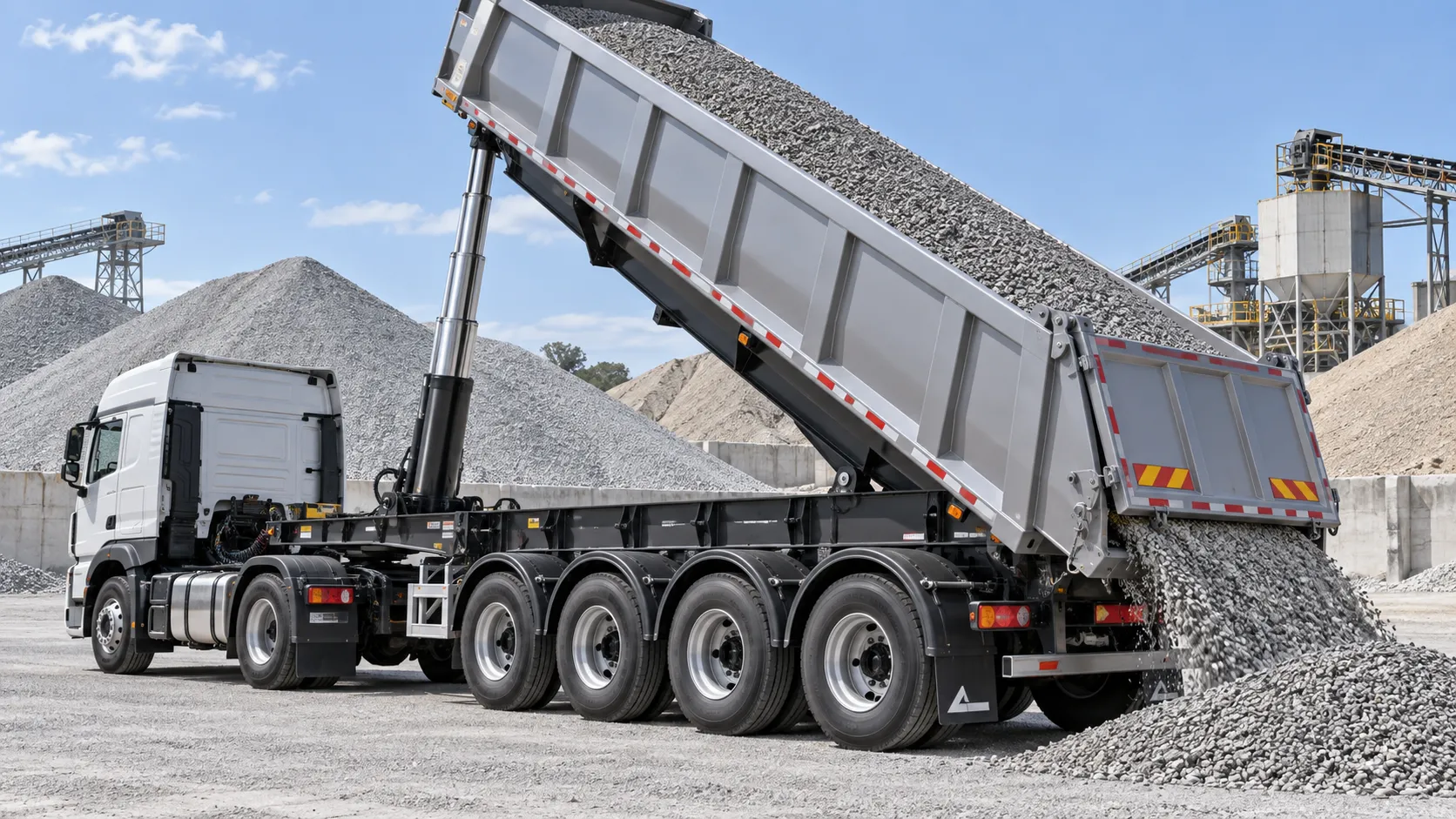
Hydraulic Tipping Stability Risks in Multi-Axle Dump Special Trailers
Dump special trailers: discover key hydraulic tipping stability risks, multi-axle load dynamics, and practical safety controls for safer, smarter bulk hauling.
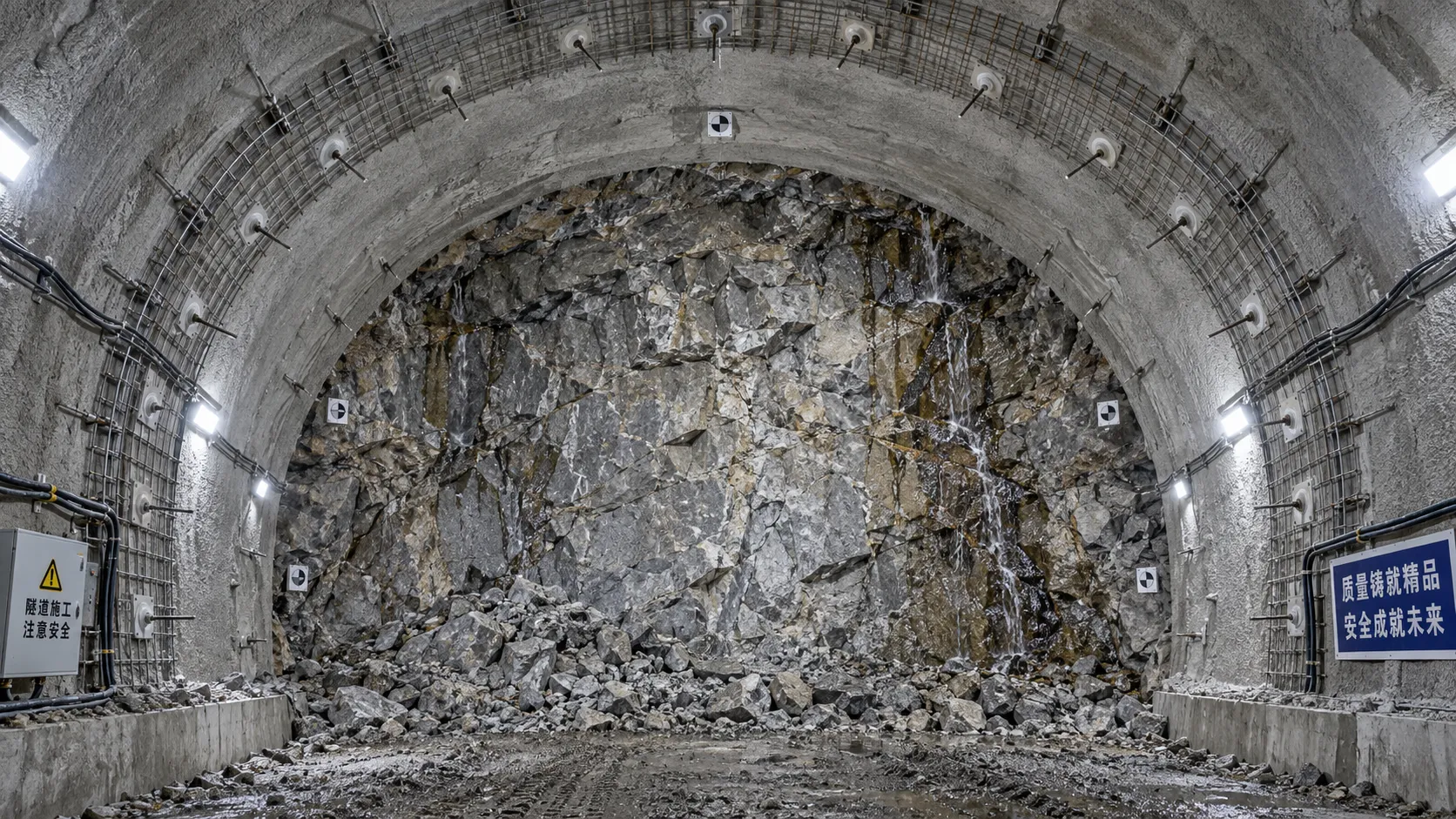
When rock reinforcement in tunnel construction must change after blasting
Rock reinforcement in tunnel construction must change when blasting reveals overbreak, weak joints, water inflow, or deformation. Discover key post-blast support decisions.
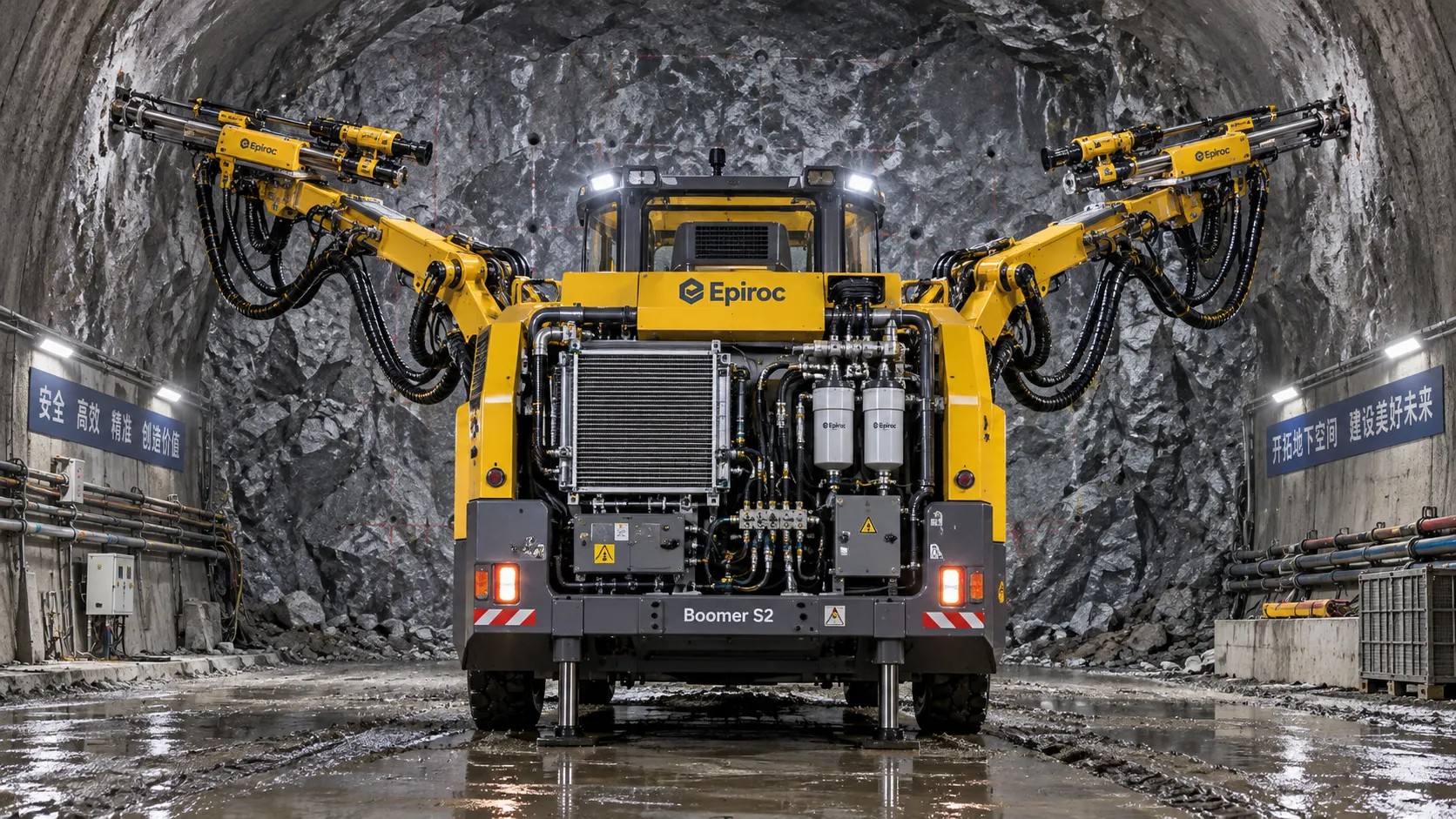
How tunnel hydraulic systems influence drill jumbo uptime underground
Tunnel hydraulic systems directly influence drill jumbo uptime. Explore how stable pressure, clean oil, cooling, and maintainable design reduce underground downtime.
What to verify before appointing a tunneling vehicles manufacturer
Choosing a tunneling vehicles manufacturer? Verify application fit, reliability, compliance, parts support, training, and channel terms before appointing a partner.
Selecting K9 Ductile Iron Pipe for Buried Water Pipeline Conditions
K9 ductile iron pipe selection for buried water pipelines: compare pressure duty, joints, soil loads, corrosion protection, and installation controls for reliable long-term performance.
Related News
- 00
0000-00
Tunnel Boring Machine Costs: Budgeting for Purchase, Operation, and Project Risk - 00
0000-00
Open-Pit Haulage Cost Analysis: How Mine Managers Can Cut Cost per Tonne - 00
0000-00
Tunnel Construction Innovations That Reduce Risk and Schedule Delays on Urban Projects - 00
0000-00
TBM Disc Cutter Design: Key Geometry and Load Factors for Hard Rock Tunnelling - 00
0000-00
Hydraulic Tipping Stability Risks in Multi-Axle Dump Special Trailers
Weekly Insights
Stay ahead with our curated technology reports delivered every Monday.