
Hydrogen Mining Haul Trucks: Cost Drivers, Refueling Needs, and Fleet Payback





Hydrogen mining haul trucks: when does the investment start to make financial sense?
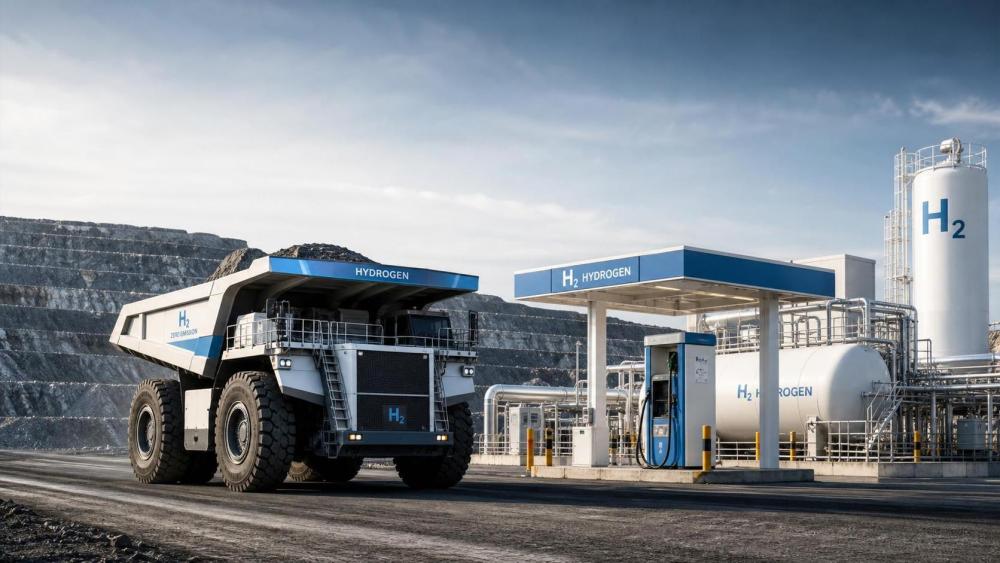
Hydrogen mining haul trucks are no longer a speculative idea. They now sit inside real decarbonization discussions across large mines, especially where diesel exposure, ventilation cost, and ESG pressure are rising together.
The harder question is not technical curiosity. It is whether a higher capital outlay can produce an acceptable payback once fuel supply, uptime, payload, and asset life are measured honestly.
That question matters across the broader underground and heavy haulage landscape tracked by UTMD, where zero-emission transport must work in harsh spaces, not just in presentations.
In practice, hydrogen mining haul trucks are judged against diesel and battery fleets through total cost of ownership, operating reliability, and deployment speed. Payback depends less on headline fuel price than on site conditions.
Are hydrogen mining haul trucks mainly a fuel switch, or a broader system change?
They are a system change. The truck is only one part of the investment case. Hydrogen production or delivery, storage, dispensing, maintenance capability, and safety procedures all shape the economics.
This is why some early comparisons miss the point. A diesel truck replacement can look expensive if viewed unit by unit. A fleet transition should be modeled as an operating ecosystem.
For surface mines with long haul cycles, high daily utilization, and pressure to cut diesel use quickly, hydrogen mining haul trucks can fit the duty profile better than many assume.
For confined underground environments, the logic can be different. Zero exhaust brings ventilation and worker exposure benefits, but tunnel geometry, refill logistics, and emergency planning become more important.
A useful way to frame the decision is simple: hydrogen works best where refueling speed matters, downtime is expensive, and battery charging windows would constrain production.
What usually drives cost first?
- Vehicle acquisition cost, including fuel cell systems and onboard storage.
- Hydrogen infrastructure, especially compression, storage, and dispensing equipment.
- Hydrogen supply pathway, whether delivered, reformer-based, or electrolyzer-based.
- Utilization rate, because fixed infrastructure looks expensive at low fleet throughput.
- Maintenance maturity, including technician skills and spare part availability.
Which cost drivers have the biggest impact on fleet payback?
Most business cases rise or fall on five variables: truck premium, fuel cost per kilogram, annual operating hours, infrastructure amortization, and productivity retention.
The truck premium is visible immediately. The hidden issue is whether the truck can maintain haul performance under full load, grade, and temperature stress without creating cycle-time penalties.
Hydrogen price is equally important, but it should be tested in scenarios. Delivered hydrogen can look manageable in pilot volumes, then become expensive as scale expands or transport distances increase.
Infrastructure amortization deserves careful treatment. One dispenser serving a limited pilot fleet produces very different economics than a hub serving trucks, support vehicles, and adjacent equipment over several years.
Then comes utilization. High-capex low-emission assets need hours. If a fleet runs intermittently, the payback period stretches quickly, even if fuel savings look attractive on paper.
The table below helps separate promising cases from weak ones.
How demanding is the refueling infrastructure in real mining conditions?
More demanding than many feasibility decks suggest. A working hydrogen setup must match truck flow, shift timing, storage safety, site weather, and maintenance routines.
The first decision is supply architecture. Some sites may start with delivered hydrogen. Others may justify on-site generation if power availability, volume, and long-term mine life support it.
The second decision is dispenser placement. Poor layout creates avoidable deadhead travel, queueing, and lost production. This is especially relevant in large open-pit cycles and constrained underground logistics.
Safety design also affects cost. Venting, separation distances, gas detection, emergency procedures, and technician training are not side items. They are core budget items.
UTMD’s broader view of underground equipment modernization is useful here. The same principle seen in TBM and LHD deployments applies: advanced machines only create value when the surrounding system is engineered for reliability.
What should be confirmed before approving infrastructure?
- Expected kilograms dispensed per day and per shift.
- Refueling time targets versus actual queue risk.
- Expansion path from pilot fleet to full deployment.
- Backup plan for hydrogen supply interruption.
- Compatibility with autonomy, dispatch, and maintenance systems.
How do hydrogen, diesel, and battery options compare when the goal is total cost of ownership?
Diesel remains easy to understand. It has mature supply chains, known maintenance routines, and lower upfront complexity. Its weakness is exposure to fuel cost, emissions pressure, and ventilation burden.
Battery trucks often perform well where duty cycles are predictable and charging can be built into operations. They can be compelling in underground fleets where zero exhaust is valued and routes are shorter.
Hydrogen mining haul trucks tend to sit between those models. They promise zero tailpipe emissions with faster refueling than large battery platforms, but they add fuel infrastructure complexity and supply risk.
A realistic comparison should avoid one universal answer. Mine depth, grade, ambient conditions, haul distance, power quality, and fleet scale change the result.
In many evaluations, the best question is not which technology is cheapest in theory. It is which option protects production while keeping long-run energy and compliance costs under control.
Where do payback models usually go wrong?
They often assume clean utilization and stable fuel inputs. Real mines rarely behave that neatly. Shift interruptions, ramp changes, weather variation, and maintenance learning curves affect economics.
Another common mistake is underpricing transition overhead. Training, spare inventory, workshop upgrades, safety audits, and digital monitoring can be substantial during the first rollout phase.
Some models also ignore residual value uncertainty. Diesel fleets have established resale logic. Hydrogen mining haul trucks may carry more uncertainty until secondary markets deepen.
More careful operators build sensitivity bands rather than one headline payback number. That approach reflects how capital decisions are actually defended when market conditions shift.
A practical checklist for tighter payback estimates
- Model low, base, and high hydrogen price scenarios.
- Stress-test truck uptime during the first two years.
- Include infrastructure expansion, not only pilot scope.
- Value avoided diesel logistics and ventilation effects where relevant.
- Separate regulatory value from pure operating savings.
So, when are hydrogen mining haul trucks worth serious consideration?
The strongest cases usually combine three conditions: a mine life long enough to absorb infrastructure, utilization high enough to keep assets productive, and decarbonization pressure strong enough to reward cleaner haulage.
They also require operational discipline. Hydrogen mining haul trucks are not a shortcut around energy planning. They work best when fleets, fueling, maintenance, and digital control are designed together.
For organizations following UTMD’s coverage of smart mines, electric haulage, and underground transport systems, the broader lesson is clear. Technology choice should follow site physics and financial logic at the same time.
A sensible next step is to build a site-specific comparison between diesel, battery, and hydrogen using actual haul cycles, energy assumptions, carbon exposure, and infrastructure phasing.
If the numbers remain attractive after that discipline, hydrogen mining haul trucks move from concept to credible capital option. If not, the analysis still sharpens the wider fleet transition roadmap.
Related News
How to Evaluate European Drill-and-Blast Tunnelling Contractors for Complex Projects
Drill and blast tunnelling contractors Europe: learn how to assess geology expertise, blast control, equipment reliability, safety, and programme resilience for complex projects.
Which Trenchless Construction Technique Fits Your Utility Crossing Conditions?
Trenchless construction techniques compared for utility crossings: choose HDD, microtunnelling, pipe jacking, or auger boring based on ground, accuracy, access, and risk.

What Is Driving Metro Tunnelling Demand Across Southeast Asia’s Major Cities?
Metro tunnelling Southeast Asia is accelerating as major cities tackle congestion, flooding, and connectivity. Explore the market forces, technical risks, and opportunities shaping demand.
Hard Rock Tunnelling in Australia: Selecting Methods for Variable Ground Conditions
Hard rock tunnelling in Australia: compare TBM, drill-and-blast and hybrid methods to manage variable ground, reduce risk and protect project costs.
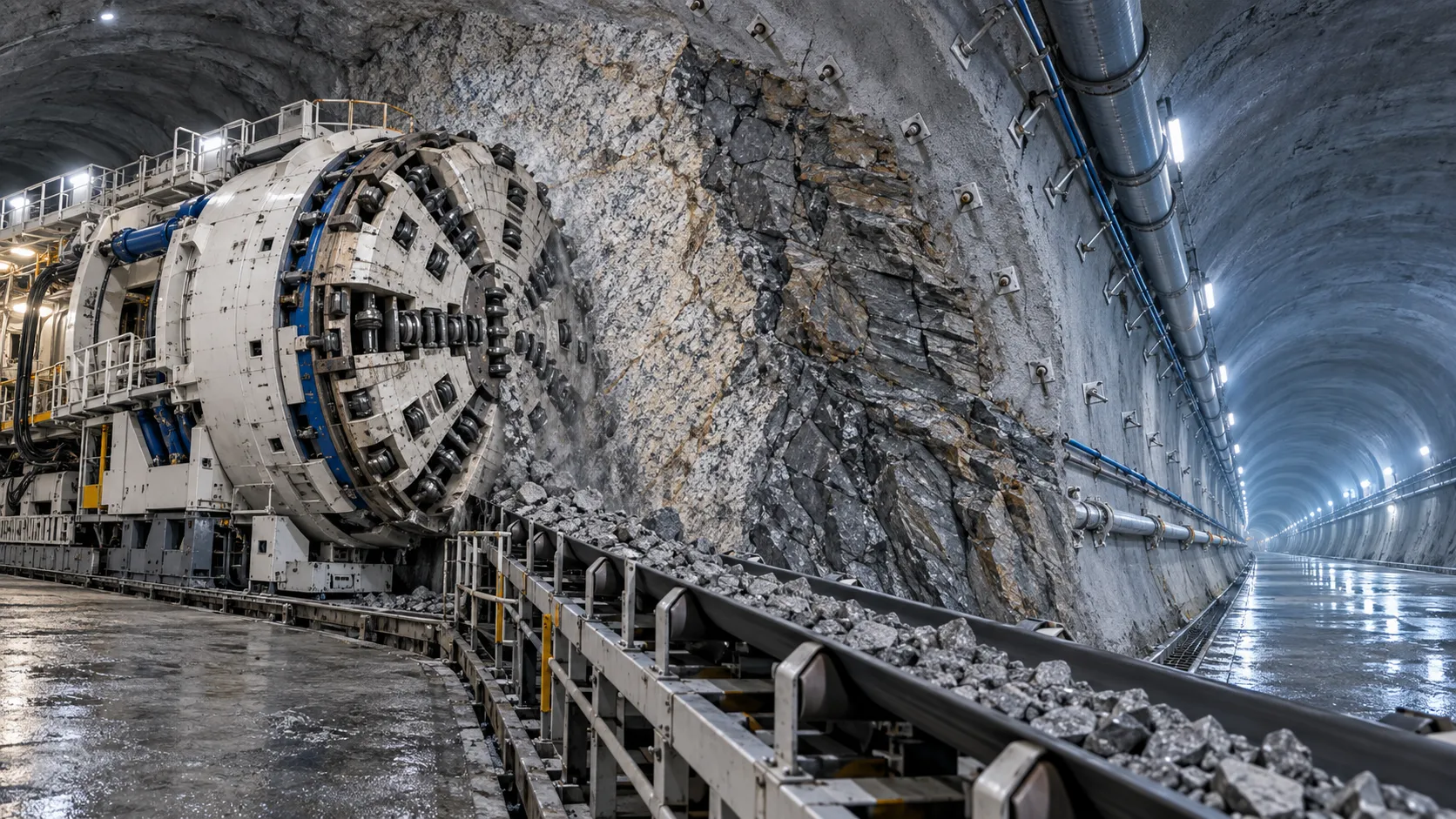
Hydropower Tunnel Excavation: Selecting Methods for Variable Rock Conditions
Hydropower tunnel excavation methods for variable rock conditions: compare TBM, drill-and-blast, and hybrid strategies to improve safety, progress, and project control.
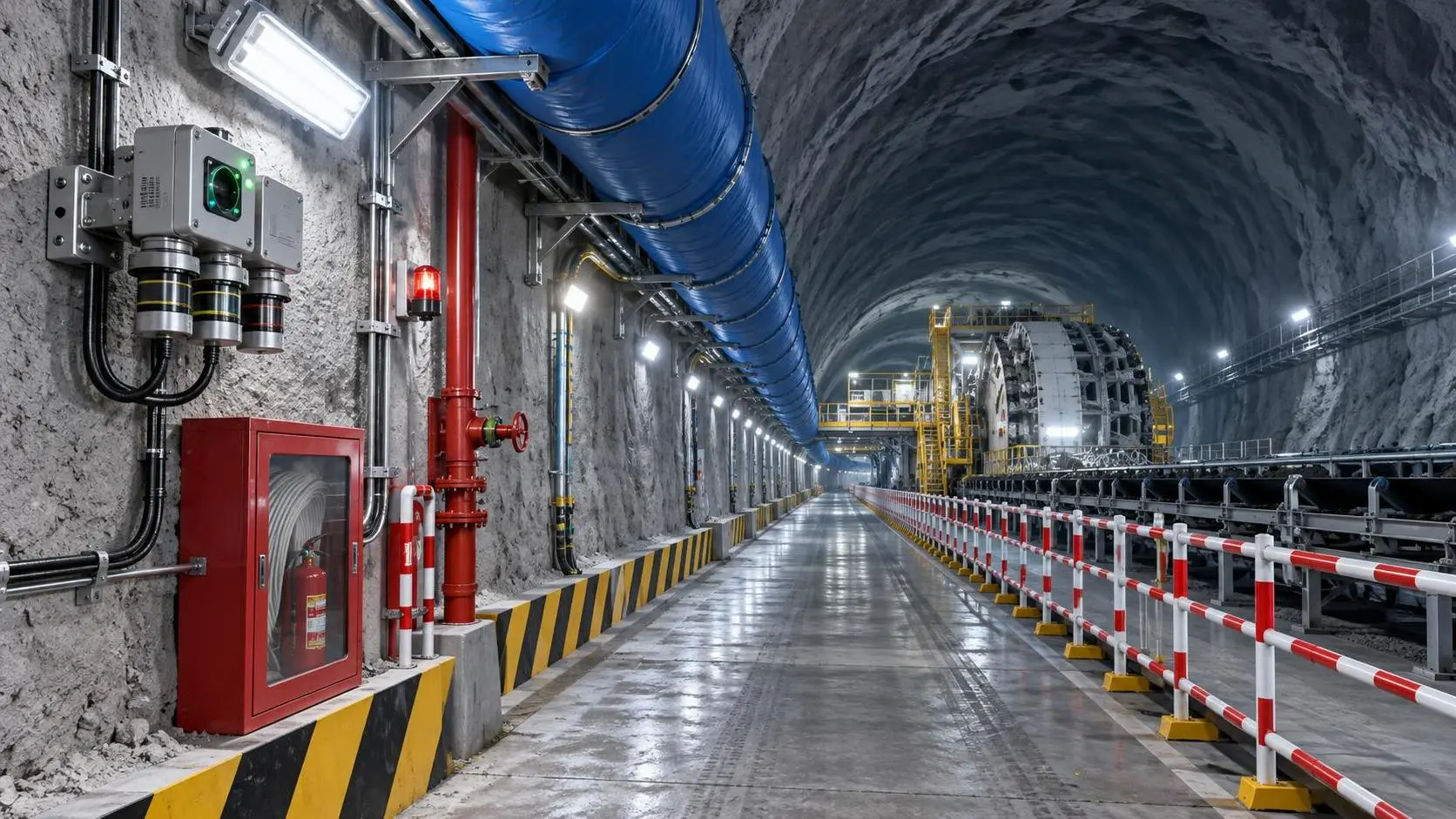
How to Select Underground Safety Equipment for Tunnelling by Hazard and Work Zone
Underground Safety Equipment for tunnelling: match protection to hazards, work zones, compliance, and emergency needs with this practical selection guide.
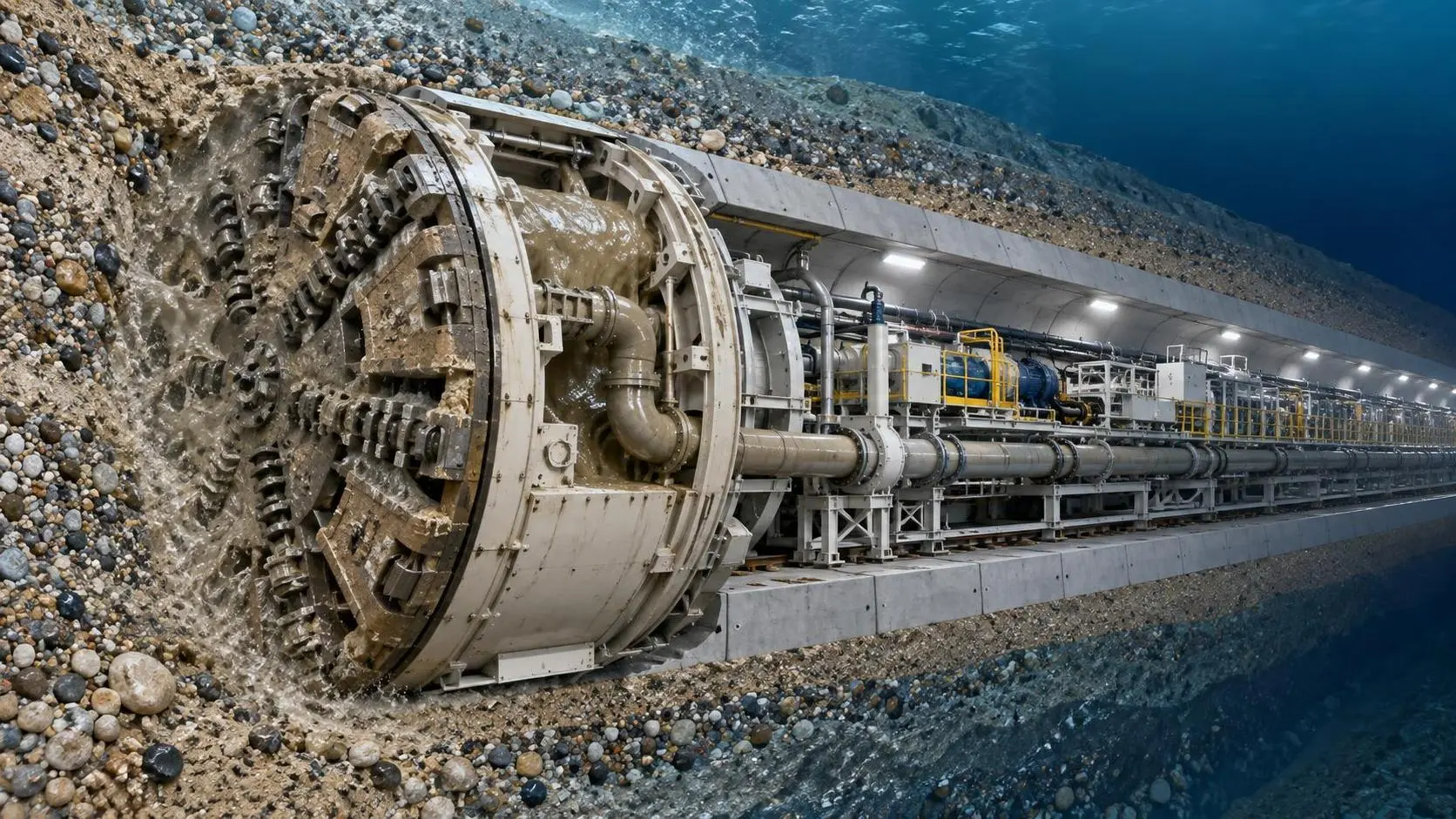
EPB or Slurry Shield? Selecting Soft-Ground Tunnelling Equipment by Soil Conditions
Tunnel Excavation Equipment for soft ground: compare EPB and slurry shields by soil, groundwater, settlement risk, and project logistics to choose confidently.
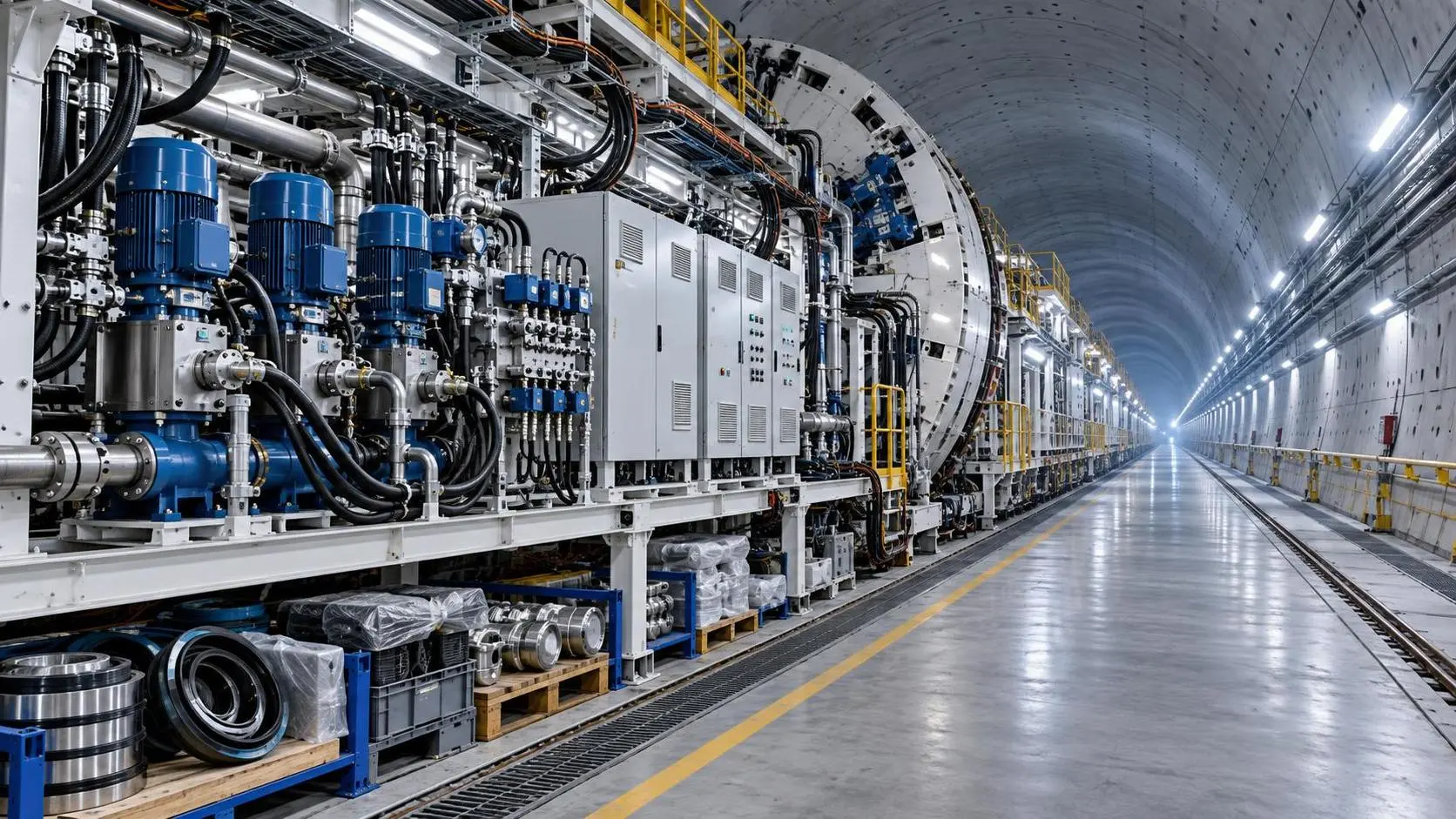
How to Specify TBM Backup System Parts for Reliable Long-Distance Tunnelling
TBM backup system parts: learn how to specify reliable spares for long-distance tunnelling, reduce downtime, ensure compatibility, and speed underground recovery.
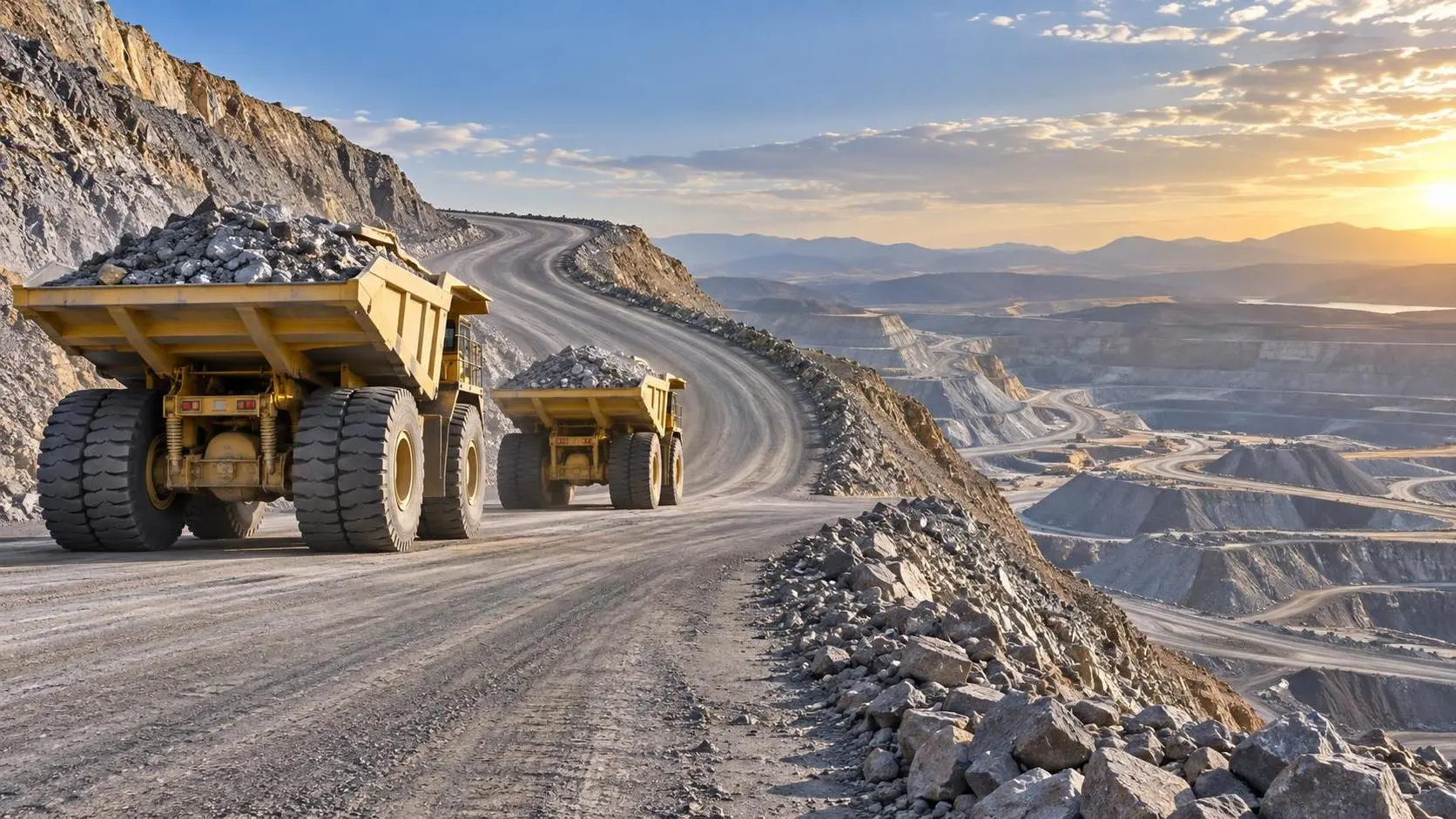
How to Size Open Pit Mining Trucks for Haul Distance, Grade, and Payload?
Open Pit Mining Trucks: learn how to match payload, haul distance, grade, road resistance, and loading capacity for safer, lower-cost mine operations.
Related News
- 00
0000-00
How to Evaluate European Drill-and-Blast Tunnelling Contractors for Complex Projects - 00
0000-00
Which Trenchless Construction Technique Fits Your Utility Crossing Conditions? - 00
0000-00
What Is Driving Metro Tunnelling Demand Across Southeast Asia’s Major Cities? - 00
0000-00
Hard Rock Tunnelling in Australia: Selecting Methods for Variable Ground Conditions - 00
0000-00
Hydropower Tunnel Excavation: Selecting Methods for Variable Rock Conditions
Weekly Insights
Stay ahead with our curated technology reports delivered every Monday.