
US Waives Tariffs on NCM811 Battery Modules for EV Mining Trucks





On June 21, 2026, the U.S. Department of Commerce issued a temporary exemption that removes import tariffs on China-origin NCM811 power battery modules used specifically for EV mining truck integration, with customs applicability starting July 1, 2026 and validity running through the end of 2027. For mining vehicle OEMs, battery module importers, procurement teams, and supply chain operators, this is worth watching because it directly changes the landed-cost framework for a narrowly defined product category tied to mine electrification in the U.S.
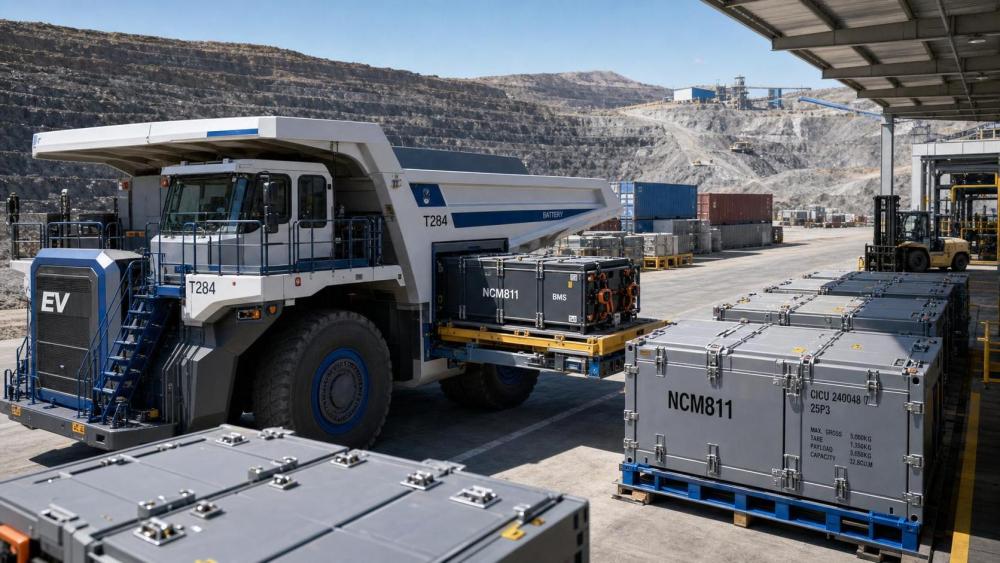
What the temporary exemption covers
According to the provided event information, the measure was released under FR Doc. 2026-13892 by the U.S. Department of Commerce on June 21, 2026. It lowers the import tariff on China-origin nickel cobalt manganese lithium-ion battery modules based on the NCM811 chemistry, classified under HS 8507.60.00, from 25% to 0%.
The exemption applies only when these battery modules are intended for complete vehicle integration in EV mining trucks. The measure applies to goods cleared through customs from July 1, 2026, and the stated validity extends through the end of 2027. The stated policy purpose is to accelerate the electrification transition of U.S. mining operations.
Where the immediate impact may appear
Procurement and import execution become more time-sensitive
From an industry perspective, companies directly importing eligible battery modules may see the most immediate effect at the customs and purchasing stage. The tariff change does not automatically affect all battery-related trade; it matters specifically where the product scope, origin, HS classification, and end-use for EV mining truck integration can be aligned with the exemption conditions.
What deserves closer attention is whether procurement teams, customs brokers, and compliance staff can match shipment timing and documentation to the July 1, 2026 customs threshold and the stated use restriction. In practical terms, the key business impact is likely to center on landed-cost calculation, declaration accuracy, and contract execution timing.
Vehicle integration planning may gain short-term flexibility
For companies involved in EV mining truck assembly or integration, Analysis shows the exemption may affect cost planning and component sourcing decisions tied to battery module supply. Because the measure is defined around complete vehicle integration, the relevance is strongest for projects and orders that can clearly connect imported modules to EV mining truck build schedules.
Observably, the main operational question is not only whether tariffs fall to zero, but whether the imported modules can be documented and deployed in a way that fits the exemption scope without creating downstream compliance uncertainty.
Supply chain service providers face a documentation-heavy window
Logistics providers, customs agents, and trade service firms may also be affected because this type of temporary exemption can shift workload toward classification review, shipment scheduling, and end-use documentation support. The business impact is less about volume assumptions and more about execution discipline during customs clearance and customer communication.
What deserves closer attention is whether service providers can help clients distinguish between a policy signal and an immediately usable operational pathway, especially when the exemption is limited by product type, origin, application, and time period.
What companies should track now
Watch for any refinement in official wording
Analysis shows the most important near-term task is to follow whether the official interpretation, implementation language, or customs handling details are further clarified after the June 21, 2026 announcement. Even when the headline change is clear, the practical meaning often depends on how eligibility is evidenced in documents and declarations.
Confirm product scope and end-use consistency
Companies should pay close attention to whether the imported goods, declared product category, and actual application in EV mining truck integration remain fully consistent with the exemption scope described in the provided information. This matters for importers, OEM procurement teams, and compliance personnel handling specifications, shipment files, and end-use statements.
Separate policy signaling from executable orders
Observably, a tariff exemption and a commercially executable shipment are not always the same thing. Businesses should review whether purchase orders, delivery schedules, customs clearance timing, and supporting paperwork can align with the July 1, 2026 applicability date and the end-2027 validity window.
Prepare supplier and customer communication in advance
From an industry perspective, firms involved in cross-border supply should also prepare for practical communication needs with suppliers, customers, and service partners. The immediate focus is likely to be on origin confirmation, classification consistency, shipment timing, and the records needed to support the stated mining-truck integration use case.
Why this looks like a targeted signal rather than a broad reset
Analysis shows this development is better understood as a targeted and time-bounded policy adjustment than as a broad change in battery trade conditions. The exemption is limited by chemistry, origin, HS code, application scenario, and validity period, which suggests a narrow operational measure rather than a general reopening across battery categories.
At the same time, it is not merely symbolic. Observably, the exemption directly affects a defined cost item for a specific electrification use case in mining vehicles. That means the market should watch both the immediate customs and procurement effects and the possibility of later clarification, extension, or adjustment.
How to read the move at this stage
At this stage, the industry significance lies in the fact that a specific battery module category for EV mining truck integration has received temporary tariff relief tied to U.S. mine electrification goals. A neutral reading is that this creates a real near-term operational change for relevant transactions, while still requiring careful verification at the product, declaration, and end-use levels.
It is more appropriate to understand this as a short-term actionable policy change with longer-term signaling value, rather than as a complete or settled shift in the broader battery import environment. Continued monitoring remains necessary.
Basis of this article and follow-up points
This article is based on the user-provided news title, event date, and event summary. The confirmed factual basis used here includes the June 21, 2026 timing, the U.S. Department of Commerce temporary exemption under FR Doc. 2026-13892, the tariff change from 25% to 0%, the covered product category of China-origin NCM811 battery modules under HS 8507.60.00, the EV mining truck integration use restriction, the July 1, 2026 customs applicability date, and the stated validity through the end of 2027.
For this type of industry update, commonly relevant source categories may include official government notices, company disclosures, industry association information, authoritative media reporting, and standards-related documentation. A specific official source link was not provided in the input, so the exact source text should continue to be verified. Follow-up attention should remain on any subsequent official clarification, implementation detail, or scope adjustment related to this exemption.
Related News
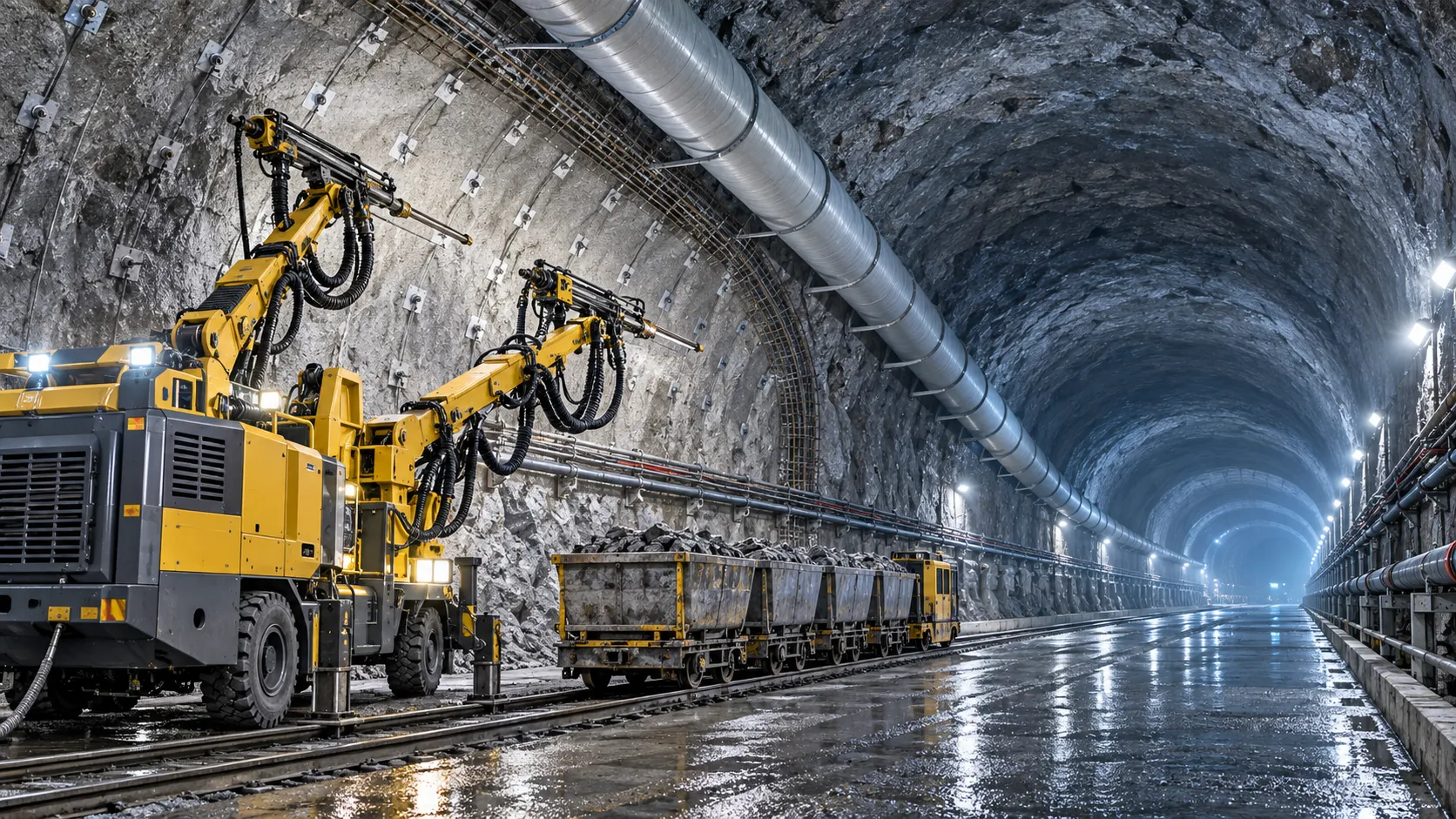
How to Evaluate European Drill-and-Blast Tunnelling Contractors for Complex Projects
Drill and blast tunnelling contractors Europe: learn how to assess geology expertise, blast control, equipment reliability, safety, and programme resilience for complex projects.
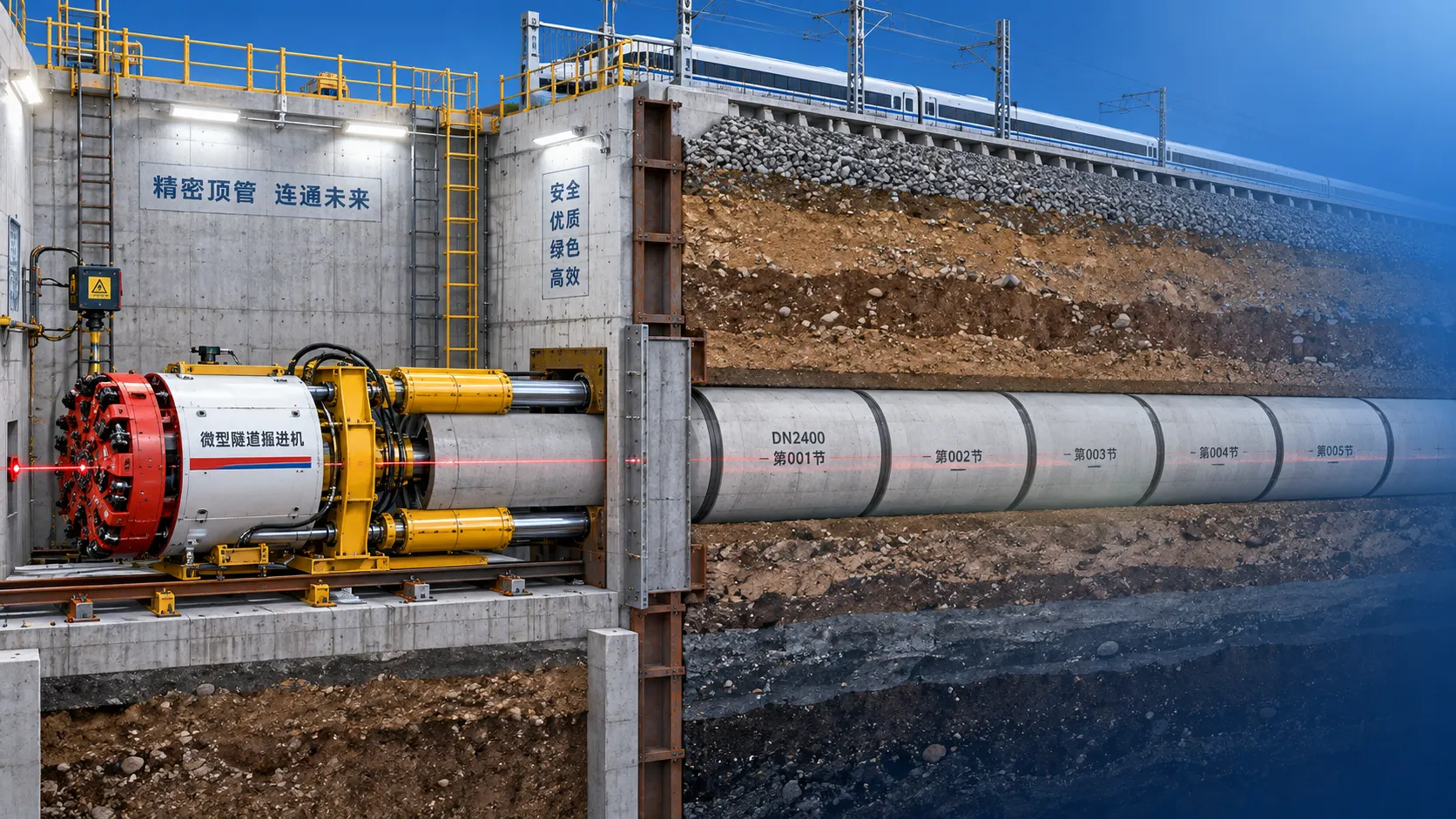
Which Trenchless Construction Technique Fits Your Utility Crossing Conditions?
Trenchless construction techniques compared for utility crossings: choose HDD, microtunnelling, pipe jacking, or auger boring based on ground, accuracy, access, and risk.
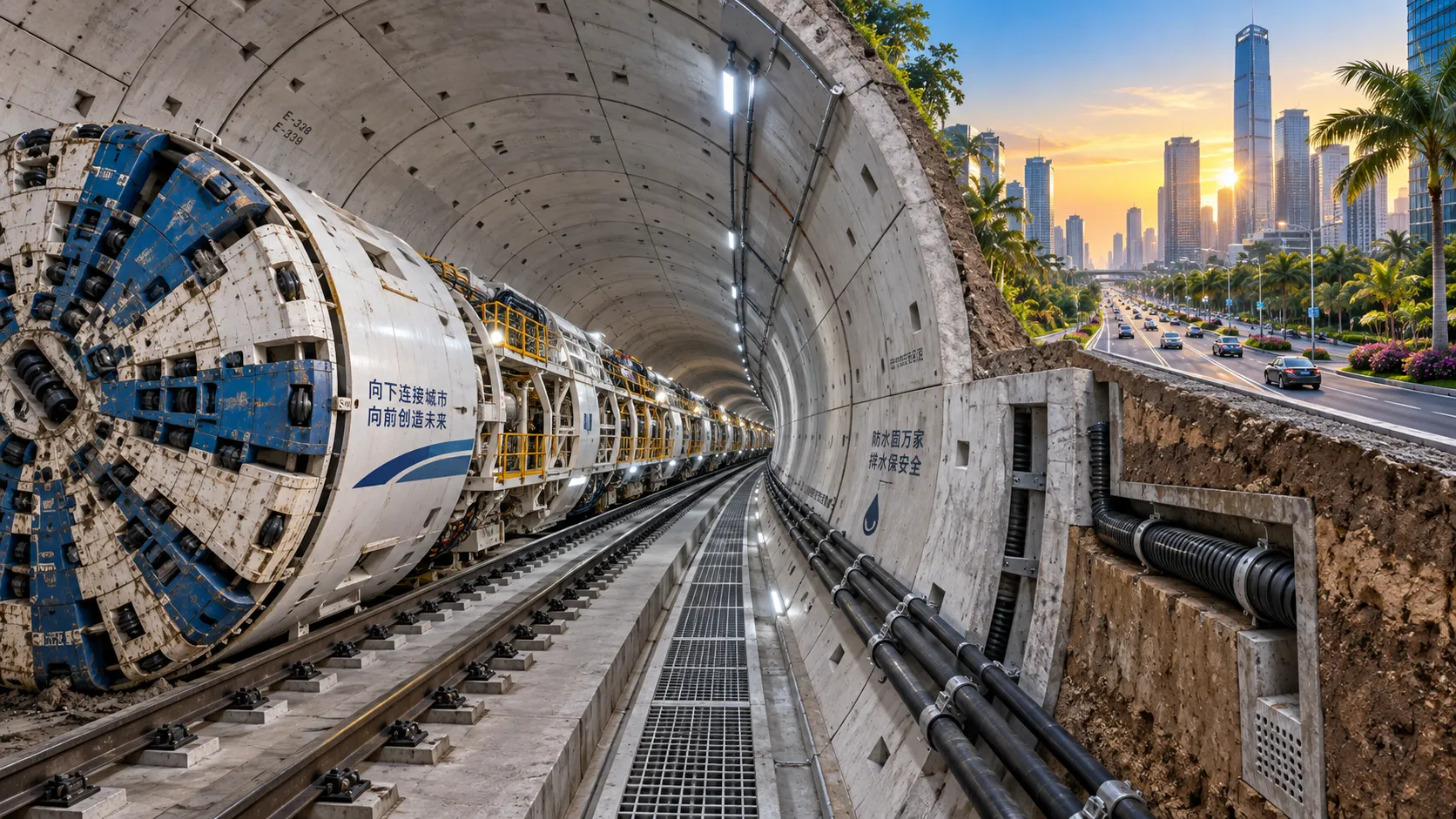
What Is Driving Metro Tunnelling Demand Across Southeast Asia’s Major Cities?
Metro tunnelling Southeast Asia is accelerating as major cities tackle congestion, flooding, and connectivity. Explore the market forces, technical risks, and opportunities shaping demand.
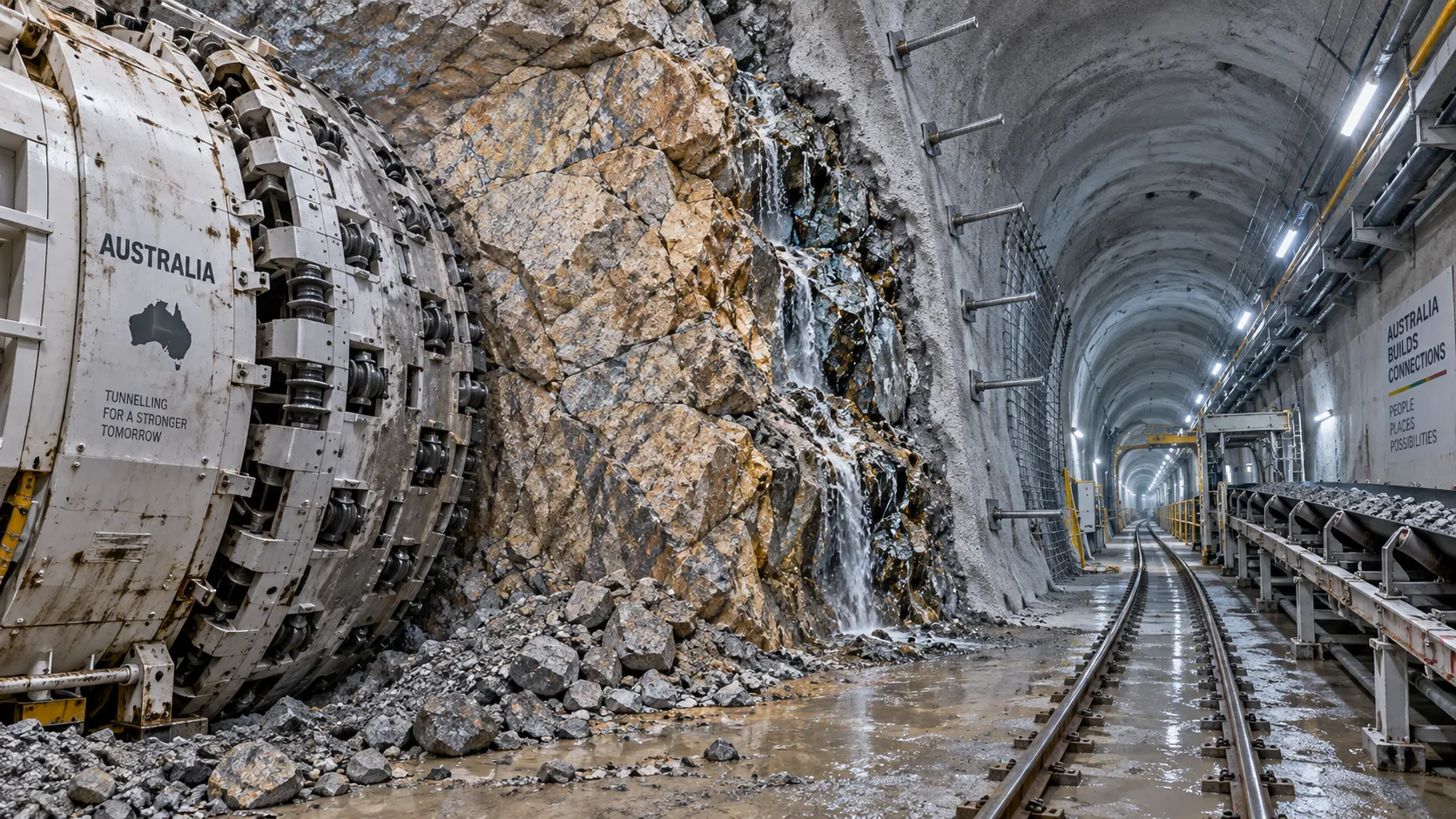
Hard Rock Tunnelling in Australia: Selecting Methods for Variable Ground Conditions
Hard rock tunnelling in Australia: compare TBM, drill-and-blast and hybrid methods to manage variable ground, reduce risk and protect project costs.
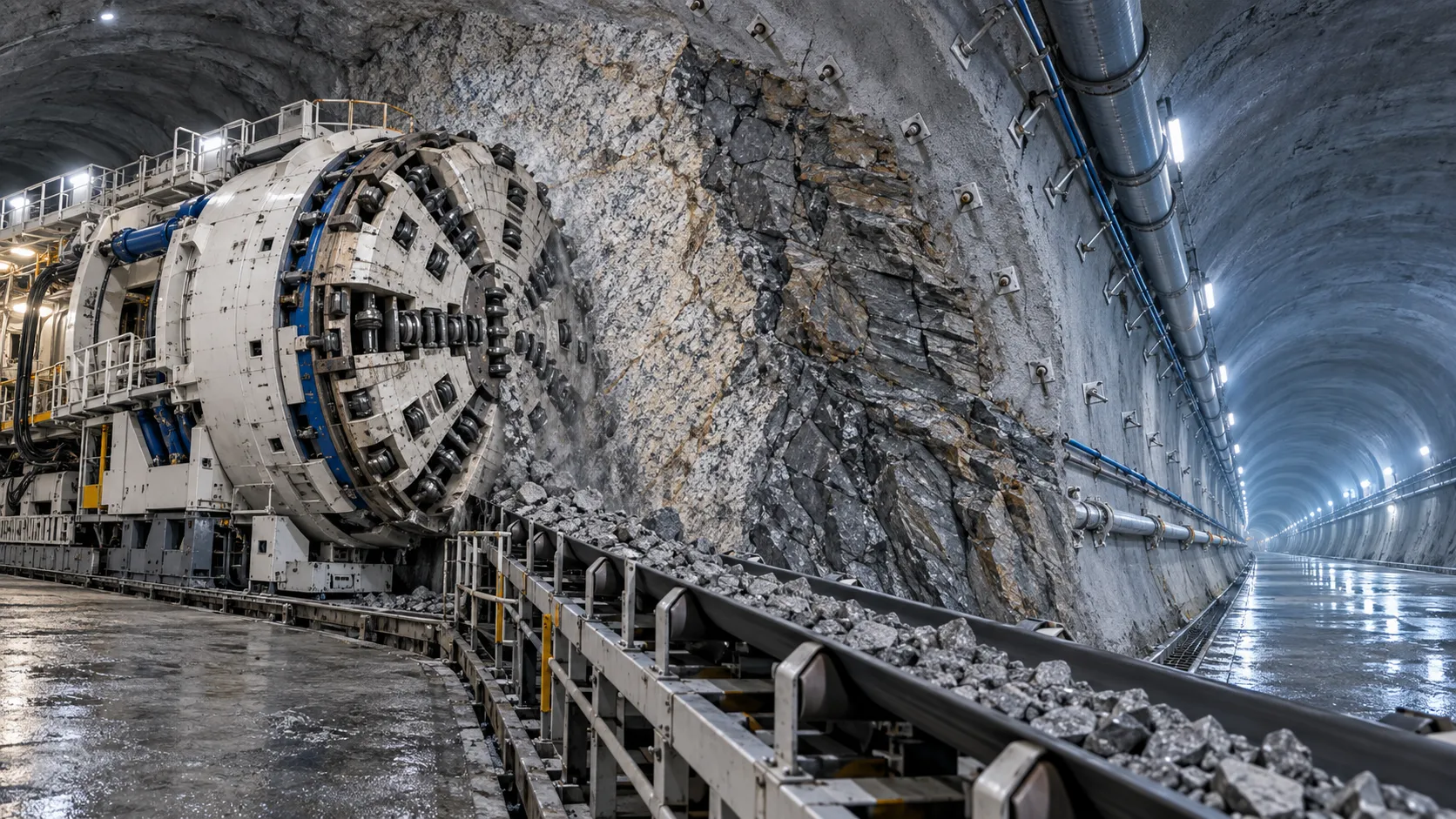
Hydropower Tunnel Excavation: Selecting Methods for Variable Rock Conditions
Hydropower tunnel excavation methods for variable rock conditions: compare TBM, drill-and-blast, and hybrid strategies to improve safety, progress, and project control.
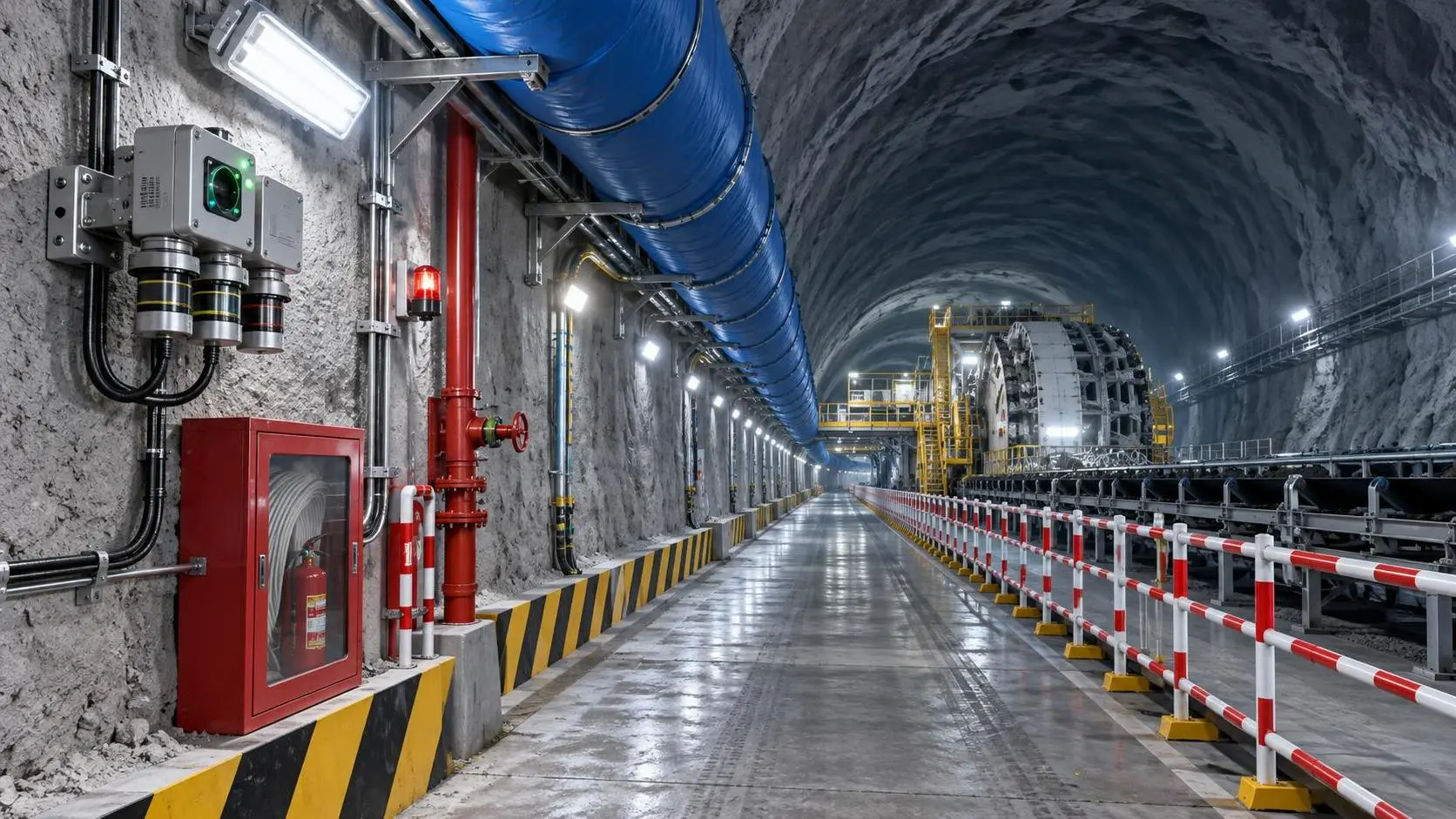
How to Select Underground Safety Equipment for Tunnelling by Hazard and Work Zone
Underground Safety Equipment for tunnelling: match protection to hazards, work zones, compliance, and emergency needs with this practical selection guide.

EPB or Slurry Shield? Selecting Soft-Ground Tunnelling Equipment by Soil Conditions
Tunnel Excavation Equipment for soft ground: compare EPB and slurry shields by soil, groundwater, settlement risk, and project logistics to choose confidently.
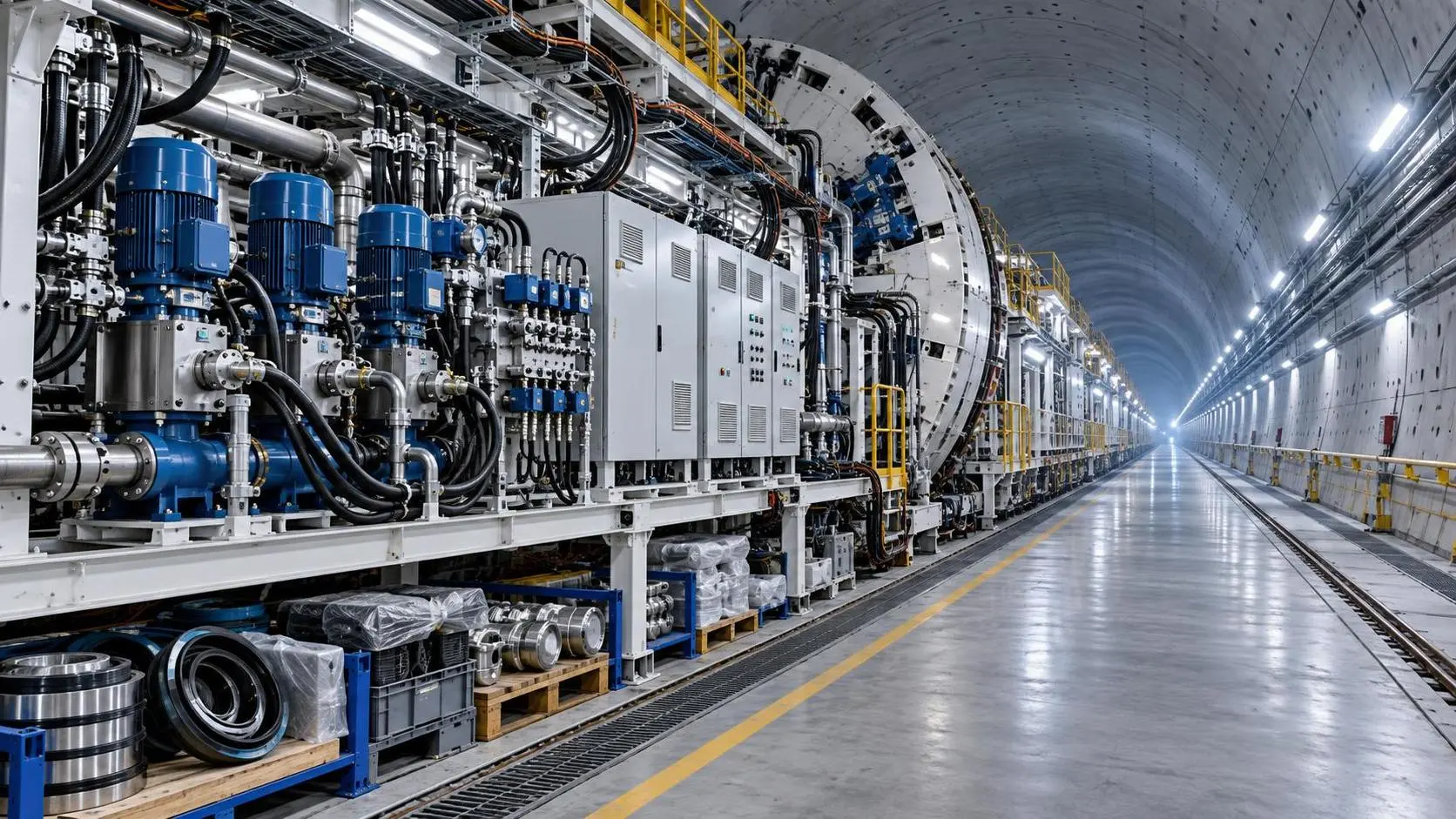
How to Specify TBM Backup System Parts for Reliable Long-Distance Tunnelling
TBM backup system parts: learn how to specify reliable spares for long-distance tunnelling, reduce downtime, ensure compatibility, and speed underground recovery.

How to Size Open Pit Mining Trucks for Haul Distance, Grade, and Payload?
Open Pit Mining Trucks: learn how to match payload, haul distance, grade, road resistance, and loading capacity for safer, lower-cost mine operations.
Related News
- 00
0000-00
How to Evaluate European Drill-and-Blast Tunnelling Contractors for Complex Projects - 00
0000-00
Which Trenchless Construction Technique Fits Your Utility Crossing Conditions? - 00
0000-00
What Is Driving Metro Tunnelling Demand Across Southeast Asia’s Major Cities? - 00
0000-00
Hard Rock Tunnelling in Australia: Selecting Methods for Variable Ground Conditions - 00
0000-00
Hydropower Tunnel Excavation: Selecting Methods for Variable Rock Conditions
Weekly Insights
Stay ahead with our curated technology reports delivered every Monday.