
Mining Dump Trucks Autonomous Technology: Key Sensors, SLAM, and Fleet Control Basics





Mining Dump Trucks Autonomous Technology: Why the Basics Matter Now
Mining Dump Trucks autonomous technology is moving from pilot projects to production fleets across major open-pit mines.
That shift is not only about labor savings.
It is driven by safety pressure, electrification targets, and the need for stable haulage under variable site conditions.
For smart mining programs, autonomous haulage is becoming a systems engineering question rather than a single vehicle upgrade.
This is where Mining Dump Trucks autonomous technology deserves a closer technical reading.
At a practical level, three foundations shape performance.
They are sensing, localization, and coordinated fleet control.
If one layer is weak, the entire autonomous loop becomes unstable.
Recent mine expansion also changes the evaluation logic.
Longer haul roads, mixed traffic, steeper ramps, and tighter ESG targets raise the bar for reliability.
In real operations, a good autonomous truck must see clearly, locate itself accurately, and cooperate with the entire haulage network.
That combination determines uptime, payload efficiency, and incident risk.
Key Sensors in Mining Dump Trucks Autonomous Technology
Sensors are the frontline of Mining Dump Trucks autonomous technology.
They convert dust, slope, obstacles, road edges, and vehicle motion into machine-readable inputs.
No single sensor is enough in mining.
Harsh light, vibration, rain, fog, and reflective surfaces constantly challenge perception quality.
Core sensor stack
- LiDAR supports 3D obstacle detection, berm recognition, and short-to-medium range environmental mapping.
- Radar performs well in dust, rain, and low visibility, especially for moving targets and relative speed tracking.
- Cameras help classify objects, lane-like boundaries, signage, workers, and equipment states around dump points.
- GNSS provides global position when sky visibility is acceptable across broad open-pit areas.
- IMU sensors capture acceleration, roll, pitch, and yaw, which matter on uneven benches and steep grades.
- Wheel encoders and drivetrain feedback improve motion estimation during slip, braking, and low-speed maneuvering.
The best systems rely on sensor fusion, not sensor abundance.
More hardware does not automatically mean better autonomy.
What matters is how the platform handles conflicting inputs, temporary blindness, and degraded confidence.
What should be checked during evaluation
- Field of view overlap around the front, rear, side blind zones, and tire-adjacent hazard areas.
- Performance under dust plumes, backlighting, rainfall, and mud contamination on sensor covers.
- Redundancy strategy when LiDAR or camera channels partially fail.
- Cleaning, heating, and maintenance access for sensor modules on large vehicle bodies.
- Latency from sensing to actuation during braking or obstacle avoidance.
This also means Mining Dump Trucks autonomous technology should be judged as an operational package.
A powerful sensor stack still fails if calibration drifts too often or cleaning intervals are unrealistic.
How SLAM Supports Positioning Beyond Basic GPS
SLAM is often discussed in underground robotics, but it also matters in surface haulage.
Open-pit mines are not static road networks.
Road geometry changes, berms shift, loading zones move, and fresh cut surfaces alter local references.
That is why Mining Dump Trucks autonomous technology cannot depend on GNSS alone.
What SLAM does in a mine
SLAM combines perception and motion data to estimate position while updating a usable map.
In mining, this helps when satellite signals degrade near high walls or in localized interference zones.
It also supports precision tasks near crushers, dumps, shovel approaches, and merge points.
A useful SLAM workflow usually includes several layers.
- Collect landmark data from LiDAR, radar, cameras, and motion sensors.
- Match those observations against local map features.
- Correct drift through loop closure or fixed reference updates.
- Feed a confidence-rated vehicle pose into path planning and control.
Where SLAM performance usually breaks down
- Highly repetitive terrain features reduce landmark uniqueness.
- Dust clouds and weather create unstable perception returns.
- Fast-changing road maintenance invalidates maps too quickly.
- Wheel slip on loose surfaces distorts dead reckoning inputs.
So the real question is not whether a vendor claims SLAM capability.
The more important question is how robust that SLAM pipeline remains during daily mine disturbance.
For Mining Dump Trucks autonomous technology, map update frequency and localization confidence reporting are critical evaluation items.
Fleet Control Basics in Mining Dump Trucks Autonomous Technology
A single autonomous truck may look impressive, but mine value comes from fleet coordination.
Fleet control is the layer that turns autonomous motion into production output.
It assigns missions, controls routes, manages spacing, and protects interactions with manned equipment.
Core functions of fleet control
- Dispatch trucks to loaders, dumps, crushers, and charging or fueling points.
- Balance queue lengths to reduce idle time at shovels and tipping zones.
- Manage right of way at intersections, merges, and one-lane haul segments.
- Enforce geofenced speed rules by zone, gradient, and weather condition.
- Trigger exception handling when roads close or equipment availability changes.
This layer becomes even more important in mixed fleets.
Many sites still combine autonomous trucks with manned water carts, graders, pickups, and service vehicles.
That raises the complexity of rules, communication, and fail-safe responses.
Key control metrics worth tracking
In other words, Mining Dump Trucks autonomous technology succeeds when vehicle intelligence and fleet logic reinforce each other.
Practical Evaluation Framework for Site Readiness and Upgrade Potential
A strong technical review should move beyond vendor demonstrations.
The real goal is to test whether Mining Dump Trucks autonomous technology fits the mine, not just the brochure.
Five practical checkpoints
- Check route variability, slope severity, dust load, and weather exposure across seasons.
- Review network resilience for vehicle-to-infrastructure and command communications.
- Examine interoperability with fleet management, maintenance, and energy systems.
- Measure fallback behavior during sensor degradation, road changes, or blocked routes.
- Assess software update workflow, cybersecurity controls, and future scaling path.
This is especially relevant as mines pursue battery-electric haulage.
Autonomous control and energy management increasingly overlap.
Route planning, downhill braking recovery, queue control, and charging windows all affect operating economics.
That creates a wider strategic value case than labor substitution alone.
Common risks that deserve early attention
- Overestimating GNSS reliability near benches and deep cut zones.
- Ignoring sensor cleaning logistics in dusty production cycles.
- Treating fleet control as an add-on instead of a production system.
- Failing to validate map maintenance workload after road updates.
- Underplanning mixed-traffic rules for human-driven support vehicles.
From a long-term perspective, the most valuable Mining Dump Trucks autonomous technology is upgradeable.
It should absorb better sensors, improved SLAM models, and tighter fleet orchestration without major system redesign.
Conclusion: From Technical Basics to Smarter Haulage Decisions
Mining Dump Trucks autonomous technology is no longer defined by autonomous driving alone.
Its real value comes from how sensors, SLAM, and fleet control work together under mine-specific pressure.
When those layers are evaluated carefully, technical decisions become clearer and deployment risks drop.
For modern smart mines, that is the difference between a promising demo and dependable production performance.
A practical next step is simple.
Review autonomous haulage candidates against real route conditions, localization stability, and fleet-level control maturity.
That approach gives Mining Dump Trucks autonomous technology a stronger path from evaluation to scalable mine deployment.
Related News
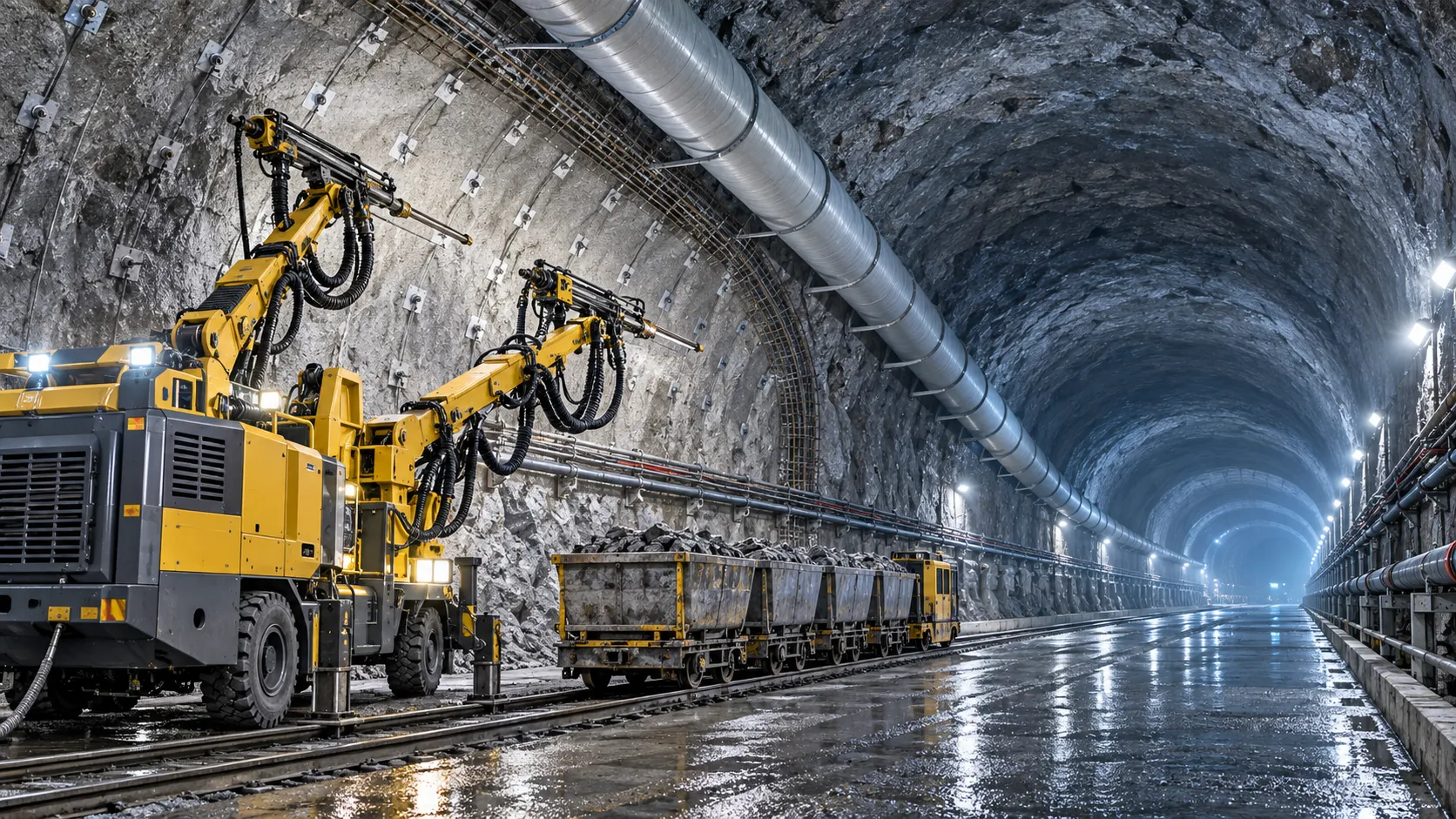
How to Evaluate European Drill-and-Blast Tunnelling Contractors for Complex Projects
Drill and blast tunnelling contractors Europe: learn how to assess geology expertise, blast control, equipment reliability, safety, and programme resilience for complex projects.
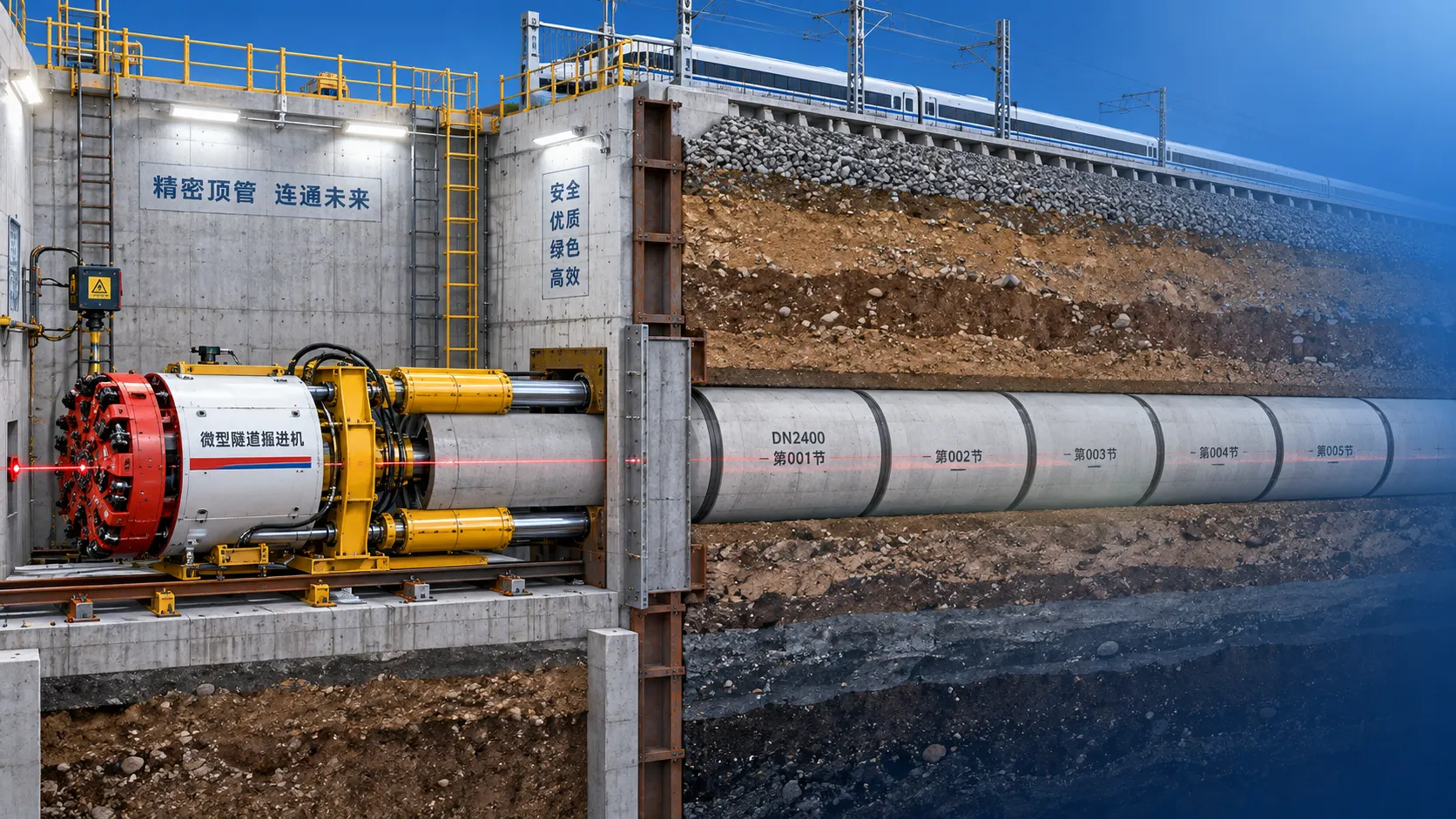
Which Trenchless Construction Technique Fits Your Utility Crossing Conditions?
Trenchless construction techniques compared for utility crossings: choose HDD, microtunnelling, pipe jacking, or auger boring based on ground, accuracy, access, and risk.

What Is Driving Metro Tunnelling Demand Across Southeast Asia’s Major Cities?
Metro tunnelling Southeast Asia is accelerating as major cities tackle congestion, flooding, and connectivity. Explore the market forces, technical risks, and opportunities shaping demand.
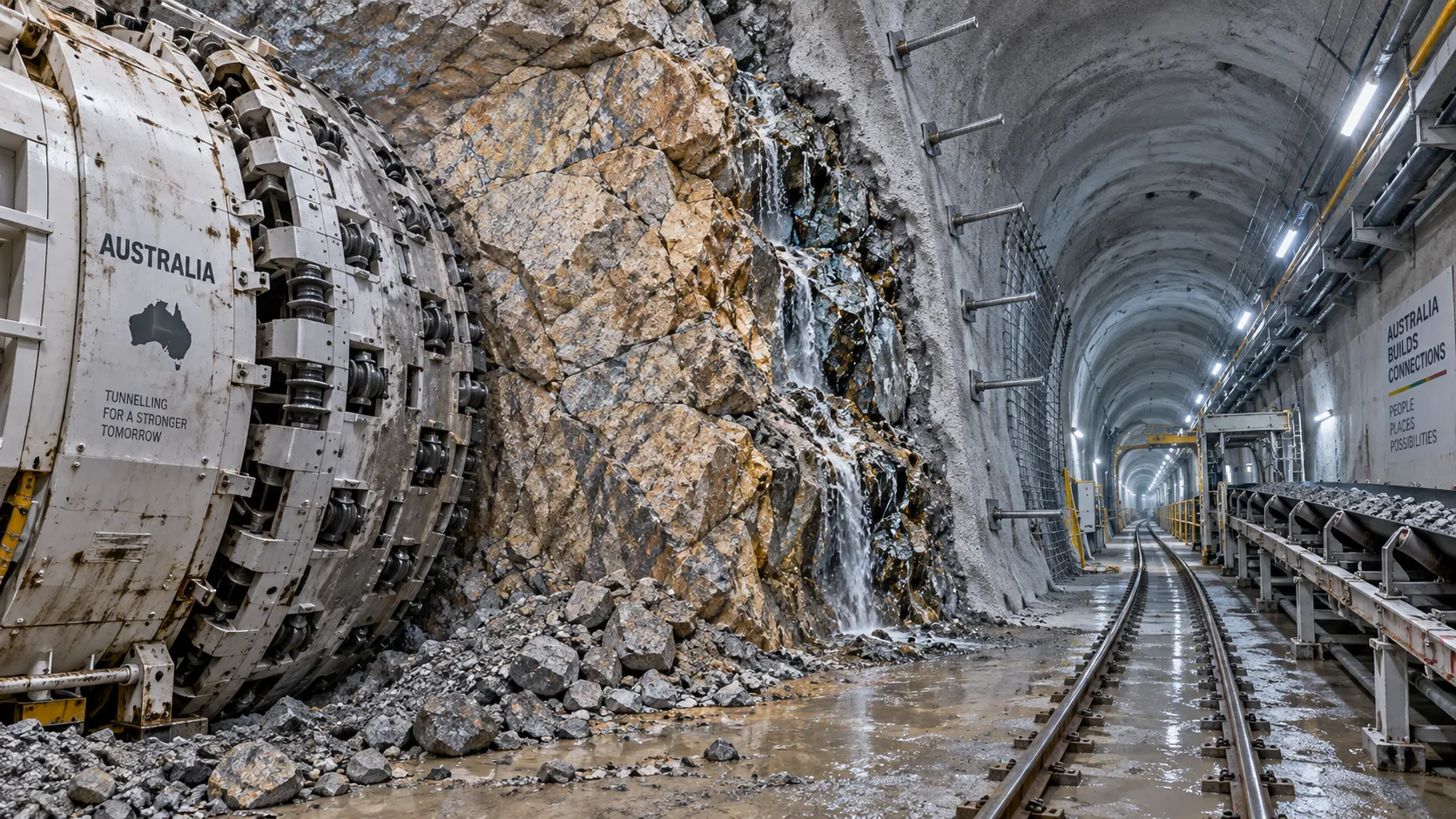
Hard Rock Tunnelling in Australia: Selecting Methods for Variable Ground Conditions
Hard rock tunnelling in Australia: compare TBM, drill-and-blast and hybrid methods to manage variable ground, reduce risk and protect project costs.
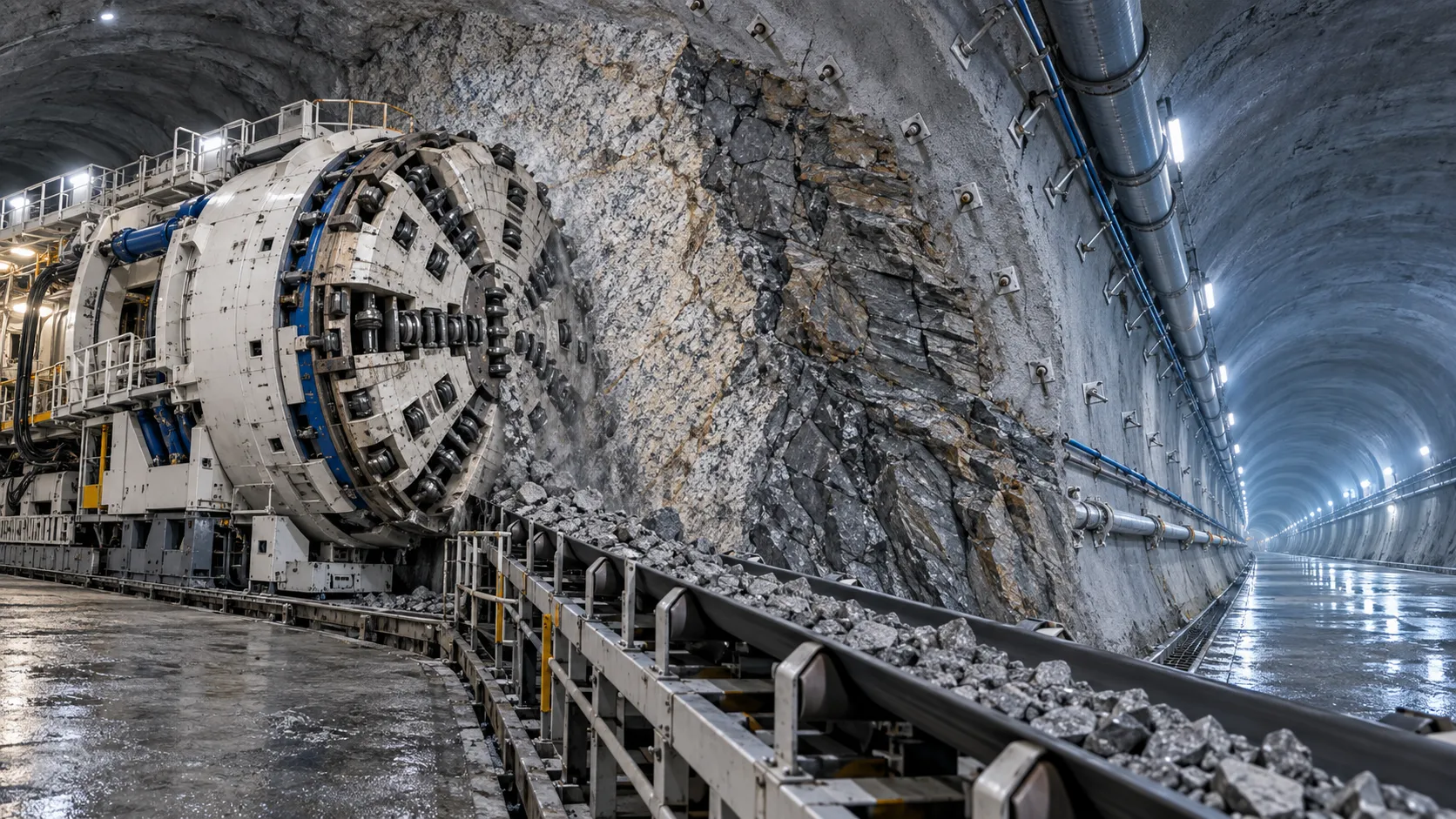
Hydropower Tunnel Excavation: Selecting Methods for Variable Rock Conditions
Hydropower tunnel excavation methods for variable rock conditions: compare TBM, drill-and-blast, and hybrid strategies to improve safety, progress, and project control.
How to Select Underground Safety Equipment for Tunnelling by Hazard and Work Zone
Underground Safety Equipment for tunnelling: match protection to hazards, work zones, compliance, and emergency needs with this practical selection guide.
EPB or Slurry Shield? Selecting Soft-Ground Tunnelling Equipment by Soil Conditions
Tunnel Excavation Equipment for soft ground: compare EPB and slurry shields by soil, groundwater, settlement risk, and project logistics to choose confidently.
How to Specify TBM Backup System Parts for Reliable Long-Distance Tunnelling
TBM backup system parts: learn how to specify reliable spares for long-distance tunnelling, reduce downtime, ensure compatibility, and speed underground recovery.
How to Size Open Pit Mining Trucks for Haul Distance, Grade, and Payload?
Open Pit Mining Trucks: learn how to match payload, haul distance, grade, road resistance, and loading capacity for safer, lower-cost mine operations.
Related News
- 00
0000-00
How to Evaluate European Drill-and-Blast Tunnelling Contractors for Complex Projects - 00
0000-00
Which Trenchless Construction Technique Fits Your Utility Crossing Conditions? - 00
0000-00
What Is Driving Metro Tunnelling Demand Across Southeast Asia’s Major Cities? - 00
0000-00
Hard Rock Tunnelling in Australia: Selecting Methods for Variable Ground Conditions - 00
0000-00
Hydropower Tunnel Excavation: Selecting Methods for Variable Rock Conditions
Weekly Insights
Stay ahead with our curated technology reports delivered every Monday.