
Mine Electrification vs Diesel Fleets: How to Evaluate Cost, Ventilation, and Charging





Why Mine Electrification Now Starts With Underground Reality
Mine Electrification is no longer a future concept but a board-level decision for mining operators facing rising fuel costs, stricter ESG targets, and underground ventilation constraints.
A useful comparison between electric and diesel fleets starts underground, not in a brochure. Purchase price matters, but airflow demand, heat load, charging design, and cycle stability often matter more.
That is especially true in modern mines linked to smart hauling, remote operations, and tighter production planning. In these environments, Mine Electrification changes more than energy supply. It changes the whole operating model.
UTMD tracks this shift across underground LHD loaders, drilling jumbos, electric mining trucks, and digital transport systems. The pattern is clear: the best decision comes from matching fleet design to rock conditions, haul profiles, ventilation cost, and infrastructure timing.
Before comparing vendors, it helps to lock in a few practical checks that prevent costly misalignment later.
[Image 01: Underground electric LHD loader charging in a confined mine drift while ventilation ducts and diesel equipment are shown for comparison]
What To Measure Before Comparing Electric And Diesel Fleets
- Map duty cycles first. Measure haul distance, ramp gradient, idle time, payload variance, and shift changes before judging whether Mine Electrification will outperform diesel on actual utilization.
- Calculate ventilation savings separately. Electric fleets reduce exhaust, but the real value depends on fan power, air distribution bottlenecks, refrigeration load, and depth-related operating cost.
- Compare total energy pathways. Diesel fuel logistics, storage losses, and maintenance should be weighed against grid reliability, charging demand peaks, and battery management requirements.
- Check heat as well as emissions. Battery-electric machines remove diesel fumes, yet charging systems, motors, and ambient rock temperature still influence underground thermal management.
- Model uptime around charging windows. A strong Mine Electrification case depends on whether charging, swapping, or opportunity charging fits blasting schedules and production rhythm.
- Review service capability early. Electric fleets need different spares, software diagnostics, and technician skills, so support depth can affect ramp-up speed more than machine specifications.
A quick side-by-side view
Where The Real Cost Difference Usually Appears
Many comparisons stop at capital cost, and that is where weak decisions begin. Mine Electrification often looks expensive at first glance because batteries, chargers, substations, and power upgrades are visible and easy to count.
Diesel costs are often more scattered. Fuel transport, underground storage, engine rebuilds, filtration, ventilation expansion, and production losses from heat or air restrictions can sit in different budgets.
That is why UTMD often treats fleet comparison as a system comparison. A loader is not just a loader. It is also air demand, maintenance labor, energy conversion, digital controls, and shift-level production behavior.
Numbers worth stress-testing
- Test energy cost under multiple scenarios. Use current tariffs, peak demand pricing, diesel volatility, and backup power assumptions instead of one average number.
- Include ventilation capital deferral. Mine Electrification can postpone shaft air upgrades or fan expansion, which may reshape project economics more than equipment savings alone.
- Account for battery replacement timing. Residual value, chemistry selection, warranty terms, and operating temperature can materially change long-term ownership cost.
- Track lost production risk. A fleet with cheaper energy still underperforms if charging queues, weak power distribution, or software faults interrupt mucking cycles.
Ventilation Is Often The Deciding Variable Underground
In deep mines, ventilation is not a background utility. It can be one of the biggest operating constraints. That is why Mine Electrification is often evaluated as an airflow strategy as much as an energy strategy.
Diesel fleets require airflow for exhaust dilution, heat removal, and safe working conditions. As headings get deeper, every extra cubic meter of air becomes more expensive to move and cool.
Electric fleets reduce exhaust sharply, but they do not eliminate ventilation planning. Battery charging areas, thermal concentration zones, and mixed fleets still need careful design.
Two common underground situations
A mature deep mine with aging ventilation infrastructure often sees the strongest Mine Electrification case. If production is already limited by airflow, electric LHDs and haulage units can unlock capacity without waiting for major air upgrades.
A newer mine with spare ventilation capacity may see a slower payoff. In that case, the decision may depend more on ESG commitments, energy contract stability, and future expansion depth.
Charging Strategy Can Make Or Break Fleet Performance
This is where many promising projects run into trouble. Mine Electrification works best when charging is designed around production flow, not added after equipment selection.
There is no universal answer. Fast charging, battery swapping, trolley assist, and opportunity charging each fit different mine geometries and shift patterns.
Practical checks before locking in a charging model
- Place chargers where machines naturally pause. Charging works better at ore passes, maintenance bays, or shift transition points than at isolated locations.
- Size electrical infrastructure for future expansion. Early Mine Electrification phases often grow faster than expected once operators see ventilation and maintenance benefits.
- Avoid single-point failure design. Redundant chargers, bypass routes, and clear dispatch rules reduce the risk of one outage stopping multiple headings.
- Match charging power to battery life goals. Faster is not always better if it increases degradation, heat stress, or cable handling complexity underground.
- Integrate charging data with fleet control. Dispatch visibility, queue alerts, and battery state forecasting improve equipment utilization and reduce unplanned waits.
How Different Equipment Classes Change The Decision
Not every machine should be electrified in the same order. UTMD’s sector tracking across underground transport and rock-cutting systems shows that sequence matters.
Underground LHD loaders usually make an early case because they work in confined headings where ventilation value is immediate. Drilling jumbos may follow where cable management or battery support aligns with development schedules.
For mining dump trucks, especially in open-pit or long-ramp operations, Mine Electrification economics can shift around regenerative braking, downhill energy recovery, and high-payload duty cycles. The logic is different from a narrow underground drift.
The same applies in adjacent underground sectors. TBM support logistics, trenchless work zones, and automated tunnelling transport all show that electrification success depends on integrating machine behavior with the surrounding system.
Common Blind Spots That Distort The Decision
- Using nameplate range instead of real shift data. Ramp conditions, operator behavior, and payload changes often shorten practical battery performance underground.
- Ignoring mixed-fleet complexity. Diesel and electric machines sharing headings can complicate ventilation planning, traffic flow, maintenance scheduling, and operator training.
- Treating software as secondary. Diagnostics, charging control, telemetry, and remote support are central to Mine Electrification reliability, not optional extras.
- Underestimating organizational change. Electric fleet success often depends on dispatch logic, maintenance routines, safety procedures, and power coordination across departments.
A Practical Way To Reach A Defensible Decision
Start with one operating zone, one equipment class, and one realistic production target. Build the Mine Electrification case around measured airflow, cycle time, heat load, and energy use rather than broad averages.
Then test three cases: diesel optimization, partial electrification, and high-electrification expansion. This makes trade-offs visible and reduces the chance of locking into the wrong infrastructure too early.
UTMD’s broader industry lens is useful here because the strongest decisions rarely come from equipment data alone. They come from understanding how underground hauling, drilling, ventilation, automation, and energy systems interact in real operations.
If the next step is a serious comparison, focus on measured mine conditions, staged charging design, and ventilation economics first. That is usually where Mine Electrification becomes either a compelling value case or a costly mismatch.
Related News
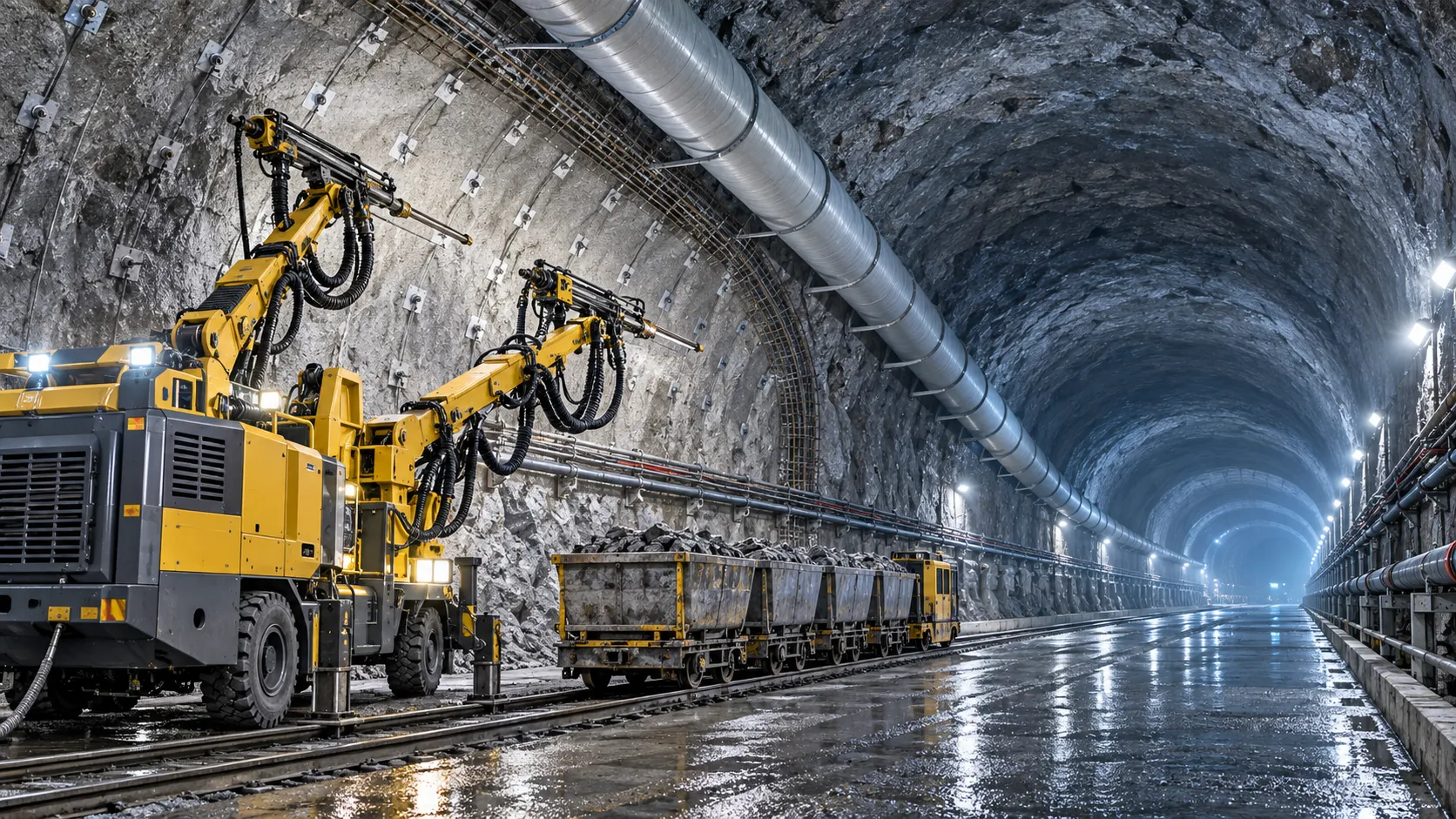
How to Evaluate European Drill-and-Blast Tunnelling Contractors for Complex Projects
Drill and blast tunnelling contractors Europe: learn how to assess geology expertise, blast control, equipment reliability, safety, and programme resilience for complex projects.
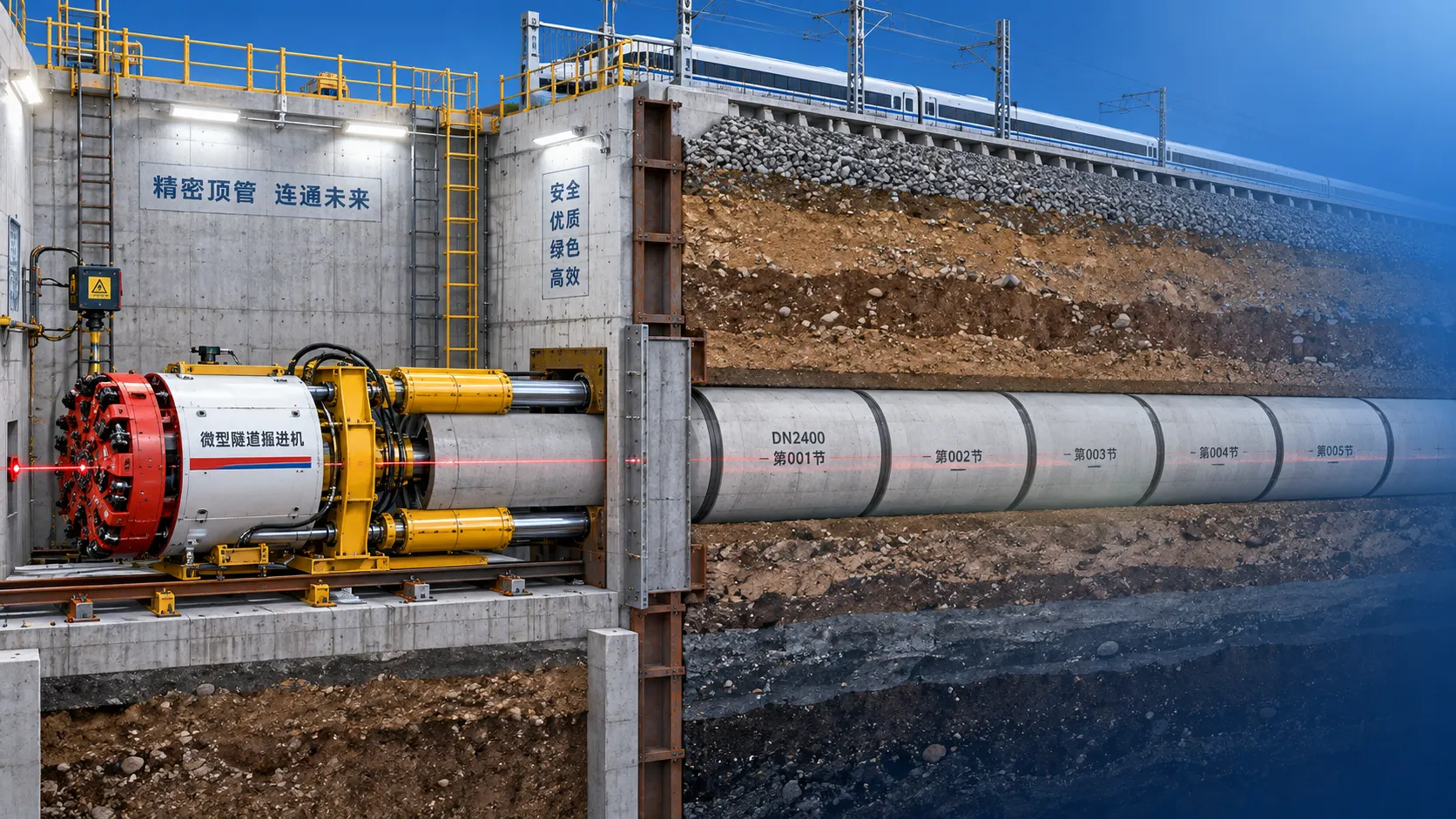
Which Trenchless Construction Technique Fits Your Utility Crossing Conditions?
Trenchless construction techniques compared for utility crossings: choose HDD, microtunnelling, pipe jacking, or auger boring based on ground, accuracy, access, and risk.
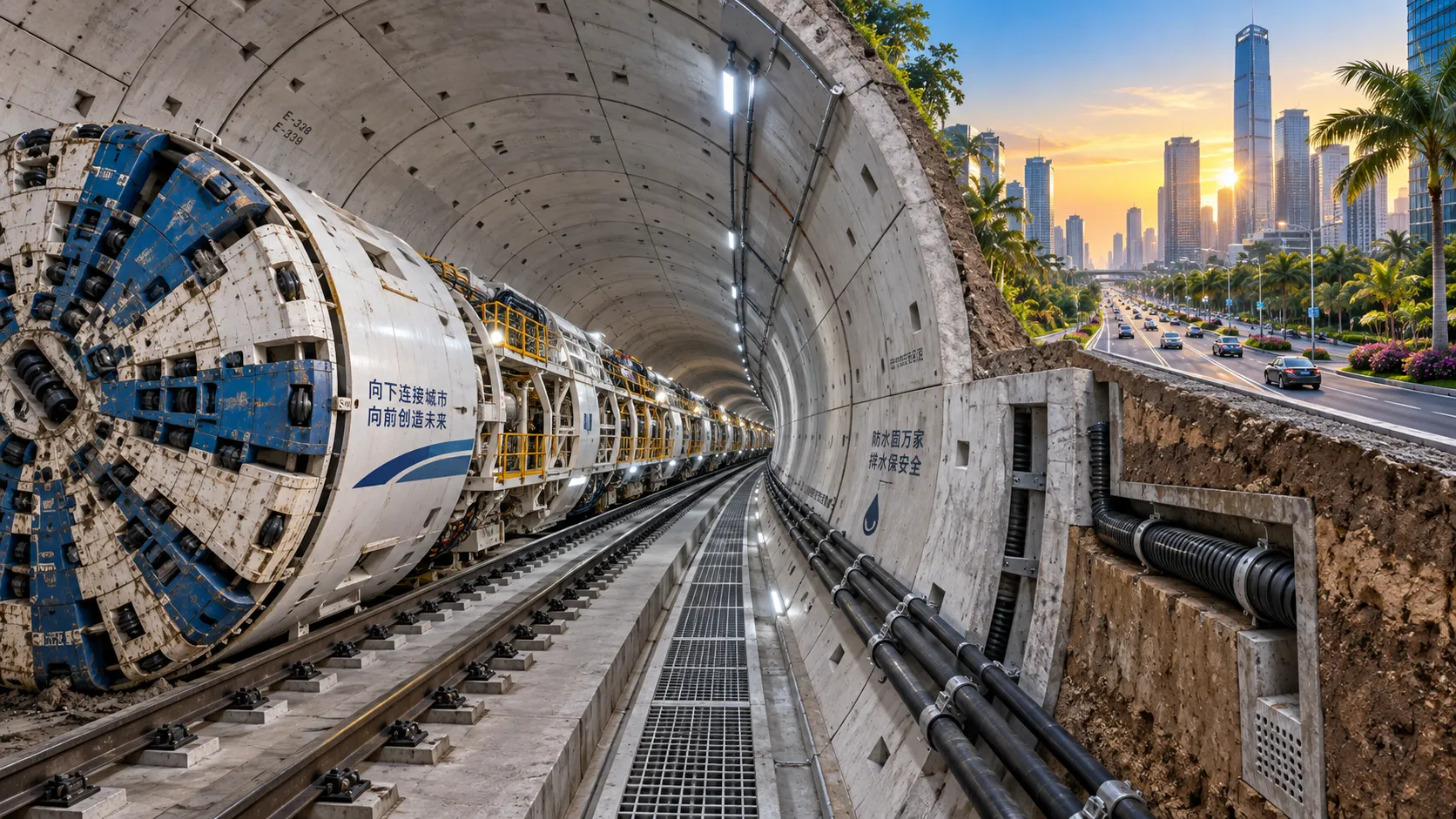
What Is Driving Metro Tunnelling Demand Across Southeast Asia’s Major Cities?
Metro tunnelling Southeast Asia is accelerating as major cities tackle congestion, flooding, and connectivity. Explore the market forces, technical risks, and opportunities shaping demand.
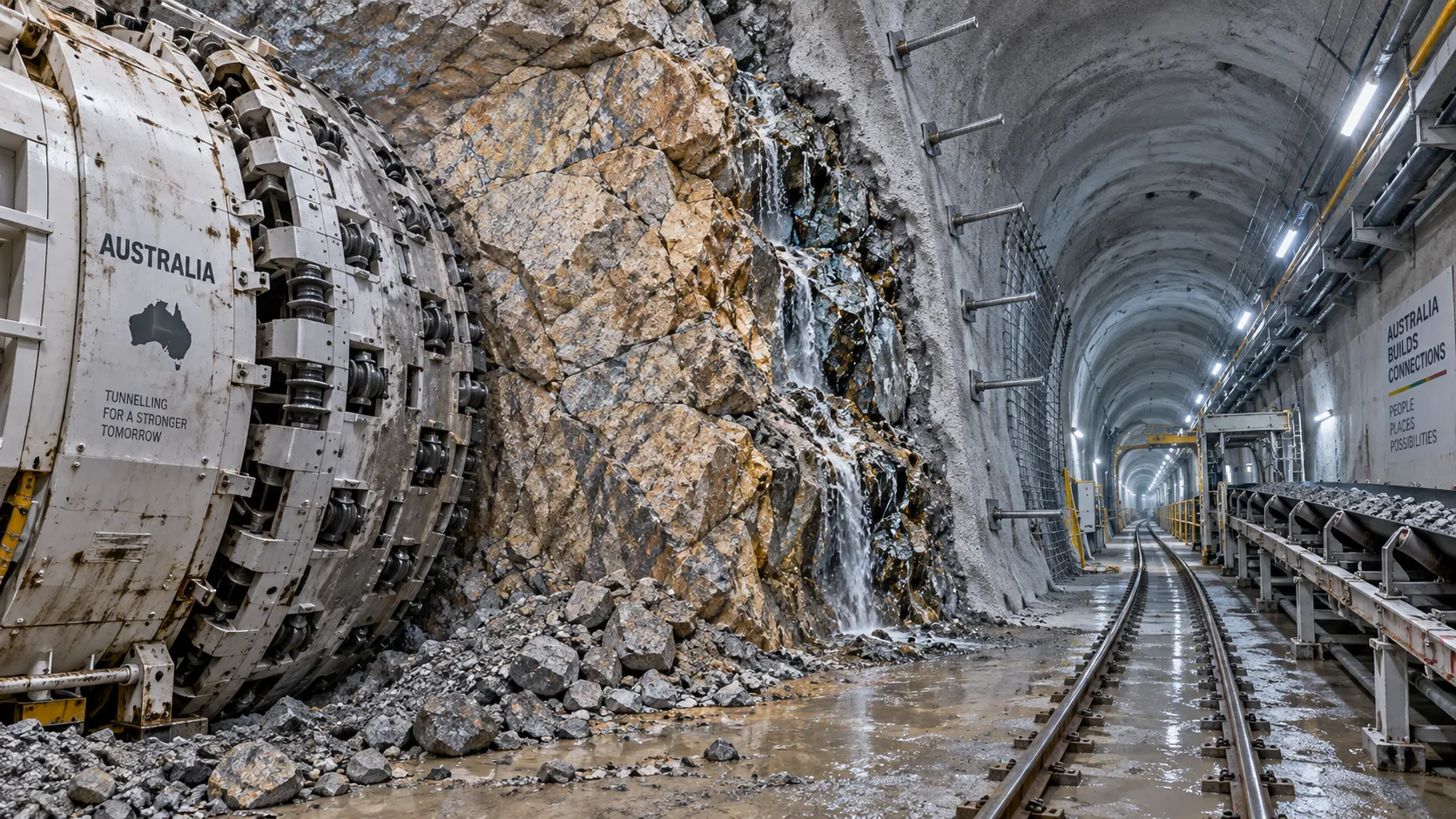
Hard Rock Tunnelling in Australia: Selecting Methods for Variable Ground Conditions
Hard rock tunnelling in Australia: compare TBM, drill-and-blast and hybrid methods to manage variable ground, reduce risk and protect project costs.
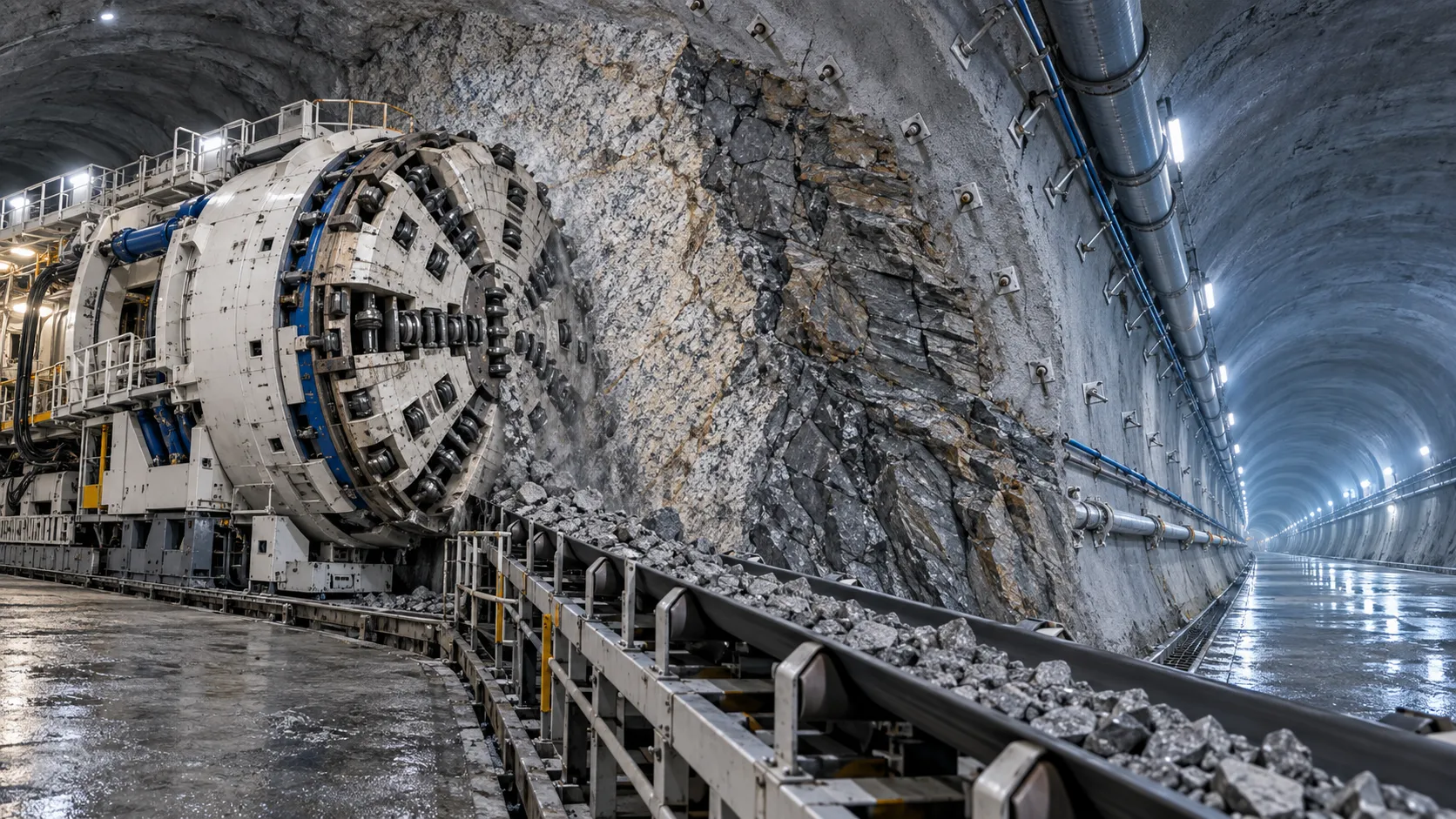
Hydropower Tunnel Excavation: Selecting Methods for Variable Rock Conditions
Hydropower tunnel excavation methods for variable rock conditions: compare TBM, drill-and-blast, and hybrid strategies to improve safety, progress, and project control.
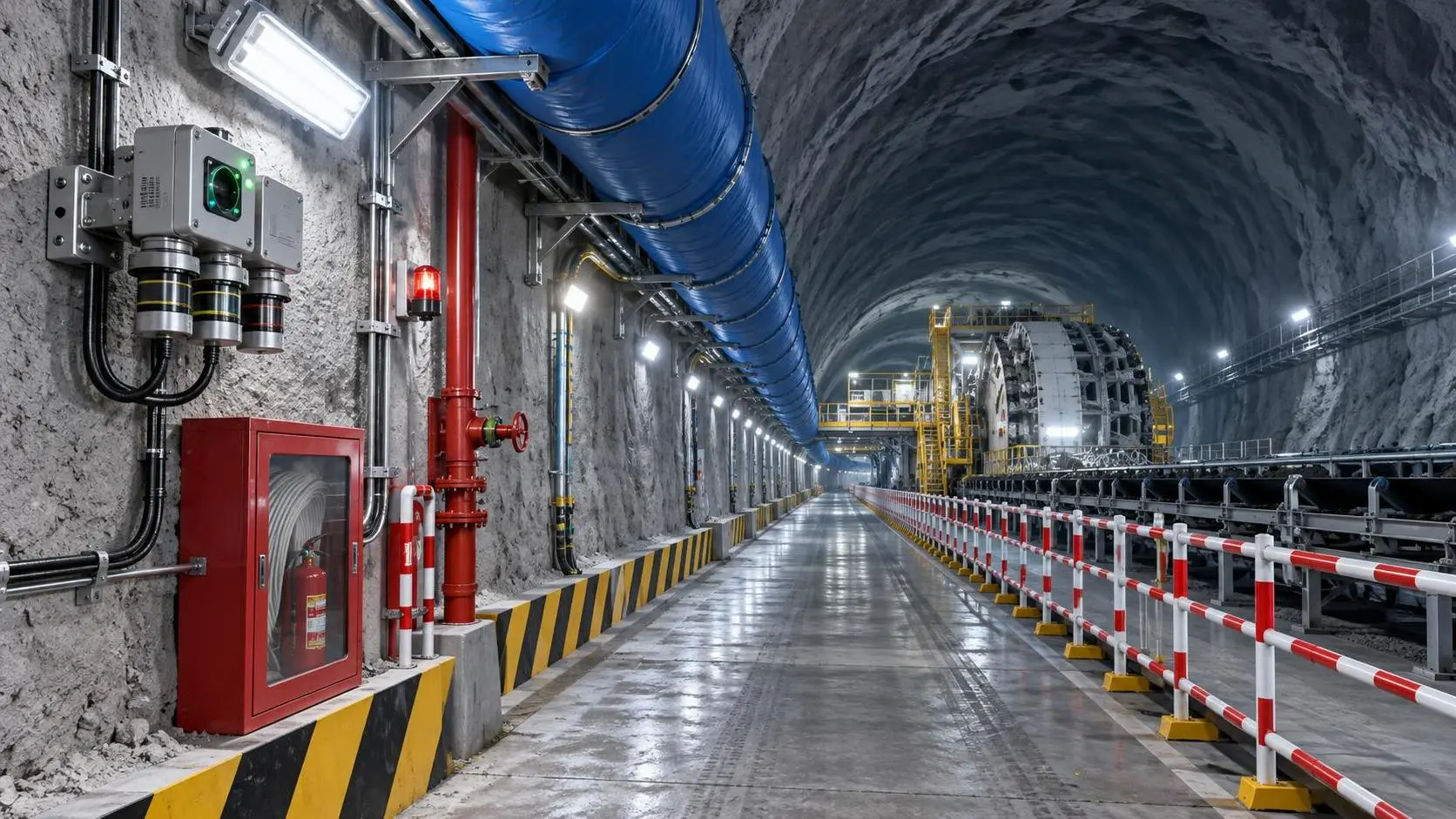
How to Select Underground Safety Equipment for Tunnelling by Hazard and Work Zone
Underground Safety Equipment for tunnelling: match protection to hazards, work zones, compliance, and emergency needs with this practical selection guide.
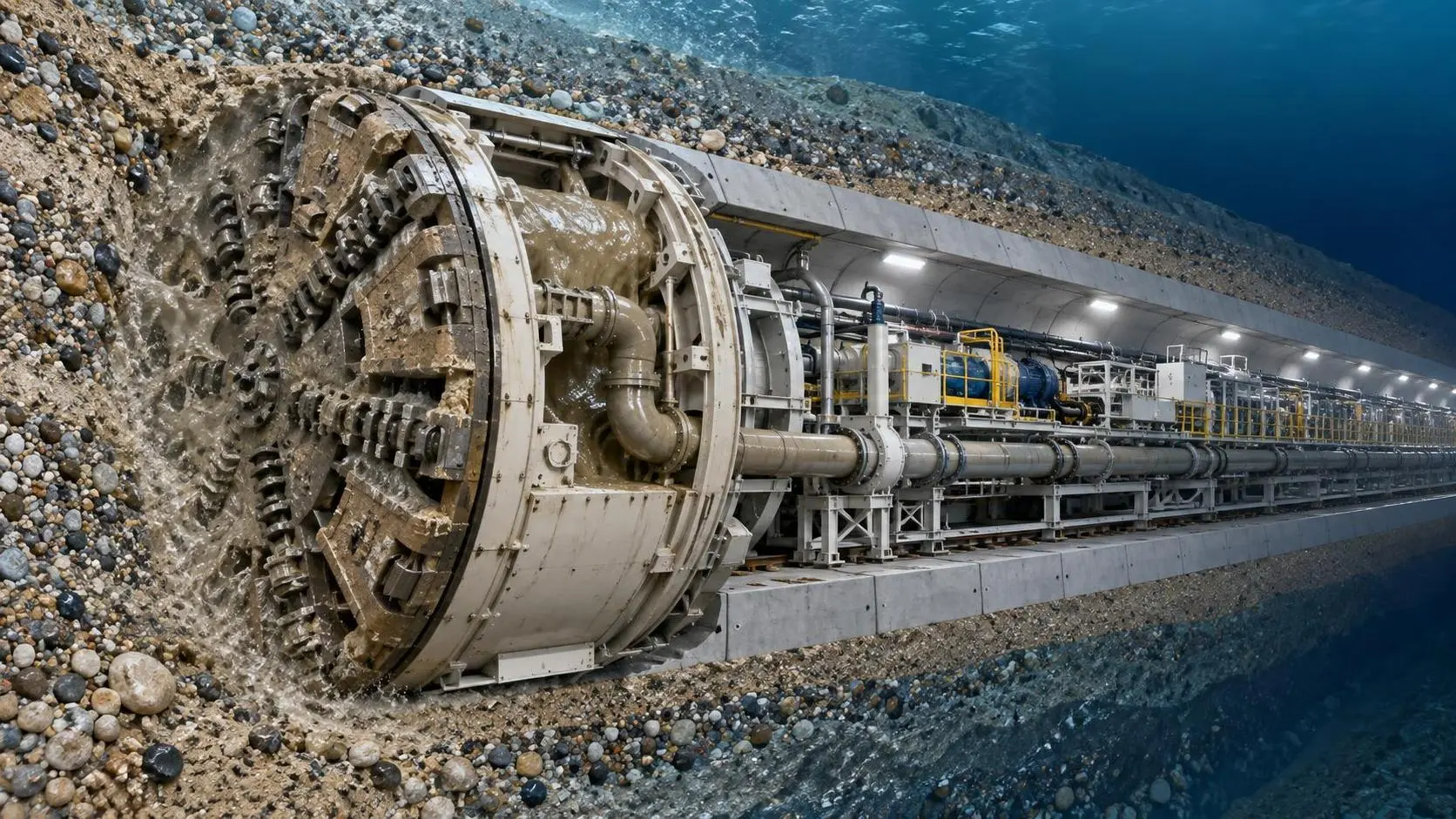
EPB or Slurry Shield? Selecting Soft-Ground Tunnelling Equipment by Soil Conditions
Tunnel Excavation Equipment for soft ground: compare EPB and slurry shields by soil, groundwater, settlement risk, and project logistics to choose confidently.
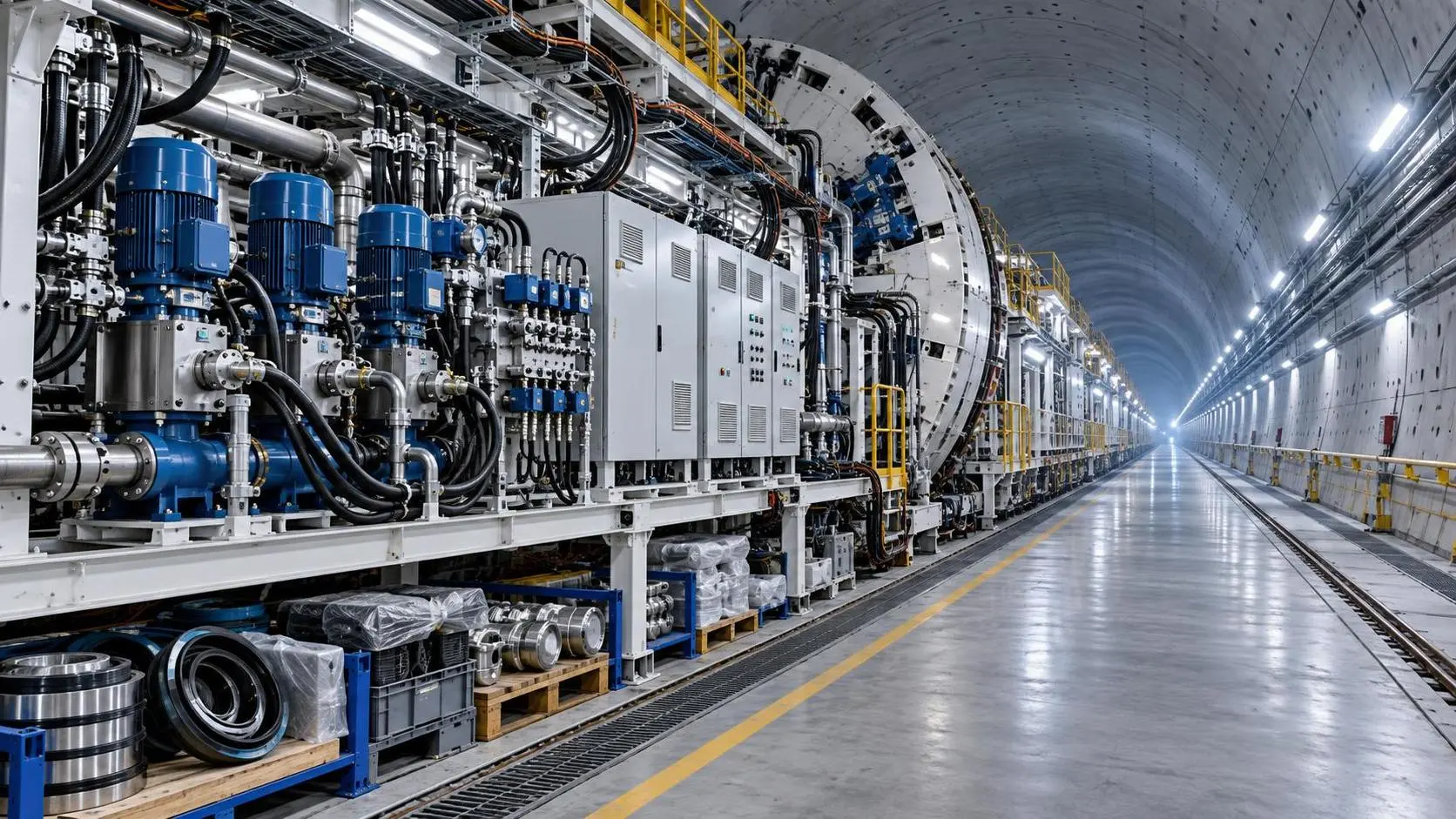
How to Specify TBM Backup System Parts for Reliable Long-Distance Tunnelling
TBM backup system parts: learn how to specify reliable spares for long-distance tunnelling, reduce downtime, ensure compatibility, and speed underground recovery.
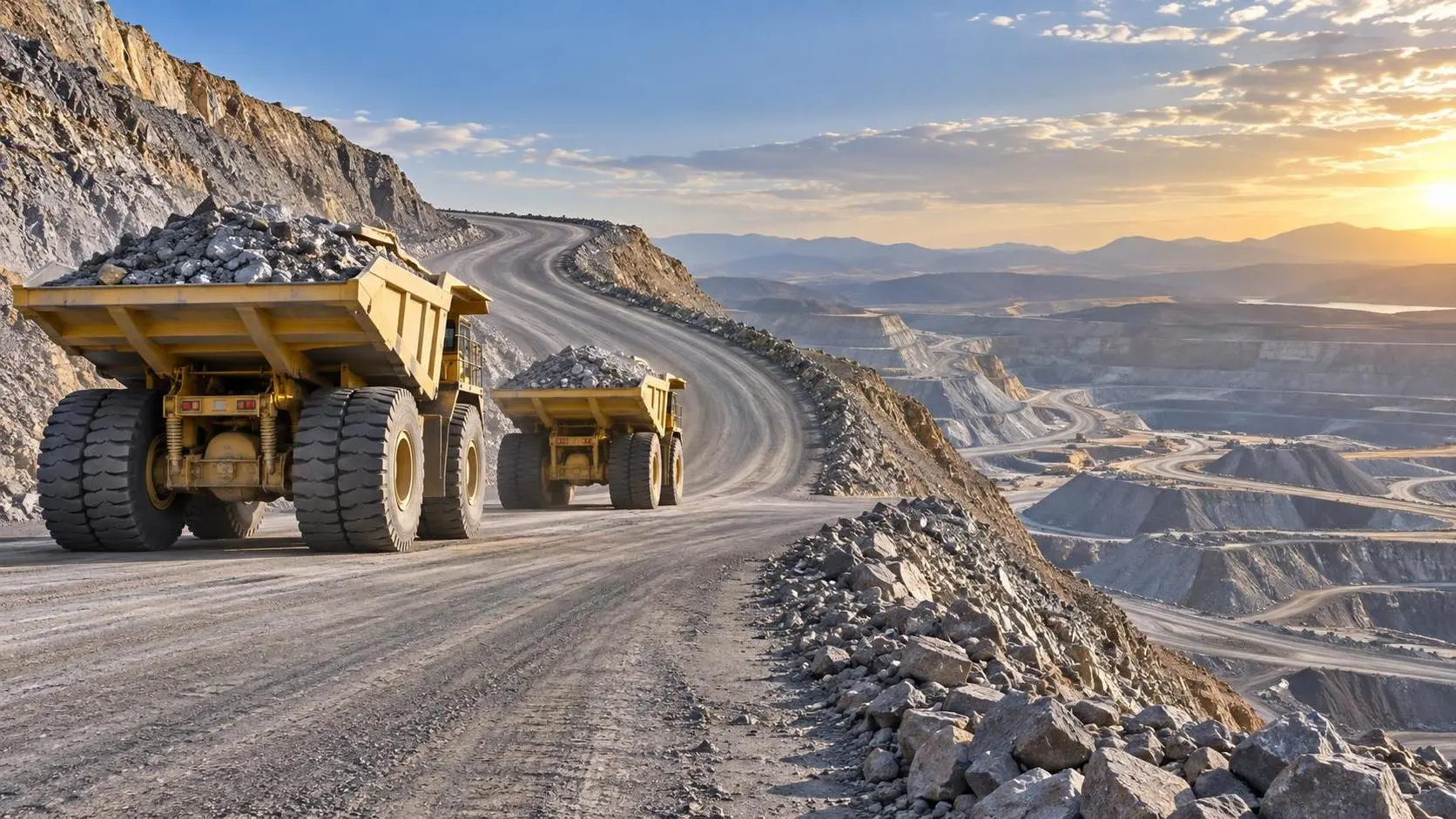
How to Size Open Pit Mining Trucks for Haul Distance, Grade, and Payload?
Open Pit Mining Trucks: learn how to match payload, haul distance, grade, road resistance, and loading capacity for safer, lower-cost mine operations.
Related News
- 00
0000-00
How to Evaluate European Drill-and-Blast Tunnelling Contractors for Complex Projects - 00
0000-00
Which Trenchless Construction Technique Fits Your Utility Crossing Conditions? - 00
0000-00
What Is Driving Metro Tunnelling Demand Across Southeast Asia’s Major Cities? - 00
0000-00
Hard Rock Tunnelling in Australia: Selecting Methods for Variable Ground Conditions - 00
0000-00
Hydropower Tunnel Excavation: Selecting Methods for Variable Rock Conditions
Weekly Insights
Stay ahead with our curated technology reports delivered every Monday.