
US Tariff Move on Brazil Opens EV/Hydrogen Mining Truck Window





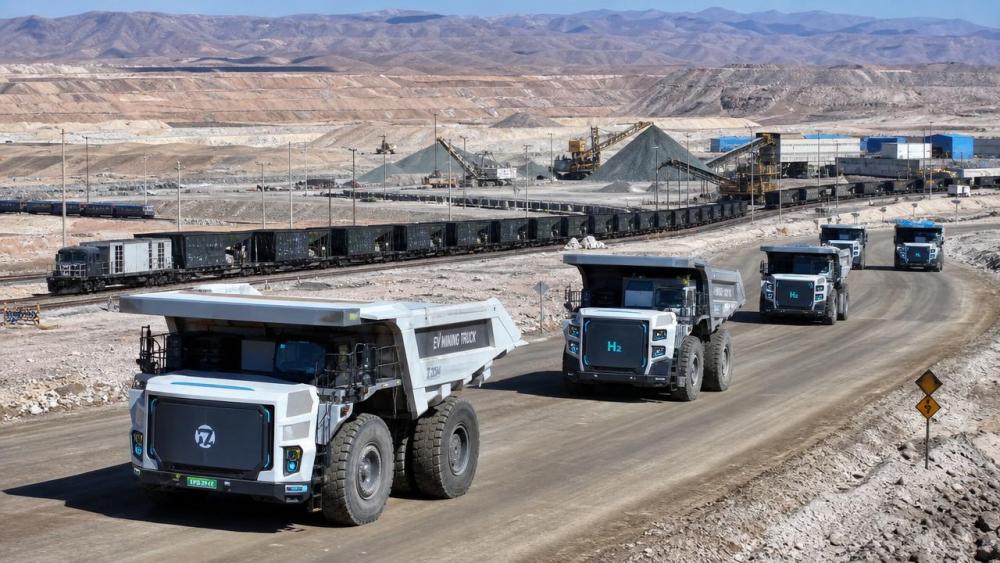
On June 3, 2026, a new trade development drew attention across mining equipment, cross-border manufacturing, and South American resource supply chains: the Office of the United States Trade Representative proposed a 25% tariff increase on Brazilian goods shipped to the US, affecting 21% of Brazil’s exports to that market. Brazil then moved to accelerate its eastward reorientation, including faster progress on a bi-oceanic railway and expanded lithium and copper mining. For companies watching EV and hydrogen mining trucks, the importance of this development lies less in the tariff headline itself and more in the possibility that newly developed mines in South America may generate more immediate replacement demand outside the US market context.
What has been confirmed so far
The confirmed facts are limited but clear. In early June, the Office of the United States Trade Representative proposed adding a 25% tariff on Brazilian products exported to the US, covering 21% of Brazil’s export value to that market. Following that move, Brazil initiated an eastward-oriented response strategy, accelerating the construction of a bi-oceanic railway and expanding lithium and copper resource development. Based on the event summary provided, this shift is directly associated with stronger rigid procurement demand from newly built mines in South America for EV and hydrogen mining trucks.
Where the impact may emerge across the chain
Mining project developers may face a more urgent fleet planning cycle
From an industry perspective, mining project owners and developers are among the first groups that may feel the effect. If rail connectivity and mineral development move forward in parallel, vehicle procurement may become tied more closely to early-stage mine construction and operating plans. The key business impact would likely appear in equipment selection, delivery scheduling, and the balance between conventional and new-energy haulage solutions.
Mining truck manufacturers may see a non-US export opening
Analysis shows that manufacturers of EV and hydrogen mining trucks may view this as a market-opening signal rather than a guaranteed order outcome. The event summary points to a non-US substitution window, especially where new South American mines create demand that is operationally necessary rather than optional. The practical implication is not simply higher interest, but the need to assess whether product configurations, delivery capability, and after-sales readiness match mining project timelines.
Supply chain and service partners may need to prepare earlier
Suppliers, logistics coordinators, and local service support providers may also be affected. If procurement demand shifts toward newly developed mining areas, the pressure points are likely to appear in documentation, fulfillment cycles, spare-parts planning, and service coordination. What deserves closer attention is whether project progress and equipment demand move at the same pace, because that will shape real order conversion and deployment timing.
What companies should monitor now
Separate policy signaling from executable demand
Companies should distinguish between a trade-policy trigger and actual mine-level procurement execution. The tariff proposal and Brazil’s strategic response form a policy and infrastructure signal, but commercial demand will depend on how quickly mining expansion translates into purchasing processes for EV and hydrogen mining trucks.
Focus on lithium and copper-linked equipment opportunities
Because the summary specifically mentions expanded lithium and copper mining, enterprises should pay attention to whether their target products align with the operating conditions and purchasing needs of newly built mines tied to those resources. This is a more useful commercial filter than treating all South American mining demand as uniform.
Review delivery, qualification, and documentation readiness
For exporters and equipment suppliers, current priorities likely include customer-facing technical documents, supplier qualification materials, delivery lead-time planning, and contract execution readiness. If demand emerges quickly around new mines, operational preparedness may matter as much as price discussions.
Track official language and implementation changes closely
Observably, the wording of official trade measures and follow-up policy communication will remain important. Companies should monitor whether subsequent statements alter the scope, pace, or practical effect of the proposed tariff move and Brazil’s response, because those details may influence customer confidence and procurement timing.
Why this matters beyond a single tariff proposal
Analysis shows that this development is better understood as an industry signal with directional value rather than a finalized market outcome. The event suggests that trade friction can reshape where mining investment momentum and equipment demand appear, especially when resource development and transport infrastructure are accelerated together. For the EV and hydrogen mining truck segment, the core takeaway is that demand may emerge through non-US channels linked to new mine construction, not merely through traditional trade routes.
How the market should read this development
At this stage, it is more appropriate to understand the news as a watchpoint for export substitution and mining-equipment demand reallocation. The confirmed facts indicate a tariff proposal, a Brazilian strategic response, and a potential increase in rigid procurement demand from new South American mines. However, the scale, timing, and conversion of that demand into actual business remain subject to further observation. For industry participants, the value of this update lies in identifying where demand could form next and preparing accordingly without overstating certainty.
Basis of this article and follow-up verification
This article is based on the user-provided news title, event date, and event summary. For this type of industry development, relevant source categories usually include official government announcements, company disclosures, industry association releases, authoritative media reporting, and standard-setting or sectoral reference documents. No specific official source link was provided in the input, so further verification is still necessary. Follow-up attention should remain on any official updates to the US tariff proposal, Brazil’s policy communication, progress related to the bi-oceanic railway, and signals that mining expansion is translating into actual procurement activity for EV and hydrogen mining trucks.
Related News
How to Evaluate European Drill-and-Blast Tunnelling Contractors for Complex Projects
Drill and blast tunnelling contractors Europe: learn how to assess geology expertise, blast control, equipment reliability, safety, and programme resilience for complex projects.
Which Trenchless Construction Technique Fits Your Utility Crossing Conditions?
Trenchless construction techniques compared for utility crossings: choose HDD, microtunnelling, pipe jacking, or auger boring based on ground, accuracy, access, and risk.
What Is Driving Metro Tunnelling Demand Across Southeast Asia’s Major Cities?
Metro tunnelling Southeast Asia is accelerating as major cities tackle congestion, flooding, and connectivity. Explore the market forces, technical risks, and opportunities shaping demand.
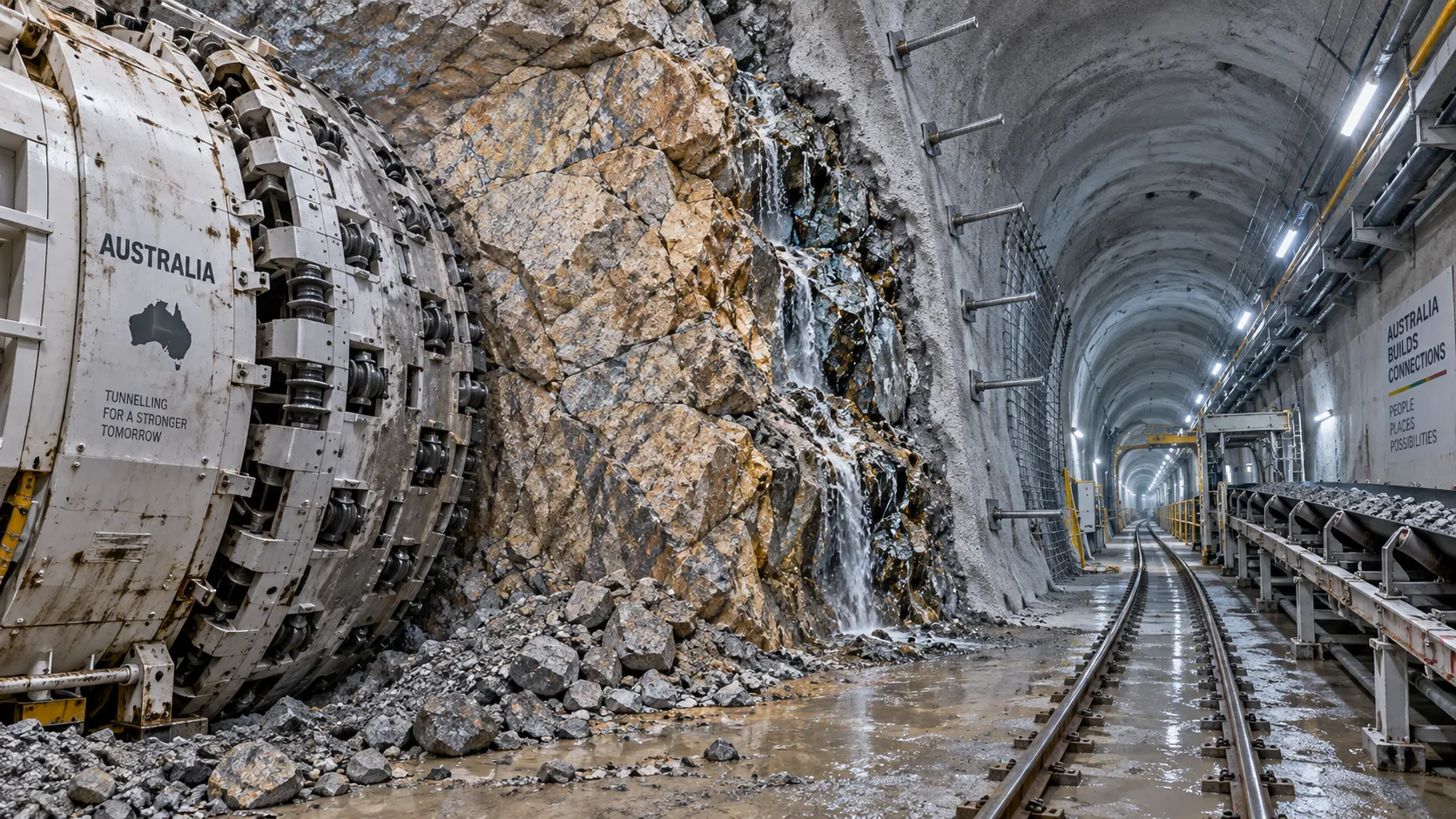
Hard Rock Tunnelling in Australia: Selecting Methods for Variable Ground Conditions
Hard rock tunnelling in Australia: compare TBM, drill-and-blast and hybrid methods to manage variable ground, reduce risk and protect project costs.
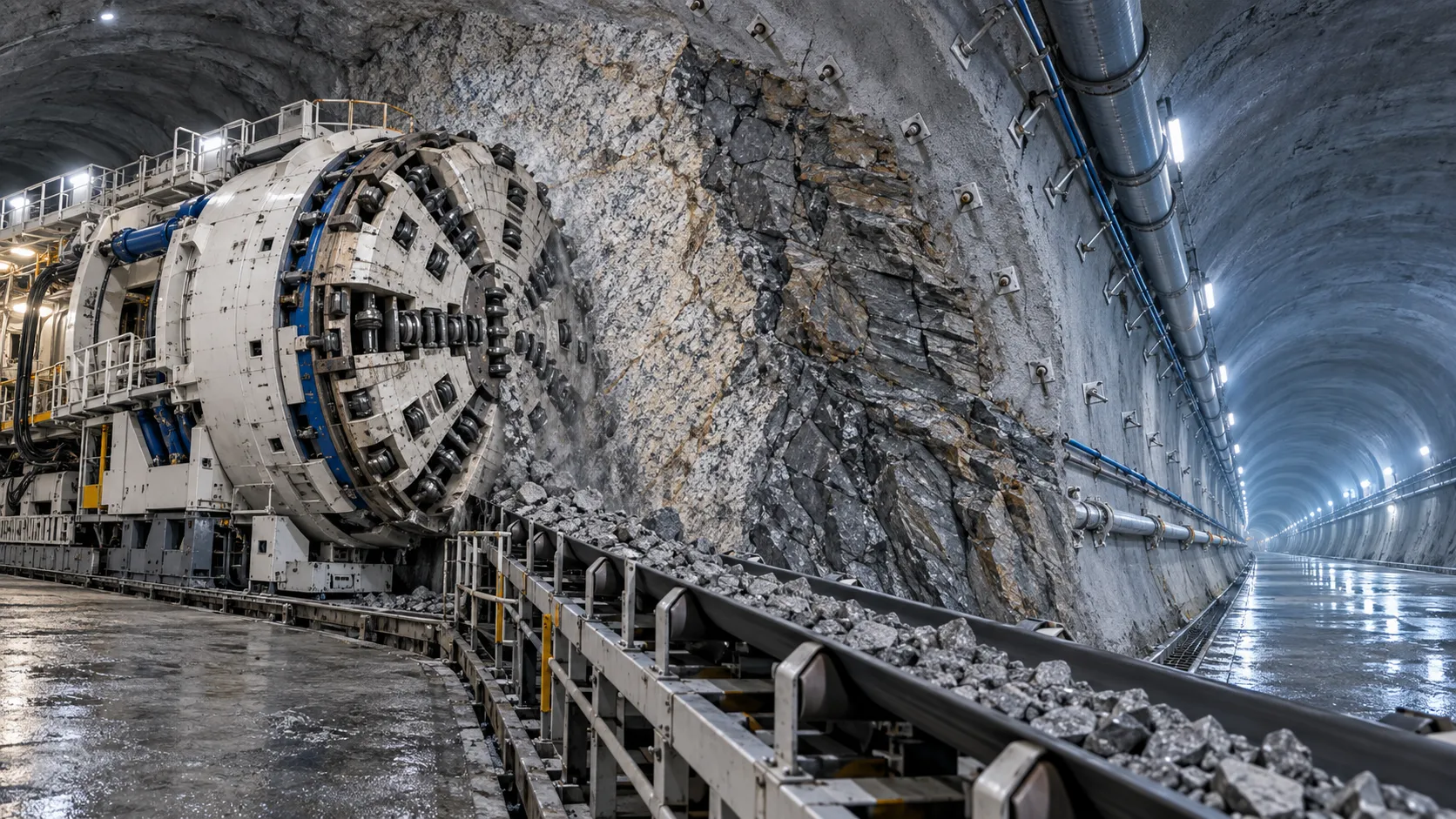
Hydropower Tunnel Excavation: Selecting Methods for Variable Rock Conditions
Hydropower tunnel excavation methods for variable rock conditions: compare TBM, drill-and-blast, and hybrid strategies to improve safety, progress, and project control.
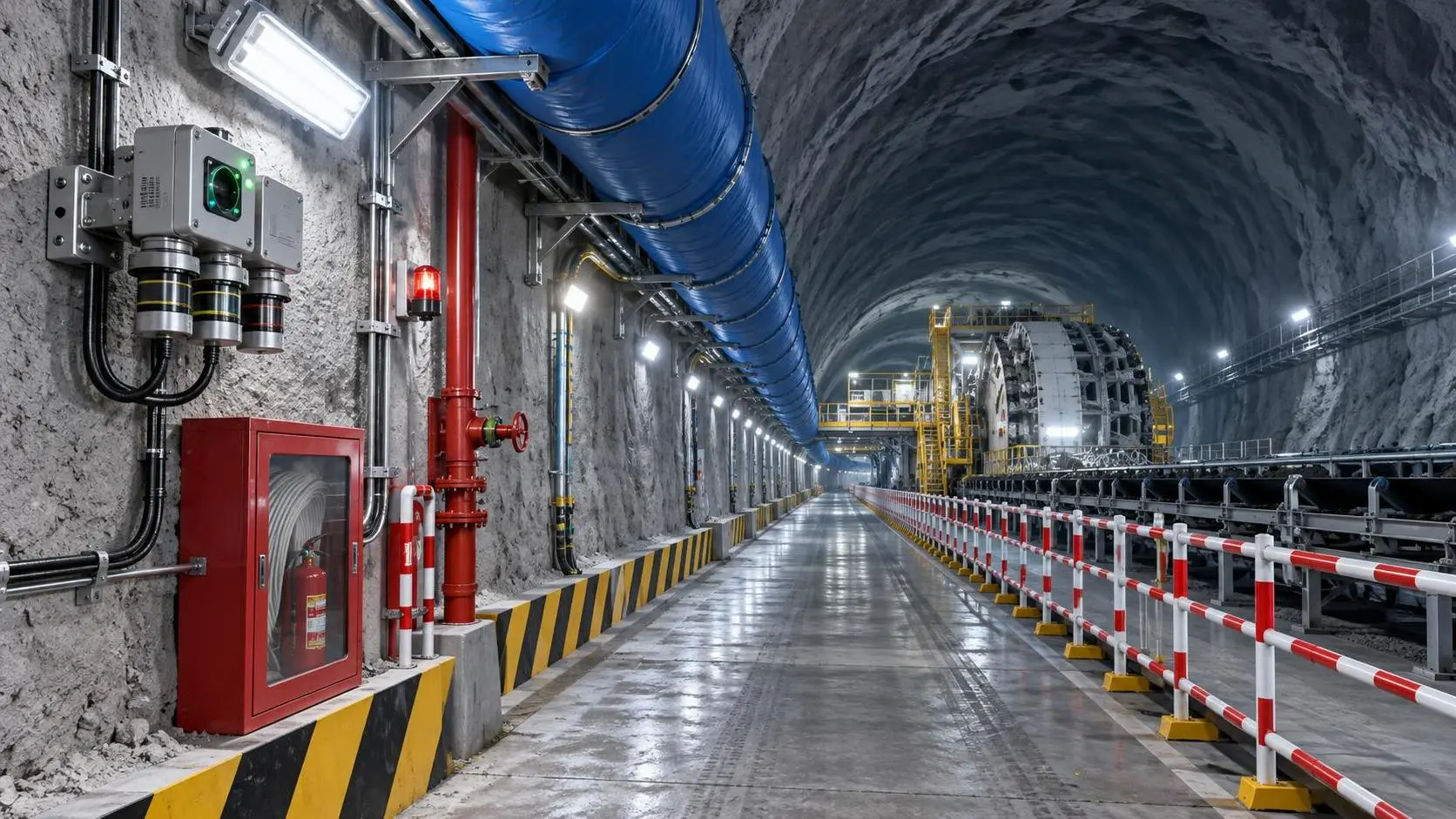
How to Select Underground Safety Equipment for Tunnelling by Hazard and Work Zone
Underground Safety Equipment for tunnelling: match protection to hazards, work zones, compliance, and emergency needs with this practical selection guide.
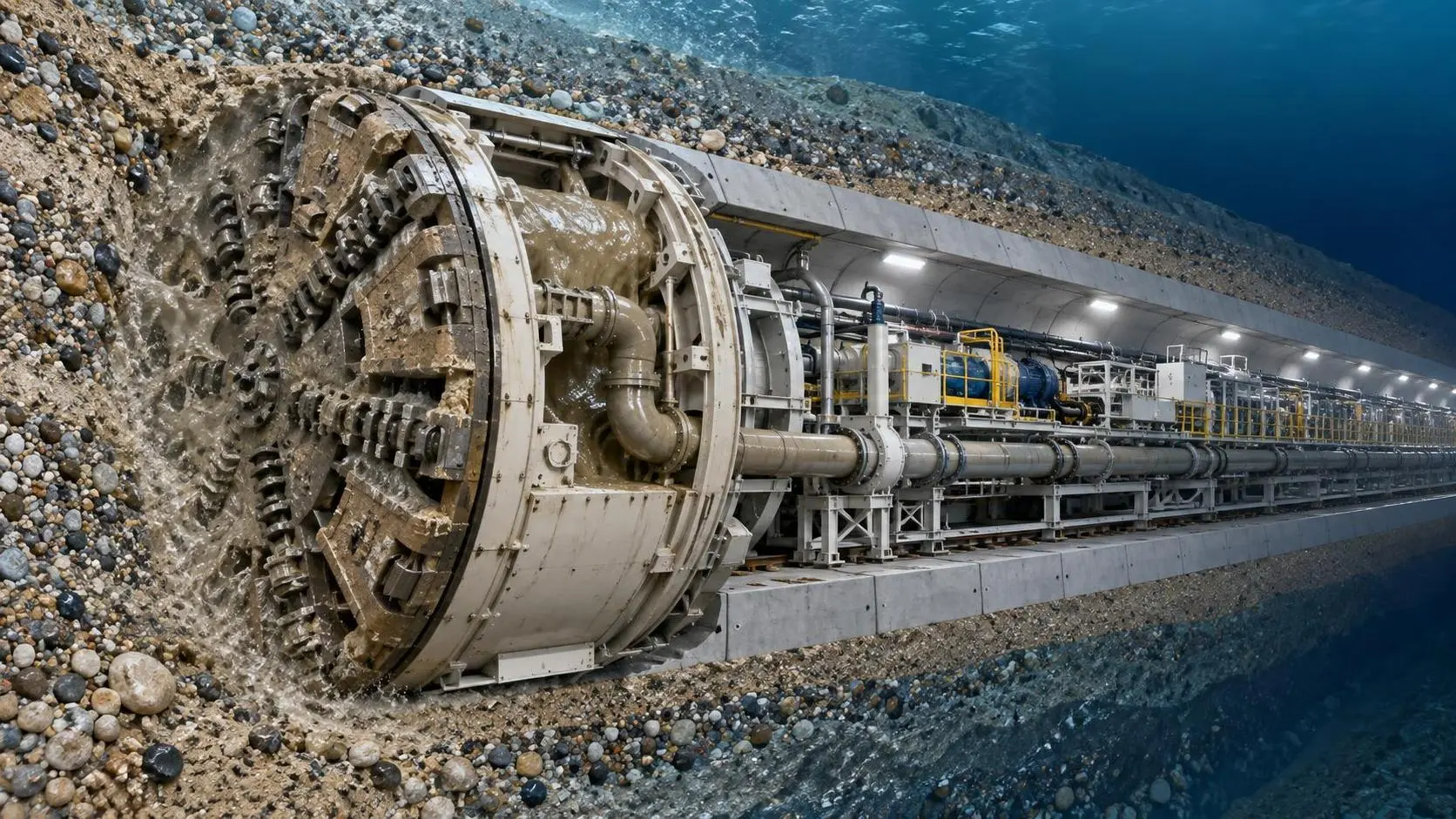
EPB or Slurry Shield? Selecting Soft-Ground Tunnelling Equipment by Soil Conditions
Tunnel Excavation Equipment for soft ground: compare EPB and slurry shields by soil, groundwater, settlement risk, and project logistics to choose confidently.
How to Specify TBM Backup System Parts for Reliable Long-Distance Tunnelling
TBM backup system parts: learn how to specify reliable spares for long-distance tunnelling, reduce downtime, ensure compatibility, and speed underground recovery.
How to Size Open Pit Mining Trucks for Haul Distance, Grade, and Payload?
Open Pit Mining Trucks: learn how to match payload, haul distance, grade, road resistance, and loading capacity for safer, lower-cost mine operations.
Related News
- 00
0000-00
How to Evaluate European Drill-and-Blast Tunnelling Contractors for Complex Projects - 00
0000-00
Which Trenchless Construction Technique Fits Your Utility Crossing Conditions? - 00
0000-00
What Is Driving Metro Tunnelling Demand Across Southeast Asia’s Major Cities? - 00
0000-00
Hard Rock Tunnelling in Australia: Selecting Methods for Variable Ground Conditions - 00
0000-00
Hydropower Tunnel Excavation: Selecting Methods for Variable Rock Conditions
Weekly Insights
Stay ahead with our curated technology reports delivered every Monday.