
What Slows Mining Truck Electrification in 2026?





Mining Truck Electrification is moving from ESG ambition to capital-allocation reality, yet 2026 will still expose hard constraints across battery performance, charging infrastructure, haul-road duty cycles, grid capacity, and total cost of ownership.
The key question is no longer whether electric haulage will reshape mining.
It is which barriers slow deployment, fleet replacement, supplier selection, and long-term productivity.
What Slows Mining Truck Electrification in 2026?
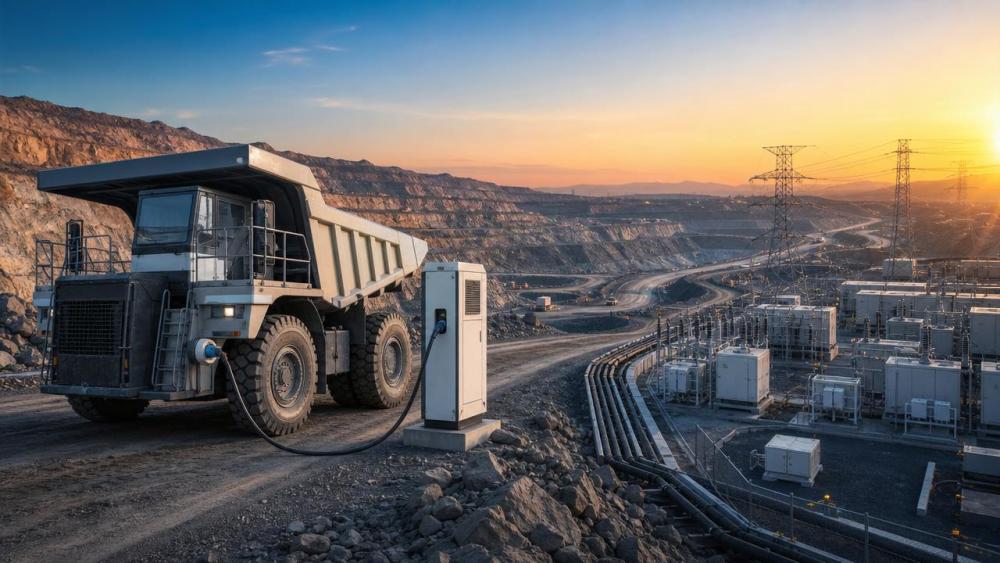
Mining Truck Electrification touches engineering, power systems, automation, maintenance, and mine economics at the same time.
That complexity makes 2026 a decisive screening year for open-pit and underground-adjacent haulage investments.
Electric mining trucks promise lower diesel exposure, reduced ventilation pressure, and better regenerative braking on downhill routes.
However, the transition slows when battery capability, charging windows, road geometry, and grid readiness do not align.
Why Checklist-Based Evaluation Matters
Mining Truck Electrification cannot be judged only by truck specifications or battery size.
A high-payload vehicle may still fail commercially if charging time disrupts dispatch rhythms.
A mine with excellent ESG targets may still delay deployment if substations or power contracts are underdeveloped.
Checklist-based evaluation forces every assumption into operational evidence.
It also prevents pilot projects from hiding weak economics behind limited operating hours.
For UTMD’s underground and mining intelligence perspective, the central issue is system reliability.
Electric haulage only creates value when trucks, chargers, software, roads, and power assets work as one production system.
Core Checklist for Mining Truck Electrification Readiness
Use this checklist before confirming 2026 procurement, pilot scale-up, or mine-site infrastructure spending.
- Map every haul cycle with grade, distance, payload, queue time, and idle time before comparing electric truck energy consumption.
- Model battery degradation under heat, dust, vibration, fast charging, and high-power regenerative braking, not just laboratory cycle life.
- Calculate charging demand by shift pattern, not nameplate charger capacity, to expose congestion during maintenance and blasting windows.
- Verify grid connection lead times, substation upgrades, power quality risks, and peak-demand charges before setting fleet delivery dates.
- Compare trolley assist, static charging, dynamic charging, and battery swapping against actual road geometry and dispatch constraints.
- Require supplier evidence from similar payload classes, climate conditions, gradients, and daily utilization targets before accepting performance claims.
- Stress-test total cost of ownership with electricity tariffs, battery replacement, charger maintenance, downtime, and residual value uncertainty.
- Check digital integration between fleet management systems, energy management software, autonomous dispatch, and maintenance planning platforms.
- Plan emergency recovery for depleted vehicles, charger faults, thermal events, communication loss, and blocked haul roads.
- Define measurable success gates, including tonnes moved, energy per tonne, availability, charging compliance, and diesel displacement.
This checklist turns Mining Truck Electrification from a branding decision into a production-risk decision.
It also clarifies whether delay comes from technology limits, site design, or commercial uncertainty.
Battery Performance Remains the First Bottleneck
Battery energy density is improving, but mining duty cycles remain unusually harsh.
Heavy payloads, steep ramps, abrasive roads, and extreme ambient temperatures compress theoretical operating range.
Mining Truck Electrification slows when batteries cannot support full-shift availability without excessive fast charging.
Fast charging can protect production schedules, but it may accelerate thermal stress and cell aging.
Battery replacement timing then becomes a major uncertainty in total cost of ownership.
The practical question is not maximum range.
The practical question is predictable energy delivery across thousands of repetitive, high-load cycles.
Charging Infrastructure Can Delay Fleet Scale-Up
Chargers are not simple accessories in electric mine haulage.
They are production assets that must match dispatch logic, road layout, and maintenance windows.
Mining Truck Electrification slows when charging stations create queues near crushers, workshops, or pit exits.
Poor charger placement can turn a promising pilot into a productivity penalty.
Static fast charging suits some mines, especially where predictable breaks are already built into operations.
Trolley assist can improve uphill energy efficiency, but it requires route stability and overhead infrastructure discipline.
Battery swapping may reduce waiting time, yet it adds inventory, robotics, and safety-management complexity.
Infrastructure Questions to Resolve Early
- Locate chargers where trucks naturally stop, avoiding detours that increase unproductive travel and operator fatigue.
- Reserve electrical space for future fleet growth, even when the first phase includes only limited pilot trucks.
- Protect chargers from rockfall, flooding, collision risk, dust accumulation, and high-pressure cleaning damage.
Grid Capacity Is a Commercial Constraint
Many mine sites were designed around diesel logistics, not high-power electricity distribution.
Mining Truck Electrification can require new substations, transformers, switchgear, cables, and load-management systems.
These upgrades may take longer than truck manufacturing lead times.
In remote regions, power supply agreements can become the slowest part of the electrification schedule.
Peak charging can also increase demand charges and weaken the expected operating-cost advantage.
Smart charging, energy storage, renewables, and demand forecasting reduce pressure, but they need early design coordination.
Without grid readiness, Mining Truck Electrification remains a staged experiment rather than a fleet-wide replacement program.
Scenario Notes for Different Mining Applications
Open-Pit Copper and Iron Ore Operations
Large open pits often have long downhill hauls, making regenerative braking attractive.
However, payloads are high, roads are long, and fleet utilization expectations are strict.
Mining Truck Electrification here depends on matching battery capacity with cycle intensity and crusher-side congestion.
Trolley assist may provide strong value on repeated uphill segments.
Energy Metals and ESG-Driven Expansion
Lithium, nickel, and copper projects face stronger pressure to reduce embedded carbon.
Electric haulage can support financing narratives, permitting, and customer decarbonization requirements.
Still, Mining Truck Electrification must prove production resilience, not only sustainability alignment.
New projects should design electrified haulage corridors before finalizing pit sequencing.
Underground-Linked Transport Systems
Underground mines already value zero-exhaust equipment because ventilation is expensive and safety critical.
Although haul trucks differ from LHD loaders, the same energy discipline applies.
Charging location, thermal control, emergency access, and communication coverage determine practical reliability.
Mining Truck Electrification benefits from lessons learned in battery-electric underground loading fleets.
Commonly Overlooked Risks
Battery warranty mismatch: Warranty terms may exclude extreme duty cycles, high temperatures, or aggressive charging profiles commonly found in mines.
Road maintenance impact: Poor haul-road condition increases rolling resistance, energy use, tire damage, and suspension stress for electric haul trucks.
Software integration gaps: Energy management systems must communicate with dispatch, maintenance, autonomy, and site power-control tools.
Operator transition risk: Regenerative braking, charging discipline, and energy-aware driving require structured training and new performance metrics.
Supply chain exposure: Battery cells, power electronics, high-voltage components, and charger spares can create new inventory vulnerabilities.
Residual value uncertainty: Secondary markets for large electric mining trucks remain immature, affecting finance models and replacement planning.
Execution Recommendations for 2026 Decisions
- Start with one representative haul route, then validate energy models using real payload, grade, weather, and queuing data.
- Run parallel diesel and electric productivity comparisons across full shifts, not controlled demonstrations or supplier showcase events.
- Build a phased charger plan that supports pilots, expansion, maintenance redundancy, and emergency operating continuity.
- Link supplier selection to data access, battery warranty clarity, remote diagnostics, and proven high-voltage service capability.
- Create a financial model with conservative battery life, realistic electricity pricing, downtime cost, and infrastructure depreciation.
- Coordinate electrification planning with autonomous haulage, pit design, renewable power, and long-term mine scheduling.
These actions help separate practical Mining Truck Electrification pathways from optimistic equipment brochures.
They also give capital committees clearer evidence for staged investment decisions.
Conclusion and Next Action
Mining Truck Electrification will advance in 2026, but it will not advance evenly across every mine.
The main delays will come from battery endurance, charging design, grid readiness, road profiles, and uncertain lifecycle economics.
The strongest projects will treat electrification as a mine-system redesign, not a truck substitution.
The next step is to audit one target haulage route against the readiness checklist.
Then compare pilot evidence with production targets, infrastructure lead times, and fleet replacement windows.
That disciplined approach turns Mining Truck Electrification into a controlled productivity strategy instead of a delayed sustainability promise.
Related News
How to Evaluate European Drill-and-Blast Tunnelling Contractors for Complex Projects
Drill and blast tunnelling contractors Europe: learn how to assess geology expertise, blast control, equipment reliability, safety, and programme resilience for complex projects.
Which Trenchless Construction Technique Fits Your Utility Crossing Conditions?
Trenchless construction techniques compared for utility crossings: choose HDD, microtunnelling, pipe jacking, or auger boring based on ground, accuracy, access, and risk.
What Is Driving Metro Tunnelling Demand Across Southeast Asia’s Major Cities?
Metro tunnelling Southeast Asia is accelerating as major cities tackle congestion, flooding, and connectivity. Explore the market forces, technical risks, and opportunities shaping demand.
Hard Rock Tunnelling in Australia: Selecting Methods for Variable Ground Conditions
Hard rock tunnelling in Australia: compare TBM, drill-and-blast and hybrid methods to manage variable ground, reduce risk and protect project costs.
Hydropower Tunnel Excavation: Selecting Methods for Variable Rock Conditions
Hydropower tunnel excavation methods for variable rock conditions: compare TBM, drill-and-blast, and hybrid strategies to improve safety, progress, and project control.
How to Select Underground Safety Equipment for Tunnelling by Hazard and Work Zone
Underground Safety Equipment for tunnelling: match protection to hazards, work zones, compliance, and emergency needs with this practical selection guide.
EPB or Slurry Shield? Selecting Soft-Ground Tunnelling Equipment by Soil Conditions
Tunnel Excavation Equipment for soft ground: compare EPB and slurry shields by soil, groundwater, settlement risk, and project logistics to choose confidently.
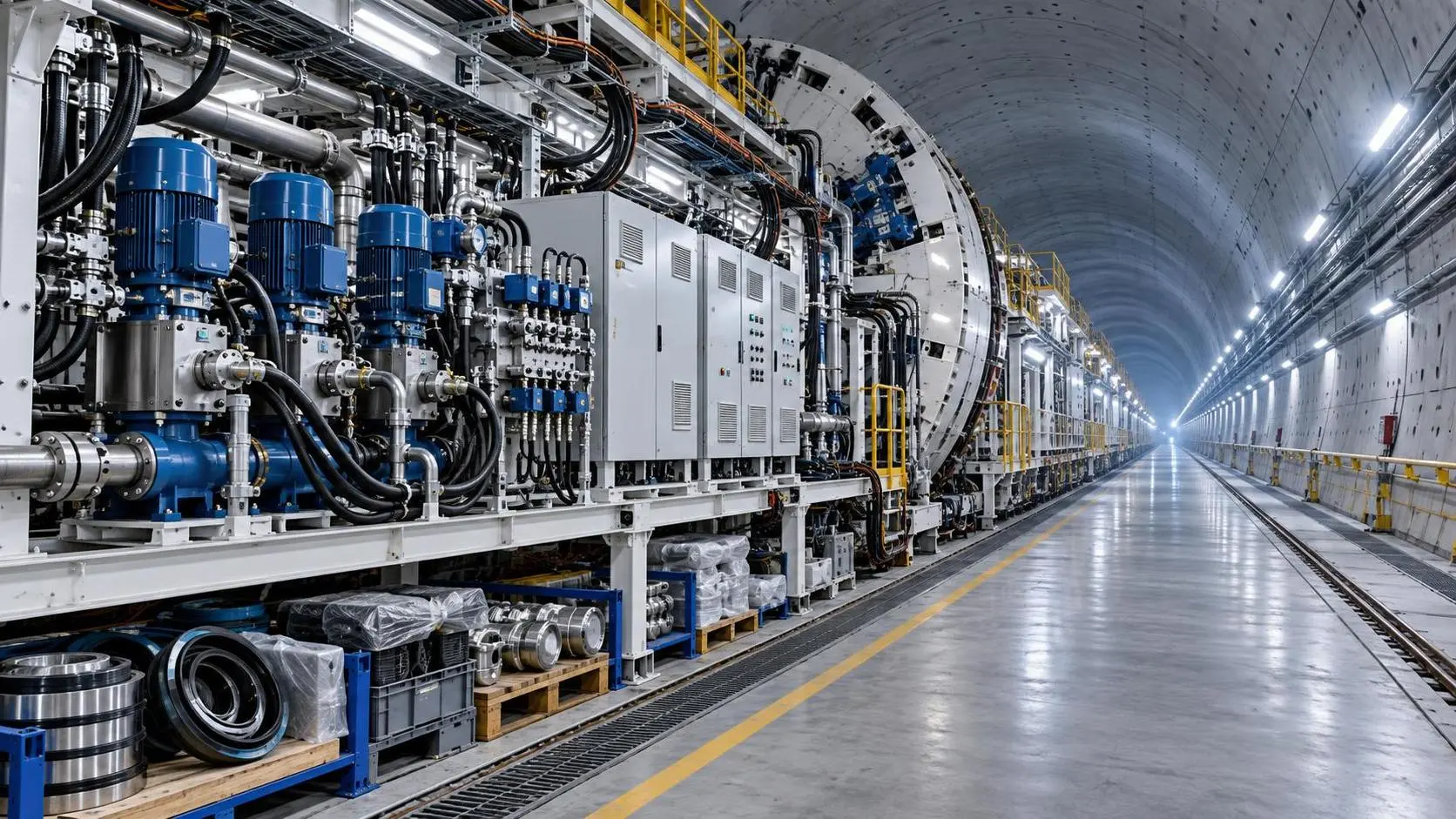
How to Specify TBM Backup System Parts for Reliable Long-Distance Tunnelling
TBM backup system parts: learn how to specify reliable spares for long-distance tunnelling, reduce downtime, ensure compatibility, and speed underground recovery.
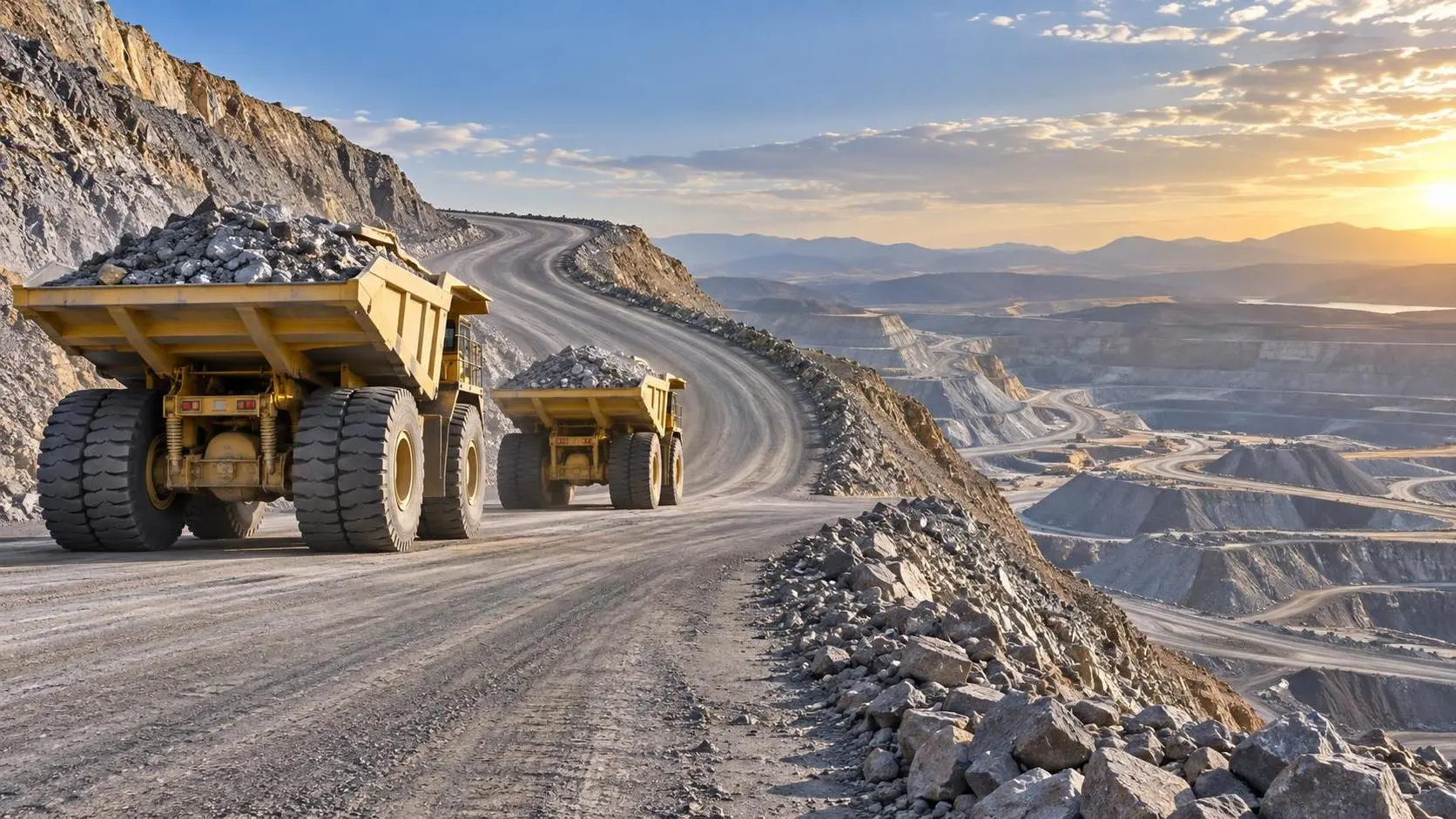
How to Size Open Pit Mining Trucks for Haul Distance, Grade, and Payload?
Open Pit Mining Trucks: learn how to match payload, haul distance, grade, road resistance, and loading capacity for safer, lower-cost mine operations.
Related News
- 00
0000-00
How to Evaluate European Drill-and-Blast Tunnelling Contractors for Complex Projects - 00
0000-00
Which Trenchless Construction Technique Fits Your Utility Crossing Conditions? - 00
0000-00
What Is Driving Metro Tunnelling Demand Across Southeast Asia’s Major Cities? - 00
0000-00
Hard Rock Tunnelling in Australia: Selecting Methods for Variable Ground Conditions - 00
0000-00
Hydropower Tunnel Excavation: Selecting Methods for Variable Rock Conditions
Weekly Insights
Stay ahead with our curated technology reports delivered every Monday.