
Does Regenerative Braking system for mining trucks pay?





For CFOs and capital approval teams, the question is no longer whether electrification is coming to haulage fleets, but whether each technology can defend its payback. A Regenerative Braking system for mining trucks promises to recover downhill energy, reduce brake wear, and improve total cost of ownership on demanding haul profiles. Yet the real business case depends on gradient, payload, duty cycle, energy pricing, maintenance data, and fleet utilization. This article examines where regenerative braking creates measurable financial value—and where the numbers may fall short.
Where Regenerative Braking Creates Financial Value
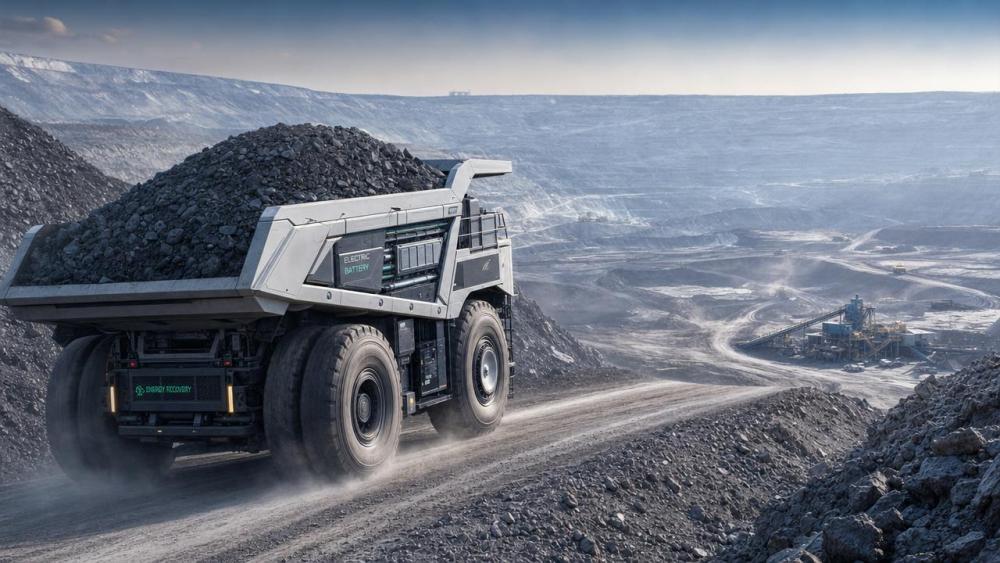
A Regenerative Braking system for mining trucks converts part of downhill kinetic energy into electrical energy, usually feeding a battery, capacitor, or trolley-assisted power architecture.
For finance teams, the key question is not technical elegance. It is whether recovered energy offsets capital cost within an acceptable period, often 3–6 years.
The haul profile matters more than the brochure
The strongest cases appear on long downhill loaded hauls, where trucks descend with 100–400 tonnes of payload and climb back lighter or empty.
A 6%–12% ramp over several kilometers creates more recoverable energy than short stop-start cycles on flat mine roads.
In open-pit copper, iron ore, lithium, and coal operations, the elevation difference between pit floor and crusher can dominate energy economics.
Three value pools CFOs should quantify
- Energy recovery: lower diesel burn, grid electricity demand, or battery charging frequency across 20–24 hour haulage schedules.
- Brake system savings: reduced friction brake heat, fewer retarder stress events, and longer component replacement intervals.
- Operational stability: more consistent downhill speed control, fewer thermal derates, and improved dispatch predictability.
The Regenerative Braking system for mining trucks becomes financially visible when these 3 value pools are measured together, not treated as isolated engineering benefits.
Why UTMD views this as a capital discipline issue
At UTMD, regenerative braking is analyzed alongside electrified haulage, autonomous dispatch, battery swapping, and underground zero-emission constraints.
The same financial logic applies across smart mines: the asset must deliver higher utilization, lower energy intensity, or lower maintenance exposure.
Building the Payback Model: Inputs That Change the Answer
A credible payback model for a Regenerative Braking system for mining trucks should start with site data, not generic fleet averages.
The minimum dataset normally covers 30–90 days of haul cycles, speed logs, payload records, grade maps, energy costs, and brake maintenance history.
Core variables for financial approval
The table below summarizes practical variables that usually determine whether recovered energy becomes material on the profit and loss statement.
The table shows why a Regenerative Braking system for mining trucks cannot be approved through equipment price alone.
A truck with a higher purchase price may still win if utilization, grade, and maintenance savings align over 40,000–60,000 lifecycle hours.
A simple payback structure
- Estimate recoverable energy per cycle from elevation change, payload, truck mass, and conversion efficiency.
- Apply a realistic efficiency range after drivetrain, battery, inverter, and thermal losses.
- Convert recovered energy into avoided diesel, electricity, or charging infrastructure cost.
- Add brake wear reduction, downtime avoidance, and cooling system savings where data supports them.
- Compare annual benefit against incremental capital cost, financing cost, and battery degradation impact.
For approval gates, finance teams should request low, base, and high cases rather than a single optimistic payback figure.
When the Numbers May Not Pay
A Regenerative Braking system for mining trucks is not automatically justified in every quarry, mine, or haul road design.
Flat routes, short cycle times, low utilization, and light payload variance can dilute the recovered energy below finance approval thresholds.
Common weak-case scenarios
- The truck travels downhill empty and climbs loaded, reversing the most favorable recovery pattern.
- The haul road has grades below 3% for most of the route, limiting available kinetic energy.
- Fleet availability is under target, so annual operating hours cannot absorb capital premiums.
- The mine has low-cost electricity but limited charging windows, creating infrastructure rather than energy bottlenecks.
In these cases, the investment may still support ESG reporting, ventilation reduction, or automation strategy, but payback needs separate justification.
Risks that distort ROI calculations
Battery condition, thermal management, driver behavior, road surface quality, and dispatch discipline can change actual recovery by meaningful margins.
A 10% modeling error in cycles, payload, or downhill speed can shift the payback year and affect investment ranking.
Do not ignore operational integration
Regenerative braking works best when connected to fleet management, speed governance, predictive maintenance, and power system planning.
If dispatch assigns trucks randomly across incompatible routes, the Regenerative Braking system for mining trucks may underperform its modeled business case.
Procurement Criteria for Capital Approval Teams
Procurement should translate engineering features into bankable requirements, using measurable acceptance criteria instead of broad sustainability language.
For a Regenerative Braking system for mining trucks, this means specifying data transparency, operating limits, service responsibilities, and warranty treatment.
Commercial and technical checklist
The following procurement matrix helps finance teams compare vendors without relying only on sales claims or high-level electrification narratives.
The matrix turns a Regenerative Braking system for mining trucks into a governed investment with measurable service levels and verifiable performance.
For large fleets, even a 2%–5% variance in actual energy recovery can materially affect annual savings and capital ranking.
Suggested approval gates
- Desktop screening using 12 months of route, payload, and maintenance data where available.
- Pilot route selection with clear baseline fuel, electricity, brake, and utilization metrics.
- 90–180 day monitored trial, covering dry, wet, hot, and high-production operating windows.
- Post-trial investment committee review, using audited data rather than estimated recovery curves.
This staged approach helps CFOs avoid both underinvestment and premature fleet-wide commitments before the mine-specific economics are proven.
Implementation: From Pilot Truck to Fleet Standard
Once approved, implementation should be treated as an operational transformation, not merely a component installation.
A Regenerative Braking system for mining trucks affects driver training, route planning, charging schedules, maintenance routines, and digital reporting.
Five practical deployment steps
- Map haul roads into grade segments, speed zones, braking zones, and power demand zones.
- Set baseline KPIs for kWh recovered, brake temperature events, cycle time, and availability.
- Train operators or autonomous control teams on smooth deceleration and route-specific braking behavior.
- Connect telematics to maintenance planning so anomalies trigger inspection within 24–72 hours.
- Review performance monthly and adjust dispatch rules as pit geometry changes.
These 5 steps help ensure recovered energy becomes recurring value rather than a dashboard metric disconnected from mine economics.
Maintenance and data governance
Maintenance teams should inspect electrical connectors, cooling loops, brake blending logic, software logs, and battery health at defined intervals.
For high-duty fleets, weekly exception reports and monthly trend reviews are more useful than annual retrospective analysis.
Finance teams should ask whether savings are calculated against a frozen baseline or updated as pit depth, road grade, and fleet mix change.
Alignment with wider mine electrification
The Regenerative Braking system for mining trucks is most compelling when aligned with battery-electric trucks, trolley assist, renewable power, and autonomous haulage.
For underground and deep open-pit operations, reduced heat and emissions can also support ventilation and ESG planning, though those benefits need separate accounting.
Decision Guidance for CFOs and Mine Owners
The answer to whether a Regenerative Braking system for mining trucks pays is conditional, but the conditions can be tested rigorously.
It is most likely to pay on long, steep, loaded downhill hauls with high annual utilization and meaningful brake maintenance costs.
Use a disciplined approval lens
- Approve faster when route geometry, payload direction, and energy price all support the base case.
- Request a pilot when operational data is incomplete or pit geometry will change within 12–24 months.
- Delay fleet-wide rollout when utilization, maintenance records, or charging infrastructure assumptions remain uncertain.
For capital approval teams, the best question is not “Does it work?” but “On which routes does it pay, and how do we verify it?”
How UTMD can support the business case
UTMD connects haulage technology intelligence with the financial realities of smart mines, mega infrastructure, and underground equipment transition.
Our perspective covers regenerative braking efficiency, EV mining truck deployment, LHD electrification, TBM engineering trends, and capital equipment replacement cycles.
If your team is evaluating a Regenerative Braking system for mining trucks, start with a route-level payback model and a measurable pilot design.
To benchmark assumptions, assess supplier claims, or structure a capital approval brief, contact UTMD to get a customized solution and discuss product details.
Related News

How to Evaluate European Drill-and-Blast Tunnelling Contractors for Complex Projects
Drill and blast tunnelling contractors Europe: learn how to assess geology expertise, blast control, equipment reliability, safety, and programme resilience for complex projects.

Which Trenchless Construction Technique Fits Your Utility Crossing Conditions?
Trenchless construction techniques compared for utility crossings: choose HDD, microtunnelling, pipe jacking, or auger boring based on ground, accuracy, access, and risk.

What Is Driving Metro Tunnelling Demand Across Southeast Asia’s Major Cities?
Metro tunnelling Southeast Asia is accelerating as major cities tackle congestion, flooding, and connectivity. Explore the market forces, technical risks, and opportunities shaping demand.

Hard Rock Tunnelling in Australia: Selecting Methods for Variable Ground Conditions
Hard rock tunnelling in Australia: compare TBM, drill-and-blast and hybrid methods to manage variable ground, reduce risk and protect project costs.

Hydropower Tunnel Excavation: Selecting Methods for Variable Rock Conditions
Hydropower tunnel excavation methods for variable rock conditions: compare TBM, drill-and-blast, and hybrid strategies to improve safety, progress, and project control.

How to Select Underground Safety Equipment for Tunnelling by Hazard and Work Zone
Underground Safety Equipment for tunnelling: match protection to hazards, work zones, compliance, and emergency needs with this practical selection guide.

EPB or Slurry Shield? Selecting Soft-Ground Tunnelling Equipment by Soil Conditions
Tunnel Excavation Equipment for soft ground: compare EPB and slurry shields by soil, groundwater, settlement risk, and project logistics to choose confidently.
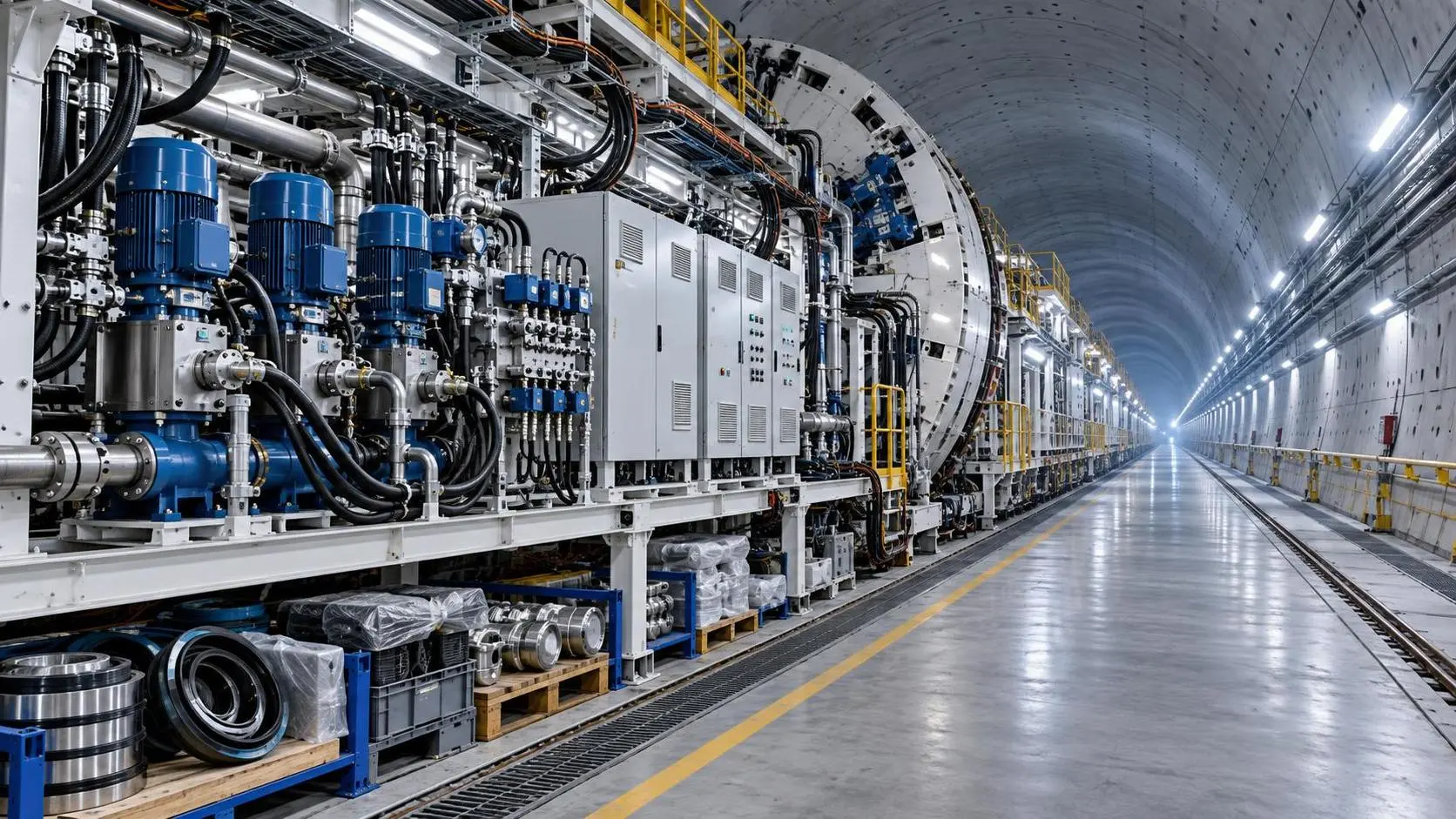
How to Specify TBM Backup System Parts for Reliable Long-Distance Tunnelling
TBM backup system parts: learn how to specify reliable spares for long-distance tunnelling, reduce downtime, ensure compatibility, and speed underground recovery.
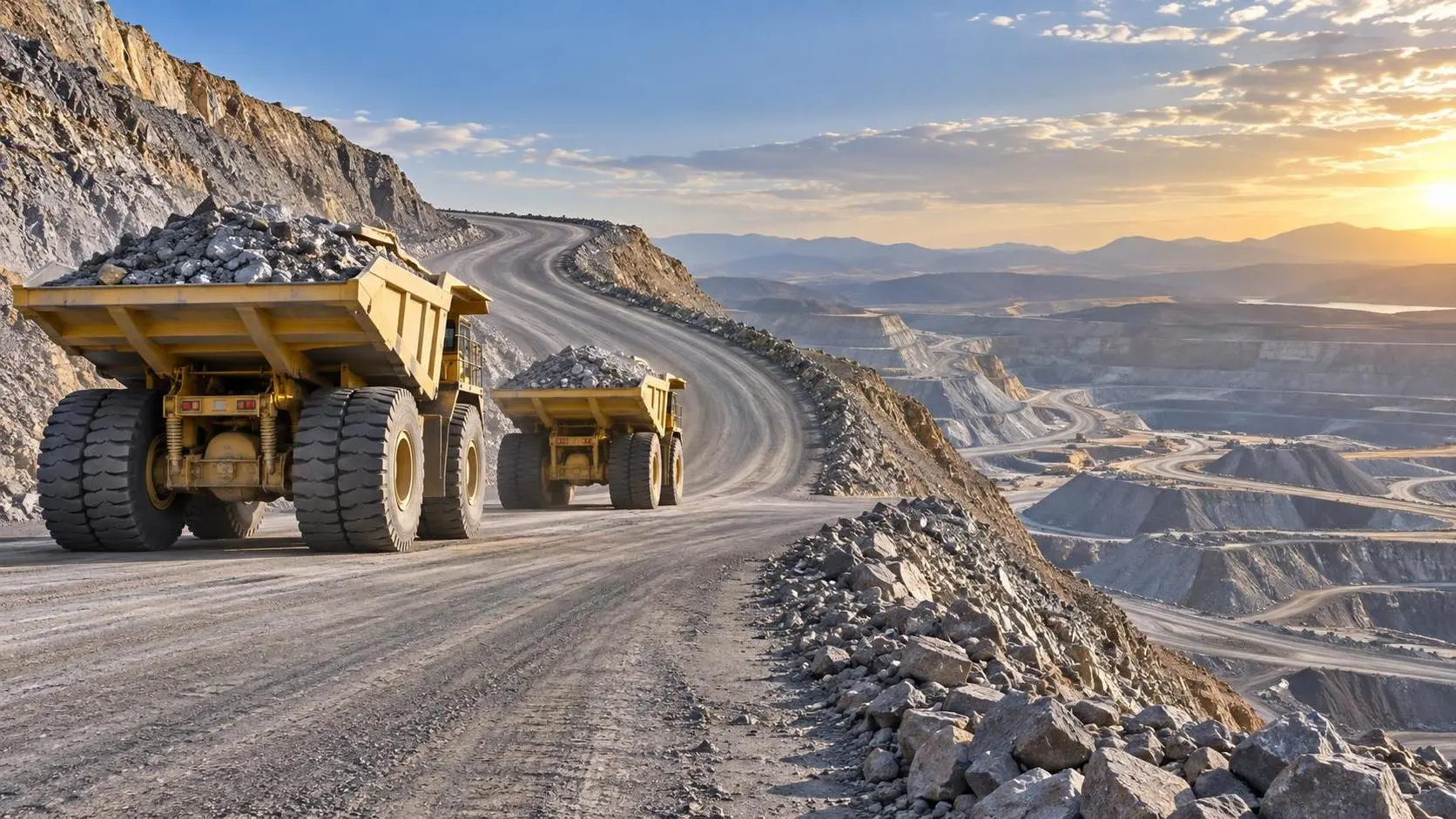
How to Size Open Pit Mining Trucks for Haul Distance, Grade, and Payload?
Open Pit Mining Trucks: learn how to match payload, haul distance, grade, road resistance, and loading capacity for safer, lower-cost mine operations.
Related News
- 00
0000-00
How to Evaluate European Drill-and-Blast Tunnelling Contractors for Complex Projects - 00
0000-00
Which Trenchless Construction Technique Fits Your Utility Crossing Conditions? - 00
0000-00
What Is Driving Metro Tunnelling Demand Across Southeast Asia’s Major Cities? - 00
0000-00
Hard Rock Tunnelling in Australia: Selecting Methods for Variable Ground Conditions - 00
0000-00
Hydropower Tunnel Excavation: Selecting Methods for Variable Rock Conditions
Weekly Insights
Stay ahead with our curated technology reports delivered every Monday.