
Autonomous Mining Trucks Safety Features: What to Check Before Fleet Procurement





Autonomous Mining Trucks safety features: why do they matter before procurement?
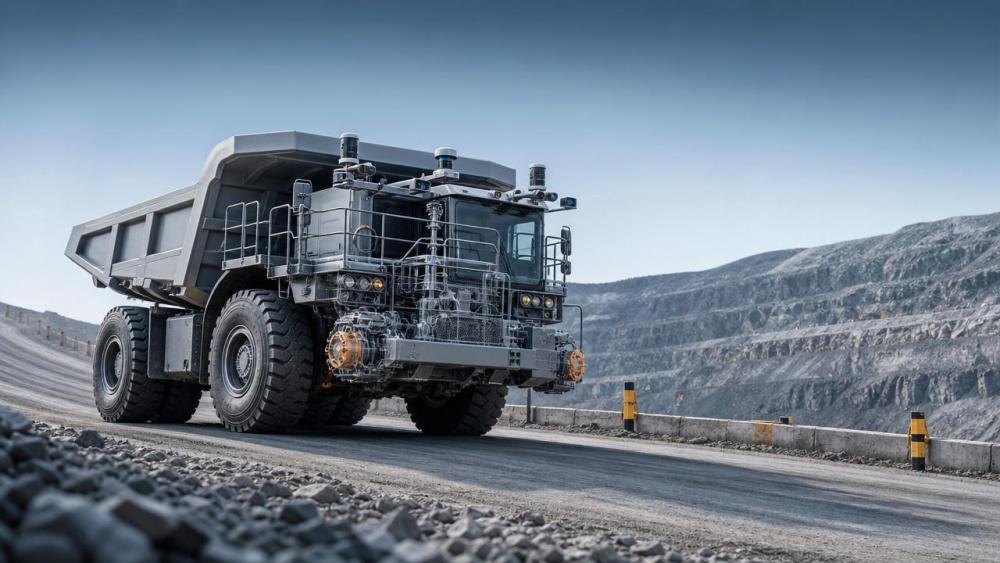
A haulage fleet decision is no longer just about payload, cycle time, or fuel savings.
In modern mines, Autonomous Mining Trucks safety features shape whether automation actually reduces exposure or simply moves risk into software, braking, and traffic control.
That is why serious evaluation starts with safety architecture, not with marketing language.
UTMD tracks this shift across underground transport, electrified haulage, and smart mining systems, where reliability in harsh rock environments matters as much as digital intelligence.
In practice, the best procurement reviews look at how the truck senses hazards, stops on grade, protects no-go zones, and behaves when communication drops.
If those points are weak, autonomy becomes difficult to trust at production scale.
What should count as real safety capability, not just automation branding?
A common mistake is treating autonomous operation as proof of safe operation.
They are related, but not identical.
Real Autonomous Mining Trucks safety features usually combine perception, control logic, fail-safe braking, machine health monitoring, and site-wide traffic rules.
The key question is simple: what happens when the mine gets messy?
Dust, fog, blind corners, steep ramps, falling rocks, mixed fleets, and temporary road changes are the situations that test system quality.
Useful verification points include:
- Redundant obstacle detection using radar, lidar, cameras, or fused sensing.
- Emergency braking logic that works under loaded downhill conditions.
- Geofencing that blocks entry into maintenance bays, pedestrian zones, and blast areas.
- Safe degraded modes when GNSS, wireless links, or sensors become unreliable.
- Cybersecurity controls that prevent unsafe command injection or remote manipulation.
More advanced systems also record near misses, route deviations, and harsh braking events.
That data matters because it shows whether the truck can support continuous improvement, not only basic compliance.
Which safety systems deserve the closest inspection on a technical review?
Not every feature has equal value.
Some functions look impressive in demonstrations but add less protection than core control systems.
The table below helps separate critical checks from secondary claims.
The strongest Autonomous Mining Trucks safety features are usually the least glamorous.
They are the features that keep the vehicle controllable when visibility drops, road friction changes, or upstream systems become unstable.
How do open-pit and underground conditions change the safety checklist?
The environment changes the answer more than many people expect.
Open-pit operations usually prioritize long stopping distances, road edge detection, slope management, and mixed interaction with auxiliary vehicles.
Underground or tunnel-linked haulage adds tighter geometry, weaker positioning signals, and stricter air-quality or electrification considerations.
UTMD often highlights this connection across mining dump trucks, underground LHD systems, and tunnel logistics.
The lesson is clear: safety cannot be reviewed in isolation from operating space.
For example, underground-adjacent routes may depend more heavily on SLAM, local positioning, and remote traffic orchestration.
Electrified fleets may also require deeper checks on regenerative braking behavior, battery thermal protection, and emergency isolation procedures.
A practical checklist should ask whether the truck remains safe under the site’s worst geometry, dust load, communication shadow, and grade profile.
What are the warning signs that a fleet looks advanced but is not procurement-ready?
This is often where mistakes become expensive.
A polished demo does not guarantee operational resilience.
More revealing questions focus on exceptions, failures, and change control.
- Does the supplier explain false positives and false negatives with real site data?
- Can the truck stop safely after a communications interruption?
- How are software updates validated before production deployment?
- What happens when a road changes after rain, blasting, or maintenance work?
- Is there a clear procedure for mixed operation with manned assets?
If answers stay vague, the risk is usually hidden in integration rather than hardware.
Another warning sign is overreliance on one sensing method.
Dust, glare, mud, or water spray can degrade single-mode perception very quickly.
Strong Autonomous Mining Trucks safety features rely on layered protection, not on one perfect sensor.
It is also worth checking whether incident logs are exportable.
Without traceable data, root-cause investigation becomes harder after a safety event.
How should safety be compared during fleet selection, pilot testing, and rollout?
The most useful comparison method is staged, measurable, and site-specific.
Instead of scoring vendors only on feature lists, build a validation path around risk scenarios.
That approach exposes whether Autonomous Mining Trucks safety features work consistently outside ideal conditions.
A practical evaluation sequence
- Start with document review, including functional safety logic, braking specifications, and hazard analysis records.
- Move to controlled trials covering loaded descent, obstacle appearance, and loss-of-link events.
- Test temporary zone edits, because real mines change routes frequently.
- Check how alerts are escalated to remote operators or control rooms.
- Review maintainability, because sensor contamination and calibration drift affect long-term safety.
During rollout, a good sign is stable behavior across shifts and weather variation.
A weaker sign is performance that depends heavily on one expert team staying nearby.
Procurement decisions should favor systems that remain understandable, auditable, and safe as the fleet scales.
Which final questions help confirm the right procurement decision?
By the final review, the goal is not to chase perfection.
It is to confirm that the risk profile is visible, controlled, and appropriate for the mine plan.
A concise closing check often works best:
- Can the truck detect, decide, and stop safely in the harshest routine conditions?
- Are exclusion zones, maintenance interfaces, and mixed-traffic areas fully controlled?
- Do logs, diagnostics, and update procedures support compliance and investigation?
- Is the safety case still valid when the fleet expands or the site layout changes?
That is where careful technical review becomes more valuable than headline automation claims.
For mines moving toward electrification, zero-exhaust transport, and deeper digital control, the right safety baseline also supports future interoperability.
UTMD’s broader view across tunnelling, trenchless systems, and smart haulage points to the same pattern.
Reliable machinery wins when mechanical integrity and intelligent control are evaluated together.
Before the next fleet decision, map site hazards, define pass-fail safety criteria, compare vendors on real exception handling, and confirm how the system behaves when conditions stop being ideal.
That process leads to safer transport, stronger compliance, and more dependable production over the life of the fleet.
Related News
How to Evaluate European Drill-and-Blast Tunnelling Contractors for Complex Projects
Drill and blast tunnelling contractors Europe: learn how to assess geology expertise, blast control, equipment reliability, safety, and programme resilience for complex projects.
Which Trenchless Construction Technique Fits Your Utility Crossing Conditions?
Trenchless construction techniques compared for utility crossings: choose HDD, microtunnelling, pipe jacking, or auger boring based on ground, accuracy, access, and risk.
What Is Driving Metro Tunnelling Demand Across Southeast Asia’s Major Cities?
Metro tunnelling Southeast Asia is accelerating as major cities tackle congestion, flooding, and connectivity. Explore the market forces, technical risks, and opportunities shaping demand.
Hard Rock Tunnelling in Australia: Selecting Methods for Variable Ground Conditions
Hard rock tunnelling in Australia: compare TBM, drill-and-blast and hybrid methods to manage variable ground, reduce risk and protect project costs.
Hydropower Tunnel Excavation: Selecting Methods for Variable Rock Conditions
Hydropower tunnel excavation methods for variable rock conditions: compare TBM, drill-and-blast, and hybrid strategies to improve safety, progress, and project control.
How to Select Underground Safety Equipment for Tunnelling by Hazard and Work Zone
Underground Safety Equipment for tunnelling: match protection to hazards, work zones, compliance, and emergency needs with this practical selection guide.
EPB or Slurry Shield? Selecting Soft-Ground Tunnelling Equipment by Soil Conditions
Tunnel Excavation Equipment for soft ground: compare EPB and slurry shields by soil, groundwater, settlement risk, and project logistics to choose confidently.
How to Specify TBM Backup System Parts for Reliable Long-Distance Tunnelling
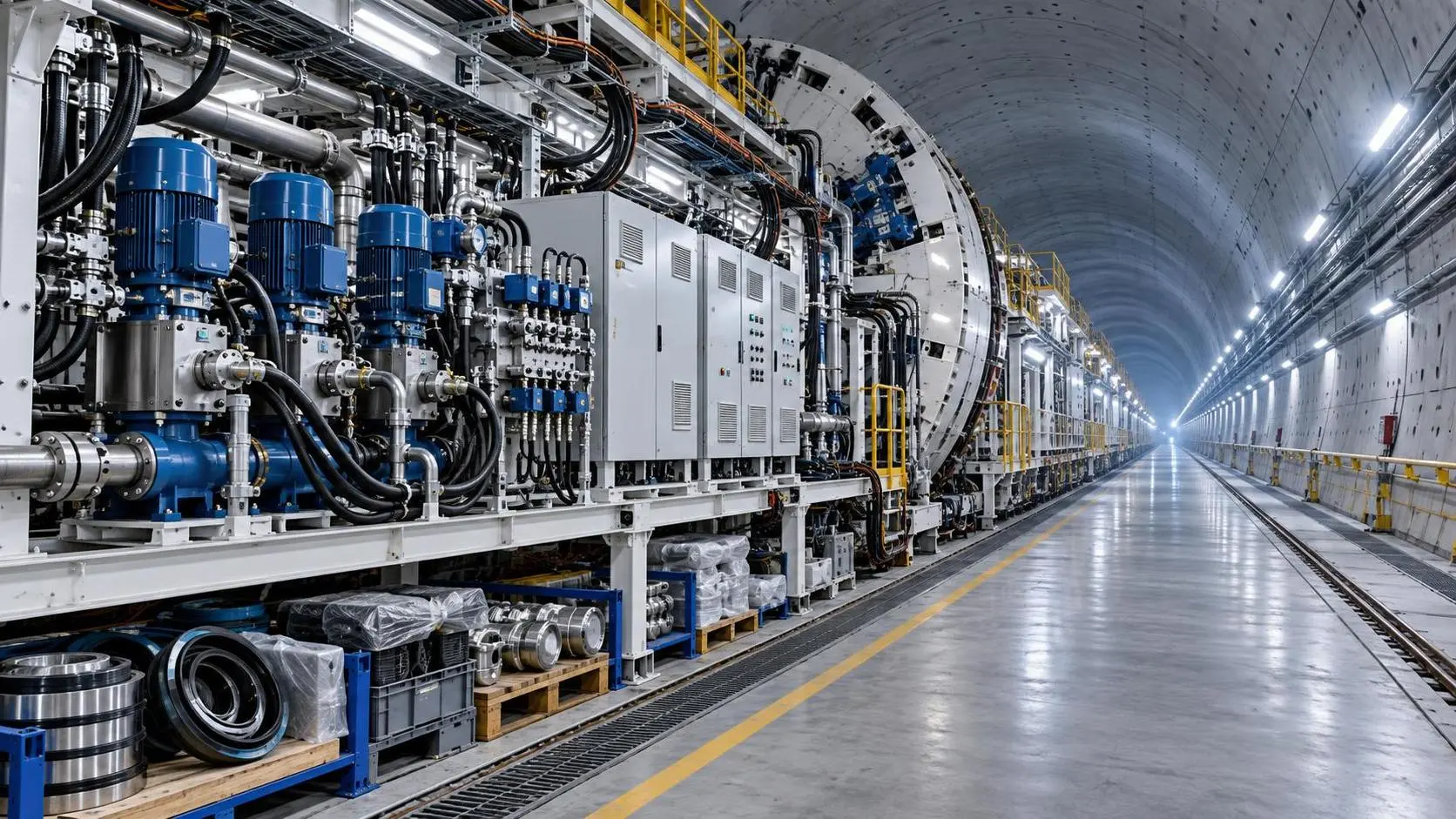
TBM backup system parts: learn how to specify reliable spares for long-distance tunnelling, reduce downtime, ensure compatibility, and speed underground recovery.
How to Size Open Pit Mining Trucks for Haul Distance, Grade, and Payload?
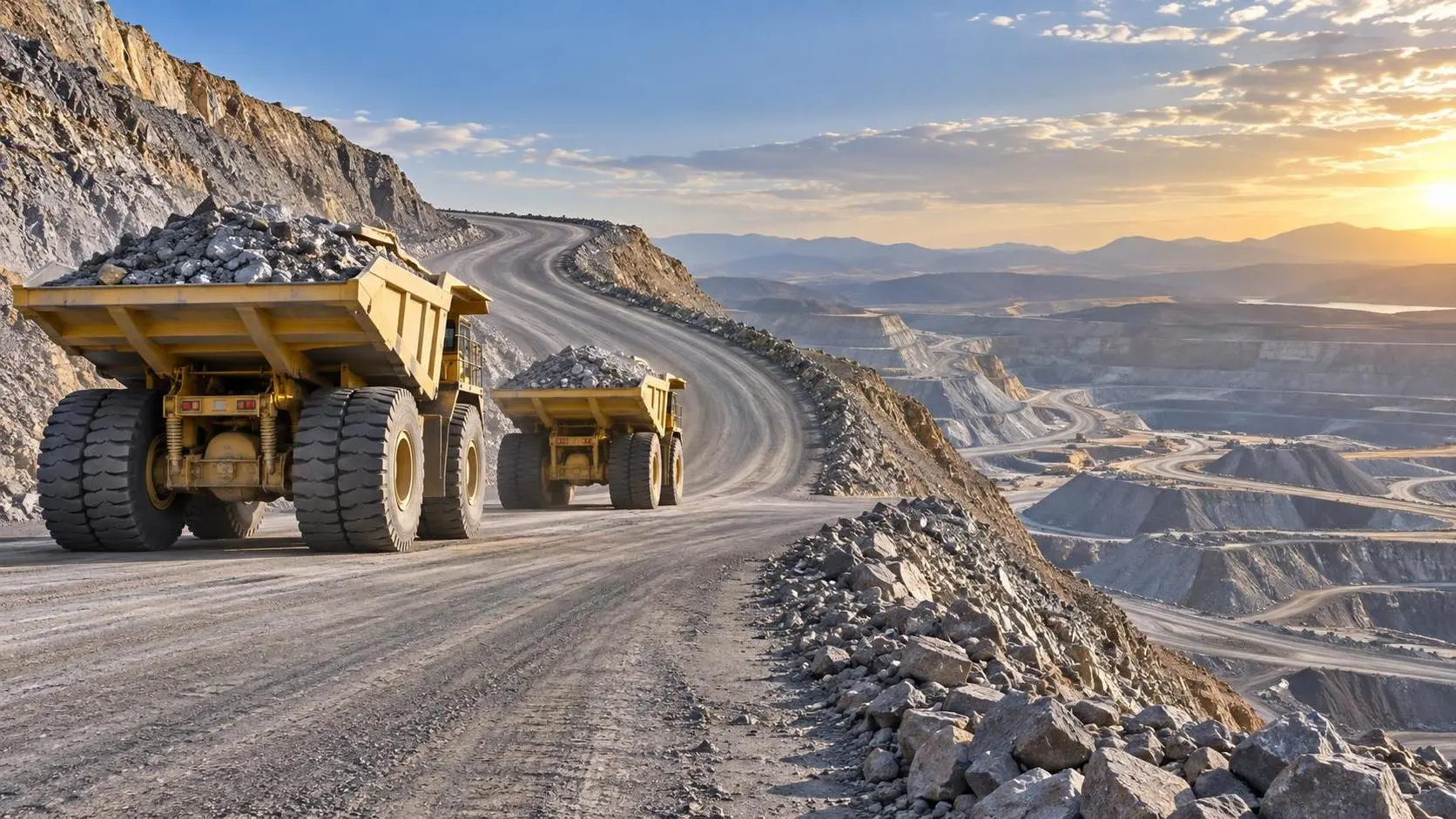
Open Pit Mining Trucks: learn how to match payload, haul distance, grade, road resistance, and loading capacity for safer, lower-cost mine operations.
Related News
- 00
0000-00
How to Evaluate European Drill-and-Blast Tunnelling Contractors for Complex Projects - 00
0000-00
Which Trenchless Construction Technique Fits Your Utility Crossing Conditions? - 00
0000-00
What Is Driving Metro Tunnelling Demand Across Southeast Asia’s Major Cities? - 00
0000-00
Hard Rock Tunnelling in Australia: Selecting Methods for Variable Ground Conditions - 00
0000-00
Hydropower Tunnel Excavation: Selecting Methods for Variable Rock Conditions
Weekly Insights
Stay ahead with our curated technology reports delivered every Monday.