
Mining Dump Trucks Explained: Types, Payload Classes, and Best-Fit Applications





Mining Dump Trucks sit at the center of large-scale mine logistics. Their value is not only in moving rock fast, but in matching payload, haul profile, energy use, and safety expectations to the realities of each site.
That is why the topic matters now. Mining fleets are being reshaped by deeper pits, energy-transition metals, ESG pressure, automation, and tighter scrutiny of total haulage cost across the asset life cycle.
Within UTMD’s heavy haulage view, Mining Dump Trucks are no longer just mobile carriers. They are data-generating, energy-sensitive production assets linked to autonomy, electrification, and smarter mine planning.
Why Mining Dump Trucks deserve closer attention
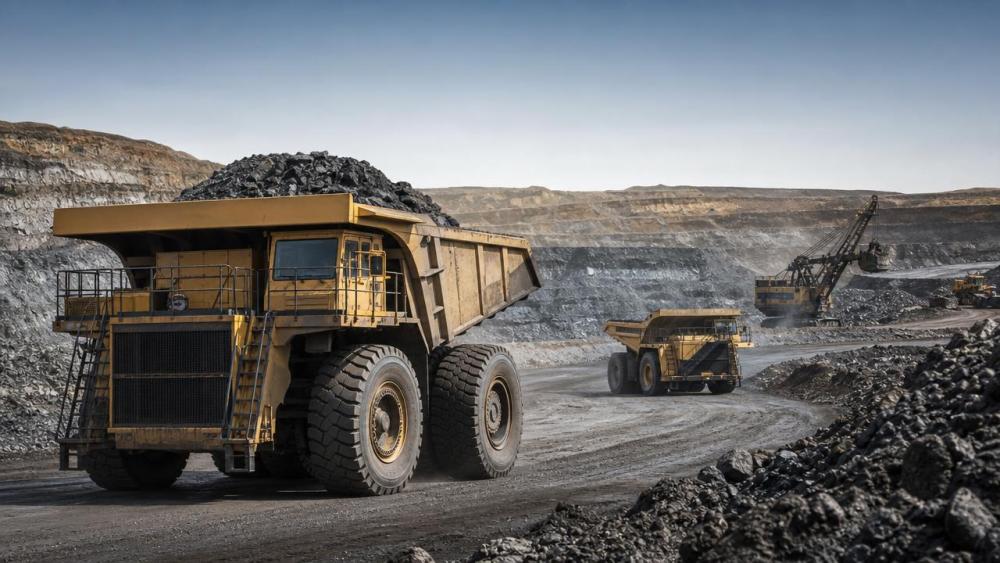
A mine can have strong drilling, blasting, and loading performance, yet still lose output through weak haulage design. In many operations, trucks define the practical pace of the entire production chain.
This is especially visible in open-pit copper, iron ore, coal, and gold projects. Long ramps, changing weather, tire stress, and dispatch variability all turn truck selection into a strategic decision rather than a simple equipment purchase.
UTMD tracks this shift closely because haulage now intersects with wider underground and surface equipment intelligence. Regenerative braking, zero-emission pathways, and autonomous traffic control increasingly shape fleet architecture.
Core truck types and what separates them
At a basic level, Mining Dump Trucks can be grouped by frame design, drive concept, and application environment. The most common split is between rigid dump trucks and articulated dump trucks.
Rigid mining trucks
Rigid units dominate high-volume surface mining. They are built for established haul roads, repetitive cycles, and very large payloads. Their strength is scale, stability, and efficient transport over planned routes.
These machines usually work with large hydraulic shovels or rope shovels. When road geometry is controlled, rigid Mining Dump Trucks often deliver the lowest cost per tonne moved.
Articulated dump trucks
Articulated trucks are more flexible on rough ground, steeper temporary routes, and developing sites. They are common in quarrying, construction-linked extraction, and smaller mining projects with unstable road conditions.
They usually carry much less than ultra-class rigid trucks. Even so, their maneuverability makes them useful when terrain adaptability matters more than maximum payload.
Diesel-electric, battery-electric, and trolley-assist variants
Another important distinction is propulsion. Conventional mechanical drive systems remain common, but diesel-electric architectures have long supported large payload classes and better control on demanding haul cycles.
Now, battery-electric and trolley-assist Mining Dump Trucks are gaining attention. The strongest interest comes from mines with long uphill hauls, strong deceleration potential, and pressure to cut ventilation or fuel-related emissions.
Payload classes and where they usually fit
Payload class is one of the fastest ways to understand best-fit applications. It affects loader match, road design, tire strategy, capital intensity, and the level of dispatch sophistication required.
Larger is not automatically better. A bigger truck can underperform if loading tools are too small, roads are poorly maintained, or cycle times are disrupted by congestion and queueing.
How application conditions change the right answer
Best-fit selection depends on the whole haulage system. In practice, the same payload class can be excellent at one mine and inefficient at another.
Haul distance and elevation
Long uphill cycles favor power management and energy recovery strategies. This is where diesel-electric systems, trolley support, and EV development become commercially meaningful rather than purely experimental.
Road quality and turning geometry
Poor roads increase tire wear, structural fatigue, and fuel burn. Even advanced Mining Dump Trucks lose value quickly when road width, grade control, and drainage are inconsistent.
Material density and loading match
Ore and waste do not behave the same. Body volume, target fill factor, and pass matching with shovels or excavators all influence whether nominal payload can be reached safely.
Climate and operating hours
High heat, rainfall, snow, and dust affect traction, brakes, and component life. In remote mines, uptime planning matters as much as truck specification.
What the industry is watching now
The discussion around Mining Dump Trucks has expanded beyond payload. The strongest signals today involve autonomy, decarbonization, and data-led asset management.
- Autonomous haulage systems reduce human exposure, improve traffic discipline, and stabilize cycle times.
- Electrification strategies respond to fuel volatility, ESG reporting, and mine-level carbon targets.
- Regenerative braking attracts attention on long downhill routes where energy recovery can materially change operating economics.
- Integrated telemetry improves maintenance planning, payload compliance, and operator performance analysis.
This aligns with UTMD’s broader intelligence focus. Heavy haulage is increasingly linked to digital coordination across loaders, drills, underground equipment, and site-wide control systems.
Practical decision points before comparing models
A useful starting point is not truck brand, but operating logic. The clearer the mine’s production model is, the easier it becomes to narrow the right class of Mining Dump Trucks.
- Map average and peak haul distances rather than using a single nominal route.
- Check loader compatibility, including pass count, bucket size, and queuing behavior.
- Separate capital cost from life-cycle cost, especially tires, energy, and maintenance hours.
- Evaluate whether autonomy readiness or electrification readiness will matter during the asset’s service life.
- Review safety risk around braking, ramp traffic, visibility, and dump-point control.
This approach prevents a common mistake: choosing trucks for headline payload instead of actual system fit.
Where Mining Dump Trucks create the most business value
When correctly matched, Mining Dump Trucks improve more than output. They support steadier plant feed, better fuel or energy discipline, lower unplanned downtime, and stronger visibility into production bottlenecks.
In expansion projects tied to copper, lithium, and other energy-transition minerals, truck strategy also influences how quickly a mine can scale without losing control of operating cost.
That is why fleet planning increasingly sits inside a larger intelligence framework. Haulage choices now affect sustainability reporting, infrastructure design, maintenance staffing, and future automation pathways.
A grounded next step
The most reliable way to assess Mining Dump Trucks is to compare them against site conditions, not catalog categories alone. Payload class, drive system, road profile, and energy strategy should be reviewed as one decision set.
For deeper evaluation, it helps to build a short comparison matrix covering haul distance, gradient, loading tool match, tire risk, emissions pathway, and automation potential. That usually reveals the most realistic fit far faster than headline specifications do.
In other words, understanding Mining Dump Trucks starts with type and payload, but real insight comes from reading those choices through the mine’s long-term operating model.
Related News
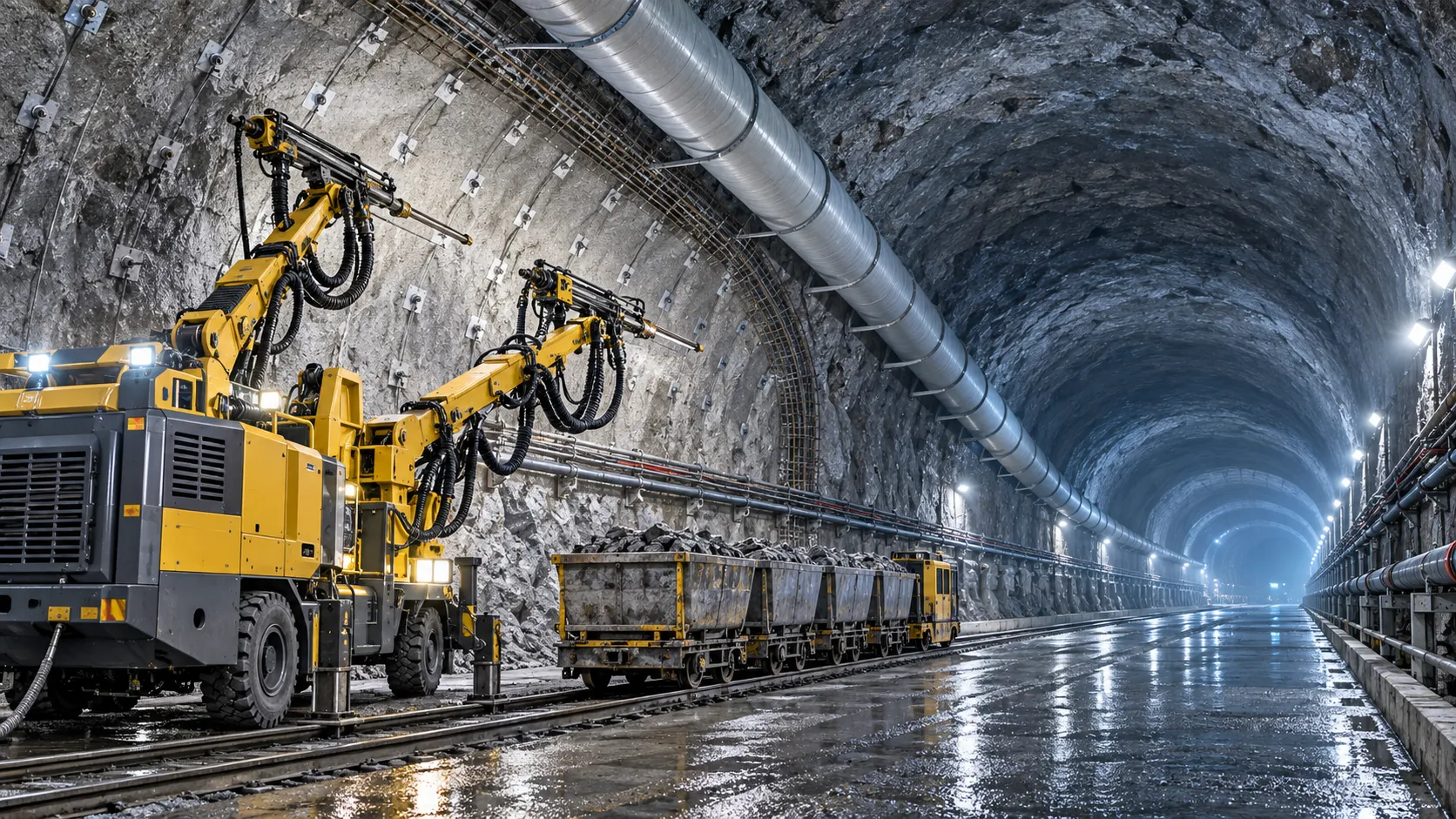
How to Evaluate European Drill-and-Blast Tunnelling Contractors for Complex Projects
Drill and blast tunnelling contractors Europe: learn how to assess geology expertise, blast control, equipment reliability, safety, and programme resilience for complex projects.
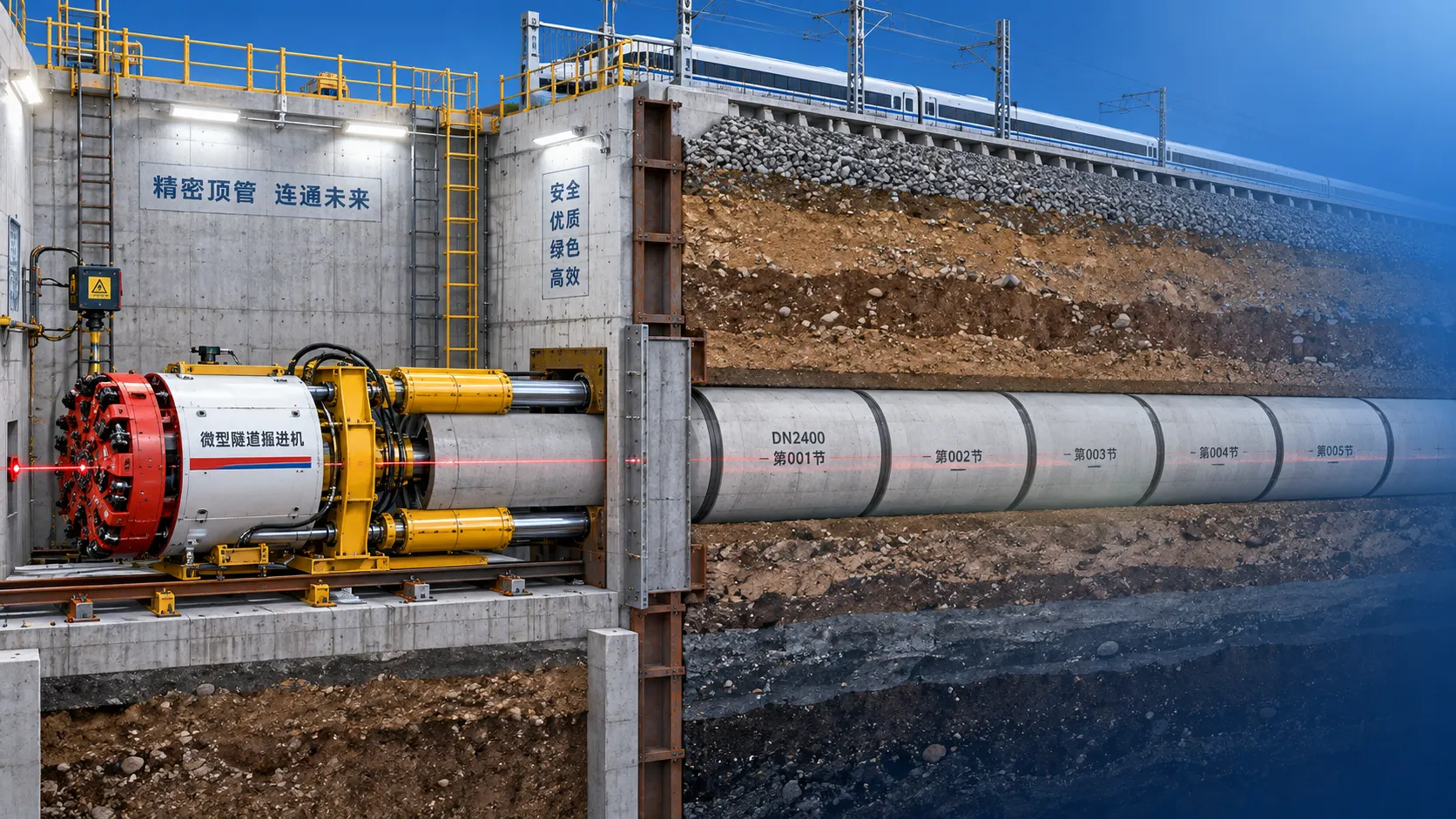
Which Trenchless Construction Technique Fits Your Utility Crossing Conditions?
Trenchless construction techniques compared for utility crossings: choose HDD, microtunnelling, pipe jacking, or auger boring based on ground, accuracy, access, and risk.
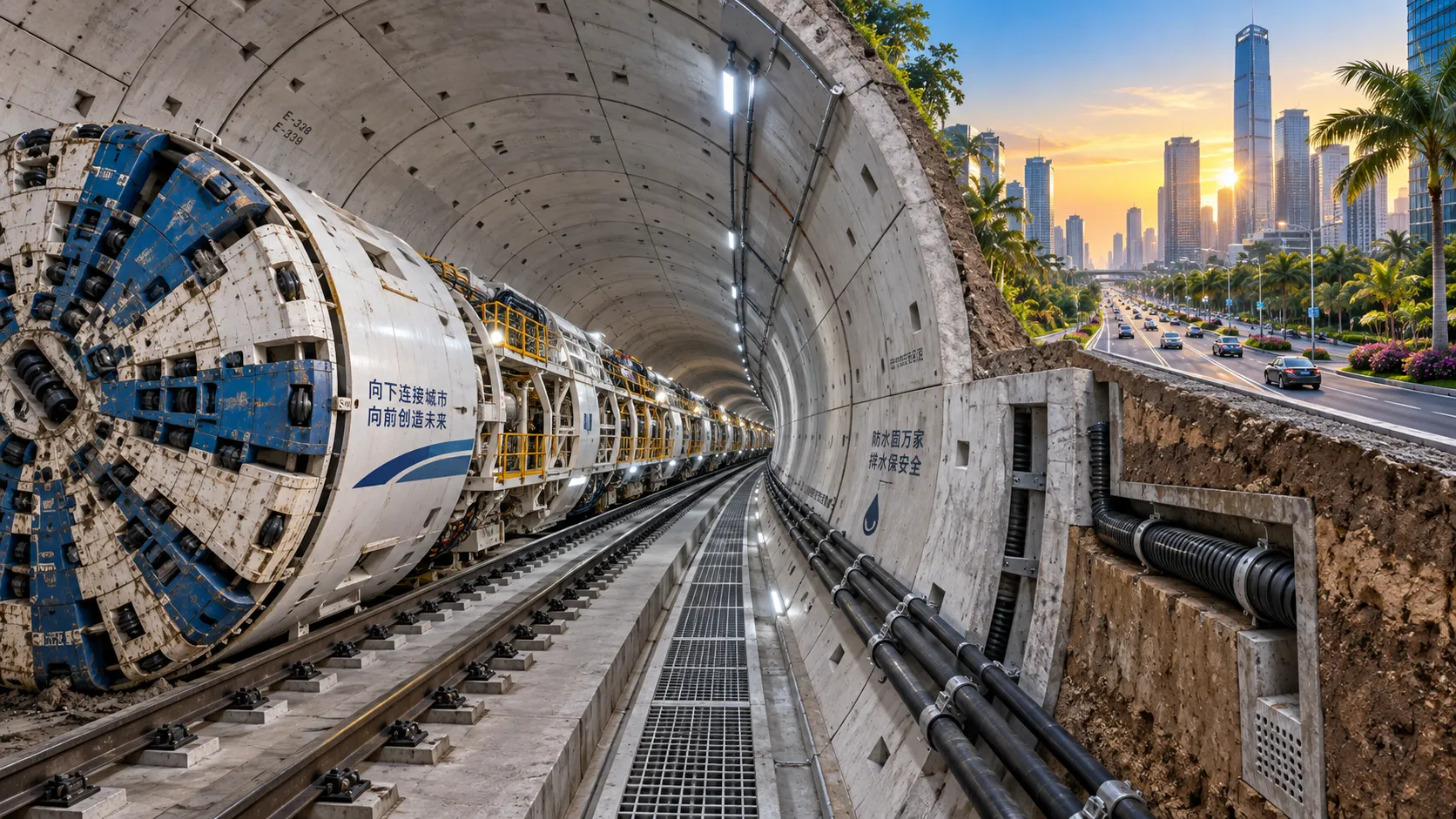
What Is Driving Metro Tunnelling Demand Across Southeast Asia’s Major Cities?
Metro tunnelling Southeast Asia is accelerating as major cities tackle congestion, flooding, and connectivity. Explore the market forces, technical risks, and opportunities shaping demand.
Hard Rock Tunnelling in Australia: Selecting Methods for Variable Ground Conditions
Hard rock tunnelling in Australia: compare TBM, drill-and-blast and hybrid methods to manage variable ground, reduce risk and protect project costs.
Hydropower Tunnel Excavation: Selecting Methods for Variable Rock Conditions
Hydropower tunnel excavation methods for variable rock conditions: compare TBM, drill-and-blast, and hybrid strategies to improve safety, progress, and project control.
How to Select Underground Safety Equipment for Tunnelling by Hazard and Work Zone
Underground Safety Equipment for tunnelling: match protection to hazards, work zones, compliance, and emergency needs with this practical selection guide.
EPB or Slurry Shield? Selecting Soft-Ground Tunnelling Equipment by Soil Conditions
Tunnel Excavation Equipment for soft ground: compare EPB and slurry shields by soil, groundwater, settlement risk, and project logistics to choose confidently.
How to Specify TBM Backup System Parts for Reliable Long-Distance Tunnelling
TBM backup system parts: learn how to specify reliable spares for long-distance tunnelling, reduce downtime, ensure compatibility, and speed underground recovery.
How to Size Open Pit Mining Trucks for Haul Distance, Grade, and Payload?
Open Pit Mining Trucks: learn how to match payload, haul distance, grade, road resistance, and loading capacity for safer, lower-cost mine operations.
Related News
- 00
0000-00
How to Evaluate European Drill-and-Blast Tunnelling Contractors for Complex Projects - 00
0000-00
Which Trenchless Construction Technique Fits Your Utility Crossing Conditions? - 00
0000-00
What Is Driving Metro Tunnelling Demand Across Southeast Asia’s Major Cities? - 00
0000-00
Hard Rock Tunnelling in Australia: Selecting Methods for Variable Ground Conditions - 00
0000-00
Hydropower Tunnel Excavation: Selecting Methods for Variable Rock Conditions
Weekly Insights
Stay ahead with our curated technology reports delivered every Monday.