
Autonomous Mining Trucks Technology vs Manual Haulage: Cost and Site Readiness





As mining leaders weigh productivity, safety, ESG pressure, and capital discipline, Autonomous Mining Trucks technology is moving from pilot projects to boardroom decisions.
Yet the business case is not simply automation versus drivers. It depends on haul road design, connectivity, fleet integration, maintenance capability, and change readiness.
This article compares autonomous truck systems with manual haulage through cost, operational risk, site preparedness, and long-term strategic value.
Where Autonomous Mining Trucks Technology Changes the Haulage Scenario
Autonomous Mining Trucks technology matters most where haulage is repetitive, high-volume, and exposed to fatigue-driven safety risk.
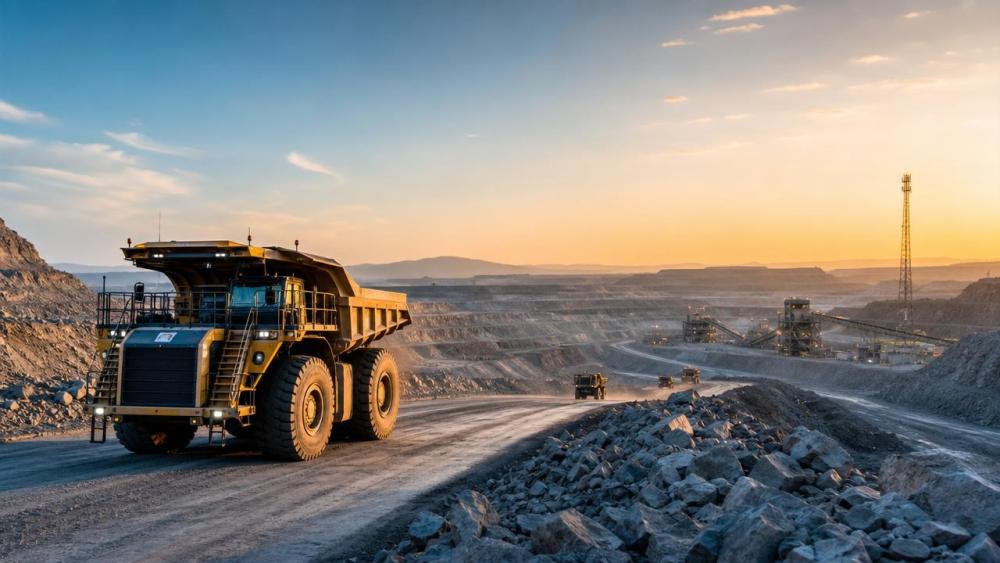
In large open-pit mines, trucks often follow fixed routes between shovels, crushers, waste dumps, and stockpiles.
That predictable cycle creates a strong platform for autonomous haulage systems, dispatch optimization, and consistent speed control.
Manual haulage remains effective where mine plans change frequently, fleets are small, and infrastructure investment cannot yet be justified.
The key question is not whether autonomy is advanced. It is whether the site can convert automation into repeatable production value.
Scenario Background: Why Site Readiness Determines the Business Case
Autonomous Mining Trucks technology depends on a connected operating environment, not only smart vehicles.
A mine may buy advanced trucks but lose value if roads, loading points, and traffic rules remain inconsistent.
Manual haulage absorbs variation through human judgment. Autonomous fleets need variation reduced, mapped, monitored, and governed.
This difference changes how cost should be calculated. The truck price is only one part of the investment.
Network coverage, control rooms, digital mine models, maintenance workflows, and exclusion-zone procedures all affect total cost of ownership.
For UTMD, this is part of a wider transition toward smart mines, electrified fleets, and safer high-utilization operations.
Scenario One: Large Open-Pit Mines With Stable Haul Routes
Large open-pit mines are the strongest fit for Autonomous Mining Trucks technology.
The main advantage is utilization. Autonomous trucks can maintain disciplined spacing, steady speeds, and predictable shift transitions.
Manual haulage usually loses time during breaks, shift changes, queueing, fatigue management, and inconsistent driving behavior.
In high-tonnage operations, small cycle-time improvements can translate into major annual production gains.
The core readiness points are haul road width, berm condition, intersection control, shovel interface discipline, and reliable wireless coverage.
If these foundations are strong, Autonomous Mining Trucks technology can reduce variability and strengthen production planning.
Scenario Two: Mines Facing Severe Safety Exposure
Safety-critical sites often evaluate Autonomous Mining Trucks technology before pure productivity gains are fully proven.
Fatigue, night driving, poor visibility, steep ramps, and mixed light-vehicle traffic increase haulage risk.
Autonomous fleets can remove operators from hazardous zones and enforce geofenced operating logic.
However, autonomy does not eliminate risk. It changes the risk profile.
The new risks include sensor obstruction, communication loss, poor change management, and unclear procedures during exceptions.
Manual haulage may remain safer during early transitions if traffic separation and supervision are weak.
A safety-driven adoption case should include emergency response design, interaction rules, and verification drills.
Scenario Three: Electrification Programs and ESG-Driven Fleets
Autonomous Mining Trucks technology increasingly overlaps with electrification, regenerative braking, and low-emission mine planning.
Battery-electric mining trucks can gain efficiency on downhill hauls when regenerative systems are matched to route profiles.
Autonomous control can stabilize acceleration, braking, and speed selection, improving energy predictability.
Manual driving patterns vary widely, especially under production pressure or difficult weather conditions.
For ESG programs, the decision should connect autonomy with charging infrastructure, power availability, thermal management, and dispatch strategy.
The strongest business case appears when autonomous haulage supports both lower emissions and higher equipment utilization.
Scenario Four: Brownfield Mines With Mixed Fleets
Brownfield mines face the most complex path toward Autonomous Mining Trucks technology.
Existing fleets may include different truck sizes, shovel types, dispatch platforms, and maintenance systems.
Manual and autonomous equipment may need to operate together during phased deployment.
This mixed environment increases the importance of traffic management and clear operating boundaries.
The best approach is usually a controlled autonomous zone, not an immediate mine-wide rollout.
A suitable zone has stable roads, limited intersections, compatible loading equipment, and measurable production targets.
Autonomous Mining Trucks technology succeeds faster when the first deployment area is operationally boring, not technically heroic.
Cost Comparison: Automation Premium Versus Operating Discipline
Manual haulage usually has lower upfront capital cost and more flexible deployment.
Its long-term costs include labor availability, training, fatigue programs, incident exposure, and inconsistent fuel or energy performance.
Autonomous Mining Trucks technology requires higher initial spending on vehicles, sensors, network infrastructure, software, and control systems.
The payback depends on utilization gains, reduced safety exposure, optimized maintenance, and longer-term fleet standardization.
A narrow purchase-price comparison usually underrates Autonomous Mining Trucks technology and overrates manual flexibility.
The better comparison is cost per tonne under realistic operating conditions and planned mine life.
Different Site Requirements: What Must Be Ready First
Autonomous Mining Trucks technology is not plug-and-play in demanding mining environments.
A site should assess readiness across infrastructure, data, people, maintenance, and governance.
- Haul roads need consistent geometry, surface quality, drainage, and clear edge protection.
- Connectivity must cover ramps, loading areas, dump points, workshops, and exception zones.
- Dispatch systems must integrate trucks, shovels, crushers, and production planning data.
- Maintenance teams need diagnostic skills for sensors, controllers, and software updates.
- Operating rules must define human-machine interaction and access control.
Manual haulage can tolerate temporary workarounds. Autonomous fleets need standardization before scale.
Scenario Adaptation Recommendations for Practical Deployment
The right adoption path should match mine maturity, production pressure, and risk tolerance.
Autonomous Mining Trucks technology should be evaluated as an operating system, not only a vehicle feature.
A successful deployment links mine planning, asset management, communications, safety systems, and production reporting.
Common Misjudgments When Comparing Autonomous and Manual Haulage
The first mistake is assuming autonomy automatically fixes poor haul road discipline.
Autonomous fleets expose weak road standards more quickly than manual operations.
The second mistake is ignoring the transition period, where mixed traffic can reduce expected gains.
The third mistake is underestimating maintenance transformation.
Sensors, perception systems, braking controls, and software need disciplined inspection routines.
The fourth mistake is treating workforce readiness as a communication issue only.
Autonomous Mining Trucks technology changes roles, responsibilities, escalation paths, and decision rights.
The fifth mistake is using generic benchmarks without adjusting for pit depth, haul distance, grade, climate, and fleet age.
Strategic Value Beyond the Immediate Cost Case
The strongest argument for Autonomous Mining Trucks technology may be strategic resilience.
Labor shortages, deeper pits, lower ore grades, and stricter ESG expectations all increase pressure on haulage systems.
Autonomous haulage creates data streams that support predictive maintenance, cycle optimization, and better mine planning.
Manual haulage can be digitally improved, but autonomy provides a more structured foundation for closed-loop operations.
For smart mine roadmaps, the technology can connect with electric trucks, remote operations, and advanced dispatch intelligence.
This is where UTMD tracks the wider shift from heavy equipment procurement to integrated underground and mining intelligence.
Action Guide: How to Move From Evaluation to Readiness
A practical next step is a scenario-based readiness audit before issuing fleet specifications.
- Map haul routes, intersections, gradients, communication gaps, and weather-sensitive areas.
- Calculate cost per tonne for manual haulage under real production constraints.
- Identify one controlled zone where Autonomous Mining Trucks technology can prove measurable value.
- Define safety cases, exclusion rules, exception handling, and emergency response procedures.
- Align maintenance systems with sensors, software diagnostics, and availability targets.
- Build a phased investment model covering trucks, networks, control rooms, training, and integration.
Manual haulage and autonomous haulage both have valid roles, depending on site maturity and operational objectives.
Autonomous Mining Trucks technology becomes compelling when the mine can standardize roads, integrate systems, and govern exceptions.
The winning decision is not the most advanced truck. It is the most prepared haulage ecosystem.
UTMD will continue tracking autonomous haulage, electric mining trucks, and smart mine infrastructure as these systems redefine heavy production economics.
Related News
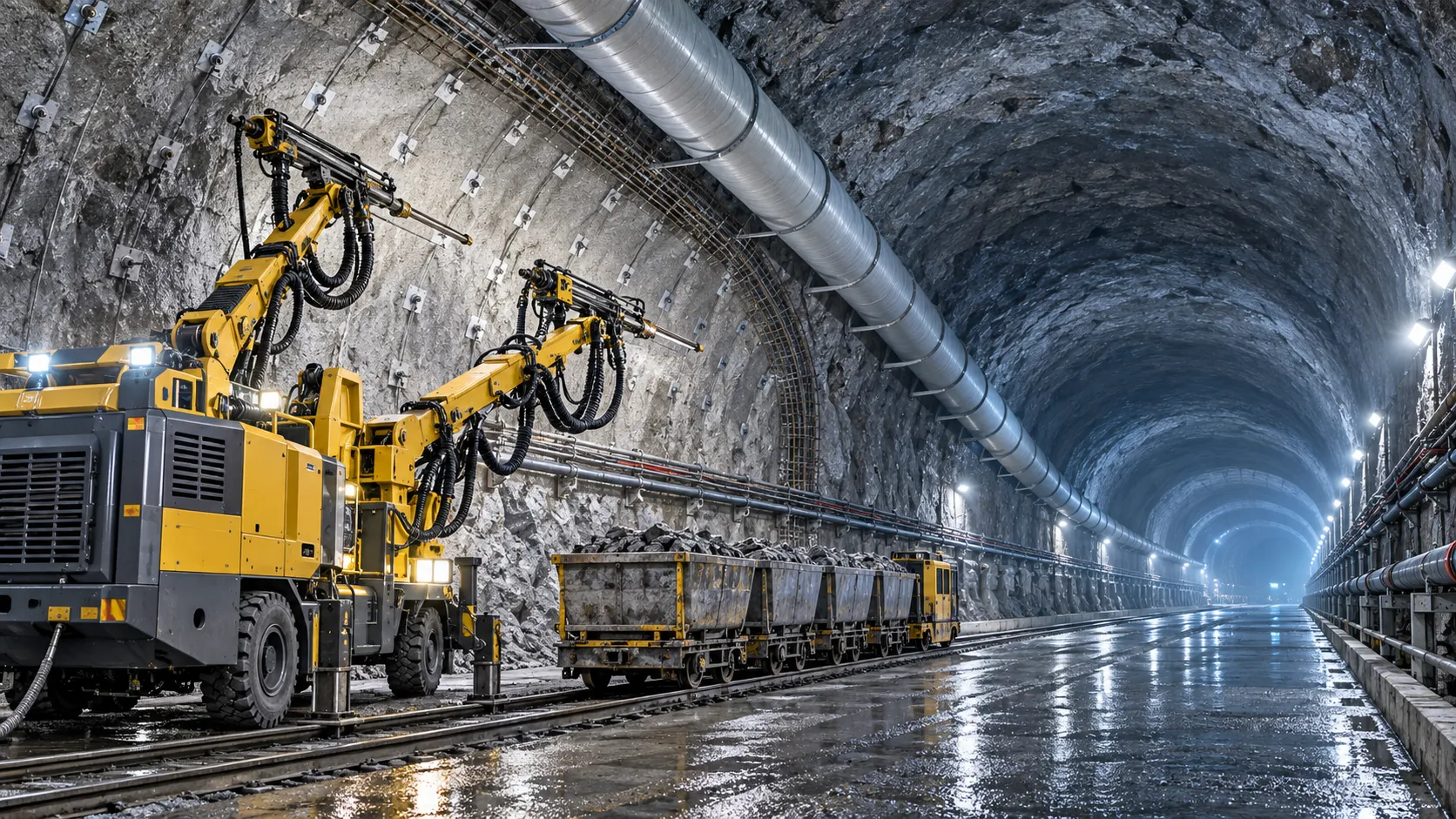
How to Evaluate European Drill-and-Blast Tunnelling Contractors for Complex Projects
Drill and blast tunnelling contractors Europe: learn how to assess geology expertise, blast control, equipment reliability, safety, and programme resilience for complex projects.
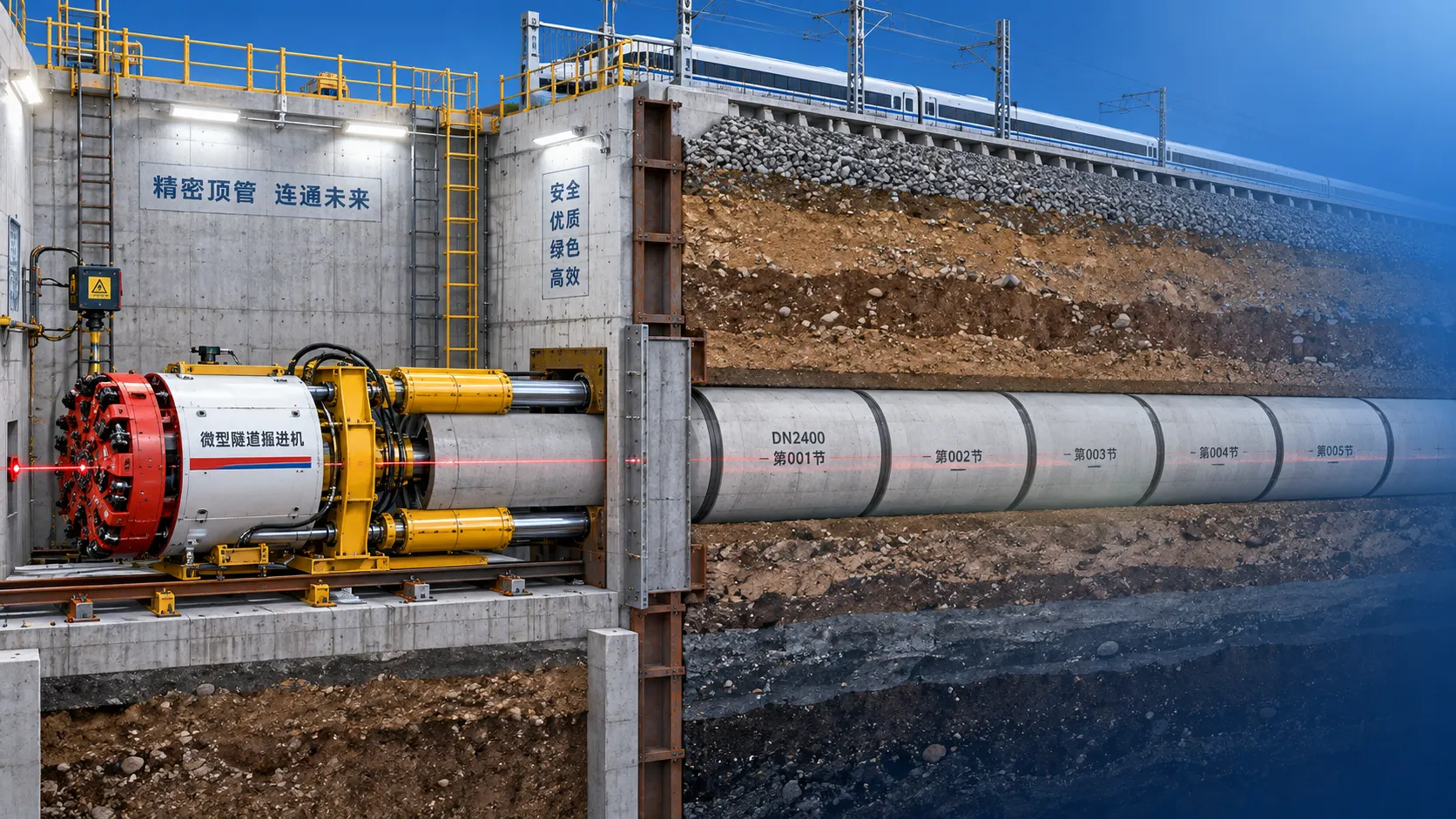
Which Trenchless Construction Technique Fits Your Utility Crossing Conditions?
Trenchless construction techniques compared for utility crossings: choose HDD, microtunnelling, pipe jacking, or auger boring based on ground, accuracy, access, and risk.
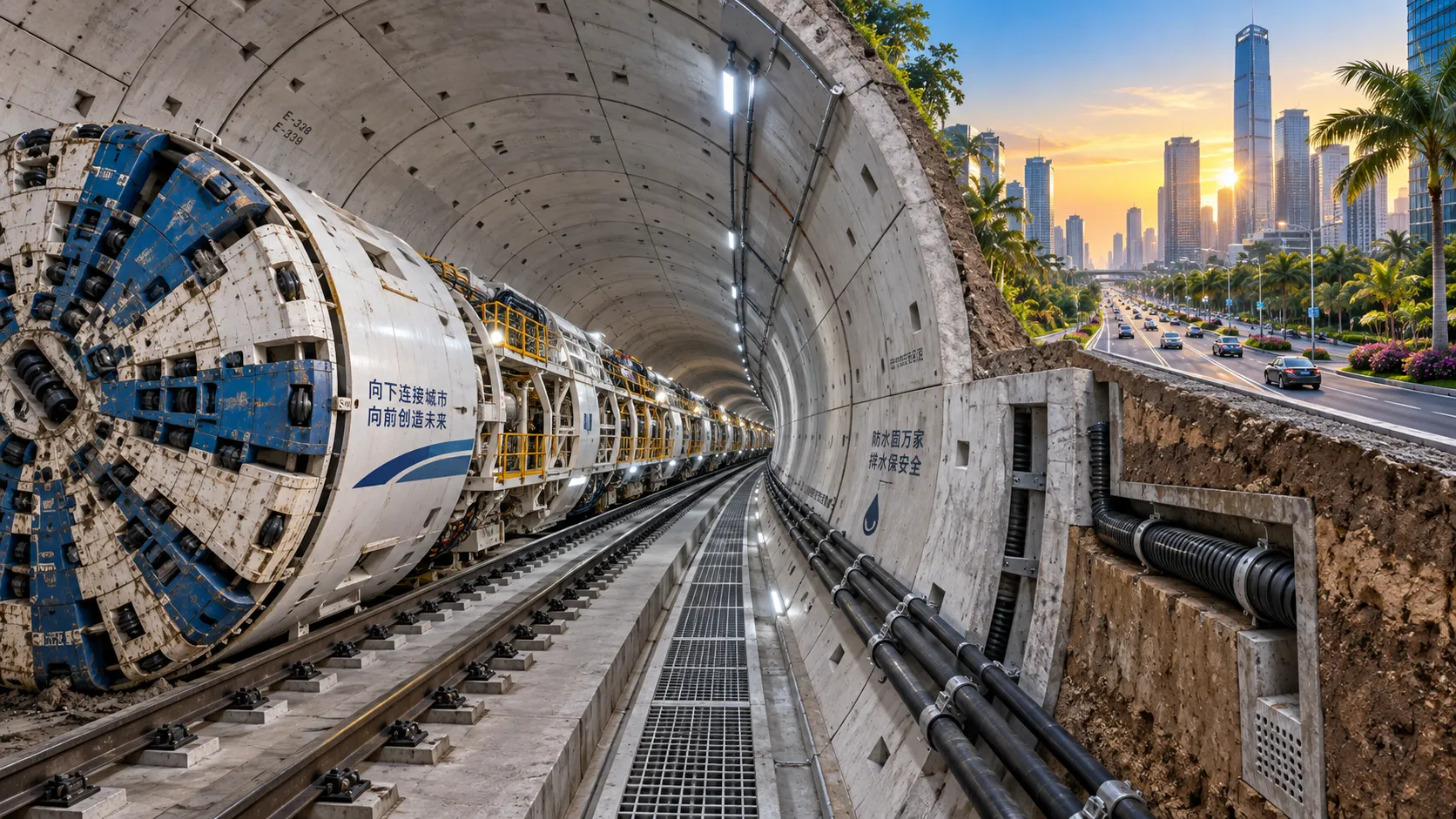
What Is Driving Metro Tunnelling Demand Across Southeast Asia’s Major Cities?
Metro tunnelling Southeast Asia is accelerating as major cities tackle congestion, flooding, and connectivity. Explore the market forces, technical risks, and opportunities shaping demand.
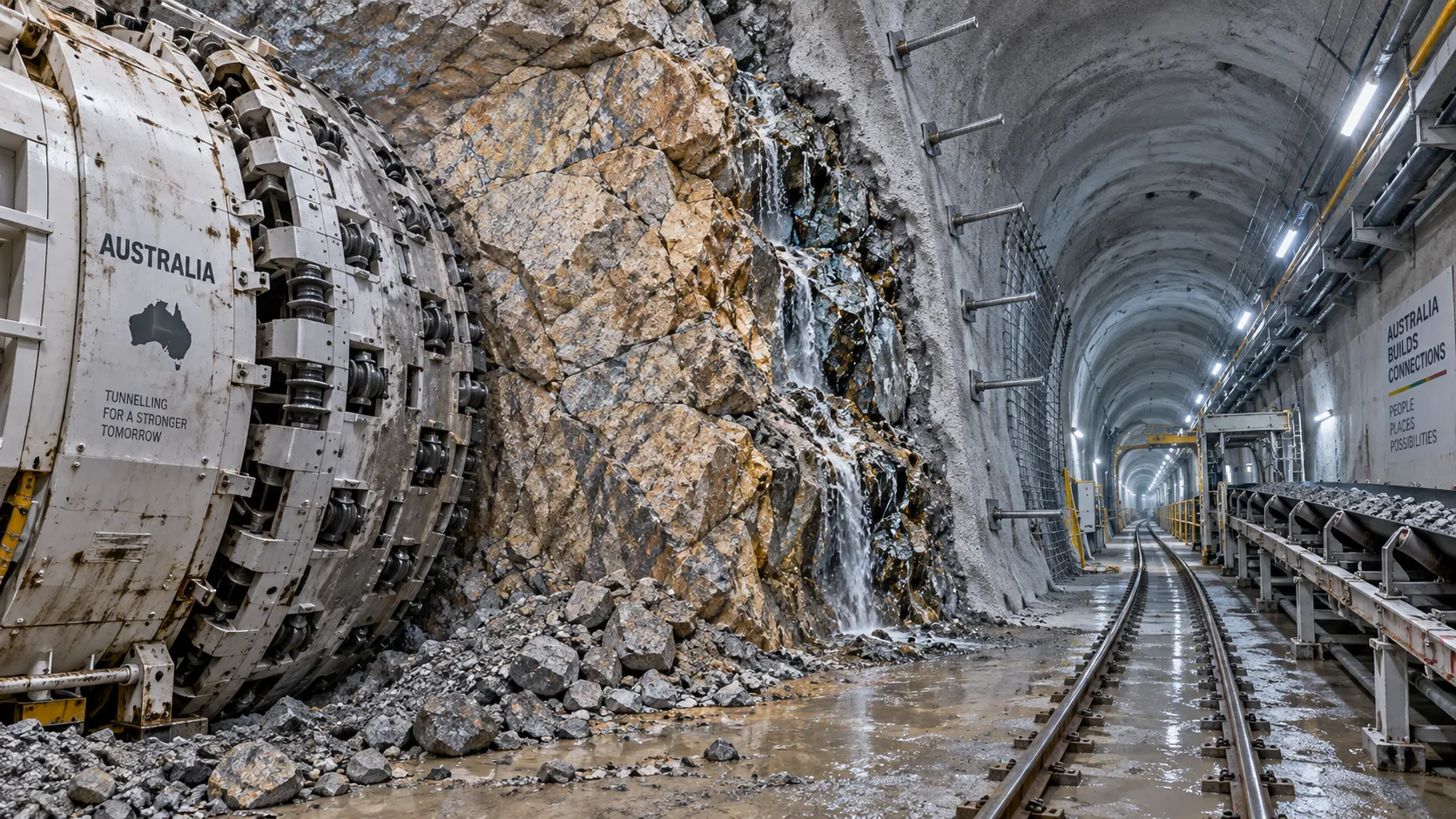
Hard Rock Tunnelling in Australia: Selecting Methods for Variable Ground Conditions
Hard rock tunnelling in Australia: compare TBM, drill-and-blast and hybrid methods to manage variable ground, reduce risk and protect project costs.
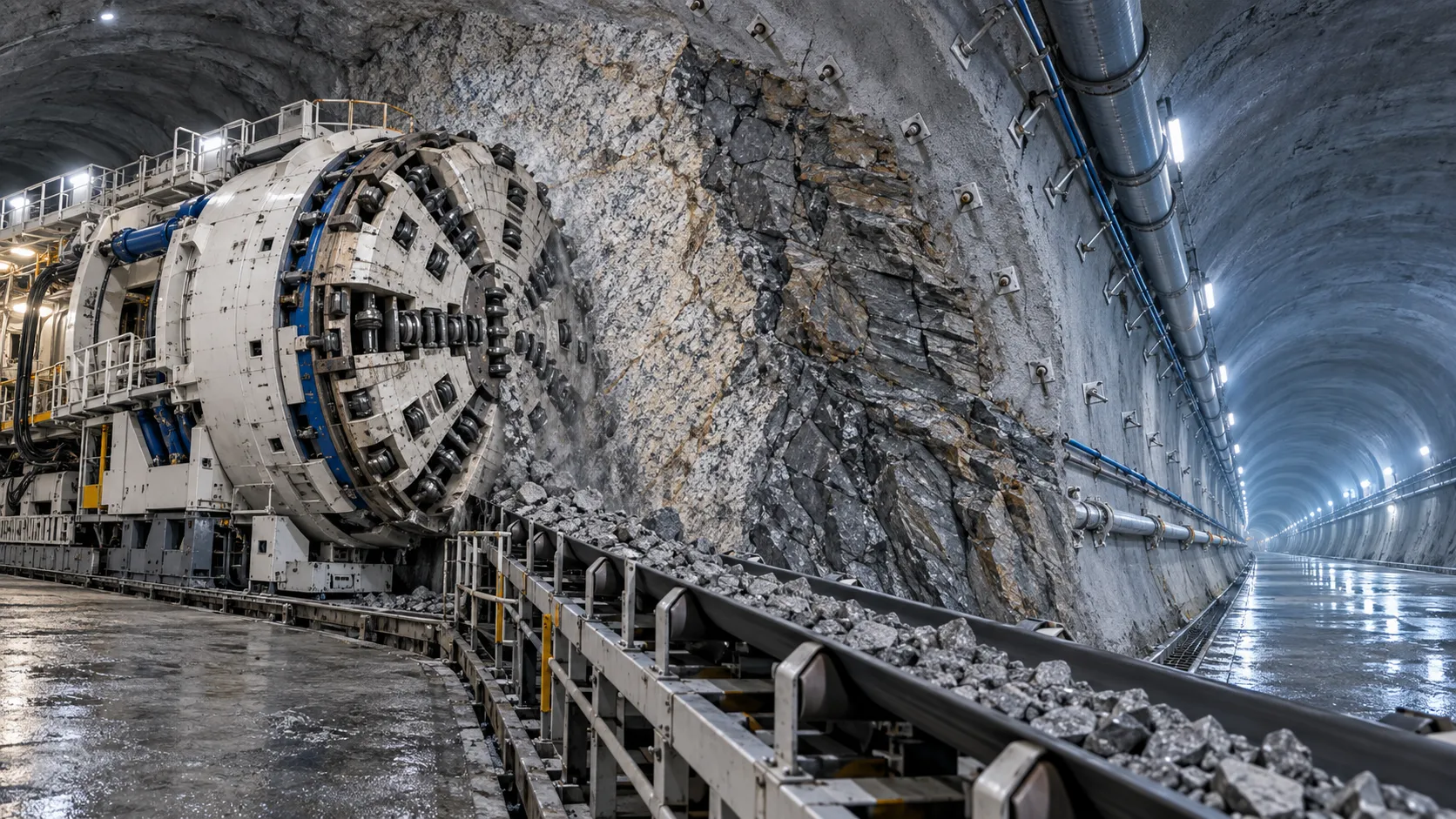
Hydropower Tunnel Excavation: Selecting Methods for Variable Rock Conditions
Hydropower tunnel excavation methods for variable rock conditions: compare TBM, drill-and-blast, and hybrid strategies to improve safety, progress, and project control.
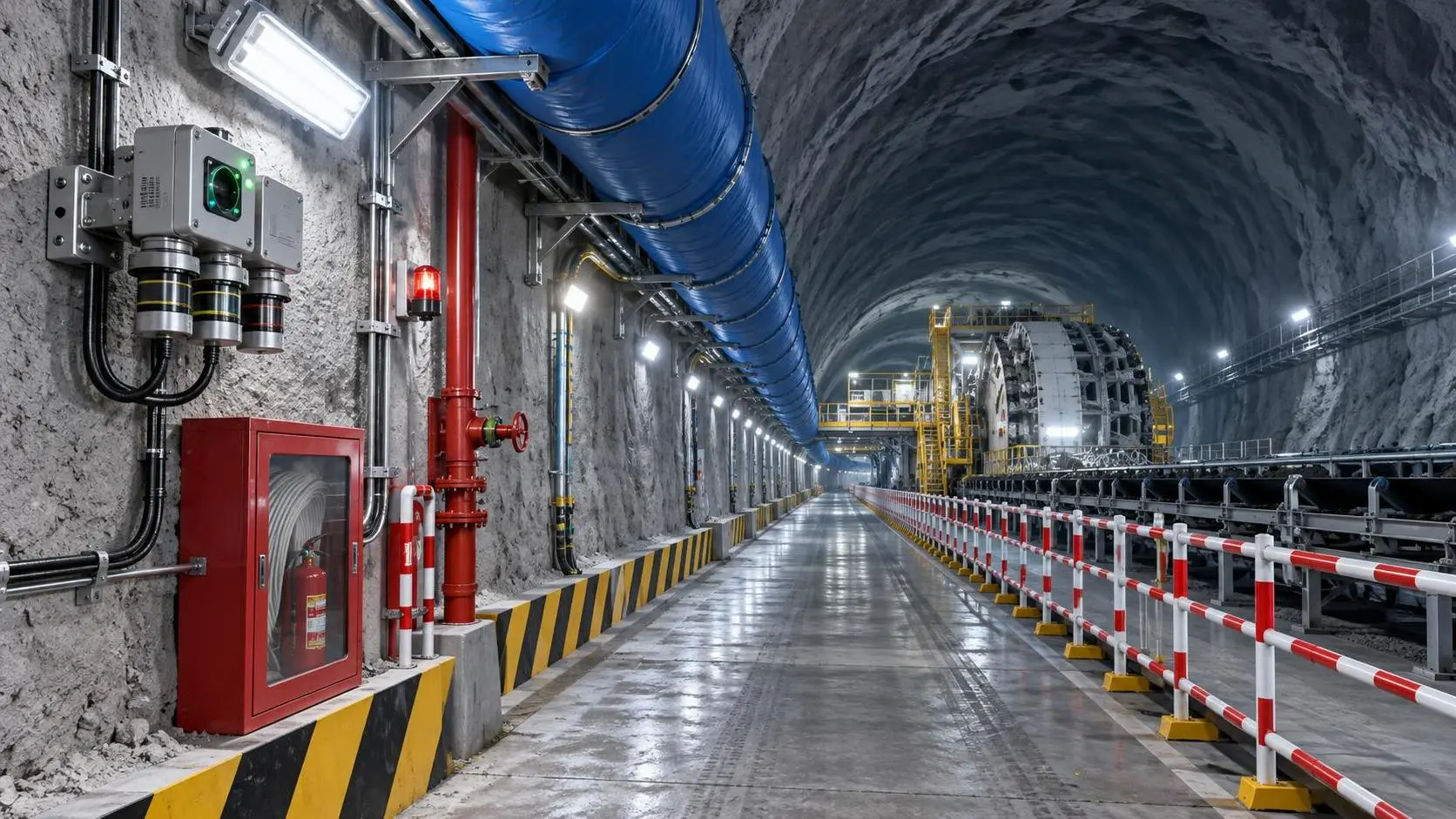
How to Select Underground Safety Equipment for Tunnelling by Hazard and Work Zone
Underground Safety Equipment for tunnelling: match protection to hazards, work zones, compliance, and emergency needs with this practical selection guide.
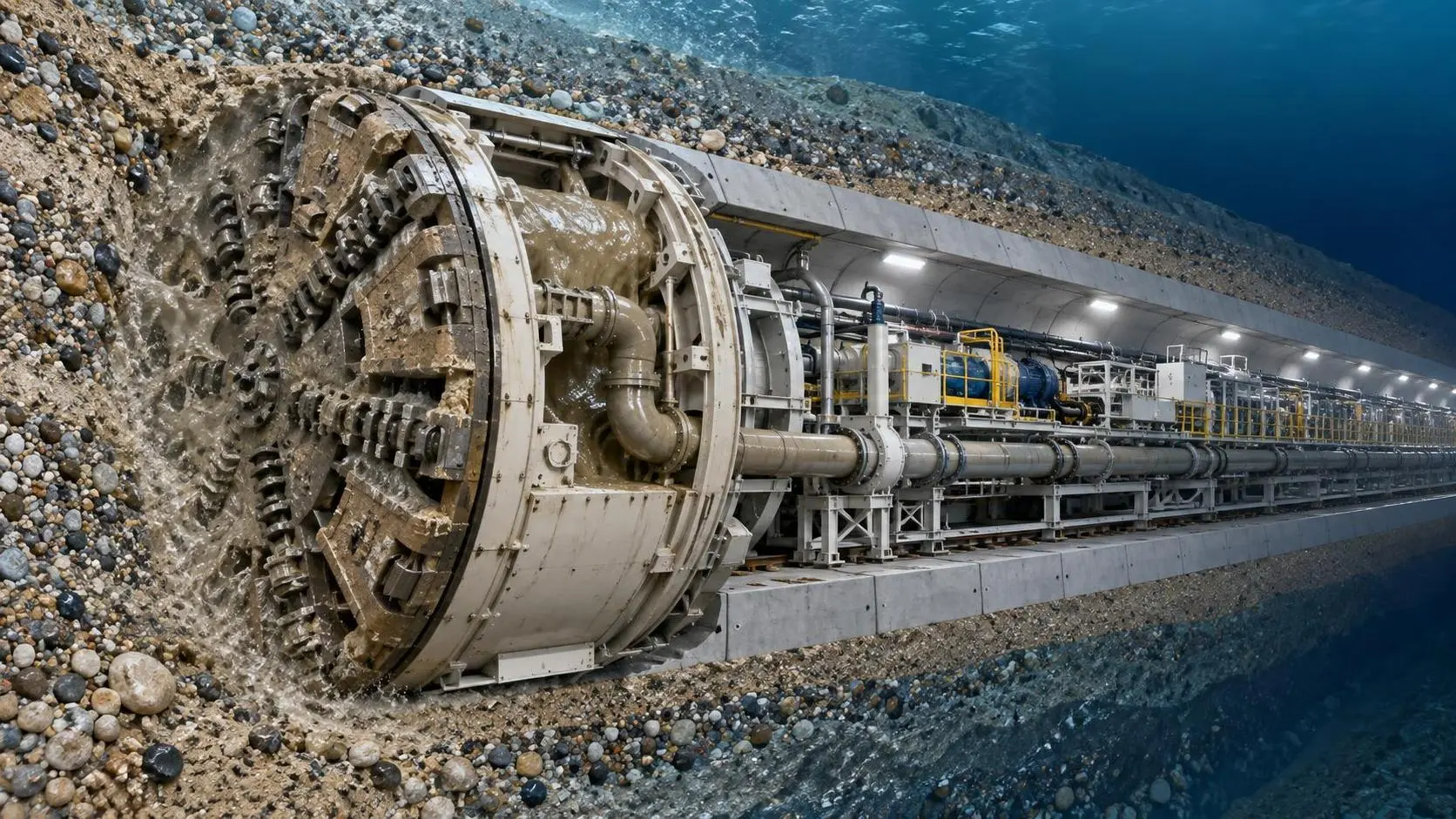
EPB or Slurry Shield? Selecting Soft-Ground Tunnelling Equipment by Soil Conditions
Tunnel Excavation Equipment for soft ground: compare EPB and slurry shields by soil, groundwater, settlement risk, and project logistics to choose confidently.
How to Specify TBM Backup System Parts for Reliable Long-Distance Tunnelling
TBM backup system parts: learn how to specify reliable spares for long-distance tunnelling, reduce downtime, ensure compatibility, and speed underground recovery.
How to Size Open Pit Mining Trucks for Haul Distance, Grade, and Payload?
Open Pit Mining Trucks: learn how to match payload, haul distance, grade, road resistance, and loading capacity for safer, lower-cost mine operations.
Related News
- 00
0000-00
How to Evaluate European Drill-and-Blast Tunnelling Contractors for Complex Projects - 00
0000-00
Which Trenchless Construction Technique Fits Your Utility Crossing Conditions? - 00
0000-00
What Is Driving Metro Tunnelling Demand Across Southeast Asia’s Major Cities? - 00
0000-00
Hard Rock Tunnelling in Australia: Selecting Methods for Variable Ground Conditions - 00
0000-00
Hydropower Tunnel Excavation: Selecting Methods for Variable Rock Conditions
Weekly Insights
Stay ahead with our curated technology reports delivered every Monday.