
Is Autonomous Mining Trucks technology ready for pits?





Autonomous Mining Trucks technology is moving from controlled trials to high-stakes open-pit operations, but readiness depends on more than driverless navigation.
The real question is whether autonomy improves safety, utilization, energy efficiency, and cost predictability under dust, gradients, mixed fleets, and 24/7 production pressure.
As mines pursue electrification and digital transformation, understanding practical limits and business value is essential before committing capital to smart pit operations.
Is Autonomous Mining Trucks technology truly ready for open pits?
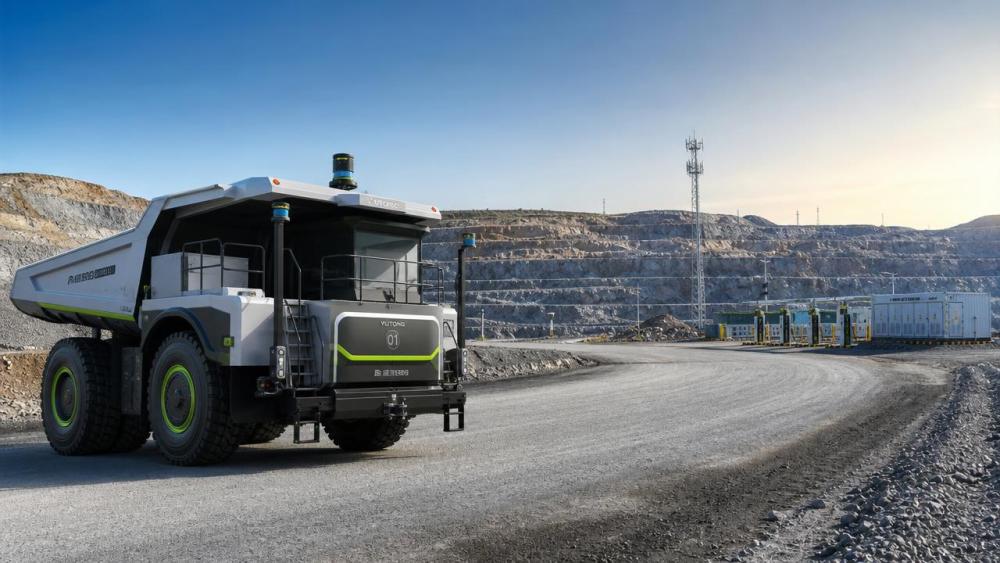
Autonomous Mining Trucks technology is operationally ready in selected open-pit environments where mine design, communications, dispatch logic, and maintenance discipline are mature.
Readiness is not a single technical switch. It is the alignment of machines, roads, people, data, and production rules.
In controlled haul circuits, autonomous haulage can maintain steady speeds, reduce variability, and remove personnel from active traffic zones.
However, pits are not laboratories. Fog, tire damage, shovel delays, blasting changes, berm degradation, and emergency interventions test every automation layer.
Autonomous Mining Trucks technology becomes reliable when it is treated as a system of systems, not a vehicle upgrade.
The best results often appear where haul routes are repetitive, traffic rules are enforced, and loading units interact predictably with autonomous trucks.
Mines with unstable route plans, weak wireless coverage, or inconsistent operating discipline usually face slower ramp-up and more exception handling.
What does readiness actually mean?
Readiness means the pit can support autonomous decisions safely, repeatedly, and profitably across normal and abnormal production conditions.
It includes sensor performance, digital mapping accuracy, fleet management integration, pit traffic control, and clear procedures for manual takeover.
Autonomous Mining Trucks technology also requires trustable data. Bad maps, outdated road boundaries, and poor dispatch inputs create operational friction.
A ready pit has defined exclusion zones, audited communication coverage, and maintenance teams trained for sensors, actuators, batteries, and high-voltage systems.
Where does Autonomous Mining Trucks technology deliver the strongest value?
The strongest business case appears in high-volume open-pit mines with long haul distances, repetitive routes, and continuous production schedules.
Autonomous haulage reduces shift-change losses, minimizes operator variability, and supports predictable cycle times across day and night operations.
Safety is often the first value driver. Removing drivers from massive haul trucks reduces exposure to collisions, rollovers, fatigue, and blind-zone incidents.
Productivity value depends on utilization. Autonomous Mining Trucks technology is most persuasive when it increases effective operating hours, not just average speed.
Energy value becomes more important as electric mining trucks enter fleets. Smooth acceleration and braking can protect batteries and reduce energy waste.
On downhill hauls, autonomy can support consistent regenerative braking strategies when integrated with truck controls and route energy models.
- Large copper, iron ore, coal, and gold pits with stable haul roads.
- Brownfield mines seeking higher utilization from existing truck assets.
- Greenfield pits designed around autonomous traffic from the planning stage.
- Operations combining electrification, fleet dispatch, and digital mine control.
The value case weakens where route flexibility is extreme, production is intermittent, or manual vehicles frequently enter autonomous operating zones.
In those cases, phased autonomy may work better than a rapid fleet-wide transition.
How should mines judge whether the technology fits their pit?
A practical assessment should begin with the haulage problem, not the automation brand or vehicle model.
The first question is whether current truck performance is limited by labor exposure, queue variability, fatigue, underutilization, or dispatch inefficiency.
Autonomous Mining Trucks technology fits best when the root constraint can be improved through repeatable machine behavior and centralized control.
The second question is infrastructure maturity. Autonomy needs robust wireless networks, precise positioning, digital maps, and reliable edge computing.
The third question is organizational discipline. Road rules, loading procedures, dumping protocols, and exception response must be documented and followed.
A pilot should not be judged only by whether the truck drives without a person.
It should be judged by cycle-time stability, intervention frequency, safety performance, map update effort, and maintenance workload.
This evaluation keeps Autonomous Mining Trucks technology connected to measurable operational outcomes, rather than marketing promises.
What risks and misconceptions slow autonomous haulage projects?
One misconception is that autonomous trucks automatically remove complexity. In reality, they shift complexity from the cab to the operating system.
Control rooms, dispatch algorithms, maintenance planning, and geofenced workflows become more important after deployment.
Another misconception is that every manual process can remain unchanged. Autonomous Mining Trucks technology often exposes weak standards that manual operators previously absorbed.
For example, inconsistent dumping procedures may cause repeated truck stops, even when vehicle perception systems work correctly.
Mixed traffic is a major risk. Light vehicles, graders, water trucks, and emergency vehicles must follow predictable access and priority rules.
Cybersecurity also matters. Connected haulage systems require secure updates, user permissions, network segmentation, and incident-response plans.
Data ownership should be reviewed early. Production data, machine health data, and optimization models may involve several technology providers.
Common warning signs before deployment
- Frequent unplanned route changes without reliable map updates.
- Poor road maintenance causing dust clouds and sensor contamination.
- Unclear responsibility between dispatch, operations, maintenance, and technology teams.
- Limited training for exception management and autonomous zone access.
- Unrealistic payback assumptions based only on labor reduction.
Autonomous Mining Trucks technology should be introduced with operational safeguards, not as a shortcut around weak processes.
How does autonomy compare with electrification and remote operation?
Autonomy, electrification, and remote operation are related, but they solve different problems in modern mining transport.
Electrification targets diesel reduction, ventilation pressure, energy efficiency, and carbon reporting. It changes powertrains and charging infrastructure.
Remote operation removes personnel from hazardous locations, but a human still supervises or controls key movements.
Autonomous Mining Trucks technology focuses on machine decision-making, route execution, obstacle response, and dispatch-driven productivity.
The strongest future pit will likely combine all three. Electric trucks can be driven autonomously and supervised from remote operation centers.
This combination supports safer, cleaner, and more predictable haulage, especially on long downhill hauls and high-tonnage circuits.
Yet integration is challenging. Charging windows, battery temperature, route assignments, and shovel queues must be optimized together.
Autonomous Mining Trucks technology can help manage that complexity, but only when energy data and production data share a common planning layer.
What implementation path reduces cost, delay, and production disruption?
A phased roadmap usually reduces risk better than a full fleet conversion from day one.
The first phase should map haulage pain points, collect baseline performance, and identify routes with the best repeatability.
The second phase should upgrade enabling infrastructure, including connectivity, road design, digital mapping, and traffic-control procedures.
The third phase should run a controlled operating zone with limited truck numbers and strict intervention tracking.
The fourth phase should scale only after safety metrics, availability, cycle time, and maintenance routines prove repeatable.
Autonomous Mining Trucks technology should also be tied to workforce transition planning. New roles emerge in dispatch, analytics, systems maintenance, and remote supervision.
Cost planning should include trucks, software, networks, training, road works, control centers, cybersecurity, and long-term support agreements.
A narrow purchase-price comparison misses the true economics of autonomous haulage.
So, what is the final verdict on Autonomous Mining Trucks technology?
Autonomous Mining Trucks technology is ready for many pits, but not for every pit in its current operating condition.
It performs best where mining systems are designed for repeatability, visibility, and disciplined control.
The technology is no longer experimental in principle. The remaining challenge is implementation quality under real production pressure.
A sound next step is to audit haul routes, communication coverage, fleet interactions, safety procedures, and energy requirements before selecting equipment.
UTMD continues tracking autonomous haulage, electric mining trucks, and smart pit systems through rigorous intelligence on underground and open-pit transformation.
For operations preparing the next phase of smart mining, Autonomous Mining Trucks technology should be assessed as a strategic operating model.
The right question is not whether trucks can drive themselves. It is whether the whole pit is ready to operate intelligently.
Related News
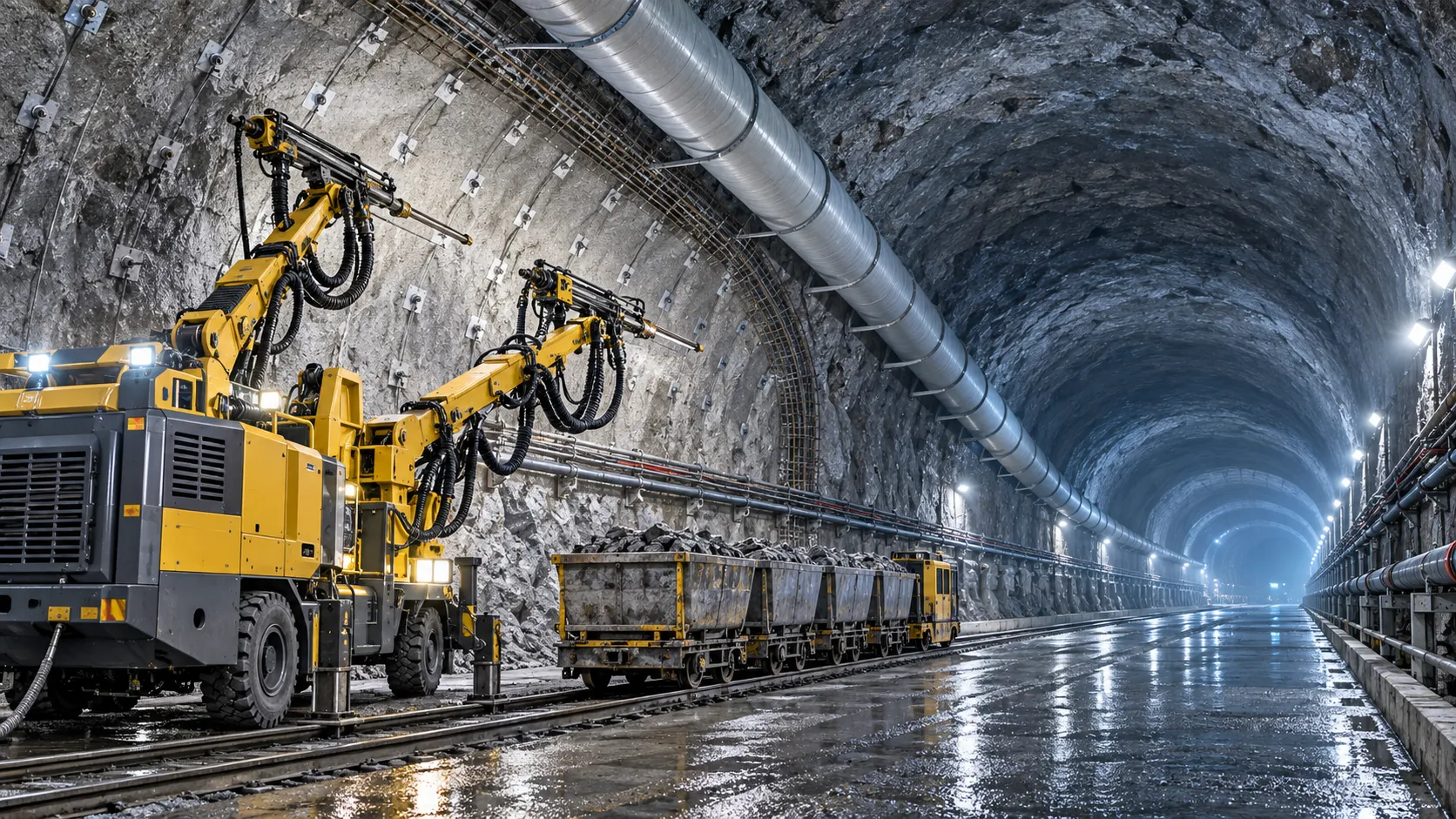
How to Evaluate European Drill-and-Blast Tunnelling Contractors for Complex Projects
Drill and blast tunnelling contractors Europe: learn how to assess geology expertise, blast control, equipment reliability, safety, and programme resilience for complex projects.
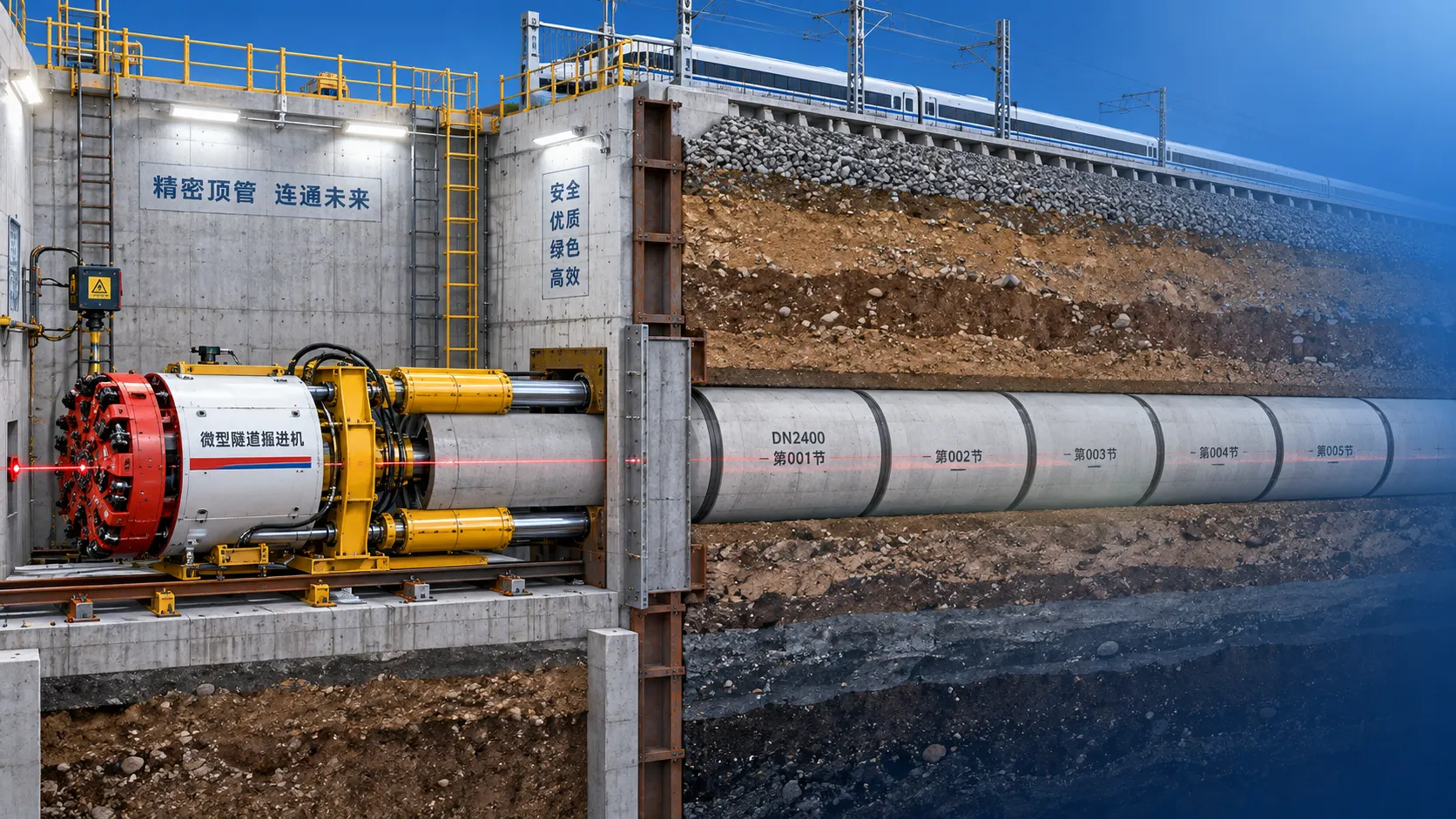
Which Trenchless Construction Technique Fits Your Utility Crossing Conditions?
Trenchless construction techniques compared for utility crossings: choose HDD, microtunnelling, pipe jacking, or auger boring based on ground, accuracy, access, and risk.
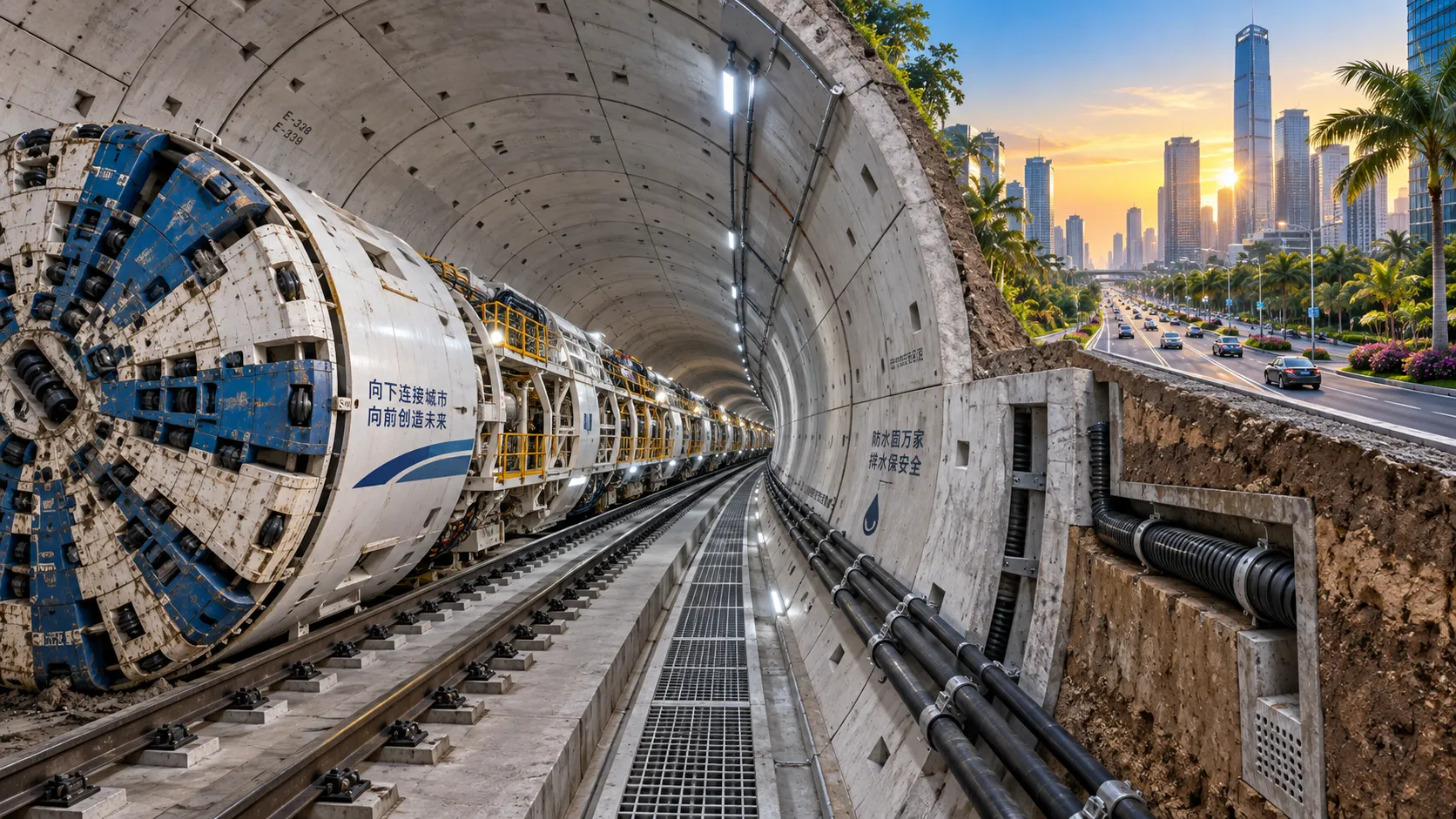
What Is Driving Metro Tunnelling Demand Across Southeast Asia’s Major Cities?
Metro tunnelling Southeast Asia is accelerating as major cities tackle congestion, flooding, and connectivity. Explore the market forces, technical risks, and opportunities shaping demand.
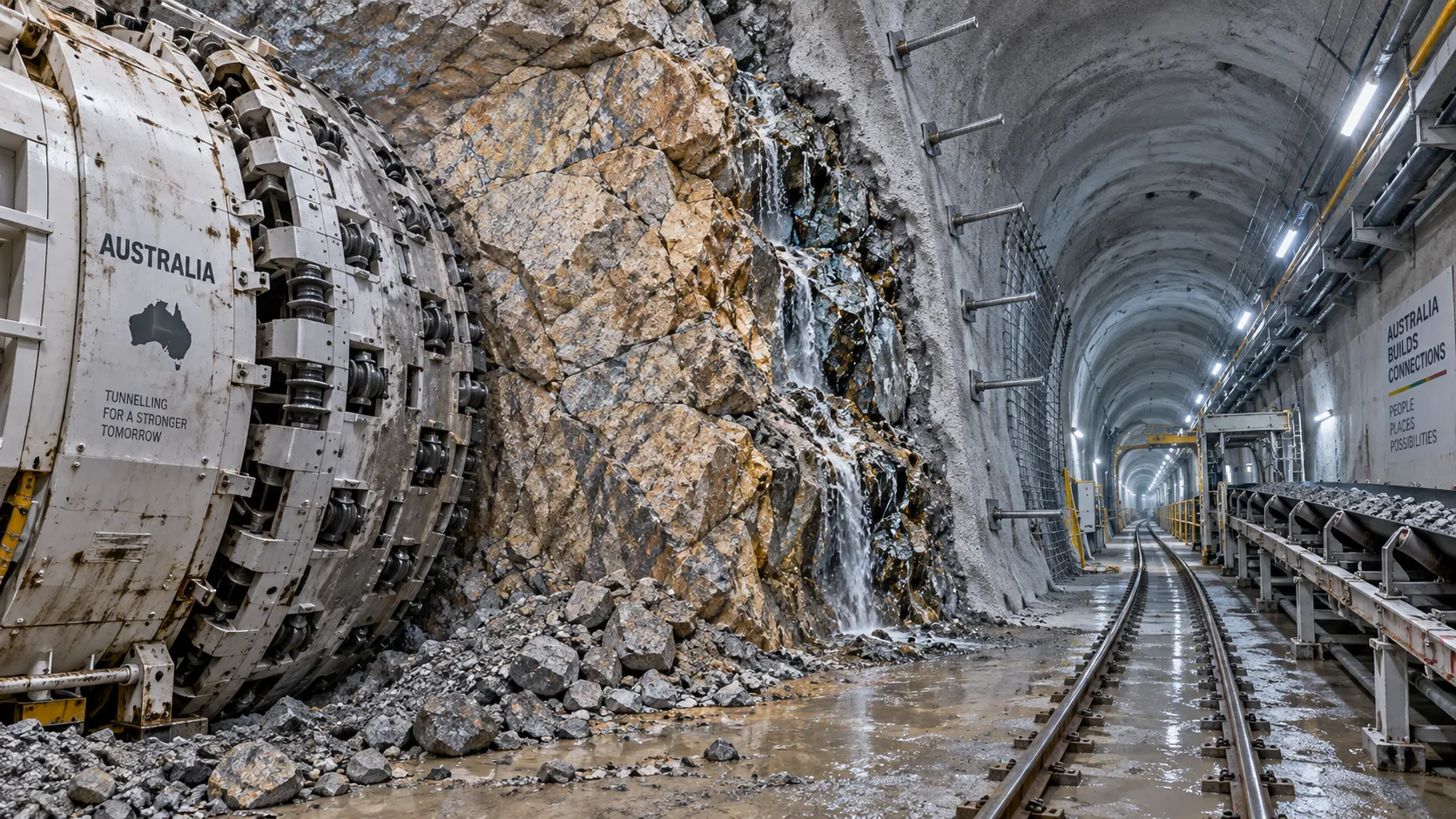
Hard Rock Tunnelling in Australia: Selecting Methods for Variable Ground Conditions
Hard rock tunnelling in Australia: compare TBM, drill-and-blast and hybrid methods to manage variable ground, reduce risk and protect project costs.
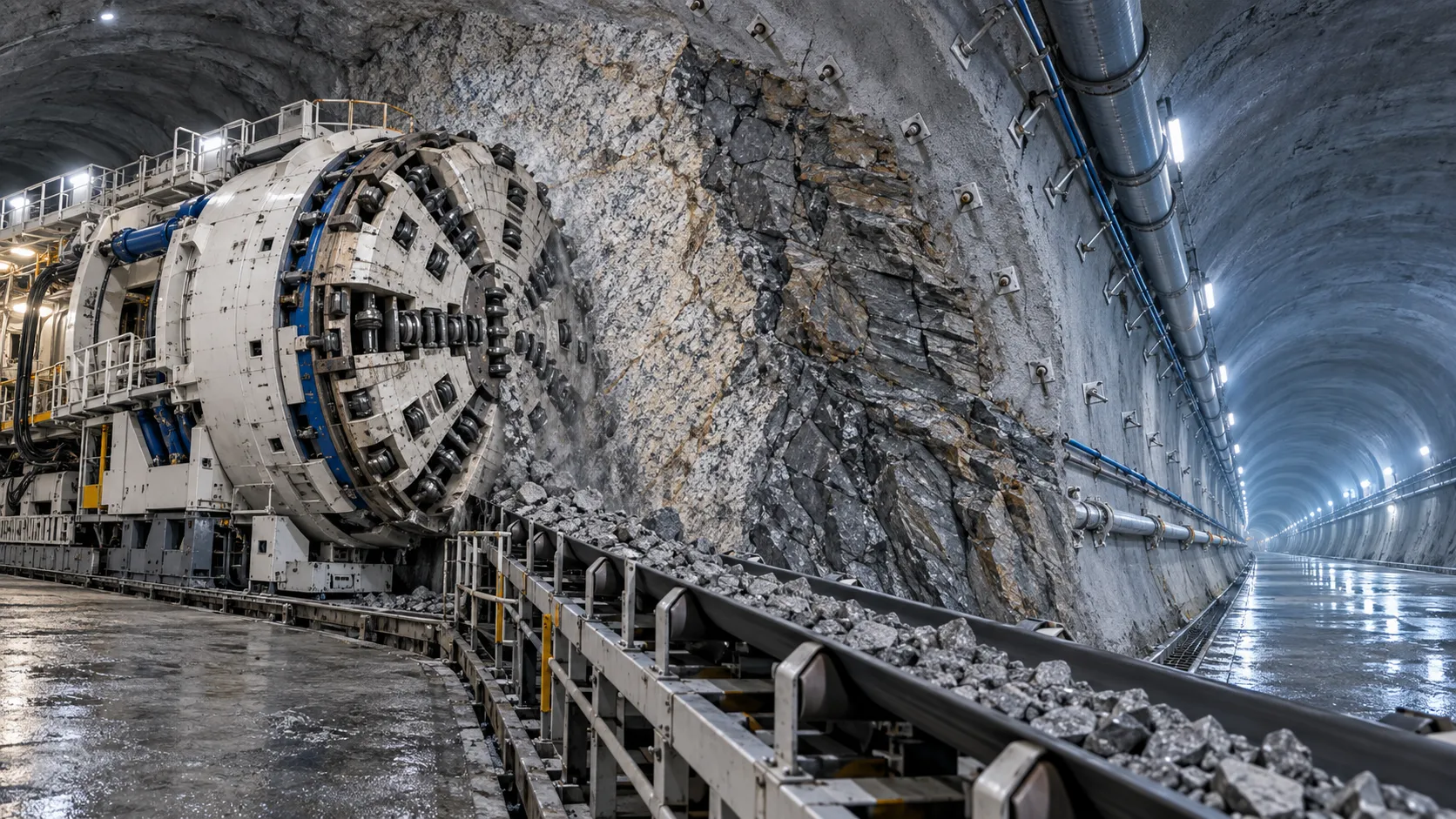
Hydropower Tunnel Excavation: Selecting Methods for Variable Rock Conditions
Hydropower tunnel excavation methods for variable rock conditions: compare TBM, drill-and-blast, and hybrid strategies to improve safety, progress, and project control.
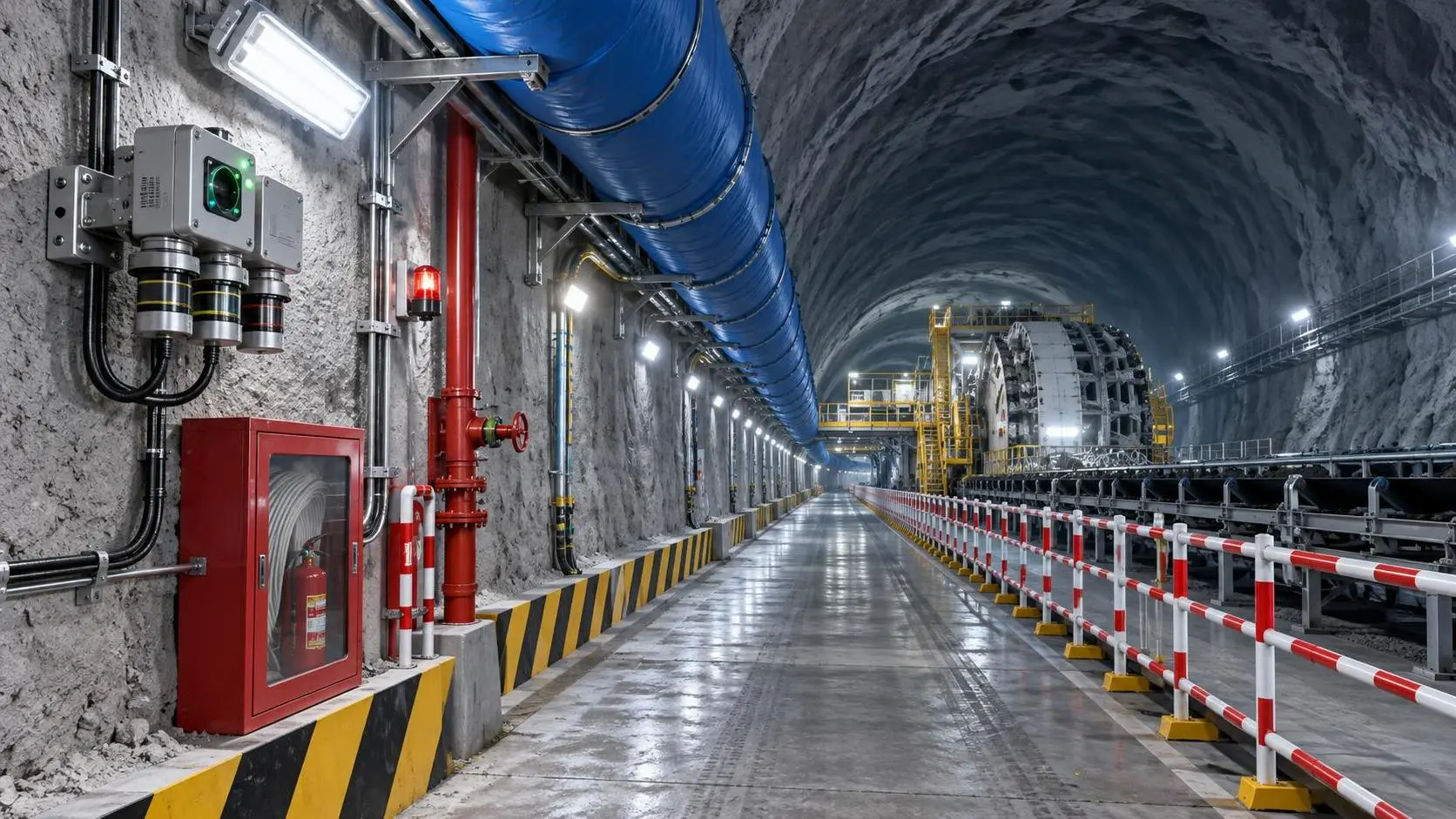
How to Select Underground Safety Equipment for Tunnelling by Hazard and Work Zone
Underground Safety Equipment for tunnelling: match protection to hazards, work zones, compliance, and emergency needs with this practical selection guide.
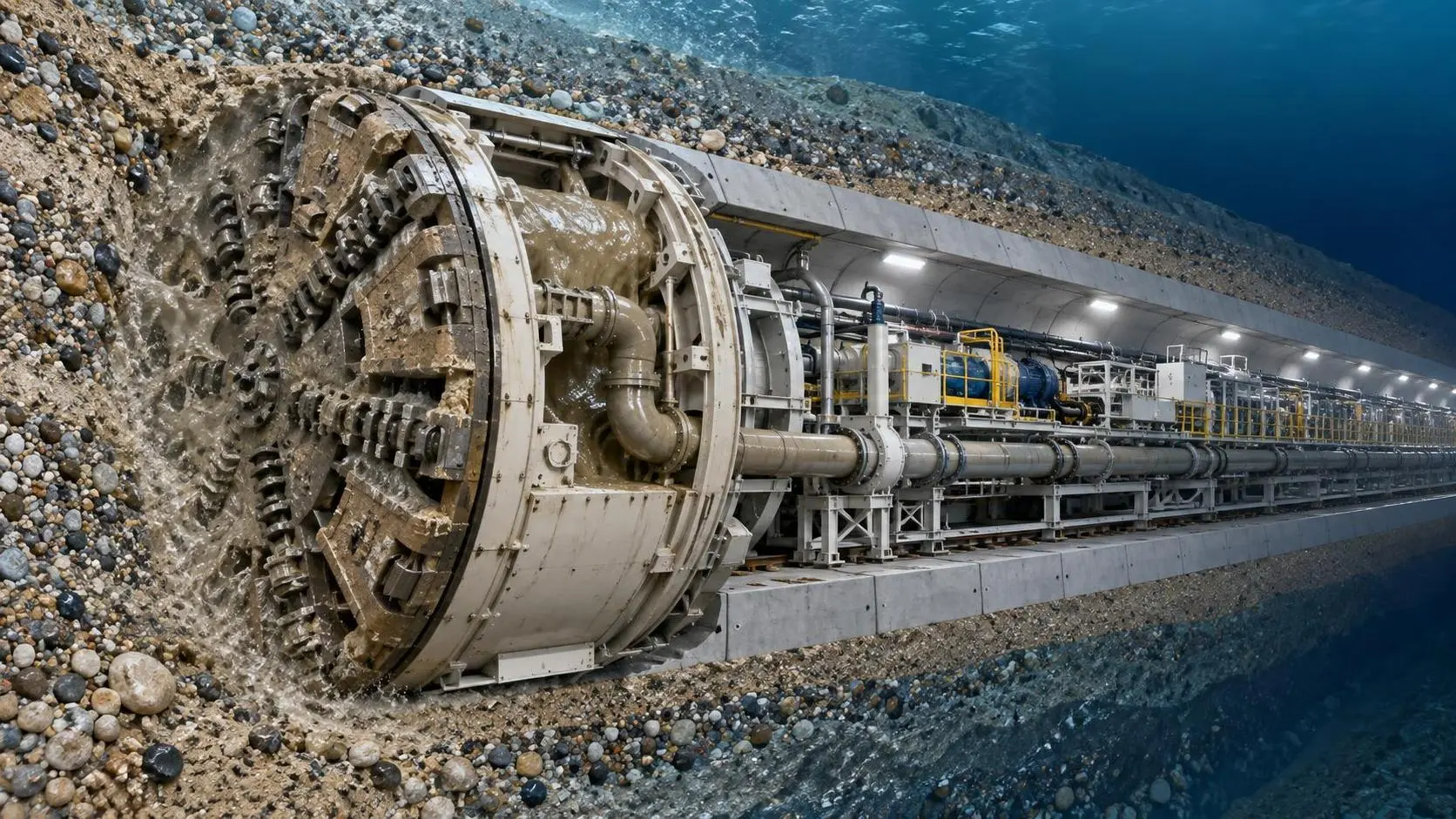
EPB or Slurry Shield? Selecting Soft-Ground Tunnelling Equipment by Soil Conditions
Tunnel Excavation Equipment for soft ground: compare EPB and slurry shields by soil, groundwater, settlement risk, and project logistics to choose confidently.
How to Specify TBM Backup System Parts for Reliable Long-Distance Tunnelling
TBM backup system parts: learn how to specify reliable spares for long-distance tunnelling, reduce downtime, ensure compatibility, and speed underground recovery.
How to Size Open Pit Mining Trucks for Haul Distance, Grade, and Payload?
Open Pit Mining Trucks: learn how to match payload, haul distance, grade, road resistance, and loading capacity for safer, lower-cost mine operations.
Related News
- 00
0000-00
How to Evaluate European Drill-and-Blast Tunnelling Contractors for Complex Projects - 00
0000-00
Which Trenchless Construction Technique Fits Your Utility Crossing Conditions? - 00
0000-00
What Is Driving Metro Tunnelling Demand Across Southeast Asia’s Major Cities? - 00
0000-00
Hard Rock Tunnelling in Australia: Selecting Methods for Variable Ground Conditions - 00
0000-00
Hydropower Tunnel Excavation: Selecting Methods for Variable Rock Conditions
Weekly Insights
Stay ahead with our curated technology reports delivered every Monday.