
Mining Dump Trucks for Sale: How to Compare Payload, Engine Power, and Total Cost





Mining Dump Trucks for Sale: what should matter before the price tag?
When people search for Mining Dump Trucks for sale, the first comparison is often unit price. In practice, that is rarely the safest starting point.
A haul truck works inside a production system. Payload, engine power, road profile, loading match, tire life, and service access all influence cost.
That is why serious evaluation usually looks at total cost over years, not only at capital cost on day one.
UTMD tracks this shift across mining and underground equipment markets. The same logic used for TBMs, LHDs, and drilling fleets also applies here.
Equipment selection becomes stronger when technical performance, electrification trends, and maintenance realities are reviewed together.
So the useful question is not simply, “Which Mining Dump Trucks for sale look cheapest?” It is, “Which truck delivers stable tonnes at the lowest lifecycle risk?”
Is payload always the main number to compare?
Payload is the headline figure, but it should never be read alone. A larger body does not automatically mean better mine economics.
The real issue is whether the rated payload matches the loading tool, haul distance, bench layout, and road condition.
For example, a truck rated for very high tonnage may underperform if the shovel needs too many passes.
That mismatch slows cycles, increases idle time, and creates inconsistent fill factors.
A more practical review includes these checks:
- Target payload versus actual average payload in similar sites
- Number of loader passes needed for full loading
- Effect of material density changes on body utilization
- Cycle time sensitivity on ramps and congested haul roads
- Legal and safety limits for braking and downhill control
In other words, payload should be treated as a system number. It only creates value when the truck is consistently loaded and dispatched correctly.
When reviewing Mining Dump Trucks for sale, many buyers now ask for payload data under site-specific duty cycles, not brochure conditions.
How much engine power is enough, and when does more become wasteful?
Engine power matters most when grades are steep, haul roads are soft, or cycle targets are aggressive. Yet bigger power does not always lower cost per tonne.
If a truck is oversized for the route, fuel burn may rise without a proportional gain in productivity.
The better way to compare Mining Dump Trucks for sale is to link engine power with usable tractive effort, transmission behavior, and retarding performance.
This is especially relevant now, as mines weigh diesel units against trolley-assist, hybrid, or battery-electric options.
UTMD’s heavy haulage coverage often highlights a similar lesson from EV truck adoption: downhill energy recovery and thermal control can be as important as peak power.
Ask these questions during comparison:
A strong specification is one that supports the route profile efficiently, not one that simply advertises the highest horsepower.
Where does total cost usually change the buying decision?
This is often the turning point. Two trucks can look close on paper, then separate quickly once operating cost is modeled honestly.
The biggest cost drivers usually include fuel or electricity, tires, planned maintenance, major component life, and unplanned downtime.
Availability is critical. A truck with a lower purchase price can become expensive if parts lead times are long or field support is weak.
That point matters even more in remote projects, where a failed drivetrain or suspension component can stop production for days.
When screening Mining Dump Trucks for sale, compare total cost through a structured lens:
- Cost per tonne hauled, not cost per truck only
- Fuel burn or energy use across loaded, empty, and idle states
- Tire wear under local temperature, road maintenance, and turning radius
- Workshop tool needs and technician skill requirements
- Residual value after planned fleet renewal
More buyers are also adding carbon and ventilation costs into the equation, especially where electrification strategy affects mine-wide ESG targets.
UTMD’s market intelligence regularly shows that replacement demand is no longer driven only by age. It is also driven by automation and emissions compliance.
Which common comparison mistakes lead to the wrong truck?
Several mistakes appear again and again. Most come from evaluating a machine in isolation instead of evaluating a transport system.
One common error is trusting nominal specifications without confirming site assumptions. Rated payload, speed, and fuel figures may rely on ideal conditions.
Another is overlooking support depth. A technically impressive model may still be a weak choice if local service coverage is thin.
There is also a growing risk in underestimating software. Modern haul trucks increasingly depend on telematics, dispatch integration, and safety electronics.
That means the buying checklist should include risks beyond hardware:
- Mismatched body size and loading fleet
- Weak brake performance on long downhill hauls
- Poor spare parts access for critical components
- Insufficient operator visibility and onboard safety systems
- Limited compatibility with autonomy or future digital upgrades
In real projects, the wrong truck is often not the weakest truck. It is the truck that fits badly into the mine plan.
What should a practical shortlist for Mining Dump Trucks for sale look like?
A good shortlist is usually narrow, evidence-based, and built around actual operating conditions. Three to four models are often enough for a serious comparison.
Start with the mine profile. Define annual tonnes, average haul distance, maximum grade, material density, climate, and road maintenance standard.
Then align that with loading tools, target cycle time, and expected fleet expansion. This prevents short-term buying from creating long-term constraints.
The most useful shortlist usually includes these decision layers:
- Technical fit: payload class, powertrain, brake system, body design
- Operating fit: haul road condition, shift pattern, altitude, climate
- Support fit: dealer response, parts stock, training, remote diagnostics
- Future fit: automation readiness, electrification path, data integration
If the operation is evaluating diesel against electric alternatives, compare infrastructure cost separately rather than hiding it inside truck price.
That clearer structure makes trade-offs easier to defend internally and reduces the chance of a misleading low bid.
So how should the final decision be made?
The final decision on Mining Dump Trucks for sale should combine field reality with commercial discipline. A balanced scorecard usually works better than a single ranking number.
Give weight to payload utilization, speed on grade, energy consumption, service access, parts certainty, and projected cost per tonne.
Then test each candidate against probable disruptions, such as wetter roads, hotter ambient conditions, or tighter production targets.
That is where many expensive surprises can be avoided.
UTMD’s broader view of smart mines, zero-emission transport, and automated heavy equipment points to the same conclusion: the best truck is the one that stays productive as the mine evolves.
Before making the final comparison, organize site data, request duty-specific performance proof, and model total ownership cost over the planned service life.
That approach turns a simple search for Mining Dump Trucks for sale into a more reliable equipment decision with measurable long-term value.
Related News
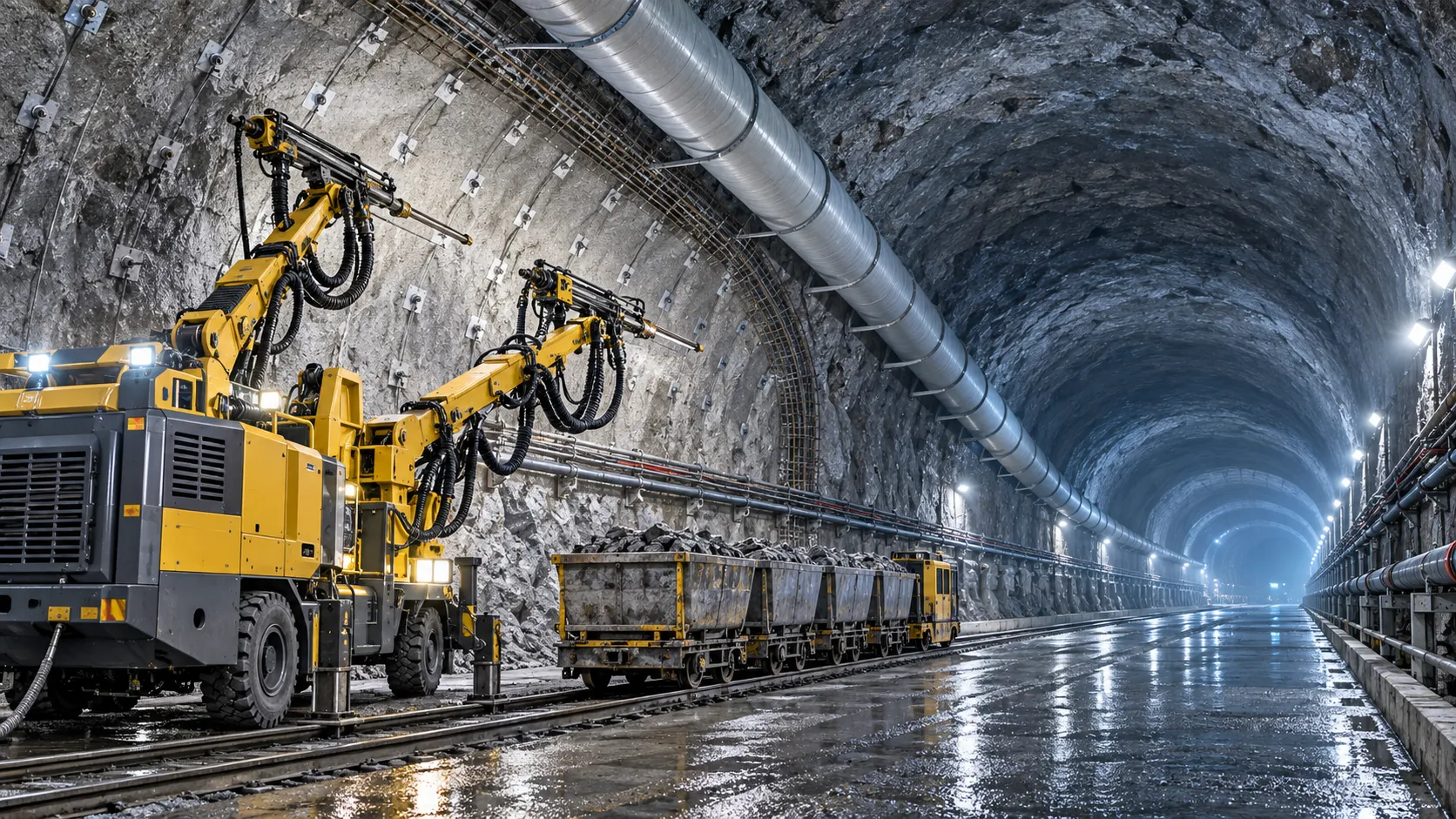
How to Evaluate European Drill-and-Blast Tunnelling Contractors for Complex Projects
Drill and blast tunnelling contractors Europe: learn how to assess geology expertise, blast control, equipment reliability, safety, and programme resilience for complex projects.
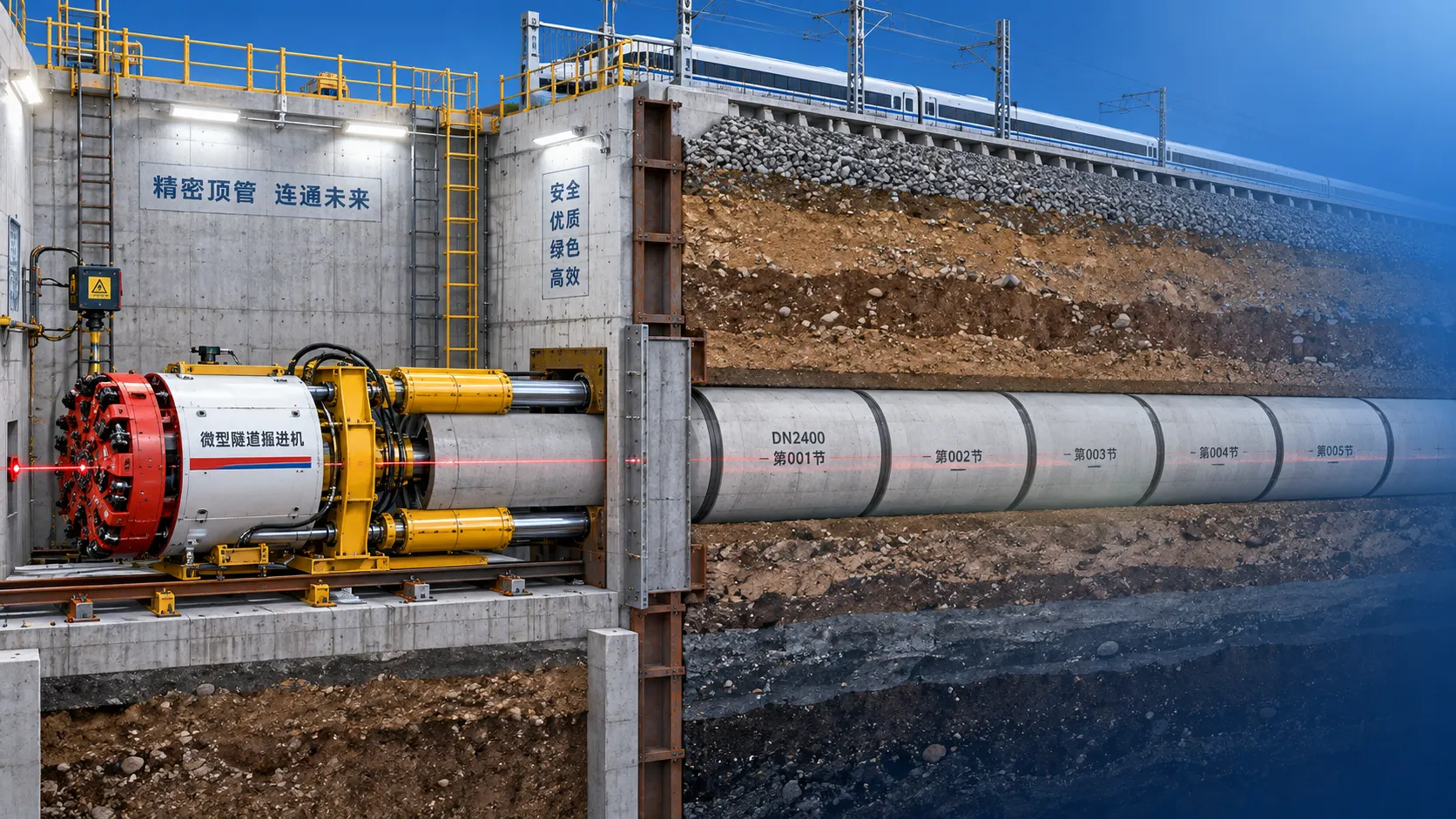
Which Trenchless Construction Technique Fits Your Utility Crossing Conditions?
Trenchless construction techniques compared for utility crossings: choose HDD, microtunnelling, pipe jacking, or auger boring based on ground, accuracy, access, and risk.
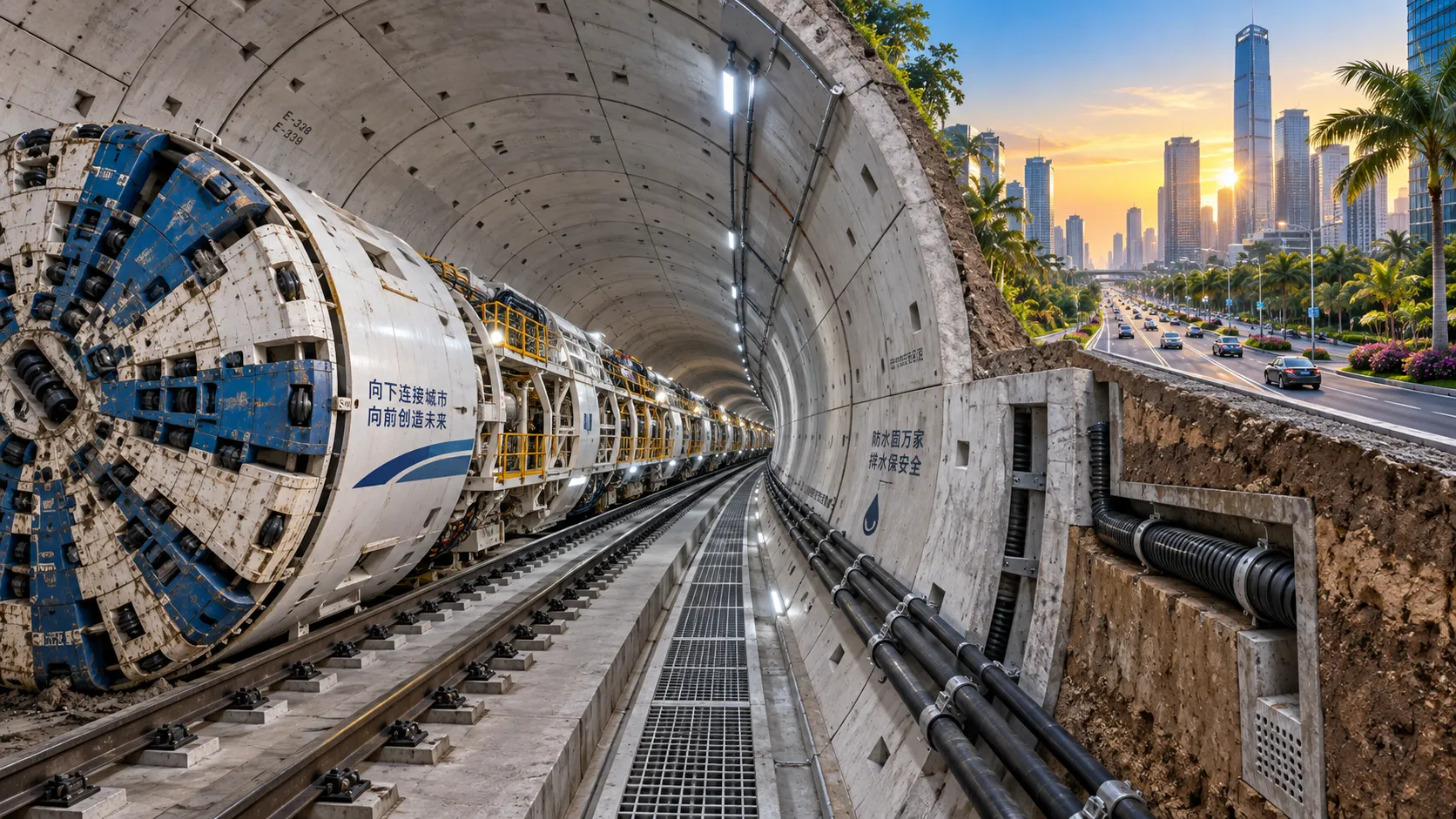
What Is Driving Metro Tunnelling Demand Across Southeast Asia’s Major Cities?
Metro tunnelling Southeast Asia is accelerating as major cities tackle congestion, flooding, and connectivity. Explore the market forces, technical risks, and opportunities shaping demand.
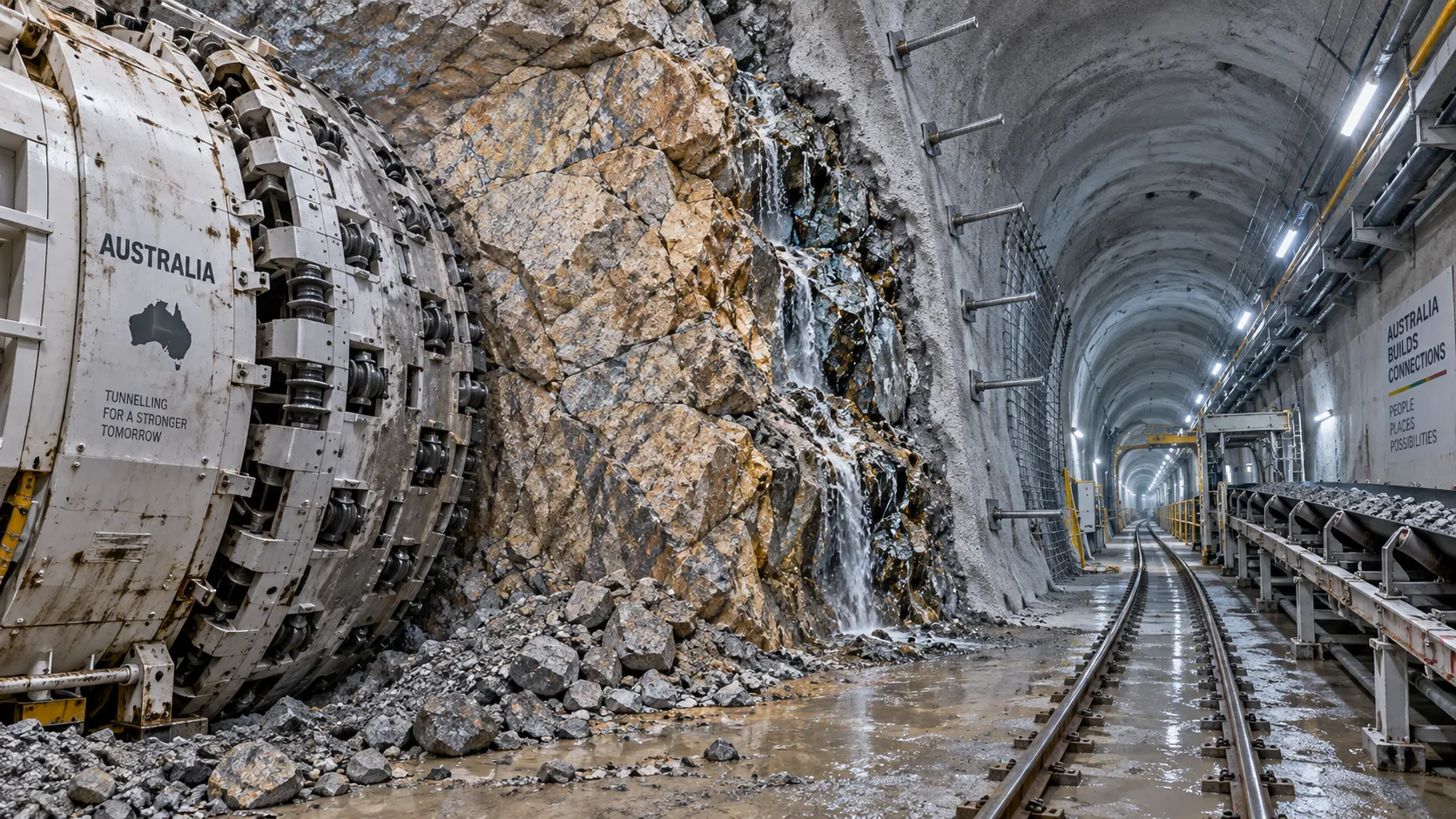
Hard Rock Tunnelling in Australia: Selecting Methods for Variable Ground Conditions
Hard rock tunnelling in Australia: compare TBM, drill-and-blast and hybrid methods to manage variable ground, reduce risk and protect project costs.
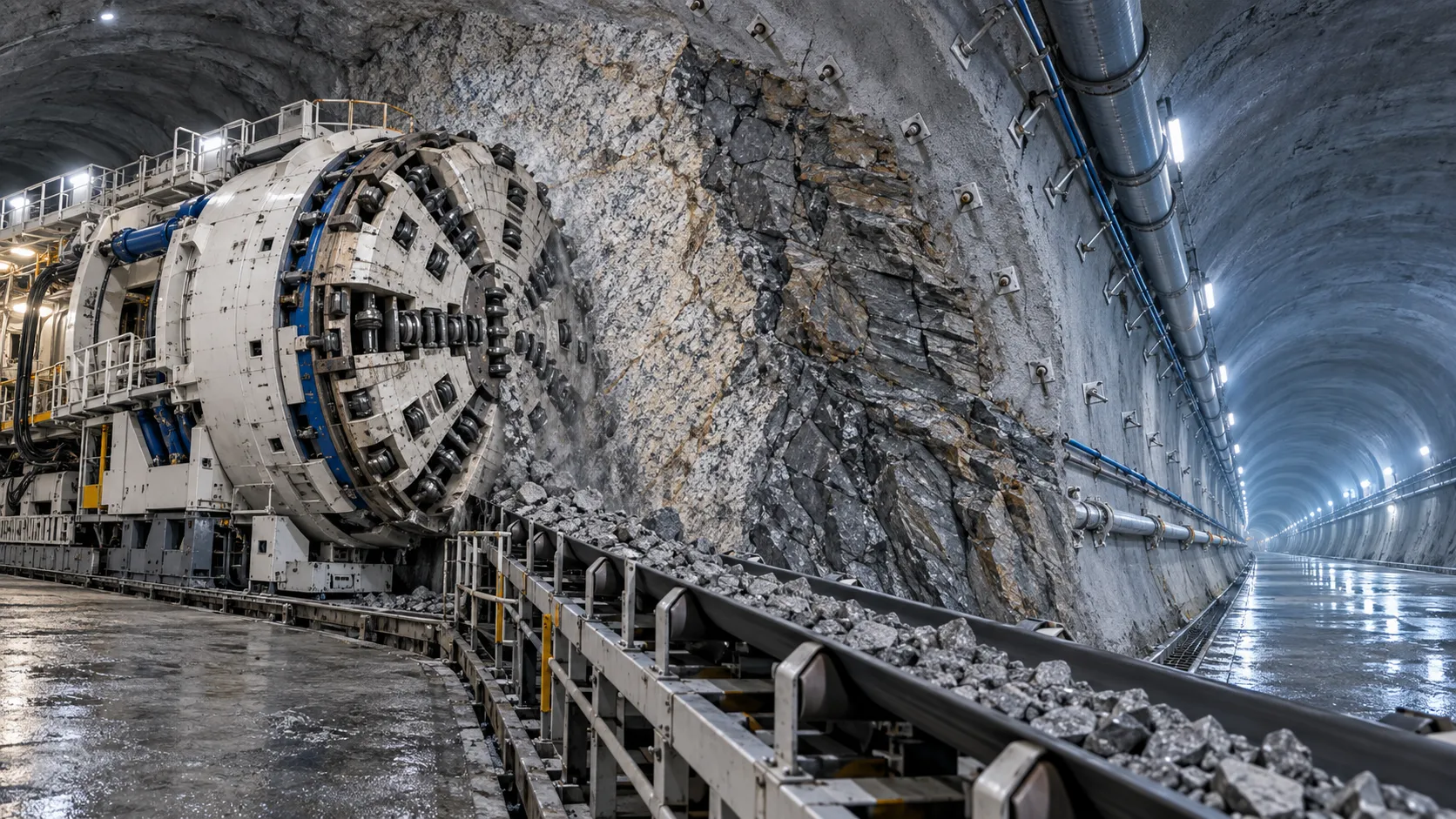
Hydropower Tunnel Excavation: Selecting Methods for Variable Rock Conditions
Hydropower tunnel excavation methods for variable rock conditions: compare TBM, drill-and-blast, and hybrid strategies to improve safety, progress, and project control.
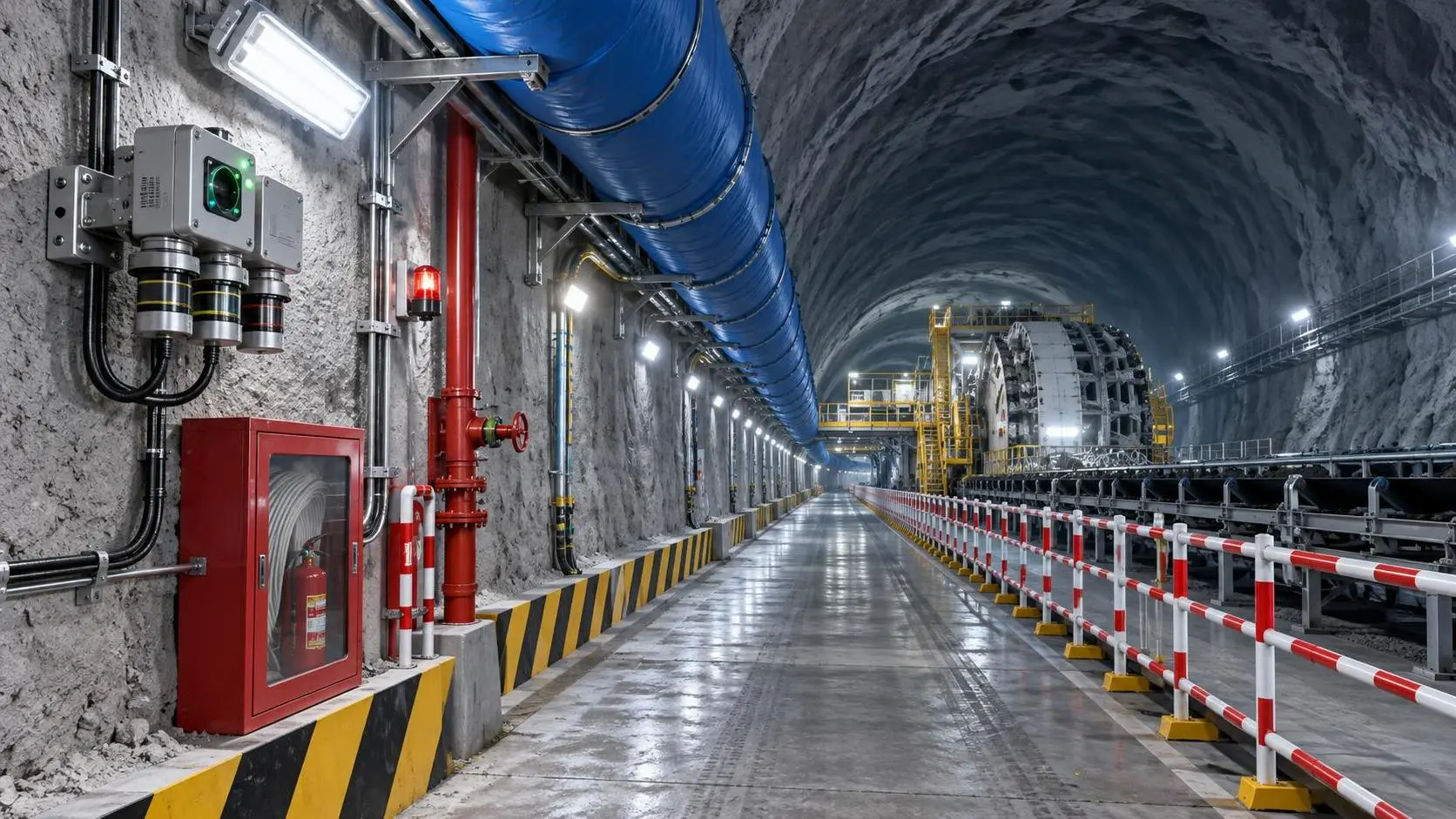
How to Select Underground Safety Equipment for Tunnelling by Hazard and Work Zone
Underground Safety Equipment for tunnelling: match protection to hazards, work zones, compliance, and emergency needs with this practical selection guide.
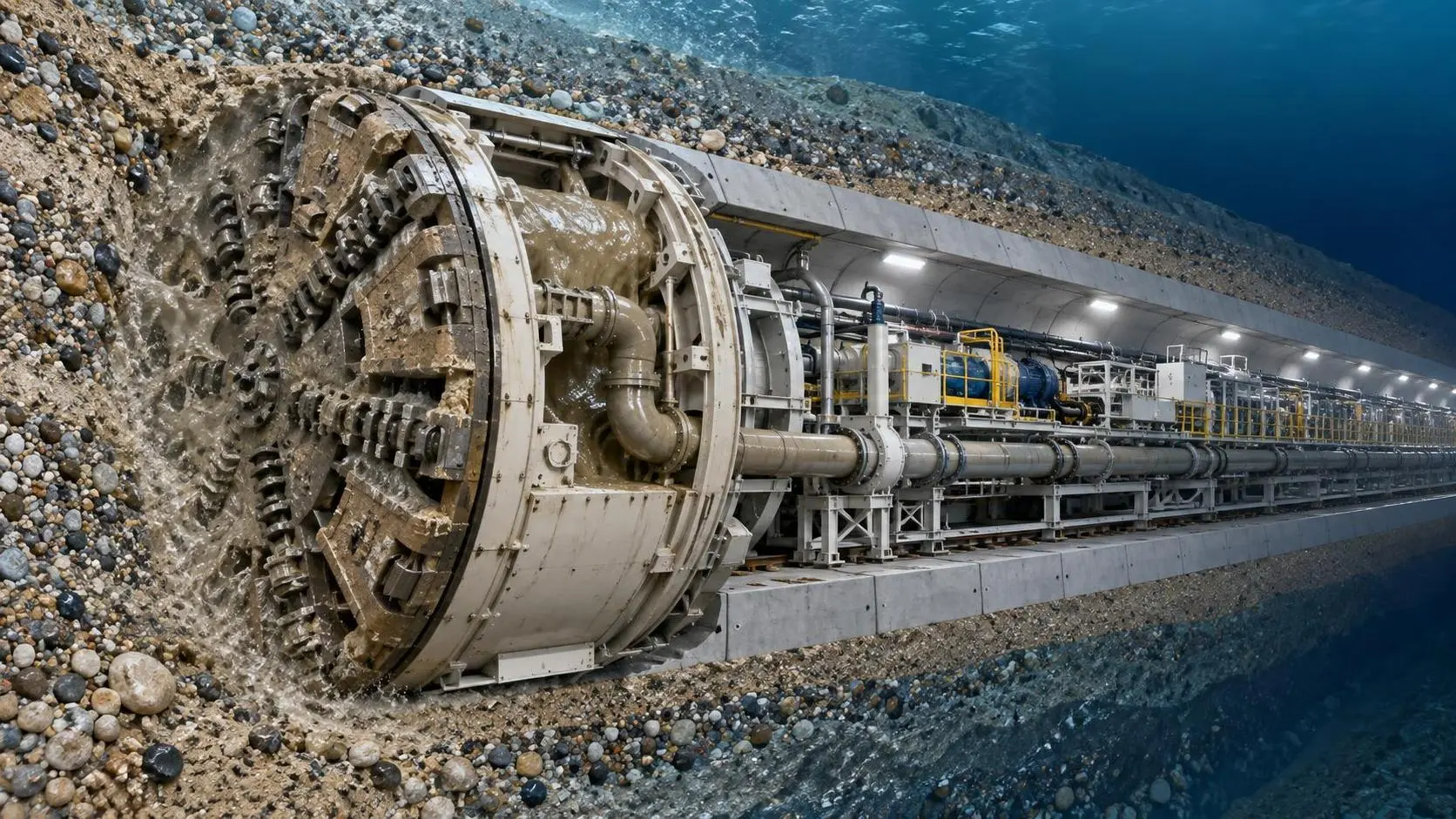
EPB or Slurry Shield? Selecting Soft-Ground Tunnelling Equipment by Soil Conditions
Tunnel Excavation Equipment for soft ground: compare EPB and slurry shields by soil, groundwater, settlement risk, and project logistics to choose confidently.
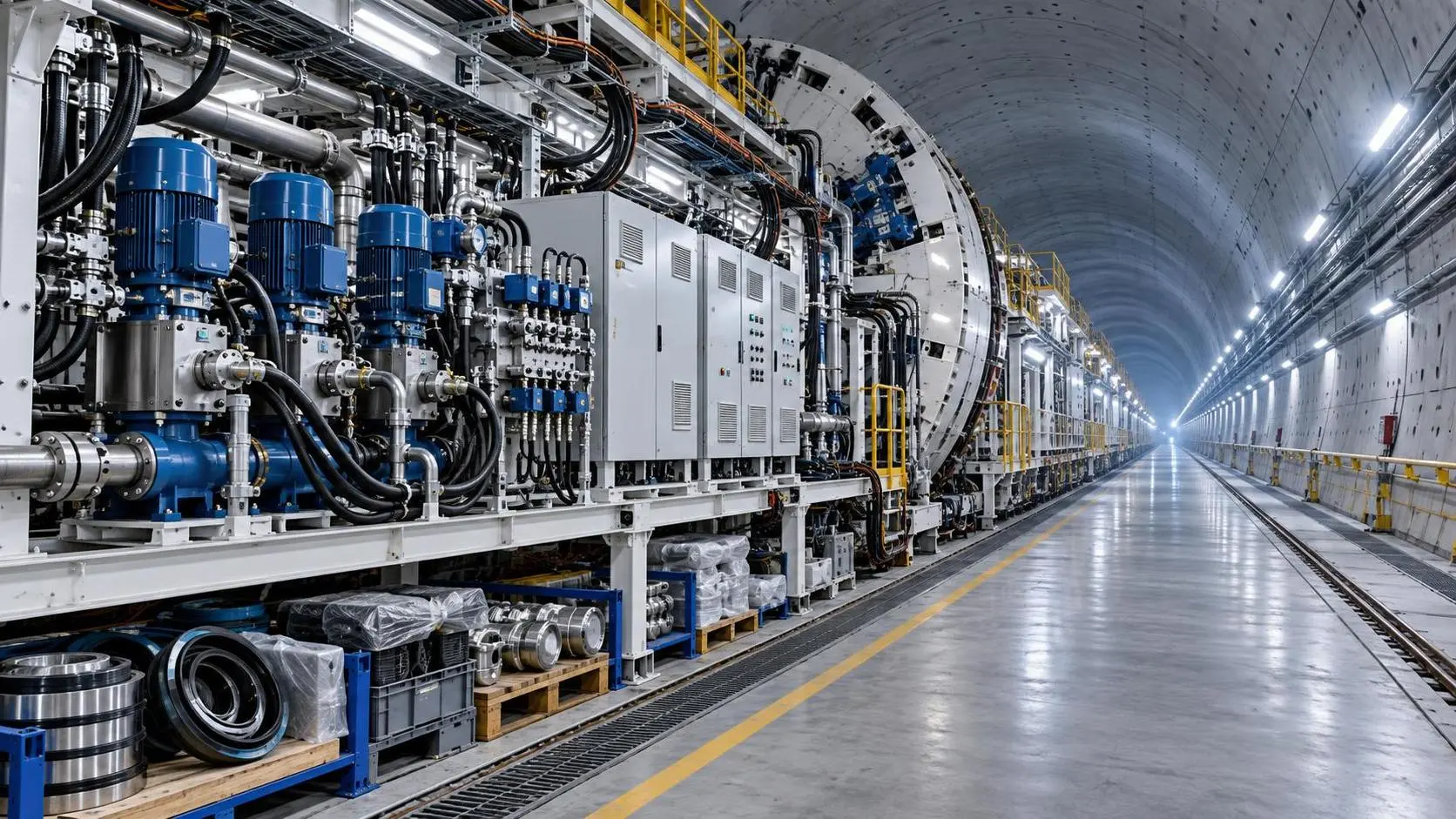
How to Specify TBM Backup System Parts for Reliable Long-Distance Tunnelling
TBM backup system parts: learn how to specify reliable spares for long-distance tunnelling, reduce downtime, ensure compatibility, and speed underground recovery.
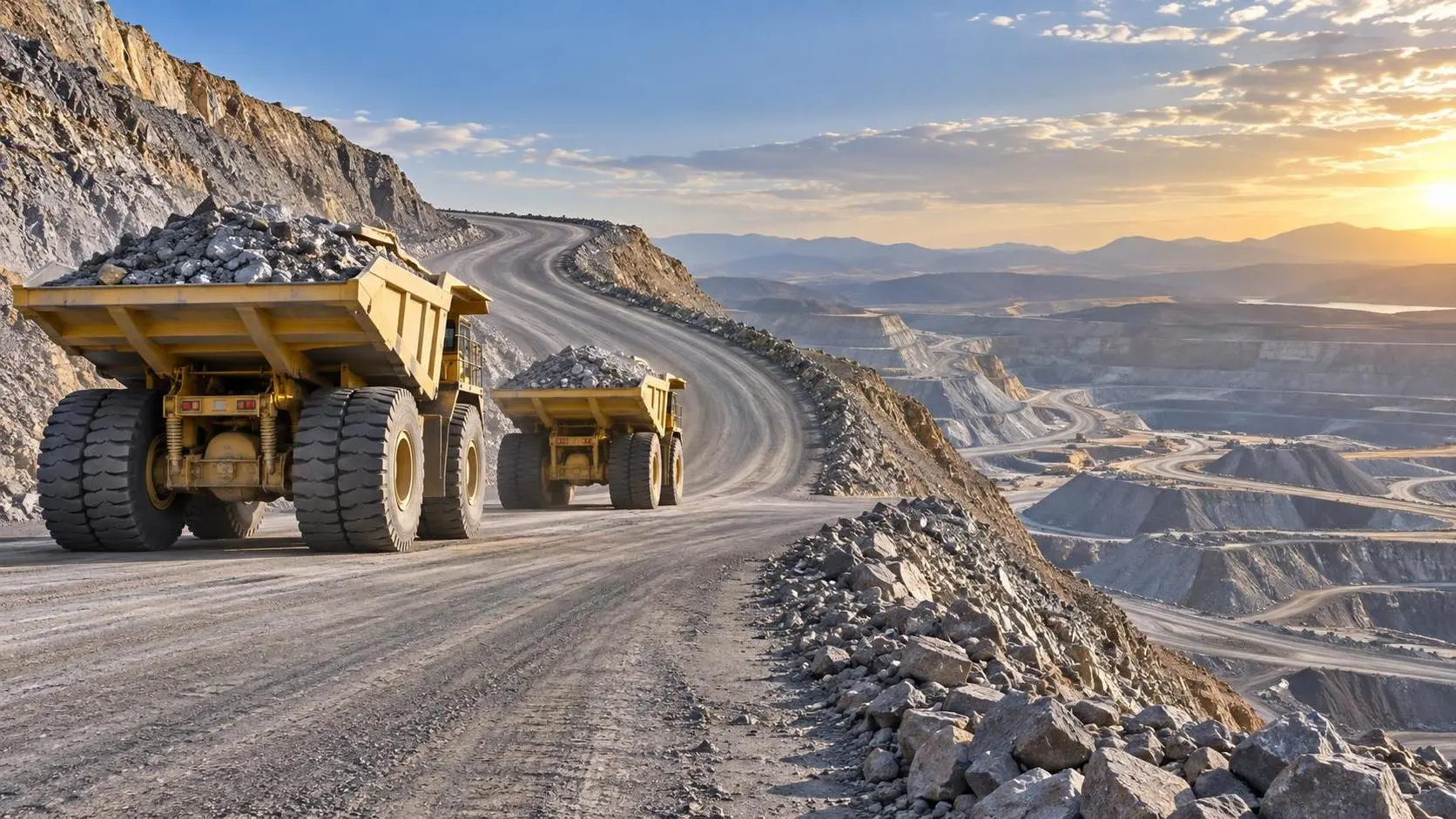
How to Size Open Pit Mining Trucks for Haul Distance, Grade, and Payload?
Open Pit Mining Trucks: learn how to match payload, haul distance, grade, road resistance, and loading capacity for safer, lower-cost mine operations.
Related News
- 00
0000-00
How to Evaluate European Drill-and-Blast Tunnelling Contractors for Complex Projects - 00
0000-00
Which Trenchless Construction Technique Fits Your Utility Crossing Conditions? - 00
0000-00
What Is Driving Metro Tunnelling Demand Across Southeast Asia’s Major Cities? - 00
0000-00
Hard Rock Tunnelling in Australia: Selecting Methods for Variable Ground Conditions - 00
0000-00
Hydropower Tunnel Excavation: Selecting Methods for Variable Rock Conditions
Weekly Insights
Stay ahead with our curated technology reports delivered every Monday.