
Indonesia Delays Nickel Export Tax Rise, Easing Cost Pressure on Rigid Haul Trucks





On June 1, 2026, market attention centered on a policy timing change linked to Indonesia’s nickel mining rights tax and export tax. After the Ministry of Energy and Mineral Resources announced on May 20 that the planned June 2026 increase would be postponed, the development became relevant not only for upstream nickel trade but also for manufacturers of Rigid Haul Trucks, especially where nickel-based high-strength alloy steel plate affects frame and drive axle cost planning. For industry participants, the key issue is not simply the delay itself, but how this shift changes procurement timing, contract review, delivery planning, and the interpretation of future trade-related cost exposure.
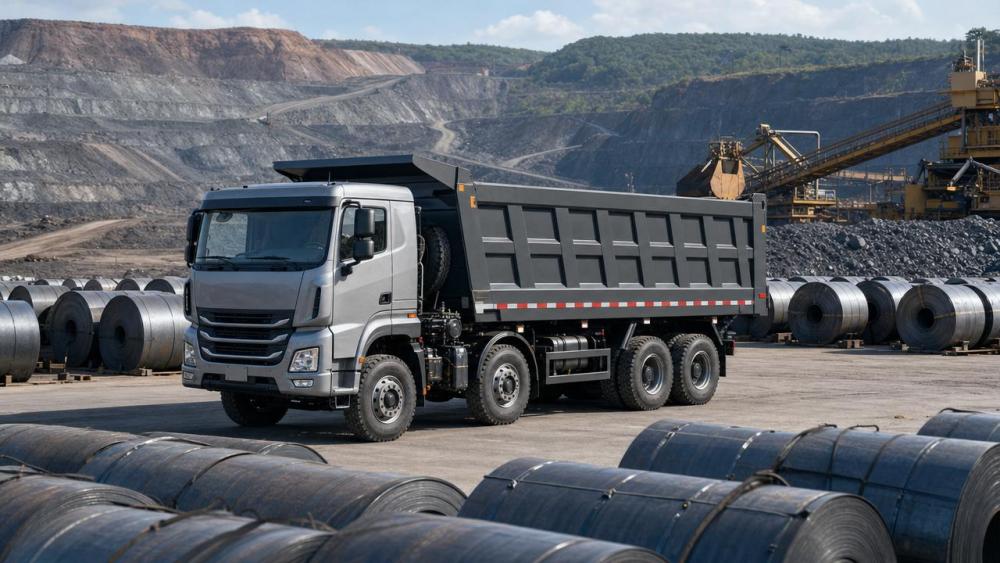
The Confirmed Policy Change and Its Immediate Scope
The confirmed facts are limited but clear. Indonesia’s Ministry of Energy and Mineral Resources announced on May 20, 2026, that the previously planned increase in nickel mining rights tax and export tax, originally scheduled for implementation in June 2026, would be deferred. Based on the provided event summary, this delay gives manufacturers of Rigid Haul Trucks at least a six-month window and temporarily reduces the upward cost pressure associated with nickel-based high-strength alloy steel plate used in key components such as frames and drive axles.
Where the Delay Matters Along the Supply Chain
Purchasing teams gain a temporary planning buffer
From an industry perspective, procurement functions are among the first to feel the effect of this postponement. When a planned tax increase is delayed, purchasing teams sourcing nickel-related steel inputs or negotiating component prices may have more room to review order timing, supplier quotations, and delivery schedules. What deserves closer attention is whether procurement documents, internal cost assumptions, and supply agreements were built around the original June implementation timeline.
Component and vehicle manufacturers face a different short-term cost path
For manufacturers of Rigid Haul Trucks and related heavy-duty assemblies, the practical impact is concentrated in cost-sensitive parts tied to nickel-based high-strength alloy steel plate. Analysis shows that the delay does not remove underlying exposure to raw material policy risk, but it may temporarily ease pressure on frame and drive axle cost escalation. This makes contract execution, production scheduling, and quotation validity periods more important business checkpoints during the postponement window.
Supply chain and delivery coordination still require compliance attention
Supply chain service providers, contract managers, and delivery coordination teams may also need to reassess assumptions connected to trade timing and materials planning. Even without new confirmed implementation details, businesses should pay attention to whether customs-facing documentation, supplier declarations, technical specifications, and bid documents continue to reflect the earlier expectation of a June tax increase. The main issue is not a new compliance burden already in force, but the need to keep operational documents aligned with the current policy status.
What Companies Should Monitor During the Delay Window
Check whether internal documents still reflect the old timetable
Companies should review procurement plans, cost models, quotation terms, and delivery commitments that may have been prepared on the assumption that the tax increase would start in June 2026. If those documents still rely on the previous schedule, the delay may require updates to avoid mismatches between pricing assumptions and actual execution.
Track official wording and any later implementation signal
Observably, the most important unanswered issue is not whether a delay occurred, but how later official wording may define the next implementation point. Since no further execution detail is provided in the input, businesses should treat this as a rule development that still requires monitoring rather than a fully settled long-term position.
Revisit supplier communication and technical purchasing files
Where nickel-based high-strength alloy steel plate affects product structure, firms should examine supplier quotations, technical files, and tender-related specifications for any assumptions tied to raw material cost pass-through. This is especially relevant for frame and drive axle sourcing, where delivery timing and price validity can directly influence margin control and customer commitments.
Keep traceability and after-sales quality records consistent
Although the event concerns tax timing rather than a product certification change, manufacturers and service teams should still maintain clear material traceability, technical documentation, and delivery records. Analysis shows that when raw material cost assumptions shift, later questions may arise in contract execution, spare parts supply, or after-sales review, making documentation discipline more important.
Why This Reads More as a Timing Signal Than a Final Resolution
Analysis shows that this development is better understood as a timing adjustment in a trade-related policy environment rather than a completed and final reset of market rules. The confirmed information supports a short-term easing effect for cost pressure on certain nickel-related components used in Rigid Haul Trucks, but it does not by itself establish the final implementation path, detailed enforcement approach, or broader downstream market response. From an industry perspective, continued attention should remain on later policy clarification, procurement behavior, and any changes that appear in commercial or technical documents.
How the Market May Best Read This Development for Now
At this stage, the most balanced reading is that the postponement offers temporary operating space rather than a definitive change in long-term cost direction. It is more appropriate to understand this as a watch-point for procurement and contract execution, with practical relevance for manufacturers, sourcing teams, and supply chain coordinators involved in nickel-dependent heavy equipment components. The event matters because it changes immediate timing assumptions, but the full business effect still depends on how subsequent rules, market responses, and execution practices evolve.
Basis of This Article and What Still Needs Verification
This article is generated from the user-provided news title, event date, and event summary. For events of this type, commonly relevant source categories may include official announcements, regulatory authority releases, customs or trade administration information, industry association updates, standard-setting documents, and reporting by established media outlets. No specific official source link was provided in the input, so the exact official publication path remains to be verified. Observably, the points that still require follow-up include any later policy details, implementation wording, certification or compliance interpretation where relevant, tender document changes, market feedback, and how companies adjust execution in practice.
Related News

How to Evaluate European Drill-and-Blast Tunnelling Contractors for Complex Projects
Drill and blast tunnelling contractors Europe: learn how to assess geology expertise, blast control, equipment reliability, safety, and programme resilience for complex projects.

Which Trenchless Construction Technique Fits Your Utility Crossing Conditions?
Trenchless construction techniques compared for utility crossings: choose HDD, microtunnelling, pipe jacking, or auger boring based on ground, accuracy, access, and risk.

What Is Driving Metro Tunnelling Demand Across Southeast Asia’s Major Cities?
Metro tunnelling Southeast Asia is accelerating as major cities tackle congestion, flooding, and connectivity. Explore the market forces, technical risks, and opportunities shaping demand.

Hard Rock Tunnelling in Australia: Selecting Methods for Variable Ground Conditions
Hard rock tunnelling in Australia: compare TBM, drill-and-blast and hybrid methods to manage variable ground, reduce risk and protect project costs.

Hydropower Tunnel Excavation: Selecting Methods for Variable Rock Conditions
Hydropower tunnel excavation methods for variable rock conditions: compare TBM, drill-and-blast, and hybrid strategies to improve safety, progress, and project control.

How to Select Underground Safety Equipment for Tunnelling by Hazard and Work Zone
Underground Safety Equipment for tunnelling: match protection to hazards, work zones, compliance, and emergency needs with this practical selection guide.

EPB or Slurry Shield? Selecting Soft-Ground Tunnelling Equipment by Soil Conditions
Tunnel Excavation Equipment for soft ground: compare EPB and slurry shields by soil, groundwater, settlement risk, and project logistics to choose confidently.

How to Specify TBM Backup System Parts for Reliable Long-Distance Tunnelling
TBM backup system parts: learn how to specify reliable spares for long-distance tunnelling, reduce downtime, ensure compatibility, and speed underground recovery.

How to Size Open Pit Mining Trucks for Haul Distance, Grade, and Payload?
Open Pit Mining Trucks: learn how to match payload, haul distance, grade, road resistance, and loading capacity for safer, lower-cost mine operations.
Related News
- 00
0000-00
How to Evaluate European Drill-and-Blast Tunnelling Contractors for Complex Projects - 00
0000-00
Which Trenchless Construction Technique Fits Your Utility Crossing Conditions? - 00
0000-00
What Is Driving Metro Tunnelling Demand Across Southeast Asia’s Major Cities? - 00
0000-00
Hard Rock Tunnelling in Australia: Selecting Methods for Variable Ground Conditions - 00
0000-00
Hydropower Tunnel Excavation: Selecting Methods for Variable Rock Conditions
Weekly Insights
Stay ahead with our curated technology reports delivered every Monday.