
Mining Dump Trucks in Chile: What Buyers Should Compare Beyond Payload and Price





Mining Dump Trucks in Chile are often compared through two easy numbers: payload and purchase price. That shortcut misses the real drivers of fleet value. In Chile’s copper-centered mining landscape, truck selection is shaped by altitude, long downhill hauls, abrasive ground, energy strategy, and the growing push toward automation. A truck that looks competitive on paper can become expensive through downtime, tire loss, poor fuel burn, or weak digital integration. A better comparison starts with how the machine will perform across the full haul cycle and over the life of the mine.
Why Chile changes the buying equation
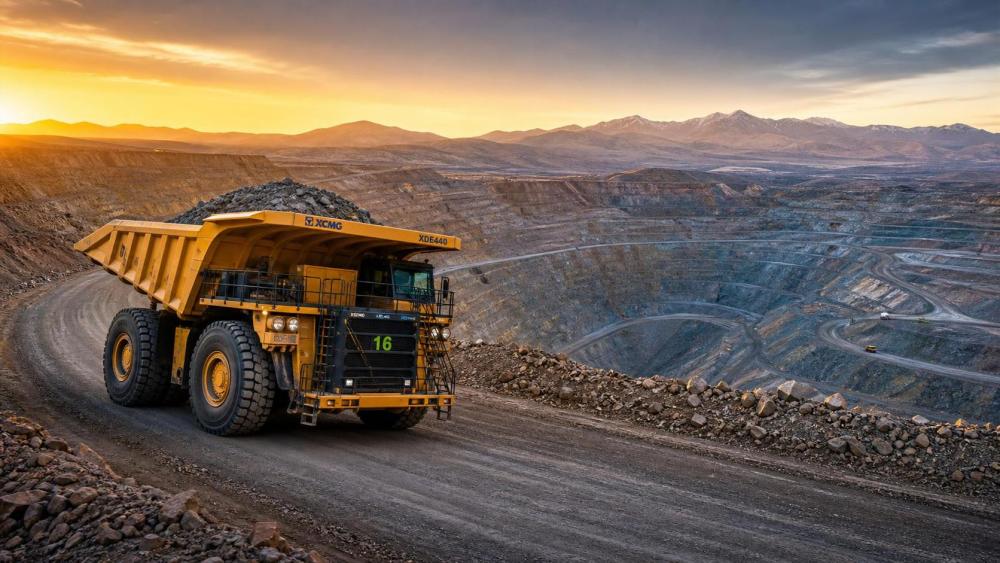
Chile is not a generic truck market. Large copper operations work at scale, often in demanding climates and at significant elevation. That affects engine output, cooling efficiency, braking performance, and operator fatigue.
Mining Dump Trucks in Chile also sit inside a broader transition. Mines are under pressure to lower emissions, stabilize operating cost, and digitize production systems. Those trends make energy efficiency and data compatibility more important than they were a decade ago.
From UTMD’s perspective, this is part of a wider heavy-equipment shift. The same forces driving smarter TBMs, battery-powered underground loaders, and automated haulage are now reshaping open-pit transport decisions.
Payload still matters, but only in context
Payload is a useful starting point, not the final answer. The right question is not simply how much a truck can carry, but how consistently it can move target tonnage across the route profile actually used on site.
A larger nominal class may underperform if loading tools are mismatched, roads are tight, or cycle times rise because of acceleration limits. In some cases, a slightly smaller truck produces better shift output.
For Mining Dump Trucks in Chile, buyers should compare payload against shovel match, bench geometry, dump point congestion, and maintenance windows. Fleet productivity comes from system balance, not isolated machine size.
The technical factors that usually decide real cost
The most expensive weaknesses often appear after commissioning. They show up in brake temperatures, tire wear, structural fatigue, and powertrain behavior on mixed gradients.
Powertrain fit for altitude and haul roads
At high elevation, diesel performance can drop if air handling and cooling are not well optimized. Electric drive systems may offer stronger control on long descents, but integration quality still varies by platform.
What matters is sustained performance, not brochure horsepower. Compare gradeability under load, retarding capacity, acceleration on ramps, and response under repeated stop-start cycles.
Braking and downhill energy behavior
Long downhill segments are common in major Chilean mines. That makes dynamic braking, retarder stability, and thermal management central to both safety and cost.
With electrified or hybrid-ready Mining Dump Trucks in Chile, regenerative braking deserves close review. UTMD frequently tracks this metric because downhill energy recovery can materially affect operating economics.
Frame, body, and wear package durability
Ore density, impact loading, and haul road quality change structural life. Body design, steel grade, liner options, and crack monitoring methods should be checked early, not after fatigue issues emerge.
Durability is especially important where replacement parts face import lead times. A truck that needs fewer unscheduled structural interventions creates planning certainty across the fleet.
Fuel, electrification, and the new TCO baseline
Upfront price remains visible because it is easy to compare. Total cost of ownership is harder, but far more relevant. Energy use, tire consumption, component life, and maintenance labor usually outweigh headline purchase differences.
Mining Dump Trucks in Chile are increasingly evaluated against fuel transition scenarios. Some operations remain focused on diesel efficiency. Others are studying trolley assist, battery-electric pathways, or phased mixed fleets.
That means buyers should not only compare current operating cost. They should also compare upgradeability, charging or power-infrastructure compatibility, and the supplier’s roadmap for lower-emission haulage.
Autonomy and data systems are no longer optional side topics
A truck can be mechanically strong and still be a weak fleet asset if it cannot connect well with mine management systems. Dispatch integration, health monitoring, and event analytics now influence availability and planning quality.
For Mining Dump Trucks in Chile, digital compatibility should include onboard sensing, remote diagnostics, software update support, and openness to autonomy stacks. Mines do not want isolated machines creating data silos.
UTMD follows this issue across underground and surface equipment alike. The pattern is consistent: electrification and automation create the most value when machines, infrastructure, and control systems evolve together.
Support capacity often separates strong offers from risky ones
Local support should be treated as a technical parameter, not a sales promise. Parts availability, field service depth, rebuild capability, and technician training all influence the effective value of a truck platform.
This is especially relevant for Mining Dump Trucks in Chile because remote locations can turn a minor part shortage into serious production loss. Lead time exposure should be mapped before award, not after delivery.
Useful comparisons include component exchange programs, service response guarantees, digital troubleshooting tools, and the supplier’s installed fleet base in similar Chilean conditions.
A practical framework for comparing offers
A disciplined evaluation process helps prevent overemphasis on nominal capacity or discount level. The goal is to compare operational fit, not just machine specification.
- Map the real haul profile, including gradient, distance, altitude, and road quality.
- Test productivity assumptions against loader match and traffic flow.
- Model total cost with fuel, tires, wear parts, labor, and downtime risk.
- Review braking, cooling, and durability data from comparable mine environments.
- Score digital integration, autonomy readiness, and supplier support depth.
This approach usually produces clearer decisions than a narrow capital-cost ranking. It also supports future alignment with ESG targets, electrification studies, and mine expansion plans.
Where the next decision should start
The best evaluation of Mining Dump Trucks in Chile starts with the mine system, not the truck brochure. Route physics, energy strategy, service access, and digital architecture should all be considered before shortlisting models.
For teams tracking broader equipment transitions, UTMD’s intelligence lens is useful because surface haulage no longer sits apart from the rest of heavy mining technology. The same move toward reliability, electrification, and automation is shaping every major equipment class.
The next step is straightforward: build a comparison matrix around cycle performance, lifecycle cost, energy pathway, and support resilience. Once those factors are visible, payload and price become clearer signals rather than misleading shortcuts.
Related News
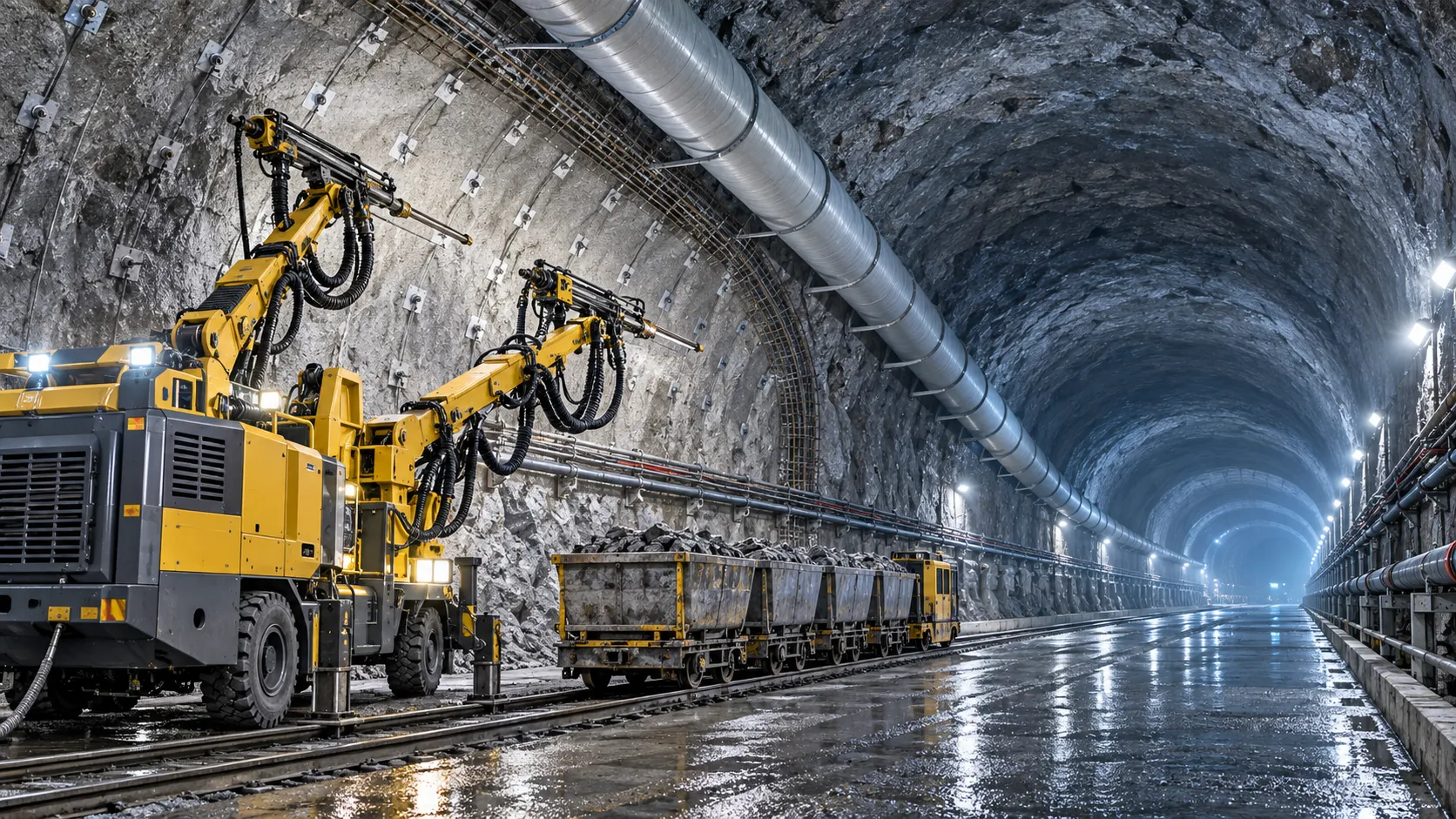
How to Evaluate European Drill-and-Blast Tunnelling Contractors for Complex Projects
Drill and blast tunnelling contractors Europe: learn how to assess geology expertise, blast control, equipment reliability, safety, and programme resilience for complex projects.
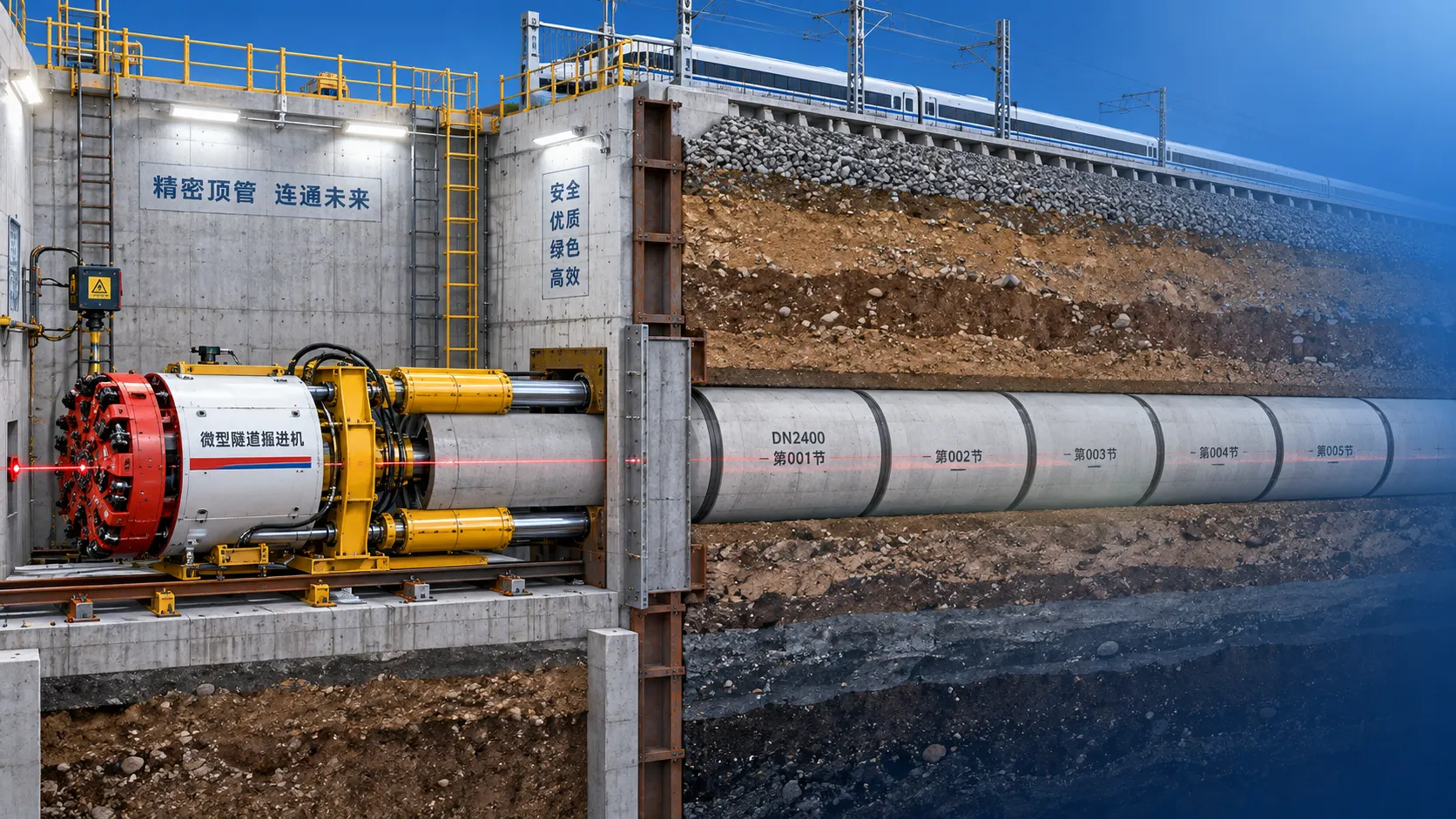
Which Trenchless Construction Technique Fits Your Utility Crossing Conditions?
Trenchless construction techniques compared for utility crossings: choose HDD, microtunnelling, pipe jacking, or auger boring based on ground, accuracy, access, and risk.
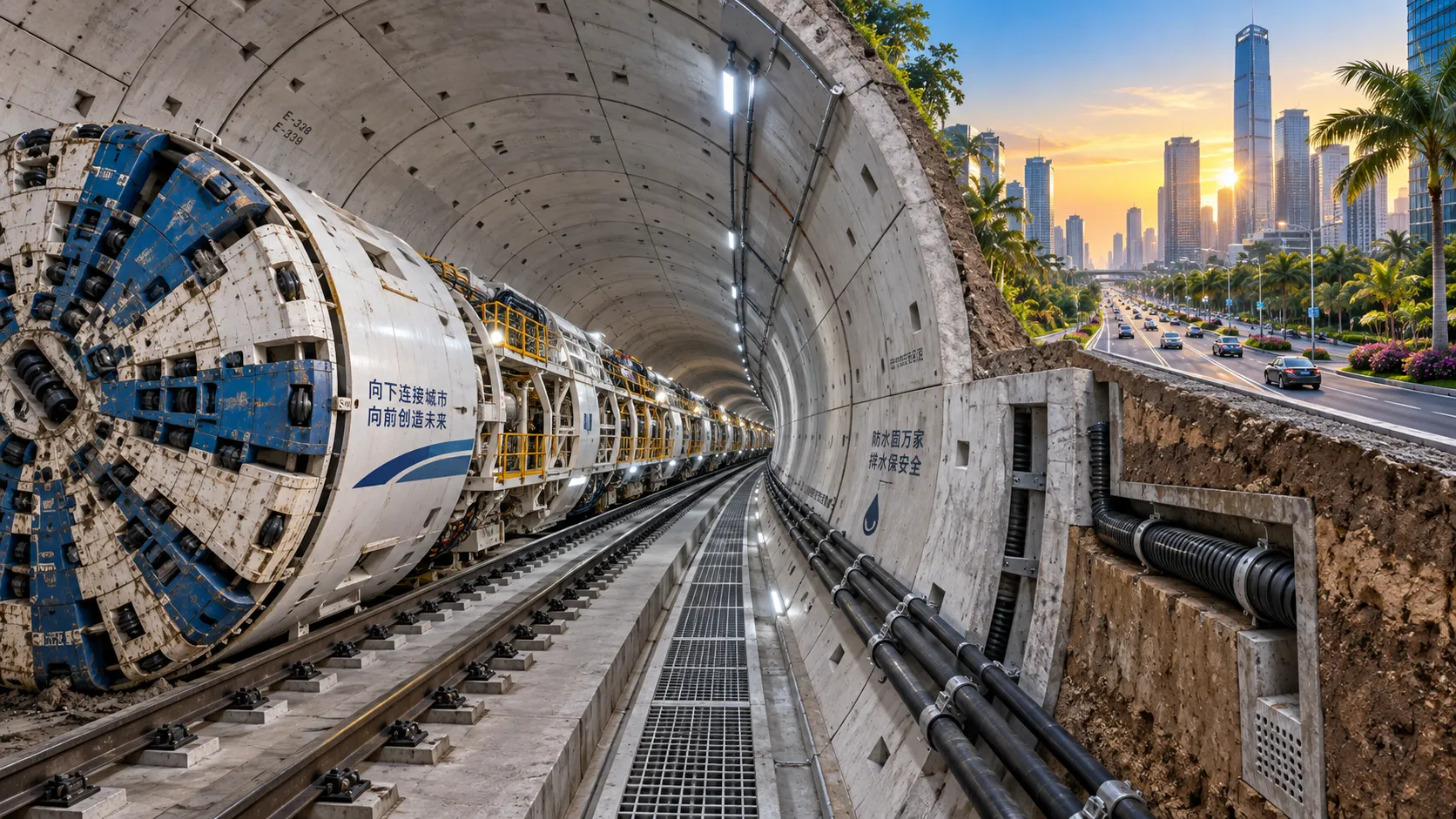
What Is Driving Metro Tunnelling Demand Across Southeast Asia’s Major Cities?
Metro tunnelling Southeast Asia is accelerating as major cities tackle congestion, flooding, and connectivity. Explore the market forces, technical risks, and opportunities shaping demand.
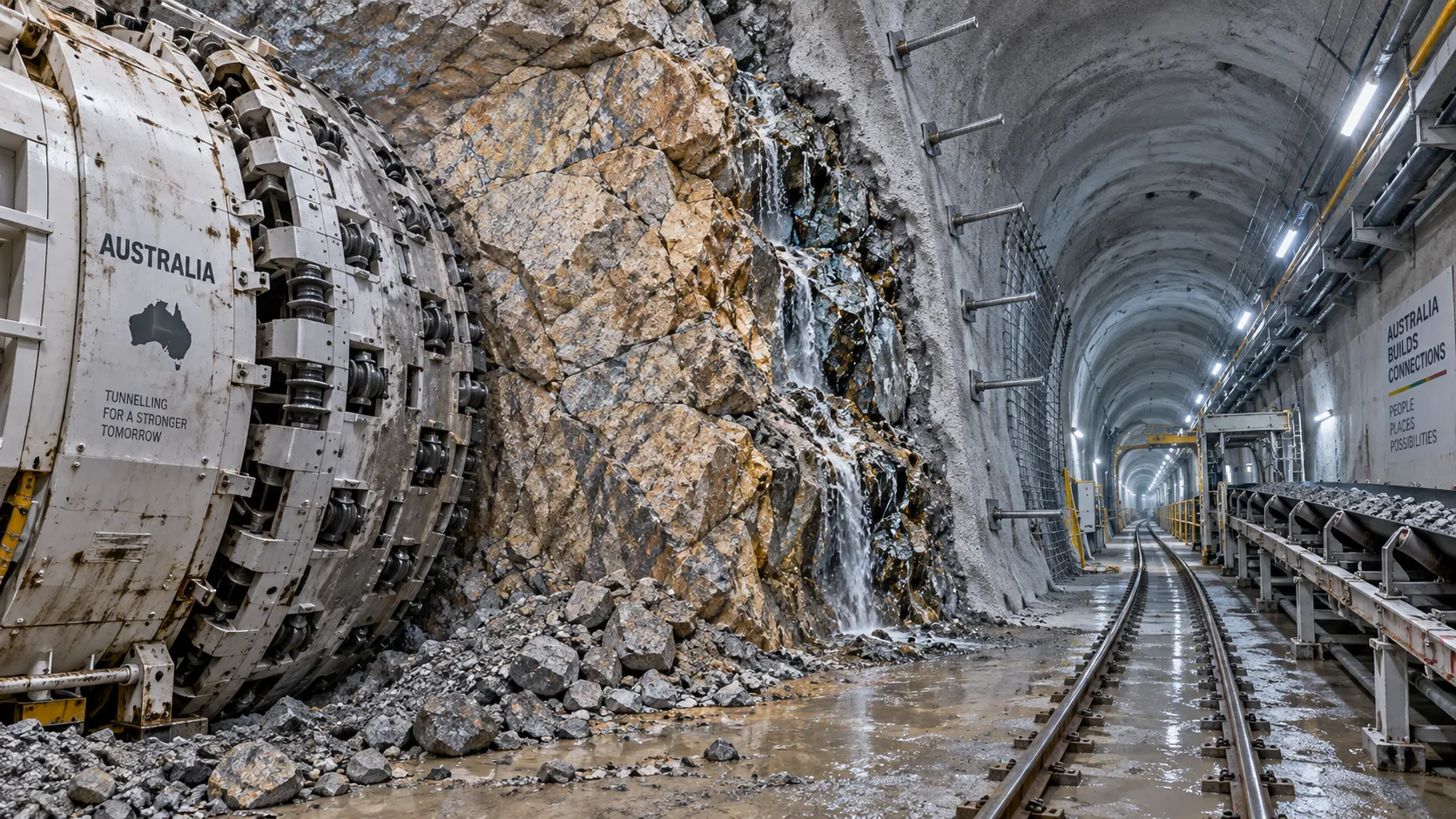
Hard Rock Tunnelling in Australia: Selecting Methods for Variable Ground Conditions
Hard rock tunnelling in Australia: compare TBM, drill-and-blast and hybrid methods to manage variable ground, reduce risk and protect project costs.
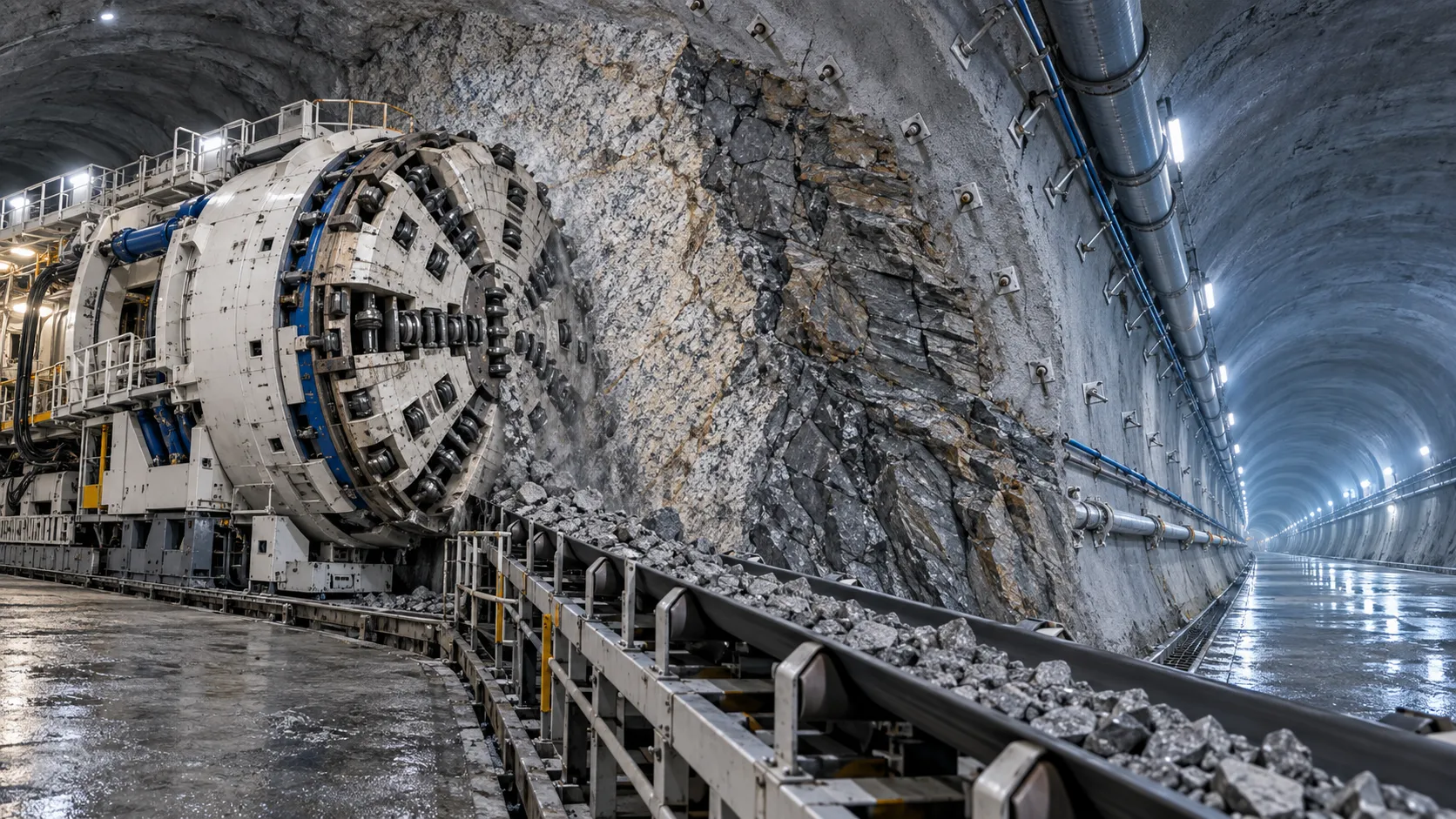
Hydropower Tunnel Excavation: Selecting Methods for Variable Rock Conditions
Hydropower tunnel excavation methods for variable rock conditions: compare TBM, drill-and-blast, and hybrid strategies to improve safety, progress, and project control.
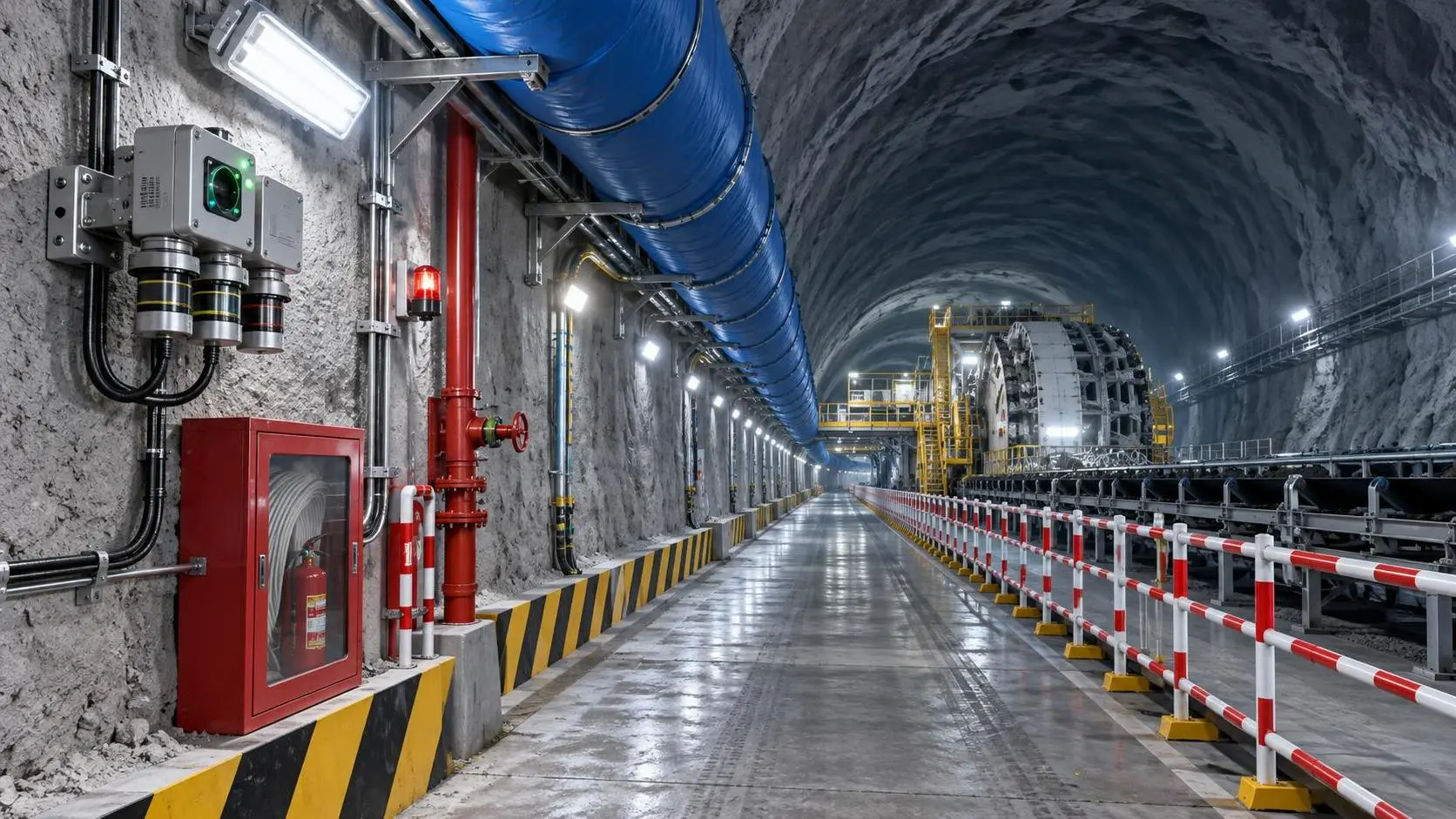
How to Select Underground Safety Equipment for Tunnelling by Hazard and Work Zone
Underground Safety Equipment for tunnelling: match protection to hazards, work zones, compliance, and emergency needs with this practical selection guide.
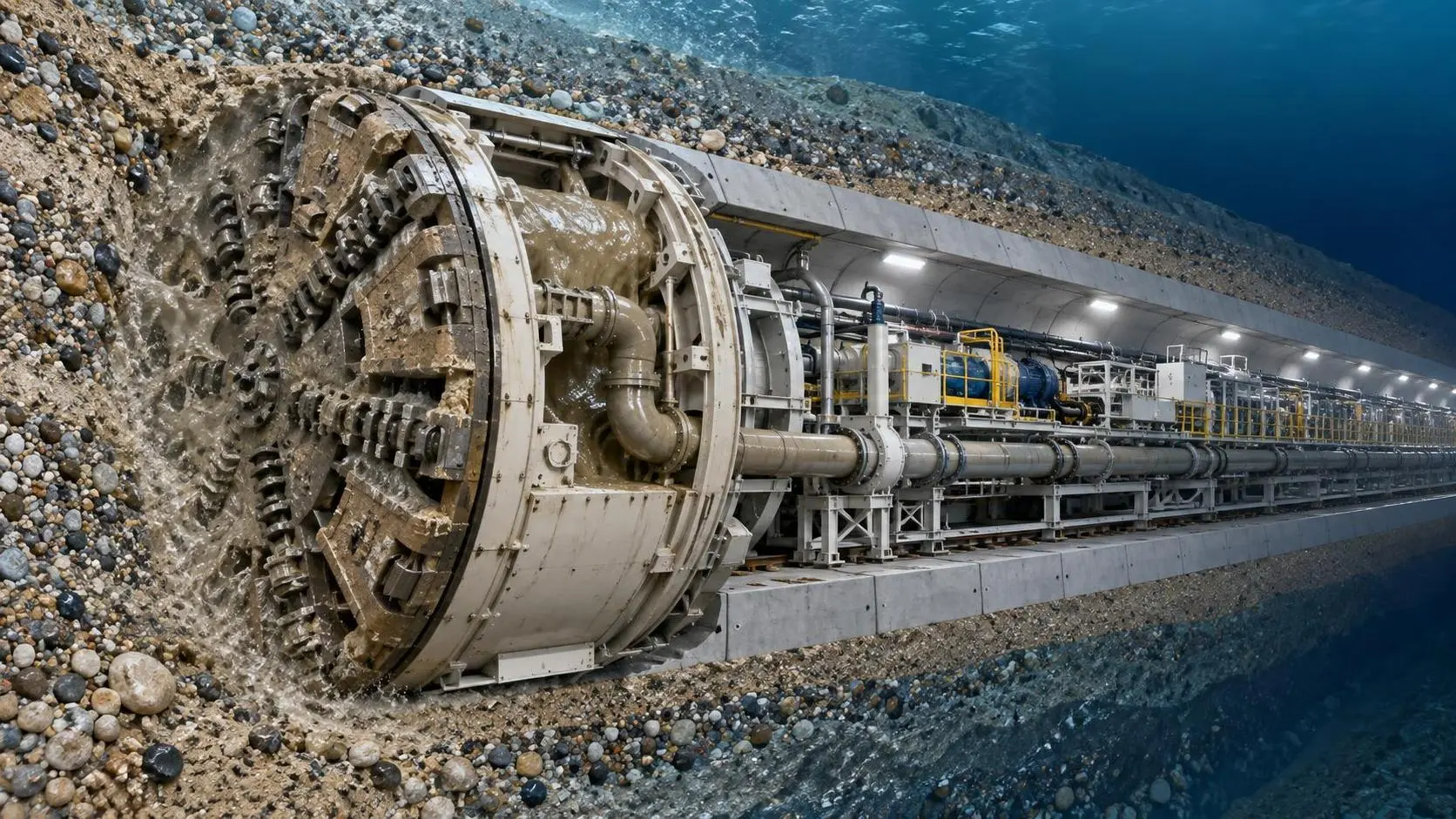
EPB or Slurry Shield? Selecting Soft-Ground Tunnelling Equipment by Soil Conditions
Tunnel Excavation Equipment for soft ground: compare EPB and slurry shields by soil, groundwater, settlement risk, and project logistics to choose confidently.
How to Specify TBM Backup System Parts for Reliable Long-Distance Tunnelling
TBM backup system parts: learn how to specify reliable spares for long-distance tunnelling, reduce downtime, ensure compatibility, and speed underground recovery.
How to Size Open Pit Mining Trucks for Haul Distance, Grade, and Payload?
Open Pit Mining Trucks: learn how to match payload, haul distance, grade, road resistance, and loading capacity for safer, lower-cost mine operations.
Related News
- 00
0000-00
How to Evaluate European Drill-and-Blast Tunnelling Contractors for Complex Projects - 00
0000-00
Which Trenchless Construction Technique Fits Your Utility Crossing Conditions? - 00
0000-00
What Is Driving Metro Tunnelling Demand Across Southeast Asia’s Major Cities? - 00
0000-00
Hard Rock Tunnelling in Australia: Selecting Methods for Variable Ground Conditions - 00
0000-00
Hydropower Tunnel Excavation: Selecting Methods for Variable Rock Conditions
Weekly Insights
Stay ahead with our curated technology reports delivered every Monday.