
Open Pit Trucks Australia: What Buyers Should Check on Payload, Compliance, and Support





Open Pit Trucks Australia: What Buyers Should Check on Payload, Compliance, and Support
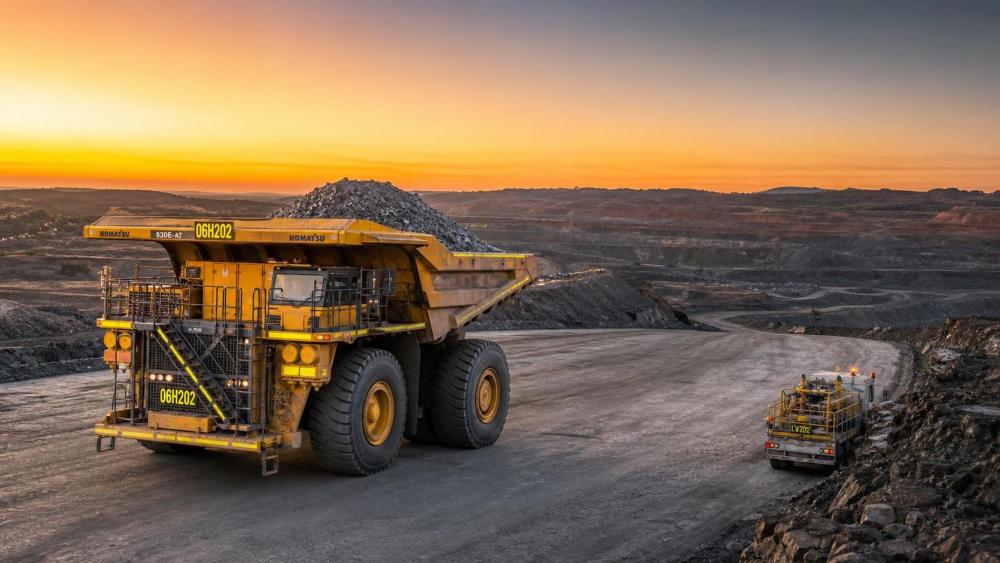
For teams assessing open pit trucks Australia, headline capacity is only the starting point.
A truck can look competitive on paper and still underperform in the field.
That usually happens when payload assumptions, site rules, and support realities are not checked early.
In Australia, operating conditions are rarely forgiving.
Heat, haul road gradients, abrasive material, and remote mine logistics all shape total ownership cost.
This also means open pit trucks Australia decisions should be built around measurable site fit.
The practical question is simple: which truck will move more material, with fewer delays, at lower lifecycle risk?
Start with usable payload, not just rated payload
Rated payload often becomes the first comparison point in open pit trucks Australia tenders.
But rated numbers alone can hide meaningful operating losses.
Usable payload depends on body design, density variation, loading consistency, and legal or site restrictions.
A truck that spills material, bridges wet ore, or carries dead weight in the body is not efficient.
From a procurement view, the better metric is tonnes moved per shift, not nominal tonnes per cycle.
Ask suppliers for site-based payload models using your material density, loader match, and haul profile.
Request evidence from similar Australian mines, especially where road conditions and haul distances are comparable.
Payload checks worth putting into the tender
- Target payload factor across different material densities.
- Body fill performance for both fragmented rock and sticky material.
- Net payload impact from optional safety and monitoring systems.
- Cycle time changes on uphill, downhill, and mixed routes.
- Fuel or energy consumption at full, partial, and empty return loads.
These checks make open pit trucks Australia comparisons much more realistic.
They also reduce the risk of buying oversized units that create idle loading tools or road damage.
Match the truck to haul road and mine plan conditions
Open pit trucks Australia performance is heavily shaped by the roads they run on every day.
A capable truck in one mine can be a poor fit in another.
This is why procurement should review road width, turning radius, ramp gradients, and stopping zones in detail.
Frame size, suspension behavior, and braking system design need to align with actual route demands.
Long downhill hauls deserve extra attention.
Brake heat management, retarder performance, and tyre wear can materially change cost per tonne.
In practical terms, a truck that protects tyres and brakes often beats a higher-rated unit over time.
Questions to ask before shortlisting
- What gradient can the truck sustain at target payload without overheating?
- How does it perform on rough, corrugated, or high-dust haul roads?
- What tyre specification is recommended for your material and temperature range?
- Does the truck require road upgrades to reach planned productivity?
- What maintenance intervals change under severe duty cycles?
This level of checking gives open pit trucks Australia procurement a clearer operational baseline.
Compliance is not a paperwork exercise
Compliance should be tested as an operating requirement, not a late-stage formality.
For open pit trucks Australia, this includes more than engine or electrical specifications.
It also covers site safety systems, visibility, braking redundancy, access design, and data integration.
Australian mining operations often apply strict internal standards beyond minimum regulation.
That creates a familiar problem: a truck may be technically available, yet expensive to adapt for site approval.
This also matters more as fleets move toward automation, telemetry, and low-emission targets.
If a platform cannot integrate cleanly now, retrofit cost usually appears later.
Core compliance checks
- Operator access, egress, and fall protection layout.
- Emergency steering, braking, and fire suppression compatibility.
- Visibility aids, cameras, radar, and collision avoidance readiness.
- Telematics support for site fleet systems and production reporting.
- Noise, emissions, and energy pathway alignment with ESG goals.
The better suppliers in open pit trucks Australia usually provide a documented compliance matrix early.
That makes exceptions visible before commercial negotiations harden.
Support depth often decides uptime
A lower purchase price can disappear quickly when support is weak.
In remote regions, open pit trucks Australia buyers should treat support capacity as a financial variable.
Parts lead time, field service response, and diagnostic capability directly affect production loss.
This becomes more important with electrified trucks, advanced controls, and autonomous functions.
A supplier may promise coverage, but the real test is local depth.
How many technicians are in-region? Which parts are stocked in Australia? What is the escalation path?
Those details matter more than generic service brochures.
What to verify on support and parts
In open pit trucks Australia selection, support quality often separates stable fleets from fragile ones.
Look beyond capex to lifecycle economics
Capital cost still matters, but it should not dominate the evaluation.
For open pit trucks Australia, the larger value sits in fuel, tyres, maintenance, labour, and downtime.
A truck with stronger drivetrain efficiency may cost more upfront and still win on whole-of-life value.
The same is true for electric or hybrid pathways where infrastructure planning changes the equation.
This is where disciplined procurement creates leverage.
Ask each supplier to model total cost per tonne over the same mine schedule and duty assumptions.
Then pressure test those assumptions against your own maintenance and production records.
Key lifecycle inputs
- Availability and utilisation targets.
- Tyre life under actual road and temperature conditions.
- Fuel burn or electrical energy use by route profile.
- Planned component life and overhaul intervals.
- Residual value and fleet standardisation impact.
When those variables are visible, open pit trucks Australia choices become easier to defend internally.
Build a cleaner procurement decision process
A stronger buying process usually beats a rushed negotiation.
For open pit trucks Australia, a structured scorecard helps balance payload, compliance, support, and cost.
It also prevents one attractive headline number from distorting the entire decision.
In current market conditions, delivery timing and parts resilience deserve explicit weighting too.
More visible across the sector is a shift toward digitally connected, lower-emission hauling platforms.
That means the best decision is usually the one that works today and leaves room for tomorrow's operating model.
A practical final checklist
- Validate real payload against your material and loading tool.
- Confirm haul road fit, braking margin, and tyre strategy.
- Review compliance gaps before commercial award.
- Audit local parts stock, service response, and training scope.
- Compare lifecycle cost per tonne using the same assumptions.
- Check upgrade readiness for automation, telemetry, and decarbonisation goals.
The strongest open pit trucks Australia decisions rarely come from brochure comparisons.
They come from disciplined checks on field performance, site compliance, and support depth.
Use that framework, and the final choice is far more likely to protect uptime, cost control, and long-term fleet value.
Related News
Tunnel Boring Machine Costs: Budgeting for Purchase, Operation, and Project Risk
Tunnel Boring Machines cost more than purchase price. Learn how to budget lifecycle costs, downtime, logistics, wear, and project risk for smarter TBM decisions.
Open-Pit Haulage Cost Analysis: How Mine Managers Can Cut Cost per Tonne
Open pit haulage cost analysis: discover practical ways to reduce cost per tonne through payload control, cycle-time optimization, road performance, and smarter fleet decisions.
Tunnel Construction Innovations That Reduce Risk and Schedule Delays on Urban Projects
Tunnel construction innovation for urban projects: discover smarter TBMs, real-time monitoring, trenchless methods, and automation that reduce risk and protect schedules.
TBM Disc Cutter Design: Key Geometry and Load Factors for Hard Rock Tunnelling
TBM disc cutter design explained: explore geometry, spacing, load distribution and maintenance factors for reliable, efficient hard-rock tunnelling performance.
Hydraulic Tipping Stability Risks in Multi-Axle Dump Special Trailers
Dump special trailers: discover key hydraulic tipping stability risks, multi-axle load dynamics, and practical safety controls for safer, smarter bulk hauling.
When rock reinforcement in tunnel construction must change after blasting
Rock reinforcement in tunnel construction must change when blasting reveals overbreak, weak joints, water inflow, or deformation. Discover key post-blast support decisions.
How tunnel hydraulic systems influence drill jumbo uptime underground
Tunnel hydraulic systems directly influence drill jumbo uptime. Explore how stable pressure, clean oil, cooling, and maintainable design reduce underground downtime.
What to verify before appointing a tunneling vehicles manufacturer
Choosing a tunneling vehicles manufacturer? Verify application fit, reliability, compliance, parts support, training, and channel terms before appointing a partner.
Selecting K9 Ductile Iron Pipe for Buried Water Pipeline Conditions
K9 ductile iron pipe selection for buried water pipelines: compare pressure duty, joints, soil loads, corrosion protection, and installation controls for reliable long-term performance.
Related News
- 00
0000-00
Tunnel Boring Machine Costs: Budgeting for Purchase, Operation, and Project Risk - 00
0000-00
Open-Pit Haulage Cost Analysis: How Mine Managers Can Cut Cost per Tonne - 00
0000-00
Tunnel Construction Innovations That Reduce Risk and Schedule Delays on Urban Projects - 00
0000-00
TBM Disc Cutter Design: Key Geometry and Load Factors for Hard Rock Tunnelling - 00
0000-00
Hydraulic Tipping Stability Risks in Multi-Axle Dump Special Trailers
Weekly Insights
Stay ahead with our curated technology reports delivered every Monday.