
Food Safety Checks Raise Remote Ops Compliance Stakes





On June 3, 2026, China’s State Administration for Market Regulation launched a nationwide special food safety inspection program for online catering services covering 14 platforms. The update is especially relevant to IoT remote operations platforms, industrial cloud service providers, and micro-tunnelling equipment manufacturers, because the disclosed regulatory focus now extends to third-party device cloud platforms connected to AI kitchen monitoring systems and signals tighter expectations around cybersecurity certification and cross-border data compliance.
Event Overview
According to the disclosed information, on June 3, 2026, the State Administration for Market Regulation began a nationwide special inspection of food safety in online catering services, covering 14 platforms. For the first time, IoT remote operations and maintenance platforms were brought into the regulatory field of view.
The confirmed requirement in the released information is that all third-party device cloud platforms connected to restaurant back-kitchen AI monitoring systems must obtain Level 3 certification under China’s Multi-Level Protection Scheme 2.0 and complete a security assessment for cross-border data transfers.
The same information also states that this regulatory logic is rapidly extending toward the industrial remote diagnostics field. For micro-tunnelling equipment manufacturers providing SaaS-based excavation parameter analysis services to customers in the European Union or Southeast Asia, the compliance expectation described in the update is to meet both GDPR requirements and China’s Measures for Security Assessment of Cross-border Data Transfer.
Which Industry Segments Are Affected
Third-party IoT cloud platform providers serving catering scenarios
These providers are directly affected because the inspection scope explicitly includes third-party device cloud platforms connected to AI monitoring systems in restaurant back kitchens. The impact is likely to concentrate on compliance interfaces, platform access conditions, data handling processes, and the ability to demonstrate Level 3 MLPS 2.0 certification and cross-border data assessment readiness.
From an industry perspective, this means the compliance threshold is no longer limited to food service operators or platform operators alone. Cloud-based technical service providers connected to operational monitoring systems are now more clearly exposed to regulatory review.
Micro-tunnelling equipment manufacturers offering remote diagnostics or SaaS analytics
Micro-tunnelling equipment makers are affected because the disclosed information explicitly links the regulatory logic to industrial remote diagnostics. Manufacturers that provide SaaS-based excavation parameter analysis to overseas customers may need to reassess whether their current remote service architecture, data transmission paths, and customer support workflows create parallel obligations under both GDPR and China’s cross-border data security assessment rules.
Analysis shows that the practical impact is less about mechanical equipment sales themselves and more about the digital service layer attached to the equipment, especially where remote monitoring, parameter analysis, and cloud-based optimization functions are part of the commercial offering.
Industrial remote operations and maintenance service providers
Service firms operating remote diagnostics, predictive maintenance, or equipment performance analysis platforms may also be affected because the released information frames the issue as a broader regulatory logic rather than an isolated food-service rule. If their platforms collect, transmit, or analyze operational data across borders, the compliance burden may shift from a technical afterthought to a front-end business requirement.
Observably, the main effect here is on service design, contracting, and system deployment choices. Providers may need to distinguish more clearly between domestic data processing, overseas customer delivery, and cross-border support functions.
Overseas-facing industrial software and data service teams
Teams responsible for EU and Southeast Asia customer delivery are affected because the disclosed information specifically mentions overseas SaaS parameter analysis services. The impact is likely to appear in customer onboarding, data authorization language, data localization discussions, and internal reviews of what data is actually transmitted, stored, or analyzed.
Current focus should be on whether cross-border service models are supported by a compliance structure that matches both the destination market and Chinese outbound data requirements, rather than assuming that technical availability alone is sufficient for market delivery.
What Companies and Practitioners Should Watch and How to Respond
Track follow-up regulatory wording and scope expansion
Companies should closely monitor whether later official statements continue to connect food-service platform supervision with broader industrial remote diagnostics supervision. More suitable understanding at this stage is that the June 3 development provides a compliance signal with potential spillover, not yet a fully detailed industrial enforcement framework. Even so, teams responsible for digital services should review whether their business falls into adjacent categories now under closer attention.
Map data flows in remote diagnostics and SaaS analysis services
For micro-tunnelling equipment manufacturers and industrial cloud operators, the immediate practical step is to identify what operational data is collected, where it is stored, whether it is transmitted overseas, and which entities can access it. Analysis shows that many compliance risks arise not from the equipment itself but from unclear data paths between device, cloud platform, support team, and overseas customer endpoint.
Separate policy signals from immediate business execution
Companies should avoid treating every regulatory signal as an immediate business shutdown trigger, but they should also avoid waiting for formal sector-specific enforcement details before acting. Observably, a balanced approach is to distinguish between confirmed current requirements in the disclosed information and possible future extension into industrial service scenarios. This helps legal, technical, and commercial teams prioritize remediation without overreacting.
Prepare contract and system-level contingencies for overseas service delivery
For firms serving EU or Southeast Asia customers, current priority should be contract review, customer communication planning, and technical contingency design for SaaS-based excavation parameter analysis. From an industry perspective, businesses should examine whether existing service commitments assume unrestricted cross-border data use, and whether compliance dependencies such as certification status or security assessment progress could affect delivery timelines.
Editorial View / Industry Observation
From an industry perspective, this development currently looks more like a strong regulatory signal than a final, fully formed industrial compliance outcome. The confirmed facts are limited to the food safety special inspection, the inclusion of IoT remote operations platforms within that regulatory view, and the stated compliance implications for connected third-party cloud platforms and overseas-facing SaaS analysis services.
Analysis shows that the larger significance lies in how regulatory logic is being applied to digital infrastructure behind operational systems. For micro-tunnelling equipment manufacturers, the issue is not simply machinery compliance but whether remote service interfaces, cloud analytics, and cross-border data handling are now becoming part of market access and service continuity requirements.
Current focus should be on the fact that digital aftermarket services may face the same level of scrutiny as core industrial products when those services involve monitored environments, AI-linked systems, or overseas data flows. That is why the development warrants continued attention across industrial equipment, remote diagnostics, and SaaS operations teams.
In summary, the June 3 regulatory move matters because it connects food-service platform supervision with a broader compliance expectation for connected remote operations systems. A more appropriate reading at present is that this is an early but meaningful signal for micro-tunnelling equipment remote operations and maintenance compliance interfaces, especially where cloud analytics and cross-border service delivery are involved. Companies should respond with targeted compliance review and operational preparation rather than speculation.
Source Note
Main source: the information provided on the June 3, 2026 launch by China’s State Administration for Market Regulation of a nationwide special inspection of food safety in online catering services, covering 14 platforms.
Items requiring continued observation: any subsequent official clarification on how this regulatory logic will apply in practice to industrial remote diagnostics, SaaS-based excavation parameter analysis, MLPS 2.0 Level 3 certification expectations, and cross-border data security assessment requirements for micro-tunnelling equipment service models.
Related News
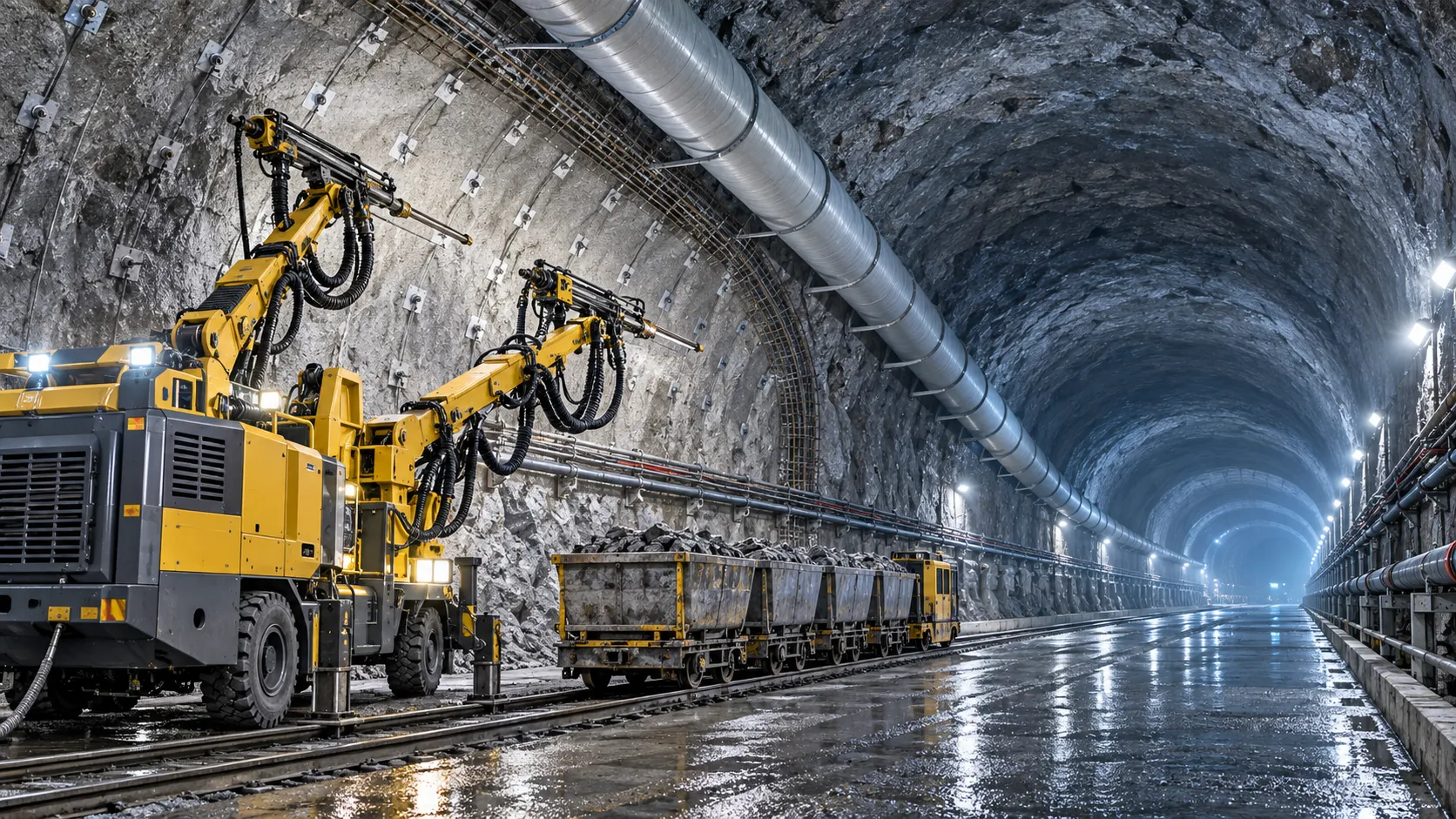
How to Evaluate European Drill-and-Blast Tunnelling Contractors for Complex Projects
Drill and blast tunnelling contractors Europe: learn how to assess geology expertise, blast control, equipment reliability, safety, and programme resilience for complex projects.
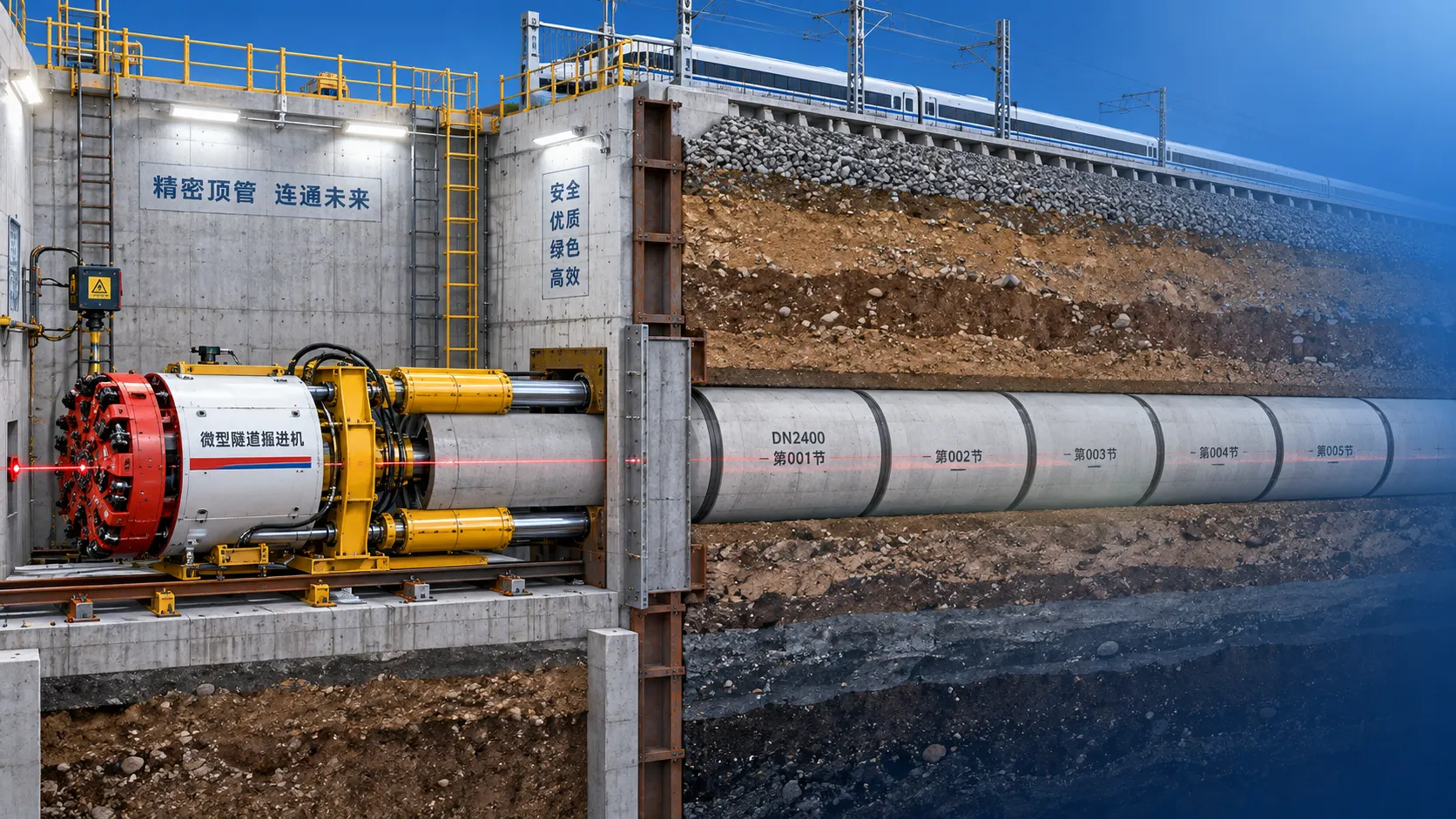
Which Trenchless Construction Technique Fits Your Utility Crossing Conditions?
Trenchless construction techniques compared for utility crossings: choose HDD, microtunnelling, pipe jacking, or auger boring based on ground, accuracy, access, and risk.
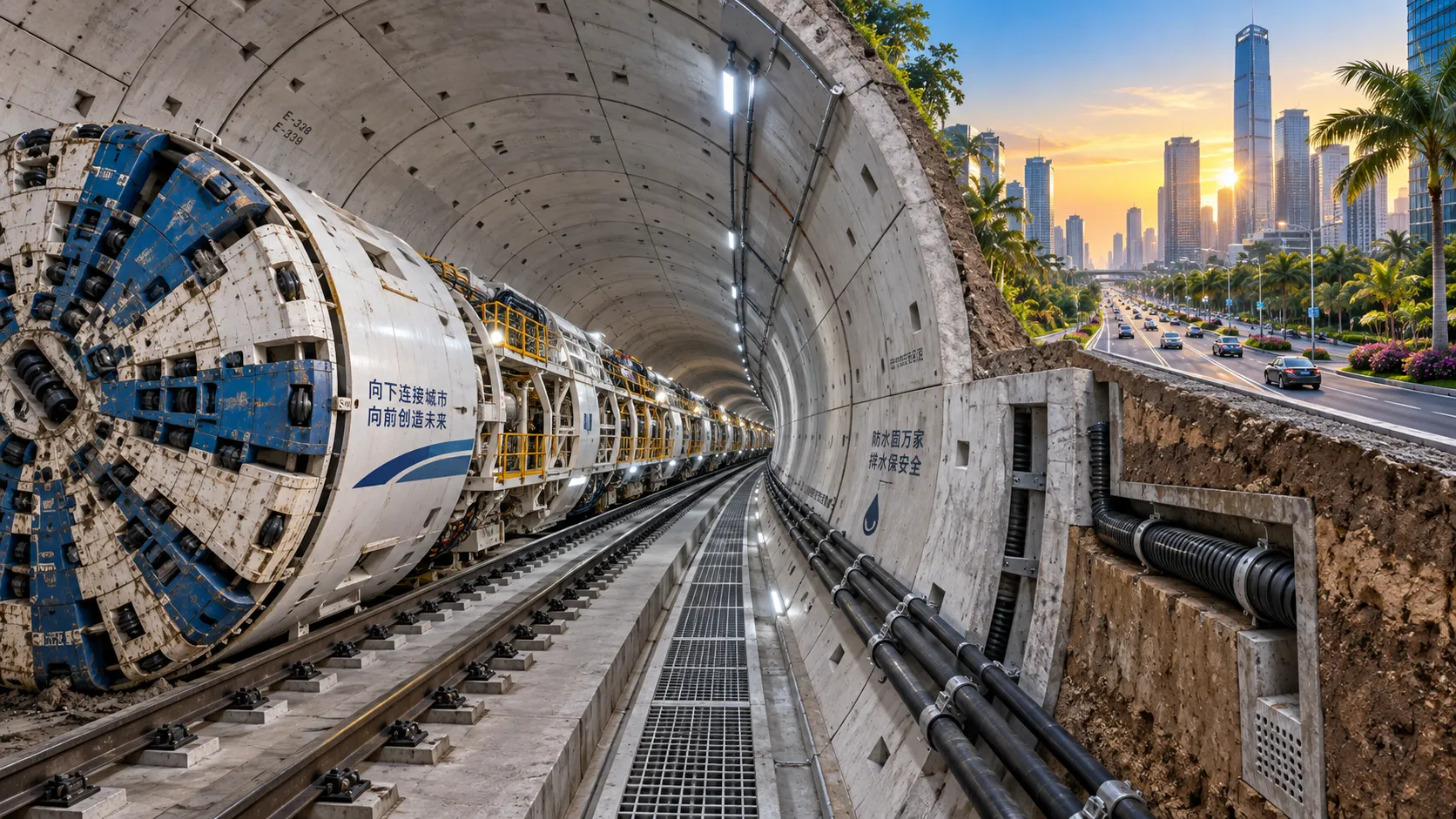
What Is Driving Metro Tunnelling Demand Across Southeast Asia’s Major Cities?
Metro tunnelling Southeast Asia is accelerating as major cities tackle congestion, flooding, and connectivity. Explore the market forces, technical risks, and opportunities shaping demand.
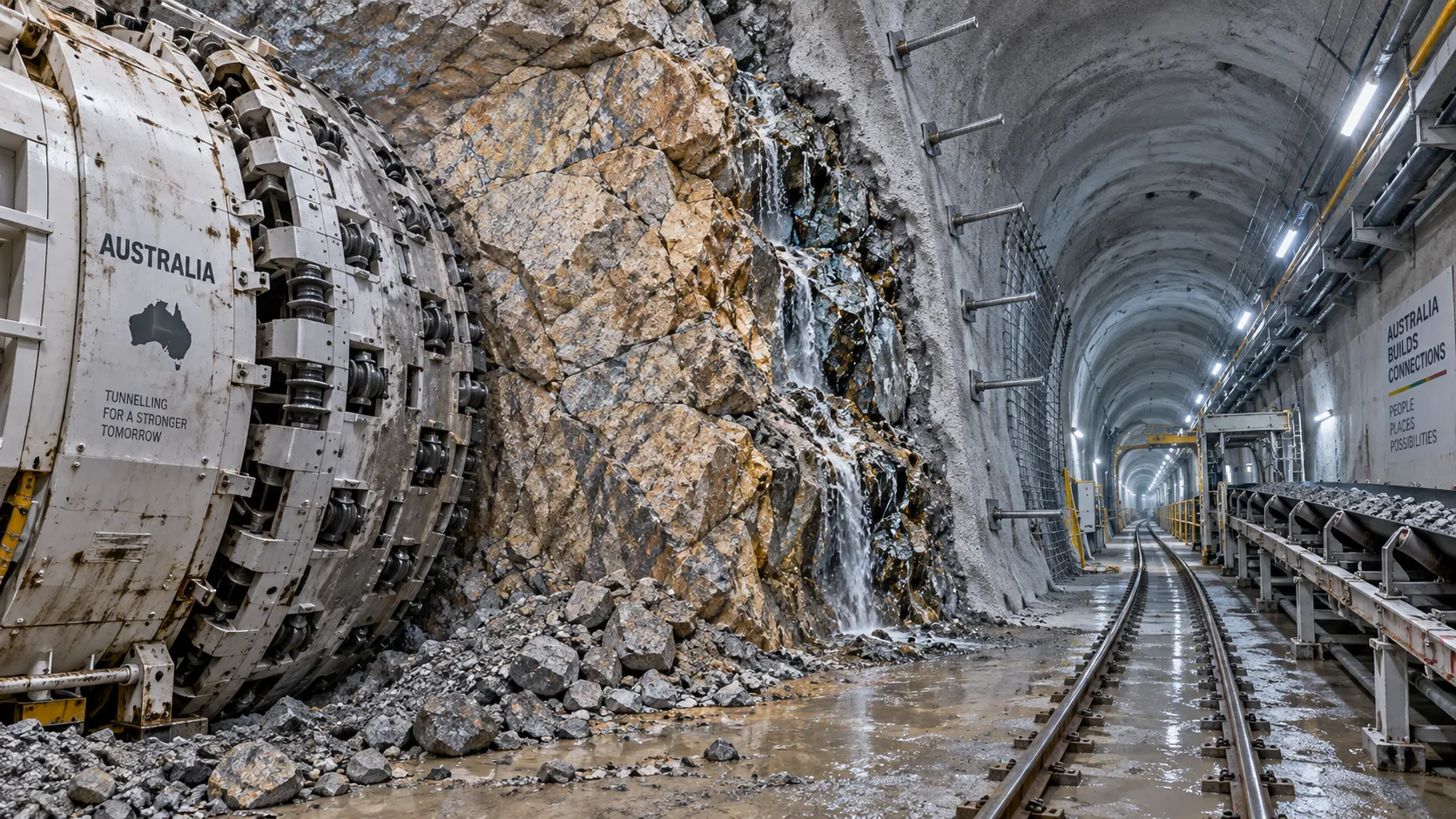
Hard Rock Tunnelling in Australia: Selecting Methods for Variable Ground Conditions
Hard rock tunnelling in Australia: compare TBM, drill-and-blast and hybrid methods to manage variable ground, reduce risk and protect project costs.
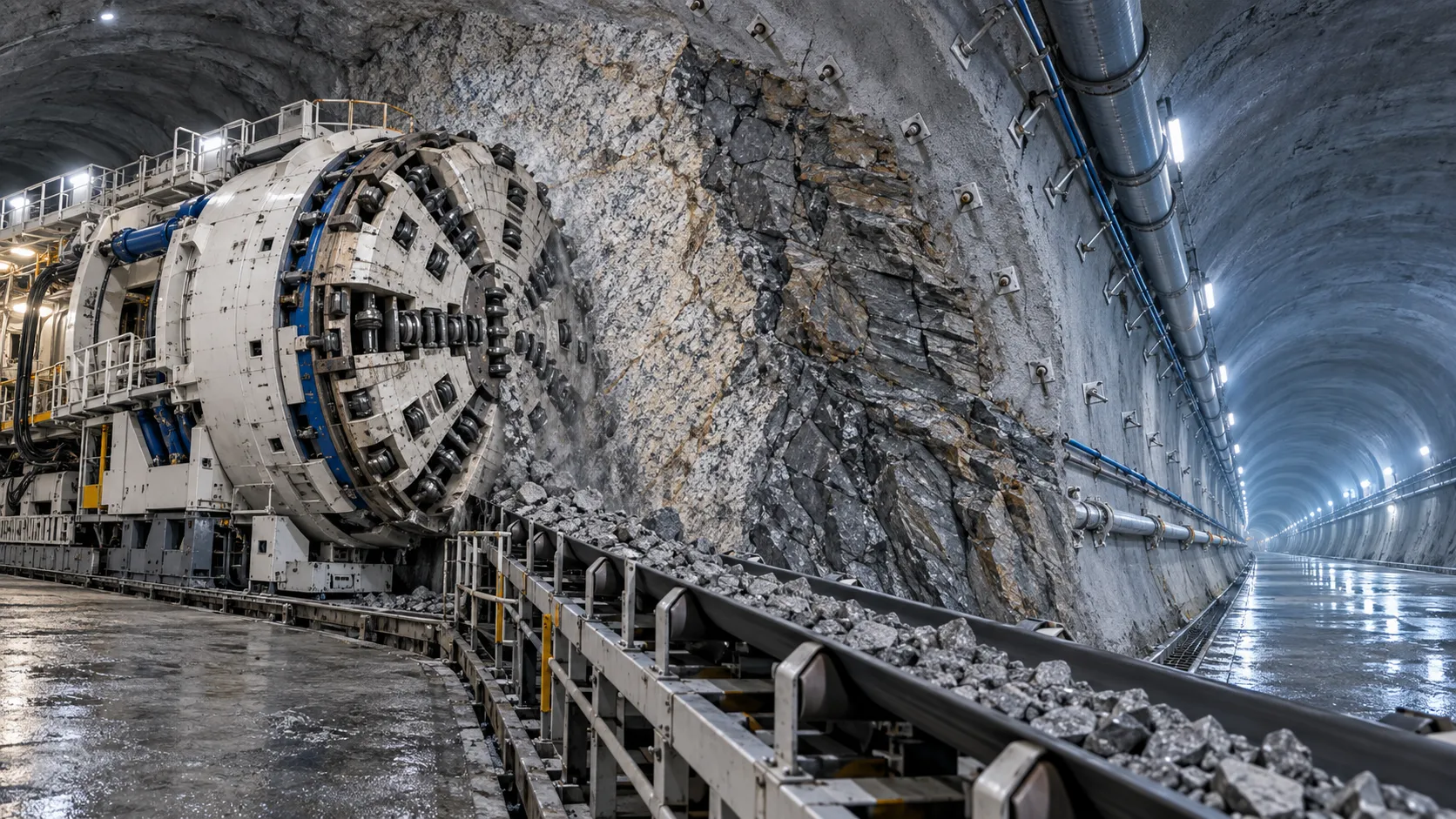
Hydropower Tunnel Excavation: Selecting Methods for Variable Rock Conditions
Hydropower tunnel excavation methods for variable rock conditions: compare TBM, drill-and-blast, and hybrid strategies to improve safety, progress, and project control.
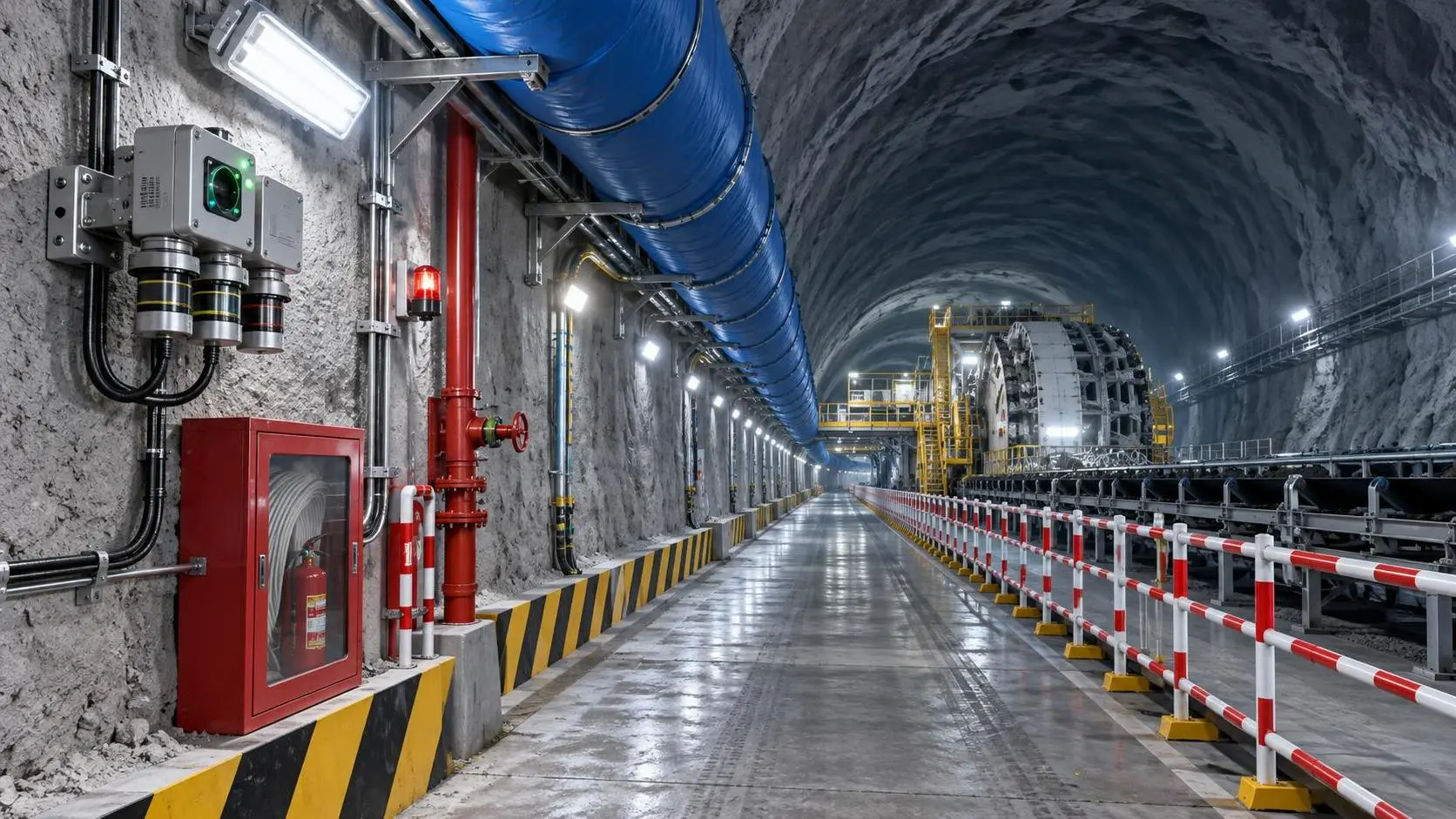
How to Select Underground Safety Equipment for Tunnelling by Hazard and Work Zone
Underground Safety Equipment for tunnelling: match protection to hazards, work zones, compliance, and emergency needs with this practical selection guide.

EPB or Slurry Shield? Selecting Soft-Ground Tunnelling Equipment by Soil Conditions
Tunnel Excavation Equipment for soft ground: compare EPB and slurry shields by soil, groundwater, settlement risk, and project logistics to choose confidently.

How to Specify TBM Backup System Parts for Reliable Long-Distance Tunnelling
TBM backup system parts: learn how to specify reliable spares for long-distance tunnelling, reduce downtime, ensure compatibility, and speed underground recovery.

How to Size Open Pit Mining Trucks for Haul Distance, Grade, and Payload?
Open Pit Mining Trucks: learn how to match payload, haul distance, grade, road resistance, and loading capacity for safer, lower-cost mine operations.
Related News
- 00
0000-00
How to Evaluate European Drill-and-Blast Tunnelling Contractors for Complex Projects - 00
0000-00
Which Trenchless Construction Technique Fits Your Utility Crossing Conditions? - 00
0000-00
What Is Driving Metro Tunnelling Demand Across Southeast Asia’s Major Cities? - 00
0000-00
Hard Rock Tunnelling in Australia: Selecting Methods for Variable Ground Conditions - 00
0000-00
Hydropower Tunnel Excavation: Selecting Methods for Variable Rock Conditions
Weekly Insights
Stay ahead with our curated technology reports delivered every Monday.