
Kunming Event Signals Faster Export Clearance for Micro-tunnelling Equipment





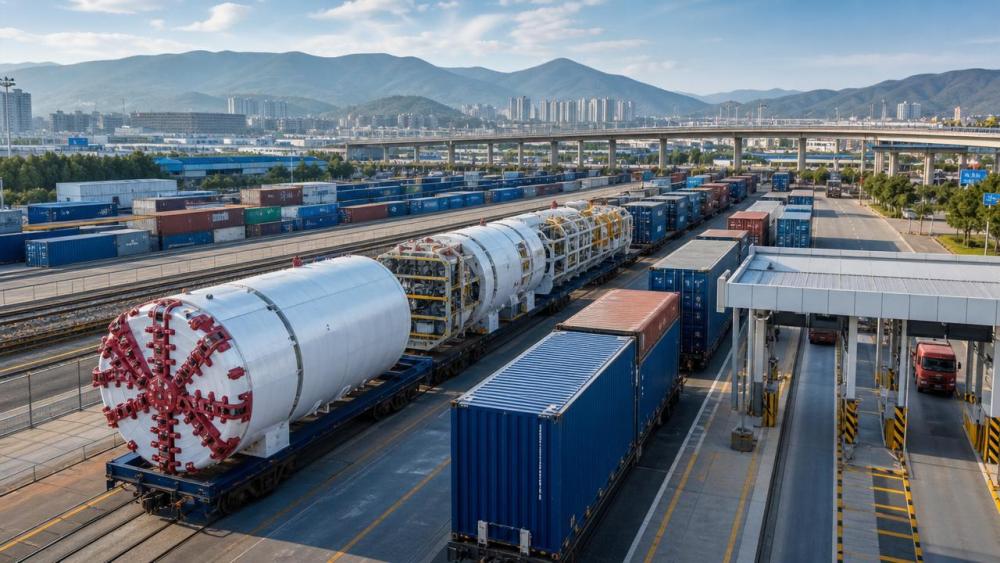
On June 3, 2026, Yunnan province joined transport authorities from Laos and Thailand in Kunming for a promotion event focused on the China-Laos-Thailand international logistics corridor. The development merits attention from exporters of Micro-tunnelling equipment, cross-border logistics providers, customs-facing service companies, and municipal project supply chains, because the corridor’s customs facilitation measures are expected to shorten clearance time by more than 40% for equipment shipped through Mohan port to Southeast Asian municipal projects.
What was confirmed at the Kunming corridor event
According to the information provided, the June 3 event in Kunming centered on improving cross-border transport coordination and customs convenience across the China-Laos-Thailand logistics corridor. The corridor has already implemented electronic customs declaration and a mechanism described as “single inspection, mutual recognition by multiple parties.” Based on the event summary, these measures are expected to significantly reduce the customs clearance cycle for Micro-tunnelling equipment exported through Mohan port to municipal projects in Southeast Asia, with an estimated compression of more than 40%.
Where the impact may be felt along the business chain
Equipment exporters may see the first operational effect in delivery timing
From an industry perspective, exporters of Micro-tunnelling equipment are the most directly affected group if the stated clearance improvement is realized in practice. The main impact would likely appear in outbound shipping schedules, customs handover timing, and coordination with overseas project delivery windows. What deserves closer attention is whether faster clearance translates into more predictable dispatch planning rather than only shorter processing time on paper.
Logistics and customs service providers will need to adjust execution details
Analysis shows that companies handling cross-border transport, declaration, and port-side coordination may be affected through documentation workflows and inspection arrangements. Electronic declaration and mutual recognition mechanisms can reduce repetition, but service providers will need to watch how these procedures are applied in actual shipments of specialized heavy equipment. The operational focus is likely to be on document completeness, filing accuracy, and coordination across multiple border-facing parties.
Municipal project supply chains in Southeast Asia may benefit from shorter lead-time pressure
For downstream project buyers and contractors linked to municipal works in Southeast Asia, the relevance lies in equipment arrival rhythm and installation preparation. If clearance time is reduced as indicated, the benefit may emerge in project sequencing, equipment handover planning, and communication around delivery milestones. Observably, this does not automatically mean all project risks fall, but it may ease one important source of timing uncertainty in cross-border equipment supply.
What companies should watch next
Follow how official facilitation language is translated into operating rules
What deserves closer attention is the difference between a policy-oriented signal and shipment-level execution. Companies should continue tracking whether there are further official clarifications on process scope, applicable cargo categories, and specific operating requirements tied to the corridor and Mohan port movements.
Review documents and declaration readiness for specialized equipment
For businesses shipping Micro-tunnelling equipment, a practical priority is document readiness. If electronic declaration and mutual recognition are becoming more important in the corridor, exporters and their service partners should review whether internal customs files, shipment descriptions, and supporting documents are organized in a way that matches faster processing expectations.
Reassess delivery commitments to overseas customers carefully
Analysis shows that shorter estimated clearance cycles may influence how companies communicate lead times to municipal project customers in Southeast Asia. Even so, businesses should avoid treating the announced improvement as an automatic guarantee in every shipment scenario. A prudent approach is to update delivery assumptions gradually while maintaining contingency buffers.
Coordinate more closely with logistics and project-facing teams
The announced facilitation measures matter not only for customs staff but also for sales, project coordination, procurement, and logistics teams. Companies involved in export execution should align customer communication, shipment scheduling, and border-crossing arrangements so that any actual time savings can be used effectively rather than lost in internal handoff delays.
Why this looks more like a practical signal than a finished result
Observably, this update is best understood as a concrete operational signal rather than a fully settled outcome across the whole market. The confirmed facts point to real facilitation measures already in place, and the expected reduction in clearance time is material for Micro-tunnelling equipment exports. At the same time, analysis shows the industry still needs to watch how consistently these mechanisms work in day-to-day cross-border execution. For that reason, the news matters now, but its full commercial effect still requires continued observation.
How the market may interpret this development for now
At this stage, it is more appropriate to understand the Kunming event as an industry-relevant improvement in trade facilitation for a specific export route and equipment category. The immediate significance lies in potential gains in customs efficiency and delivery coordination for Micro-tunnelling equipment moving through Mohan port toward Southeast Asian municipal projects. A balanced reading is that the signal is meaningful, but companies should judge its value through actual shipment performance and follow-up rule clarity.
Basis of this article and points requiring further verification
This article is based on the user-provided news title, event date, and event summary. For this type of industry update, commonly relevant source categories may include official government notices, transport authority releases, company announcements, industry association information, authoritative media reports, and related customs or standards documents. No specific official source link was provided in the input, so the exact primary-source documentation still needs ongoing verification. Areas that warrant continued attention include whether additional operating details are published, how the facilitation measures are implemented in practice, and whether the expected clearance reduction is reflected consistently in real export cases.
Related News

How to Evaluate European Drill-and-Blast Tunnelling Contractors for Complex Projects
Drill and blast tunnelling contractors Europe: learn how to assess geology expertise, blast control, equipment reliability, safety, and programme resilience for complex projects.

Which Trenchless Construction Technique Fits Your Utility Crossing Conditions?
Trenchless construction techniques compared for utility crossings: choose HDD, microtunnelling, pipe jacking, or auger boring based on ground, accuracy, access, and risk.

What Is Driving Metro Tunnelling Demand Across Southeast Asia’s Major Cities?
Metro tunnelling Southeast Asia is accelerating as major cities tackle congestion, flooding, and connectivity. Explore the market forces, technical risks, and opportunities shaping demand.

Hard Rock Tunnelling in Australia: Selecting Methods for Variable Ground Conditions
Hard rock tunnelling in Australia: compare TBM, drill-and-blast and hybrid methods to manage variable ground, reduce risk and protect project costs.

Hydropower Tunnel Excavation: Selecting Methods for Variable Rock Conditions
Hydropower tunnel excavation methods for variable rock conditions: compare TBM, drill-and-blast, and hybrid strategies to improve safety, progress, and project control.

How to Select Underground Safety Equipment for Tunnelling by Hazard and Work Zone
Underground Safety Equipment for tunnelling: match protection to hazards, work zones, compliance, and emergency needs with this practical selection guide.

EPB or Slurry Shield? Selecting Soft-Ground Tunnelling Equipment by Soil Conditions
Tunnel Excavation Equipment for soft ground: compare EPB and slurry shields by soil, groundwater, settlement risk, and project logistics to choose confidently.
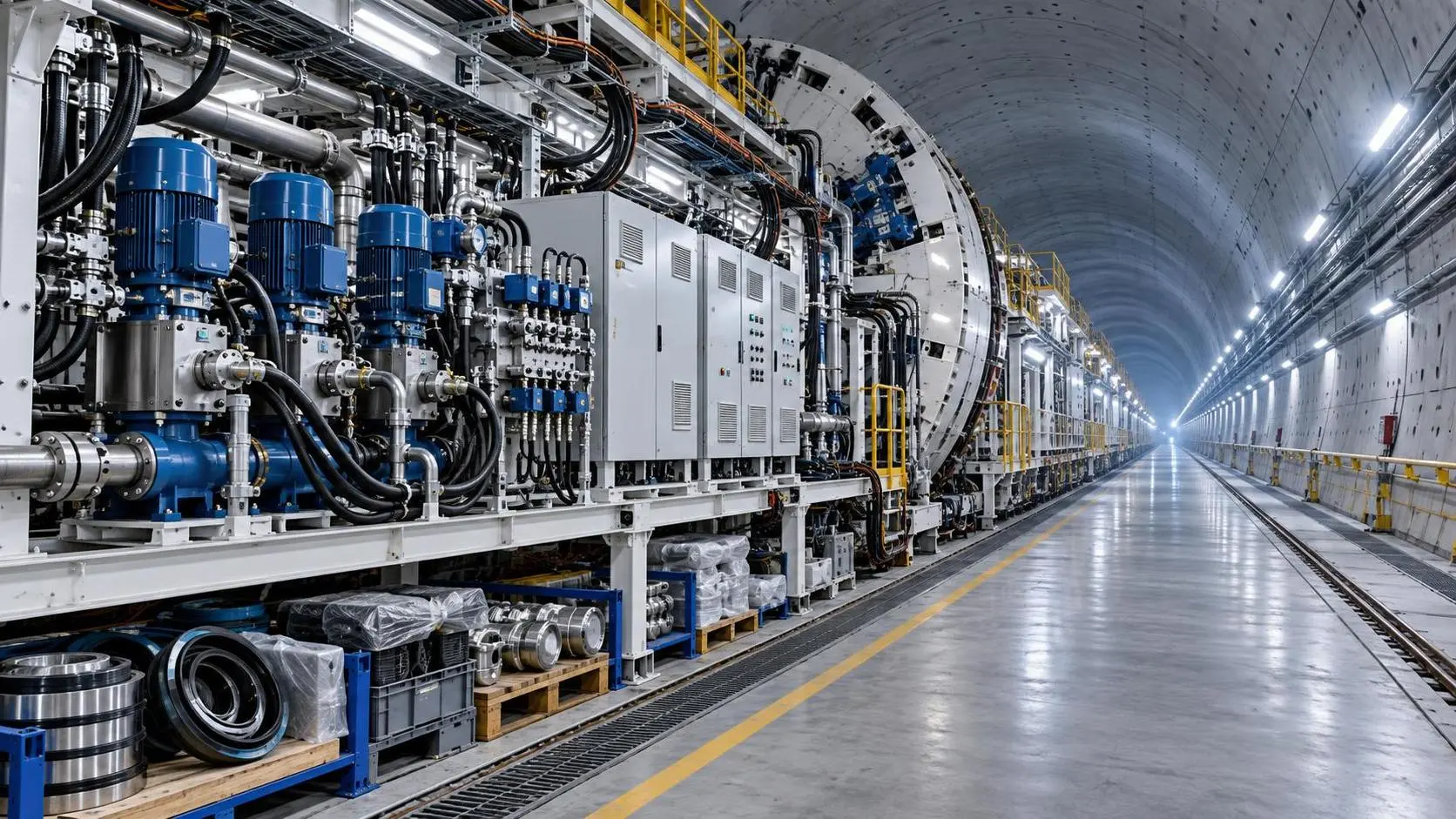
How to Specify TBM Backup System Parts for Reliable Long-Distance Tunnelling
TBM backup system parts: learn how to specify reliable spares for long-distance tunnelling, reduce downtime, ensure compatibility, and speed underground recovery.

How to Size Open Pit Mining Trucks for Haul Distance, Grade, and Payload?
Open Pit Mining Trucks: learn how to match payload, haul distance, grade, road resistance, and loading capacity for safer, lower-cost mine operations.
Related News
- 00
0000-00
How to Evaluate European Drill-and-Blast Tunnelling Contractors for Complex Projects - 00
0000-00
Which Trenchless Construction Technique Fits Your Utility Crossing Conditions? - 00
0000-00
What Is Driving Metro Tunnelling Demand Across Southeast Asia’s Major Cities? - 00
0000-00
Hard Rock Tunnelling in Australia: Selecting Methods for Variable Ground Conditions - 00
0000-00
Hydropower Tunnel Excavation: Selecting Methods for Variable Rock Conditions
Weekly Insights
Stay ahead with our curated technology reports delivered every Monday.